1 / 7
Annuals
Brassica oleracea 'Winterbor'
Winterbor Kale
BrassicaceaeMediterranean
At a Glance
Typeannual
Habitrosette-forming
Foliagedeciduous
Height12-18 inches
Width12-15 inches
Growing Zones
USDA Hardiness Zones
2a - 10bZone 2a
Zone 2b
Zone 3a
Zone 3b
Zone 4a
Zone 4b
Zone 5a
Zone 5b
Zone 6a
Zone 6b
Zone 7a
Zone 7b
Zone 8a
Zone 8b
Zone 9a
Zone 9b
Zone 10a
Zone 10b
These zones indicate the coldest temperatures this plant can typically survive.
Frost Tolerancehardy
Key Features
Container Friendly
Maintenancemoderate
Overview
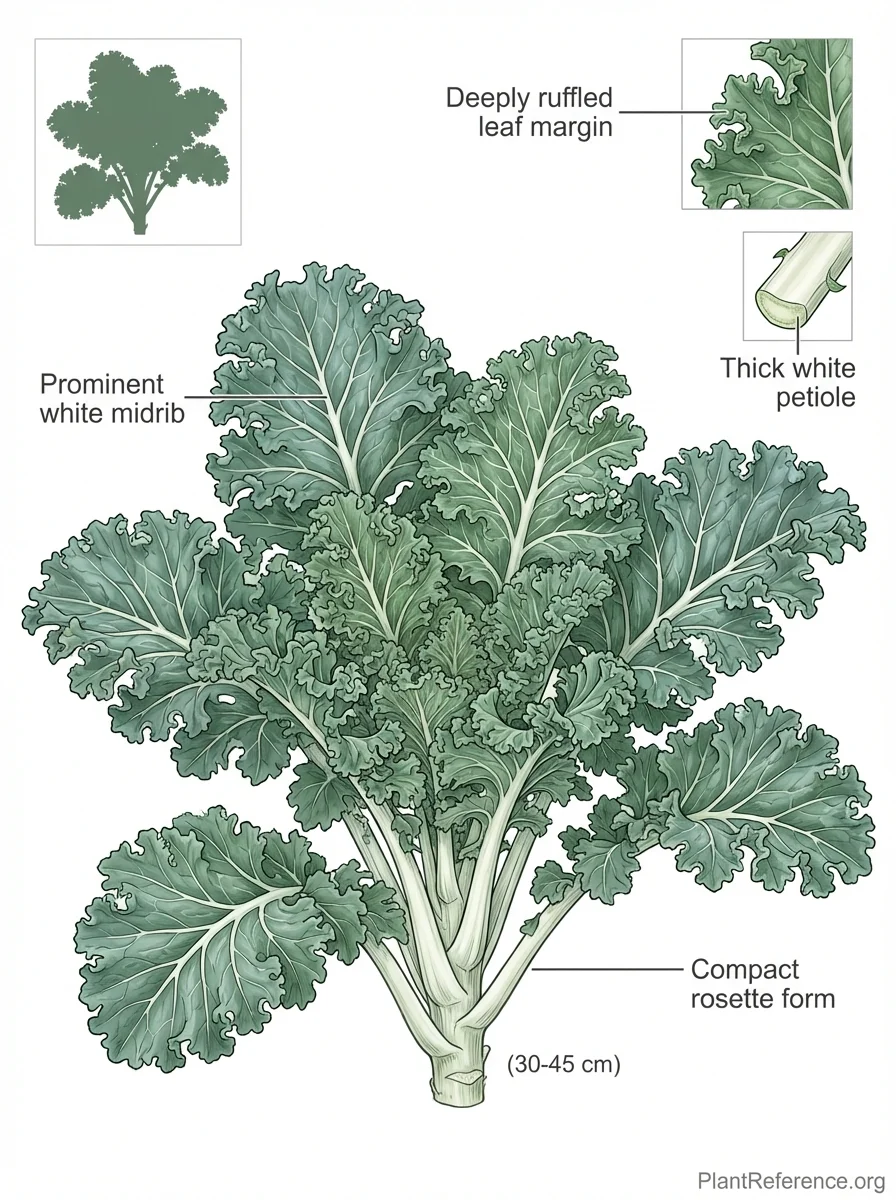
Brassica oleracea 'Winterbor' is an exceptional cold-hardy kale cultivar renowned for its extraordinary ornamental value and culinary excellence. This compact variety forms a perfectly symmetrical rosette reaching 12-18 inches in both height and spread, distinguished by its deeply curled, intensely ruffled blue-green foliage that displays an almost lace-like texture. The leaves feature striking white midribs and intricate white veining that creates dramatic architectural contrast against the blue-green leaf tissue, while thick white petioles complement the prominent midribs throughout the plant's structure.
What truly sets Brassica oleracea 'Winterbor' apart from other kale varieties is its remarkable transformation following frost exposure, when leaves become increasingly tender and sweet while developing an attractive silvery-frosted appearance. This enhanced cold tolerance allows the plant to maintain structural integrity and visual appeal throughout severe winter conditions, making it invaluable for season extension and four-season vegetable production. The dense ruffling and compact growth habit distinguish it clearly from taller, less ornamental kale cultivars, while its exceptional flavor and nutritional density make it equally prized for both decorative and culinary applications.
Native Range
Brassica oleracea originates from the Mediterranean basin and western Atlantic coastal regions of Europe, including the rocky shorelines and limestone cliffs of Spain, France, Portugal, and the British Isles where wild cabbage still grows naturally. The species has undergone thousands of years of cultivation and selective breeding throughout Europe, with modern cultivars like Brassica oleracea 'Winterbor' being developed through intensive horticultural programs focused on enhancing cold tolerance, compact growth habits, and ornamental characteristics while preserving exceptional culinary qualities and nutritional density.Suggested Uses
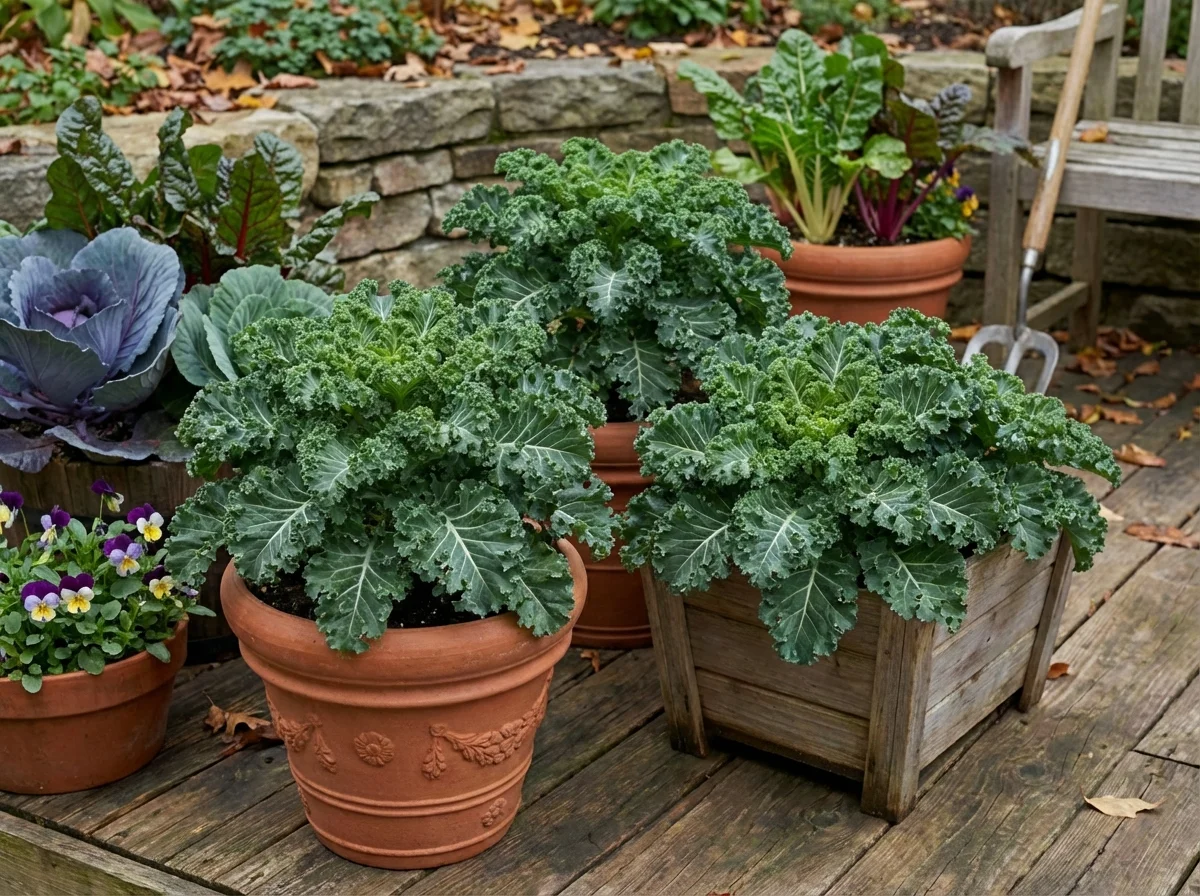
Brassica oleracea 'Winterbor' excels in vegetable gardens, raised beds, and container plantings where its compact size and exceptional ornamental qualities can be fully appreciated. It performs beautifully in winter gardens, cold frames, and season extension systems, making it invaluable for year-round food production. The variety is excellent for succession planting to ensure continuous harvests throughout the growing season and works wonderfully in mixed ornamental containers where it provides both beauty and function. Its compact habit makes Brassica oleracea 'Winterbor' particularly well-suited for small-space gardening, urban agriculture, and intensive production systems. Consider incorporating it into herb gardens, kitchen gardens, or as attractive edging along pathways and borders where its distinctive ruffled foliage can serve as both a design element and readily accessible harvest crop.How to Identify
Appearance
Size & Dimensions
Height1' - 1'6"
Width/Spread1' - 1'3"
Colors
Flower Colors
yellow
Foliage Colors
blue
green
Bloom Information
Bloom Period
J
F
M
A
M
J
J
A
S
O
N
D
Spring
Detailed Descriptions
Flower Description
YellowFoliage Description
Blue-green with prominent white midribs and veiningGrowing Conditions
Sun Requirements
Full Sun
Partial Shade
• Full Sun: 6+ hours of direct sunlight
• Partial Shade: 3-6 hours of direct sunlight
• Full Shade: Less than 3 hours of direct sunlight
Soil Requirements
pH Range6.0 - 7.5(Neutral)
357912
Soil Types
loam
Drainage
well drained
Water & Climate
Water Needs
moderate
Frost Tolerance
hardy
Time to Maturity
60-75 days
Care & Maintenance
Care Guide
Brassica oleracea 'Winterbor' thrives in well-draining, fertile soil enriched with compost or well-aged manure and requires consistent moisture throughout the growing season while avoiding waterlogged conditions. Apply a balanced fertilizer every 4-6 weeks during active growth, or side-dress with compost monthly to provide sustained nutrition for optimal leaf development and color intensity. This variety performs exceptionally well in cool weather and demonstrates remarkable cold tolerance, withstanding temperatures down to 10°F (-12°C), making it ideal for fall and winter cultivation in most climates. Apply a 2-3 inch layer of organic mulch around plants to retain soil moisture, regulate soil temperature, and suppress weed competition. In hot summer regions, provide afternoon shade to prevent heat stress and premature bolting, though Brassica oleracea 'Winterbor' is primarily grown for cool-season production when its flavor and texture are at their peak.Pruning
Brassica oleracea 'Winterbor' benefits from regular harvesting practices rather than traditional pruning to maintain continuous production and plant health. Begin harvesting outer leaves when plants reach 6-8 inches in height, always leaving the central growing point intact to ensure continued leaf development throughout the season. Remove yellowing, damaged, or pest-affected leaves promptly to maintain overall plant vigor and prevent potential disease issues from spreading. If flower stalks begin to emerge, remove them immediately at their base to redirect Brassica oleracea 'Winterbor''s energy back into producing tender foliage rather than going to seed. For ornamental applications, consistently deadhead any developing flower buds to keep the plant focused on producing attractive, harvestable leaves rather than reproductive growth.Maintenance Level
moderateContainer Growing
✓ Suitable for container growing
Minimum container size: 5 gallons
⚠️ Toxicity Warning
Brassica oleracea 'Winterbor' is completely safe for human consumption and provides excellent nutritional value as a leafy green vegetable rich in vitamins A, C, and K, along with calcium and iron. The plant is not toxic to most pets when consumed in normal quantities, though like all brassicas, it contains naturally occurring compounds called goitrogens that can interfere with thyroid function if consumed in excessive amounts over extended periods. Raw Brassica oleracea 'Winterbor' may be somewhat difficult for some pets to digest due to its fibrous nature, but cooked kale is generally well-tolerated by dogs and cats when offered in moderation. As with introducing any new food to pets, start with small amounts and consult with a veterinarian if any digestive concerns arise.Planting Guide
Planting Methods & Timing
Planting Method
direct sow
Indoor Start
4 weeks before last frost
Direct Sow Timing
early spring through late summer
Days to Maturity
60–75 days
Plant Spacing
12 inches
Companion Planting
Good Companions
onions
garlic
beets
carrots
lettuce
spinach
peas
beans
Avoid Planting With
tomatoes
peppers
strawberries
pole beans