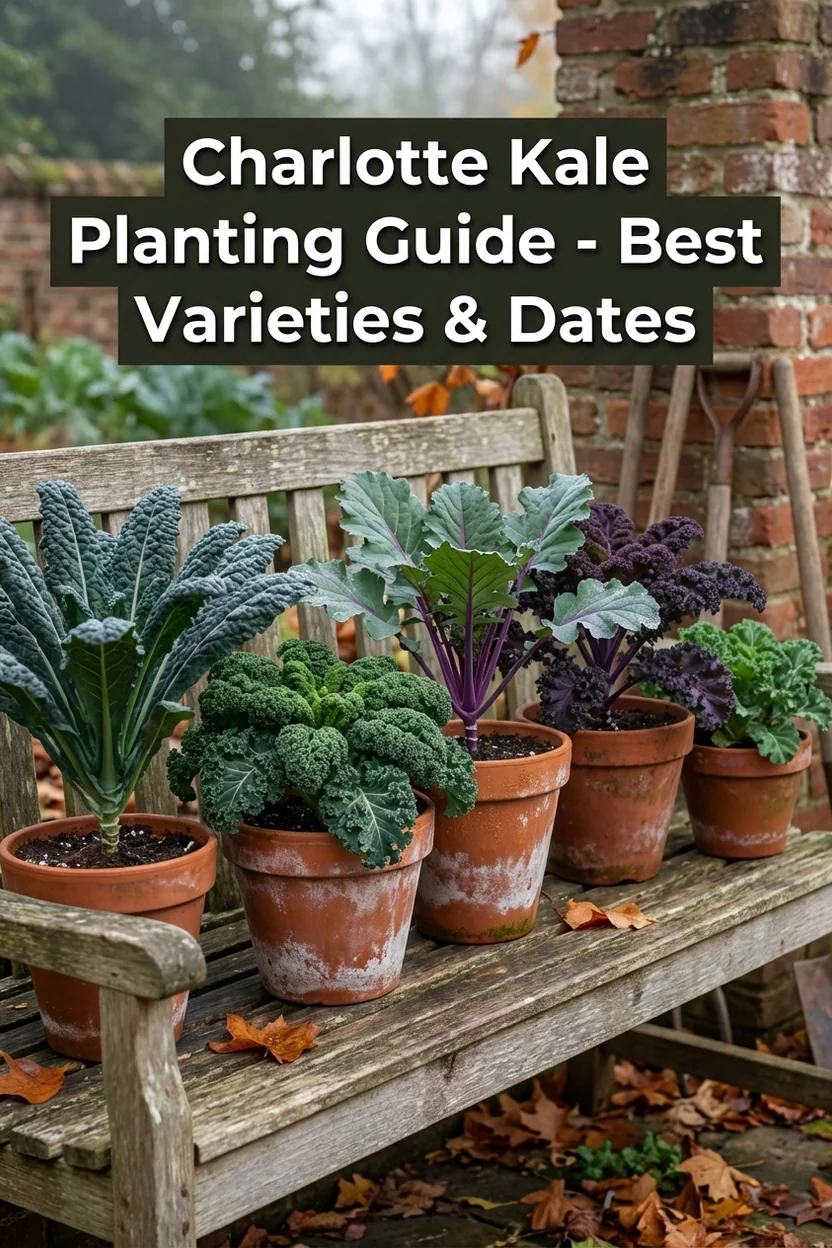
When to Plant Kale in Charlotte: Complete Guide + Best Varieties for Zone 7b
Pets & Toxicity
Recorded toxicity for plants linked in this guide. An unknown status is not a safety assessment.
No linked plant is recorded as toxicDetailsHide
Brassica oleracea 'Red Russian' — Toxicity
Non-toxicView Brassica oleracea 'Red Russian' plant profileBrassica oleracea var. sabellica 'Vates' — Toxicity
Non-toxicView Brassica oleracea var. sabellica 'Vates' plant profile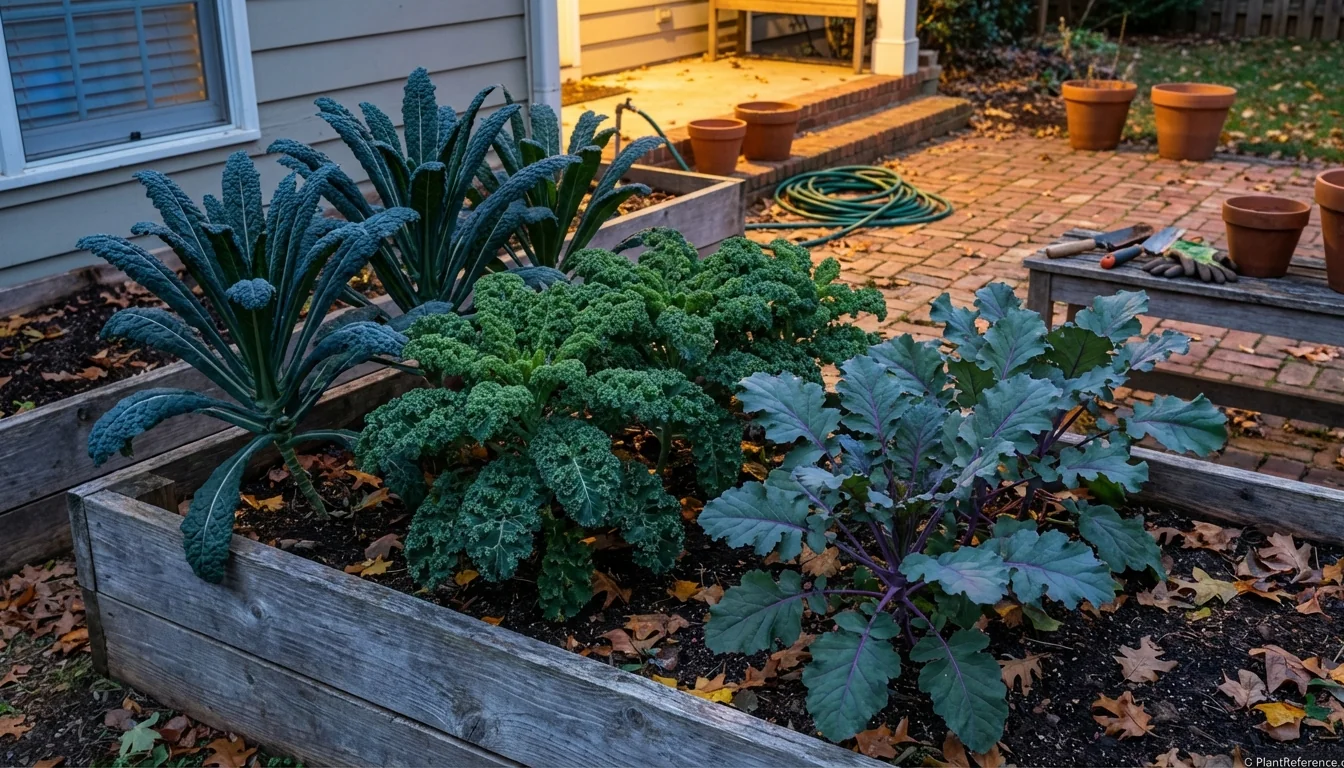
— Image © Plant Reference 2026
Charlotte's Zone 7b climate creates ideal conditions for growing exceptional kale crops twice per year. With a last frost around April 4th and first frost around November 4th, you have two distinct windows to grow this nutritious cold-season green that actually improves in flavor after exposure to frost.
Best Kale Varieties for Charlotte's Zone 7b Climate
Charlotte's moderate winters and long growing season make it possible to grow all major kale varieties successfully. The key is matching variety characteristics to your specific growing goals—whether you want maximum cold hardiness, fastest harvest, or best flavor development.
Variety | Days to Maturity | Best For | Notes for Charlotte |
|---|---|---|---|
60-75 days | Flavor & winter harvest | Excellent overwinter survival, sweetens beautifully with frost | |
60-75 days | Maximum cold hardiness | Survives hardest Charlotte winters, very slow to bolt | |
50-60 days | Quick spring crops | Fast maturity perfect for spring planting before heat | |
60-75 days | Ornamental & eating | Purple color intensifies in cold, excellent winter display | |
55-65 days | Small spaces | Compact growth ideal for container growing |
Lacinato Kale (Dinosaur Kale)
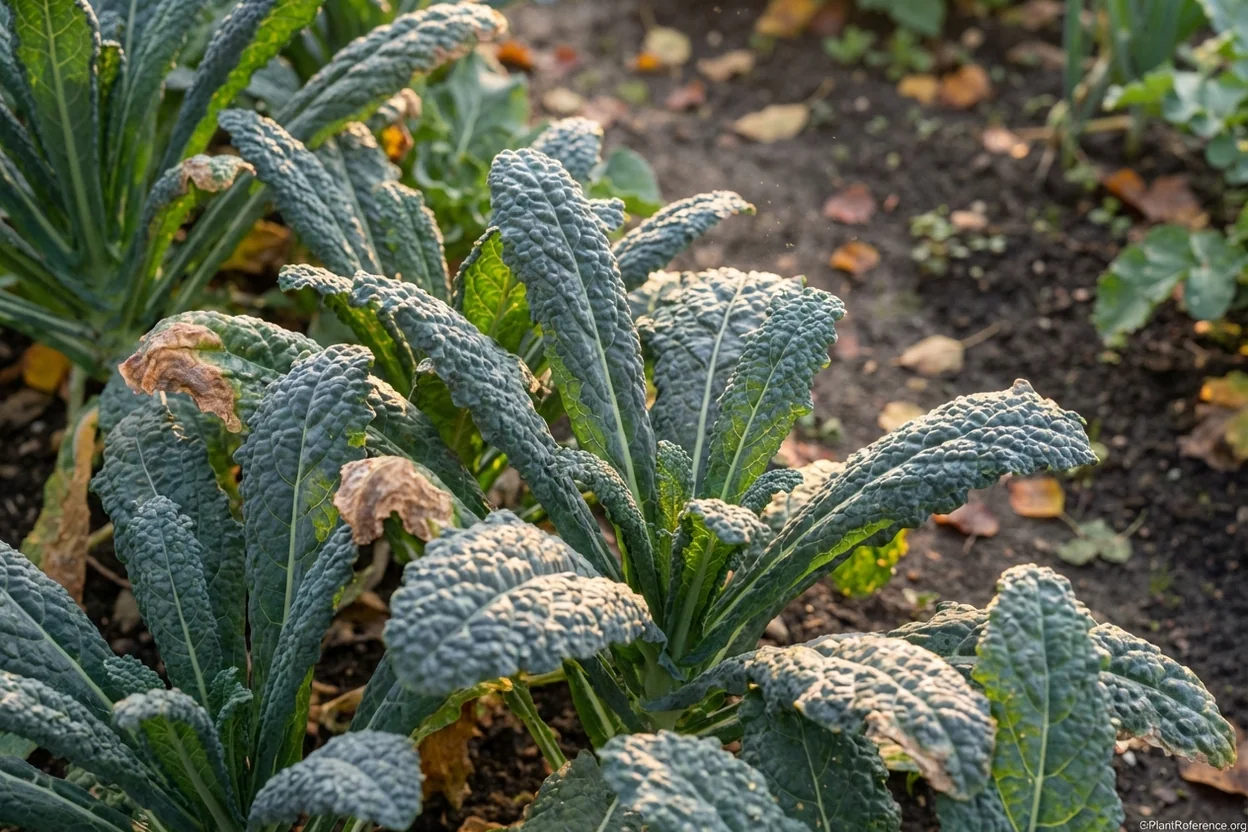
The flat-leaf 🌿Brassica oleracea 'Lacinato' performs exceptionally in Charlotte's climate. This Italian heirloom variety produces dark blue-green, heavily textured leaves that grow 12-18 inches (30-45 cm) long. What makes Lacinato special in Charlotte is its ability to overwinter reliably and its superior flavor development during cold weather.
The leaves have a unique blistered texture and nutty, sweet flavor that becomes more pronounced after frost exposure. In Charlotte's Zone 7b climate, fall-planted Lacinato can be harvested continuously from October through March, providing fresh greens throughout winter.
Winterbor Kale (Maximum Cold Tolerance)
🌿Brassica oleracea 'Winterbor' is the champion of Charlotte's winter garden. This F1 hybrid produces deeply ruffled, blue-green leaves on plants that can reach 2-3 feet (60-90 cm) tall. The heavily curled leaves create excellent cold resistance, and Winterbor regularly survives Charlotte's coldest winters without protection.
For Charlotte gardeners planning to harvest kale through January and February, Winterbor is your insurance policy. The variety is extremely slow to bolt in spring, extending your harvest window as temperatures warm in March and April.
Red Russian Kale (Quick Spring Harvest)
🌿Brassica oleracea 'Red Russian' matures faster than other varieties, making it perfect for Charlotte's spring planting window. The flat, oak-shaped leaves with purple veins are tender and mild-flavored, excellent for raw salads and smoothies.
Red Russian's 50-60 day maturity means you can direct sow in late February and harvest full-size leaves by late April, well before Charlotte's summer heat triggers bolting. This variety is also excellent for baby leaf production, ready to harvest in just 30-35 days.
Redbor Kale (Ornamental Beauty)
🌿Brassica oleracea 'Redbor' combines stunning purple foliage with excellent eating quality. The deep magenta leaves with ruffled edges create a beautiful display in fall and winter gardens while providing sweet, tender kale for your kitchen.
In Charlotte's climate, Redbor's purple color intensifies as temperatures drop, creating a striking winter garden display. The variety matches Winterbor for cold hardiness and flavor improvement after frost exposure.
Vates Kale (Compact Producer)
🌿Brassica oleracea 'Vates' grows just 12-16 inches (30-40 cm) tall, making it perfect for container growing or small garden spaces. This open-pollinated variety produces finely curled blue-green leaves and is exceptionally slow to bolt, extending harvest periods in both spring and fall.
For Charlotte gardeners with limited space, Vates provides maximum production in minimum area. The compact size also makes it less susceptible to wind damage during winter weather.
Specific Planting Dates for Charlotte
Charlotte's April 4th last frost and November 4th first frost create two distinct planting opportunities for kale. Understanding these timing windows is crucial for maximizing harvest quality and quantity.
Spring Planting Schedule (February-March)
Direct Sowing:
Start date: February 15-March 15
Soil temperature: 35°F (2°C) or warmer
Harvest begins: Late April-May
Harvest ends: Mid-June before summer heat
Transplant Schedule:
Start seeds indoors: January 15-February 15
Transplant outdoors: February 15-March 15 (6 weeks after seeding)
Protection: Use row covers if temperatures drop below 25°F (-4°C)
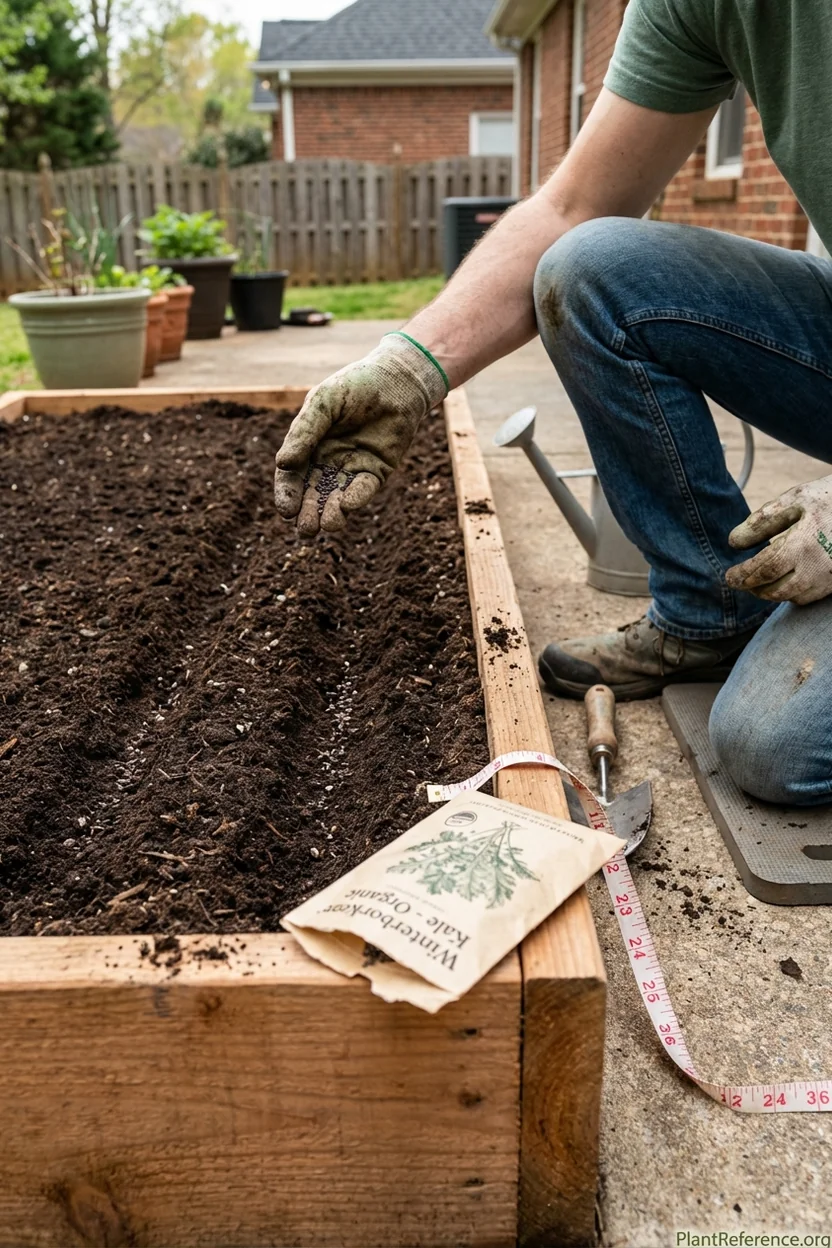
Fall Planting Schedule (July-August) - THE SUPERIOR CROP
Fall-planted kale is dramatically better than spring crops in Charlotte. The combination of cooler growing temperatures, reduced pest pressure, and frost-sweetening creates the finest kale you'll ever taste.
Direct Sowing:
Optimal dates: July 15-August 15
Latest planting: August 30 for smaller harvest
Days to maturity: Calculate backwards from November 4th first frost
Target: Full-size plants by first frost for maximum sweetening
Why Fall is Better:
Frost exposure converts starches to sugars, creating sweet, tender leaves
Lower pest pressure (fewer cabbage moths in fall)
Plants can overwinter in Charlotte's mild Zone 7b climate
Continuous harvest from October through March
Succession Planting Strategy
For continuous harvest, plant new kale every 2-3 weeks during optimal windows:
Spring Succession:
Planting 1: February 15
Planting 2: March 1
Planting 3: March 15
Harvest: April through June
Fall Succession:
Planting 1: July 15
Planting 2: August 1
Planting 3: August 15
Harvest: September through March
Complete Growing Guide for Charlotte
Charlotte's Zone 7b climate requires specific timing and variety selection to maximize kale production while avoiding the challenges of summer heat and ensuring winter survival.
Soil Preparation for Charlotte Conditions
Charlotte's clay-heavy soils present the primary challenge for kale cultivation. Kale requires well-draining soil with pH between 6.0-7.0 for optimal nutrient uptake and disease prevention.
Soil Amendment Protocol: 1. Test soil pH in late winter (most Charlotte soils are slightly acidic) 2. Add lime if pH below 6.5 to prevent clubroot disease 3. Incorporate 2-3 inches (5-7 cm) of compost to improve drainage 4. Create raised beds if drainage remains poor after amendment
Fertilization Schedule:
Pre-planting: Apply balanced organic fertilizer (5-5-5) at 2 pounds per 100 square feet
4 weeks after planting: Side-dress with nitrogen source (blood meal or fish emulsion)
Fall crops: Additional nitrogen application in October for winter growth
Planting Depth and Spacing
Proper spacing is crucial for air circulation and pest management in Charlotte's humid climate.
Seeding Guidelines:
Depth: 0.25-0.5 inches (0.6-1.3 cm)
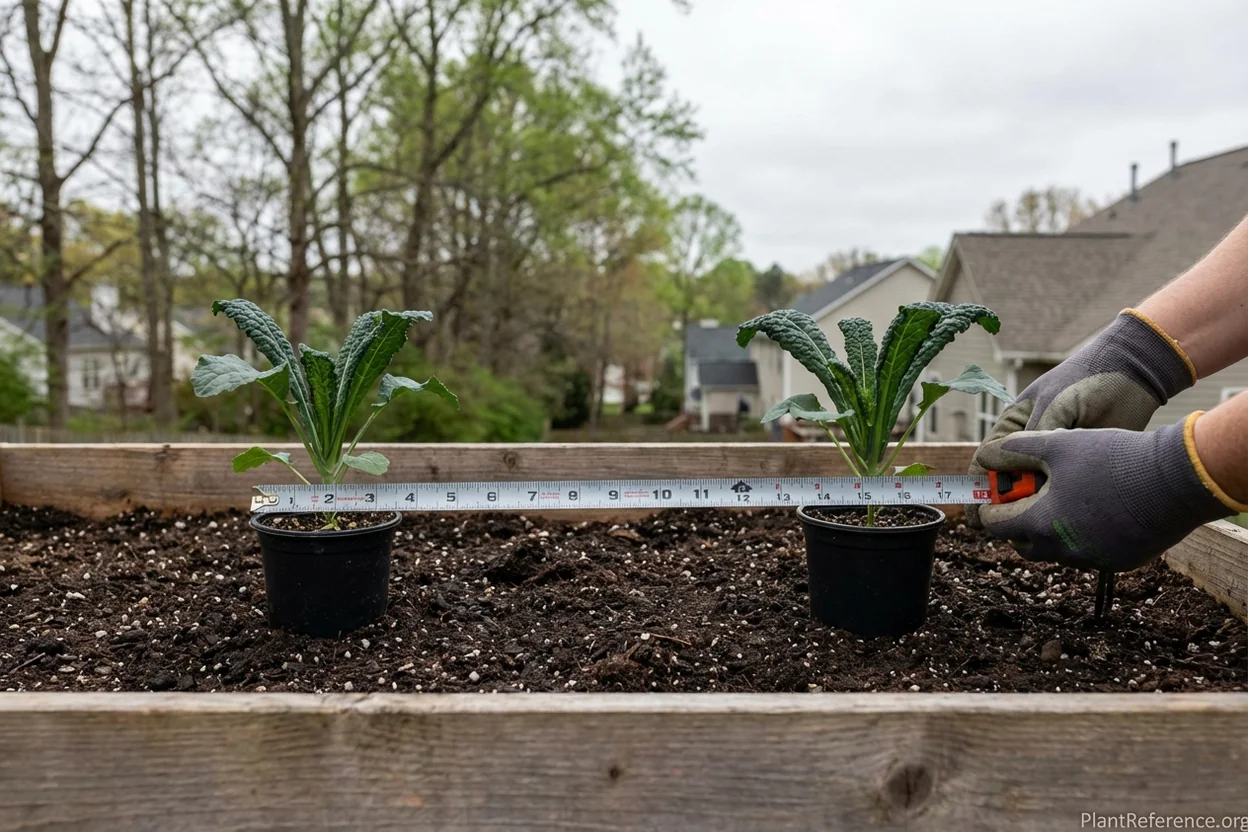
Spacing: 12 inches (30 cm) between plants in all directions
Row spacing: 18 inches (45 cm) for walking paths
Seeds per foot: 3-4 seeds, thin to strongest seedling
Transplant Guidelines:
Plant at same depth as grown in containers
Water thoroughly at transplanting
Use starter fertilizer solution for transplant shock prevention
Watering Requirements
Charlotte's variable precipitation requires strategic irrigation management. Spring typically provides adequate rainfall, while summer drought stress can trigger early bolting in late spring crops.
Watering Protocol:
Frequency: 1-1.5 inches (2.5-4 cm) per week including rainfall
Method: Drip irrigation or soaker hoses to keep foliage dry
Timing: Early morning to reduce disease pressure
Fall/Winter: Reduce frequency but maintain consistent soil moisture
Seasonal Adjustments:
Spring: Monitor for drought during typical April dry spells
Summer: Deep watering for fall plantings during establishment
Fall: Regular moisture prevents bitter leaf development
Winter: Minimal irrigation unless prolonged dry periods
Temperature Management
Charlotte's Zone 7b climate requires heat protection for spring crops and cold protection for maximum winter harvest extension.
Heat Protection (Spring Crops):
Monitor temperatures above 80°F (27°C) for bolting signs
Provide afternoon shade during May/June heat waves
Harvest aggressively when bolting begins
Consider shade cloth (30%) for late spring harvest extension
Cold Protection (Fall/Winter Crops):
Floating row covers when temperatures drop below 20°F (-7°C)
Heavy mulch around plant bases for root protection
Cold frame construction extends harvest through coldest periods
Most varieties survive Charlotte winters with minimal protection
Troubleshooting Charlotte-Specific Problems
Charlotte's humid subtropical climate creates specific challenges for kale production, particularly related to pest pressure and disease management.
Pest Management
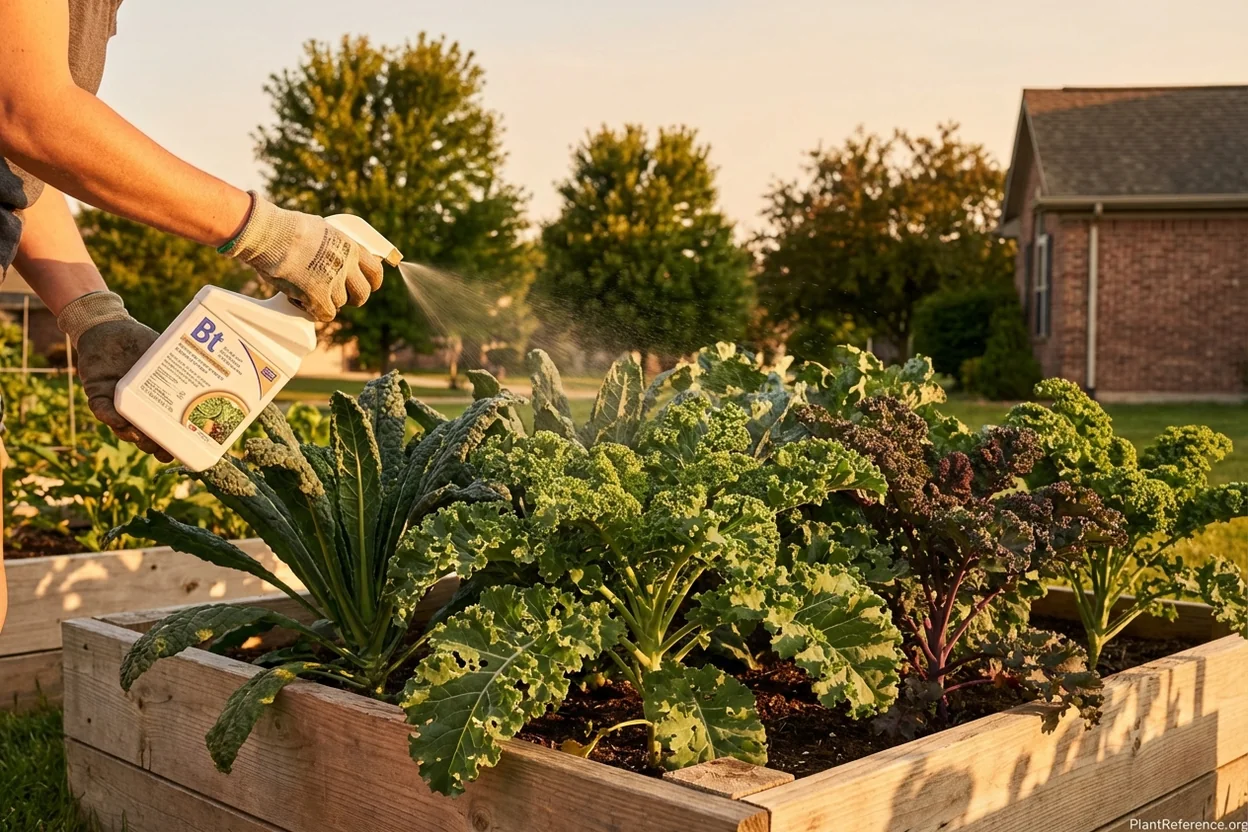
Cabbage Worms (Primary Threat): Charlotte's warm springs create heavy cabbage moth pressure starting in April. The white butterflies lay eggs on kale leaves, producing green caterpillars that can devastate crops.
Identification: Green caterpillars 1-2 inches (2.5-5 cm) long with fuzzy appearance Timing: Peak pressure April-June and September-October Control: Apply Bt (Bacillus thuringiensis) spray weekly during peak periods Prevention: Use floating row covers during vulnerable transplant stage
Aphids (Spring/Fall Issue): Cabbage aphids cluster on leaf undersides, causing leaf curl and transmitting plant viruses. Charlotte's mild springs favor aphid reproduction.
Identification: Gray-green insects in dense colonies, often with white waxy coating Control: Strong water spray, insecticidal soap, beneficial insect habitat Prevention: Avoid excess nitrogen fertilization which promotes soft, aphid-attractive growth
Flea Beetles (Early Season): Tiny jumping beetles create shot-hole damage on young kale plants. Charlotte's warm February/March weather can trigger early emergence.
Identification: Tiny black beetles that jump when disturbed, small round holes in leaves Control: Diatomaceous earth application, row covers on young plants Timing: Most damaging during first 4 weeks after planting
Disease Prevention
Black Rot Prevention: Charlotte's summer humidity creates ideal conditions for black rot, a bacterial disease causing V-shaped yellow lesions.
Prevention: Avoid overhead watering, ensure good air circulation, rotate crops yearly Management: Remove affected leaves immediately, clean tools between plants
Clubroot Management: Charlotte's naturally acidic soils can harbor clubroot fungus causing root swelling and plant death.
Prevention: Maintain soil pH above 6.5, improve drainage, avoid overwatering Testing: Annual soil testing recommended for brassica beds
Weather Challenges
Spring Bolting: Rapid temperature increases in May can trigger premature flowering (bolting) in spring-planted kale.
Prevention: Choose bolt-resistant varieties like 🌿Brassica oleracea 'Vates' for late spring harvest Management: Harvest flower shoots (kale raab) as secondary crop when bolting occurs
Winter Protection: While Charlotte winters are mild, occasional temperature drops below 15°F (-9°C) can damage exposed kale.
Protection: Floating row covers during extreme cold, heavy mulch around plant bases Variety Selection: 🌿Brassica oleracea 'Winterbor' and 🌿Brassica oleracea 'Redbor' show best cold tolerance
Harvest & Storage
Charlotte's extended growing seasons allow for sophisticated harvest strategies that maximize both quantity and quality from your kale plantings.
Optimal Harvest Timing
Spring Crops:
First harvest: 30 days after planting for baby leaves
Full harvest: 60-75 days when leaves reach 8-10 inches (20-25 cm)
Final harvest: Complete by mid-June before summer heat
Fall/Winter Crops (The Premium Harvest):
First frost harvest: Wait until after first frost (early November) for maximum sweetness
Peak flavor period: December-February when starches fully convert to sugars
Continuous harvest: Pick outer leaves throughout winter, leaving center growing
Harvest Technique
Use the "cut and come again" method to maximize production from each plant:
Outer Leaf Harvesting: Remove oldest, largest leaves from bottom of plant first
Center Protection: Never harvest more than 1/3 of total leaves at once
Clean Cuts: Use sharp garden shears to prevent stem damage
Morning Harvest: Pick in early morning when leaves are fully hydrated
Harvest leaves when 6-8 inches (15-20 cm) long for tender texture
Cut stems close to main plant stem without damaging growing center
Wash harvested leaves immediately in cold water
Remove any damaged or yellowing portions before storage
Storage Methods
Fresh Storage:
Refrigerate unwashed leaves in perforated plastic bags
Storage life: 7-10 days in vegetable crisper
Wash just before use to prevent premature spoilage
Preservation Options:
Blanching and freezing: Excellent for soups and stews
Dehydrating: Creates nutritious kale chips
Fermenting: Adds kale to sauerkraut and kimchi
Charlotte's long harvest window allows for multiple preservation methods, ensuring year-round access to your homegrown kale even when fresh production slows in summer.
Frequently Asked Questions
Reading about plants and recognising them are different skills. These three build the second.
- Daily PlantIdentify the day’s mystery plant from a close-up photograph.
- Keyed OutWork a dichotomous key, lead by lead, to name a hidden specimen.
- Name That PlantName a specimen from botanical clues dealt hardest first.
Free to play, no account needed
Sophie is a garden designer in Charlotte who came to the U.S. from France about a decade ago. Her design sensibility blends the structured formality of French garden traditions with the looser, more naturalistic style that works well in the Southeast. She has a degree in landscape architecture and worked at several design firms in Charlotte before going independent. She specializes in year-round garden structure, mixed borders, and creating outdoor spaces that feel intentional without being rigid. Sophie writes about garden design principles, plant combinations, and creating visual interest across seasons—always grounded in what actually grows well in the Piedmont.