Brassica oleracea 'Redbor', Redbor Kale
1 / 6
Annuals

Brassica oleracea 'Redbor'

Redbor Kale

BrassicaceaeEurope

At a Glance

Typeannual
Habitupright rosette
Foliagedeciduous
Height18-24 inches
Width12-18 inches
Maturity1 years

Growing Zones

USDA Hardiness Zones

2a - 10b
Zone 2a
Zone 2b
Zone 3a
Zone 3b
Zone 4a
Zone 4b
Zone 5a
Zone 5b
Zone 6a
Zone 6b
Zone 7a
Zone 7b
Zone 8a
Zone 8b
Zone 9a
Zone 9b
Zone 10a
Zone 10b
These zones indicate the coldest temperatures this plant can typically survive.
Frost Tolerancehardy

Key Features

Container Friendly
Maintenancemoderate

Overview

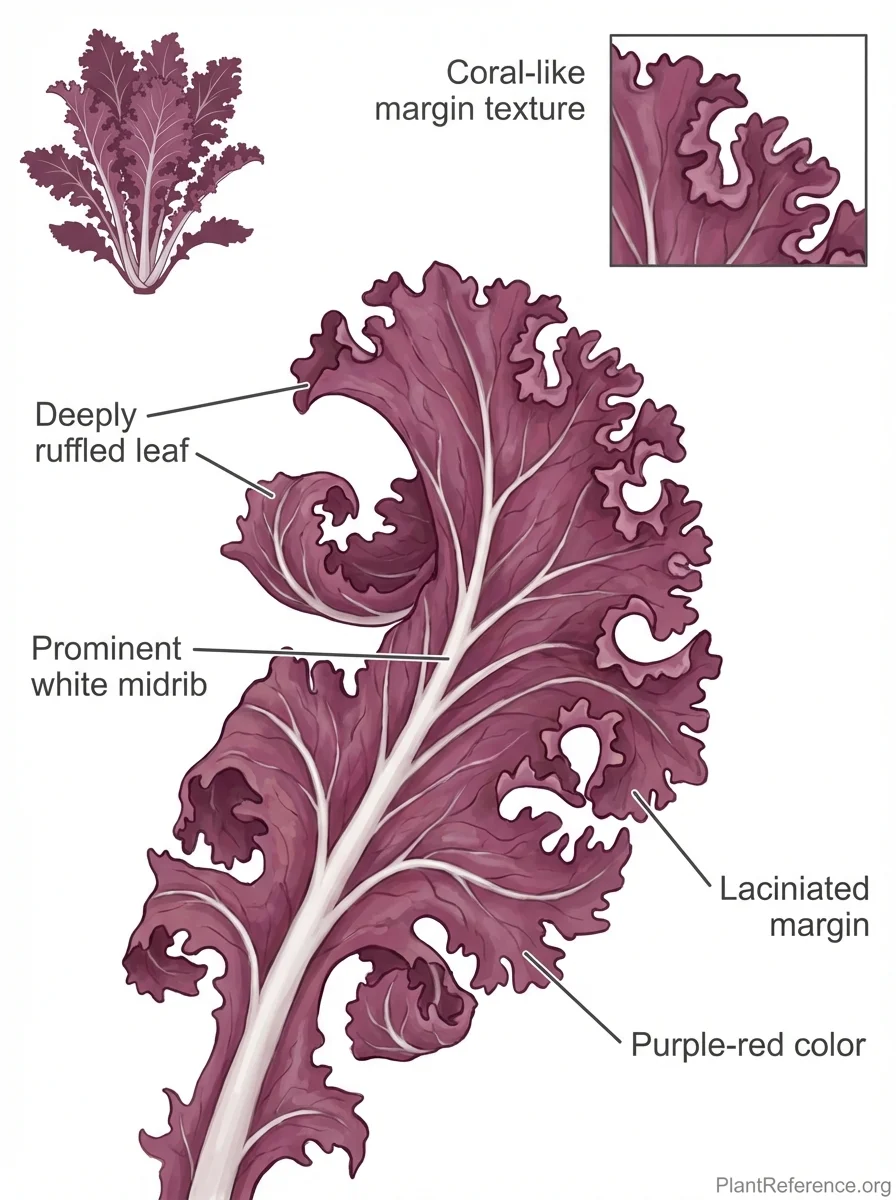
Brassica oleracea 'Redbor' is a spectacular ornamental kale cultivar that elevates the humble brassica into a showstopping garden specimen. This compact annual forms a dense, upright rosette of extraordinarily curled and ruffled leaves that display intense purple-red to burgundy coloration, becoming increasingly vibrant as cool autumn and winter temperatures arrive. The heavily laciniated foliage creates an almost coral-like texture, with thick, waxy leaves featuring prominent white midribs and veining that provide striking contrast against the rich purple surface. Subtle blue-green undertones shimmer beneath the dominant coloration, adding remarkable depth and visual complexity to the display. The plant maintains a sturdy central stem that supports its dense crown of ornamental foliage throughout the growing season, typically reaching 18-24 inches in height with a compact 12-18 inch spread. The characteristic deeply serrated leaf margins and heavily textured surface distinguish this cultivar from standard green kale varieties and other ornamental brassicas. When allowed to bolt in its second year, Brassica oleracea 'Redbor' produces clusters of small yellow cruciferous flowers in terminal racemes, though it is primarily cultivated as an annual for its spectacular foliage display rather than its flowering characteristics.

Native Range

Brassica oleracea originates from the rocky coastal cliffs and maritime environments of western and southern Europe, particularly along the Mediterranean coastlines and Atlantic shores of France, Spain, Portugal, and the British Isles. These harsh seaside habitats with their salt spray, wind exposure, and well-draining rocky substrates shaped the species' natural adaptations, though the 'Redbor' cultivar represents a modern horticultural selection bred specifically for enhanced ornamental characteristics and improved cold-weather coloration intensity.

Suggested Uses

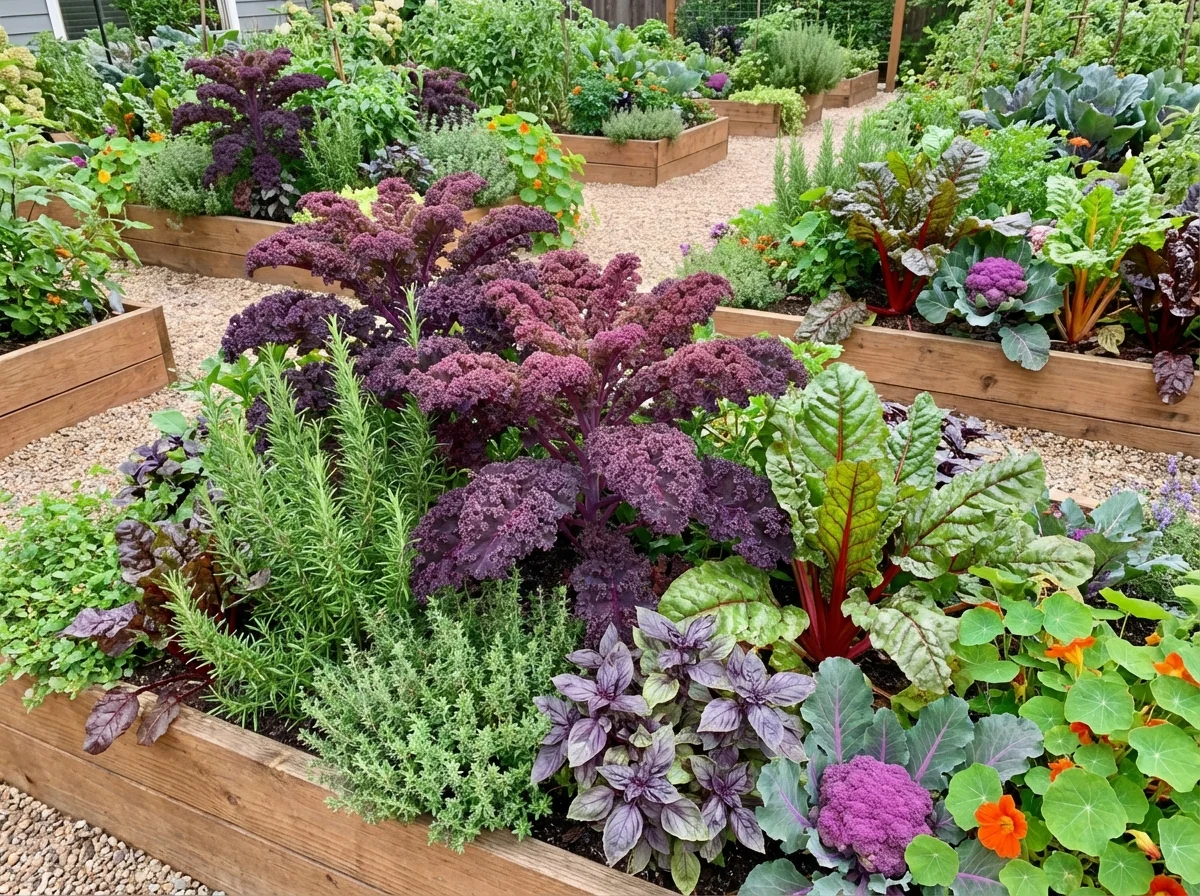
Brassica oleracea 'Redbor' excels in ornamental vegetable gardens, mixed borders, container plantings, and edible landscape designs where its striking purple-red foliage provides dramatic visual impact and seasonal color interest. This cultivar serves as an excellent choice for fall and winter displays in cool-season gardens, working beautifully in raised beds, herb gardens, or as seasonal bedding plants alongside other cool-weather crops and ornamental plants. The colorful, tender leaves are perfect for fresh salads, sautéing, braising, or as attractive garnishes in culinary presentations, while the plant's exceptional ornamental value makes it suitable for decorative plantings alongside flowers, ornamental cabbages, and other colorful vegetables in both functional kitchen gardens and aesthetic landscape designs.

How to Identify

Brassica oleracea 'Redbor' is unmistakable among brassica varieties due to its distinctive deeply curled, heavily ruffled foliage displaying intense purple-red coloration that becomes more vivid in cool weather conditions. Key identification features include the compact rosette growth habit reaching 18-24 inches tall, thick waxy leaves with pronounced white veining and midribs creating dramatic contrast, and heavily serrated leaf margins that produce a distinctive feathery, coral-like texture. The characteristic blue-green undertones visible beneath the dominant purple-red surface, combined with the sturdy upright central stem and dense foliage crown, clearly distinguish this cultivar from standard green kale varieties and other ornamental members of the brassica family.

Appearance

Size & Dimensions

Height1'6" - 2'
Width/Spread1' - 1'6"

Reaches mature size in approximately 1 years

Colors

Flower Colors

yellow

Foliage Colors

purple
burgundy
red
blue
green

Fall Foliage Colors

burgundy

Bloom Information

Bloom Period

J
F
M
A
M
J
J
A
S
O
N
D
Spring
Second year spring if allowed to bolt, producing small yellow cruciferous flowers in terminal racemes

Detailed Descriptions

Flower Description

Yellow

Foliage Description

Purple-red to burgundy with blue-green undertones and white veining, intensifying in cool weather

Growing Conditions

Sun Requirements

Full Sun
Partial Shade
• Full Sun: 6+ hours of direct sunlight
• Partial Shade: 3-6 hours of direct sunlight
• Full Shade: Less than 3 hours of direct sunlight

Soil Requirements

pH Range6.0 - 7.5(Neutral)
357912
Soil Types
loam
Drainage
well drained

Water & Climate

Water Needs

moderate, consistent moisture

Frost Tolerance

hardy

Time to Maturity

60-75 days

Care & Maintenance

Care Guide

Brassica oleracea 'Redbor' thrives with consistent moisture and fertile, well-draining soil enriched with organic matter and compost for optimal growth and color development. Maintain even soil moisture through regular watering, particularly during hot weather when plants may bolt prematurely and lose desirable leaf quality and texture. Apply balanced fertilizer every 3-4 weeks or side-dress with compost to support continuous leaf production and maintain the vibrant purple-red coloration that makes this cultivar so distinctive in garden settings. Mulching around plants helps retain soil moisture, regulate soil temperature fluctuations, and suppress competing weeds. The characteristic intense coloration develops and intensifies significantly in cool weather, making fall and early winter harvests particularly striking for both ornamental and culinary applications. Monitor regularly for common brassica pests including cabbage worms, aphids, and flea beetles, utilizing row covers during vulnerable growth stages or implementing organic pest control methods as needed to maintain plant health.

Pruning

Brassica oleracea 'Redbor' benefits from regular harvesting of outer leaves to promote continuous production and maintain plant vigor throughout the growing season. Cut individual leaves cleanly at the base using sharp scissors or pruning shears, starting with the largest outer leaves and working toward the center while leaving the central growing point intact to continue producing new foliage. Harvest regularly every 7-10 days to prevent leaves from becoming tough, fibrous, and bitter, and to encourage development of tender new growth with optimal color intensity. Remove any yellowing, damaged, or pest-affected leaves promptly to maintain both plant health and ornamental appearance. If plants begin to bolt and produce flower buds, pinch them off immediately to extend the harvest period and maintain leaf quality, though leaves may develop increased bitterness and toughness once flowering begins.

Maintenance Level

moderate

Container Growing

✓ Suitable for container growing

Minimum container size: 5 gallons

⚠️ Toxicity Warning

Brassica oleracea 'Redbor' is completely non-toxic and safe for human consumption, with all parts of the plant being edible and the leaves serving as the primary harvest for culinary applications. The plant is generally safe around pets and livestock, though consumption of large quantities may cause mild digestive upset in some sensitive animals due to natural compounds commonly found in brassica vegetables. No known toxic compounds are present in this cultivar, making it an excellent and safe choice for family gardens, school gardens, and edible landscaping projects where children and pets may be present.

Planting Guide

Planting Methods & Timing

Planting Method

direct sow

Indoor Start

4 weeks before last frost

Direct Sow Timing

early spring through late summer

Days to Maturity

60–75 days

Plant Spacing

12 inches

Companion Planting

Good Companions

lettuce
spinach
onions
garlic
herbs
carrots
beets

Avoid Planting With

tomatoes
peppers
strawberries
pole beans