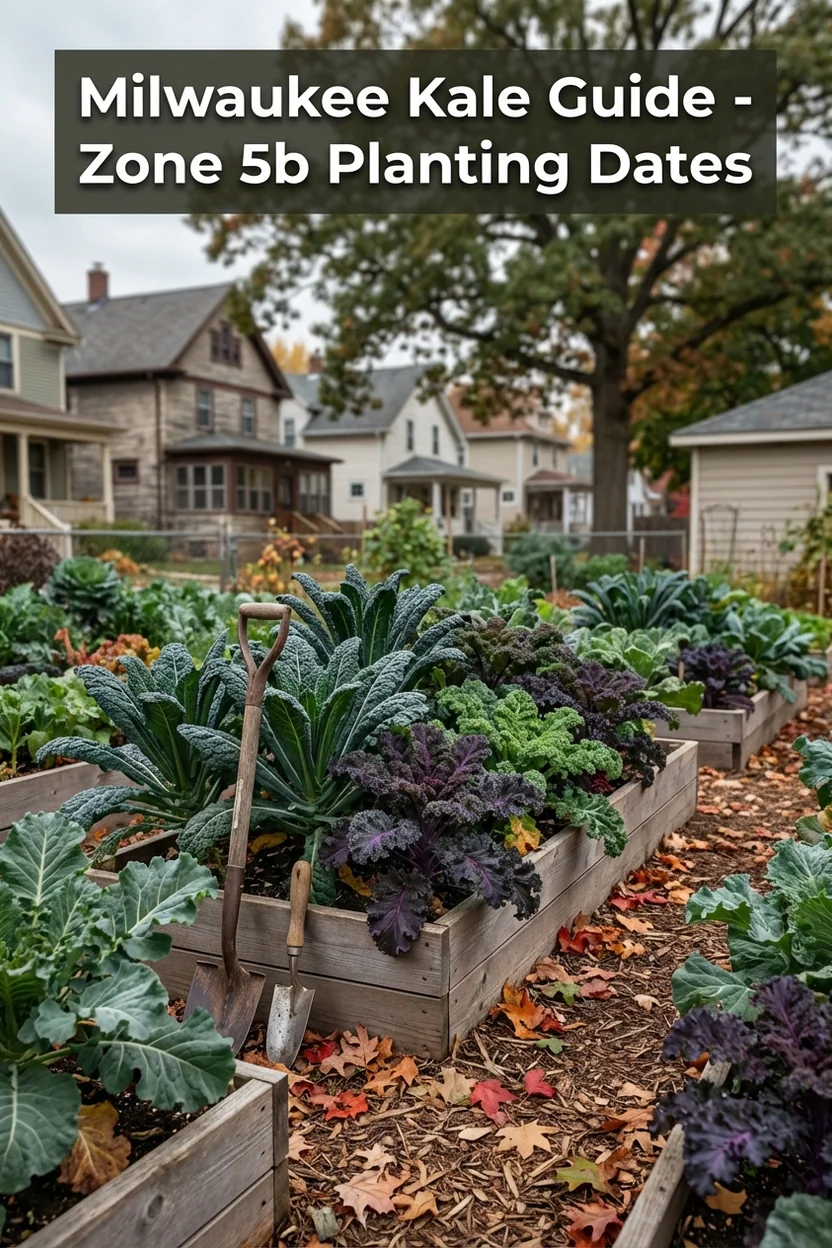
When to Plant Kale in Milwaukee: Complete Guide + Best Varieties for Zone 5b
Pets & Toxicity
Recorded toxicity for plants linked in this guide. An unknown status is not a safety assessment.
No linked plant is recorded as toxicDetailsHide
Brassica oleracea var. sabellica 'Vates' — Toxicity
Non-toxicView Brassica oleracea var. sabellica 'Vates' plant profileBrassica oleracea 'Red Russian' — Toxicity
Non-toxicView Brassica oleracea 'Red Russian' plant profile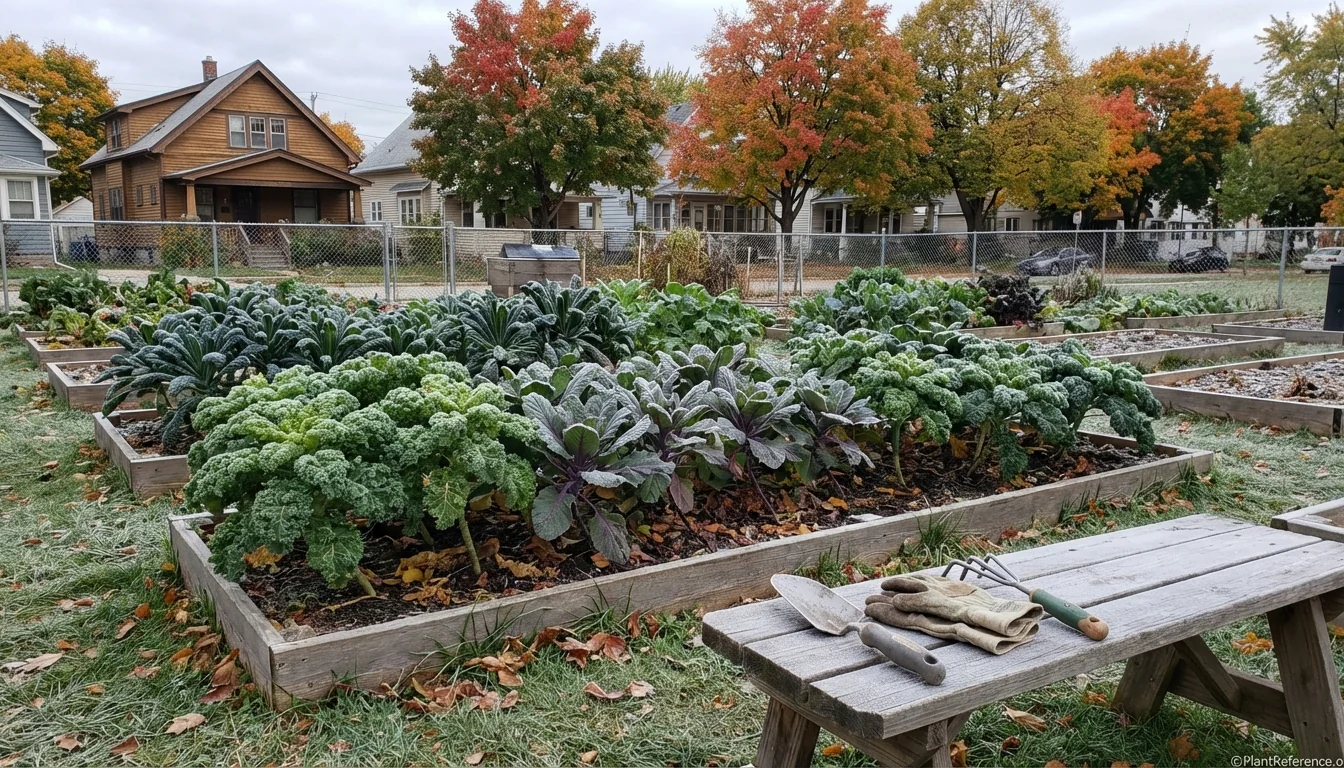
— Image © Plant Reference 2026
Milwaukee gardeners have struck gold when it comes to growing kale 🌿Brassica oleracea 'Vates'. Your Zone 5b climate, with its crisp falls and reliable winter cold, creates ideal conditions for producing the sweetest, most tender kale you'll ever taste. After forty years of growing vegetables in climates like yours, I can tell you that Milwaukee's 139-day growing season is perfect for both spring and fall kale crops.
The key to Milwaukee kale success lies in timing your plantings around your frost dates: last spring frost on May 14 and first fall frost on September 30. Most importantly, embrace fall planting—it's when kale truly shines in Wisconsin.
Best Kale Varieties for Milwaukee's Zone 5b Climate
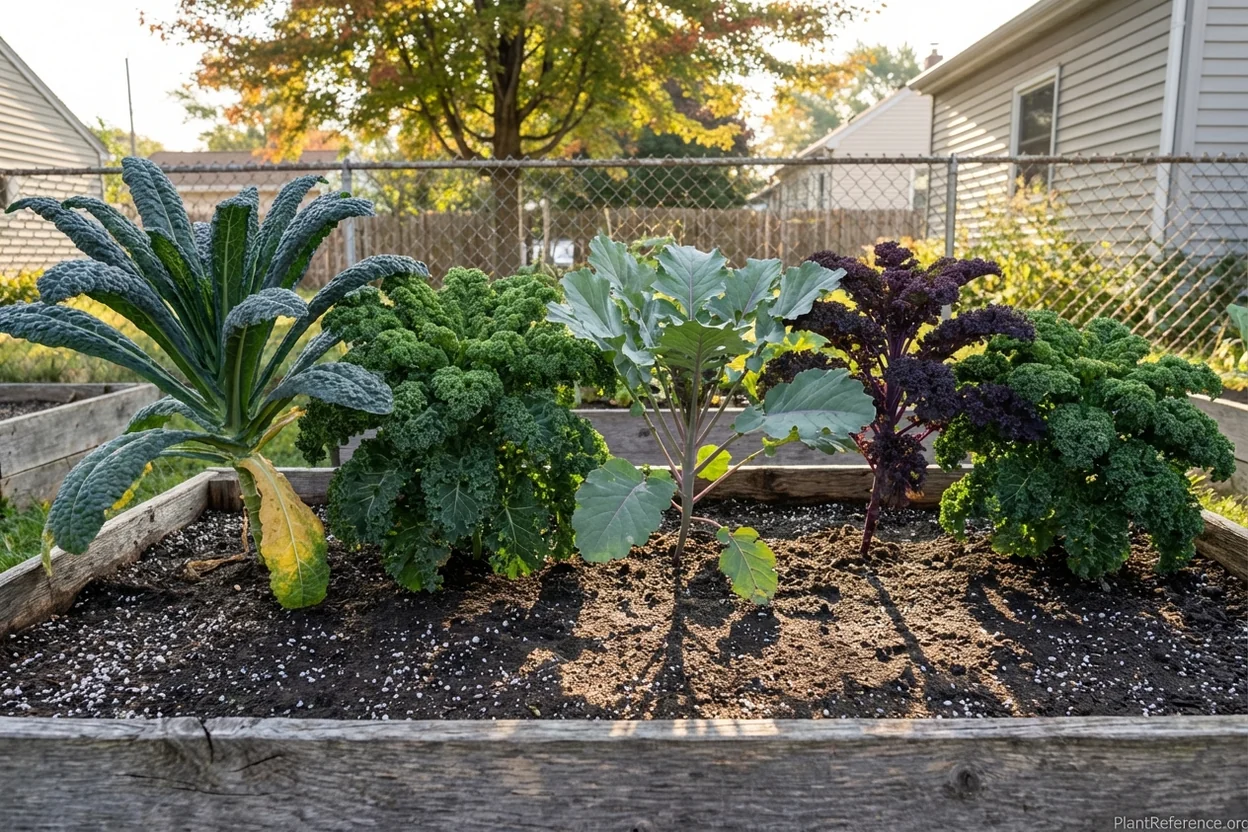
Milwaukee's climate favors hardy kale varieties that can handle temperature swings and take advantage of your excellent fall growing conditions. I've tested dozens of varieties in similar climates, and these five consistently deliver the best results.
Variety | Days to Maturity | Best For | Notes for Milwaukee |
|---|---|---|---|
60-75 days | Overwintering | Survives Milwaukee winters with protection, extremely hardy | |
60-75 days | Fall harvest | Sweetest after frost, excellent for smoothies | |
50-60 days | Quick spring crop | Fast-maturing, tender leaves perfect for salads | |
60-75 days | Ornamental & eating | Purple color intensifies in cold, winter hardy | |
55-65 days | Container growing | Compact size perfect for Milwaukee balcony gardens |
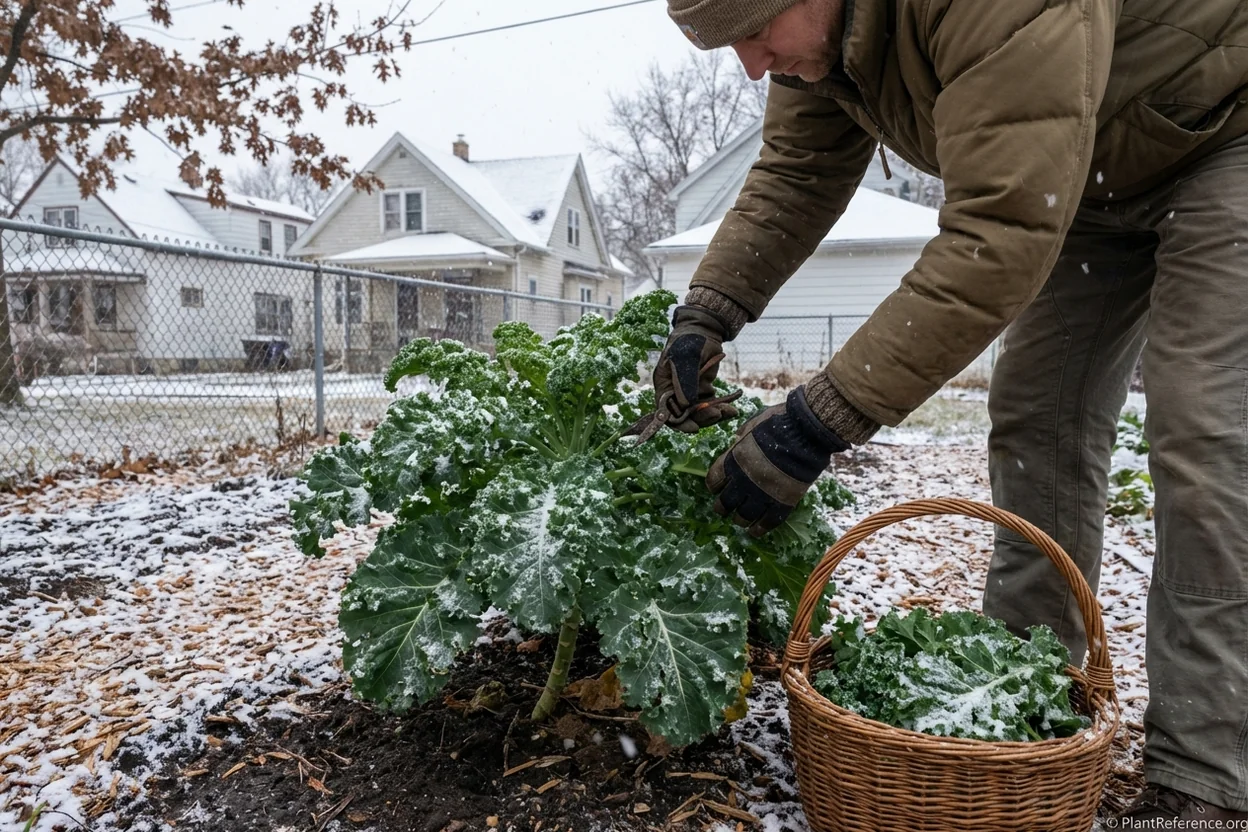
🌿Brassica oleracea 'Winterbor' is my top recommendation for Milwaukee gardeners serious about winter harvests. This variety laughs at Wisconsin cold—I've harvested sweet, tender leaves from under snow cover in January. The deeply curled leaves hold up beautifully to freezing and thawing cycles.
🌿Brassica oleracea 'Lacinato', also called dinosaur kale, develops incredible sweetness after your September frosts. The flat, textured leaves are perfect for Milwaukee's popular farmers market crowd who want restaurant-quality greens.
🌿Brassica oleracea 'Red Russian' matures fastest at 50-60 days, making it ideal for Milwaukee's spring window when you want to harvest before summer heat arrives. The tender, flat leaves with purple stems add beautiful color to early season gardens.
For gardeners wanting both beauty and function, 🌿Brassica oleracea 'Redbor' provides stunning purple foliage that intensifies as Milwaukee temperatures drop. It's as cold-hardy as Winterbor but adds ornamental value to fall and winter gardens.
🌿Brassica oleracea 'Vates' works perfectly for Milwaukee's many urban gardeners. At just 12-16 inches tall, it thrives in containers on apartment balconies while still providing full-sized harvests.
Specific Planting Dates for Milwaukee Gardeners
Milwaukee's Zone 5b climate gives you two excellent kale growing windows, but fall planting consistently produces better results than spring crops.
Fall Planting Schedule (Recommended)
August 1-15: Direct Sow Seeds This timing allows 10-12 weeks of growth before your first frost on September 30. Plants reach full maturity just as cool weather improves flavor.
July 15: Start Seeds Indoors (Optional) For transplants, start seeds indoors under grow lights, then transplant outdoors August 1-15. This method works well for small quantities or if you have poor germination conditions outdoors.
September 30 through November 15: Peak Harvest Your first frost sweetens the kale dramatically. Continue harvesting until hard freezes below 20°F (-6°C) damage leaves.
Spring Planting Schedule (Secondary)
March 15-30: Start Seeds Indoors Milwaukee's spring soil stays cold longer than southern Wisconsin areas. Indoor starting gives seedlings a strong head start.
April 15-30: Direct Sow Seeds Outdoors Wait until soil temperature consistently reaches 45°F (7°C). Cold, wet soil causes poor germination and damping off.
May 1-15: Transplant Seedlings Set out hardened-off transplants after May 14 last frost date. Use row covers if late cold snaps threaten.
June 15 through July 31: Spring Harvest Window Harvest aggressively before summer heat causes bolting. Milwaukee's spring kale rarely matches fall quality.
Succession Planting Strategy
For continuous harvests, plant new kale every 3-4 weeks during your growing windows:
Spring Succession: April 15, May 1, May 15
Fall Succession: August 1, August 15, September 1 (late planting for baby greens only)
Milwaukee gardeners often overlook succession planting, but it's the difference between feast-or-famine harvests and steady production all season.
Complete Growing Guide for Milwaukee's 139-Day Season
Soil Preparation for Wisconsin Conditions
Milwaukee's heavy clay soils challenge many vegetables, but kale actually tolerates heavier soil better than most brassicas. However, improving drainage prevents winter root rot during freeze-thaw cycles.
Soil pH Requirements Test soil pH in early spring. Kale prefers 6.0-7.0 pH, but Milwaukee's naturally acidic soils often test 5.5 or lower. Apply limestone in fall to raise pH gradually—it takes 6-12 months to fully adjust soil chemistry.
Organic Matter Addition Work 2-3 inches of compost into beds each season. Milwaukee's cold winters slow decomposition, so organic matter lasts longer than in warmer climates. Aged cow manure from Wisconsin dairies works excellently.
Drainage Improvement If your soil stays soggy in spring, create raised beds 6-8 inches high. Milwaukee's heavy clay holds water, and kale roots rot in waterlogged conditions.
Seeding and Transplanting Techniques
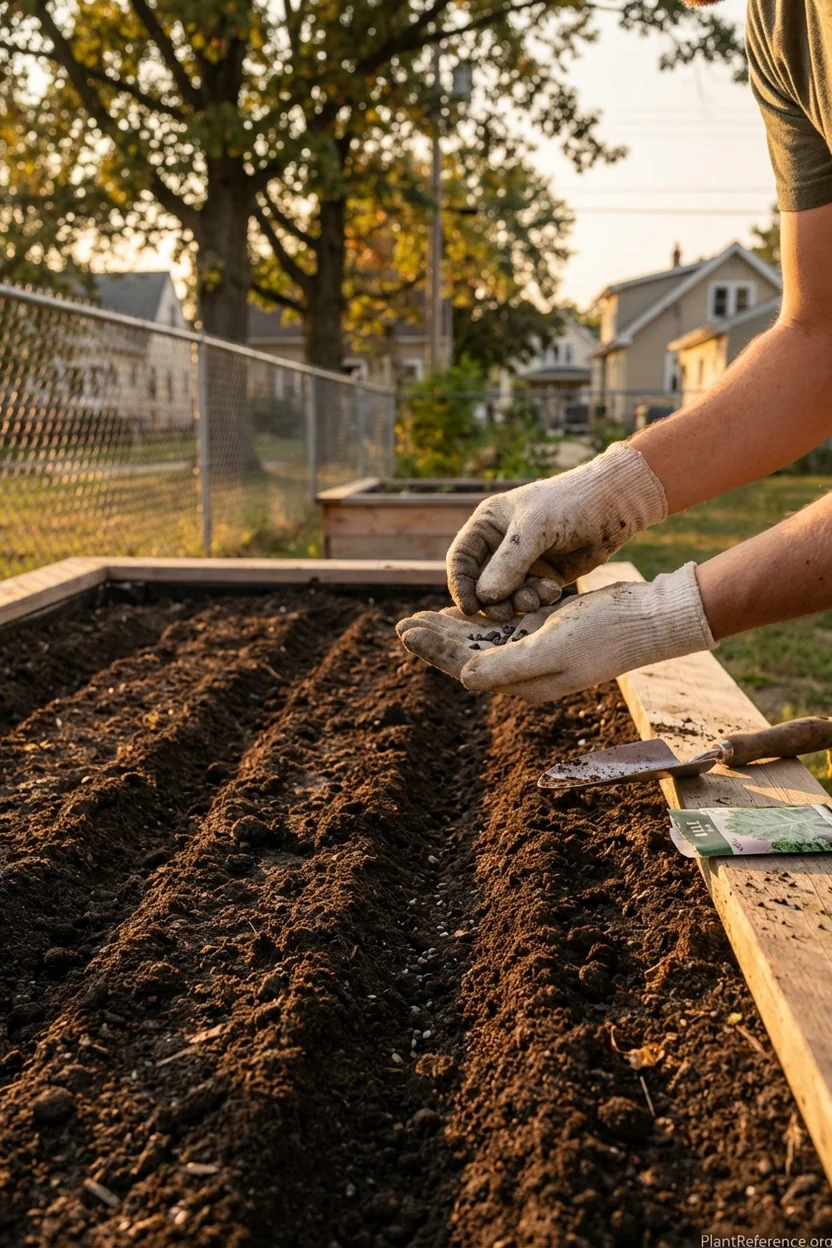
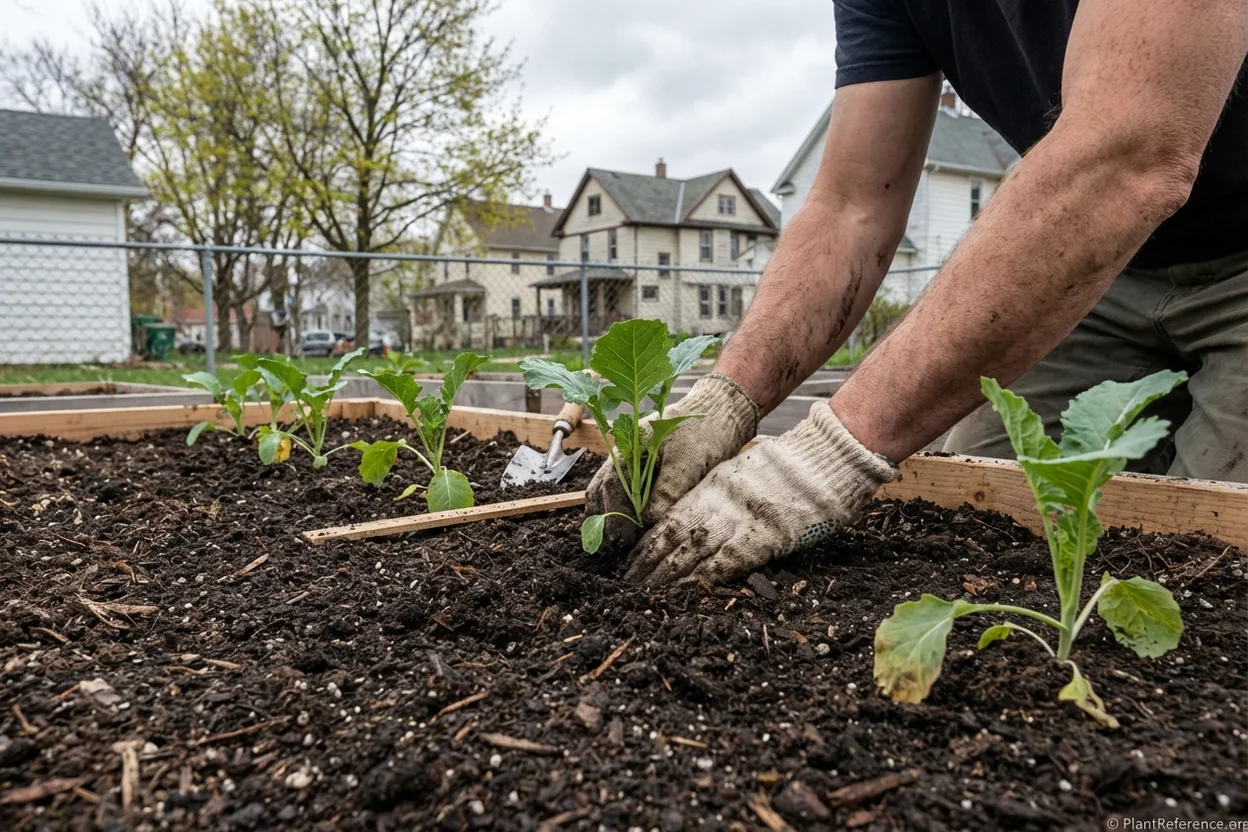
Direct Seeding Method Plant seeds ½ inch deep in rows 18 inches apart. In Milwaukee's clay soil, create a seed bed by mixing compost with native soil for better germination. Seeds germinate in 7-14 days when soil temperature stays above 45°F (7°C).
Transplanting Method Start seeds indoors 6-8 weeks before transplant date. Use a quality seed starting mix, not garden soil. Transplant when seedlings have 3-4 true leaves, usually 4-6 inches tall.
Plant Spacing Space plants 12-18 inches apart for full-size harvests. Milwaukee gardeners can plant closer (8-10 inches) for baby leaf production, but full spacing produces larger, more cold-hardy plants.
Fertilizing Through Milwaukee's Season
Spring Feeding Apply balanced organic fertilizer (10-10-10) at planting time. Milwaukee's cool spring soil releases nutrients slowly, so kale needs supplemental feeding to establish quickly.
Summer Maintenance Side-dress spring plantings with compost or fish emulsion in early June. Avoid high-nitrogen fertilizers in hot weather—they promote tender growth that bolts easily.
Fall Feeding Fall plantings benefit from one application of balanced fertilizer at planting. Stop feeding 6-8 weeks before first frost to help plants harden off for winter.
Watering Guidelines for Wisconsin Climate
Milwaukee averages 34 inches of annual rainfall, but distribution varies greatly by season. Summer drought stress causes bitter, tough leaves, while excessive spring moisture promotes disease.
Spring Watering Milwaukee springs often provide adequate natural moisture. Water only if top 2 inches of soil dry out completely. Overwatering in cold soil causes root rot.
Summer Watering Provide 1-1.5 inches weekly during Milwaukee's hot, humid summers. Water early morning to reduce disease pressure. Consistent moisture prevents heat stress and bolting.
Fall Watering Reduce watering frequency as temperatures drop and plant growth slows. Stop supplemental watering 2-3 weeks before expected first frost to help plants prepare for winter.
Troubleshooting Milwaukee-Specific Kale Problems
Milwaukee's climate creates specific challenges for kale growers. Here's how to handle the most common problems I see in Zone 5b gardens.
Spring Bolting Issues
Problem: Kale plants flower and become bitter in late May/early June.
Cause: Milwaukee's variable spring weather confuses plants. Warm spells followed by cool nights trigger premature flowering.
Solution: Choose bolt-resistant varieties like 🌿Brassica oleracea 'Red Russian' for spring planting. Harvest leaves small and frequently to delay bolting. Accept that spring kale has a shorter harvest window than fall crops.
Summer Heat Stress
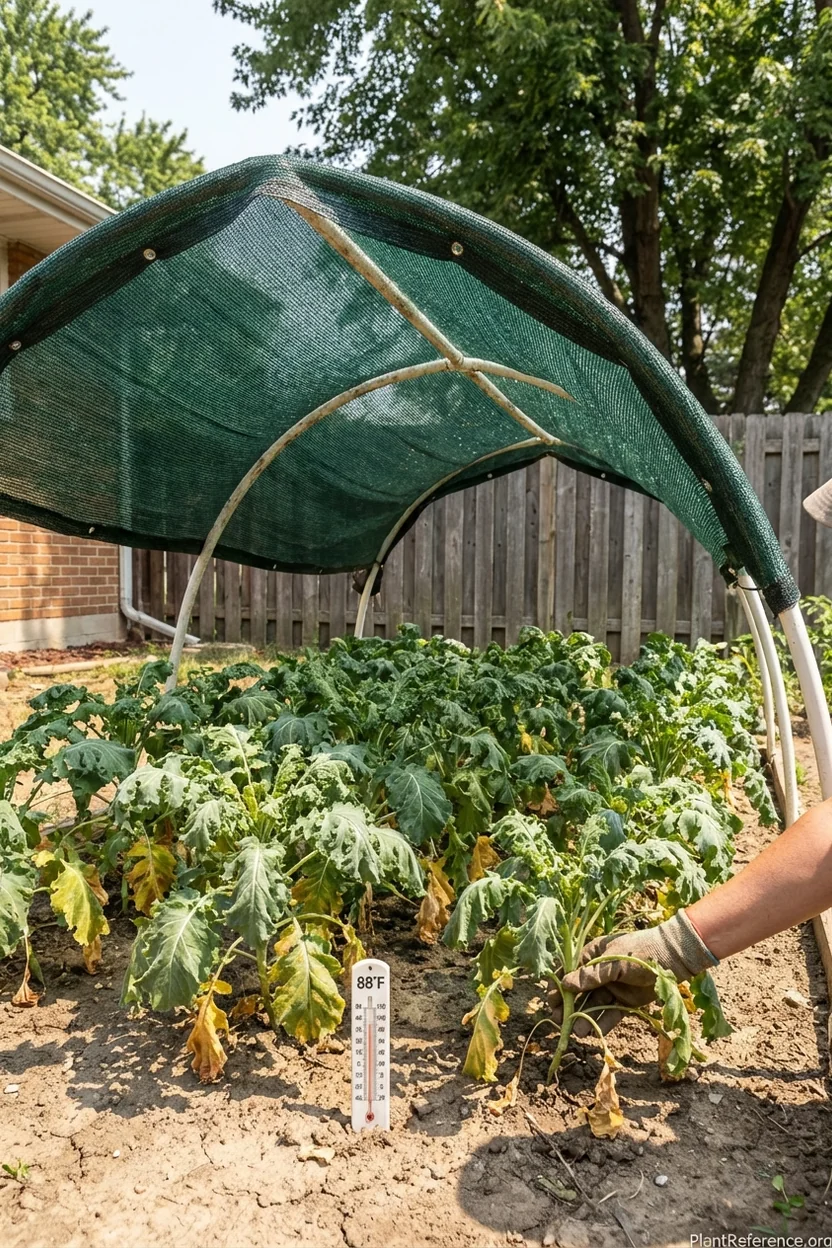
Problem: Leaves become tough, bitter, and growth stalls during Milwaukee's hot, humid summers.
Cause: Temperatures above 80°F (27°C) stress cool-season crops like kale.
Solution: Provide afternoon shade during heat waves. Plant summer lettuce instead—kale isn't meant for Milwaukee summers. Focus energy on fall plantings.
Winter Survival Challenges
Problem: Kale plants die during Milwaukee's harsh winters despite being cold-hardy varieties.
Cause: Alternating freeze-thaw cycles damage plant tissues. Dry winter winds desiccate leaves.
Solution: Mulch heavily around plants with straw or leaves. Use row covers during extreme cold snaps below 0°F (-18°C). Choose 🌿Brassica oleracea 'Winterbor' for maximum cold tolerance.
Pest Management for Milwaukee Gardens
Cabbage Worms: White butterflies lay eggs on kale leaves; green caterpillars chew large holes. Peak pressure May-July in Milwaukee. Use floating row covers or weekly Bt spray.
Flea Beetles: Tiny black beetles create shot-hole damage on young plants. Worst during warm, dry springs. Protect seedlings with row covers for first 4-6 weeks.
Aphids: Gray-green insects cluster on leaf undersides, causing curling. Common during Milwaukee's humid summers. Spray off with strong water stream weekly.
Disease Prevention in Wisconsin's Humid Climate
Clubroot: Soil-borne disease causing swollen, gnarled roots. More common in acidic Milwaukee soils. Test and adjust pH to 6.5-7.0. Rotate crops—don't plant brassicas in same spot for 4 years.
Black Rot: Causes yellow V-shaped lesions on leaves during hot, humid weather. Avoid overhead watering. Space plants adequately for air circulation.
Harvest & Storage Tips for Wisconsin Winters
Optimal Harvest Timing
The secret to Milwaukee's best kale lies in harvest timing. Your first frost on September 30 triggers the starch-to-sugar conversion that makes fall kale incomparably sweet.
Pre-Frost Harvest: Acceptable but not exceptional. Leaves tend toward bitterness and tough texture.
Post-Frost Harvest: Outstanding quality. Sugar content increases dramatically, texture becomes tender and sweet.
Winter Harvest: In mild winters, continue harvesting through December and January. Quality peaks during consistent cold weather.
Proper Harvesting Techniques
Cut-and-Come-Again Method: Harvest outer leaves first, leaving center growing point intact. Plants continue producing for 8-12 weeks with this method.
Whole Plant Harvest: Cut entire plant at soil level for large harvests. Use this method before hard freezes to preserve maximum quality.
Baby Leaf Harvest: Cut leaves when 4-6 inches long for tender salad greens. Regrowth occurs in 3-4 weeks during active growing season.
Storage Methods for Wisconsin Winters
Refrigerator Storage: Fresh-harvested kale keeps 5-7 days in plastic bags in refrigerator. Don't wash before storing—moisture promotes decay.
Freezing: Blanch leaves in boiling water for 2-3 minutes, then plunge in ice water. Drain thoroughly and freeze in meal-sized portions. Frozen kale keeps 8-12 months.
Dehydrating: Make kale chips by removing stems and dehydrating at 115°F (46°C) for 6-8 hours. Store in airtight containers up to 6 months.
Root Cellar Storage: Milwaukee gardeners with basements can store whole plants with roots attached in damp sand. Plants stay fresh 4-6 weeks at 32-35°F (0-2°C).
Value-Added Processing
Milwaukee's food scene embraces kale in ways that preserve your harvest:
Kale Powder: Dehydrate leaves completely, then grind to powder. Add to soups, smoothies, and bread recipes year-round.
Fermented Kale: Traditional sauerkraut methods work with kale. Fermented kale keeps 6+ months refrigerated and provides probiotics during winter.
Pesto and Sauces: Blend fresh kale with garlic, olive oil, and nuts for freezer-stable sauces. Portion into ice cube trays for easy use.
Frequently Asked Questions
Reading about plants and recognising them are different skills. These three build the second.
- Daily PlantIdentify the day’s mystery plant from a close-up photograph.
- Keyed OutWork a dichotomous key, lead by lead, to name a hidden specimen.
- Name That PlantName a specimen from botanical clues dealt hardest first.
Free to play, no account needed
Pat has been gardening in Milwaukee for over thirty years, through every kind of Wisconsin weather. She worked as a school librarian and started gardening seriously when her kids were small—she wanted them to know where food came from. Now retired, she's a certified Master Gardener and runs the plant sale at her local garden club every spring. She specializes in cold-hardy perennials, native wildflower meadows, and the art of getting a vegetable garden producing in Wisconsin's short but intense growing season. Pat is practical and patient—she's seen enough Wisconsin winters to know that gardening here is a long game, and she writes with the steady confidence of someone who's been doing this a long time.