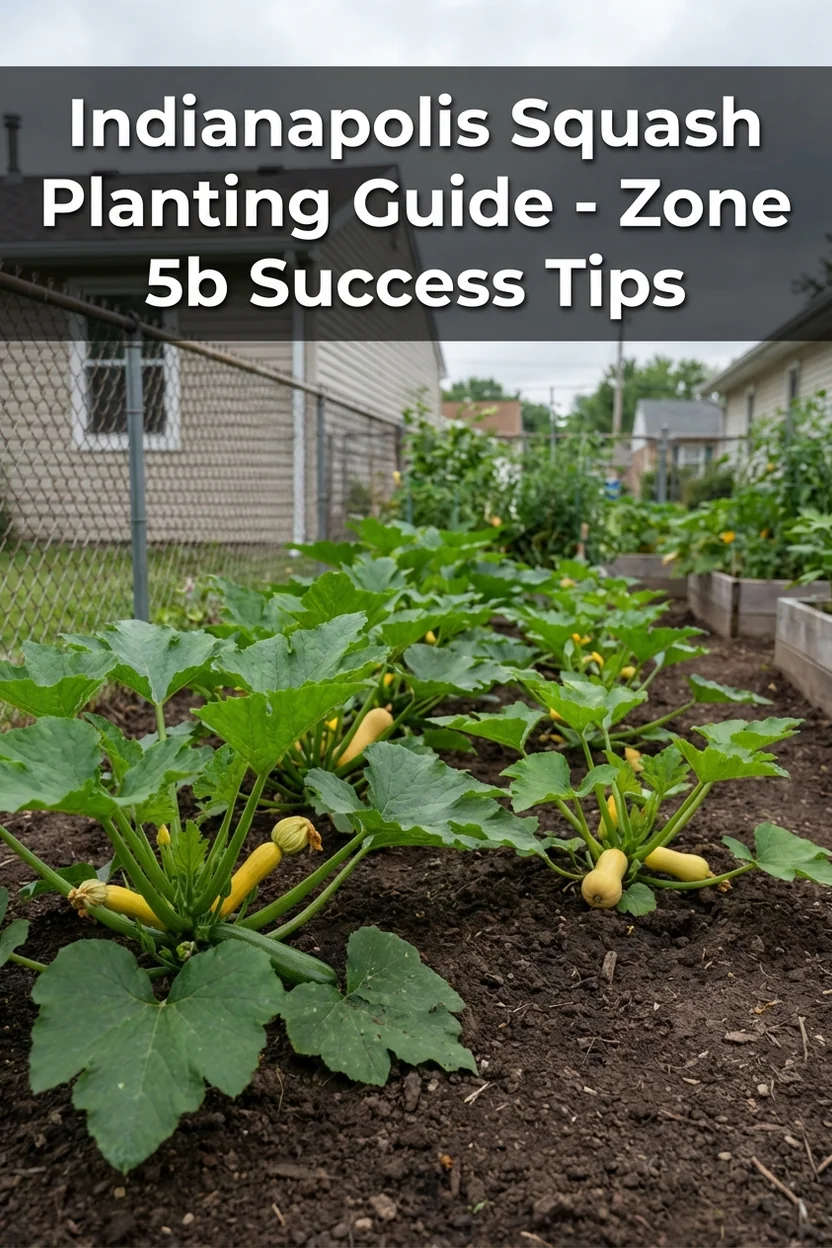
When to Plant Squash in Indianapolis: Complete Guide + Best Varieties for Zone 5b
Pets & Toxicity
Recorded toxicity for plants linked in this guide. An unknown status is not a safety assessment.
No linked plant is recorded as toxicDetailsHide
Cucurbita pepo 'Black Beauty' — Toxicity
Non-toxic as an edible cropView Cucurbita pepo 'Black Beauty' plant profileCucurbita pepo 'Yellow Crookneck' — Toxicity
Non-toxic as an edible cropView Cucurbita pepo 'Yellow Crookneck' plant profile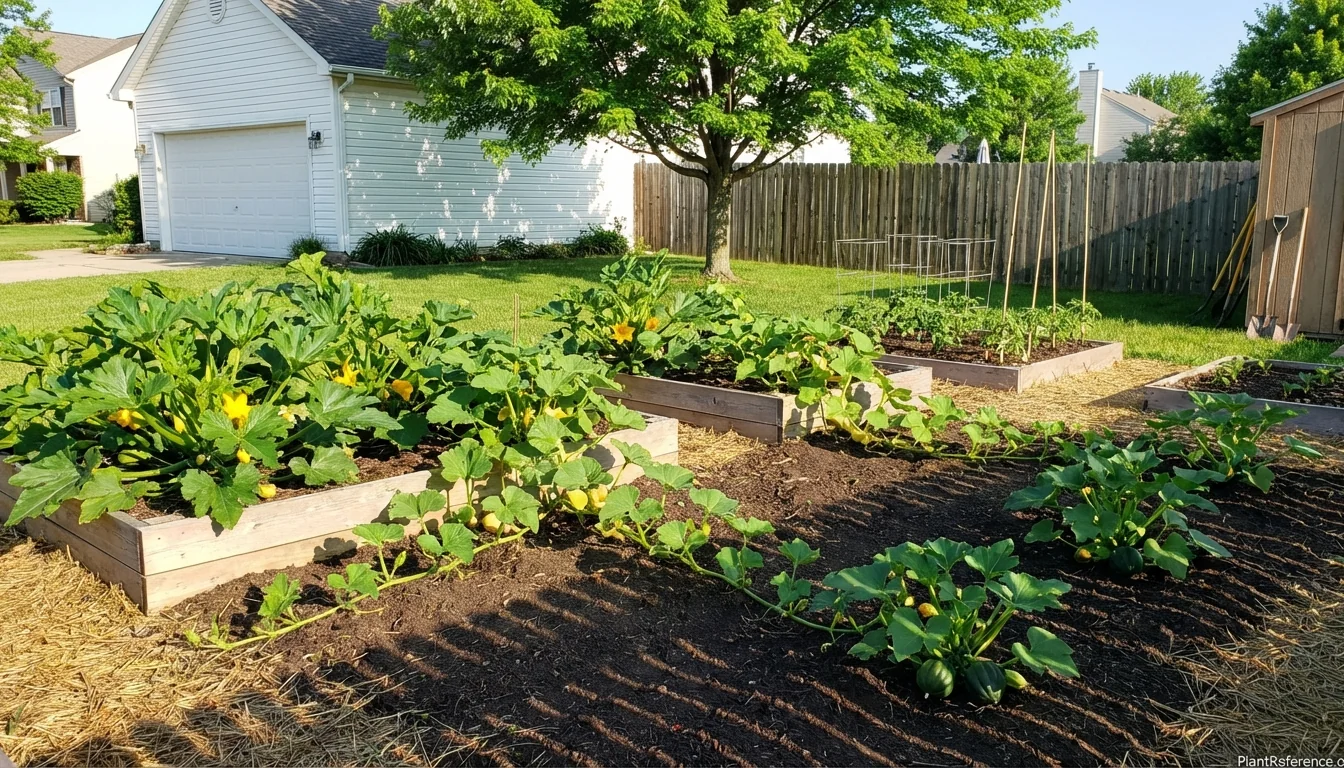
— Image © Plant Reference 2026
Indianapolis gardeners have a sweet spot for squash growing in Zone 5b. Our 158-day growing season from May 4 to October 9 gives you enough time for both quick summer squash and most winter storage varieties.
I've been growing squash in central Indiana for three decades, and I'll tell you what works in our climate. The key is understanding that Indianapolis sits right in the sweet spot—not too short like up north, not blazing hot like the South. We get reliable spring warmth and a good long fall before hard frost hits.
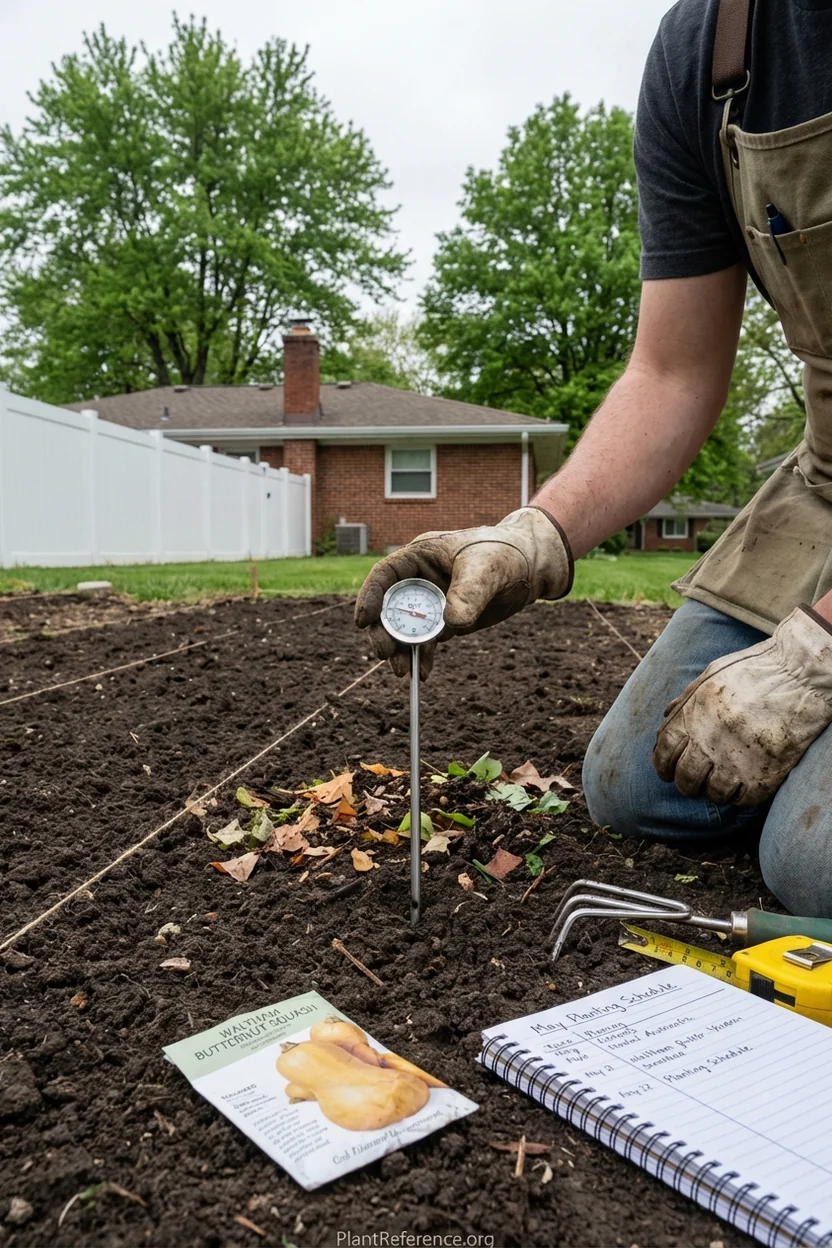
The biggest mistake I see Indianapolis gardeners make is planting too early. Yes, our average last frost is May 4, but squash seeds won't even germinate in cold soil. Wait until soil temperatures hit 60°F consistently—usually around May 10-15 in most Indianapolis neighborhoods.
Best Squash Varieties for Indianapolis's Zone 5b Climate
Indianapolis's climate supports both summer and winter squash beautifully. Our 158-day season gives summer squash plenty of time to produce continuously and allows most winter squash varieties to mature fully before October 9.
Summer Squash for Indianapolis (45-60 days to harvest)
Summer squash are your bread and butter for continuous production. Plant these for weekly harvests starting in mid-July:
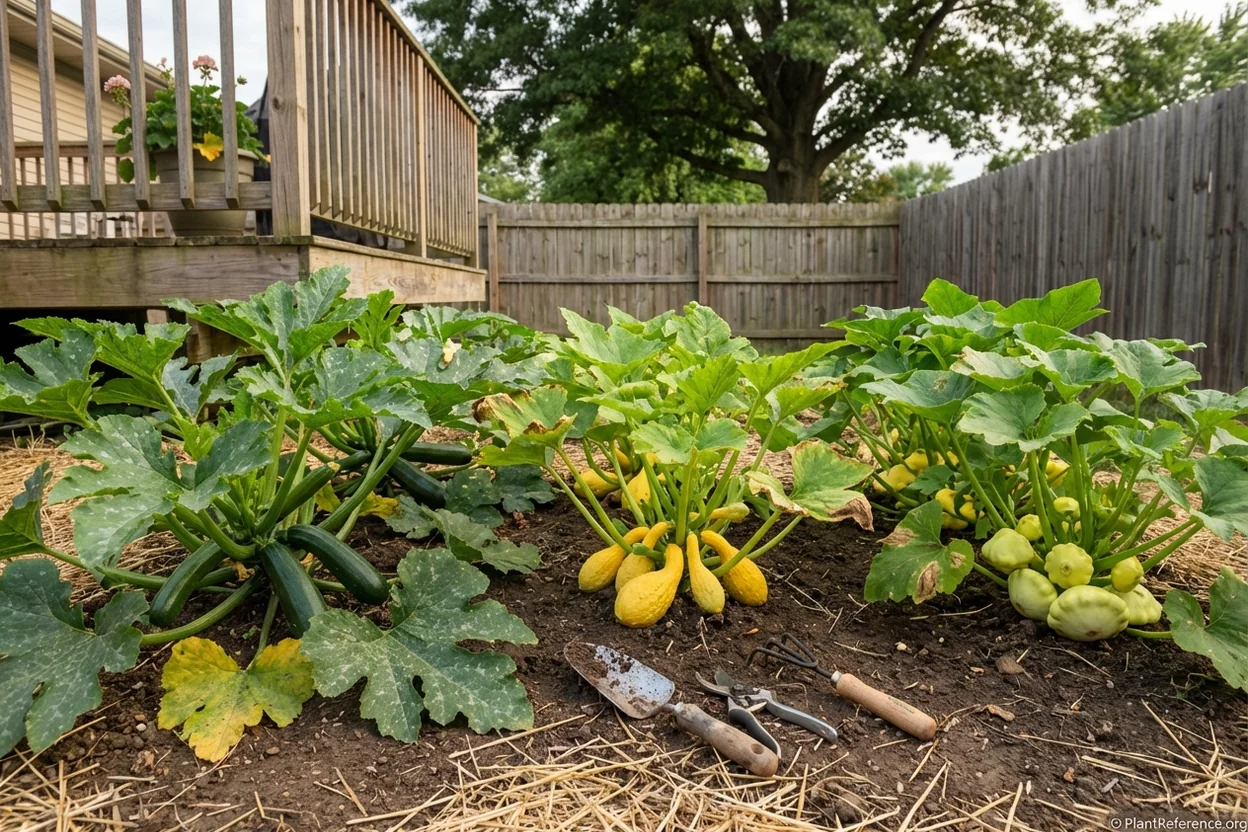
🌿Cucurbita pepo 'Black Beauty' matures fastest at 45-55 days. This bush zucchini stays compact at 3-4 feet wide, making it perfect for Indianapolis's typically smaller city lots. I've grown this variety for twenty years—it's reliable and produces heavily until frost.
🌿Cucurbita pepo 'Yellow Crookneck' takes 50-60 days and handles our occasional summer heat waves better than darker varieties. The curved neck breaks easily, so harvest these at 4-6 inches maximum.
🌿Cucurbita pepo 'Pattypan' rounds out your summer selection at 50-60 days. These little scalloped beauties are perfect for stuffing and stay tender when picked at 2-3 inches diameter.
Variety | Days to Maturity | Best For Indianapolis | Space Requirements |
|---|---|---|---|
45-55 days | Heavy production in small spaces | Bush type, 3-4 feet | |
50-60 days | Heat tolerance for July-August | Bush type, 3-4 feet | |
50-60 days | Unique harvest for fresh eating | Bush type, 2-3 feet | |
85-100 days | Winter storage, vine borer resistance | Vining, 8-12 feet | |
80-100 days | Compact winter squash | Semi-bush, 4-6 feet | |
80-100 days | Edible skin, premium flavor | Vining, 6-8 feet | |
Cucurbita pepo 'Spaghetti' | 88-100 days | Unique pasta substitute | Vining, 8-10 feet |
Cucurbita maxima 'Kabocha' | 95-110 days | Marginal for Indianapolis, needs early start | Vining, 10-12 feet |
Winter Squash for Indianapolis Storage (80-110 days to harvest)
Winter squash varieties work well in Indianapolis if you plant early enough. Our 158-day season accommodates most varieties with careful timing:
🌿Cucurbita moschata 'Butternut' is my top recommendation for Indianapolis. Taking 85-100 days, it matures reliably by early October and stores 4-6 months in a cool basement. The solid stems resist squash vine borers better than other varieties.
🌿Cucurbita pepo 'Acorn' requires 80-100 days and forms a more compact plant than butternut. Perfect for smaller Indianapolis yards where space is tight. Store these only 4-8 weeks maximum—they don't keep like butternut.
🌿Cucurbita pepo 'Delicata' needs 80-100 days and produces cream-colored fruit with dark green stripes. The skin is edible, so no peeling required. Stores 2-3 months maximum.
Cucurbita maxima 'Kabocha' pushes the limits at 95-110 days. In Indianapolis, you need to start seeds indoors by April 10 and transplant by May 4 to get full maturity before October 9. Skip this variety if you prefer direct seeding.
Specific Planting Dates for Indianapolis
Indianapolis's Zone 5b climate with last frost May 4 and first frost October 9 gives you specific windows for success. Here are the exact dates I use after thirty years of Indianapolis gardening:
Indoor Seed Starting Schedule
Start winter squash indoors to maximize growing time in our moderate-length season:
April 10-17: Start seeds for Cucurbita maxima 'Kabocha', 🌿Cucurbita moschata 'Butternut', and Cucurbita pepo 'Spaghetti'. Use biodegradable pots since squash roots hate transplant disturbance.
April 17-24: Start 🌿Cucurbita pepo 'Acorn' and 🌿Cucurbita pepo 'Delicata' seeds indoors. These slightly shorter-season varieties can wait an extra week.
April 24-May 1: Summer squash can be started indoors for earlier harvest, but direct seeding works just as well in Indianapolis.
Direct Seeding Dates
May 4-11: Earliest safe outdoor planting when soil reaches 60°F. Check soil temperature with a thermometer—air temperature can fool you.
May 11-18: Optimal planting window when soil is reliably warm and weather settled. This is when I plant most of my squash.
May 18-25: Final window for winter squash varieties. Summer squash can still be planted later, but winter types need maximum season length.
Succession Planting for Summer Squash
Plant summer squash every 2-3 weeks for continuous harvest:
First planting: May 4-11 Second planting: May 25-June 1 Third planting: June 15-22 (final planting for good production before frost)
Transplanting Schedule
May 4-11: Transplant winter squash started indoors. Harden off for one week first. May 11-18: Continue transplanting any remaining seedlings.
Complete Growing Guide for Indianapolis
Growing squash successfully in Indianapolis requires understanding our specific soil and climate conditions. Our clay-heavy soil needs amendment, and our variable spring weather demands flexible timing.
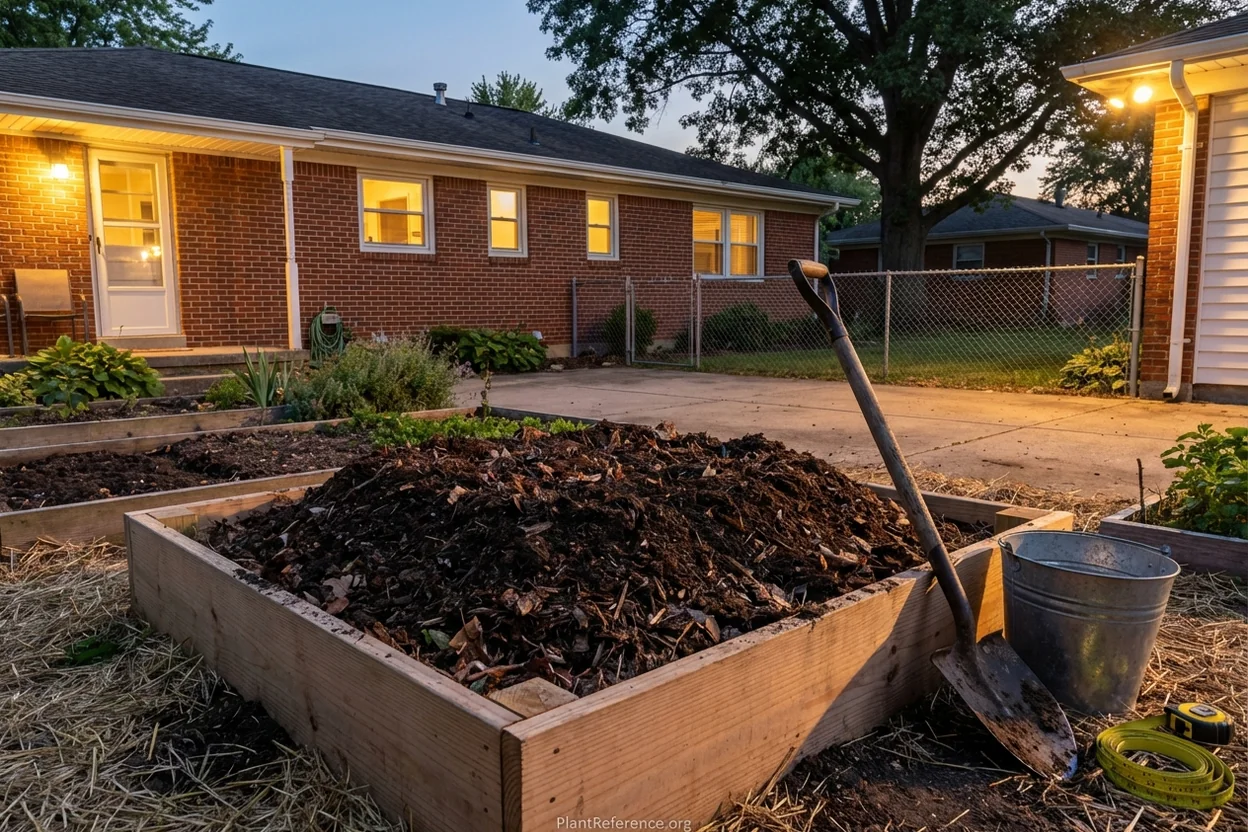
Soil Preparation for Indianapolis Clay
Indianapolis sits on heavy clay soil that squash hate. Poor drainage kills more squash plants than any pest or disease. Here's how I prepare beds every spring:
Add 2-3 inches of compost to break up clay and improve drainage. Fresh compost works better than old—the active decomposition generates heat that squash roots love.
Create raised beds or plant on mounds 4-6 inches high. This elevation provides the drainage squash require and warms soil faster in spring.
Test soil pH every few years. Indianapolis soil tends toward neutral or slightly alkaline. Squash prefer 6.0-6.8 pH for best nutrient uptake.
Planting Technique
Space plants properly for Indianapolis humidity. Overcrowded plants develop powdery mildew in our muggy July and August weather.
Summer squash spacing: 3-4 feet apart minimum. Bush varieties need room for air circulation.
Winter squash spacing: 4-6 feet apart. Vining types need 8-10 feet if you let them sprawl naturally.
Plant seeds 1 inch deep in warm soil. Cover with loose soil or compost—never pack down hard over seeds.
Water gently after planting and keep soil moist but not soggy until germination in 5-10 days.
Fertilizing Schedule for Indianapolis Season
Pre-planting: Mix balanced fertilizer like 10-10-10 into beds at 2 pounds per 100 square feet.
Early season (June): Side-dress summer squash with nitrogen-rich fertilizer. Compost or aged manure works perfectly.
Mid-season (July): Continue feeding summer squash monthly. Stop feeding winter squash to encourage fruit maturation.
Late season (August-September): Summer squash get final feeding. Winter squash get no additional fertilizer.
Managing Indianapolis Weather Challenges
Indianapolis weather can be tricky for squash. Here's how I handle common issues:
Late spring cold snaps: Keep row covers handy through May 20. Indianapolis can surprise you with 40°F nights even after last frost date.
Summer heat waves: July temperatures over 90°F stress squash plants. Provide afternoon shade with shade cloth if needed.
Sudden downpours: Indianapolis gets heavy summer storms. Good drainage and staking prevent damage to loaded plants.
Early fall frost: Watch forecasts in late September. Cover plants if light frost threatens before final harvest.
Monitor soil temperature with thermometer before planting
Amend heavy clay soil with 2-3 inches of compost annually
Space plants wider than recommended for humidity tolerance
Provide consistent water during fruit development
Harvest summer squash at 6-8 inches for continued production
Allow winter squash to fully mature before October 9 harvest
Troubleshooting Indianapolis-Specific Problems
Indianapolis gardeners face specific challenges with squash growing. Our location in Zone 5b creates unique pest and disease pressures that require targeted solutions.
Squash Vine Borer Management
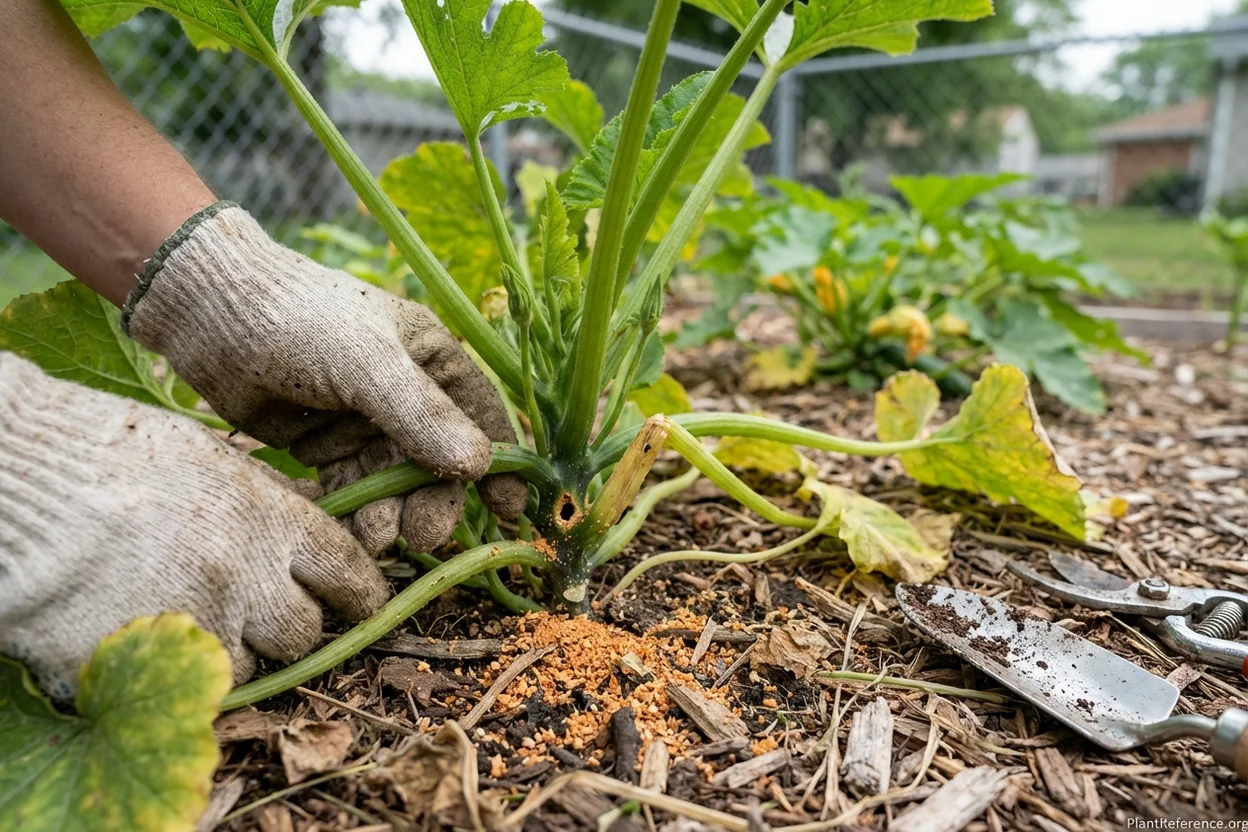
The squash vine borer is public enemy number one for Indianapolis squash growers. These clear-wing moths lay eggs in June and July, with larvae boring into stems and causing sudden plant death.
Prevention strategies: Use row covers until flowers appear, then remove for pollination. Plant 🌿Cucurbita moschata 'Butternut' varieties with solid stems that resist borer damage.
Early detection: Look for orange sawdust-like frass at stem bases starting in mid-July. This indicates borer larvae inside stems.
Emergency treatment: Slit affected stems with clean knife, remove larvae, and mound moist soil over wounds to encourage new root growth.
Managing Indianapolis Clay Soil Drainage
Poor drainage from Indianapolis clay soil causes more squash failures than any pest. Roots rot in waterlogged soil, especially during our heavy summer thunderstorms.
Immediate solution: Plant only on raised beds or mounds 4-6 inches high for better drainage.
Long-term improvement: Add compost every season to gradually improve clay soil structure. Never work clay when wet—wait until it crumbles in your hand.
Problem identification: Yellow leaves progressing from bottom up indicate root rot from poor drainage. Improve drainage immediately.
Heat Stress in July-August
Indianapolis summer heat occasionally stresses squash plants, causing blossom drop and reduced fruit set.
Symptoms: Male flowers drop before opening, female flowers wither without fruit development.
Solutions: Provide consistent water during heat waves. Use mulch to keep roots cool. Consider afternoon shade cloth during extreme heat over 95°F.
Powdery Mildew in Humid Conditions
Indianapolis humidity promotes powdery mildew, especially on crowded plants. This white fungal coating reduces photosynthesis and plant vigor.
Prevention: Space plants adequately for air circulation. Avoid overhead watering in evening.
Organic treatment: Spray weekly with milk solution (1 part milk to 9 parts water) starting at first sign of white spots.
Resistant varieties: Choose varieties bred for mildew resistance when available.
Pollination Issues in Indianapolis
Bee populations vary in Indianapolis neighborhoods. Hand pollination ensures good fruit set when natural pollinators are scarce.
Identification: Female flowers have small immature fruit at base. Male flowers have straight stems.
Hand pollination technique: Remove male flower, strip petals, and brush pollen-covered center against female flower center. Do this between 6-8 AM while flowers are fully open.
Timing: Both flower types usually appear by mid-June on Indianapolis-planted squash.
Harvest & Storage
Indianapolis's October 9 first frost date gives you clear harvest deadlines. Summer squash produce until frost kills plants, while winter squash need harvest before hard freeze damages fruit.
Summer Squash Harvest
Begin harvesting summer squash in mid-July from May plantings. Pick fruits every 2-3 days once production starts.
Zucchini: Harvest at 6-8 inches long when skin glossy and easily punctured with fingernail. Larger fruits become seedy and bitter.
Yellow crookneck: Pick at 4-6 inches long. Handle carefully as curved neck breaks easily.
Pattypan: Harvest at 2-3 inches diameter for tender eating. Larger fruits work for stuffing but become tough.
Winter Squash Harvest
Harvest winter squash before October 9 hard frost. Watch for maturity signs starting in late September.
Maturity indicators: Stems turn brown and corky, skin becomes dull (not glossy), and fingernail cannot puncture skin.
Harvest technique: Cut from vine with 1-2 inches of stem attached. Never pull fruits off—this damages storage quality.
Pre-storage curing: Cure 🌿Cucurbita moschata 'Butternut', Cucurbita pepo 'Spaghetti', and Cucurbita maxima 'Kabocha' at 80-85°F for 10-14 days. Do not cure 🌿Cucurbita pepo 'Acorn' or 🌿Cucurbita pepo 'Delicata'.
Storage in Indianapolis Conditions
Indianapolis basements provide ideal storage conditions for winter squash with temperatures between 50-55°F and moderate humidity.
🌿Cucurbita moschata 'Butternut':** Stores 4-6 months in cool basement with good air circulation.
🌿Cucurbita pepo 'Acorn':** Stores 4-8 weeks maximum. Use these first as they deteriorate fastest.
🌿Cucurbita pepo 'Delicata':** Stores 2-3 months. Thin skins limit storage life.
Storage setup: Place on shelves with air circulation. Check monthly and remove any showing soft spots.
Frequently Asked Questions
Reading about plants and recognising them are different skills. These three build the second.
- Daily PlantIdentify the day’s mystery plant from a close-up photograph.
- Keyed OutWork a dichotomous key, lead by lead, to name a hidden specimen.
- Name That PlantName a specimen from botanical clues dealt hardest first.
Free to play, no account needed
Aisha manages a small tropical nursery on the east side of Houston, specializing in plants that can handle the Gulf Coast's humidity, heat, and unpredictable flooding. She studied horticulture in college and worked at a wholesale grower before opening her own operation. Growing up, her parents kept a kitchen garden with okra, bitter gourd, and curry leaf plants—a tradition she's continued. Houston's subtropical climate lets her grow things most of the country can't, but it also means dealing with fungal issues, standing water, and summers where it's too hot for even tomatoes. Aisha writes about tropical and subtropical plant care, humidity management, and working with heavy clay soils.