Plant Reference
Cucurbita, Genus, moschata, Species, 'Butternut', Cultivar,
- Genus & species
- Cultivar
butternut squash
The cultivar was developed by Charles Leggett of Stow, Massachusetts (1944); the species C. moschata is native to Central America and northern South America
Overview
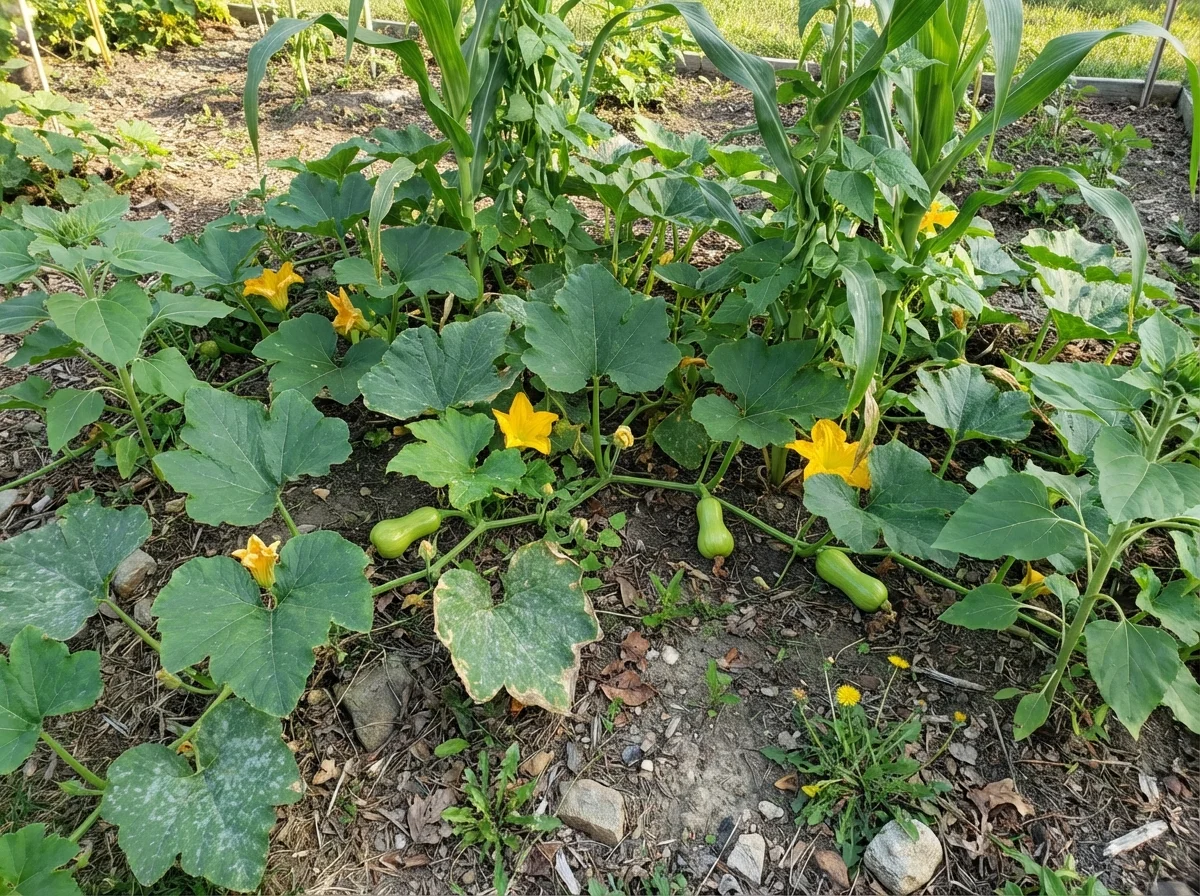
Cucurbita moschata 'Butternut' is butternut squash, a vigorous trailing annual vine 120-180 inches (300-450 cm / 10-15 feet) long and 12-18 inches (30-45 cm) tall. Tan to beige bell-shaped winter squash fruit 8-12 inches (20-30 cm) long, 2-5 pounds (0.9-2.3 kg), with a narrow neck of solid flesh and a bulbous seed cavity at the base. The flesh is bright orange, dense, and sweet with a nutty flavor that intensifies with 1-3 months of curing and storage. Bright yellow trumpet-shaped monoecious flowers. Large palmately lobed fuzzy leaves. In the gourd family (Cucurbitaceae). Developed by Charles Leggett of Stow, Massachusetts (1944). A winter squash: unlike summer squash, butternut is left on the vine until the rind is hard and the stem is dry (85-100 days from seed). The hard rind permits storage for 3-6 months at 50-55°F (10-13°C). Monoecious: requires bee pollination. C. moschata is more resistant to squash vine borer than C. pepo and C. maxima. The trailing vines require 80-120 square feet (7-11 m²) per plant — not suited to small gardens without trellising on sturdy structures. Powdery mildew (Podosphaera xanthii) is the primary foliar disease. Not deer-resistant. Non-toxic (edible crop). Full sun. Tender annual. Growth rate is fast.
Native Range
Developed by Charles Leggett of Stow, Massachusetts (1944). The species C. moschata is native to Central America and northern South America.Suggested Uses
Grown in large vegetable gardens with 80-120 sq ft (7-11 m²) per plant, or on sturdy trellises (support the fruit with slings). Winter squash — stores 3-6 months. Open-pollinated — save seeds. Not for small gardens without trellising. Non-toxic. Tender annual.How to Identify
Appearance
Size & Dimensions
Height1' - 1'6"
Width/Spread10' - 15'
Bloom Information
Summer (July-September). Bright yellow trumpet-shaped monoecious flowers. Requires bee pollination. Fruit matures 85-100 days from seed when the rind is hard and the stem is dry.
Detailed Descriptions
Flower Description
Bright yellow, trumpet-shaped, 3-4 inches (7-10 cm); monoeciousFoliage Description
Medium to dark green with lighter veining; large palmately lobed, 8-12 inches (20-30 cm); slightly fuzzy surfaceGrowing Conditions
Sun Requirements
Requires 6-10 hours of direct sunlight daily
• Full Sun: 6+ hours of direct sunlight
• Partial Shade: 3-6 hours of direct sunlight
• Full Shade: Less than 3 hours of direct sunlight
Care & Maintenance
Care Guide
Full sun (6+ hours). Rich moist soil pH 6.0-6.8. Requires bee pollination. Trailing vines need 80-120 sq ft (7-11 m²) per plant or sturdy trellis. Pinch vine tips after 2-3 fruit set. Leave on vine until rind is hard and stem is dry. Store 3-6 months at 50-55°F (10-13°C). More vine borer resistant than C. pepo. Powdery mildew. Not deer-resistant. Non-toxic. Tender annual.Pruning
Pinch growing vine tips after 2-3 fruit have set per vine to redirect energy to fruit development. Remove subsequent female flowers. Remove damaged or mildewed leaves. Lift developing fruit onto a dry surface (board, straw) to prevent bottom rot.Pruning Schedule
Prune: August–September
summer
Toxicity
Non-toxicPlanting Guide
Planting Methods & Timing
Planting Method
direct sow
Indoor Start
3 weeks before last frost
Direct Sow Timing
After last frost when soil temperature reaches 65 degrees F (18 degrees C)+
Days to Maturity
85–100 days
Plant Spacing
48 inches