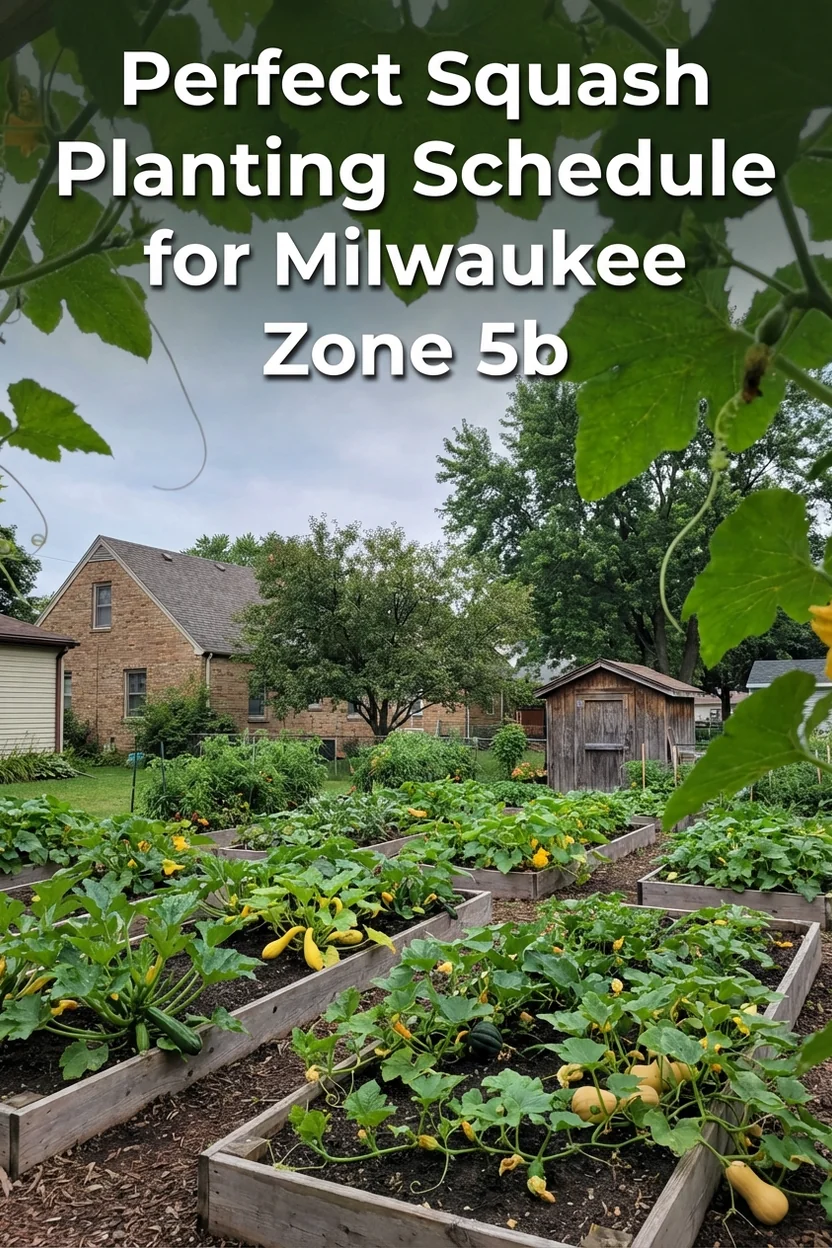
When to Plant Squash in Milwaukee: Complete Guide + Best Varieties for Zone 5b
Pets & Toxicity
Recorded toxicity for plants linked in this guide. An unknown status is not a safety assessment.
No linked plant is recorded as toxicDetailsHide
Cucurbita pepo 'Black Beauty' — Toxicity
Non-toxic as an edible cropView Cucurbita pepo 'Black Beauty' plant profileCucurbita pepo 'Yellow Crookneck' — Toxicity
Non-toxic as an edible cropView Cucurbita pepo 'Yellow Crookneck' plant profile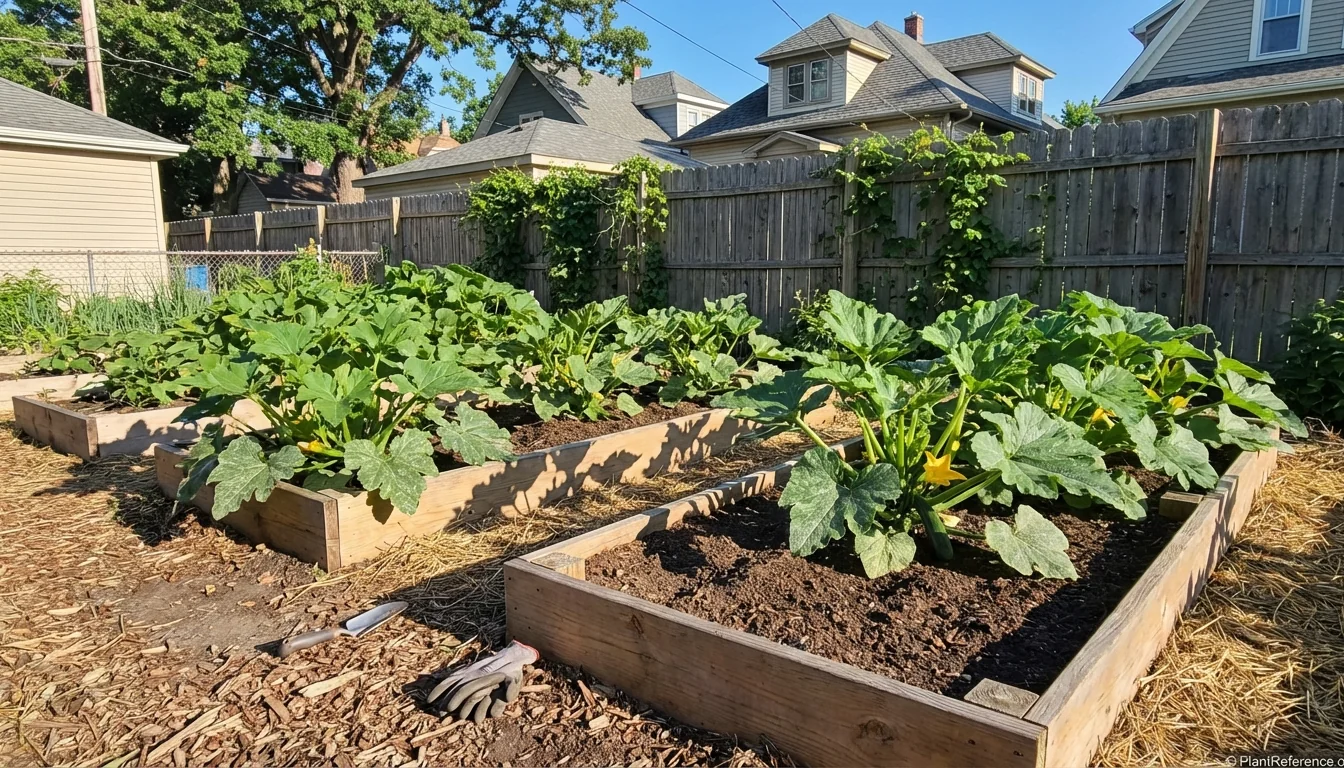
— Image © Plant Reference 2026
Milwaukee gardeners have a sweet spot for growing squash—long enough for most varieties but short enough to focus on the winners. With 139 frost-free days from May 14 to September 30, you'll get excellent summer squash harvests and can successfully grow shorter-season winter varieties with smart timing.
Best Squash Varieties for Milwaukee's Zone 5b Climate
Milwaukee's moderate growing season makes variety selection straightforward—summer squash thrives here, and you have good options for winter storage varieties if you choose wisely.
Summer Squash Champions for Milwaukee
Summer squash performs beautifully in Milwaukee's climate. These varieties mature in 45-60 days, well within our 139-day window.
🌿Cucurbita pepo 'Black Beauty' zucchini remains the gold standard for Milwaukee gardens. This bush variety produces continuously from July through September, easily handling our occasional late spring cold snaps and early fall frosts. I've grown this variety for twenty years in Wisconsin, and it's never failed to produce baskets full of tender zucchini.
🌿Cucurbita pepo 'Yellow Crookneck' offers excellent heat tolerance for Milwaukee's warmer summers while still producing when temperatures dip. The warty, curved fruits are ready in 50-60 days and keep producing until frost.
🌿Cucurbita pepo 'Pattypan' varieties work exceptionally well in Milwaukee's climate. These compact plants fit easily in smaller city lots while producing abundant scalloped fruits. Harvest them small at 2-3 inches for best flavor.
Winter Squash Selection Strategy for Zone 5b
Here's where Milwaukee gardeners need to be selective. Not all winter squash will mature before September 30, so focus on these proven performers:
Variety | Days to Maturity | Best For Milwaukee | Storage Life |
|---|---|---|---|
80-100 days | Perfect for Zone 5b | 2-3 months | |
85-100 days | Select early strains | 4-6 months | |
80-100 days | Reliable producer | 4-8 weeks | |
Cucurbita pepo 'Spaghetti' | 88-100 days | Good for Milwaukee | 2-3 months |
Cucurbita maxima 'Kabocha' | 95-110 days | Risky in short years | 4-6 months |
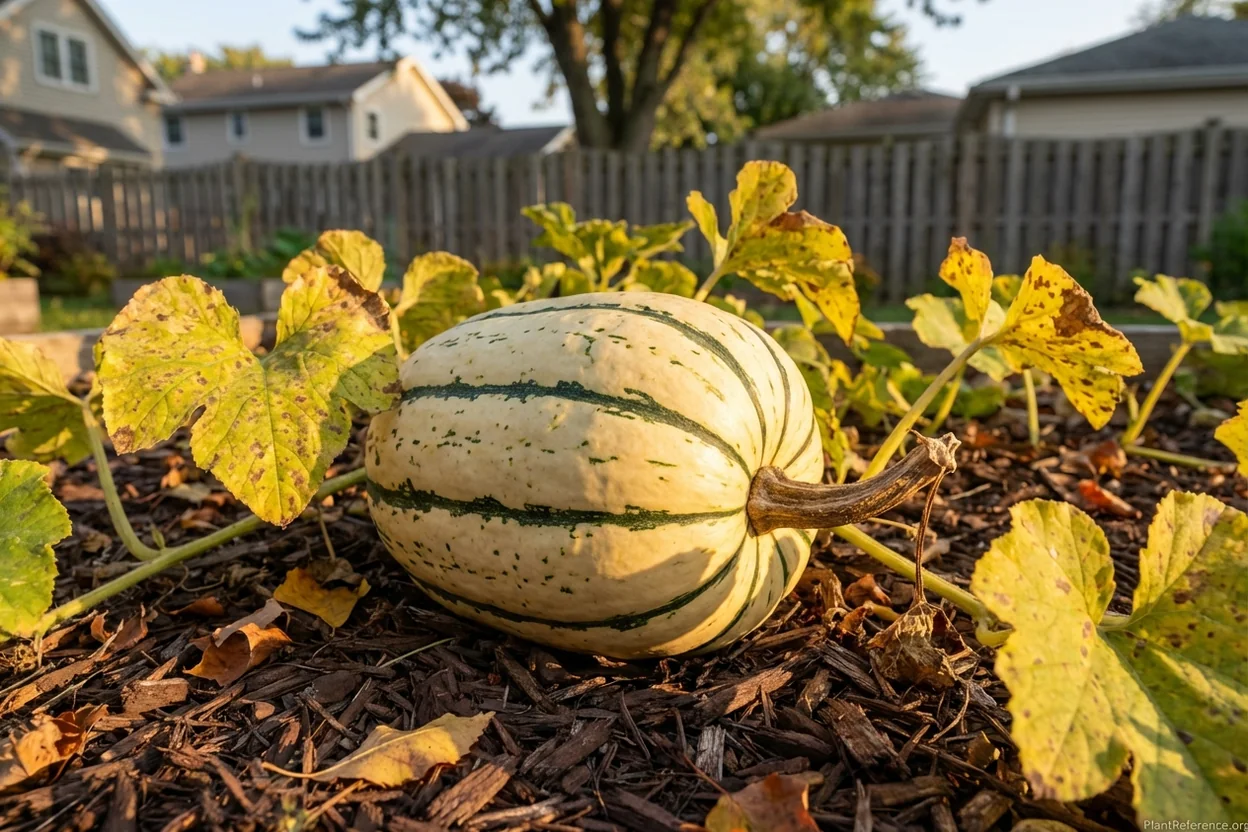
🌿Cucurbita pepo 'Delicata' is your best bet for reliable winter squash in Milwaukee. At 80-100 days, it fits comfortably in our season and produces cream-colored fruits with dark green stripes. The thin, edible skin means no peeling required.
🌿Cucurbita moschata 'Butternut' works if you select early maturing strains and start seeds indoors. The tan, club-shaped fruits store for months and resist the squash vine borers that plague Milwaukee gardens.
Specific Planting Dates for Milwaukee
Milwaukee's last frost averages May 14, but smart timing means waiting until soil conditions are right, not just frost-free.
Indoor Seed Starting Schedule
Start seeds indoors for transplants to get the jump on our growing season:
May 7-14: Start winter squash seeds (🌿Cucurbita moschata 'Butternut', Cucurbita maxima 'Kabocha') indoors in biodegradable pots. These need every available day to mature.
May 14-21: Start summer squash seeds (🌿Cucurbita pepo 'Black Beauty', 🌿Cucurbita pepo 'Yellow Crookneck') if you want an early harvest, though direct sowing works fine.
Use peat pots or cow manure pots that can be planted whole. Squash roots hate disturbance, and transplant shock can set plants back two weeks—time we can't afford to lose in Zone 5b.
Direct Sowing Windows
May 28-June 10: Optimal direct sowing window when soil reaches 65°F consistently. Seeds germinate quickly in warm soil and establish stronger root systems than transplants.
June 1-15: Latest planting for winter squash varieties. After June 15, there aren't enough warm days left for 85-100 day varieties to mature.
June 1-July 15: Summer squash can be planted throughout this window. Later plantings often escape peak pest pressure from squash vine borers.
Soil Temperature Guidelines
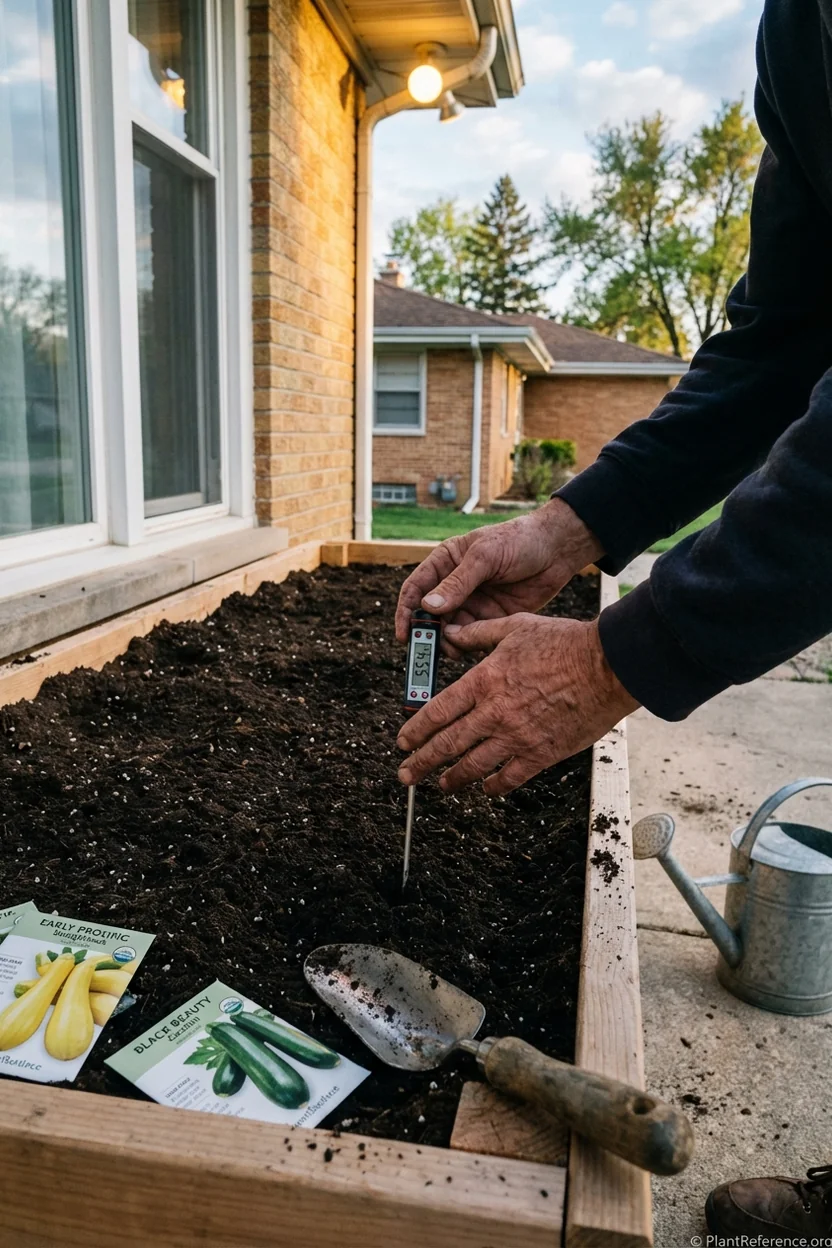
Wait for 65°F soil temperature before planting. Cold soil leads to poor germination and increases risk of seed rot. Use a soil thermometer at 2-inch depth in the morning—if it reads 65°F for three consecutive days, you're good to plant.
Complete Growing Guide for Milwaukee
Milwaukee's variable weather requires adapting your squash growing strategy to work with our climate patterns.
Site Selection for Milwaukee Gardens
Choose the warmest, most protected spot in your yard. South-facing locations with morning sun work best. Avoid low spots where cold air settles—these areas stay frost-prone longer in spring and get hit first in fall.
Wind protection matters in Milwaukee. Our spring winds can damage young transplants and dry out soil quickly. Plant near fences, buildings, or established shrubs that provide shelter without blocking sun.
Soil Preparation for Wisconsin Clay
Most Milwaukee soils are clay-based and need amendment for good squash production. Heavy clay holds too much moisture, leading to root rot and poor growth.
Work in 2-3 inches of compost before planting. This improves drainage while adding organic matter that squash demands. Aged manure works well too, but avoid fresh manure which can burn roots.
Create raised beds or mounded rows for better drainage. Squash roots need oxygen, and Milwaukee's clay soils can become waterlogged after heavy rains.
Spacing for Milwaukee's Wind Patterns
Space plants wider than packet recommendations to account for Milwaukee's windy conditions. Good air circulation prevents disease while allowing plants room to anchor properly:
Bush varieties: 36-48 inches apart instead of the typical 24-36 inches
Vining varieties: 6-8 feet apart with room for 10-12 foot vine spread
Managing Milwaukee's Weather Swings
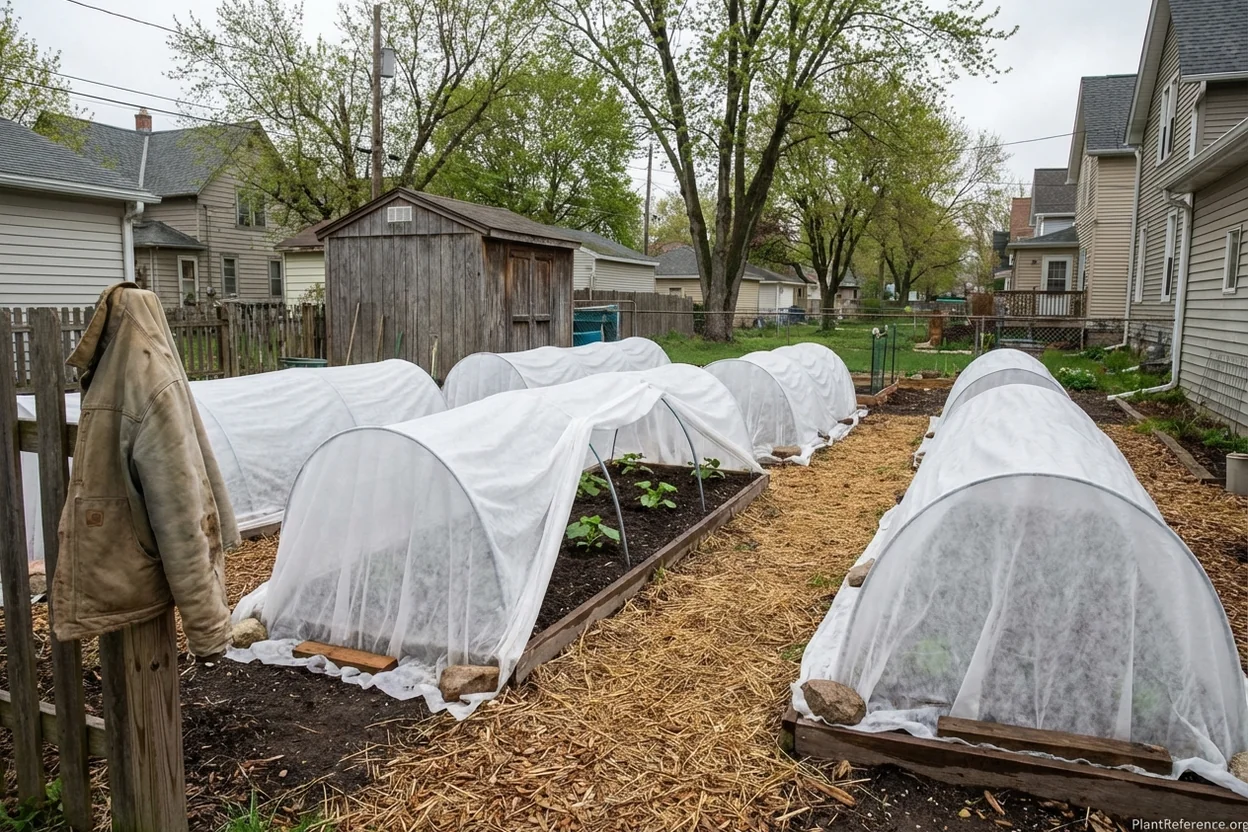
Late spring cold snaps can damage or kill squash plants. Keep row cover handy through June to protect plants when temperatures drop below 50°F.
Summer heat spells require consistent watering. Squash plants wilt quickly when stressed, and recovery takes energy away from fruit production. Mulch heavily with straw or shredded leaves to maintain soil moisture.
Fertilizing Through Milwaukee's Growing Season
Pre-plant: Work in balanced fertilizer (10-10-10) or 2-3 inches of compost before planting.
Early growth (June): Side-dress with nitrogen-rich fertilizer when plants start vining. Fish emulsion or compost tea works well.
Flowering stage (July): Switch to phosphorus and potassium emphasis. Avoid high nitrogen which delays flowering.
Fruit development (August-September): For summer squash, continue light nitrogen applications. For winter squash, stop fertilizing to encourage ripening.
Watering Strategy for Wisconsin Weather
Milwaukee averages 32 inches of annual rainfall, but it comes irregularly. Plan for both drought periods and excessive moisture.
Water deeply twice weekly rather than frequent light watering. This encourages deep root growth that can access moisture during dry spells.
Install drip irrigation if possible. Overhead watering on leaves promotes powdery mildew, common in Milwaukee's humid summer evenings.
Troubleshooting Milwaukee-Specific Problems
Milwaukee gardeners face predictable challenges that respond to targeted solutions.
Squash Vine Borer Management
These clear-wing moths arrive in Milwaukee gardens mid-June through July. Adult moths lay eggs at the base of squash stems, and larvae bore into the stem causing sudden plant collapse.
Prevention: Cover plants with row covers until flowers appear. This blocks egg-laying during peak moth activity.
Early detection: Look for sawdust-like frass around stem bases. If found, slit the stem lengthwise with a clean knife, remove the borer larva, and mound soil over the wound.
Variety resistance: 🌿Cucurbita moschata 'Butternut' has solid stems that resist borer damage better than hollow-stemmed varieties.
Powdery Mildew in Late Season
Milwaukee's cool, humid August evenings create perfect conditions for powdery mildew. White, powdery coating appears on leaves, eventually killing foliage.
Prevention: Space plants wide for air circulation. Avoid overhead watering in evening.
Treatment: Spray affected plants with milk solution (1 part milk to 10 parts water) every two weeks. Apply in morning so leaves dry quickly.
Timing advantage: Late-planted summer squash (July plantings) often escapes severe mildew because they're vigorous when conditions favor the disease.
Poor Fruit Set Issues
Milwaukee gardeners often see lots of flowers but few fruits forming. This usually stems from pollination problems.
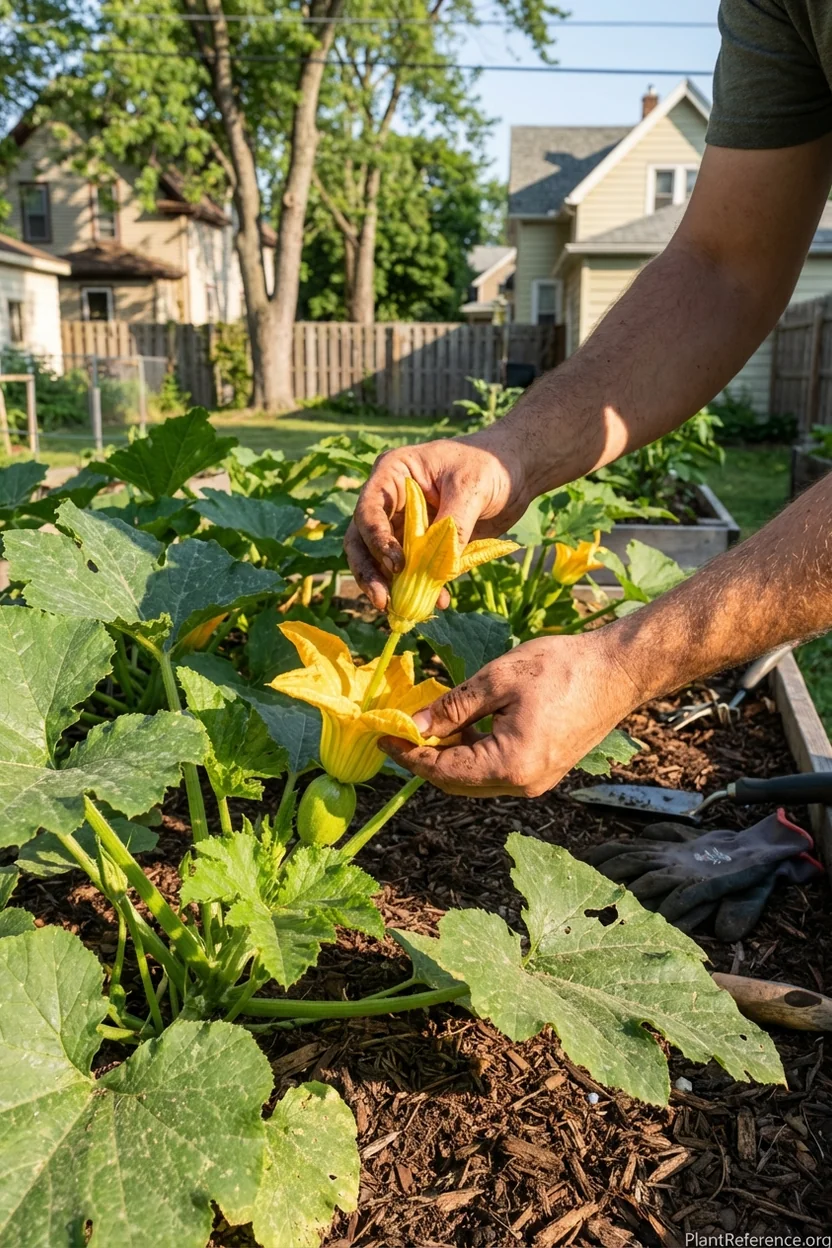
Male flowers first: Plants produce male flowers 1-2 weeks before female flowers appear. This is normal, not a problem.
Bee activity: Cool Milwaukee mornings can reduce bee activity during prime pollination hours (6-10 AM).
Hand pollination solution: Remove a fresh male flower, strip off petals, and brush the pollen-covered center against the center of female flowers (those with small fruits at the base).
Early Frost Protection
September 30 is the average first frost, but some years frost arrives earlier. Protect plants when temperatures are forecast below 35°F.
Row covers: Lightweight fabric covers can protect plants through light frosts, extending harvest 1-2 weeks.
Harvest timing: Begin harvesting winter squash by mid-September even if not fully mature. Fruits continue ripening off the vine if stems are hardening.
Microclimate creation: Plant near south-facing walls or fences that absorb daytime heat and radiate it at night.
Harvest & Storage
Milwaukee's climate offers excellent conditions for both fresh eating and winter storage of squash.
Summer Squash Harvest
Begin harvesting summer squash in mid-July, about 50-60 days after planting. Check plants daily once production starts—fruits can grow from perfect eating size to oversized in 48 hours during peak season.
Zucchini: Harvest at 6-8 inches long with glossy, tender skin. Larger fruits have tough skin and large seeds.
Yellow Crookneck: Pick at 4-6 inches when skin is still tender and bumpy texture is pronounced.
Pattypan: Harvest at 2-4 inches diameter. Small fruits are tender; larger ones work for stuffing.
Winter Squash Harvest Timing
Winter squash harvest in Milwaukee typically occurs from mid-September through early October, just before hard frost.
Maturity indicators: Stems become hard and corky, skin cannot be dented with a fingernail, and the "ground spot" (where fruit touches soil) turns creamy yellow.
Pre-frost harvest: If frost threatens before full maturity, harvest anyway. Fruits with hardening stems will continue ripening in storage.
Curing process: Cure 🌿Cucurbita moschata 'Butternut' and Cucurbita maxima 'Kabocha' at 80-85°F (26.7-29.4°C) for 10-14 days. This hardens the skin and converts starches to sugars.
Exception: Don't cure 🌿Cucurbita pepo 'Acorn' varieties—store them immediately at 50-55°F (10-13°C).
Storage Conditions for Wisconsin
Milwaukee's variable winter temperatures require careful storage planning:
Ideal conditions: 50-55°F (10-13°C) with 50-70% humidity. Basements, unheated garages, or root cellars work well.
Avoid freezing: Temperatures below 40°F (4°C) damage winter squash. Insulate storage areas during extreme cold snaps.
Check regularly: Inspect stored squash monthly and use any showing soft spots immediately.
Frequently Asked Questions
Reading about plants and recognising them are different skills. These three build the second.
- Daily PlantIdentify the day’s mystery plant from a close-up photograph.
- Keyed OutWork a dichotomous key, lead by lead, to name a hidden specimen.
- Name That PlantName a specimen from botanical clues dealt hardest first.
Free to play, no account needed
Aisha manages a small tropical nursery on the east side of Houston, specializing in plants that can handle the Gulf Coast's humidity, heat, and unpredictable flooding. She studied horticulture in college and worked at a wholesale grower before opening her own operation. Growing up, her parents kept a kitchen garden with okra, bitter gourd, and curry leaf plants—a tradition she's continued. Houston's subtropical climate lets her grow things most of the country can't, but it also means dealing with fungal issues, standing water, and summers where it's too hot for even tomatoes. Aisha writes about tropical and subtropical plant care, humidity management, and working with heavy clay soils.