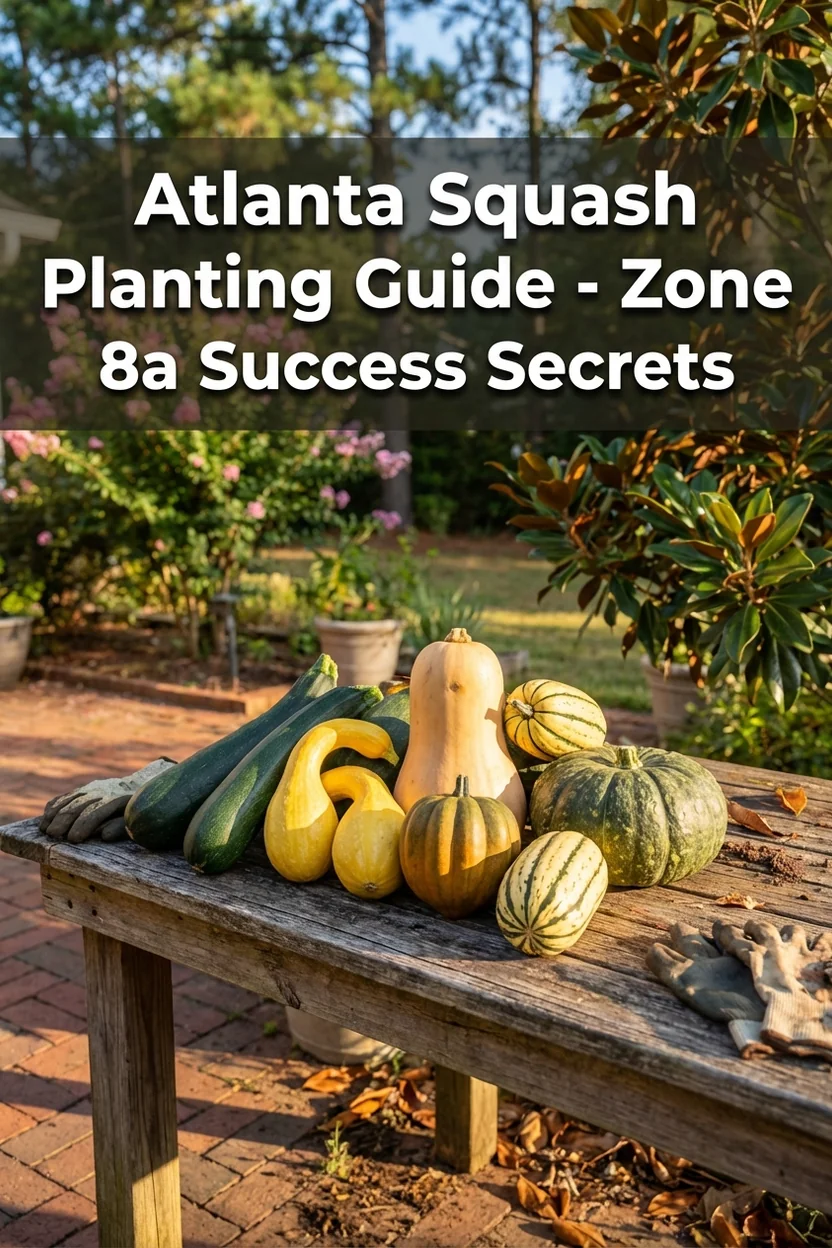
When to Plant Squash in Atlanta: Complete Guide + Best Varieties for Zone 8a
Pets & Toxicity
Recorded toxicity for plants linked in this guide. An unknown status is not a safety assessment.
No linked plant is recorded as toxicDetailsHide
Cucurbita pepo 'Black Beauty' — Toxicity
Non-toxic as an edible cropView Cucurbita pepo 'Black Beauty' plant profileCucurbita pepo 'Yellow Crookneck' — Toxicity
Non-toxic as an edible cropView Cucurbita pepo 'Yellow Crookneck' plant profile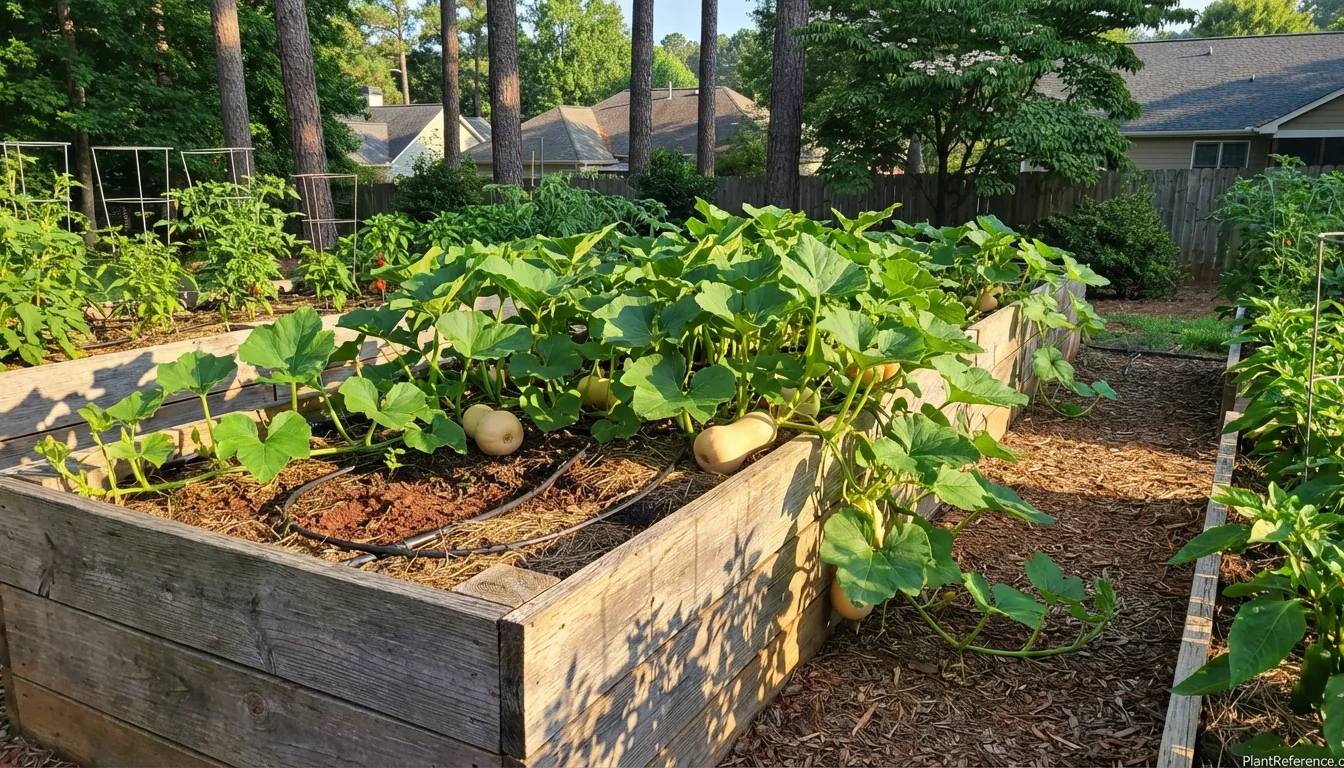
— Image © Plant Reference 2026
Growing squash in Atlanta means working with one of the Southeast's most favorable climates—our Zone 8a conditions provide a generous 230-day growing season from March 24 to November 9. After forty years of vegetable gardening in Georgia, I've learned that Atlanta's squash success depends on understanding our unique combination of advantages and challenges.
Introduction: Atlanta's Squash Growing Advantages
Atlanta gardeners enjoy exceptional squash-growing conditions thanks to our long, warm growing season and fertile soils. With 230 frost-free days between our average last frost of March 24 and first frost of November 9, we can grow both quick-maturing summer squash and long-season winter varieties like butternut and kabocha.
Our Zone 8a climate means soil temperatures warm quickly in early spring, allowing for direct seeding by mid-April once soil reaches the critical 60°F threshold that squash seeds require for reliable germination. Unlike northern gardeners who must start transplants indoors, we can direct sow most varieties with excellent results.
However, Atlanta's squash growing comes with regional challenges. Our warm, humid summers create ideal conditions for squash vine borers, squash bugs, and powdery mildew. The key to Atlanta squash success lies in variety selection, strategic timing, and proactive pest management rather than fighting these pressures after problems develop.
The distinction between summer and winter squash becomes particularly important in our climate. Summer varieties like zucchini and yellow crookneck can be succession planted every 2-3 weeks from April through July, providing fresh harvests from June through October. Winter squash requires a single, well-timed planting that allows 85-110 days for full maturation before our November frost.
Best Squash Varieties for Atlanta's Climate
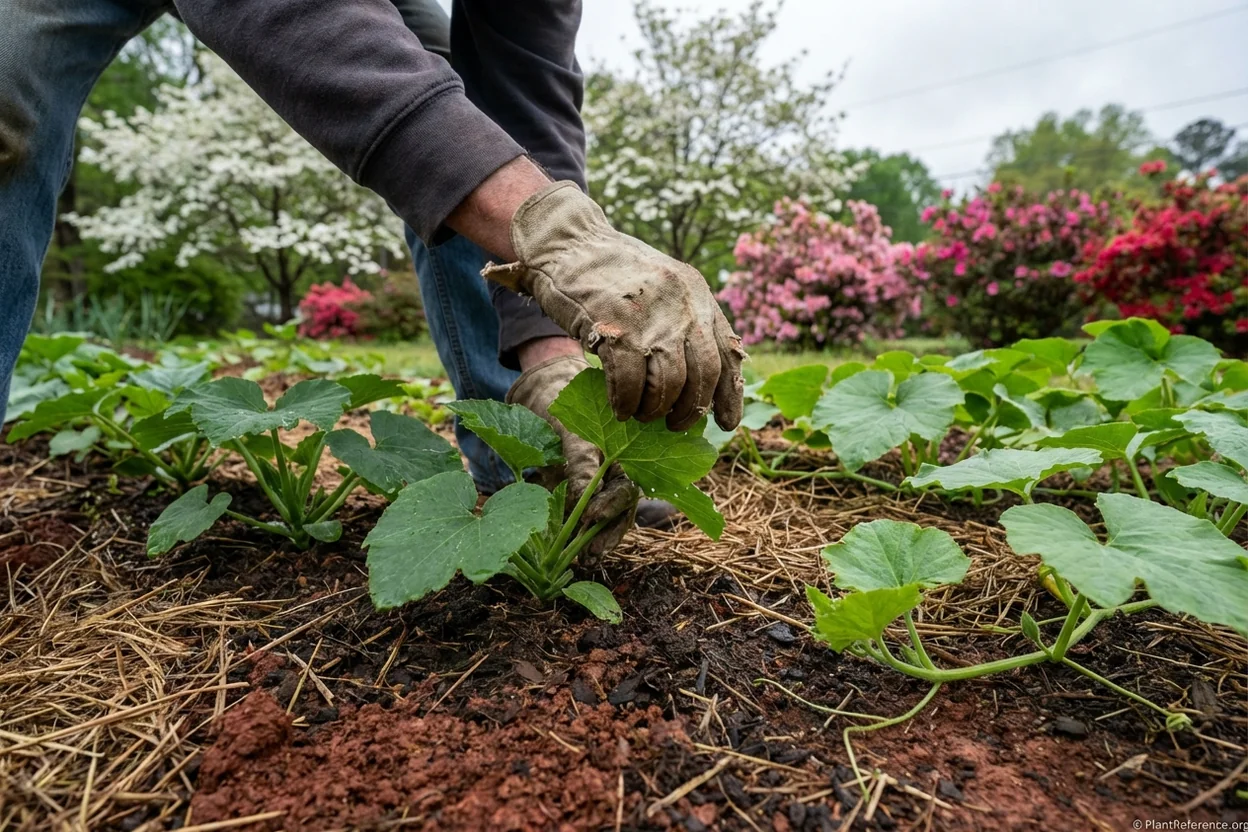
Atlanta's heat and humidity favor specific squash varieties that combine productivity with disease resistance. I've grown dozens of varieties over the years, and these eight consistently deliver the best results in our Zone 8a conditions.
Variety | Days to Maturity | Best For | Notes for Atlanta |
|---|---|---|---|
50-55 days | Quick summer harvest | Heat-tolerant, succession plant every 3 weeks | |
55-60 days | Hot weather production | Excellent heat tolerance, resistant to early borer damage | |
50-60 days | Small space gardens | Compact bush habit, pick at 2-3 inches | |
90-100 days | Long-term storage | Borer-resistant stems, plant by May 15 | |
Cucurbita pepo 'Table Queen Acorn' | 85-95 days | Fall harvest | Moderate heat tolerance, good for Atlanta |
85-95 days | Fresh eating | Thin edible skin, shorter storage life | |
Cucurbita pepo 'Vegetable Spaghetti' | 90-100 days | Unique texture | Requires consistent moisture in Atlanta heat |
Cucurbita maxima 'Kabocha' | 95-105 days | Premium winter squash | Struggles in extreme heat, plant early |
Summer Squash Champions:
🌿Cucurbita pepo 'Black Beauty' zucchini remains my top recommendation for Atlanta gardens. This variety handles our heat remarkably well and produces continuously from June through October with proper succession planting. The compact bush habit (3-4 feet spread) makes it manageable in smaller gardens.
🌿Cucurbita pepo 'Yellow Crookneck' excels in Atlanta's hot summers better than most summer squash. The warty yellow skin protects against sun damage, and I've found it shows better resistance to early-season squash vine borer damage than smooth-skinned varieties.
Winter Squash Winners:
🌿Cucurbita moschata 'Butternut' is absolutely essential for Atlanta gardens. The solid stems resist squash vine borers—our most destructive pest—and the long storage life makes it worthwhile despite the 90-100 day growing requirement. Plant by May 15 to ensure harvest before frost.
Cucurbita maxima 'Kabocha' produces exceptional-quality winter squash but requires careful timing. Plant by April 15 in Atlanta to avoid heat stress during fruit development. The massive vines need 8-10 feet of space but reward you with 4-6 months storage life.
Heat Tolerance Ratings:
Atlanta's summer temperatures regularly exceed 90°F, causing pollination issues in sensitive varieties. I rank our recommended varieties by heat tolerance:
Excellent: Yellow Crookneck, Butternut
Good: Black Beauty Zucchini, Pattypan, Acorn
Fair: Delicata, Spaghetti, Kabocha
Specific Planting Dates for Atlanta
Atlanta's March 24 average last frost date provides the foundation for all squash planting decisions. However, successful timing depends on soil temperature, not just air temperature. Squash seeds require soil temperatures of 60°F or higher for reliable germination.
Soil Temperature Schedule:
March 24: Last frost date (average)
April 1-7: Soil begins reaching 60°F
April 8-15: Reliable 60°F+ soil temperatures
April 15-30: Optimal planting window opens
May 1-15: Peak planting period for all varieties
July 30: Last practical summer squash succession planting
Summer Squash Planting Calendar:
First planting: April 15-30 for harvest beginning in June Second planting: May 15-June 1 for July-August peak production Third planting: June 15-July 1 for September harvest Final planting: July 15-30 for October harvest through first frost
Winter Squash Planting Deadline:
All winter squash must be planted by May 15 to allow adequate time for maturation. Count backward from November 9 (first frost) to determine your latest planting date:
Butternut (100 days): Plant by July 1 (backup planting)
Kabocha (105 days): Plant by June 26
Acorn (95 days): Plant by August 5
Delicata (95 days): Plant by August 5
However, I strongly recommend planting all winter varieties by May 15 to avoid summer heat stress during critical fruit development.
Complete Growing Guide for Atlanta
Soil Preparation:
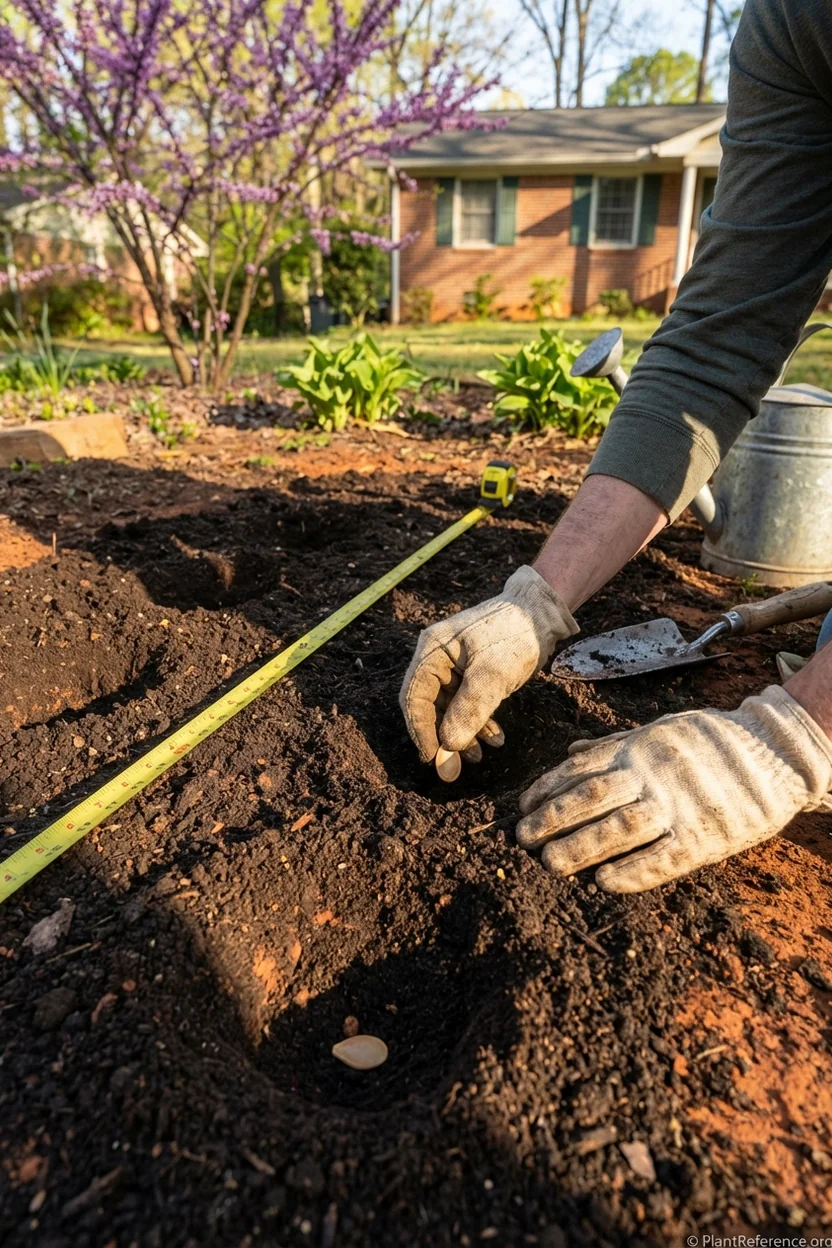
Atlanta's notorious red clay requires significant amendment for squash success. I incorporate 2-3 inches of compost into the top 8-10 inches of soil, creating the well-draining conditions squash demands. The high organic matter content helps retain moisture during our hot summers while preventing waterlogged conditions during spring rains.
Test soil pH annually—squash prefers 6.0-6.8, but Atlanta soils tend toward acidity. Apply lime in fall if pH drops below 6.0, allowing winter weather to adjust soil chemistry before spring planting.
Planting Techniques:
Direct seeding works excellently in Atlanta's warm soil. Plant seeds 1 inch deep and 36-48 inches apart, depending on variety. Summer squash needs 36 inches, while sprawling winter types require 48-60 inches.
Create slight mounds or raised rows to improve drainage—critical during Atlanta's heavy spring rains. I plant 2-3 seeds per location and thin to the strongest seedling once plants reach 4 inches tall.
Water Management:
Atlanta's rainfall pattern creates unique watering challenges. Spring often brings excessive moisture followed by summer dry spells. Install drip irrigation or soaker hoses before planting to ensure consistent soil moisture without wetting foliage.
Summer squash requires 1-2 inches weekly throughout the growing season. Winter squash needs consistent moisture during vine development (May-July) but can tolerate drier conditions during fruit ripening (August-October).
Fertilization Schedule:
Pre-plant: Incorporate balanced fertilizer (10-10-10) at 2 pounds per 100 square feet 4 weeks after planting: Side-dress summer squash with high-nitrogen fertilizer 8 weeks after planting: Final fertilization for summer squash; STOP feeding winter squash Winter squash: No fertilizer after mid-July to encourage proper fruit maturation
Pest Prevention:
Atlanta's warm, humid climate creates ideal conditions for squash vine borers. Begin monitoring for the clear-winged moths in late May. I wrap stem bases with aluminum foil or use row covers until flowering begins.
Squash bugs appear in June, laying copper-colored egg masses on leaf undersides. Check plants twice weekly and scrape off egg masses before they hatch. Adult bugs require hand removal or targeted spraying with neem oil.
Disease Management:
Powdery mildew becomes problematic in late summer as humidity rises and temperatures moderate. Ensure adequate spacing (never closer than recommended distances) and avoid overhead watering. Apply preventive milk spray (1 part milk to 9 parts water) beginning in July.
Troubleshooting Atlanta-Specific Problems
Squash Vine Borer Management:
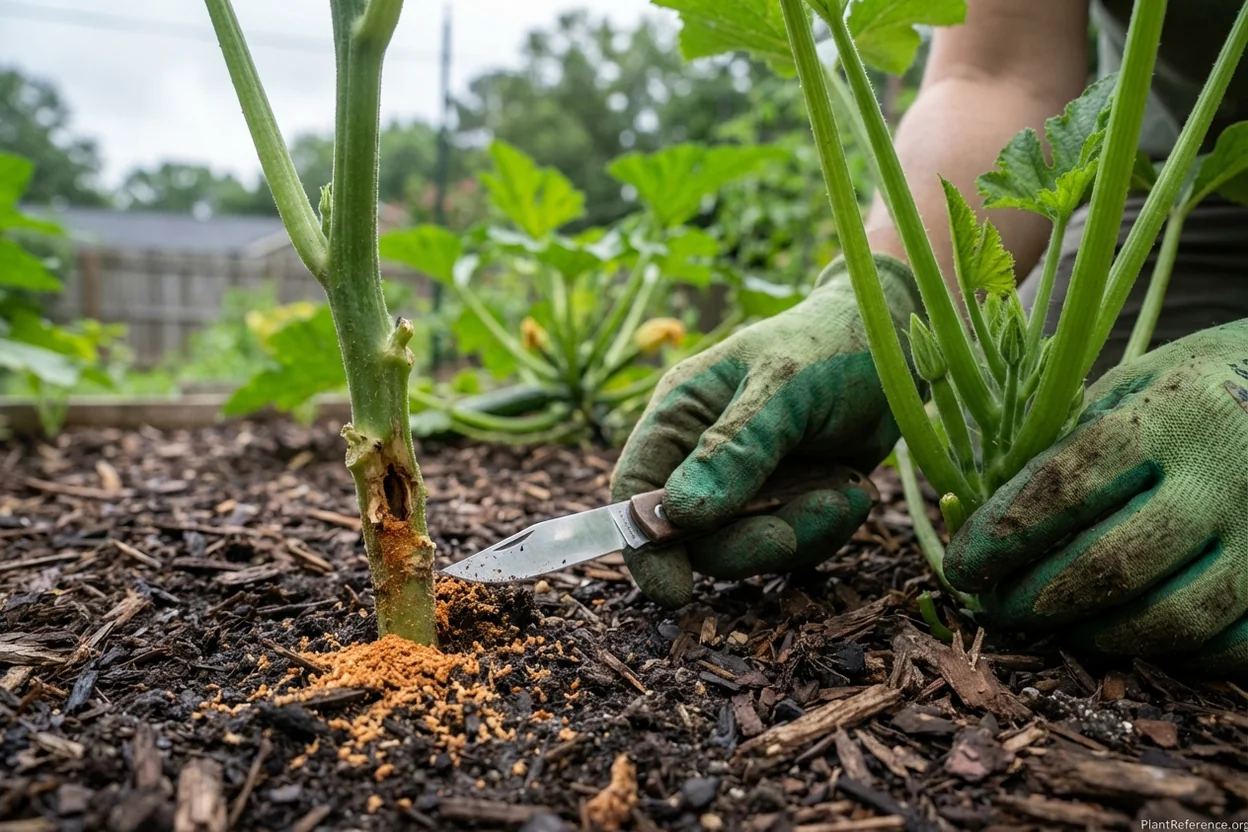
The squash vine borer represents Atlanta's most serious squash pest. Adult moths emerge in late May, laying eggs at stem bases. Larvae bore into stems, blocking water transport and causing sudden wilt.
Prevention strategies:
Plant 🌿Cucurbita moschata 'Butternut' varieties with solid, borer-resistant stems
Wrap stem bases with aluminum foil through July
Use row covers until flowering, removing daily for pollination
Monitor for adult moths (clear wings, red abdomen) and frass (sawdust-like debris)
Treatment options:
Surgical removal: Slit stem lengthwise, remove larvae, mound soil over wound
BT injection: Use syringe to inject Bacillus thuringiensis into stems
Replacement planting: Succession plant summer squash to replace damaged plants
Heat Stress Solutions:
Atlanta's summer temperatures often exceed 90°F, causing blossom drop and reduced fruit set. Male flowers may produce sterile pollen at temperatures above 95°F.
Management techniques:
Provide afternoon shade using 30% shade cloth during peak summer
Maintain consistent soil moisture to prevent additional plant stress
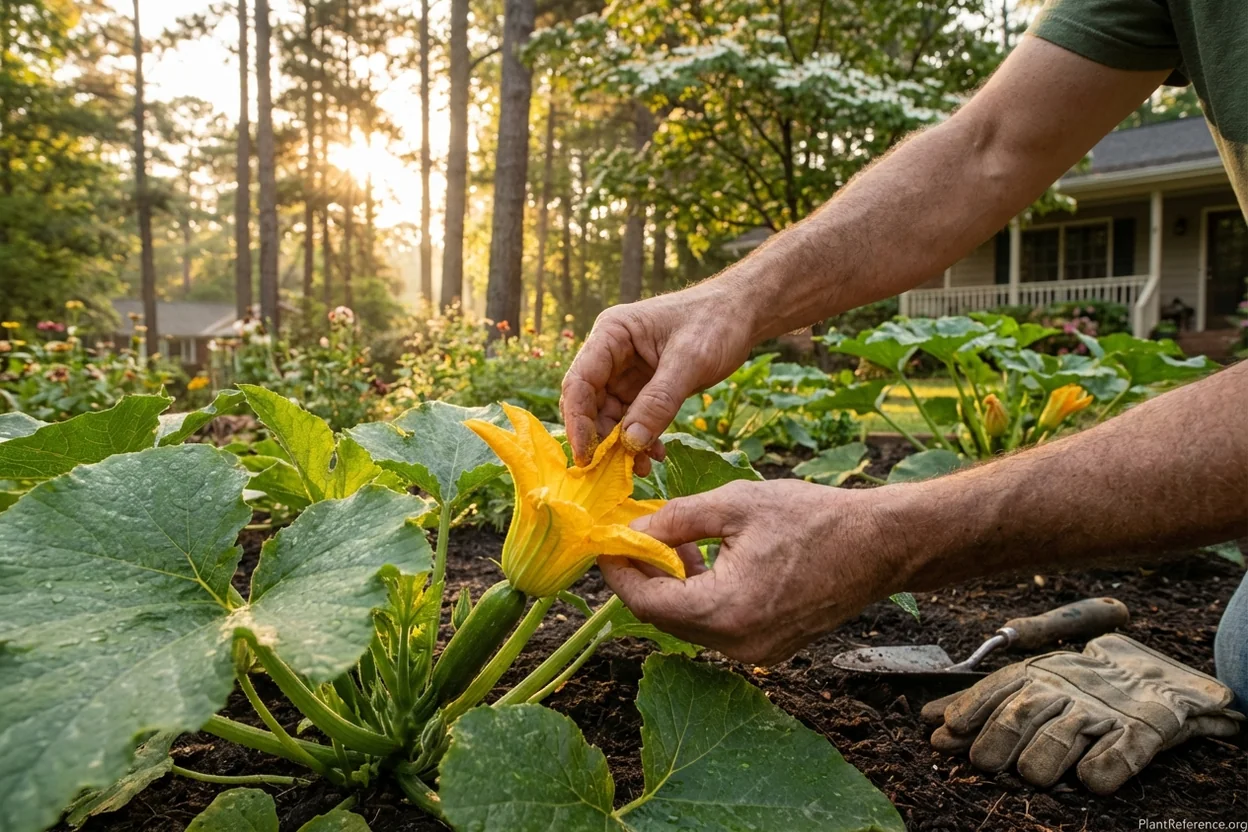
Hand pollinate early morning (6-8 AM) when pollen remains viable
Choose heat-tolerant varieties like Yellow Crookneck and Butternut
Humidity-Related Diseases:
Atlanta's high humidity promotes fungal diseases, particularly powdery mildew and downy mildew.
Prevention strategies:
Space plants wider than minimum recommendations to improve air circulation
Water at soil level using drip irrigation or soaker hoses
Apply preventive fungicide sprays beginning in July
Remove infected plant material immediately to prevent spread
Clay Soil Drainage:
Red clay soil becomes waterlogged during spring rains, leading to root rot and poor plant establishment.
Improvement methods:
Create raised beds or mounded rows 4-6 inches high
Incorporate coarse organic matter (pine bark, aged manure) annually
Install French drains in chronically wet areas
Plant in containers for severe drainage problems
Harvest & Storage
Summer Squash Harvest:
Summer squash requires frequent harvesting to maintain production. In Atlanta's heat, zucchini can grow from perfect eating size to oversized in 48 hours.
Harvest indicators:
🌿Cucurbita pepo 'Black Beauty': 6-8 inches long, glossy skin
🌿Cucurbita pepo 'Yellow Crookneck': 4-6 inches long, tender skin
🌿Cucurbita pepo 'Pattypan': 2-3 inches diameter, before skin hardens
Check plants every other day during peak season (July-September). Use sharp knife or pruning shears to avoid damaging vine. Harvest in early morning when skin is turgid and flesh is crisp.
Winter Squash Harvest:
Winter squash must reach full maturity before harvest. In Atlanta, this typically occurs from late September through early November, depending on planting date and variety.
Maturity indicators:
Vine begins dying back naturally
Stems become corky and dry
Skin becomes dull and cannot be punctured with fingernail
Ground spot (where fruit touches soil) turns from white to cream/yellow
Harvest before hard frost but after stems show senescence. Cut from vine leaving 1-2 inches of stem attached. Handle carefully to avoid bruising that leads to storage rot.
Storage Conditions:
Atlanta's mild winters allow for simple storage setups. Ideal conditions are 50-55°F with 50-70% humidity.
Storage locations:
Unheated garage or shed
Cool basement or crawl space
Insulated but unheated outbuilding
Cool spare bedroom or closet
Properly cured and stored winter squash keeps 2-6 months depending on variety:
🌿Cucurbita moschata 'Butternut': 4-6 months
Cucurbita maxima 'Kabocha': 4-6 months
🌿Cucurbita pepo 'Acorn': 4-8 weeks (shorter storage)
🌿Cucurbita pepo 'Delicata': 2-3 months maximum
Cure winter squash (except Acorn varieties) in Atlanta's warm October weather before storage. Leave in sunny, well-ventilated area for 10-14 days to heal harvest wounds and convert starches to sugars.
Frequently Asked Questions
Reading about plants and recognising them are different skills. These three build the second.
- Daily PlantIdentify the day’s mystery plant from a close-up photograph.
- Keyed OutWork a dichotomous key, lead by lead, to name a hidden specimen.
- Name That PlantName a specimen from botanical clues dealt hardest first.
Free to play, no account needed
Dot grew up on a small farm in rural Virginia and has maintained a vegetable garden for decades. After retiring from teaching elementary school, she became a Master Gardener volunteer and spends her time mentoring new gardeners at community garden plots in Richmond. She's especially knowledgeable about heirloom varieties, seed saving, and traditional growing methods passed down from her grandmother. Dot's no-nonsense advice comes from extensive trial and error—she's seen every tomato disease, pest problem, and weather disaster imaginable. Her biggest pet peeve is gardeners who overcomplicate simple tasks. "Plants want to grow," she often says. "Your job is to not get in their way."