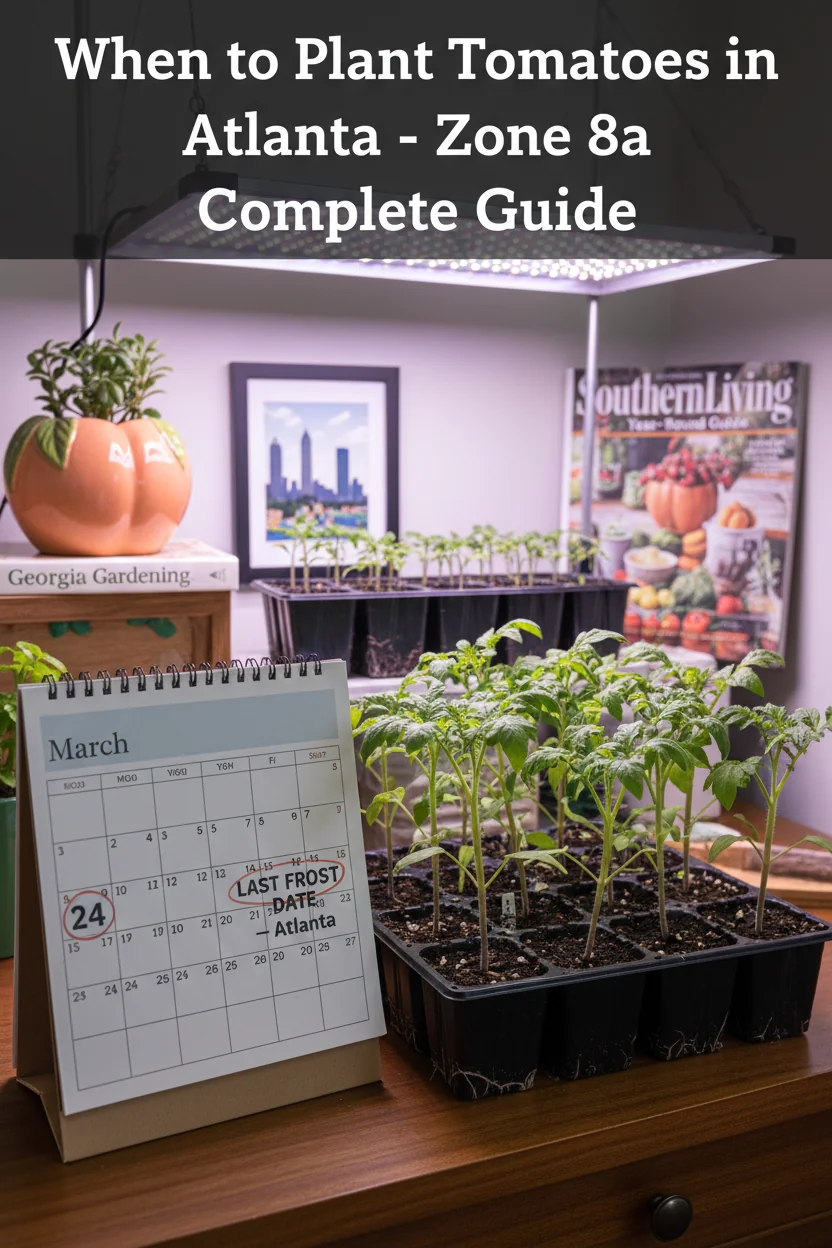
When to Plant Tomatoes in Atlanta: Complete Guide + Best Varieties for Zone 8a
Pets & Toxicity
Recorded toxicity for plants linked in this guide. An unknown status is not a safety assessment.
Toxic to pets: early girl tomato, cherokee purple tomato, Sungold cherry tomato and 4 moreDetailsHide
Solanum lycopersicum 'Early Girl' — Toxicity Warning
Toxic to petsView Solanum lycopersicum 'Early Girl' plant profileSolanum lycopersicum 'Cherokee Purple' — Toxicity Warning
Toxic to petsView Solanum lycopersicum 'Cherokee Purple' plant profileSolanum lycopersicum 'Sungold' — Toxicity Warning
Toxic to petsView Solanum lycopersicum 'Sungold' plant profileSolanum lycopersicum 'Stupice' — Toxicity Warning
Toxic to petsView Solanum lycopersicum 'Stupice' plant profileSolanum lycopersicum 'San Marzano' — Toxicity Warning
Toxic to petsView Solanum lycopersicum 'San Marzano' plant profileSolanum lycopersicum 'Brandywine' — Toxicity Warning
Toxic to petsView Solanum lycopersicum 'Brandywine' plant profileSolanum lycopersicum 'Yellow Pear' — Toxicity Warning
Toxic to petsView Solanum lycopersicum 'Yellow Pear' plant profile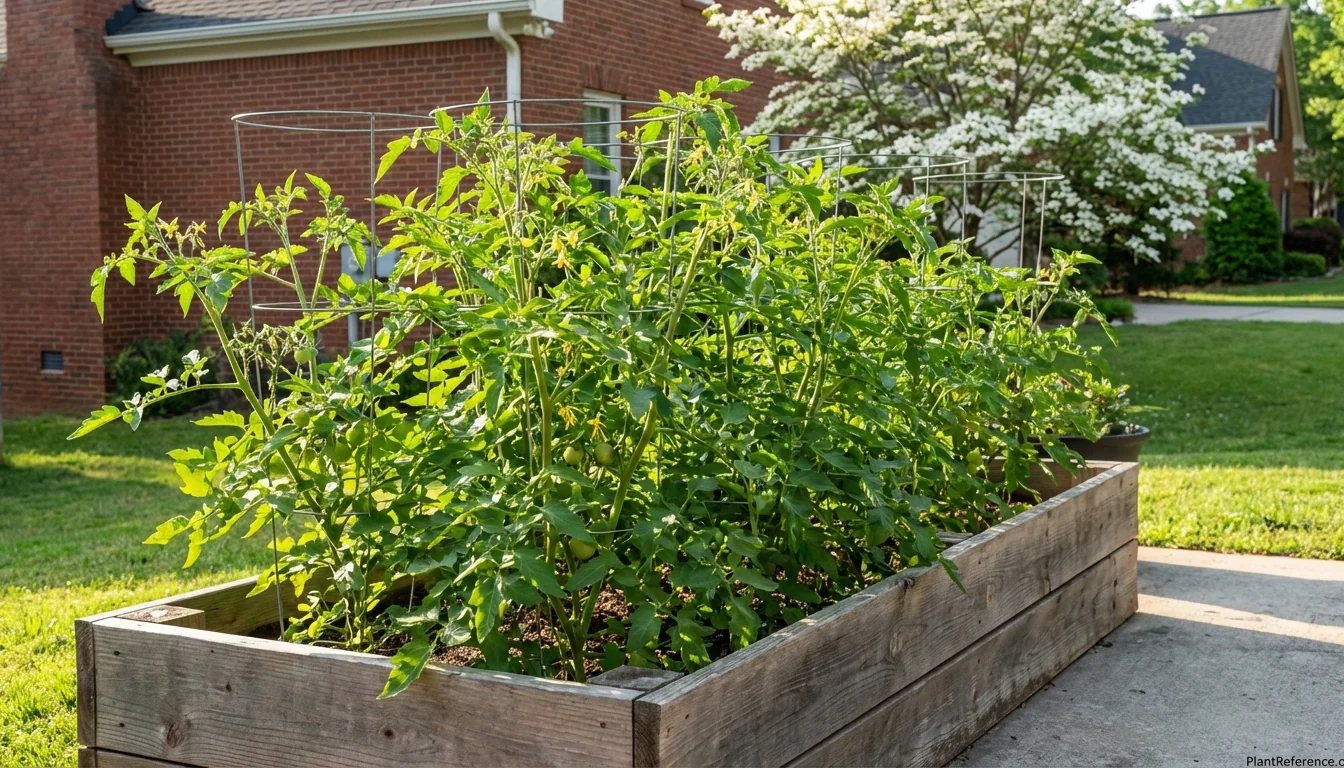
— Image © Plant Reference 2026
I've been growing tomatoes in the South for forty years, and I'll tell you what works in Atlanta: timing is everything, and the right varieties make all the difference. Atlanta's Zone 8a climate gives you a long growing season—230 days between frosts—but that heat and humidity bring their own challenges.
The key to success in Atlanta is understanding our two-season approach. Plant your main crop early to harvest before the brutal July and August heat, then start a fall crop in mid-July for October harvests. The tomato 🌿Solanum lycopersicum 'Yellow Pear' (so-LAN-um ly-koh-per-SIH-kum) doesn't set fruit when nighttime temperatures stay above 75°F, which happens regularly in Georgia summers.
Best Tomato Varieties for Atlanta's Zone 8a Climate
After decades of trial and error in Georgia gardens, these six varieties consistently deliver excellent results in Atlanta's challenging climate. Each handles our heat, humidity, and disease pressure differently.
Variety | Days to Maturity | Best For | Notes for Atlanta |
|---|---|---|---|
50-62 days | Quick spring harvest | Sets fruit in cool spring weather, harvest before July heat | |
75-90 days | Premium flavor | Originally from Tennessee, handles humidity well | |
55-65 days | Sweet cherry tomatoes | Disease resistant, produces through summer heat | |
52-60 days | Cool weather tolerance | Excellent for fall crops, sets fruit in cooler weather | |
78-85 days | Canning and sauce | Requires consistent moisture to prevent blossom end rot | |
80-100 days | Exceptional flavor | Challenging but rewarding, needs disease prevention |
Heat-Tolerant Champions
🌿Solanum lycopersicum 'Early Girl' is your insurance policy in Atlanta. This F1 hybrid sets fruit at lower temperatures than most varieties, giving you tomatoes before the summer heat shuts down production. I've harvested full-sized slicers by late May when planted properly.
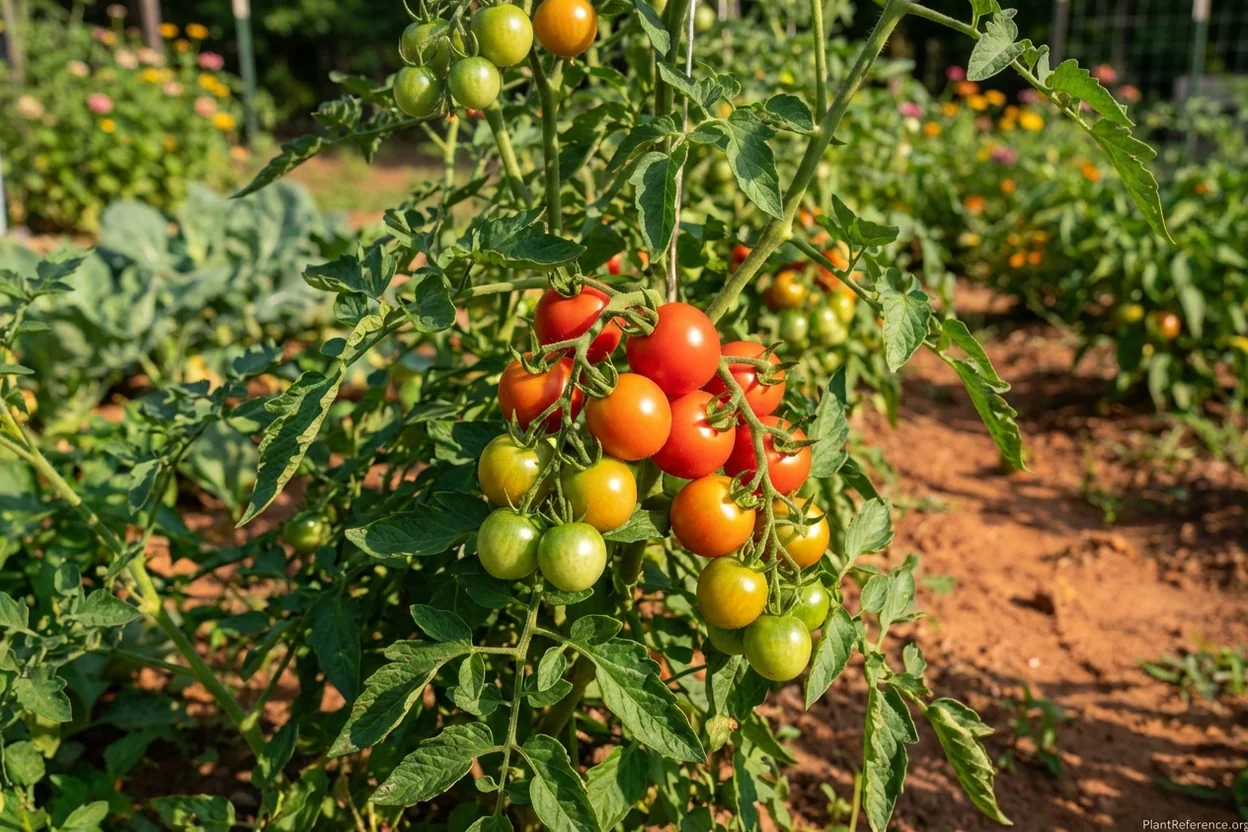
🌿Solanum lycopersicum 'Sungold' cherry tomatoes are practically bulletproof here. They keep producing even when temperatures soar, and their disease resistance handles our humidity better than any other variety I've grown.
Heritage Varieties That Handle Georgia Heat
🌿Solanum lycopersicum 'Cherokee Purple' originated in Tennessee, making it naturally adapted to our Southeastern climate. The dusky purple-brown fruits have incredible flavor, and I've found this variety shows better humidity tolerance than other large heirlooms.
This variety does need protection from our afternoon sun. I plant it where it gets morning sun but shade after 2 PM, or provide shade cloth during the hottest months.
Fall Crop Specialists
🌿Solanum lycopersicum 'Stupice' shines in Atlanta's fall growing season. This Czech heirloom sets fruit in cooler weather better than almost any other variety, making it perfect for your second planting in July.
Specific Planting Dates for Atlanta Gardeners
Atlanta's Zone 8a climate allows for precise timing that maximizes your harvest window. Here's exactly when to plant based on our March 24 average last frost date.
Spring Planting Schedule
Indoor Seed Starting: February 15-22 Start seeds indoors 6-8 weeks before transplanting. Use bottom heat to maintain 70-75°F soil temperature for germination. Atlanta's variable February weather makes indoor starting essential.
Transplant Preparation: March 15-20 Begin hardening off seedlings when they have 2-3 sets of true leaves. Our March weather can be unpredictable, so have row covers ready for unexpected cold snaps.
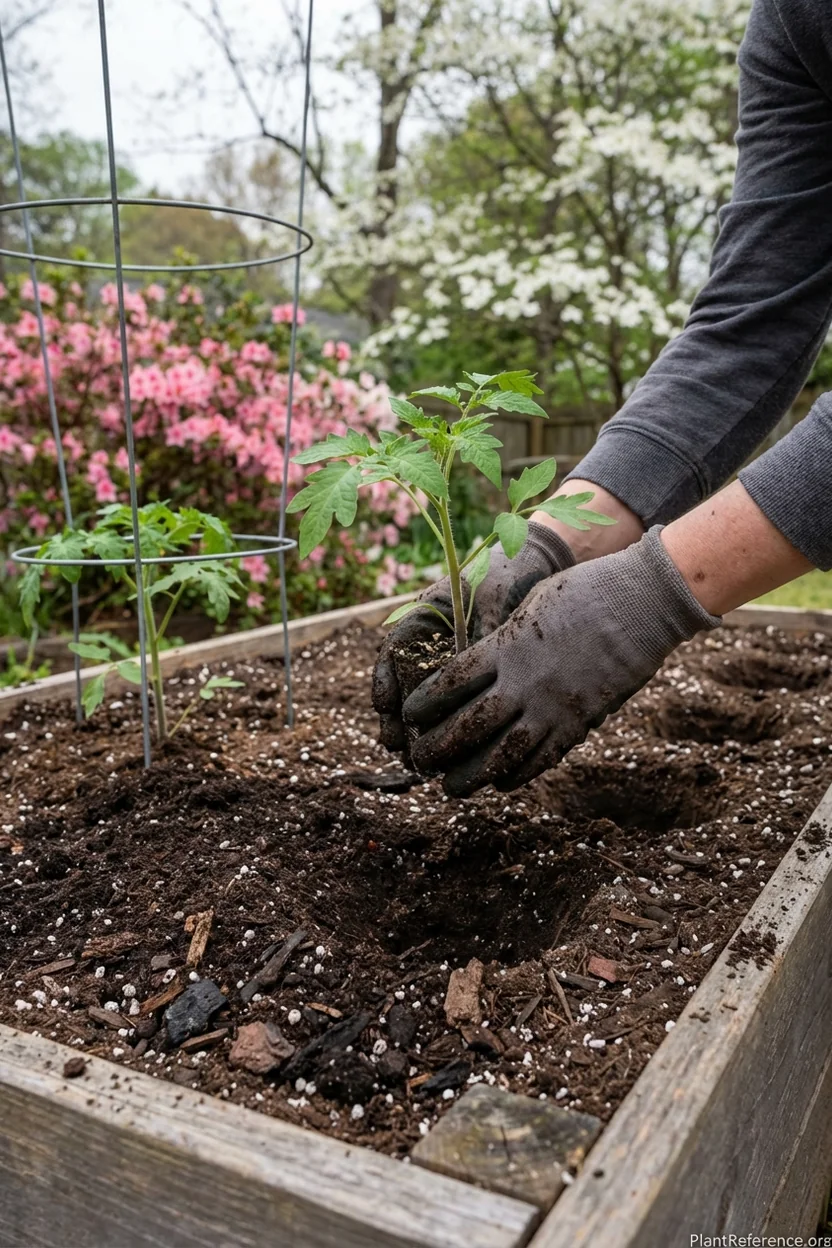
Transplant Outdoors: April 1-7 Wait until soil temperatures consistently reach 60°F and nighttime temperatures stay above 50°F. This timing puts transplants in the ground after our March 24 average last frost with a safety buffer.
Summer/Fall Planting Schedule
Fall Crop Seed Starting: July 15-20 Start seeds for fall crops during our hottest weeks. Keep seedlings in air-conditioned space or use shade cloth to prevent heat stress.
Fall Transplant: August 20-30 Transplant fall crops when the worst heat begins breaking. Provide shade cloth initially and gradually acclimate plants to full sun.
Critical Timing Calculations
Working backward from Atlanta's November 9 first frost date:
🌿Solanum lycopersicum 'Early Girl': Latest transplant August 15 (62 days + 15 day buffer)
🌿Solanum lycopersicum 'Cherokee Purple': Latest transplant July 20 (90 days + 15 day buffer)
🌿Solanum lycopersicum 'Sungold': Latest transplant August 10 (65 days + 15 day buffer)
🌿Solanum lycopersicum 'Stupice': Latest transplant August 20 (60 days + 15 day buffer)
Complete Growing Guide for Atlanta's Climate
Growing tomatoes successfully in Atlanta requires understanding our unique climate challenges. The combination of heat, humidity, and sudden weather changes demands specific strategies.
Soil Preparation for Georgia Clay
Atlanta's infamous red clay needs serious amendment for tomato success. I've learned this the hard way over four decades of gardening here.
Georgia clay becomes concrete-hard when dry and turns to soup when wet. Tomatoes need well-draining soil, so you must amend heavily:
Add 3-4 inches of compost to existing beds annually
Mix in coarse sand (not fine sand) to improve drainage
Consider raised beds if clay drainage is severe
Test soil pH—our clay tends to be acidic (5.5-6.0) but tomatoes prefer 6.0-6.8
Work amendments into clay when soil moisture is just right—it should crumble in your hand, not stick or dust. This usually means waiting for the right conditions after rain.
Planting Techniques for Hot Climates
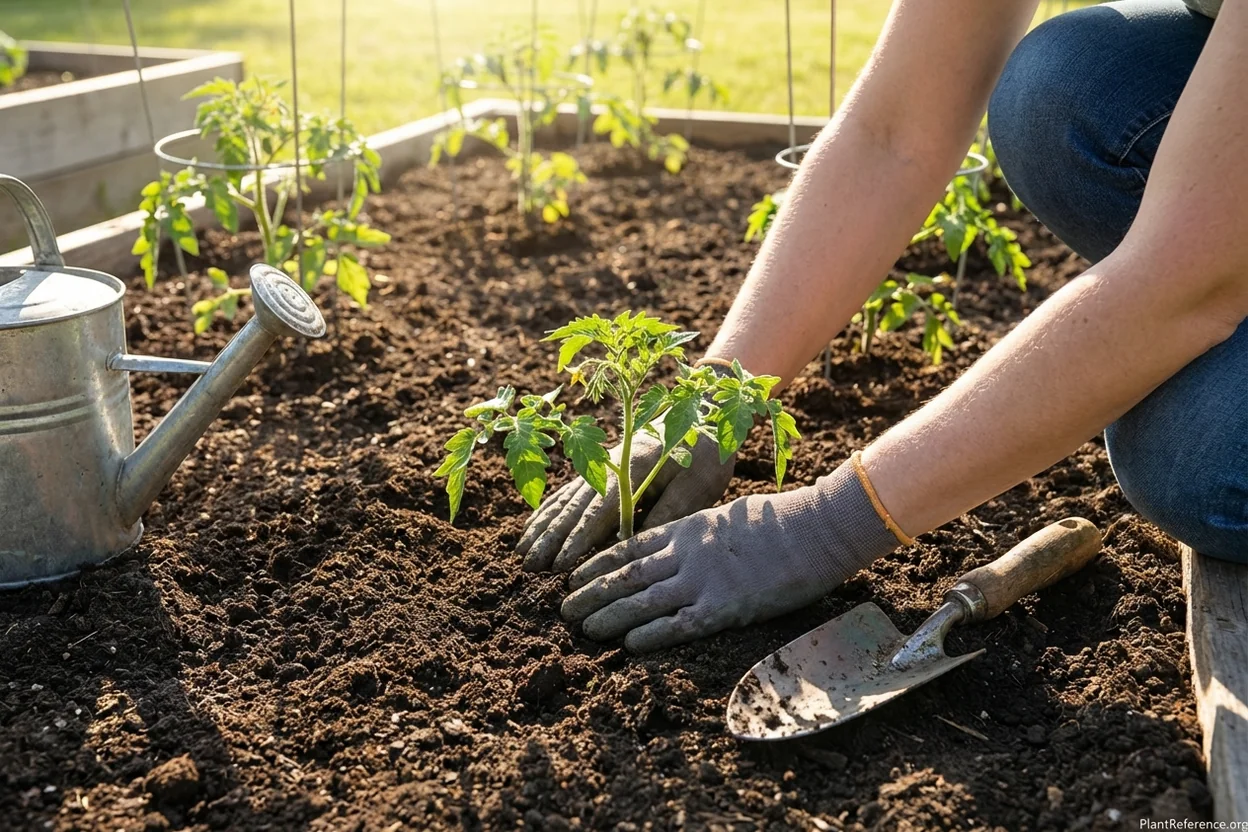
In Atlanta, deep planting is crucial. Bury 2/3 of the stem, leaving only the top leaves exposed. This develops a massive root system that can access deep moisture during our dry spells.
Space plants wider than northern recommendations—3 feet apart minimum. Good air circulation prevents fungal diseases that thrive in our humidity.
Irrigation Strategies for Georgia Weather
Atlanta's rainfall pattern is unpredictable—we get deluges followed by drought. Consistent moisture is critical for tomato success, especially preventing blossom end rot in 🌿Solanum lycopersicum 'San Marzano'.
Install drip irrigation or soaker hoses at planting time. This prevents the splash-back that spreads soil-borne diseases and maintains even moisture levels.
Mulch heavily with 3-4 inches of organic material. I use pine straw, which is readily available in Atlanta and breaks down slowly in our heat.
Managing Atlanta's Heat Stress
When temperatures exceed 90°F for consecutive days, tomatoes shut down fruit production. Here's how I keep plants productive:
Morning Sun, Afternoon Shade: Position plants where they get 6-8 hours of morning sun but protection from brutal afternoon heat.
Shade Cloth Installation: Use 30-40% shade cloth during heat waves in July and August. Remove it when temperatures moderate.
Deep Watering Schedule: Water deeply twice weekly rather than daily shallow watering. This encourages deep root growth that can access cool, moist soil.
Troubleshooting Atlanta-Specific Growing Problems
Four decades of growing tomatoes in Atlanta has taught me that certain problems show up predictably in our climate. Here's how to handle the most common issues.
Early Blight in Humid Conditions
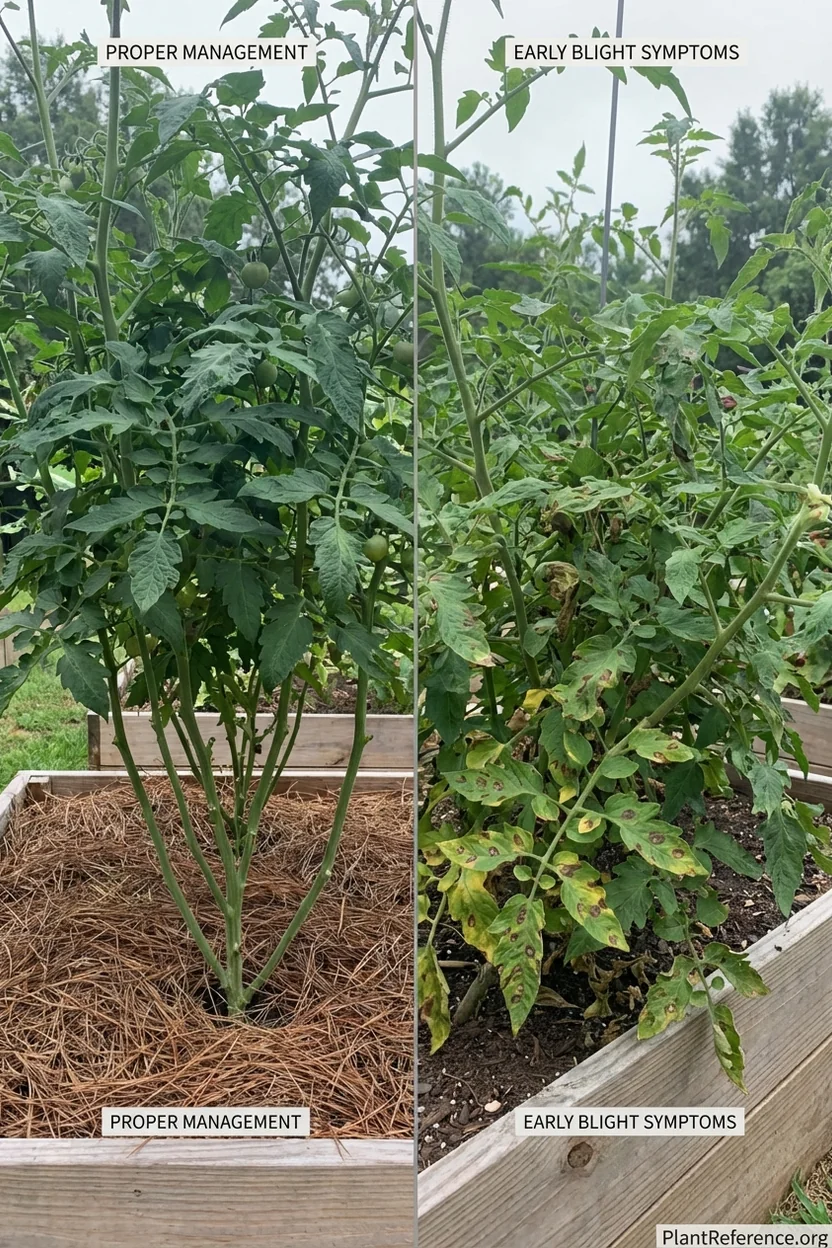
Atlanta's humidity creates perfect conditions for Early Blight (Alternaria solani). This fungal disease starts as dark spots on lower leaves and rapidly climbs the plant.
Prevention is easier than cure:
Mulch heavily to prevent soil splash onto leaves
Space plants wide for air circulation
Remove lower leaves that touch the ground
Apply preventive copper fungicide in May before disease pressure builds
Choose resistant varieties like 🌿Solanum lycopersicum 'Sungold'
Blossom End Rot from Inconsistent Moisture
🌿Solanum lycopersicum 'San Marzano' and other paste tomatoes are particularly susceptible to blossom end rot in Atlanta. This appears as dark, sunken spots on the bottom of fruits and results from calcium transport issues, not calcium deficiency.
The real culprit is inconsistent watering. When plants go through wet-dry cycles, calcium can't move properly through the plant.
Solutions that actually work:
Maintain consistent soil moisture with drip irrigation
Mulch heavily to buffer moisture fluctuations
Never let soil completely dry out, especially during fruit development
Avoid over-fertilizing with nitrogen, which interferes with calcium uptake
Heat Stress and Blossom Drop
When nighttime temperatures stay above 75°F for several consecutive nights, tomato flowers drop without setting fruit. This typically happens in Atlanta from mid-July through August.
You can't fight the weather, but you can work with it:
Plant early varieties like 🌿Solanum lycopersicum 'Early Girl' to harvest before heat stress
Use shade cloth to lower canopy temperatures during heat waves
Keep plants well-watered to reduce additional stress
Plan fall crops to resume production when temperatures moderate
Managing Pests in Georgia's Long Season
Our 230-day growing season means extended pest pressure. Hornworms, aphids, and whiteflies all thrive in Atlanta's climate.
Hornworm Control: These large green caterpillars can defoliate plants quickly. Hand-picking works for small gardens, but encourage beneficial wasps that parasitize hornworms naturally.
Aphid Management: Beneficial insects usually keep aphid populations in check, but severe infestations need intervention. Strong water sprays dislodge them effectively.
Harvest & Storage in Georgia
Atlanta's long season allows multiple harvests, but our climate also affects how you handle ripe fruit. Hot weather accelerates ripening and reduces storage life.
Optimal Harvest Timing
Harvest tomatoes at the "breaker" stage (showing first color change) during hot weather. They'll continue ripening indoors without the stress of high field temperatures.
For 🌿Solanum lycopersicum 'Cherokee Purple', wait until the shoulders show purple-brown coloring but the fruit still feels firm. These large tomatoes can crack if left too long on the vine in our humidity.
🌿Solanum lycopersicum 'Sungold' cherry tomatoes ripen continuously but split easily after rain. Harvest daily during wet periods to prevent loss.
Storage in Hot, Humid Conditions
Atlanta's climate makes tomato storage challenging. High humidity promotes rapid spoilage, while heat accelerates ripening.
Store ripe tomatoes at room temperature away from direct sunlight. They'll keep 3-5 days in summer, longer in cooler months.
For green tomatoes at season's end, wrap individually in newspaper and store in a cool, dry place. Check weekly and remove any showing signs of rot.
Preservation Methods for Large Harvests
Our long season often produces more tomatoes than you can use fresh. I've found these preservation methods work best in Georgia:
Freezing: Whole paste tomatoes like 🌿Solanum lycopersicum 'San Marzano' freeze well for winter sauce making. Core and freeze whole in bags.
Dehydrating: Cherry tomatoes dehydrate beautifully in our dry summer heat. Use a food dehydrator for consistent results.
Canning: Follow tested recipes exactly—Atlanta's humidity makes food safety even more critical during the preservation process.
Frequently Asked Questions
Reading about plants and recognising them are different skills. These three build the second.
- Daily PlantIdentify the day’s mystery plant from a close-up photograph.
- Keyed OutWork a dichotomous key, lead by lead, to name a hidden specimen.
- Name That PlantName a specimen from botanical clues dealt hardest first.
Free to play, no account needed
Grace is a community garden organizer in Atlanta who manages three neighborhood garden plots across the city. She came to gardening through food justice work—she saw how many Atlanta neighborhoods lacked access to fresh produce and decided to do something about it. Grace has a background in public health and brings that lens to everything she writes about food growing, soil safety in urban settings, and making gardens work for the communities they serve. She grows a wide range of vegetables, with a focus on crops that produce heavily in Atlanta's long growing season. Grace is practical and community-minded—she thinks about gardens as shared spaces, not just personal projects.