When to Plant Squash in Boston: Complete Guide + Best Varieties for Zone 6b
Pets & Toxicity
Recorded toxicity for plants linked in this guide. An unknown status is not a safety assessment.
Cucurbita pepo 'Black Beauty' — Toxicity
Non-toxic as an edible cropView Cucurbita pepo 'Black Beauty' plant profileCucurbita pepo 'Yellow Crookneck' — Toxicity
Non-toxic as an edible cropView Cucurbita pepo 'Yellow Crookneck' plant profile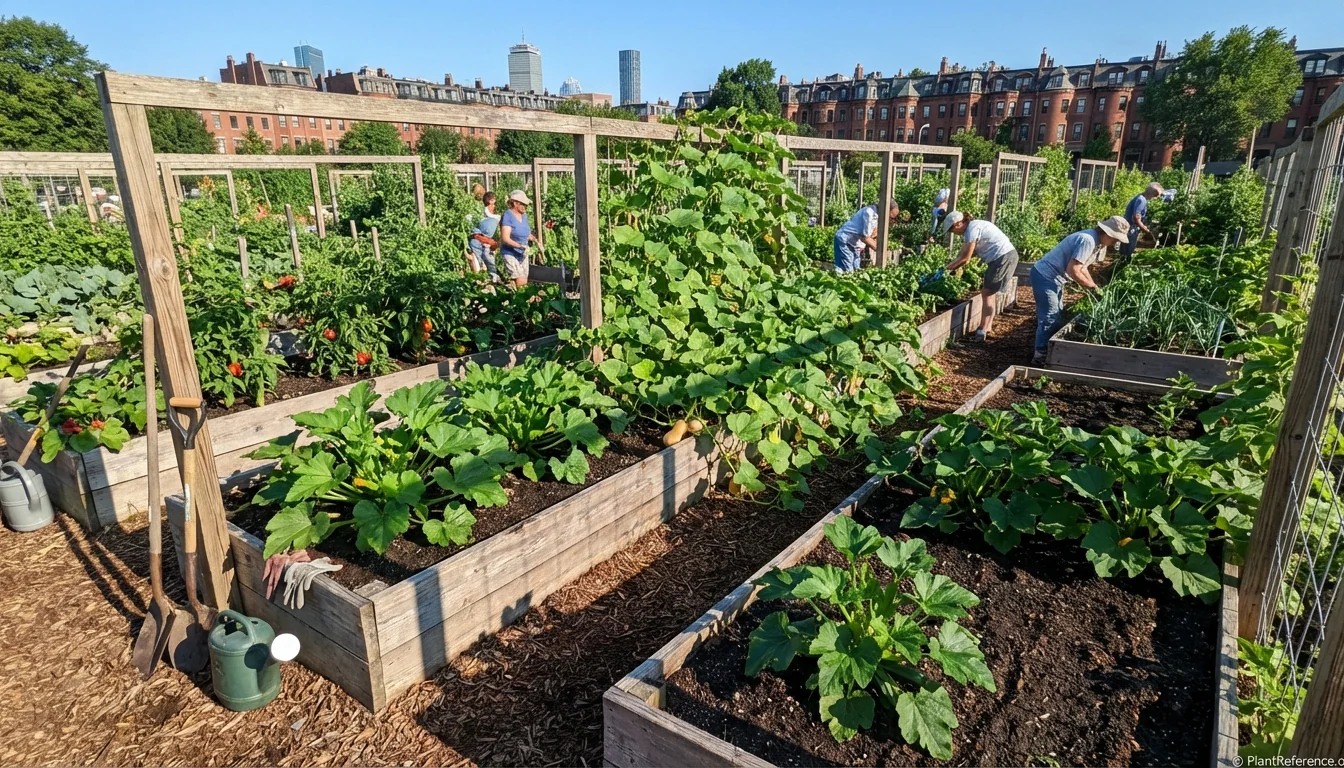
— Image © Plant Reference 2026
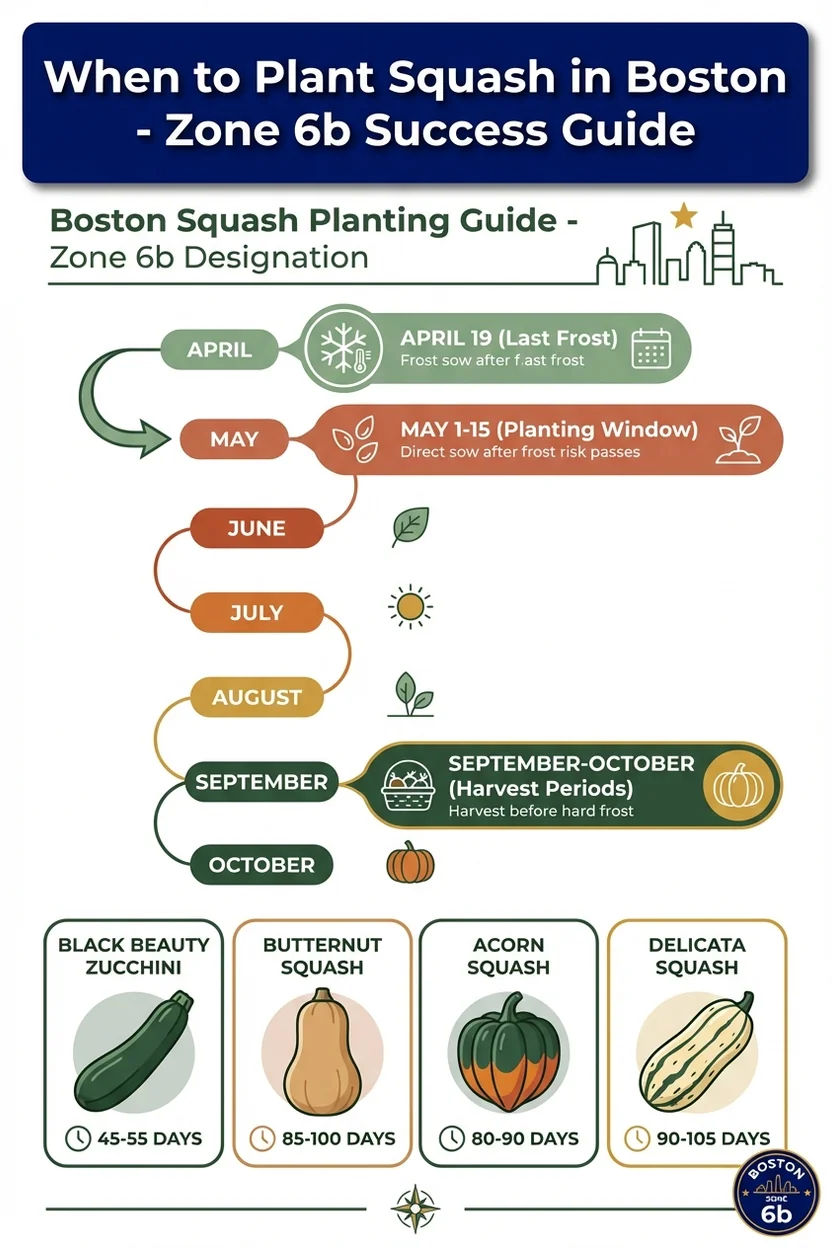
Boston gardeners have hit the jackpot when it comes to squash growing. With Zone 6b's 183-day growing season from April 19 to October 19, you can successfully grow everything from quick summer zucchini to storage winter squash like butternut and kabocha.
I've been growing squash in New England for forty years, and Boston's coastal climate offers some real advantages. That long growing season means you're not rushing to beat frost like gardeners up north, and the ocean moderates those extreme temperature swings that can stress plants. But you still need to pick the right varieties and time things properly.
The key to success in Boston is understanding that we have two distinct squash categories with different timing needs. Summer squash like 🌿Cucurbita pepo 'Black Beauty' mature in just 45-55 days and produce continuously until frost. Winter squash varieties like 🌿Cucurbita moschata 'Butternut' need 85-100 days but reward you with months of storage.
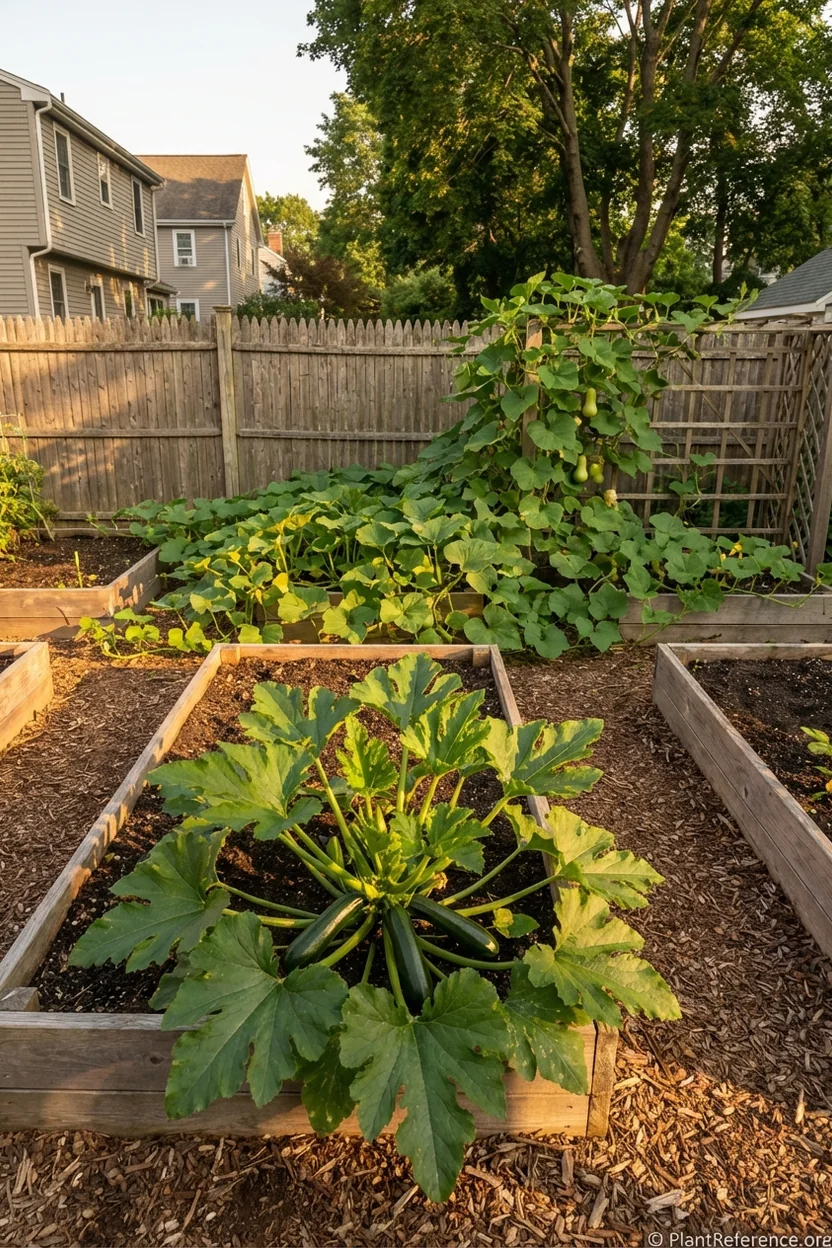
Your biggest decisions in Boston will be space management and variety selection. Summer squash plants like zucchini can spread 3-4 feet wide, while winter squash vines can run 8-12 feet. If you're working with a typical Back Bay postage stamp garden, stick with bush varieties. Got a suburban yard? Let those winter squash vines run wild.
Best Squash Varieties for Boston's Zone 6b Climate
Boston's 183-day season and moderate temperatures support all major squash types, but some varieties perform better than others in our specific conditions. Here's what works best:
Variety | Days to Maturity | Best For | Notes for Boston |
|---|---|---|---|
45-55 days | Continuous harvest | Perfect bush variety for urban spaces | |
50-60 days | Fresh eating | Heat tolerant for hot July/August | |
Cucurbita pepo 'Pattypan' | 50-60 days | Small gardens | Extremely productive in limited space |
85-100 days | Winter storage | Excellent keeper, needs full sun | |
Cucurbita pepo 'Table Queen Acorn' | 80-100 days | Fall harvest | Compact vines for medium spaces |
80-100 days | Fresh eating | Sweet flavor, short storage | |
Cucurbita pepo 'Spaghetti' | 88-100 days | Pasta substitute | Unique texture, stores 2-3 months |
Cucurbita maxima 'Kabocha' | 95-110 days | Storage/cooking | Needs warm spot, excellent keeper |
Summer Squash Champions
Black Beauty Zucchini 🌿Cucurbita pepo 'Black Beauty' is your workhorse variety. These bush plants stay compact at 3-4 feet wide, perfect for Boston's urban gardens. Start harvesting at 6-8 inches long, and one plant will keep a family in zucchini all summer. I've seen gardeners get overwhelmed by just two plants.
Yellow Crookneck 🌿Cucurbita pepo 'Yellow Crookneck' handles Boston's occasional heat waves better than most. When we get those sticky July weeks in the 90s, zucchini plants sometimes sulk, but crookneck keeps producing. Pick them at 4-6 inches for the best texture.
Pattypan Cucurbita pepo 'Pattypan' are space savers that produce like crazy. These little scalloped beauties are ready in 50 days and perfect for stuffing. In a 4x4 raised bed, one pattypan plant gives you dozens of fruits.
Winter Squash Stars
Butternut 🌿Cucurbita moschata 'Butternut' is the gold standard for storage squash, and Boston's long season gives it time to fully mature. These vines need room—plan for 8-10 feet of spread. But one plant gives you 8-12 squash that store until spring when properly cured.
Delicata 🌿Cucurbita pepo 'Delicata' deserves more attention in Boston gardens. Called "sweet potato squash" for good reason, the skin is edible so there's no peeling. These semi-vining plants fit better in smaller spaces than full-size winter squash.
Kabocha Cucurbita maxima 'Kabocha' is my pick for serious squash lovers. This Japanese variety needs our longest season (95-110 days) but rewards you with incredibly sweet, dense flesh that stores for months. Give it the warmest, sunniest spot in your garden.
Specific Planting Dates for Boston
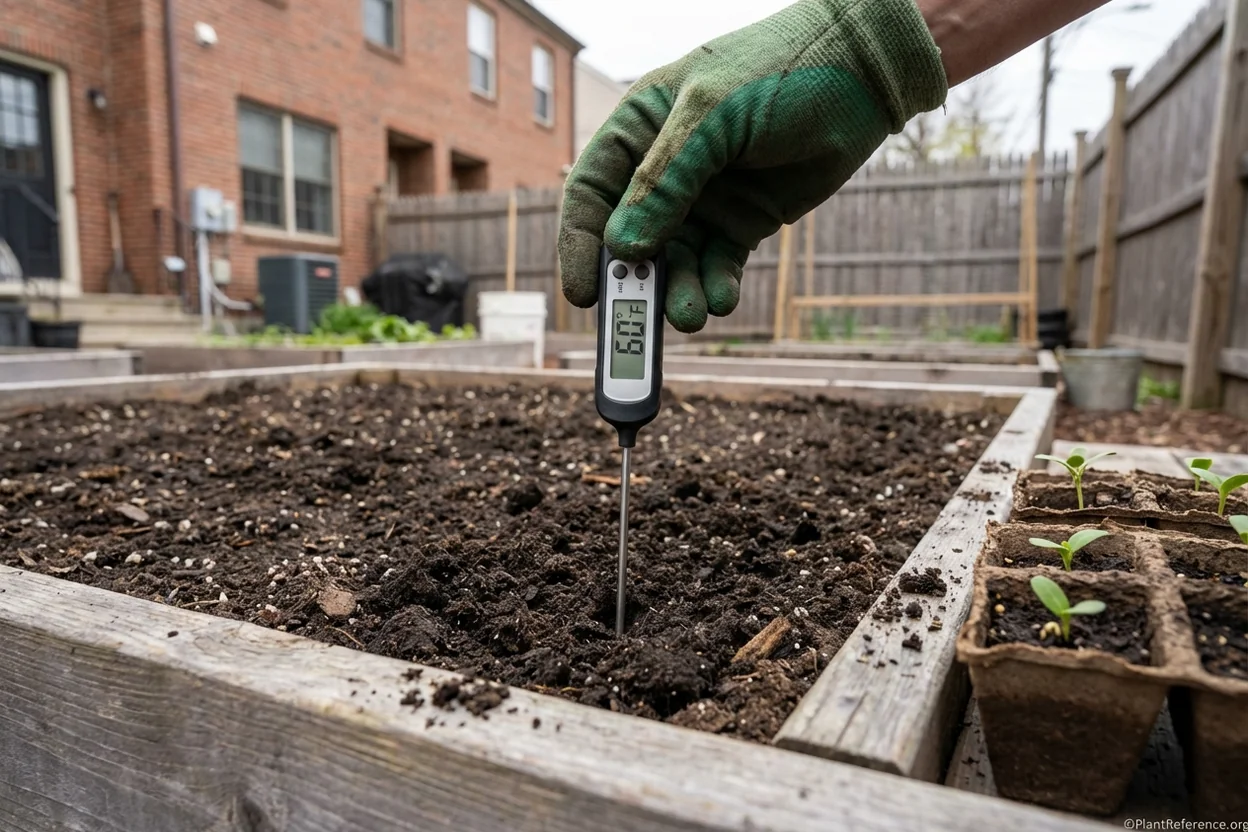
Boston's last frost date is April 19, but don't rush to plant squash. These heat-loving plants need warm soil—60°F (16°C) minimum—or they'll sulk and struggle.
Soil Temperature Timeline
April 19-30: Last frost has passed, but soil is still too cold (45-55°F). Wait.
May 1-15: OPTIMAL PLANTING WINDOW. Soil reaches consistent 60-65°F (16-18°C). This is your sweet spot for both direct seeding and transplants.
May 15-30: Still good for summer squash and shorter-season winter varieties. After May 30, winter squash varieties over 90 days become risky for full maturity.
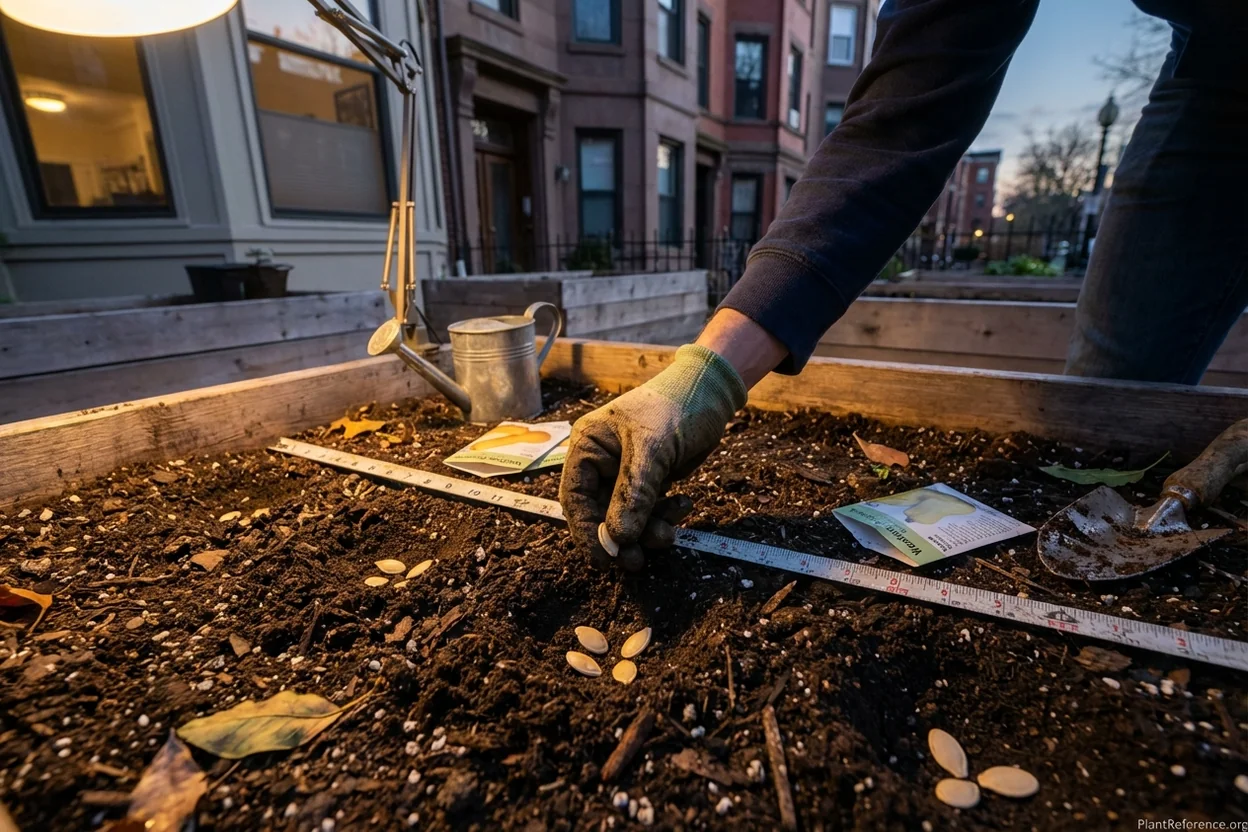
Indoor Starting (Optional but Recommended)
For a head start on winter squash, start seeds indoors March 29-April 5 (3-4 weeks before transplant date). Use biodegradable pots—squash roots hate disturbance.
Transplant seedlings: May 1-15, when soil is warm and settled weather arrives.
Direct Seeding Schedule
Summer Squash: May 1-July 15 (succession plant every 3 weeks if desired)
Winter Squash (80-90 days): May 1-June 1
Long-season Winter Squash (100+ days): May 1-May 15
Harvest Timeline Calculations
From a May 10 planting date:
Summer squash first harvest: June 24-July 5
Winter squash harvest: August 3-September 28 (depending on variety)
This timing ensures winter squash mature before Boston's October 19 average first frost.
Complete Growing Guide for Boston
Site Selection and Soil Prep
Squash need full sun—at least 6-8 hours daily. In Boston's urban environment, watch for shadows from buildings and mature trees. That sweet spot on the south side of your yard is perfect.
Soil requirements: Well-draining soil with pH 6.0-6.8. Boston's clay-heavy soils benefit from compost addition. I work in 2-3 inches of compost every spring.
Space planning:
Bush summer squash: 3-4 feet apart
Semi-vining varieties: 4-5 feet apart
Full vining winter squash: 6-8 feet apart
Planting Techniques
Direct seeding: Plant seeds 1 inch deep, 2-3 seeds per hill. Space hills according to variety needs. Thin to strongest seedling after emergence.
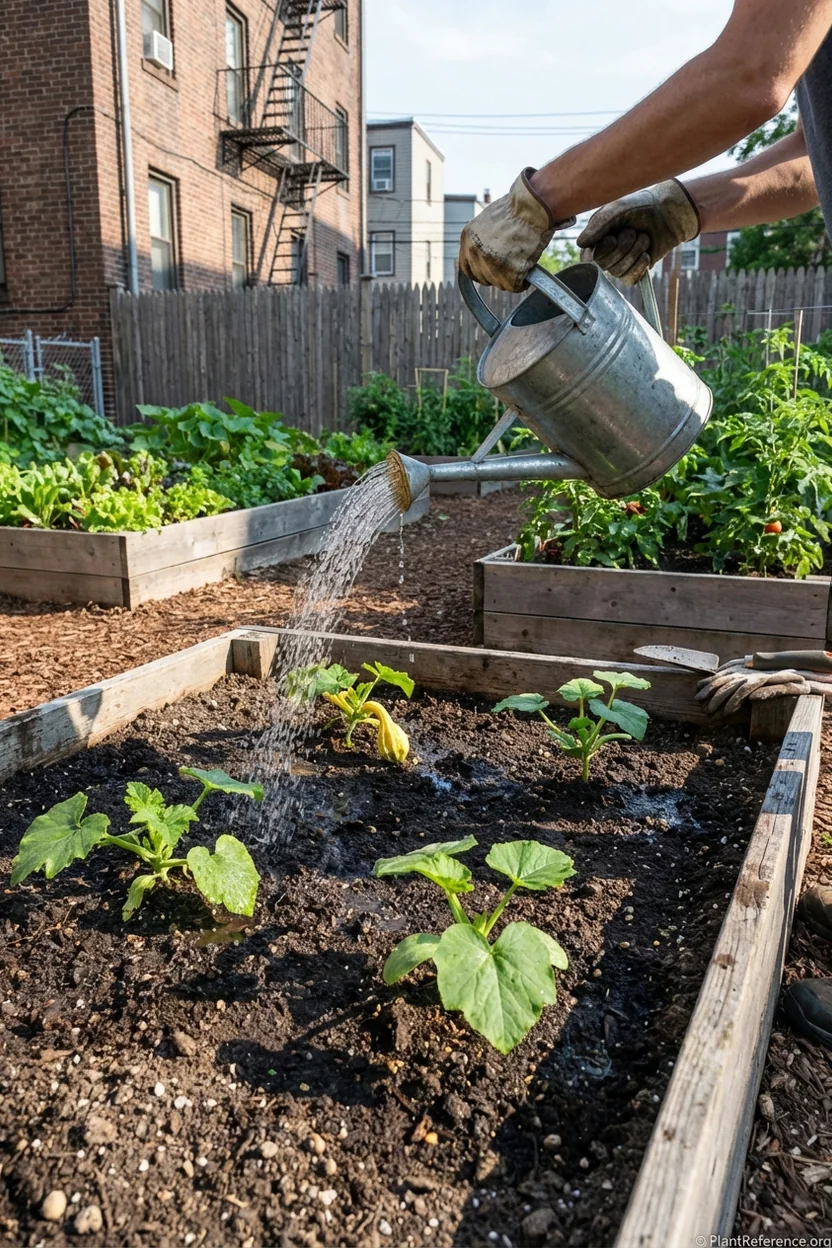
Transplanting: Dig holes larger than root ball, plant at same depth as in pot. Water immediately and keep consistently moist for first week.
Fertilizing Schedule
Pre-plant: Work in balanced fertilizer (10-10-10) or 2 inches of compost.
Early growth: Side-dress with nitrogen-rich fertilizer when plants begin vining (3-4 weeks after planting).
Summer squash: Continue feeding every 3-4 weeks through season for continuous production.
Winter squash: Stop feeding once fruits set (mid-July) to encourage maturity rather than continued vegetative growth.
Watering Strategy
Consistent moisture is crucial, especially during fruit development. Boston's summer can be unpredictable—we might get a soaking rain followed by two weeks of drought.
Deep, infrequent watering works best. Soak the soil 8-12 inches deep twice weekly rather than daily light sprinkles. This encourages deep root growth and drought tolerance.
Mulch heavily around plants with 3-4 inches of straw or shredded leaves. This conserves moisture and suppresses weeds.
Pollination Management
Squash flowers need pollination to set fruit. Female flowers (with tiny squash at base) must receive pollen from male flowers (straight stem, no fruit).
Early season: Plants produce mostly male flowers first. Don't panic if flowers drop—female flowers appear 1-2 weeks later.
Hand pollination: If bee activity is low, transfer pollen with small brush or cotton swab between 6-10 AM when flowers are open.
Troubleshooting Boston-Specific Problems
Squash Vine Borers
This is your biggest pest threat in Boston. These clear-wing moths lay eggs at stem bases in June-July. Larvae bore into stems, causing sudden wilt.
Prevention:
Use row covers until flowering begins
Check stems weekly for entry holes and sawdust-like frass
Plant 🌿Cucurbita moschata 'Butternut' varieties—their solid stems resist borers
Treatment: If you find borer damage, slit stem lengthwise with sterile knife, remove larvae, and mound soil over wounded stem to encourage new roots.
Powdery Mildew
Boston's humid summers create perfect conditions for this white fungal coating on leaves. It's especially common in August-September.
Prevention:
Ensure good air circulation with proper spacing
Water at soil level, not on leaves
Plant resistant varieties when available
Treatment: Spray affected plants with milk solution (1 part milk to 9 parts water) or approved organic fungicide.
Squash Bugs
These shield-shaped insects suck plant juices and inject toxins. They're attracted to the underside of leaves where they lay copper-colored egg masses.
Control: Check plants weekly and scrape off egg masses. Adult bugs hide under boards placed near plants—check these traps each morning and destroy bugs.
Cool Weather Stress
Even in Zone 6b, unexpected cool spells can stress squash plants. Temperatures below 50°F (10°C) slow growth significantly.
Protection: Keep row covers handy for cool nights. Young plants are most vulnerable—mature plants handle brief cold better.
Harvest & Storage
Summer Squash Harvest
Pick summer squash when young and tender for best eating quality:
Zucchini: 6-8 inches long
Yellow crookneck: 4-6 inches
Pattypan: 2-3 inches diameter
Check plants daily during peak production—these grow fast. Oversized fruits become tough and seed-filled, plus they stop the plant from producing new fruit.
Winter Squash Harvest and Curing
Harvest winter squash when fully mature:
Signs of maturity:
Vines begin dying back naturally
Stems become dry and corky
Skin hardens (can't puncture with fingernail)
Ground spot (where fruit touched soil) turns cream-colored
Harvest timing: Before first hard frost (typically mid-October in Boston). Light frost won't hurt mature squash, but hard freeze will damage them.
Curing process: Most winter squash need curing to develop full sweetness and storage potential. Cure at 80-85°F (27-29°C) for 10-14 days in a warm, dry location.
Exceptions: Cucurbita pepo 'Table Queen Acorn' and 🌿Cucurbita pepo 'Delicata' don't need curing—store them immediately.
Storage conditions: After curing, store at 50-55°F (10-13°C) with good air circulation. A basement or garage often works well.
Storage duration:
Butternut: 4-6 months
Acorn: 6-8 weeks
Delicata: 2-3 months
Spaghetti: 2-3 months
Kabocha: 4-6 months
Properly stored winter squash from your Boston garden will provide fresh eating well into spring, making the effort worthwhile for both the flavor and the satisfaction of eating your own produce through the cold months.
Frequently Asked Questions
Reading about plants and recognising them are different skills. These three build the second.
- Daily PlantIdentify the day’s mystery plant from a close-up photograph.
- Keyed OutWork a dichotomous key, lead by lead, to name a hidden specimen.
- Name That PlantName a specimen from botanical clues dealt hardest first.
Free to play, no account needed
Kevin is a landscape contractor in the Boston area who specializes in cold-climate perennial gardens and hardscaping. He studied landscape design and worked at a prominent nursery on the North Shore before starting his own design-build firm. Kevin's gardens are built to handle New England weather—freeze-thaw cycles, nor'easters, late springs, and heavy snow loads. He's particularly interested in native perennials and shrubs that provide four-season interest without constant maintenance. Kevin writes about cold-hardy plant selection, winter garden structure, and building landscapes that look good even in February.