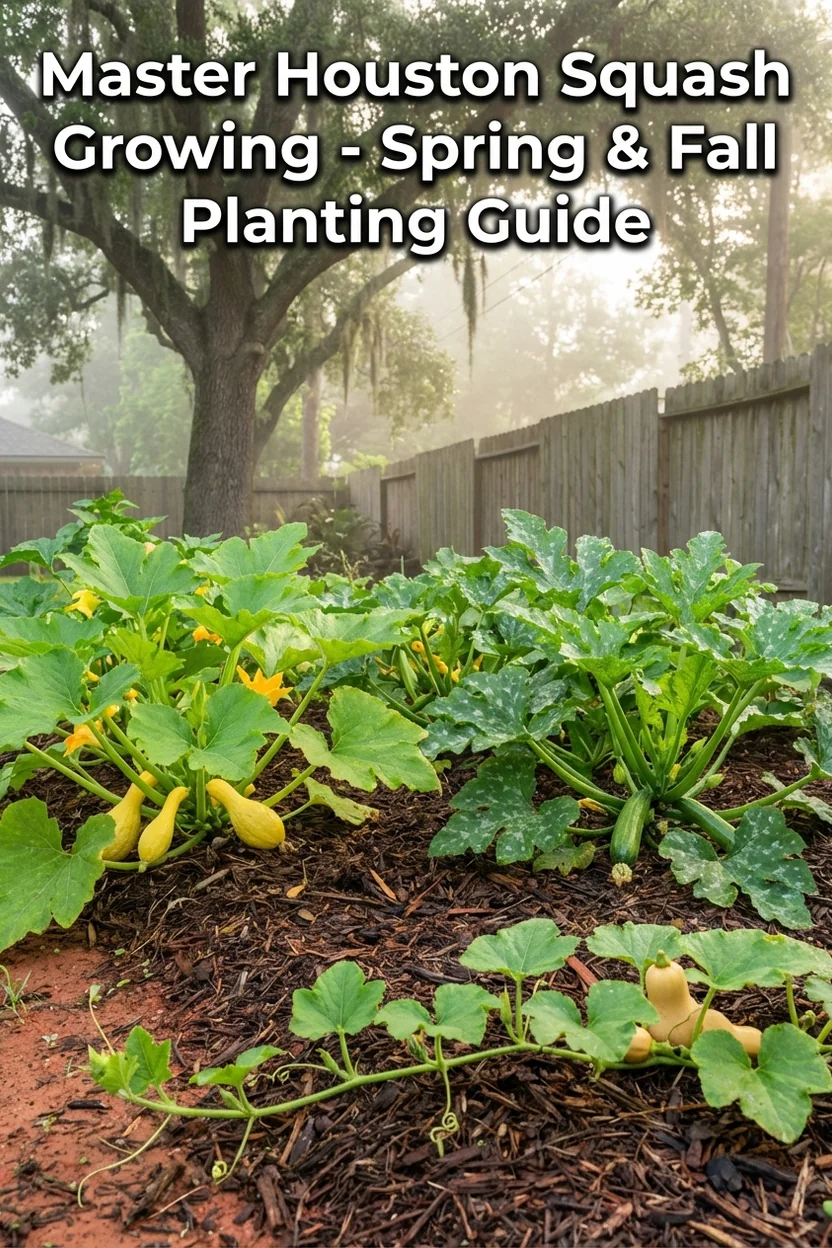
When to Plant Squash in Houston: Complete Guide + Best Varieties for Zone 9a
Pets & Toxicity
Recorded toxicity for plants linked in this guide. An unknown status is not a safety assessment.
No linked plant is recorded as toxicDetailsHide
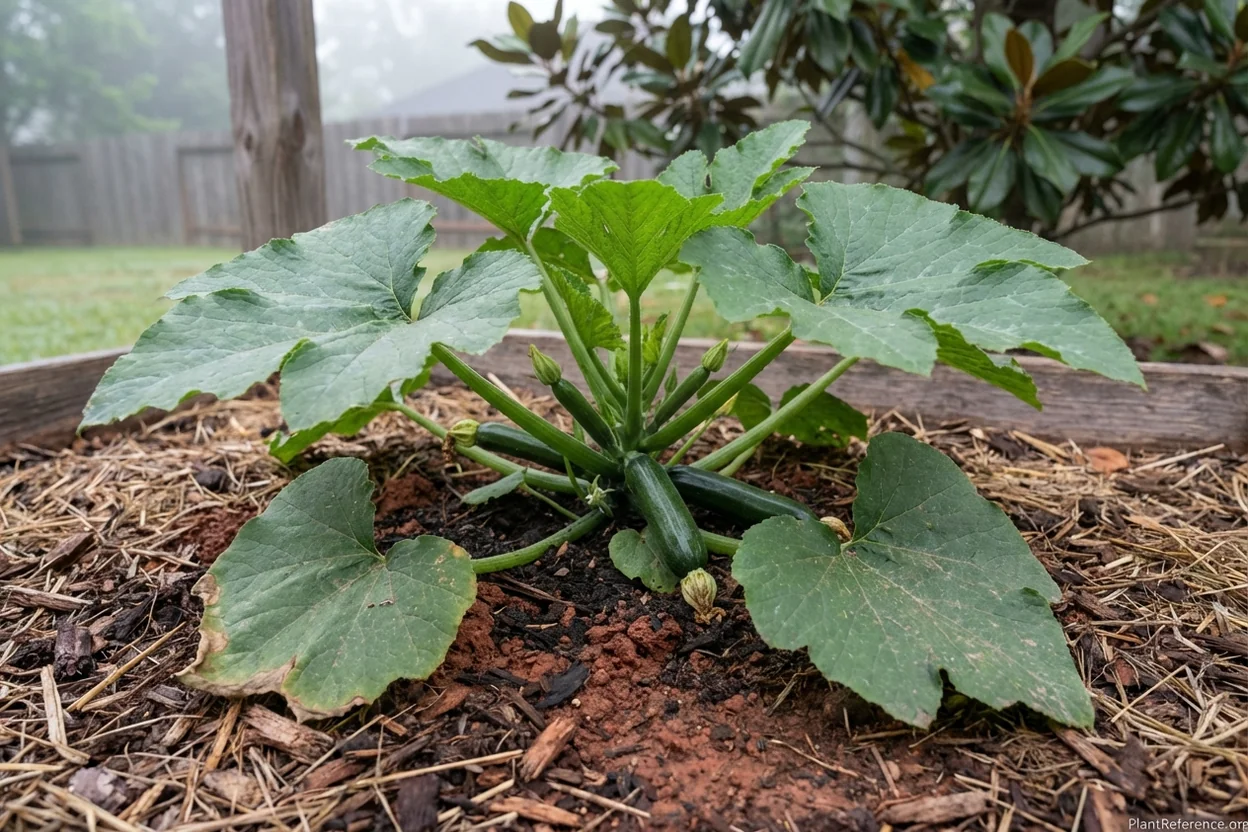
Cucurbita pepo 'Black Beauty' — Toxicity
Non-toxic as an edible cropView Cucurbita pepo 'Black Beauty' plant profile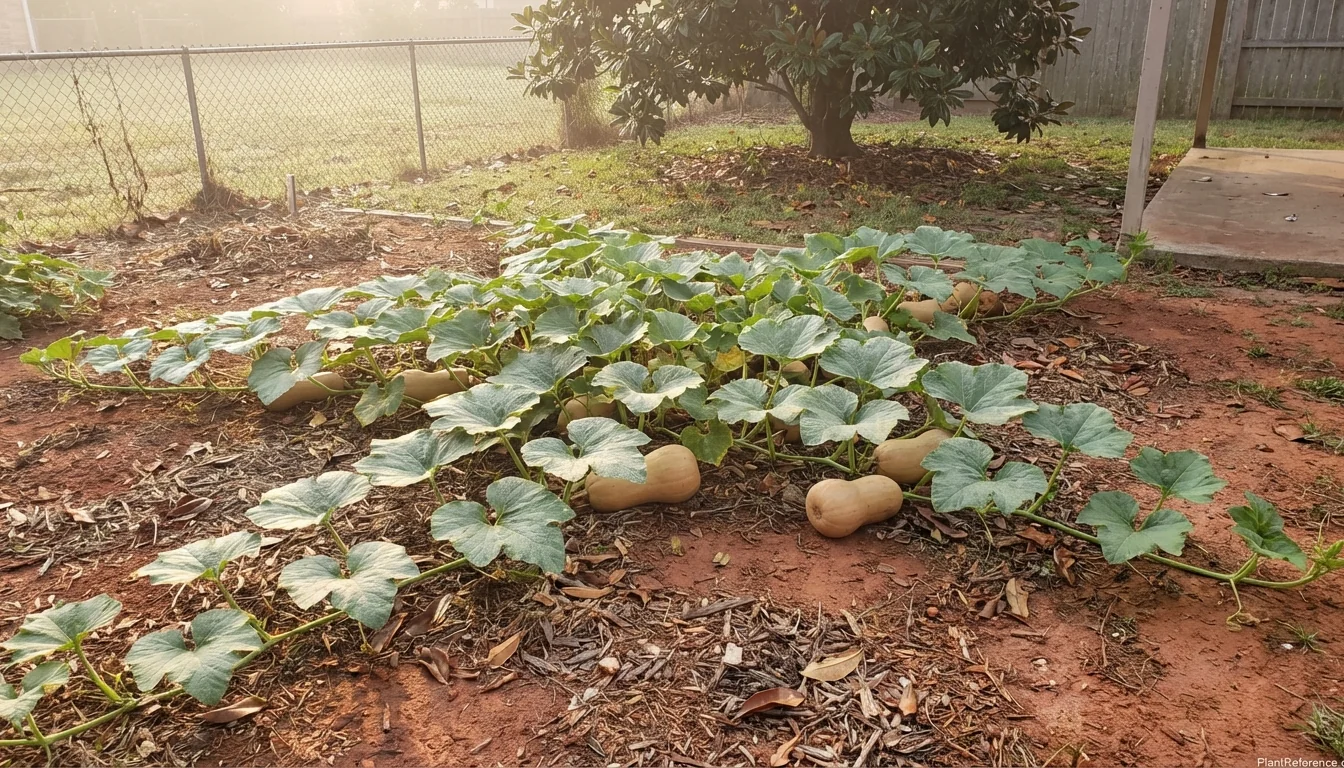
— Image © Plant Reference 2026
Houston's subtropical climate creates unique opportunities and challenges for squash growers. With nearly 10 months between our last frost on February 15 and first frost on December 1, we can grow two complete squash crops—something gardeners in colder zones can only dream of. However, our intense summer heat and humidity require specific timing and variety selection to succeed.
Best Squash Varieties for Houston's Zone 9a Climate
Houston gardeners need varieties that can handle our intense heat, high humidity, and specific pest pressures. After growing squash in Gulf Coast clay for over a decade, I've learned which varieties thrive and which struggle in our challenging conditions.
Summer Squash Varieties for Houston
Summer squash perform exceptionally well in Houston's spring and fall windows. These fast-maturing varieties avoid the worst of our summer heat while still producing abundant harvests.
🌿Cucurbita pepo 'Black Beauty' remains the gold standard for Houston zucchini production. This variety handles our clay soil better than most, and its 45-55 day maturity means you can plant it March 1 and harvest through May before the heat becomes unbearable.
Cucurbita pepo 'Early Prolific Straightneck' outperforms traditional yellow crookneck varieties in Houston heat. The straight neck reduces breakage during our intense thunderstorms, and it matures 5-7 days faster than curved varieties—crucial when racing against rising temperatures.
Variety | Days to Maturity | Best For Houston | Heat Tolerance | Notes for Zone 9a |
|---|---|---|---|---|
45-55 days | Spring crop | Moderate | Plant by March 15 for best yields | |
Cucurbita pepo 'Early Prolific Straightneck' | 50-55 days | Spring & fall | Good | Superior to curved varieties in heat |
50-60 days | Fall preferred | Moderate | Harvest daily in Houston heat | |
85-100 days | Fall planting only | Excellent | Best storage variety for Houston | |
Cucurbita pepo 'Table Queen Acorn' | 80-100 days | Fall planting | Good | Cures well in Houston humidity |
80-100 days | Fall preferred | Moderate | Thin skin vulnerable to pests |
Winter Squash Success in Houston
Winter squash varieties require careful timing in Houston. Plant too early, and summer heat kills the vines. Plant too late, and the fruits don't mature before occasional December freezes.
🌿Cucurbita moschata 'Waltham Butternut' is your best choice for Houston winter squash. This variety evolved in tropical climates and actually thrives in our heat and humidity. The solid stems resist the squash vine borers that plague other varieties, and the thick, tan skin cures beautifully even in Houston's humid conditions.
Cucurbita pepo 'Table Queen Acorn' works well for fall planting in Houston, though you'll need to provide some afternoon shade during the establishment period in August and early September.
Specific Planting Dates for Houston Gardeners
Houston's extended growing season allows for strategic timing that maximizes harvests while avoiding the brutal July-August heat that kills squash plants.
Spring Squash Planting (Primary Season)
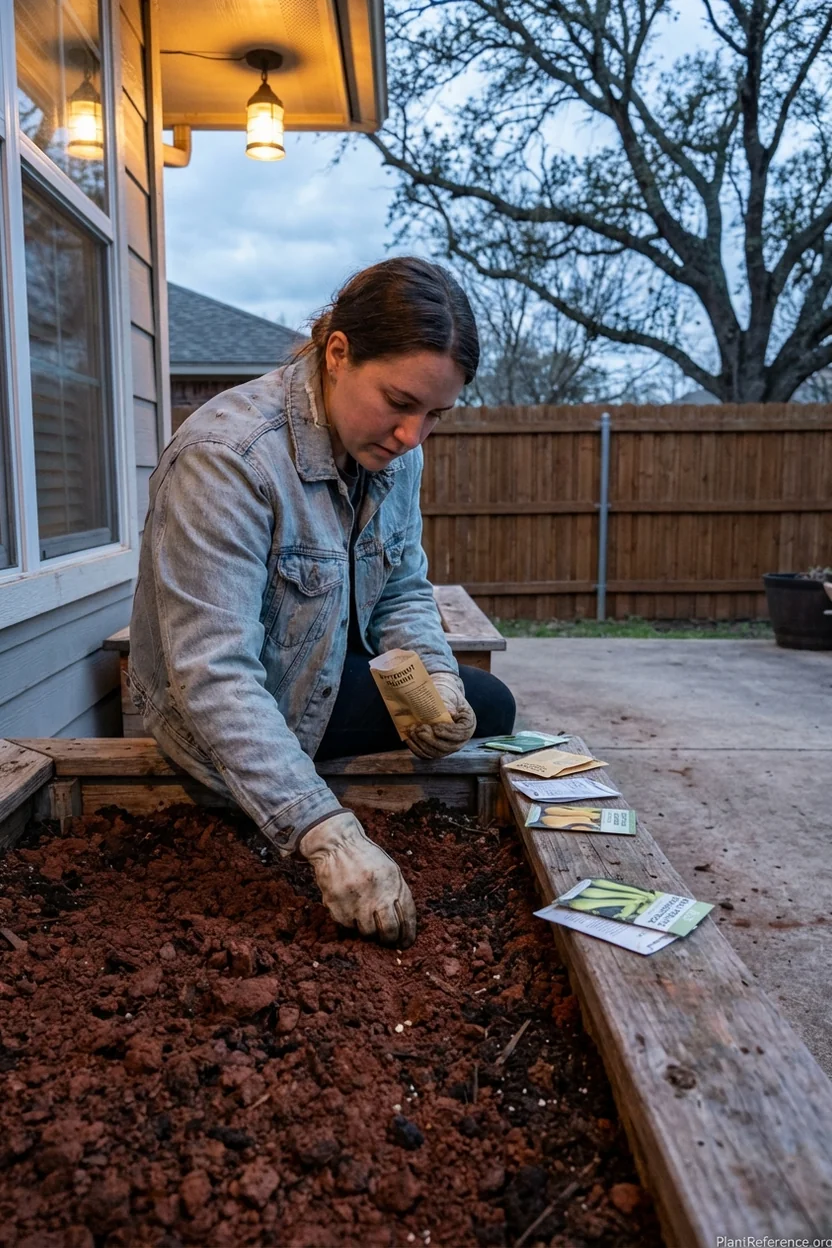
Direct Sowing Dates: March 1-15
Your spring squash crop should be your main focus in Houston. Plant during the first two weeks of March when soil temperatures consistently reach 65°F and the risk of late cold snaps has passed.
Start with summer varieties on March 1-8. These fast-maturing crops will produce heavily through May and into early June before heat stress becomes unbearable. I've found that zucchini planted March 1 produces until around June 15, giving you a solid 3.5 months of harvest.
Winter squash for spring planting requires careful calculation. Plant 🌿Cucurbita moschata 'Waltham Butternut' by March 15 at the latest. With its 85-100 day maturity, this timing allows harvest in early June before the most intense summer heat damages the curing process.
Fall Squash Planting (Extended Season)
Direct Sowing Dates: August 15 - September 1
Fall planting extends your squash harvest through the comfortable months of October, November, and December. This timing is crucial—plant too early, and seedlings will die in August heat. Plant too late, and winter squash won't mature before December freezes.
Summer squash planted August 15-20 will establish during the still-hot late summer but begin heavy production as temperatures moderate in September. These plants often outlast their spring counterparts, producing until the first frost in December.
Winter squash must be planted by August 20 for reliable maturity. Even fast-maturing varieties like 🌿Cucurbita pepo 'Delicata' need the full August-through-November window to develop properly in Houston's conditions.
Transplant Option for Fall Planting
Starting transplants indoors during late July gives you more control over establishment during our brutal August heat. Sow seeds July 25-August 1 in air-conditioned space, then transplant outdoors August 15-25 after the seedlings develop 2-3 true leaves.
This method works especially well for heat-sensitive varieties like 🌿Cucurbita maxima 'Kabocha', which struggles with direct seeding in Houston's August conditions.
Complete Growing Guide for Houston's Climate
Soil Preparation for Clay-Heavy Houston Conditions
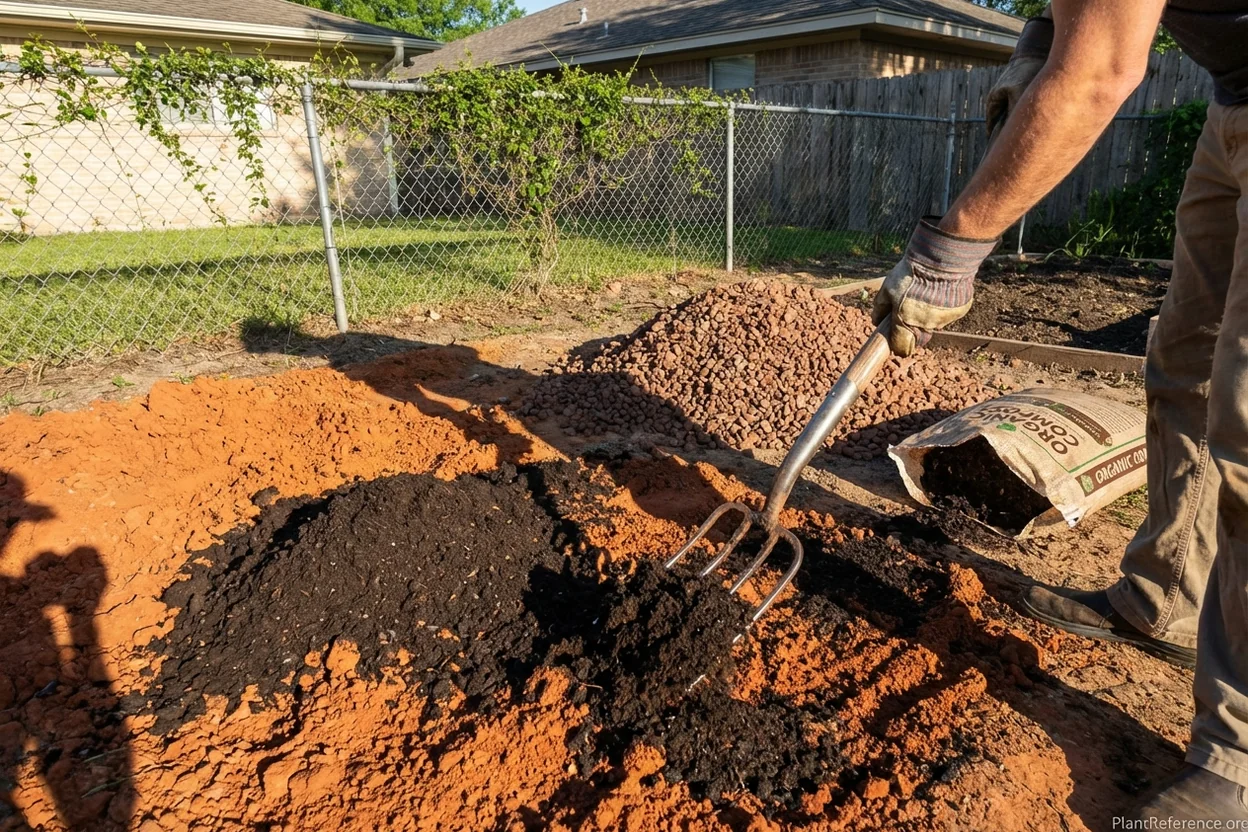
Houston's notorious red clay presents unique challenges for squash cultivation. Our heavy, poorly-draining soil becomes waterlogged during spring rains and concrete-hard during summer droughts.
Clay Amendment Protocol:
The key to success is creating raised mounds or beds that improve drainage while adding organic matter. I amend my Houston clay with 3-4 inches of compost worked into the top 8-10 inches of soil. This creates the friable, well-draining environment squash roots require.
Add expanded shale (available at Texas nurseries) to further improve drainage. Work 2 inches of expanded shale into the planting area along with compost. This mineral amendment provides permanent drainage improvement that won't decompose like organic matter.
pH Management:
Houston soil typically runs 6.5-7.2 pH—acceptable for squash but often with locked-up nutrients due to clay chemistry. A soil test from the Harris County extension office costs $15 and provides specific recommendations for your property.
Managing Houston's Extreme Heat
Houston's summer heat is lethal to squash plants. Daytime temperatures regularly exceed 95°F from June through August, with nighttime temperatures rarely dropping below 80°F. These conditions cause pollen sterility, flower abortion, and rapid vine decline.
Heat Management Strategies:
Afternoon shade becomes essential for any squash growing during Houston summers. Position tall plants (tomatoes, okra) or shade structures to protect squash from the harsh 2-6 PM sun. Even 30% shade cloth can extend the productive life of spring plantings by 2-3 weeks.
Deep mulching with 3-4 inches of organic material helps moderate soil temperature fluctuations. I use shredded hardwood mulch, which stays in place during our intense thunderstorms better than lightweight materials.
Consistent soil moisture is crucial during heat stress. Drip irrigation or soaker hoses provide steady hydration without wetting the leaves—important for preventing foliar diseases in our humid conditions.
Humidity and Disease Management
Houston's high humidity (often 80-90% at dawn) creates perfect conditions for fungal diseases. Powdery mildew, downy mildew, and bacterial wilt can devastate squash plantings if not managed proactively.
Air Circulation Priority:
Space plants wider than recommended—at least 4 feet between summer squash and 6-8 feet between winter squash vines. This allows air movement that helps leaves dry quickly after morning dew or afternoon thunderstorms.
Remove lower leaves that touch the ground or show early disease symptoms. Houston's humid conditions make these leaves breeding grounds for pathogens that can quickly spread to the entire plant.
Troubleshooting Houston-Specific Squash Problems
Squash Vine Borer Management
Houston's long growing season means squash vine borers have multiple generations per year, making them a persistent threat from April through October.
Identification and Prevention:
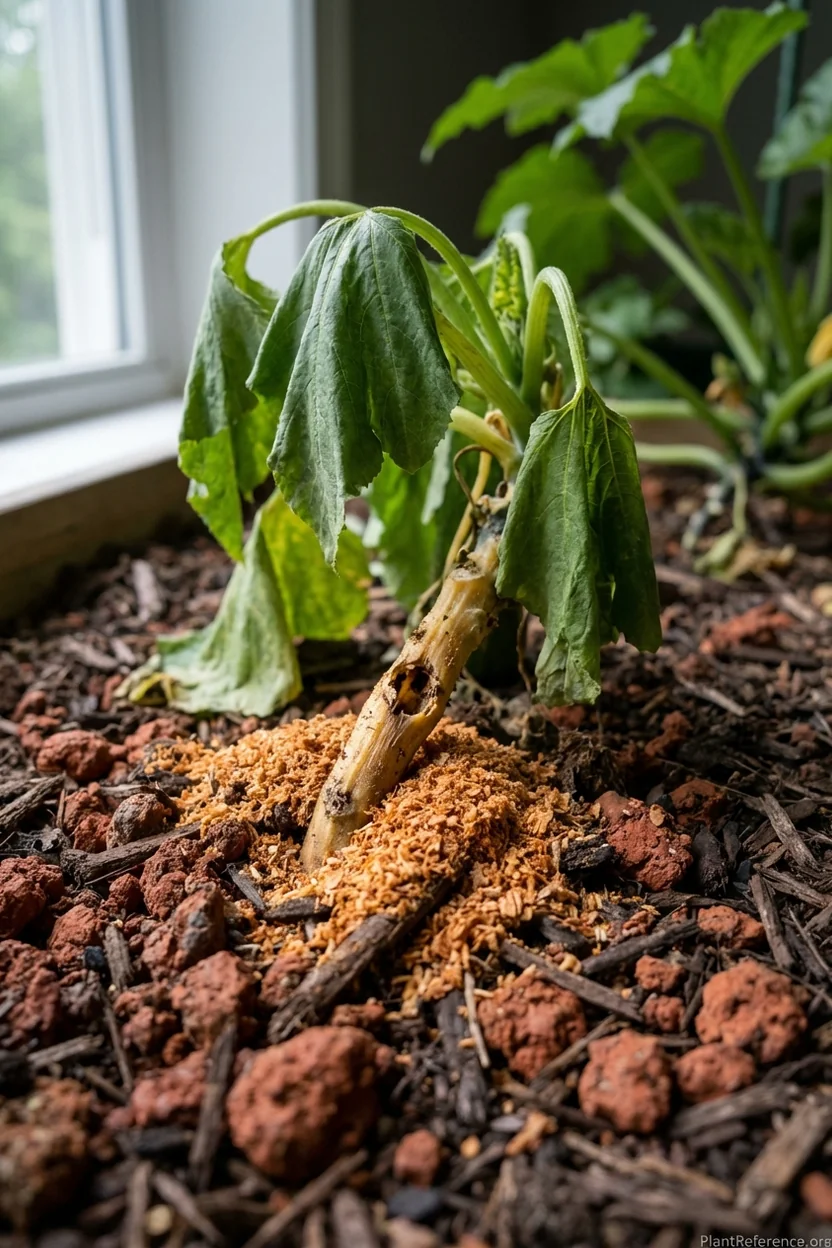
Look for frass (sawdust-like debris) at the base of stems, which indicates borer larvae have tunneled into the plant. Adult moths lay eggs from April through September, with peak activity in June-July.
🌿Cucurbita moschata 'Waltham Butternut' offers your best resistance due to its solid, woody stems that borers can't easily penetrate. This is why butternut squash consistently outperforms other winter varieties in Houston gardens.
Row covers during the vulnerable establishment period (first 4-6 weeks) prevent adult moths from laying eggs. Remove covers when female flowers appear to allow pollination.
Heat Stress and Flower Drop
Houston's extreme summer temperatures cause widespread flower abortion and poor fruit set, even in heat-tolerant varieties.
Physiological Response:
When daytime temperatures exceed 90°F and nighttime temperatures stay above 75°F, squash plants enter survival mode. Male flowers may produce sterile pollen, and female flowers often abort before opening.
This is normal plant behavior, not a disease or pest problem. Focus on keeping plants alive during heat stress rather than expecting production. Well-watered, mulched plants often resume flowering and fruiting when temperatures moderate in September.
Clay Soil Drainage Issues
Houston's clay soil creates waterlogged conditions during our heavy spring rains, leading to root rot and plant death.
Drainage Solutions:
Raised beds or mounded planting areas are essential in Houston. Build planting mounds 6-8 inches high and 3-4 feet wide to elevate root zones above standing water.
French drains may be necessary in low-lying areas that consistently hold water. Dig trenches 12 inches deep along problem areas and fill with gravel to redirect excess water away from planting zones.
Harvest & Storage in Houston's Heat and Humidity
Summer Squash Harvesting in Houston Heat
Houston's heat accelerates summer squash maturity dramatically. Zucchini that would normally be picked at 6-8 inches can double in size overnight during June heat waves.
Daily Harvest Requirement:
Check plants daily during peak production (May-June and September-October). Zucchini left on the vine for even 48 hours can become woody and oversized, particularly in Houston's heat.
Harvest in early morning when plants are turgid and temperatures are coolest. Store harvested squash immediately in air conditioning—our heat and humidity cause rapid deterioration if left at ambient temperature.
Winter Squash Curing in Houston Humidity
Traditional curing methods must be modified for Houston's high humidity. Standard recommendations of 80-85°F with high humidity can promote mold growth in our already-humid climate.
Modified Curing Protocol:
Cure winter squash indoors with air conditioning and dehumidification. A spare bedroom or garage with climate control works better than outdoor curing in Houston's humid conditions.
Monitor cured squash closely for mold development. Houston's humidity can cause storage rot even in properly cured fruits. Use cured squash within 2-3 months rather than the 4-6 months possible in drier climates.
Storage Recommendations:
🌿Cucurbita moschata 'Waltham Butternut' stores best in Houston conditions, often keeping 3-4 months with proper curing and climate-controlled storage.
Cucurbita pepo 'Table Queen Acorn' should not be heat-cured in Houston. Store immediately at 50-55°F in air-conditioned space for best quality retention.
Frequently Asked Questions
Reading about plants and recognising them are different skills. These three build the second.
- Daily PlantIdentify the day’s mystery plant from a close-up photograph.
- Keyed OutWork a dichotomous key, lead by lead, to name a hidden specimen.
- Name That PlantName a specimen from botanical clues dealt hardest first.
Free to play, no account needed
Aisha manages a small tropical nursery on the east side of Houston, specializing in plants that can handle the Gulf Coast's humidity, heat, and unpredictable flooding. She studied horticulture in college and worked at a wholesale grower before opening her own operation. Growing up, her parents kept a kitchen garden with okra, bitter gourd, and curry leaf plants—a tradition she's continued. Houston's subtropical climate lets her grow things most of the country can't, but it also means dealing with fungal issues, standing water, and summers where it's too hot for even tomatoes. Aisha writes about tropical and subtropical plant care, humidity management, and working with heavy clay soils.