Photo credit unavailable
Cucurbita, Genus, pepo, Species, 'Pattypan', Cultivar,
- Genus & species
- Cultivar
pattypan squash
Open-pollinated; the species C. pepo is native to North America (Mexico and southeastern US)
Overview
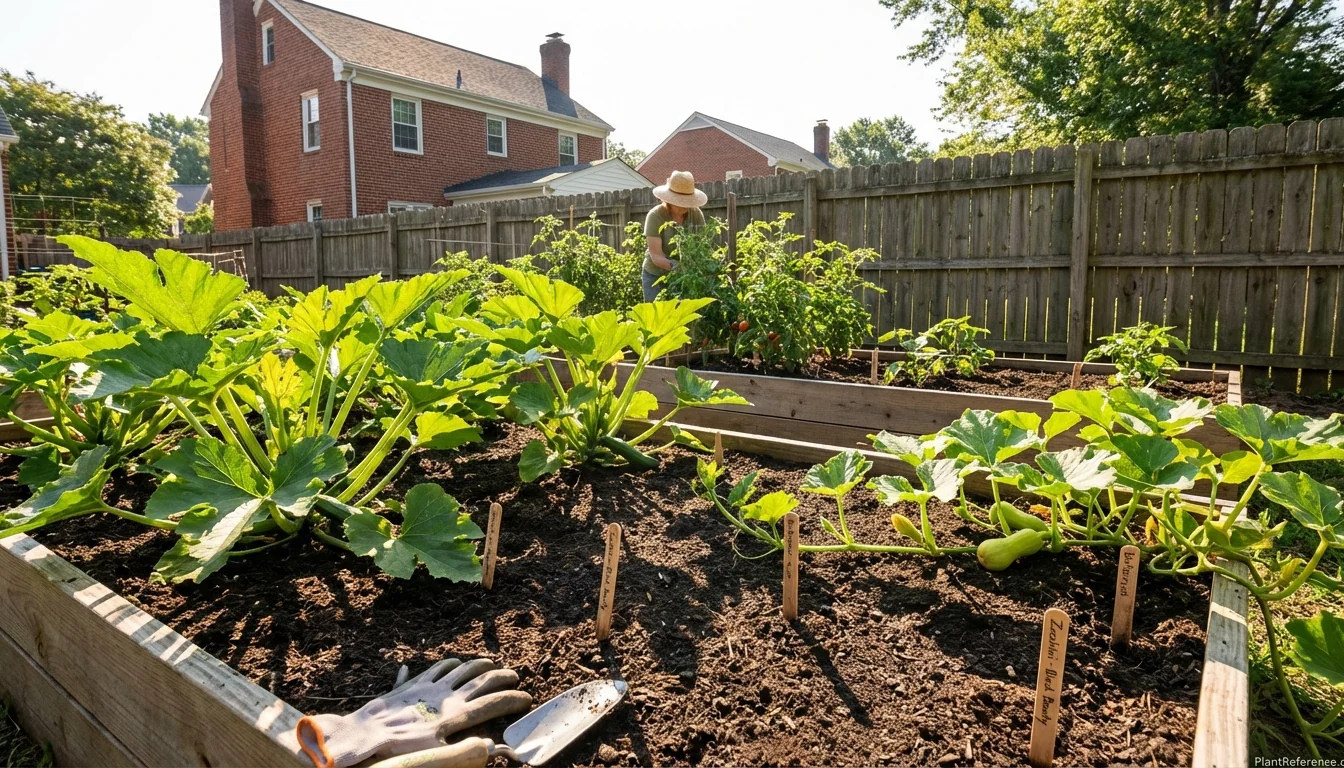
Cucurbita pepo 'Pattypan' is pattypan squash (scallop squash), a spreading bush-type annual growing 12-24 inches (30-60 cm) tall and 36-72 inches (90-180 cm) wide. Flattened disc-shaped (scallop-edged) summer squash 2-4 inches (5-10 cm) diameter at harvest — the scalloped edge is the cultivar's defining shape. Fruit color varies by strain: white, yellow, or green. Bright yellow funnel-shaped flowers 3-4 inches (7-10 cm) — separate male and female on the same plant (monoecious). Dark green large palmate foliage with coarse bristly hairs. In the gourd family (Cucurbitaceae). Summer squash — harvest immature when skin is tender (2-4 inches / 5-10 cm). Requires bee pollination — poor pollination causes misshapen fruit. Squash vine borer (Melittia cucurbitae) and powdery mildew are primary pests/diseases. The large spreading habit requires 36-72 inches (90-180 cm) of space — a limitation for small gardens. Open-pollinated — cross-pollinates with other C. pepo. Direct-sow or start indoors 2 weeks early. Non-toxic (edible crop — flowers also edible). Tender annual. Full sun. Growth rate is fast.
Native Range
Open-pollinated. The species C. pepo is native to North America (Mexico and southeastern US).Suggested Uses
Grown in vegetable gardens, raised beds, and large containers of at least 10 gallons (38 L). Summer squash — harvest young. Flowers edible. Open-pollinated. Requires space. Non-toxic. Tender annual.How to Identify
Appearance
Size & Dimensions
Height1' - 2'
Width/Spread3' - 6'
Bloom Information
Detailed Descriptions
Flower Description
Bright yellow, funnel-shaped, 3-4 inches (7-10 cm) diameter; separate male and female flowers on the same plant (monoecious)Foliage Description
Dark green, large palmate, 8-12 inches (20-30 cm) wide, with coarse bristly hairsGrowing Conditions
Sun Requirements
Requires 6-12 hours of direct sunlight daily
• Full Sun: 6+ hours of direct sunlight
• Partial Shade: 3-6 hours of direct sunlight
• Full Shade: Less than 3 hours of direct sunlight
Care & Maintenance
Care Guide
Full sun (6+ hours). Well-drained soil pH 6.0-7.0. Direct-sow or start 2 weeks indoors. Space 36 inches (90 cm). Pick every 2-3 days at 2-4 inches (5-10 cm). Requires bee pollination. Squash vine borer and powdery mildew. Open-pollinated — cross-pollinates with other C. pepo. Non-toxic. Tender annual.Pruning
No pruning needed. Harvest every 2-3 days at 2-4 inches (5-10 cm) — fruit past 4 inches (10 cm) becomes tough. Remove any mildew-infected leaves. Remove spent vines after frost.Container Growing
Suitable for container growing
Minimum container size: 10 gallons
Toxicity
Non-toxicPlanting Guide
Planting Methods & Timing
Planting Method
both
Indoor Start
2 weeks before last frost
Direct Sow Timing
After last frost when soil temperature reaches 65 degrees F (18 degrees C)+
Days to Maturity
50–65 days
Plant Spacing
36 inches