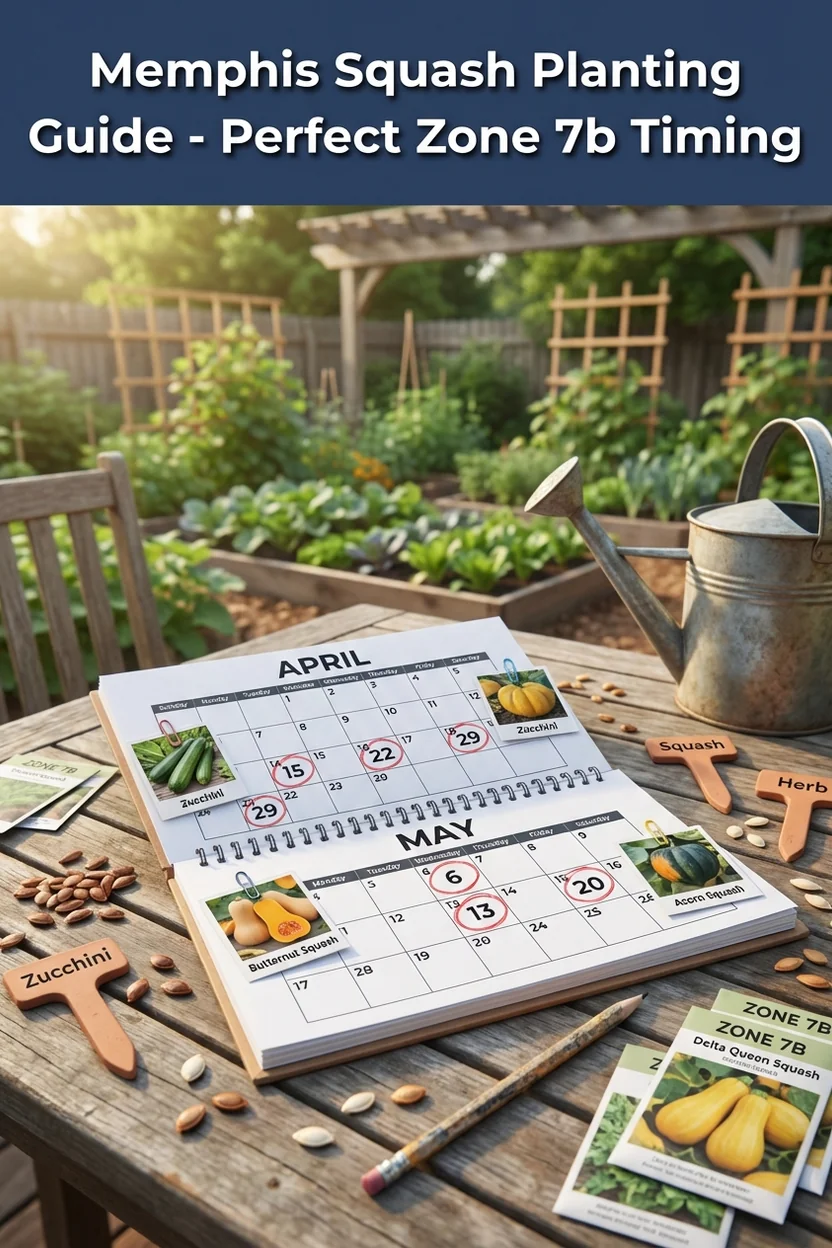
When to Plant Squash in Memphis: Complete Guide + Best Varieties for Zone 7b
Pets & Toxicity
Recorded toxicity for plants linked in this guide. An unknown status is not a safety assessment.
No linked plant is recorded as toxicDetailsHide
Cucurbita pepo 'Black Beauty' — Toxicity
Non-toxic as an edible cropView Cucurbita pepo 'Black Beauty' plant profileCucurbita pepo 'Yellow Crookneck' — Toxicity
Non-toxic as an edible cropView Cucurbita pepo 'Yellow Crookneck' plant profile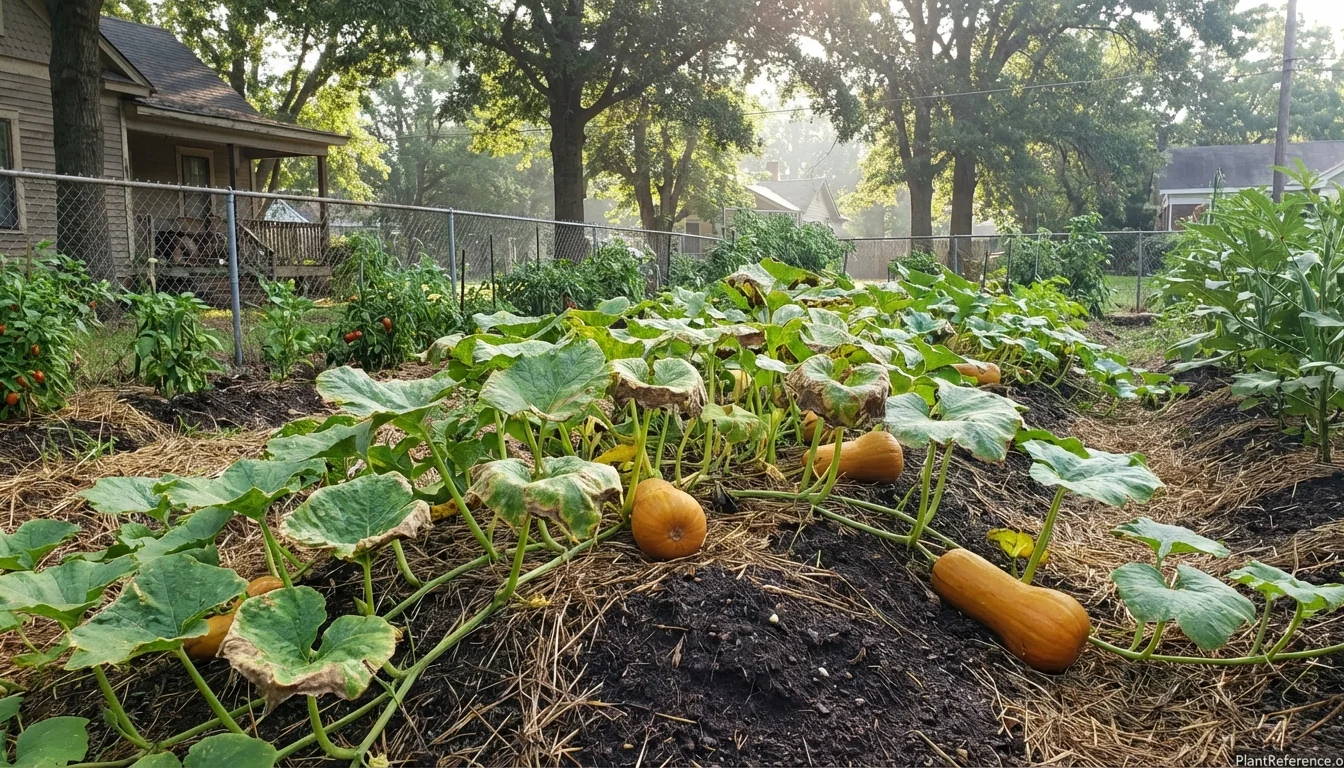
— Image © Plant Reference 2026
Memphis gardeners are blessed with a generous 210-day growing season that makes growing both summer and winter squash not just possible, but incredibly rewarding. The key to Memphis squash success lies in understanding our Zone 7b climate's unique characteristics: hot, humid summers that can stress plants, and the timing needed to avoid both late spring's cool snaps and the pest pressure that builds through our long, warm season.
Best Squash Varieties for Memphis's Zone 7b Climate
Memphis's climate presents both opportunities and challenges for squash growing. Our long season allows all squash varieties to mature properly, but the high humidity creates disease pressure that makes variety selection crucial. I've been managing landscape plantings across Memphis for over fifteen years, and these varieties consistently perform well in our humid Tennessee climate.
Summer Squash Varieties (45-60 Days)
Summer squash varieties are your best bet for reliable production in Memphis. They mature quickly before the intense summer heat and humidity create major disease pressure.
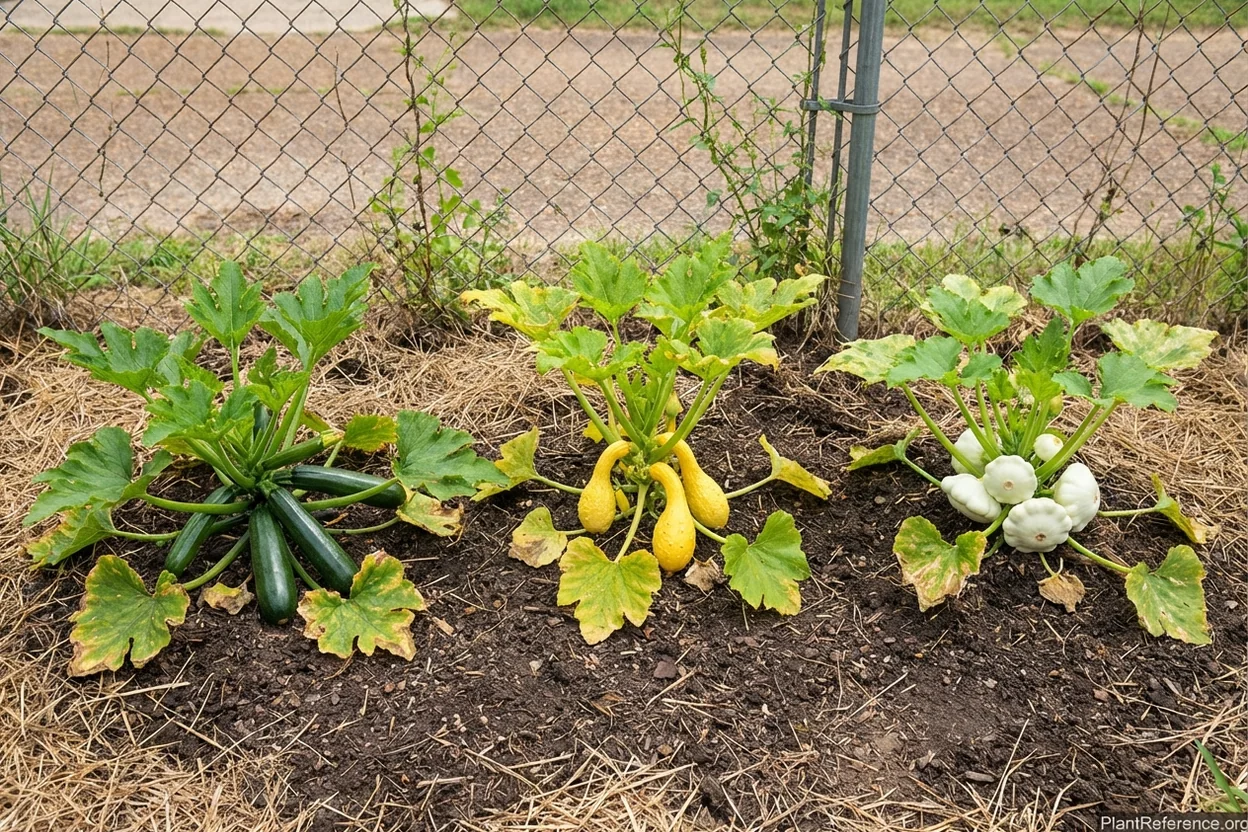
🌿Cucurbita pepo 'Black Beauty' represents the gold standard for Memphis zucchini growing. This variety produces consistently through our hot summers and shows good resistance to the powdery mildew that becomes problematic here by August. The compact bush habit (3-4 feet spread) makes it manageable in typical Memphis residential lots.
🌿Cucurbita pepo 'Yellow Crookneck' actually performs better in Memphis heat than many realize. The warty skin texture helps it withstand our humidity better than smooth-skinned varieties. I've seen this variety continue producing into September when properly managed, long after other summer squash have succumbed to vine borers.
🌿Cucurbita pepo 'Pattypan' offers Memphis gardeners the advantage of extremely quick harvest cycles. In our warm climate, fruits can size up rapidly, so daily harvesting is essential. This variety is particularly good for succession planting through our long season.
Winter Squash Varieties (80-110 Days)
Winter squash varieties require more planning in Memphis, as they need the full season to mature before our November 1 first frost. However, our long 210-day season provides adequate time for proper development.
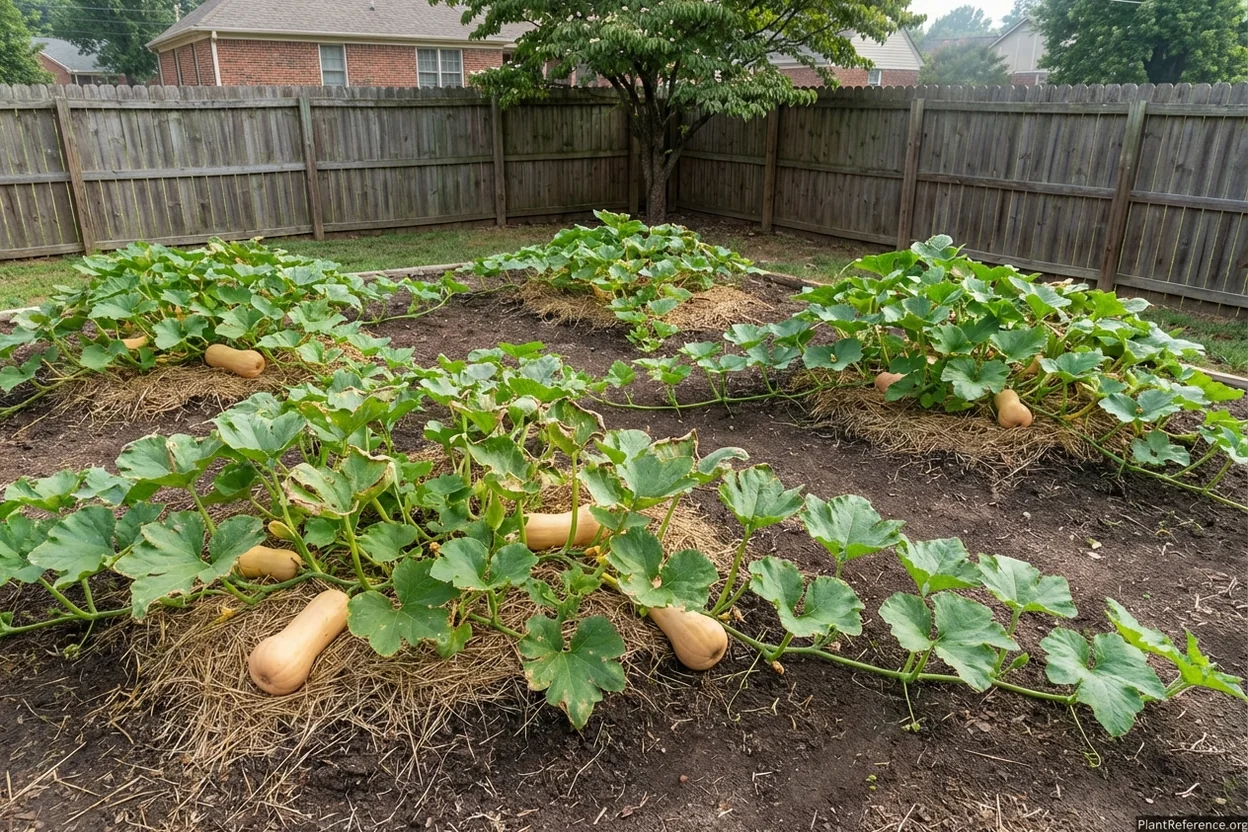
🌿Cucurbita moschata 'Butternut' is exceptionally well-suited to Memphis conditions. This variety shows remarkable resistance to squash vine borers due to its solid stem structure, and it actually thrives in our humid heat better than many gardeners expect. The long vines (10-15 feet) need space but produce excellently in our climate.
🌿Cucurbita pepo 'Acorn' varieties perform well in Memphis when given adequate space and air circulation. The semi-bush growth habit makes them more manageable than full-vining types, though they still require 4-6 feet of space.
🌿Cucurbita pepo 'Delicata' succeeds in Memphis when planted early enough to mature before extreme summer heat sets in. This variety's thin, edible skin eliminates peeling but limits storage compared to thick-skinned varieties.
Cucurbita pepo 'Spaghetti' requires the full Memphis growing season but produces well when given adequate moisture and space. The vining habit (8-10 feet) needs accommodation in garden planning.
Cucurbita maxima 'Kabocha' is challenging in Memphis due to heat sensitivity. This variety performs best when planted for fall harvest, started in mid-June and harvested in October as temperatures moderate.
Variety | Days to Maturity | Best For Memphis | Notes for Zone 7b |
|---|---|---|---|
45-55 days | Continuous harvest | Plant every 3 weeks April-July | |
50-60 days | Heat tolerance | Handles humidity better than most | |
50-60 days | Small spaces | Harvest daily in hot weather | |
85-100 days | Long storage | Vine borer resistant, needs space | |
80-100 days | Moderate space | Good air circulation essential | |
80-100 days | Fresh eating | Plant early, limited storage | |
Cucurbita pepo 'Spaghetti' | 88-100 days | Unique texture | Full season required |
Cucurbita maxima 'Kabocha' | 95-110 days | Fall harvest only | Heat sensitive, June planting |
Specific Planting Dates for Memphis
Memphis's Zone 7b climate with an April 5 last frost date and November 1 first frost provides a 210-day growing season ideal for squash production. However, successful timing requires understanding both frost dates and soil temperature requirements.
Soil Temperature Requirements
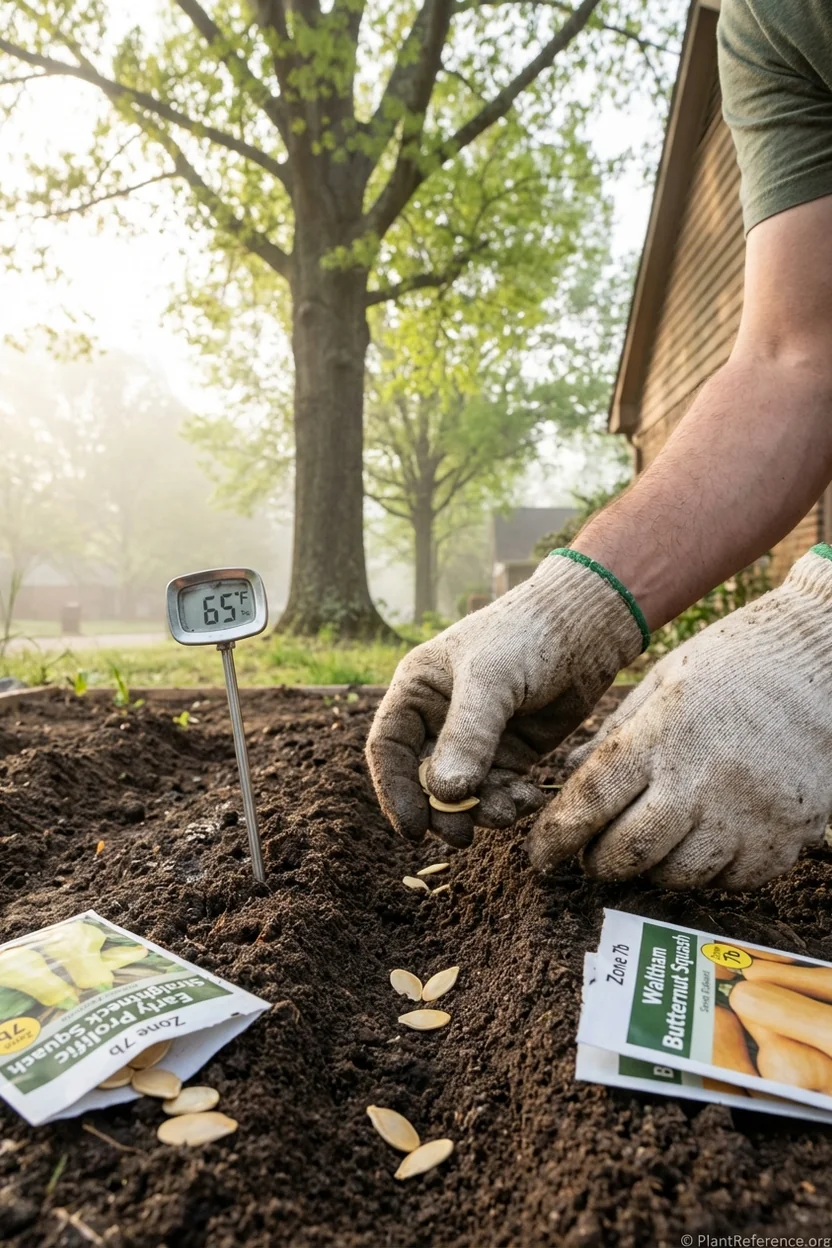
Squash seeds require soil temperatures of at least 60°F (16°C) for reliable germination, with 65-70°F (18-21°C) being optimal. In Memphis, soil typically reaches 60°F by mid-April, about 10-14 days after our average last frost date. Cold soil leads to poor germination and increased susceptibility to soil-borne diseases that thrive in our humid climate.
Summer Squash Planting Schedule
First Planting: April 20-30 This timing allows soil to warm adequately while providing maximum growing time before peak summer heat. Seeds planted during this window typically germinate within 5-7 days and begin producing by early June.
Second Planting: May 15-25 A second planting extends harvest through summer and often produces better than the first planting as soil organisms and beneficial insects become established.
Third Planting: July 1-15 Late summer plantings avoid the peak squash vine borer egg-laying period and often produce cleaner fruit as they mature in cooler fall weather.
Winter Squash Planting Schedule
Single Planting Window: May 1-15 Winter squash varieties requiring 80-100+ days must be planted by mid-May to mature before November 1 first frost. This narrow window is critical for proper development and curing.
Late Season Exception: Kabocha June 1-15 Cucurbita maxima 'Kabocha' varieties actually perform better when planted in early June for fall harvest, as they struggle with Memphis's intense summer heat when young.
Transplant vs Direct Seeding
Direct Seeding (Recommended): Memphis's warm soil and long season make direct seeding the preferred method. Squash develops stronger root systems when direct-seeded and shows less transplant shock.
Transplant Option: Start seeds indoors 2-3 weeks before outdoor planting dates only if space is extremely limited or if you want earlier harvest. Use biodegradable pots to minimize root disturbance.
Complete Growing Guide for Memphis
Growing squash successfully in Memphis requires understanding our unique combination of generous season length with challenging humidity and pest pressure. The fundamentals apply universally, but the details matter significantly in our climate.
Site Selection and Soil Preparation
Memphis clay soil presents both advantages and challenges for squash growing. Our heavy clay retains moisture well during hot summers but requires amendment for proper drainage, especially important given our 50+ inches of annual rainfall.
Soil Drainage: Create raised beds or mounded planting areas 6-8 inches (15-20 cm) high to ensure drainage during heavy spring and fall rains. Waterlogged soil in our humid climate quickly develops fungal problems that devastate squash plantings.
Soil Amendment: Work 2-3 inches (5-8 cm) of compost into planting areas each spring. Memphis clay benefits significantly from organic matter to improve both drainage and nutrient availability. Avoid fresh manure, which promotes excessive vegetative growth at the expense of fruit production.
pH Requirements: Memphis soil typically runs slightly acidic (6.0-6.5 pH), which works well for squash. If soil tests below 6.0, add lime in fall for spring planting.
Spacing and Layout
Proper spacing becomes critical in Memphis's humid climate, where poor air circulation leads directly to disease problems.
Summer Squash Spacing:
Bush varieties: 36 inches (91 cm) between plants, 48 inches (122 cm) between rows
Allow full spread without crowding for optimal air circulation
Winter Squash Spacing:
Vining varieties: 48-60 inches (122-152 cm) between plants, 72 inches (183 cm) between rows
Plan for 10-15 foot vine spread on varieties like 🌿Cucurbita moschata 'Butternut'
Vertical Growing: Memphis gardeners with limited space can trellis smaller winter squash varieties using sturdy cattle panels or nylon netting. Support fruits over 3 pounds with cloth slings to prevent vine damage.
Irrigation Management
Memphis receives abundant rainfall (50+ inches annually) but distribution is uneven. Consistent moisture is essential for preventing blossom end rot, common in clay soils during drought periods.
Drip Irrigation: Install drip lines or soaker hoses to maintain consistent soil moisture while keeping foliage dry. Wet leaves in humid conditions promote powdery mildew and bacterial diseases.
Mulching: Apply 2-3 inches (5-8 cm) of straw or shredded leaf mulch around plants to conserve moisture and suppress weeds. Organic mulch also moderates soil temperature during extreme heat.
Watering Schedule: Provide 1-1.5 inches (2.5-4 cm) of water weekly through consistent deep watering rather than frequent shallow applications.
Fertilization Strategy
Memphis's long growing season and clay soil require a planned fertilization approach that supports both vegetative growth and fruit development.
Pre-Plant Preparation: Work balanced fertilizer (10-10-10) into soil at 2-3 pounds per 100 square feet along with compost amendment.
Early Season (April-May): Side-dress with nitrogen-rich fertilizer (blood meal or fish emulsion) when vines begin running to support leaf canopy development.
Mid-Season (June-July):
Summer squash: Continue monthly nitrogen applications to support continuous fruit production
Winter squash: Switch to phosphorus-potassium dominant fertilizer and discontinue nitrogen to promote fruit development over foliage
Late Season (August-October): Discontinue all fertilization for winter squash to encourage proper ripening and curing. Continue light feeding of summer squash for extended harvest.
Troubleshooting Memphis-Specific Problems
Memphis's hot, humid climate and long growing season create specific challenges that require targeted management strategies.
Squash Vine Borer Management
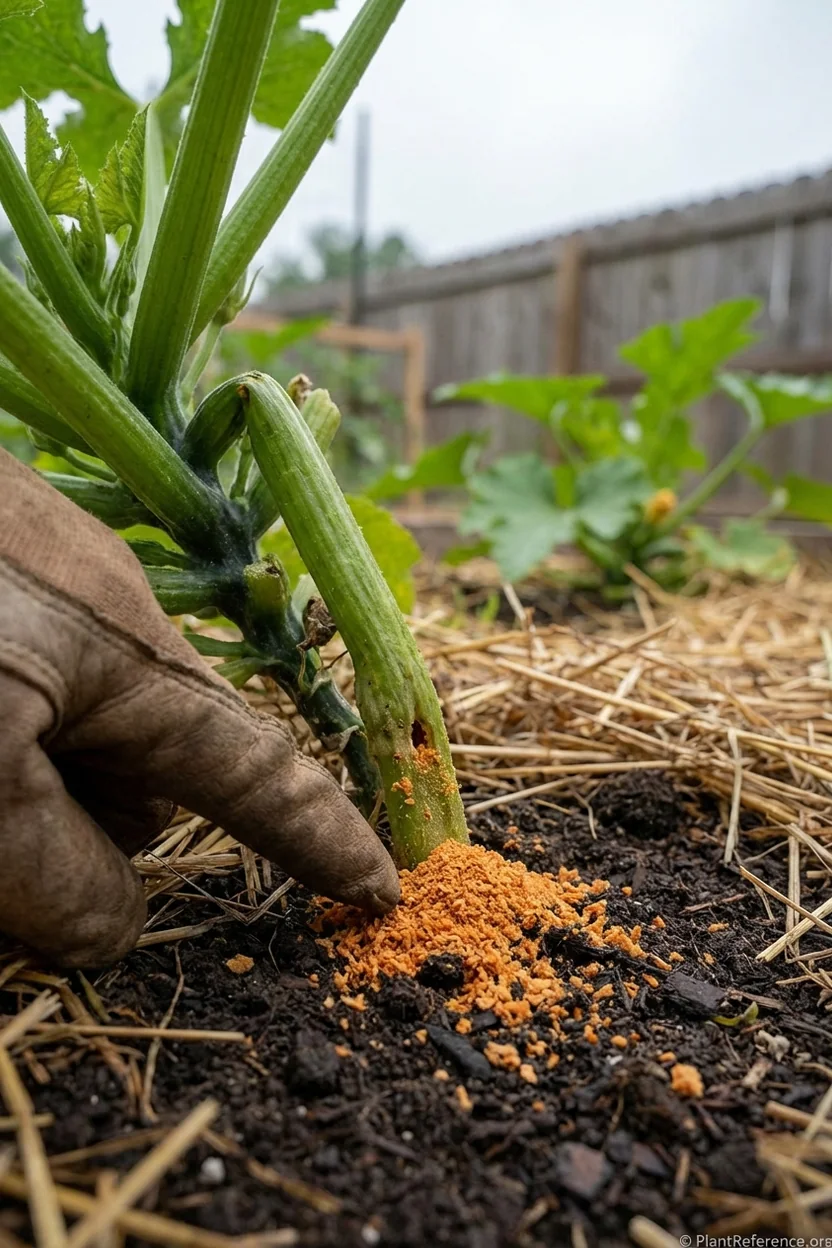
Squash vine borers represent the primary pest threat to Memphis squash production. The clear-wing moth lays eggs at stem bases in June-July, with larvae boring into vines and causing sudden, irreversible wilt.
Prevention: Cover plants with floating row covers immediately after planting, removing when first female flowers appear (flowers have small squash at base). Plant 🌿Cucurbita moschata 'Butternut' varieties, which show resistance due to solid stem structure.
Early Detection: Check plant bases weekly for "frass" (sawdust-like excrement) beginning in June. Orange granular material around stem base indicates active boring.
Treatment: When frass appears, slit stem vertically with sterile knife, remove white larva, and mound moist soil over wound to encourage new root formation. Success rate is approximately 60% if caught early.
Alternative Strategy: Plant succession crops every 3 weeks. Often the second or third planting avoids peak egg-laying period and produces better than the initial planting.
Powdery Mildew Prevention
Memphis's humid conditions make powdery mildew nearly inevitable on squash by late summer. The white, powdery fungal coating on leaves reduces photosynthesis and weakens plants significantly.
Cultural Controls: Ensure proper spacing for air circulation, avoid overhead watering, and remove affected leaves promptly. Plant in locations with morning sun and afternoon shade when possible.
Resistant Varieties: Choose varieties with genetic resistance when available, though all squash varieties show some susceptibility in Memphis humidity.
Treatment: Apply weekly milk spray (1 part milk to 9 parts water) beginning in July as preventive treatment. Baking soda spray (1 tablespoon per gallon) provides curative treatment for mild infections.
Blossom End Rot
Memphis clay soil often creates calcium availability issues despite adequate calcium content. Blossom end rot appears as dark, sunken spots on fruit tips and results from inconsistent moisture rather than calcium deficiency.
Prevention: Maintain consistent soil moisture through drip irrigation and mulching. Avoid cultivating close to plants, which damages feeder roots responsible for nutrient uptake.
Soil Management: Ensure proper drainage in heavy clay. Waterlogged soil prevents calcium uptake even when adequate calcium is present.
Heat Stress Management
Memphis summer temperatures often exceed 95°F (35°C), causing temporary flower drop and reduced fruit set during peak heat periods.
Timing Strategy: Plant early enough for summer squash to establish before peak heat. Plant winter squash for fall harvest when fruits develop in cooling weather.
Microclimate Creation: Use temporary shade cloth (30% shade) during extreme heat events. Position plants where they receive morning sun and afternoon shade when possible.
Variety Selection: Choose heat-tolerant varieties like 🌿Cucurbita pepo 'Yellow Crookneck' and 🌿Cucurbita moschata 'Butternut' that perform better in extreme heat than more sensitive types.
Harvest & Storage
Memphis's long season allows extended harvest periods for summer squash and proper maturation for winter storage varieties.
Summer Squash Harvest
Optimal Size: Harvest zucchini at 6-8 inches (15-20 cm) length, crookneck at 4-6 inches (10-15 cm), and pattypan at 2-3 inches (5-8 cm) diameter. Memphis heat can size fruits rapidly—check daily during peak season.
Harvest Technique: Cut stems with sharp knife rather than pulling to avoid vine damage. Harvest every 1-2 days during peak production to maintain plant vigor.
Continuous Production: Regular harvest stimulates continued flower and fruit production. Single missed large fruit can reduce total season yield by 30-40%.
Winter Squash Harvest and Curing
Harvest Timing: Harvest winter squash when vines begin dying back naturally and stems become dry and corky. In Memphis, this typically occurs in October, 2-4 weeks before first frost.
Harvest Indicators: Skin becomes dull and hard (cannot puncture with fingernail), and stems dry completely where attached to fruit.
Curing Process: Cure most winter squash varieties at 80-85°F (27-29°C) with 80% humidity for 10-14 days. This heals wounds and converts starches to sugars, improving flavor and storage life.
Exception: 🌿Cucurbita pepo 'Acorn' varieties should NOT be cured, as heat treatment degrades texture. Store immediately at 50-55°F (10-13°C).
Storage Conditions: Store properly cured winter squash at 50-55°F (10-13°C) with 50-70% humidity. Varieties like 🌿Cucurbita moschata 'Butternut' keep 4-6 months under proper conditions.
→ RSVP Endurance Seeds Butternut Squash ($4.95-6.95) - Heat-resistant variety perfect for Memphis
This Waltham strain butternut squash excels in Memphis's humid Zone 7b climate with excellent vine borer resistance and heat tolerance. Produces 3-5 pound tan fruits with bright orange flesh. Vines reach 10-12 feet requiring adequate space but reward with exceptional storage life of 4-6 months when properly cured. Seeds start easily in warm Memphis soil and typically mature in 95-100 days from planting.
Product link unavailable
Frequently Asked Questions
Reading about plants and recognising them are different skills. These three build the second.
- Daily PlantIdentify the day’s mystery plant from a close-up photograph.
- Keyed OutWork a dichotomous key, lead by lead, to name a hidden specimen.
- Name That PlantName a specimen from botanical clues dealt hardest first.
Free to play, no account needed
Aisha manages a small tropical nursery on the east side of Houston, specializing in plants that can handle the Gulf Coast's humidity, heat, and unpredictable flooding. She studied horticulture in college and worked at a wholesale grower before opening her own operation. Growing up, her parents kept a kitchen garden with okra, bitter gourd, and curry leaf plants—a tradition she's continued. Houston's subtropical climate lets her grow things most of the country can't, but it also means dealing with fungal issues, standing water, and summers where it's too hot for even tomatoes. Aisha writes about tropical and subtropical plant care, humidity management, and working with heavy clay soils.