When to Plant Squash in Oklahoma City: Complete Guide + Best Varieties for Zone 7a
Pets & Toxicity
Recorded toxicity for plants linked in this guide. An unknown status is not a safety assessment.
No linked plant is recorded as toxicDetailsHide
Cucurbita pepo 'Black Beauty' — Toxicity
Non-toxic as an edible cropView Cucurbita pepo 'Black Beauty' plant profileCucurbita pepo 'Yellow Crookneck' — Toxicity
Non-toxic as an edible cropView Cucurbita pepo 'Yellow Crookneck' plant profile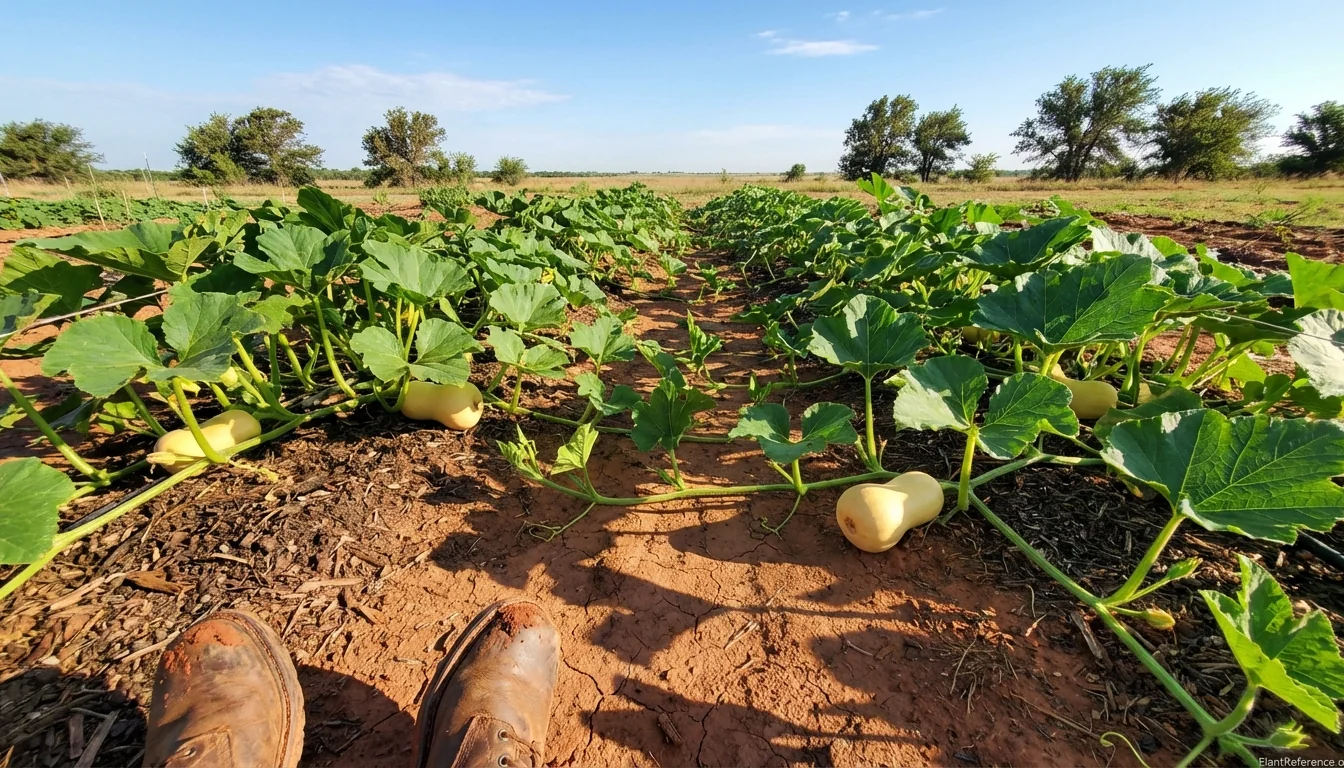
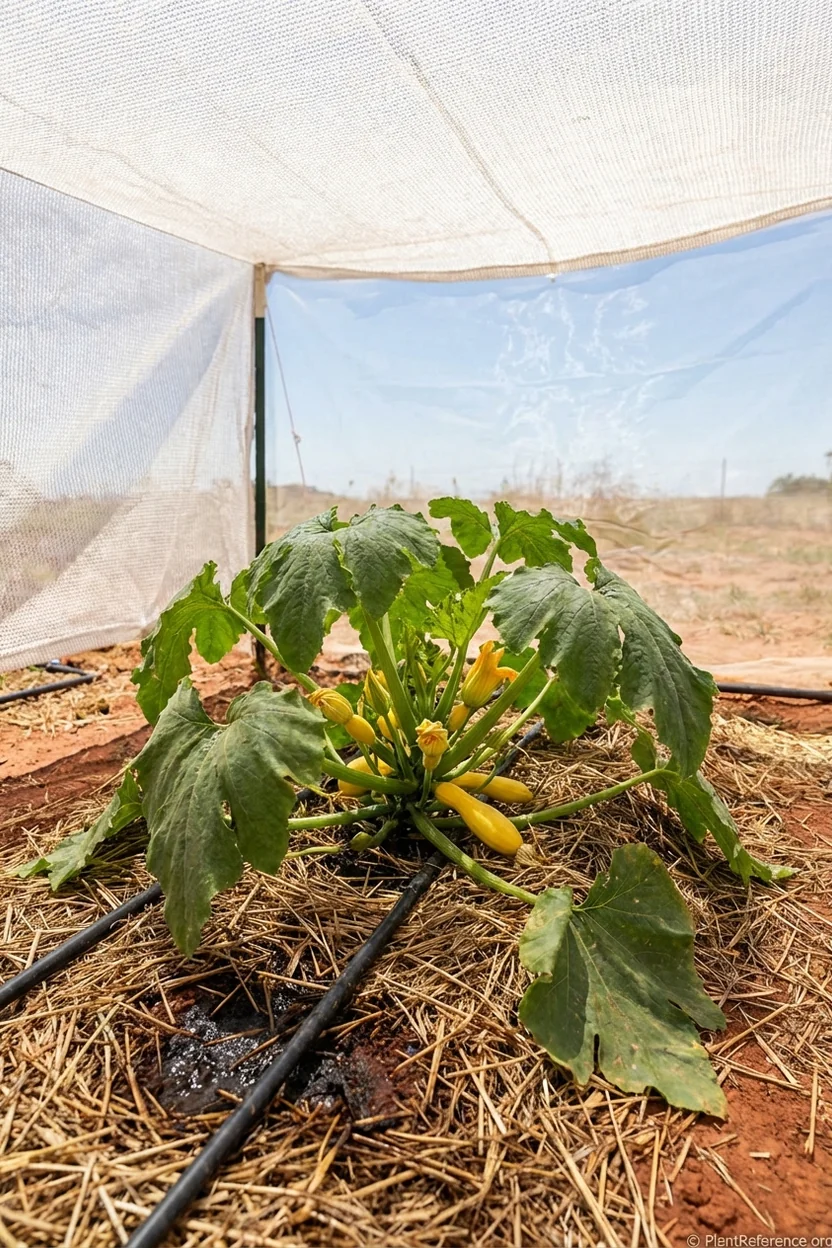
— Image © Plant Reference 2026
Oklahoma City's Zone 7a climate offers an excellent 218-day growing season for when to plant squash in Oklahoma City, running from the last frost on April 1 through the first frost on November 5. This extended season supports both quick-maturing summer squash and longer-season winter varieties, though Oklahoma's notorious heat and wind require specific strategies for success.
Oklahoma gardeners face unique challenges: intense summer heat that can halt production, persistent winds that stress plants, and heavy clay soil that requires amendment. However, the long frost-free period and abundant sunshine create ideal conditions for prolific squash production when you time plantings correctly and choose heat-adapted varieties.
The key to successful squash growing in Oklahoma City lies in understanding the distinction between summer and winter types, managing the extreme heat of July and August, and working with the state's challenging soil conditions. Summer squash like 🌿Cucurbita pepo 'Black Beauty' zucchini can be succession planted every 3-4 weeks through June, while winter squash such as 🌿Cucurbita moschata 'Butternut' must be established by early May to complete their 100-day maturation before the November 5 first frost.
Best Squash Varieties for Oklahoma City's Zone 7a Climate
Oklahoma's hot, dry summers and alkaline clay soil demand specific variety selection. The 218-day growing season from April 1 to November 5 provides ample time for all squash types, but heat tolerance becomes the determining factor for success during the brutal July and August months when temperatures routinely exceed 95°F.
Summer Squash Varieties (45-60 Days)
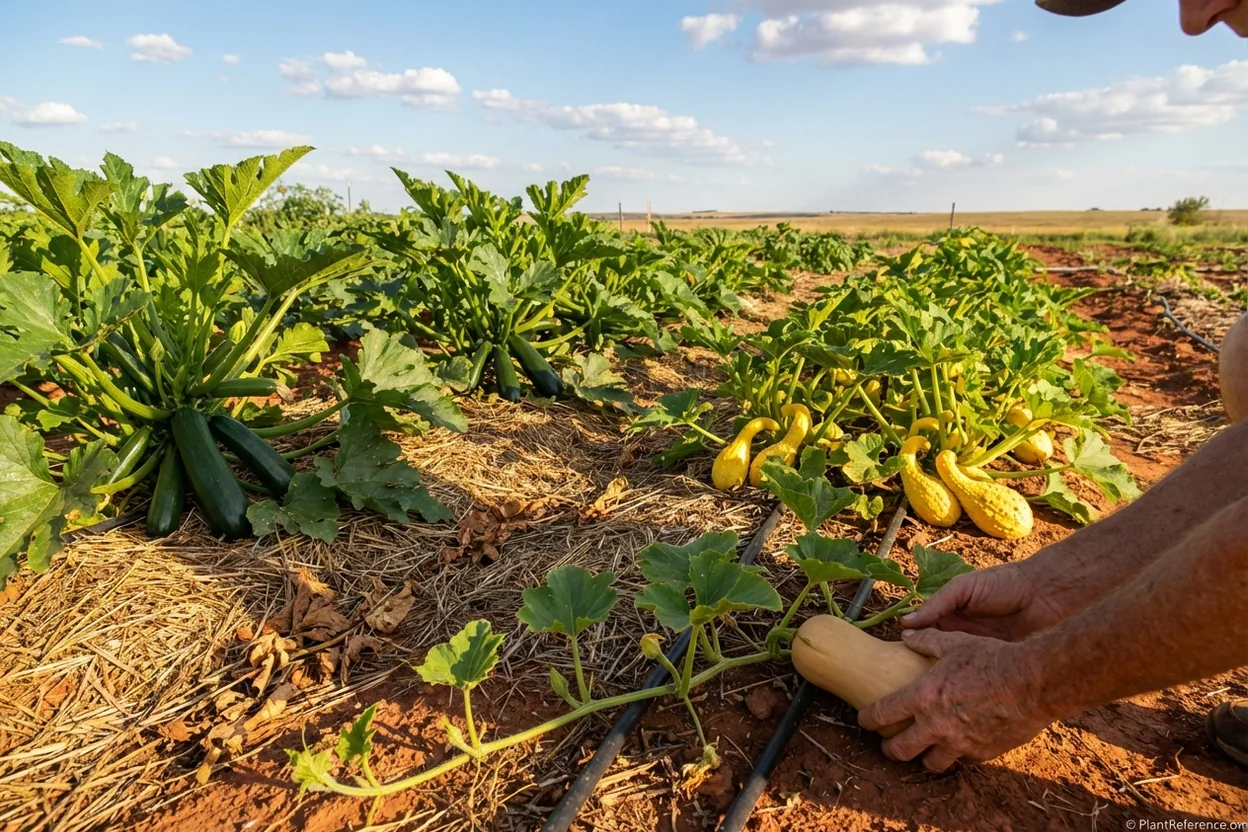
🌿Cucurbita pepo 'Black Beauty' Zucchini** excels in Oklahoma heat, producing dark green fruits continuously when harvested young. This bush variety tolerates temperatures up to 100°F better than many alternatives and requires only 48 days to first harvest. Space plants 36 inches apart to ensure adequate airflow during humid Oklahoma summers.
🌿Cucurbita pepo 'Yellow Crookneck' demonstrates exceptional heat tolerance, making it ideal for Oklahoma City's climate. The yellow color reflects heat better than dark green varieties, and the warty skin texture indicates maturity earlier than smooth varieties. Harvest at 4-6 inches when skin is still tender.
🌿Cucurbita pepo 'Pattypan' varieties, particularly white or pale yellow cultivars, handle Oklahoma heat remarkably well. The scalloped, flat fruits mature in just 50 days and should be harvested at 2-3 inches diameter during peak summer heat to maintain tenderness.
Winter Squash Varieties (80-110 Days)
🌿Cucurbita moschata 'Butternut' stands as the champion winter squash for Oklahoma conditions. The tan exterior reflects heat, the solid stems resist squash vine borers common in the region, and the variety tolerates drought stress better than other winter squash. Requires 100 days but stores 4-6 months.
🌿Cucurbita pepo 'Delicata' matures in 85 days, making it suitable for Oklahoma's season length. The striped cream and green skin is edible, eliminating peeling work. However, this variety struggles in extreme heat, so plant early for harvest before peak summer temperatures.
🌿Cucurbita pepo 'Acorn' varieties mature in 85-90 days and handle Oklahoma's alkaline soil conditions well. The deep ridges in acorn squash help the fruit resist sunscald damage common in high-UV Oklahoma summers. Choose dark green varieties over light-colored ones for better heat tolerance.
Variety | Species | Days to Maturity | Best For | Notes for Oklahoma City |
|---|---|---|---|---|
C. pepo | 48-55 days | Continuous harvest | Excellent heat tolerance to 100°F | |
C. pepo | 50-60 days | Hot climate production | Light color reflects Oklahoma heat | |
C. pepo | 50-60 days | Compact gardens | White varieties best for heat reflection | |
C. moschata | 95-110 days | Long storage | Drought tolerant, borer resistant | |
C. pepo | 85-100 days | Fresh eating | Plant early before extreme heat | |
C. pepo | 85-90 days | Fall harvest | Dark varieties resist sunscald |
Cucurbita maxima 'Kabocha' varieties struggle in Oklahoma's intense heat and are not recommended for Zone 7a conditions. The large leaves wilt excessively in temperatures above 95°F, and the variety performs poorly in alkaline soils common throughout Oklahoma.
Specific Planting Dates for Oklahoma City
Oklahoma City's last frost date of April 1 and first frost date of November 5 create a 218-day window perfect for strategic squash planting. However, successful timing requires understanding Oklahoma's unique weather patterns: rapid spring warm-up, intense summer heat, and the potential for early October heat waves that can extend the growing season.
Direct Sowing Schedule
Last Week of April (April 22-30): Begin direct sowing summer squash varieties once soil temperatures reach 65°F consistently. Oklahoma clay soils warm slowly, so use soil thermometers rather than air temperature to determine readiness. This timing ensures plants establish before the intense heat of July.
Early May (May 1-8): Plant winter squash varieties requiring 90-110 days to maturity. 🌿Cucurbita moschata 'Butternut' planted May 1 will mature by August 15, well before the November 5 frost. This timing also allows harvest before extreme summer heat potentially damages developing fruits.
Mid-May (May 10-17): Second succession of summer squash for continuous production. Plants established during this window will begin production in late June and continue through September if adequately irrigated during peak summer heat.
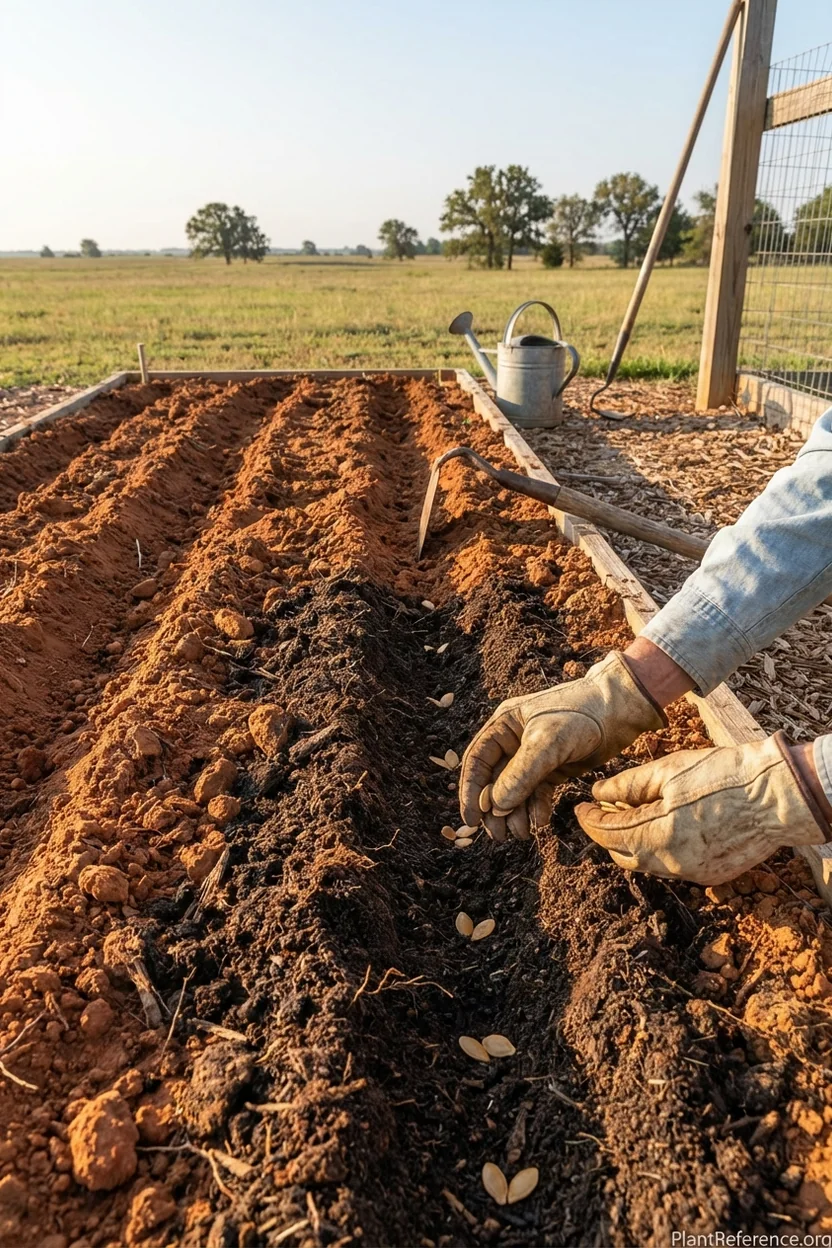
Early June (June 1-7): Final planting window for summer squash. Later plantings risk establishment during peak heat stress but will produce excellent fall harvests as temperatures moderate in September and October.
Transplant Schedule
Indoor Seed Starting: Begin 2-3 weeks before intended planting dates. Start seeds March 15-22 for April transplanting, April 8-15 for May transplanting. Oklahoma's long growing season makes transplants optional but beneficial for gardeners wanting earlier harvests.
Transplant Timing: Move seedlings outdoors when soil temperatures consistently exceed 65°F and nighttime lows stay above 50°F. Harden off transplants for 5-7 days before planting, as Oklahoma's intense sun and wind can shock unprepared seedlings.
Heat Management Timing
Row Cover Removal: Remove protective row covers by mid-May when plants begin flowering. Oklahoma's abundant native bee populations provide excellent pollination, but covers must be removed to allow access to flowers.
Summer Protection: Install shade cloth (30-50%) over summer squash during July and August when temperatures exceed 95°F for consecutive days. Remove shade as temperatures moderate in September to encourage continued production.
Complete Growing Guide for Oklahoma City
Oklahoma City's gardening conditions present unique challenges: alkaline clay soil with pH often exceeding 7.5, extreme temperature fluctuations, persistent winds averaging 15-20 mph, and intense UV radiation due to high elevation and latitude. Successful squash growing requires addressing each of these factors systematically.
Soil Preparation for Oklahoma Conditions
Oklahoma's clay soil compacts easily and drains poorly, creating anaerobic conditions that rot squash roots. Test soil pH annually, as Oklahoma soils typically range from 7.0-8.5, requiring sulfur amendments for optimal squash growth in the 6.0-6.8 range.
Create raised beds 4-6 inches high to improve drainage in heavy clay. Mix native soil 50:50 with compost, as pure compost creates water-holding pockets that can rot roots during Oklahoma's periodic heavy rains. Add coarse sand (not fine sand) at 25% by volume to improve texture permanently.
Soil Amendment Recipe for Oklahoma Clay:
50% existing clay soil (tested and pH-adjusted)
25% well-aged compost or aged manure
15% coarse builder's sand or expanded shale
10% perlite for additional drainage
2-3 inches of organic mulch on surface
Apply sulfur in fall to lower pH gradually over winter months. Oklahoma's alkaline conditions make nutrients like iron unavailable even when present in soil, causing yellowing leaves despite adequate nutrition.
Planting Techniques for Wind and Heat
Oklahoma's constant wind desiccates young plants rapidly. Plant squash in shallow depressions or furrows 2-3 inches below surrounding soil level to provide wind protection and concentrate water around root zones.
Space plants wider than typical recommendations to account for wind stress. Summer squash should be spaced 42-48 inches apart (versus standard 36 inches) to prevent overcrowding as plants lean away from prevailing south winds.
Wind Protection Strategies:
Plant on north side of existing structures when possible
Use temporary windbreaks (burlap screens) for first 4-6 weeks
Stake plants loosely to prevent uprooting during storms
Avoid planting in completely open, exposed locations
Create microclimates using companion plantings
Irrigation Management in Hot, Dry Climate
Oklahoma receives irregular rainfall with intense summer droughts punctuated by heavy downpours. Squash requires consistent moisture, making irrigation planning critical for success.
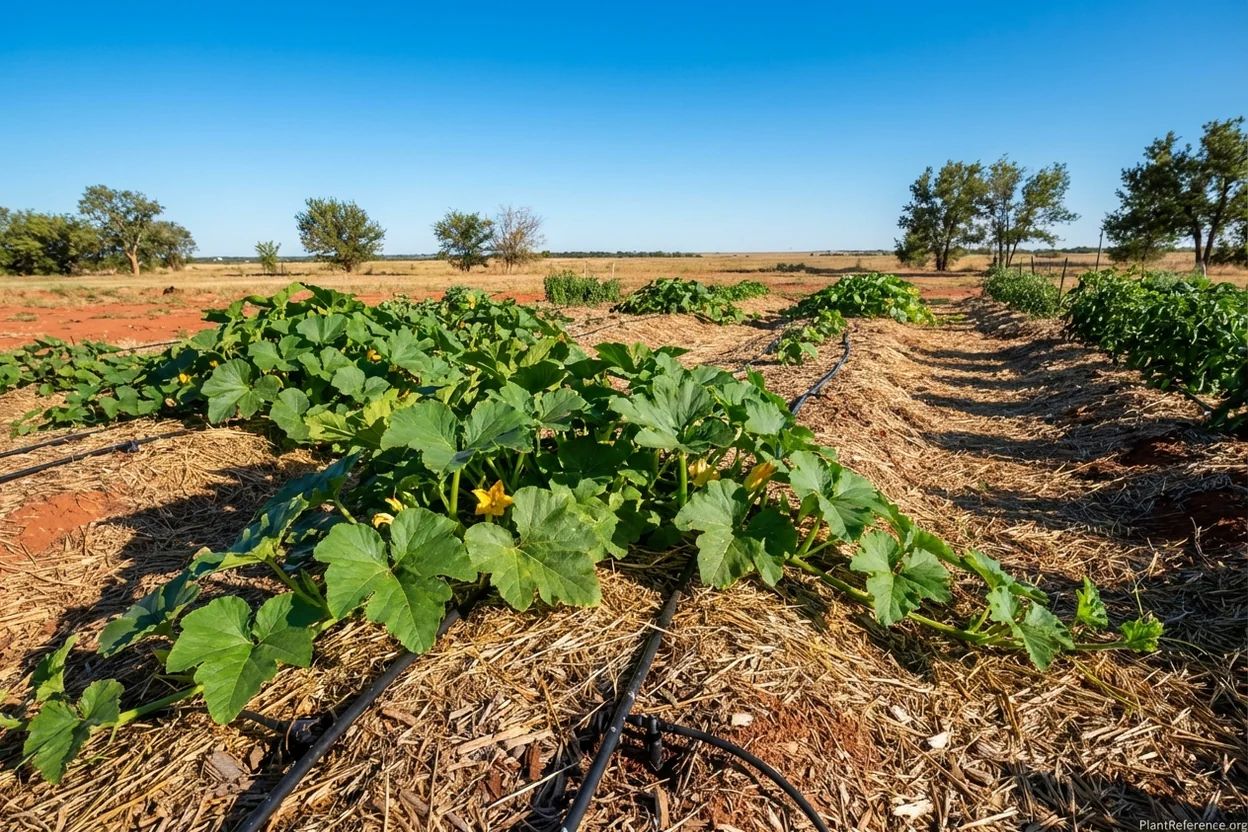
Install drip irrigation or soaker hoses before planting to ensure water reaches root zones efficiently. Oklahoma's clay soil sheds water when dry, requiring slow, deep watering sessions rather than frequent shallow watering.
Oklahoma Irrigation Schedule:
April-May: Water 1 inch weekly if no natural rainfall
June-August: Water 1.5-2 inches weekly during extreme heat
September-October: Reduce to 0.75 inches weekly
Check soil moisture 3-4 inches deep before watering
Water early morning (5-7 AM) to reduce evaporation losses
Apply 3-4 inches of organic mulch around plants to conserve soil moisture and moderate soil temperature fluctuations. Oklahoma's intense UV radiation can raise soil surface temperatures above 120°F (49°C), damaging shallow feeder roots.
Fertilization for Extended Season
Oklahoma's long 218-day season requires strategic fertilization to maintain plant health and productivity through extreme temperature swings and varying moisture levels.
Pre-Planting Nutrition: Incorporate 2-3 inches of aged compost or well-rotted manure into planting areas in March. Oklahoma soils often lack organic matter, requiring annual additions to maintain fertility and improve soil structure.
Growing Season Feeding:
May: Apply balanced 10-10-10 fertilizer at planting time
June: Side-dress summer squash with nitrogen-rich compost tea
July: Reduce nitrogen, increase potassium for heat stress tolerance
August: Stop fertilizing winter squash to encourage maturity
September: Light nitrogen application for fall summer squash production
Monitor plants for signs of nutrient deficiencies common in Oklahoma's alkaline soils: iron chlorosis (yellow leaves with green veins), magnesium deficiency (yellowing between leaf veins), and boron deficiency (hollow stems).
Troubleshooting Oklahoma City-Specific Problems
Oklahoma's unique climate and growing conditions create specific challenges for squash production. Understanding these regional issues and their solutions ensures consistent harvests despite environmental stresses.
Extreme Heat Damage (July-August)
Symptoms: Leaf wilting during midday hours, flower drop, sunscald on developing fruits, reduced fruit set, and premature plant senescence during peak summer months when temperatures exceed 95°F for extended periods.
Causes: Oklahoma's combination of high temperatures, intense UV radiation, and low humidity creates stress conditions that halt normal plant metabolism. Clay soils absorb and radiate additional heat, raising root zone temperatures above tolerable levels.
Solutions: Install 30-50% shade cloth over plants during July-August heat waves. Water deeply every 2-3 days rather than daily shallow watering. Apply reflective mulch (aluminum foil or white plastic) around plants to reduce soil temperature. Harvest fruits early in morning when temperatures are coolest.
Wind Damage and Desiccation
Symptoms: Tattered leaves, broken stems, rapid soil moisture loss, plants leaning away from prevailing winds, reduced growth rates despite adequate nutrition and water.
Causes: Oklahoma's persistent 15-20 mph winds, intensifying during afternoon hours, constantly stress plants and accelerate water loss through leaf surfaces. Young plants are particularly susceptible to mechanical damage.
Solutions: Create temporary windbreaks using burlap screens or shade cloth mounted on stakes. Plant squash in naturally protected areas near buildings or large shrubs. Increase spacing between plants to 48 inches to prevent wind damage when plants lean. Use heavy mulch to prevent soil erosion around root zones.
Clay Soil Drainage Issues
Symptoms: Yellow leaves, root rot, slow growth, standing water after rainfall, poor fruit development, plants wilting despite moist soil conditions.
Causes: Oklahoma's heavy clay soil has poor drainage characteristics, leading to anaerobic conditions around roots during wet periods. Clay particles compact under foot traffic and heavy machinery, further reducing pore space.
Solutions: Create raised beds 6-8 inches high using amended soil mixture. Never work clay soil when wet, as this creates impermeable hardpan layers. Add coarse organic matter (aged wood chips, rice hulls) annually to improve long-term soil structure. Install French drains in low areas prone to standing water.
Alkaline Soil Nutrient Deficiencies
Symptoms: Iron chlorosis (yellow leaves with green veins), manganese deficiency, reduced flowering, poor fruit development despite adequate fertilization.
Causes: Oklahoma soils typically have pH levels of 7.5-8.5, making essential nutrients chemically unavailable even when present in adequate quantities. High calcium and magnesium levels interfere with iron and manganese uptake.
Solutions: Apply sulfur in fall to gradually lower soil pH over winter months. Use chelated iron fertilizers for immediate green-up of chlorotic plants. Incorporate acidic organic matter (pine needles, peat moss) into planting holes. Test soil pH annually and maintain records of amendment applications.
Harvest & Storage
Oklahoma City's extended growing season from April through November allows for multiple harvest periods and excellent storage opportunities for winter squash varieties. Understanding proper harvest timing ensures maximum quality and storage life.
Summer Squash Harvest (June-October)
Begin harvesting summer squash varieties 45-55 days after planting, typically starting in mid-June for early plantings. Oklahoma's heat accelerates fruit development, requiring daily harvest during peak production periods to maintain plant productivity.
Harvest Indicators: 🌿Cucurbita pepo 'Black Beauty' zucchini should be harvested at 6-8 inches length when skin is glossy and easily punctured with fingernail. 🌿Cucurbita pepo 'Yellow Crookneck' is ready at 4-6 inches when skin is still tender. 🌿Cucurbita pepo 'Pattypan' varieties are best at 2-3 inches diameter.
Harvest during early morning hours (6-8 AM) when temperatures are coolest and fruits have maximum turgor pressure. Oklahoma's afternoon heat causes temporary wilting that affects fruit quality and handling characteristics.
Winter Squash Harvest (September-October)
Winter squash varieties require complete physiological maturity before harvest, indicated by hard rinds that cannot be punctured with fingernail pressure, dried and corky stems, and dull (not glossy) skin coloration.
🌿Cucurbita moschata 'Butternut' planted in early May will mature by mid-August, well before Oklahoma's first frost date of November 5. Allow fruits to remain on plants until stems begin drying naturally, typically 2-3 weeks after initial color change.
🌿Cucurbita pepo 'Acorn' and 🌿Cucurbita pepo 'Delicata' varieties mature in late September through early October. Harvest before any threat of frost, as even light frost damages storage quality significantly.
Oklahoma Storage Conditions
Oklahoma's climate provides excellent winter squash storage conditions with naturally cool, dry winters and low humidity levels that prevent rot development.
Curing Process: Place harvested winter squash in sunny, dry location with temperatures 80-85°F (27-29°C) for 10-14 days. Oklahoma's warm October days and cool nights create ideal curing conditions that heal wounds and convert starches to sugars.
Long-Term Storage: Store cured winter squash in unheated basements, garages, or outbuildings where temperatures remain 50-55°F (10-13°C). Oklahoma's mild winters rarely require heated storage areas. Check stored squash monthly and remove any showing soft spots or decay.
Storage Expectations:
🌿Cucurbita moschata 'Butternut': 4-6 months under ideal conditions
🌿Cucurbita pepo 'Acorn': 4-8 weeks (do not cure, store immediately)
🌿Cucurbita pepo 'Delicata': 2-3 months maximum storage life
Summer squash varieties: 1-2 weeks refrigerated storage only
Frequently Asked Questions
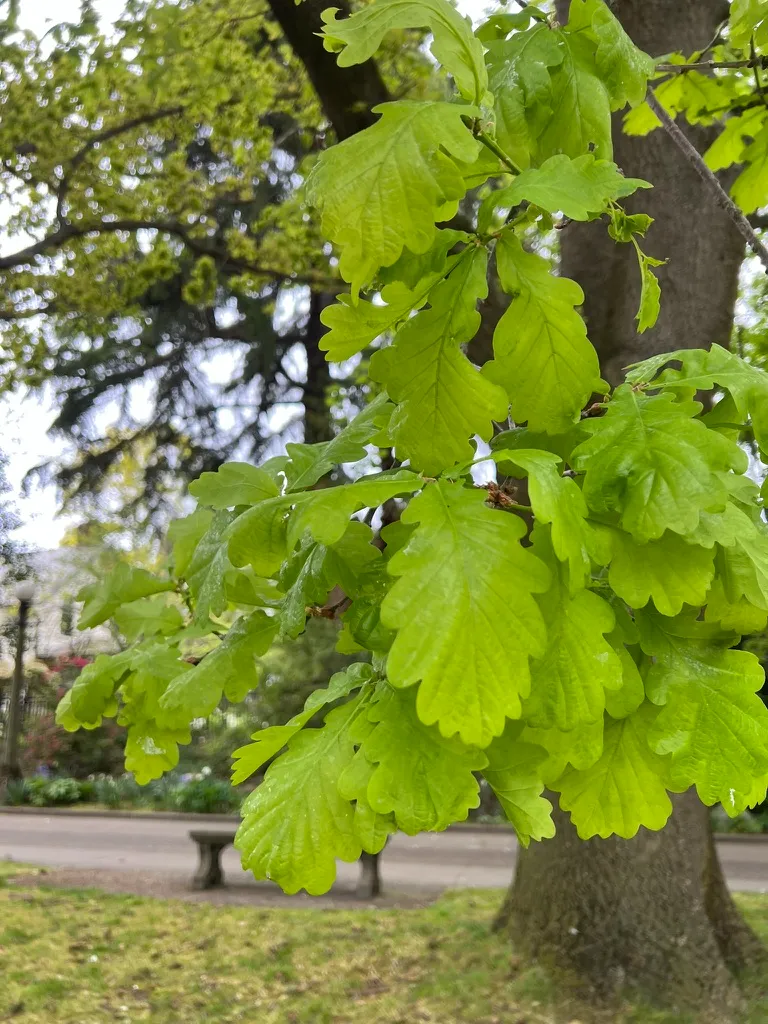
Reading about plants and recognising them are different skills. These three build the second.
- Daily PlantIdentify the day’s mystery plant from a close-up photograph.
- Keyed OutWork a dichotomous key, lead by lead, to name a hidden specimen.
- Name That PlantName a specimen from botanical clues dealt hardest first.
Free to play, no account needed
Dot grew up on a small farm in rural Virginia and has maintained a vegetable garden for decades. After retiring from teaching elementary school, she became a Master Gardener volunteer and spends her time mentoring new gardeners at community garden plots in Richmond. She's especially knowledgeable about heirloom varieties, seed saving, and traditional growing methods passed down from her grandmother. Dot's no-nonsense advice comes from extensive trial and error—she's seen every tomato disease, pest problem, and weather disaster imaginable. Her biggest pet peeve is gardeners who overcomplicate simple tasks. "Plants want to grow," she often says. "Your job is to not get in their way."