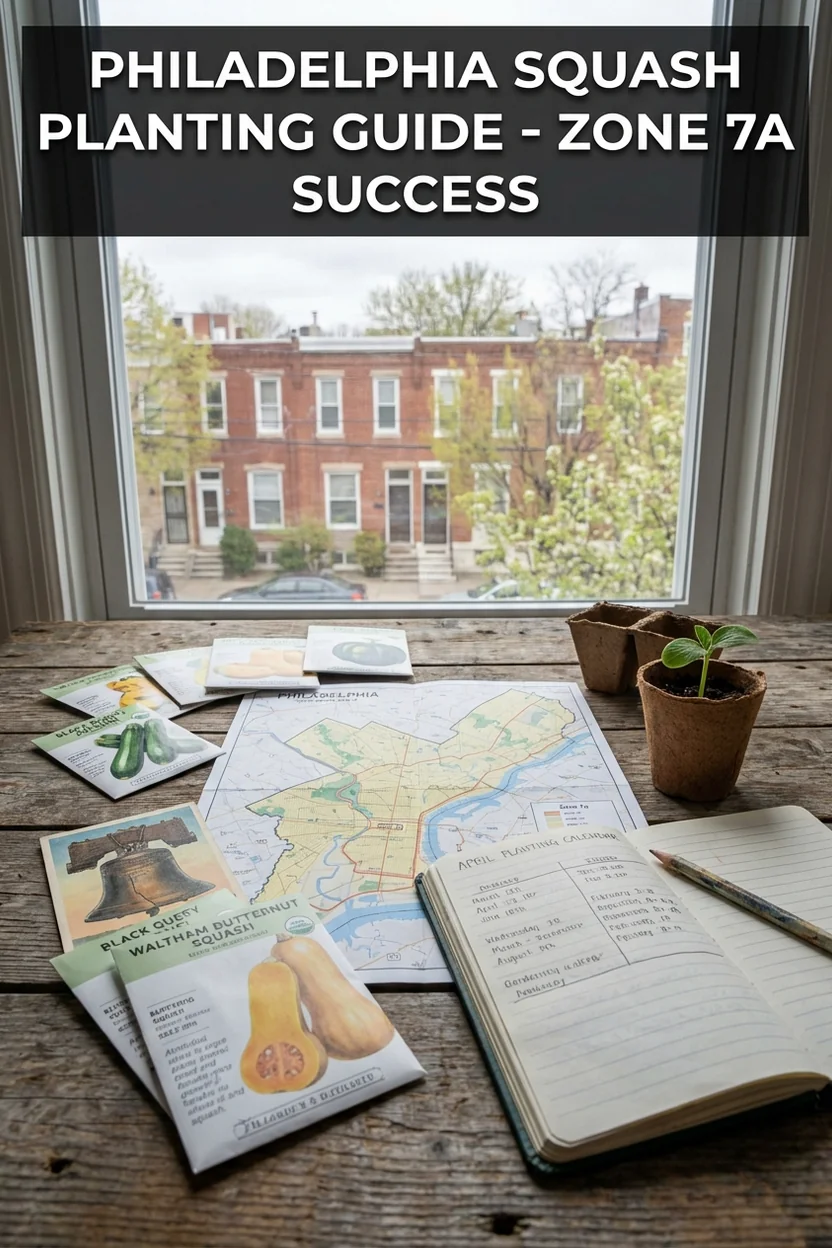
When to Plant Squash in Philadelphia: Complete Guide + Best Varieties for Zone 7a
Pets & Toxicity
Recorded toxicity for plants linked in this guide. An unknown status is not a safety assessment.
No linked plant is recorded as toxicDetailsHide
Cucurbita pepo 'Black Beauty' — Toxicity
Non-toxic as an edible cropView Cucurbita pepo 'Black Beauty' plant profileCucurbita pepo 'Yellow Crookneck' — Toxicity
Non-toxic as an edible cropView Cucurbita pepo 'Yellow Crookneck' plant profile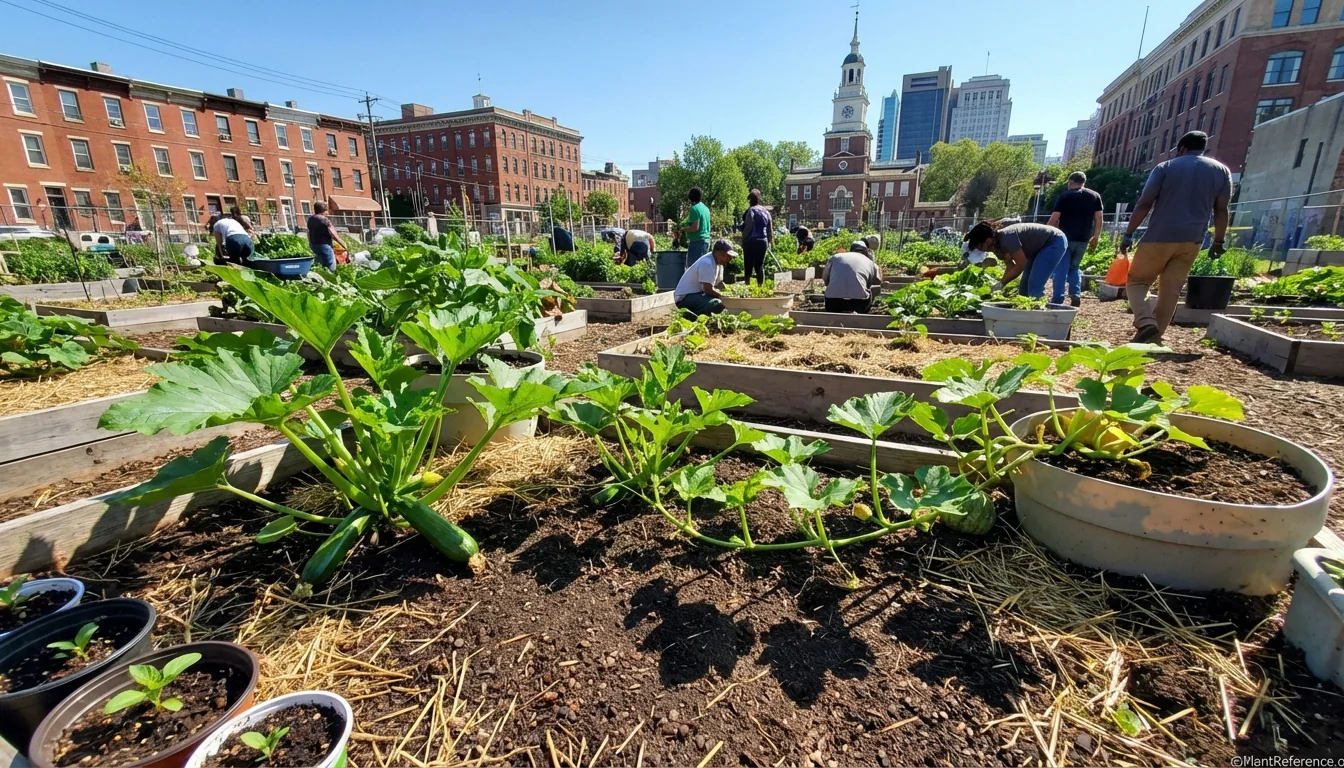
— Image © Plant Reference 2026
Philadelphia gardeners hit the jackpot with Zone 7a's generous 209-day growing season—one of the longest on the East Coast. From the April 9 last frost to November 4 first frost, you've got time to grow everything from quick-producing zucchini to massive storage butternut squash that'll feed your family through winter.
Best Squash Varieties for Philadelphia's Zone 7a Climate
Philadelphia's extended growing season and Mid-Atlantic climate create ideal conditions for the full spectrum of squash varieties. I've been growing squash in southeastern Pennsylvania for four decades, and Zone 7a gives you options that northern gardeners can only dream about.
Your 209-day frost-free period means you can grow the slowest-maturing winter squash varieties while still having time for multiple successions of summer types. The humid summers do bring disease pressure, but proper variety selection and spacing handle that challenge easily.
Variety | Days to Maturity | Best For | Notes for Philadelphia |
|---|---|---|---|
45-55 days | Continuous summer harvest | Heat-tolerant, excellent for succession planting | |
50-60 days | Fresh eating, preserving | More heat tolerance than zucchini varieties | |
50-60 days | Stuffing, grilling | Extremely productive, harvest daily in peak season | |
85-100 days | Winter storage | Vine borer resistant, stores 4-6 months | |
80-100 days | Fall harvest | Compact vines, good for smaller gardens | |
80-100 days | Fresh winter eating | Edible skin, cream-colored with green stripes | |
Cucurbita pepo 'Spaghetti' | 88-100 days | Pasta substitute | Unique stringy flesh, excellent keeper |
Cucurbita maxima 'Kabocha' | 95-110 days | Long storage | Sweet Japanese pumpkin, needs full season |
Summer Squash Champions (45-60 days):
🌿Cucurbita pepo 'Black Beauty' dominates Philadelphia gardens for good reason. This zucchini variety produces continuously from late June through October frost, and one plant easily feeds a family of four. Plant every 3 weeks through July for non-stop production.
🌿Cucurbita pepo 'Pattypan' thrives in Philadelphia's humid summers better than most varieties. The compact bush habit provides excellent air circulation, reducing powdery mildew issues common in August. Harvest these at 2-3 inches (5-8 cm) diameter—they'll grow from perfect size to woody overnight in July heat.
Winter Squash All-Stars (80-110 days):
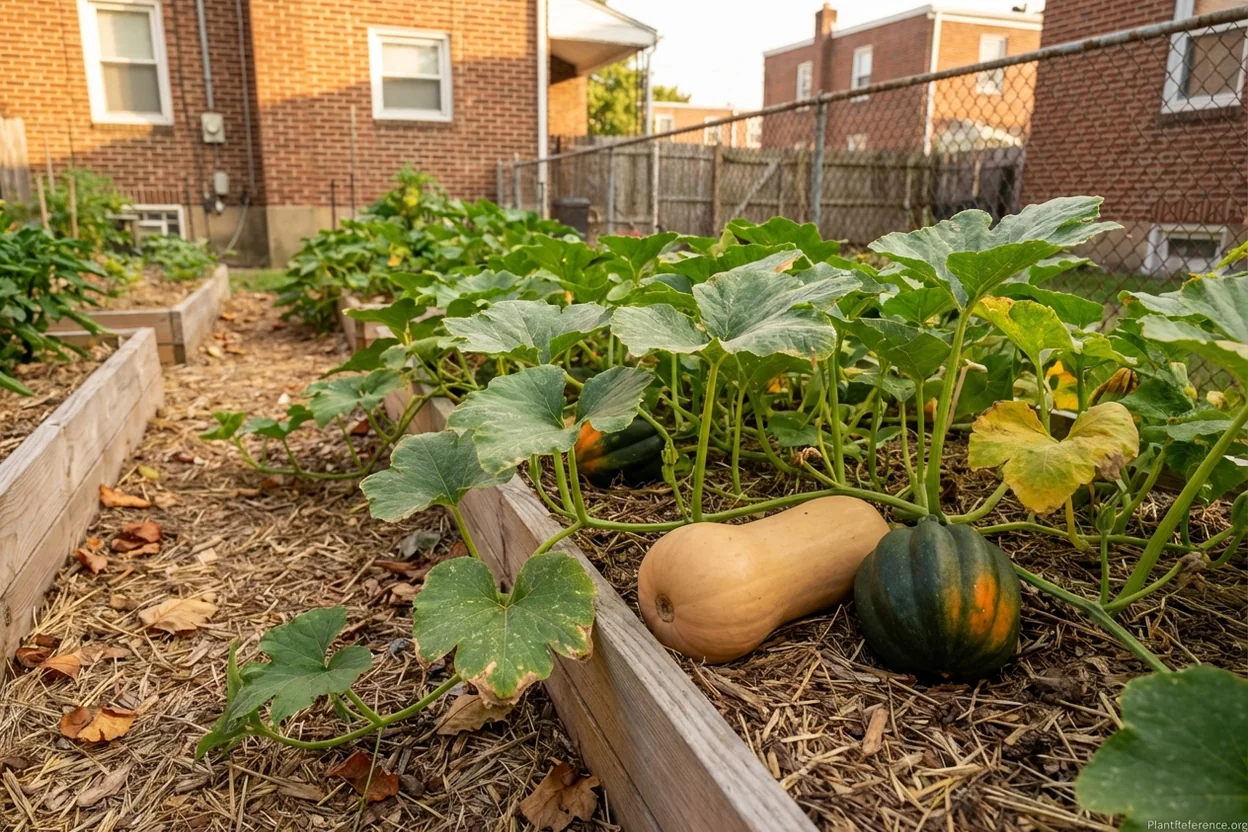
🌿Cucurbita moschata 'Butternut' is the crown jewel for Philadelphia gardeners. Its solid stems resist the squash vine borers that plague other varieties, and the 85-100 day maturity fits perfectly in your season. Plant by May 1, and you'll harvest rock-hard storage squash in September.
Cucurbita maxima 'Kabocha' pushes the limits of your growing season but rewards patient gardeners. This Japanese pumpkin needs every day of your 209-day season, so start seeds indoors in early April for transplanting after the last frost.
Specific Planting Dates for Philadelphia
Philadelphia's April 9 average last frost gives you a clear target for outdoor planting, but soil temperature matters more than air temperature for squash success.
Critical Temperature Thresholds:
Squash seeds won't germinate in soil below 60°F (16°C), and they'll rot in cold, wet soil. I use a soil thermometer to check 2-inch (5 cm) depth for three consecutive days before planting. Philadelphia typically reaches this threshold by April 15-20.
Direct Seeding Schedule:
Summer Squash First Planting: April 20-25 when soil hits 60°F (16°C) consistently. Plant 1 inch (2.5 cm) deep in hills spaced 36 inches (90 cm) apart.
Summer Squash Succession Plantings: Every 3 weeks through July 15. Your last summer squash planting on July 15 will produce until the November 4 frost—a full 16-week harvest window.
Winter Squash Planting: May 1-15 for all varieties except Cucurbita maxima 'Kabocha', which needs an April 25 start for its 110-day requirement.
Indoor Starting Option:
Start seeds indoors 2-3 weeks before outdoor planting for earlier harvest and pest avoidance. Use biodegradable peat pots since squash roots hate transplant disturbance.
Indoor Starting Dates:
Summer squash: April 1-5 for April 20-25 transplanting
Winter squash: April 10-15 for May 1-15 transplanting
Cucurbita maxima 'Kabocha': April 1-5 for April 25 transplanting
Check soil temperature at 2-inch depth for 3 consecutive days
Direct seed when soil stays above 60°F (16°C)
Plant summer squash 1 inch deep, winter squash 1.5 inches deep
Space hills 36 inches apart for bush types, 48 inches for vining types
Succession plant summer varieties every 3 weeks through July 15
Complete Growing Guide for Philadelphia
Philadelphia's Zone 7a climate brings both advantages and challenges for squash production. The long season and fertile Mid-Atlantic soils support vigorous growth, while humid summers require attention to disease prevention.
Soil Preparation
Philadelphia's clay-heavy soils need amendment for successful squash growing. These heavy feeders demand well-draining, nutrient-rich soil with consistent moisture—not something our natural clay provides.
Essential Soil Amendments:
Add 2-3 inches (5-8 cm) of compost to planting areas each spring. Philadelphia's municipal compost program provides excellent material, or create raised beds with a 50/50 mix of topsoil and compost.
Target pH between 6.0-6.8. Philadelphia soils often run acidic, so test annually and lime if needed. Acidic soil below pH 6.0 causes calcium availability problems, leading to blossom end rot on developing fruit.
Planting Technique:
Create planting hills 12 inches (30 cm) wide and 4-6 inches (10-15 cm) high. This improves drainage in our clay soils and warms the root zone faster in spring. Space hills:
Bush summer squash: 36 inches (90 cm) apart
Vining winter squash: 48-60 inches (120-150 cm) apart
Allow 6-8 feet (180-240 cm) for large winter varieties to spread
Fertilizing Strategy
Philadelphia's rich soils support squash well, but these prolific producers need consistent nutrition throughout the growing season.
Pre-Plant: Work a balanced 10-10-10 fertilizer into planting hills at 2 tablespoons per hill, or use 1 cup compost.
Growing Season Feeding:
Summer squash: Side-dress with high-nitrogen fertilizer every 3-4 weeks to sustain continuous production
Winter squash: Side-dress once at vine development, then stop feeding 6 weeks before harvest to promote proper ripening
Water Management
Philadelphia's humid climate provides natural moisture, but inconsistent rainfall requires supplemental irrigation for optimal production.
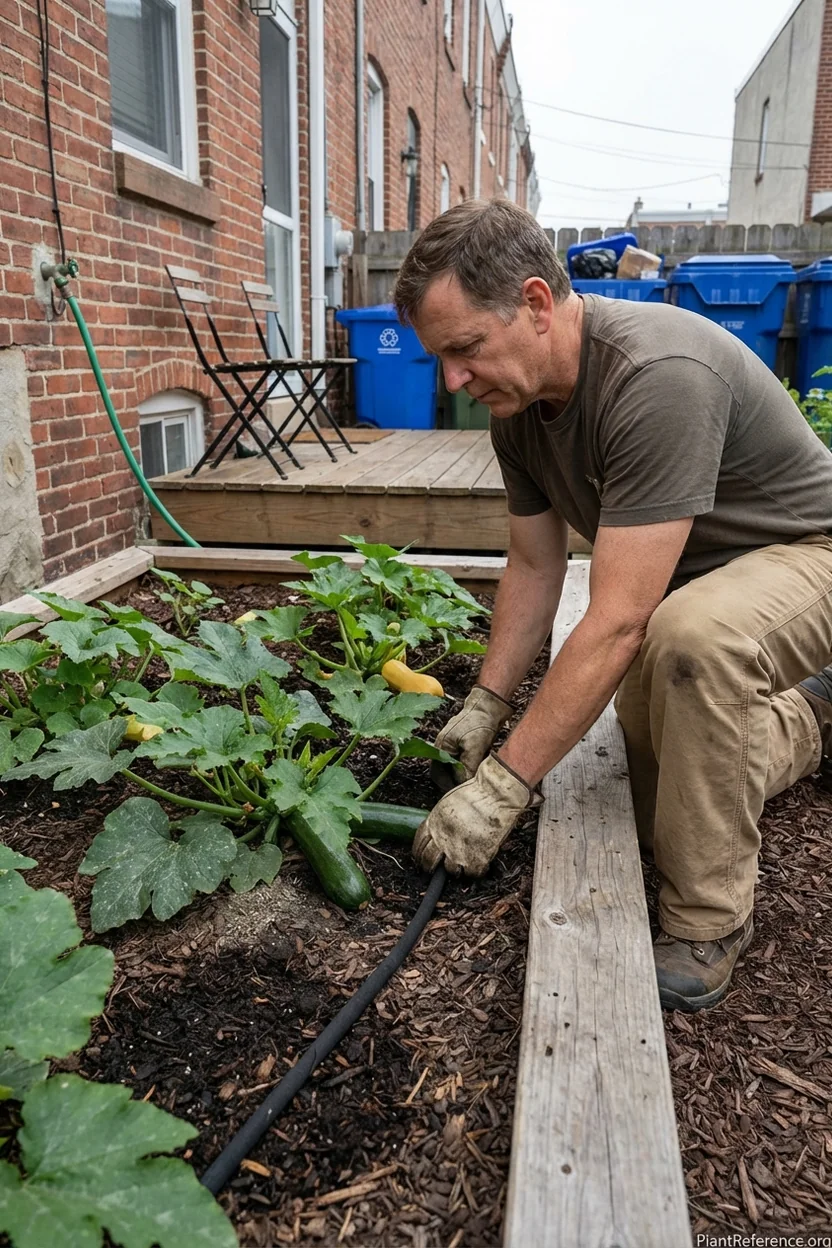
Irrigation Requirements: 1-1.5 inches (2.5-4 cm) weekly including rainfall. Use drip irrigation or soaker hoses to keep leaves dry and prevent disease issues common in our humid climate.
Critical Timing: Consistent moisture during fruit development prevents blossom end rot. Drought stress followed by heavy watering causes fruit cracking.
Pest and Disease Management
Philadelphia's location in the Mid-Atlantic brings specific pest pressures that require proactive management.
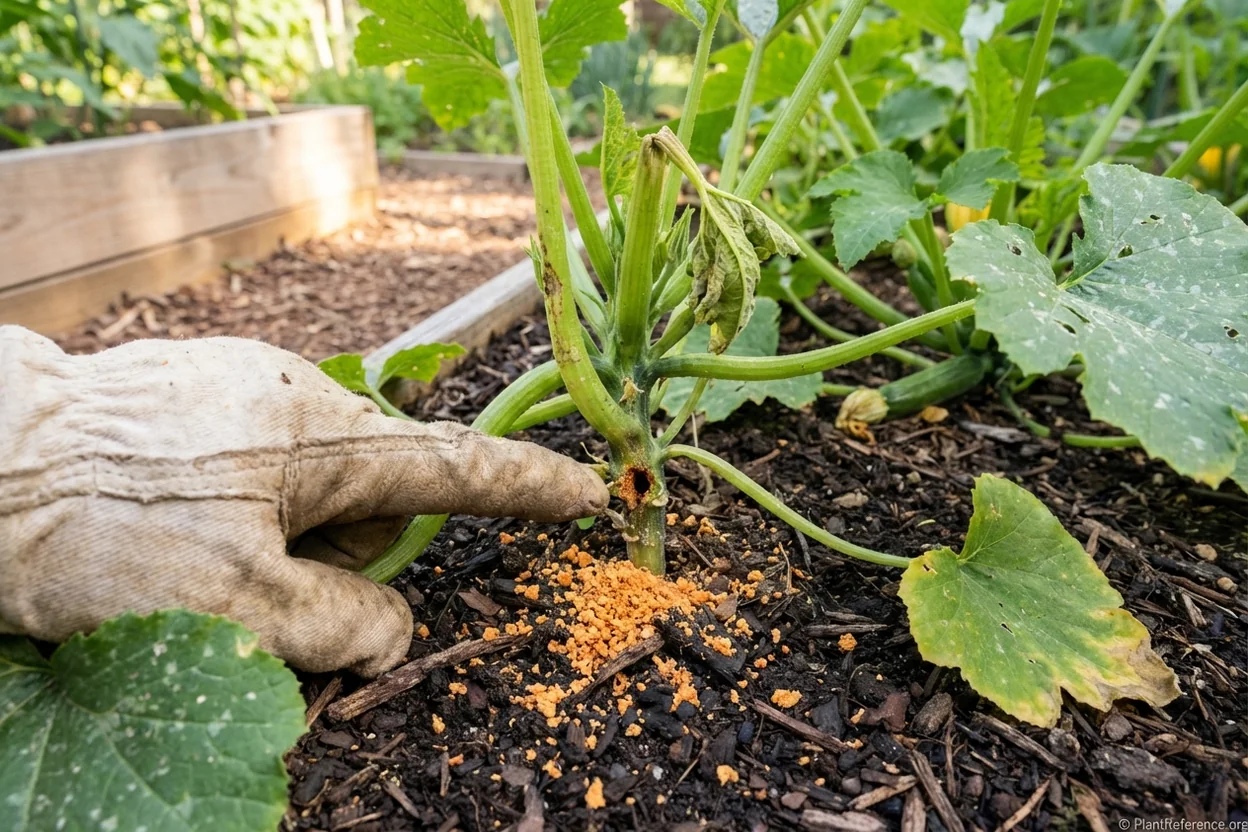
Squash Vine Borer: The primary threat to 🌿Cucurbita pepo 'Black Beauty' varieties (zucchini, acorn, spaghetti). Adult moths emerge in late June, laying eggs at stem bases. Look for orange eggs and remove immediately.
Prevention: Row covers until flowering begins, then remove for pollination. 🌿Cucurbita moschata 'Butternut' varieties resist borers due to solid stems.
Squash Bugs: Shield-shaped insects that inject toxins causing rapid wilting. Check undersides of leaves weekly for copper-colored egg clusters and destroy immediately.
Powdery Mildew: Philadelphia's August humidity creates perfect conditions. Ensure 4-foot (120 cm) spacing for air circulation and avoid overhead watering.
Troubleshooting Philadelphia-Specific Problems
Philadelphia gardeners face predictable challenges that proper planning prevents.
Problem: Late Spring Cold Snaps Our average April 9 last frost occasionally extends into late April, threatening early plantings.
Solution: Use row covers or individual plant protectors for unexpected cold. Remove immediately when temperatures rise above 85°F (29°C) to prevent overheating.
Problem: August Disease Pressure Philadelphia's humid August weather encourages powdery mildew and bacterial wilt.
Solution: Plant disease-resistant varieties, ensure proper spacing, and use drip irrigation. Remove affected plants immediately to prevent spread.
Problem: Urban Heat Island Effect City temperatures run 5-10°F (3-6°C) higher than surrounding areas, stressing plants.
Solution: Provide afternoon shade during July-August peak heat. Position plants to receive morning sun but afternoon protection from nearby structures.
Problem: Limited Garden Space Philadelphia's narrow rowhouse lots challenge large vining varieties.
Solution: Choose bush varieties or train vining types up sturdy trellises. One zucchini plant produces enough for most families.
Harvest and Storage
Philadelphia's extended season provides multiple harvest opportunities from quick summer squash to long-storing winter varieties.
Summer Squash Harvest
Begin harvesting 45-55 days after planting when fruits reach optimal size:
🌿Cucurbita pepo 'Black Beauty': 6-8 inches (15-20 cm) long
🌿Cucurbita pepo 'Pattypan': 2-3 inches (5-8 cm) diameter
🌿Cucurbita pepo 'Yellow Crookneck': 4-6 inches (10-15 cm) long
Daily Harvest Required: Summer squash grows rapidly in Philadelphia's July heat. Check plants daily and harvest immediately when fruits reach proper size. Oversized fruit becomes tough and stops further production.
Winter Squash Harvest
Harvest winter varieties when fully mature, indicated by hard rinds that resist fingernail pressure and dried, corky stems.
Harvest Timing by Variety:
🌿Cucurbita moschata 'Butternut': Mid to late September
🌿Cucurbita pepo 'Acorn': Late September to early October
Cucurbita maxima 'Kabocha': Mid to late October
Pre-Frost Harvest: Philadelphia's November 4 average first frost allows full maturation, but watch weather forecasts. Harvest all winter squash before hard frost threatens.
Curing and Storage
Philadelphia's moderate fall temperatures provide excellent curing conditions for winter squash.
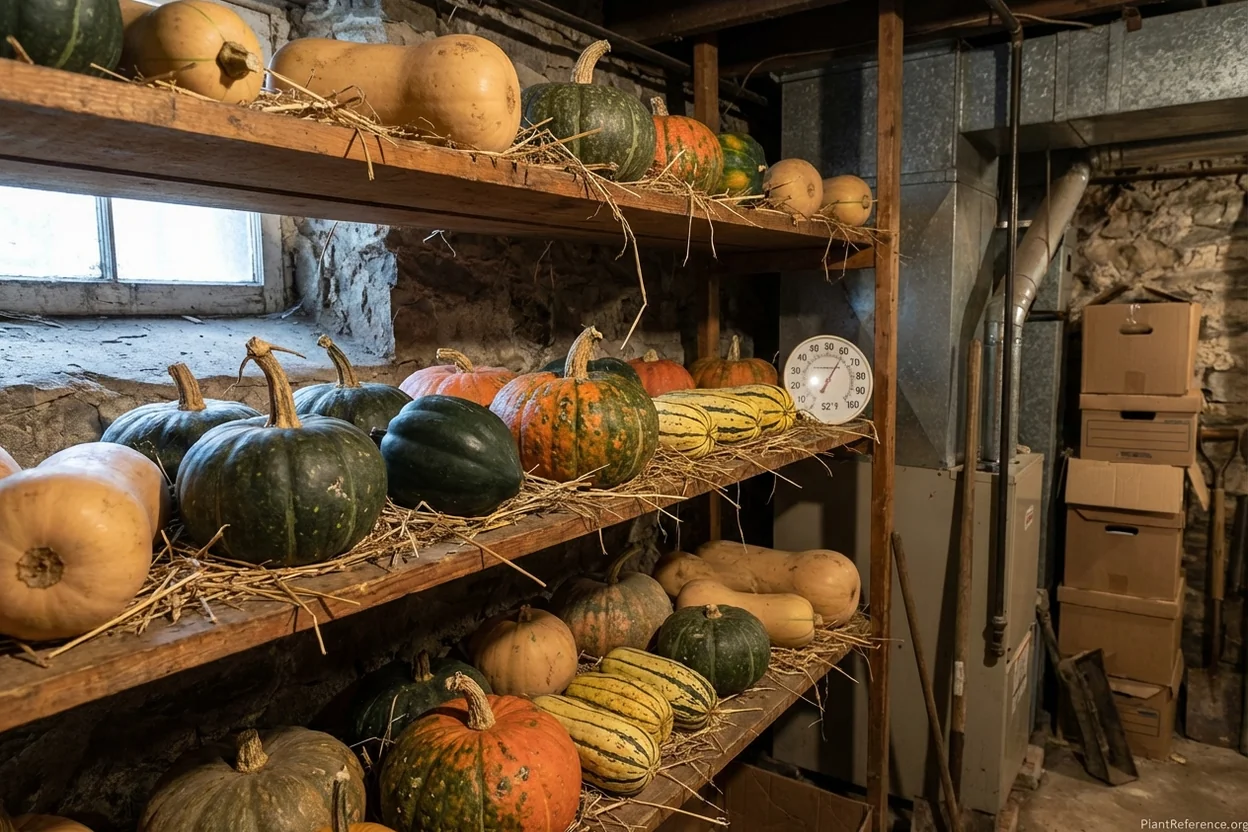
Curing Process: Place harvested winter squash in sunny location with good air circulation for 10-14 days. This hardens the skin and concentrates sugars for better flavor and longer storage.
Storage Conditions: Store cured winter squash at 50-55°F (10-13°C) with 50-70% humidity. Basements, unheated garages, or cool closets work well in Philadelphia homes.
Storage Duration:
🌿Cucurbita moschata 'Butternut': 4-6 months
Cucurbita maxima 'Kabocha': 4-5 months
🌿Cucurbita pepo 'Acorn': 4-8 weeks (don't cure)
🌿Cucurbita pepo 'Delicata': 2-3 months (don't cure)
Frequently Asked Questions
Reading about plants and recognising them are different skills. These three build the second.
- Daily PlantIdentify the day’s mystery plant from a close-up photograph.
- Keyed OutWork a dichotomous key, lead by lead, to name a hidden specimen.
- Name That PlantName a specimen from botanical clues dealt hardest first.
Free to play, no account needed
Dot grew up on a small farm in rural Virginia and has maintained a vegetable garden for decades. After retiring from teaching elementary school, she became a Master Gardener volunteer and spends her time mentoring new gardeners at community garden plots in Richmond. She's especially knowledgeable about heirloom varieties, seed saving, and traditional growing methods passed down from her grandmother. Dot's no-nonsense advice comes from extensive trial and error—she's seen every tomato disease, pest problem, and weather disaster imaginable. Her biggest pet peeve is gardeners who overcomplicate simple tasks. "Plants want to grow," she often says. "Your job is to not get in their way."