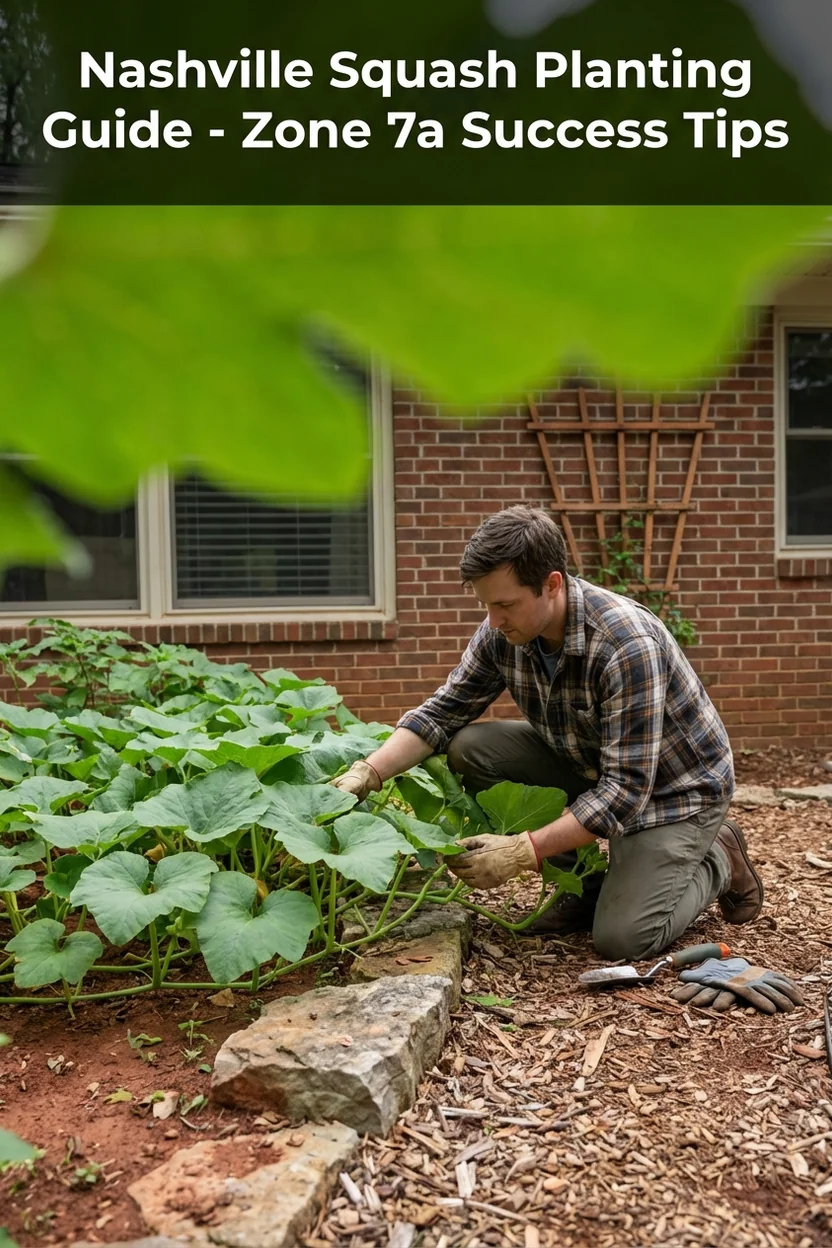
When to Plant Squash in Nashville: Complete Guide + Best Varieties for Zone 7a
Pets & Toxicity
Recorded toxicity for plants linked in this guide. An unknown status is not a safety assessment.
No linked plant is recorded as toxicDetailsHide
Cucurbita pepo 'Black Beauty' — Toxicity
Non-toxic as an edible cropView Cucurbita pepo 'Black Beauty' plant profileCucurbita pepo 'Yellow Crookneck' — Toxicity
Non-toxic as an edible cropView Cucurbita pepo 'Yellow Crookneck' plant profile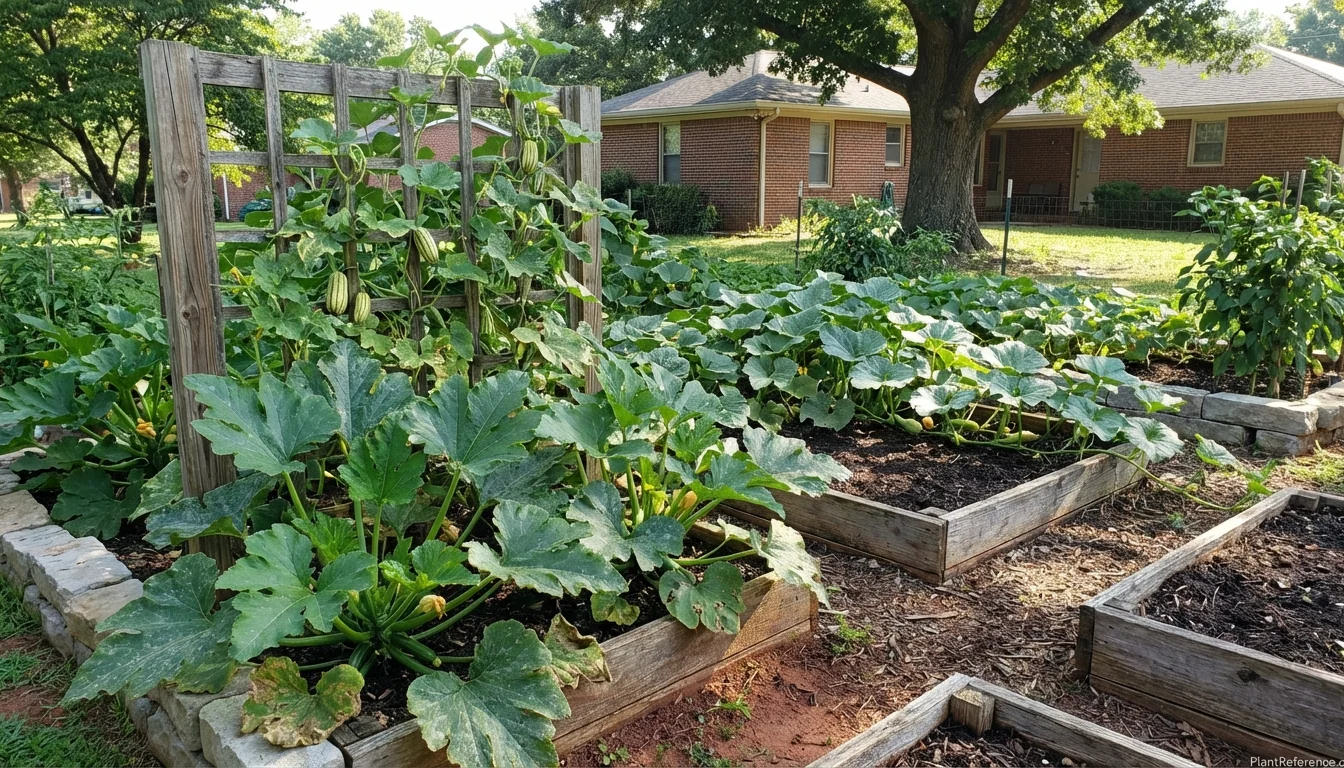
— Image © Plant Reference 2026
Planning when to plant squash in Nashville? You're in luck—Tennessee's Zone 7a climate provides excellent conditions for both summer and winter squash varieties. With Nashville's last frost date of April 9 and first frost around October 29, you have a generous 203-day growing season that supports everything from quick-producing zucchini to long-season storage butternut squash.
The key to successful squash growing in Nashville lies in understanding Tennessee's unique growing conditions: warm humid summers that favor rapid growth, occasional late spring cold snaps that can damage tender plants, and sufficient season length for even the longest-maturing winter varieties. I've been growing squash in Tennessee for over thirty years, and Nashville's climate consistently delivers excellent results when you time plantings correctly.
Best Squash Varieties for Nashville's Climate
Nashville's Zone 7a climate excels at growing all types of squash, but certain varieties perform exceptionally well in Tennessee's warm, humid conditions. Your 203-day season provides ample time for any variety to reach maturity, so focus on selecting varieties that handle Nashville's summer heat and humidity while producing the yields you want.
Variety | Days to Maturity | Best For | Notes for Nashville |
|---|---|---|---|
45-55 days | Quick harvest | Excellent heat tolerance for Tennessee summers | |
50-60 days | Continuous picking | Traditional Southern variety, handles humidity well | |
50-60 days | Small gardens | Compact bush perfect for Nashville yards | |
85-100 days | Long storage | Superior vine borer resistance crucial for Tennessee | |
Cucurbita pepo 'Table Queen' | 80-100 days | Fall harvest | Compact vines ideal for limited space |
80-100 days | Edible skin | Short storage life but excellent flavor | |
Cucurbita pepo 'Vegetable Spaghetti' | 88-100 days | Unique texture | Thrives in Nashville's warm season |
Cucurbita maxima 'Kabocha' | 95-110 days | Premium storage | Plant early for October harvest |
Summer Squash Champions for Tennessee
🌿Cucurbita pepo 'Black Beauty' zucchini stands as the undisputed champion for Nashville gardens. This variety handles Tennessee's intense summer heat better than most, continuing to produce even when temperatures reach 95°F (35°C). The bush habit keeps plants manageable in typical Nashville yards, spreading only 3-4 feet (90-120 cm) compared to sprawling winter squash vines.
🌿Cucurbita pepo 'Yellow Crookneck' represents a traditional Southern variety that's been thriving in Tennessee gardens for generations. The slightly warty, curved fruits handle Nashville's humidity without developing the soft spots that plague other varieties. Pick fruits at 4-6 inches (10-15 cm) long before the skin becomes too tough.
Winter Squash Success Stories
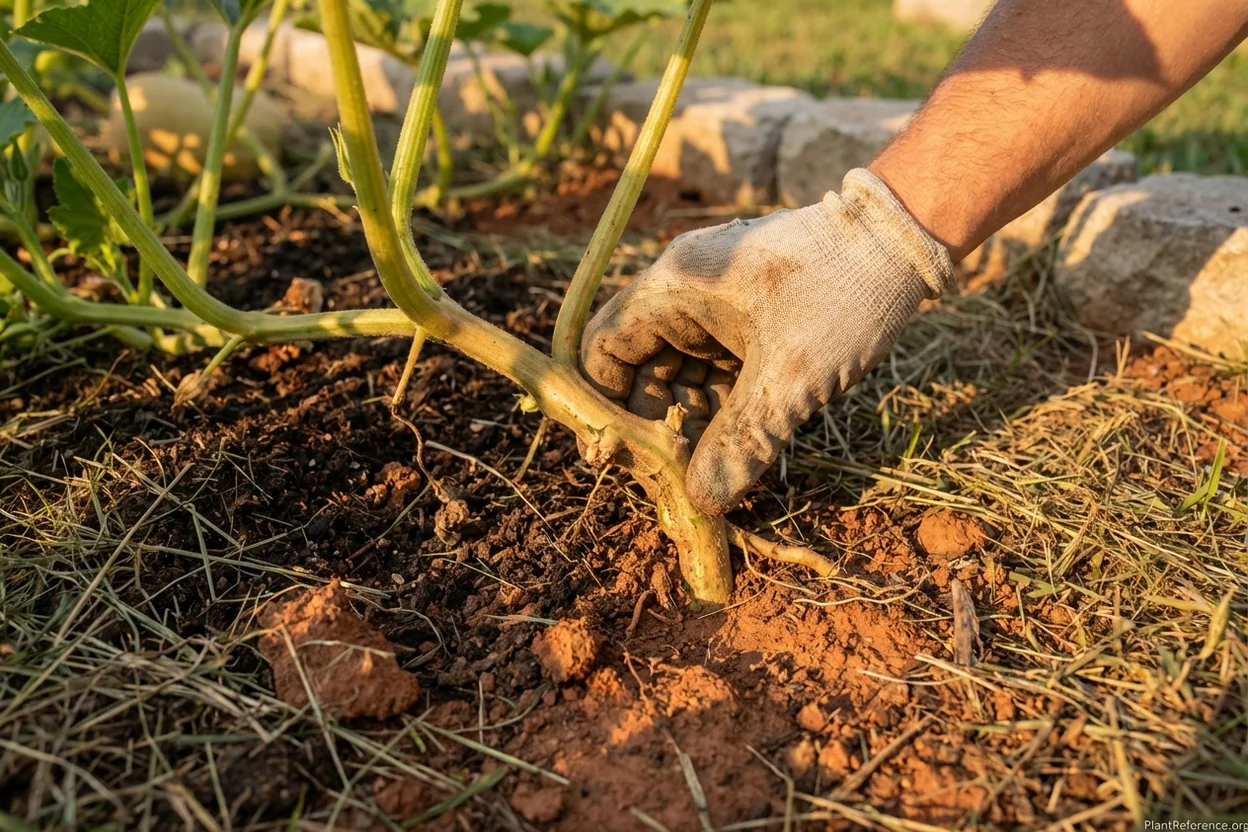
🌿Cucurbita moschata 'Butternut' proves invaluable in Nashville because of its solid stem structure that resists squash vine borer damage—a significant pest in Tennessee. These vines can sprawl 10-15 feet (3-4.5 m), so plant them where they can run or train them vertically on sturdy trellises.
Cucurbita maxima 'Kabocha' varieties produce exceptionally well in Nashville's climate, developing the high sugar content that makes them prized for cooking. However, these Japanese pumpkins require the full growing season, so plant by May 15 to ensure harvest before first frost.
Specific Planting Dates for Nashville
Nashville's planting schedule revolves around two critical dates: the April 9 average last frost and soil temperature reaching 60°F (16°C). Squash seeds won't germinate in cold soil, and seedlings are extremely sensitive to frost damage.
Direct Seeding Schedule
Optimal planting window: May 1-15
By May 1, Nashville soil typically reaches the crucial 60°F (16°C) threshold needed for reliable germination. Seeds planted before soil warms often rot rather than sprout. I recommend checking soil temperature with a probe thermometer at 2-inch (5 cm) depth for three consecutive morning readings.
Summer squash varieties: Plant May 1-June 15
Multiple succession plantings possible
Plant every 2-3 weeks for continuous harvest
Final planting by June 15 ensures production before extreme heat
Winter squash varieties: Plant May 1-15 only
Single planting per season
Early planting maximizes growing time for full maturity
Late plantings may not ripen before October 29 frost
Transplant Timeline
Indoor seed starting: April 1-15
Start seeds 3-4 weeks before transplant date
Use biodegradable pots to avoid root disturbance
Maintain soil temperature 70-75°F (21-24°C) for germination
Transplanting outdoors: May 1-15
Wait for consistent nighttime temperatures above 50°F (10°C)
Harden off transplants 7-10 days before planting
Use row covers if late cold snap threatens
Calculating Harvest Windows
Nashville's October 29 average first frost date helps determine planting deadlines:
Summer squash harvest: Mid-June through October
🌿Cucurbita pepo 'Black Beauty': First harvest June 15-July 1
Continuous production until frost kills vines
Winter squash harvest: September 15-October 25
🌿Cucurbita moschata 'Butternut': September 15-October 15 harvest
Cucurbita maxima 'Kabocha': October 1-25 harvest window
Complete Growing Guide for Nashville
Nashville's red clay soil and humid summers create specific growing requirements that differ from generic squash advice. Success depends on addressing Tennessee's unique soil challenges while maximizing the favorable climate.
Soil Preparation for Tennessee Clay
Nashville's heavy red clay requires significant amendment for successful squash production. Clay soil holds too much moisture, leading to seed rot and root problems, while also becoming rock-hard when dry.
Clay soil amendments:
Add 4-6 inches (10-15 cm) of compost or aged manure
Mix in coarse sand (not fine sand) at 25% by volume
Create raised beds 8-12 inches (20-30 cm) high for drainage
Target pH 6.0-6.8 using lime if needed
Drainage improvements:
Install French drains in low-lying areas
Plant on mounds or hills to elevate root zone
Avoid working soil when wet to prevent compaction
Planting Techniques for Nashville Conditions
Direct seeding method: 1. Plant seeds 1 inch (2.5 cm) deep in amended soil 2. Space summer squash 36 inches (90 cm) apart 3. Space winter squash 48-60 inches (120-150 cm) apart 4. Water thoroughly but allow soil surface to dry between waterings
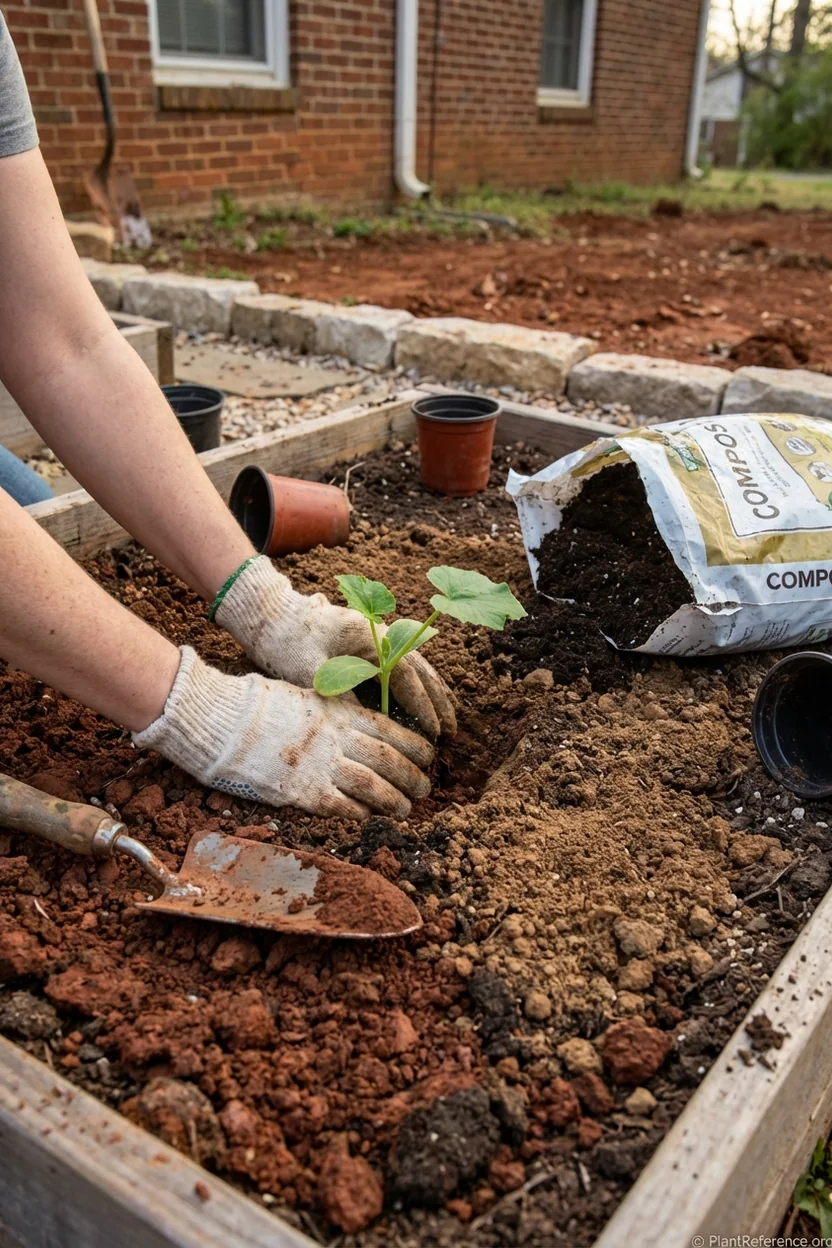
Transplant establishment: 1. Dig holes twice as wide as root ball 2. Plant at same depth as in containers 3. Water deeply immediately after planting 4. Apply 2-3 inch (5-7.5 cm) mulch layer around plants
Managing Nashville's Summer Heat and Humidity
Tennessee summers combine high temperatures with oppressive humidity, creating challenges for both plants and gardeners. Squash plants thrive in this heat once established but need protection during the hottest periods.
Heat stress prevention:
Provide afternoon shade during peak summer (July-August)
Use shade cloth 30-50% during heat waves above 95°F (35°C)
Maintain consistent soil moisture to support transpiration cooling
Mulch heavily to keep roots cool and conserve moisture
Humidity management:
Space plants wider than recommendations to improve air circulation
Avoid overhead watering that promotes fungal diseases
Remove lower leaves touching ground to prevent disease spread
Plant in full sun locations with good air movement
Fertilization Strategy for Tennessee Soil
Nashville's clay soil tends to be nutrient-rich but slow-releasing. Fertility management focuses on maintaining steady nutrition without promoting excessive vegetative growth that delays fruiting.
Pre-planting nutrition:
Incorporate 2-4 inches (5-10 cm) aged compost
Apply balanced fertilizer 10-10-10 at 2 pounds per 100 square feet
Add bone meal for phosphorus if soil test shows deficiency
Growing season feeding:
Side-dress summer squash every 3 weeks with nitrogen
Stop feeding winter squash after fruit set to promote ripening
Use liquid fertilizer every 2 weeks if growing in containers
Troubleshooting Nashville-Specific Problems
Tennessee's climate and geography create specific challenges that require targeted solutions. Understanding these regional issues helps prevent problems before they damage your crop.
Squash Vine Borer Management
This moth pest causes more squash failures in Nashville than any other problem. The clear-wing moths lay eggs at stem bases in June and July, with larvae boring into stems and causing sudden plant collapse.
Prevention strategies:
Plant butternut varieties with solid stems that resist boring
Use row covers until flowering begins (remove for pollination)
Wrap stem bases with aluminum foil to prevent egg laying
Time plantings to avoid peak egg-laying period in mid-summer
Treatment options:
Watch for frass (sawdust-like excrement) at stem base
Slit stems lengthwise with clean blade to remove larvae
Mound soil over wounded stems to encourage new root growth
Apply beneficial nematodes to soil in spring as preventive
Managing Tennessee Humidity Issues
Nashville's humid summers create perfect conditions for powdery mildew and other fungal diseases that can destroy squash plants seemingly overnight.
Disease prevention:
Choose resistant varieties when available
Water at soil level using drip irrigation or soaker hoses
Prune lower branches to improve air circulation
Apply preventive fungicide sprays during humid periods
Cultural controls:
Plant in full sun with good air movement
Space plants wider than minimum recommendations
Remove affected leaves immediately when spotted
Clean up all plant debris at season's end
Dealing with Squash Bugs
These shield-shaped pests become increasingly problematic as summer progresses, sucking plant sap and injecting toxins that cause yellowing and wilting.
Early detection:
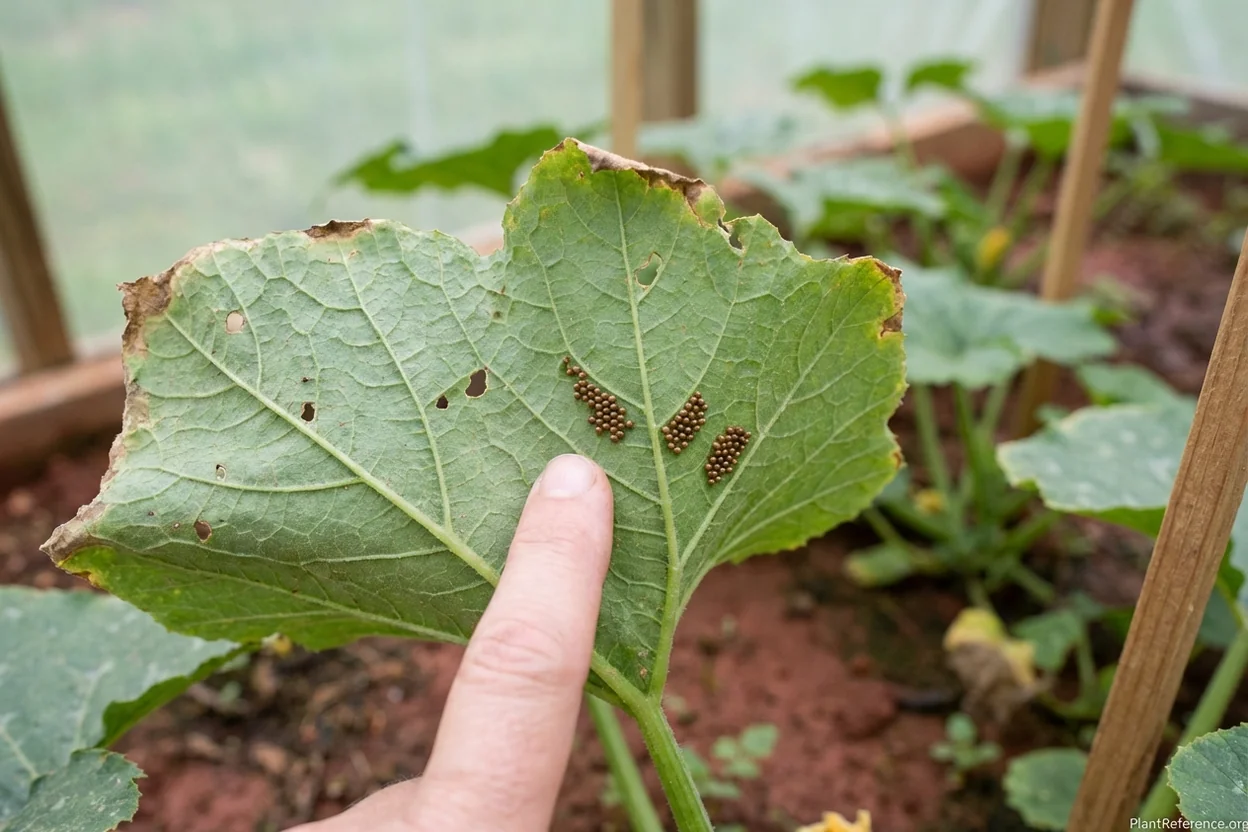
Check undersides of leaves weekly for copper-colored egg masses
Remove egg masses by scraping with fingernail or blade
Hand-pick adult bugs early morning when sluggish
Use boards as traps, collecting bugs that shelter underneath
Late Season Challenges
Nashville's extended growing season means plants face multiple stress periods, from early summer heat through late season cool-downs that can affect fruit ripening.
August heat stress:
Provide temporary shade during extreme heat waves
Increase watering frequency but not duration
Harvest summer squash frequently to keep plants productive
Consider replanting summer varieties for fall harvest
September ripening issues:
Stop watering winter squash to concentrate sugars
Remove excess foliage to direct energy into fruit ripening
Support heavy fruits off ground with boards or slings
Cover with fabric if early frost threatens unripe fruits
Harvest & Storage
Nashville's long growing season provides excellent harvest opportunities from mid-summer through late fall. Understanding proper harvest timing and storage techniques maximizes your investment in garden space and effort.
Summer Squash Harvest Timing
Summer varieties produce continuously from first harvest through frost, but quality depends on picking at the right stage. Nashville's heat can turn tender young squash into tough, seedy clubs within days.
Harvest indicators:
🌿Cucurbita pepo 'Black Beauty': 6-8 inches (15-20 cm) long, glossy skin
🌿Cucurbita pepo 'Yellow Crookneck': 4-6 inches (10-15 cm), skin easily pierced by fingernail
🌿Cucurbita pepo 'Pattypan': 2-3 inches (5-7.5 cm) diameter, tender skin
Storage guidelines:
Use fresh within 3-5 days of harvest
Store at 45-50°F (7-10°C) for maximum storage life
Avoid refrigerator temperatures below 40°F (4°C)—causes chilling injury
Winter Squash Harvest Protocol
Winter varieties require patience—harvest too early and they won't store properly, while waiting too long risks frost damage that ruins storage potential.
Maturity indicators:
Vines naturally dying back and turning brown
Stems becoming dry and corky
Skin hard enough to resist fingernail pressure
Fruits developing dull rather than glossy appearance
Harvest technique: 1. Cut stems with sharp knife, leaving 2-3 inches (5-7.5 cm) attached 2. Handle carefully to avoid bruising 3. Harvest before hard frost (before October 29 in Nashville) 4. Allow cut stems to dry in sun for several hours
Curing and Storage Success
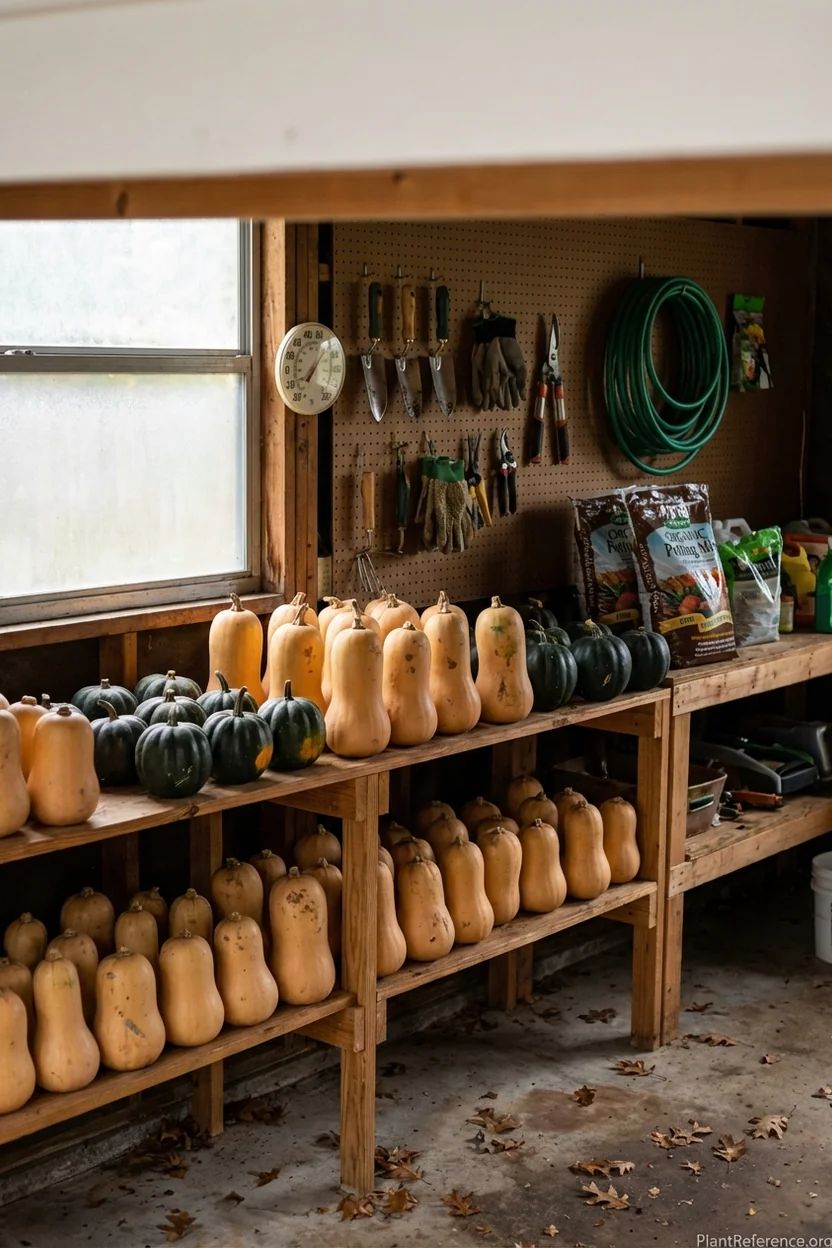
Proper curing transforms freshly harvested winter squash into long-storing food that improves in flavor over months. Nashville's climate provides good curing conditions in early fall.
Curing conditions:
Temperature: 80-85°F (27-29°C) for 10-14 days
Humidity: 80-85% relative humidity
Location: Covered but well-ventilated area (garage, covered porch)
Air circulation: Fan for gentle air movement
Long-term storage:
Temperature: 50-55°F (10-13°C) after curing
Humidity: 50-70% relative humidity
Location: Basement, root cellar, or unheated room
Expected storage life: 3-6 months depending on variety
Frequently Asked Questions
Reading about plants and recognising them are different skills. These three build the second.
- Daily PlantIdentify the day’s mystery plant from a close-up photograph.
- Keyed OutWork a dichotomous key, lead by lead, to name a hidden specimen.
- Name That PlantName a specimen from botanical clues dealt hardest first.
Free to play, no account needed
Dot grew up on a small farm in rural Virginia and has maintained a vegetable garden for decades. After retiring from teaching elementary school, she became a Master Gardener volunteer and spends her time mentoring new gardeners at community garden plots in Richmond. She's especially knowledgeable about heirloom varieties, seed saving, and traditional growing methods passed down from her grandmother. Dot's no-nonsense advice comes from extensive trial and error—she's seen every tomato disease, pest problem, and weather disaster imaginable. Her biggest pet peeve is gardeners who overcomplicate simple tasks. "Plants want to grow," she often says. "Your job is to not get in their way."