When to Plant Squash in Minneapolis: Complete Guide + Best Varieties for Zone 4a
Pets & Toxicity
Recorded toxicity for plants linked in this guide. An unknown status is not a safety assessment.
Toxic to pets: fiddle leaf figDetailsHide
Cucurbita pepo 'Black Beauty' — Toxicity
Non-toxic as an edible cropView Cucurbita pepo 'Black Beauty' plant profileCucurbita pepo 'Yellow Crookneck' — Toxicity
Non-toxic as an edible cropView Cucurbita pepo 'Yellow Crookneck' plant profile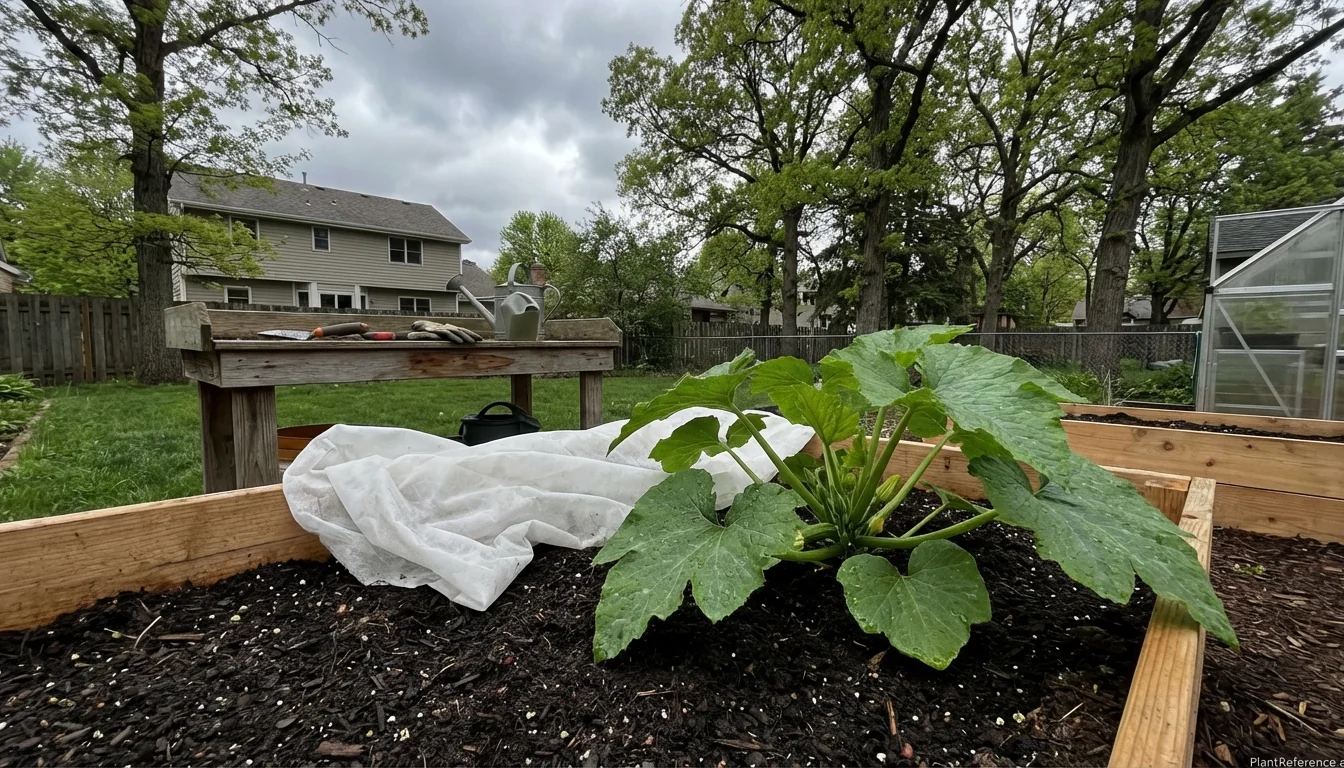
— Image © Plant Reference 2026
Growing squash in Minneapolis means working with Minnesota's short 138-day growing season and Zone 4a climate realities. I've been gardening here for forty years, and I'll tell you what works: timing is everything, variety selection is critical, and you can't fight Mother Nature.
The fiddle leaf fig 🌿Ficus lyrata might be popular indoors, but outdoors in Minneapolis, squash varieties like 🌿Cucurbita pepo 'Black Beauty' and 🌿Cucurbita pepo 'Delicata' are your reliable producers. Our short season from May 14 to September 29 means careful planning—there's no room for mistakes when you've got only 138 frost-free days.
Best Squash Varieties for Minneapolis's Climate
Minneapolis gardeners must choose varieties that mature within our 138-day window. Not all squash varieties will work here—I learned this the hard way trying to grow long-season Butternut varieties that never ripened before frost.
Variety | Days to Maturity | Best For | Notes for Minneapolis |
|---|---|---|---|
45-55 days | Quick harvest | Perfect for Zone 4a short season | |
50-60 days | Small gardens | Bush type, space efficient | |
50-60 days | Continuous picking | Heat tolerant for hot summers | |
80-90 days | Winter storage | Fastest winter squash variety | |
85-95 days | Fall harvest | Reliable in short seasons | |
Cucurbita maxima 'Kabocha' | 95-105 days | Long storage | Start indoors, transplant required |
Summer Squash Varieties (Recommended)
Summer squash varieties mature quickly and produce continuously, making them ideal for Minneapolis gardens. These bush-type plants stay compact and don't require extensive space.
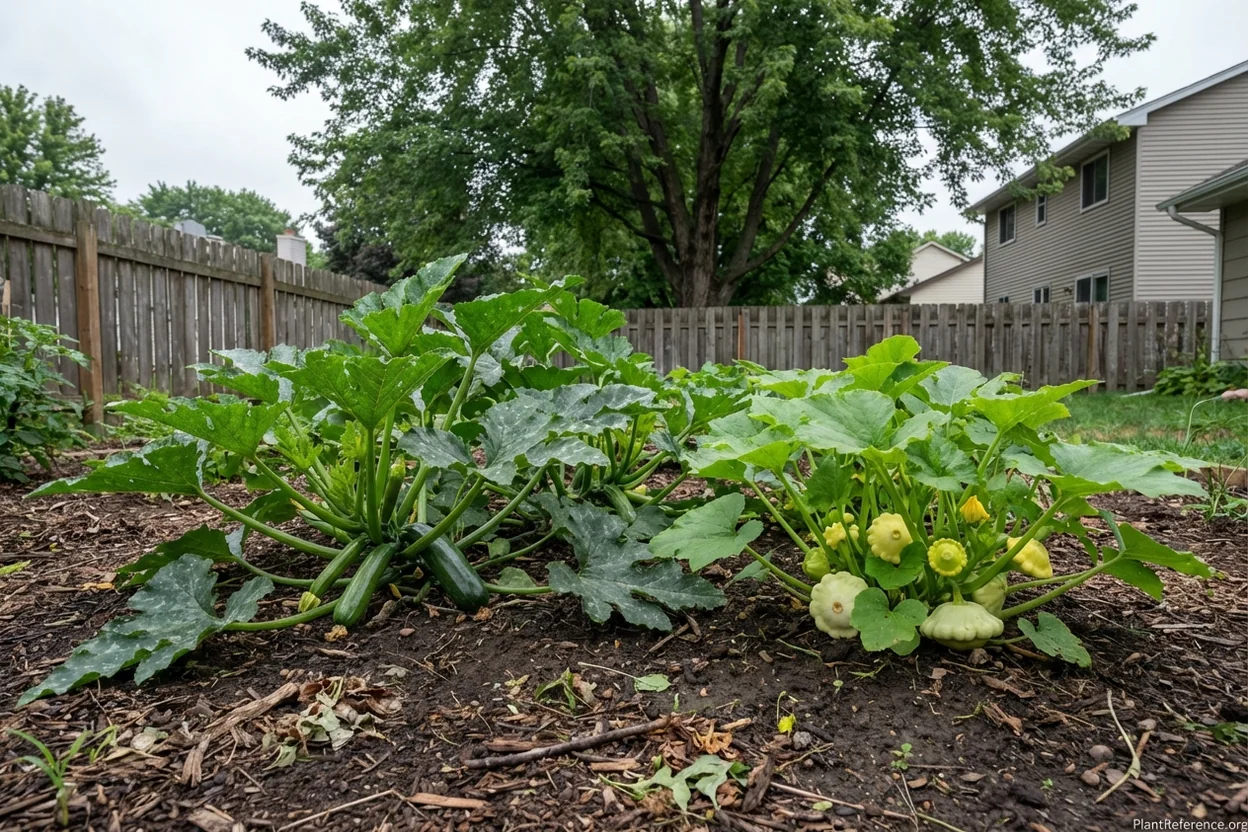
🌿Cucurbita pepo 'Black Beauty' zucchini is my top recommendation for Minneapolis gardeners. At 45-55 days to maturity, it produces before our sometimes-early fall frosts. One plant yields 8-12 pounds of zucchini throughout the summer, easily feeding a family of four.
🌿Cucurbita pepo 'Pattypan' varieties mature in 50-60 days and offer unique scalloped-edge fruits perfect for stuffing. These compact bush plants spread only 3-4 feet (90-120 cm), making them excellent for smaller Minneapolis city lots.
Winter Squash Varieties (Limited Selection)
Winter squash varieties require longer growing seasons, limiting Minneapolis gardeners to early-maturing types. These varieties must be started indoors to maximize the growing window.
🌿Cucurbita pepo 'Delicata' is the most reliable winter squash for Minneapolis, maturing in 80-90 days. Its cream-colored skin with green stripes makes identification easy, and the flesh has a sweet, nutty flavor that stores 2-3 months.
🌿Cucurbita pepo 'Acorn' varieties mature in 85-95 days and store well through winter. Table Queen is the standard variety, producing dark green ribbed fruits that cure to nearly black skin.
Avoid These Varieties in Minneapolis:
🌿Cucurbita moschata 'Butternut' requires 100+ days
Large pumpkin varieties need 110+ days
🌿Cucurbita maxima 'Hubbard' types mature too late
Specific Planting Dates for Minneapolis
Minneapolis's last frost date of May 14 and first frost date of September 29 create a narrow planting window. Here are the exact dates that work in our Zone 4a climate:
Summer Squash Planting Schedule
Direct Sowing (Recommended):
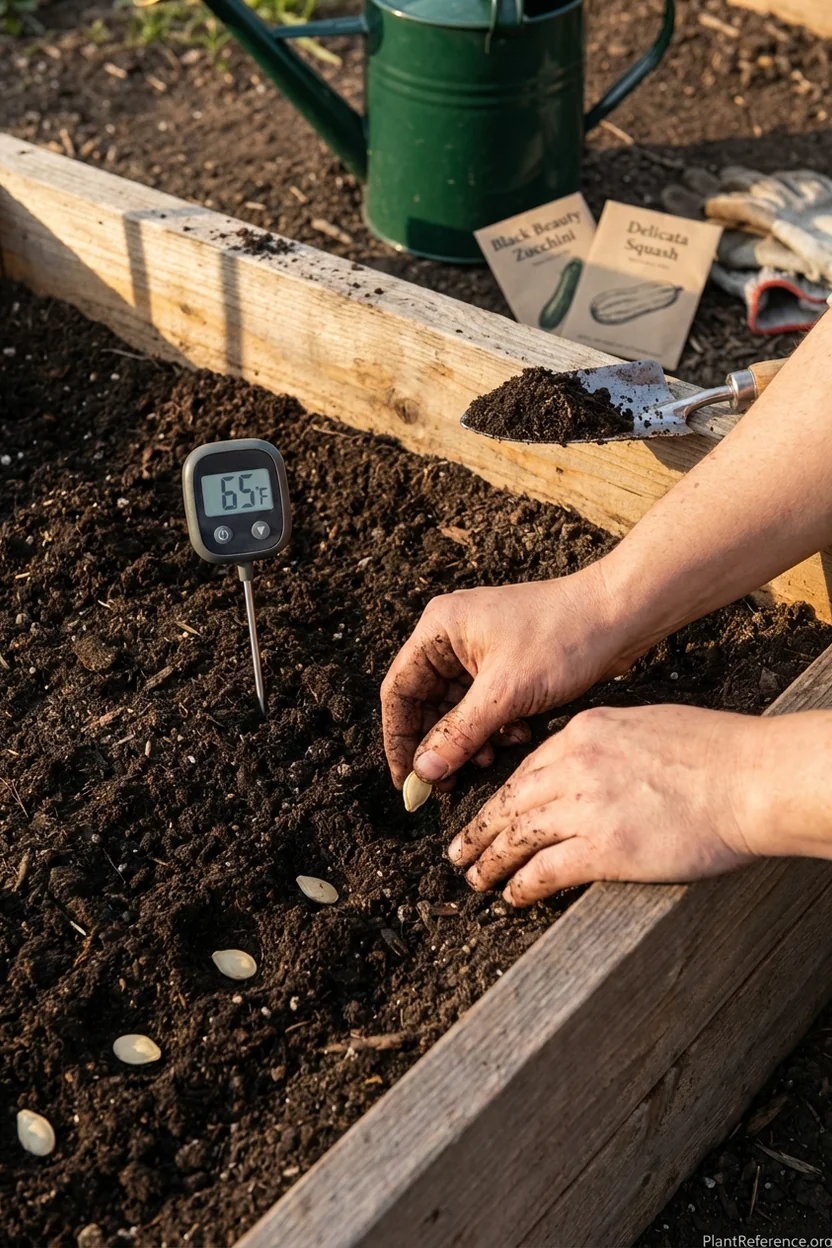
Plant outdoors: May 20-June 1
Soil temperature: Wait until 65°F (18°C) consistently
Final planting date: July 15 for September harvest
Indoor Starting (Optional):
Start seeds: May 1-7
Transplant: May 20-25
Use biodegradable pots to avoid root disturbance
Winter Squash Planting Schedule
Indoor Starting (Required for long-season varieties):
Start seeds: April 20-30
Transplant: May 25-June 5
Final planting date: June 1 (absolute latest)
Direct Sowing (Short-season varieties only):
Plant 🌿Cucurbita pepo 'Delicata': May 20-25
Plant 🌿Cucurbita pepo 'Acorn': May 15-20
Soil temperature: 65°F (18°C) minimum
Monthly Planning Calendar
April: Start winter squash seeds indoors April 20-30. Prepare garden beds when soil can be worked.
May: Transplant winter squash May 25-June 5. Direct sow summer and winter squash after May 20.
June: Complete all squash planting by June 1. Begin weekly harvest of summer varieties by mid-July.
July-August: Harvest summer squash continuously. Monitor winter squash vine health and fruit development.
September: Harvest winter squash before September 29 frost. Cure winter varieties properly for storage.
Complete Growing Guide for Minneapolis
Soil Preparation and Site Selection
Minneapolis clay soil requires amendment for successful squash growing. I add 2-3 inches (5-8 cm) of compost annually to improve drainage and fertility—squash plants are heavy feeders and our clay holds too much moisture without organic matter.
Choose the sunniest, warmest location in your garden. South-facing slopes or areas protected from north winds extend the growing season by 7-10 days. In Minneapolis, every warm day counts when you're working with a 138-day window.
Soil Requirements:
pH: 6.0-6.8 (test annually)
Drainage: Well-draining (raised beds recommended)
Temperature: 65°F (18°C) minimum at planting
Organic matter: 25-30% by volume
Spacing and Layout Strategies
Proper spacing prevents disease issues common in Minneapolis's humid summers while maximizing production in limited space.
Summer Squash Spacing:
Bush varieties: 3 feet (90 cm) apart
Between rows: 4 feet (120 cm)
Container growing: One plant per 20-gallon container
Winter Squash Spacing:
Vining varieties: 4-6 feet (120-180 cm) apart
Between rows: 6-8 feet (180-240 cm)
Vertical growing: Use sturdy trellises for smaller varieties
Fertilization Schedule
Minneapolis squash plants need consistent nutrition throughout the growing season. Our short season means plants must grow vigorously from day one.
Pre-Planting: Mix 2-3 inches (5-8 cm) compost and balanced fertilizer (10-10-10) into planting area.
Side-Dressing Schedule:
3 weeks after planting: Apply balanced fertilizer around plants
At flowering: Switch to low-nitrogen, high-phosphorus fertilizer
Summer squash: Continue monthly feeding through harvest
Winter squash: Stop feeding 6 weeks before expected harvest
Watering and Mulching
Consistent moisture is critical for squash success, especially during Minneapolis's sometimes dry summers. Inconsistent watering causes blossom end rot and bitter-flavored fruits.
Watering Guidelines:
Deep watering: 1-2 inches (2.5-5 cm) weekly
Drip irrigation preferred to prevent foliar diseases
Morning watering allows leaves to dry before evening
Reduce watering as winter squash approaches maturity
Mulching Strategy:
Apply 3-4 inches (8-10 cm) organic mulch after soil warms
Keep mulch 3 inches (8 cm) from plant stems
Use straw, shredded leaves, or grass clippings
Mulch conserves moisture and suppresses weeds
Season Extension Techniques
Maximizing Minneapolis's short growing season requires strategic season extension methods.
Spring Protection:
Row covers when temperatures drop below 50°F (10°C)
Wall-of-water protection for early plantings
Black plastic mulch to warm soil faster
Cloches for individual plant protection
Fall Protection:
Row covers when frost threatens before harvest
Harvest green winter squash and cure indoors
Cut mature winter squash with stems, cure in warm garage
Pick all summer squash before first frost
Troubleshooting Minneapolis-Specific Problems
Squash Vine Borers
Squash vine borers are the primary pest threat in Minneapolis, typically appearing in late June through July. These clear-wing moths lay eggs at the base of squash stems.
Identification: Look for small holes at stem base with sawdust-like frass (excrement) around the opening. Plants wilt suddenly despite adequate moisture.
Prevention:
Row covers until flowering begins (remove for pollination)
Wrap stem bases with aluminum foil
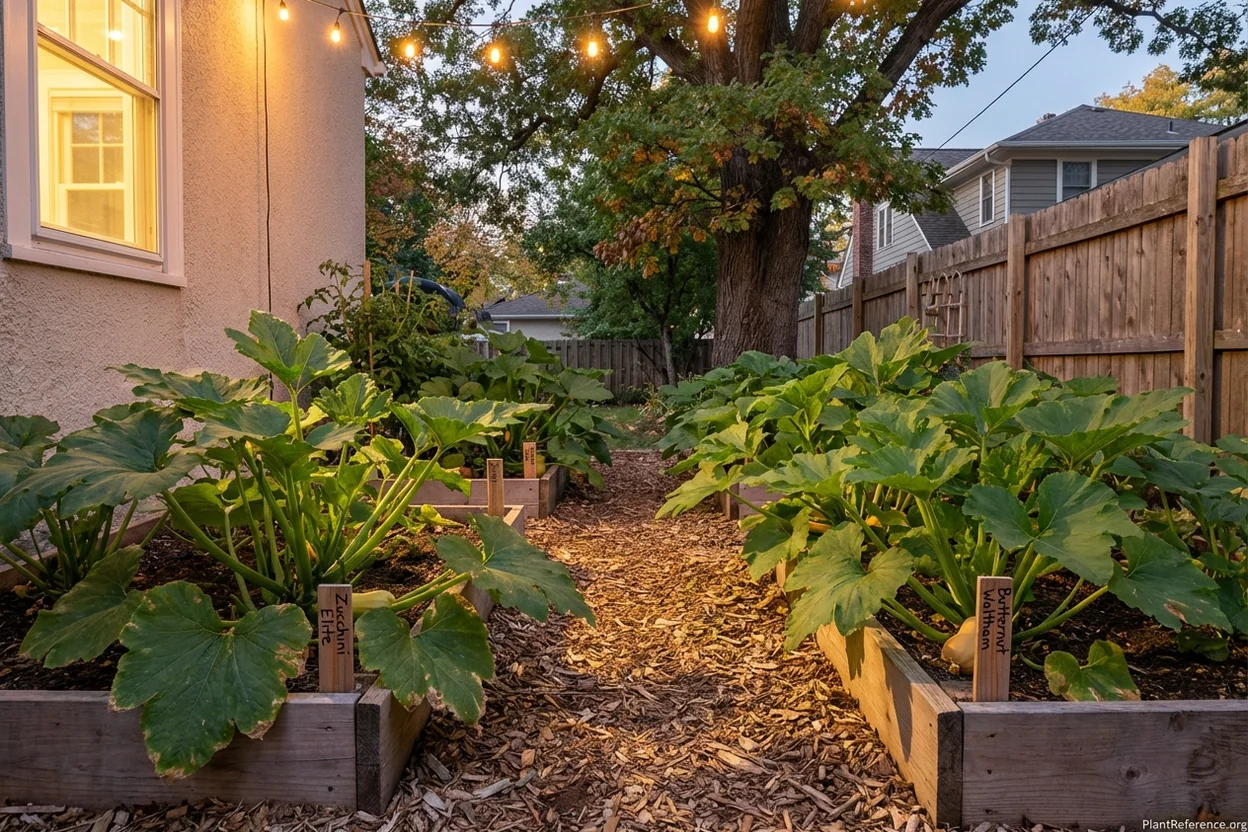
Plant resistant 🌿Cucurbita moschata 'Waltham Butternut' varieties like Butternut
Treatment: Slit stem lengthwise with clean knife, remove white larvae, mound soil over wound to encourage new roots.
Powdery Mildew
Minneapolis's humid summers create ideal conditions for powdery mildew, especially late in the season. This white fungal coating appears on leaves and stems.
Prevention:
Ensure proper air circulation with adequate spacing
Water at soil level, not on leaves
Choose resistant varieties when possible
Remove affected leaves promptly
Treatment: Spray with baking soda solution (1 tablespoon per gallon) or neem oil every 7-10 days.
Poor Fruit Set
Cool, cloudy Minneapolis springs can result in poor pollination and fruit set issues.
Causes:
Lack of pollinators during cool weather
Only male flowers present (normal early in season)
Excessive nitrogen causing all foliage, no flowers
Solutions:
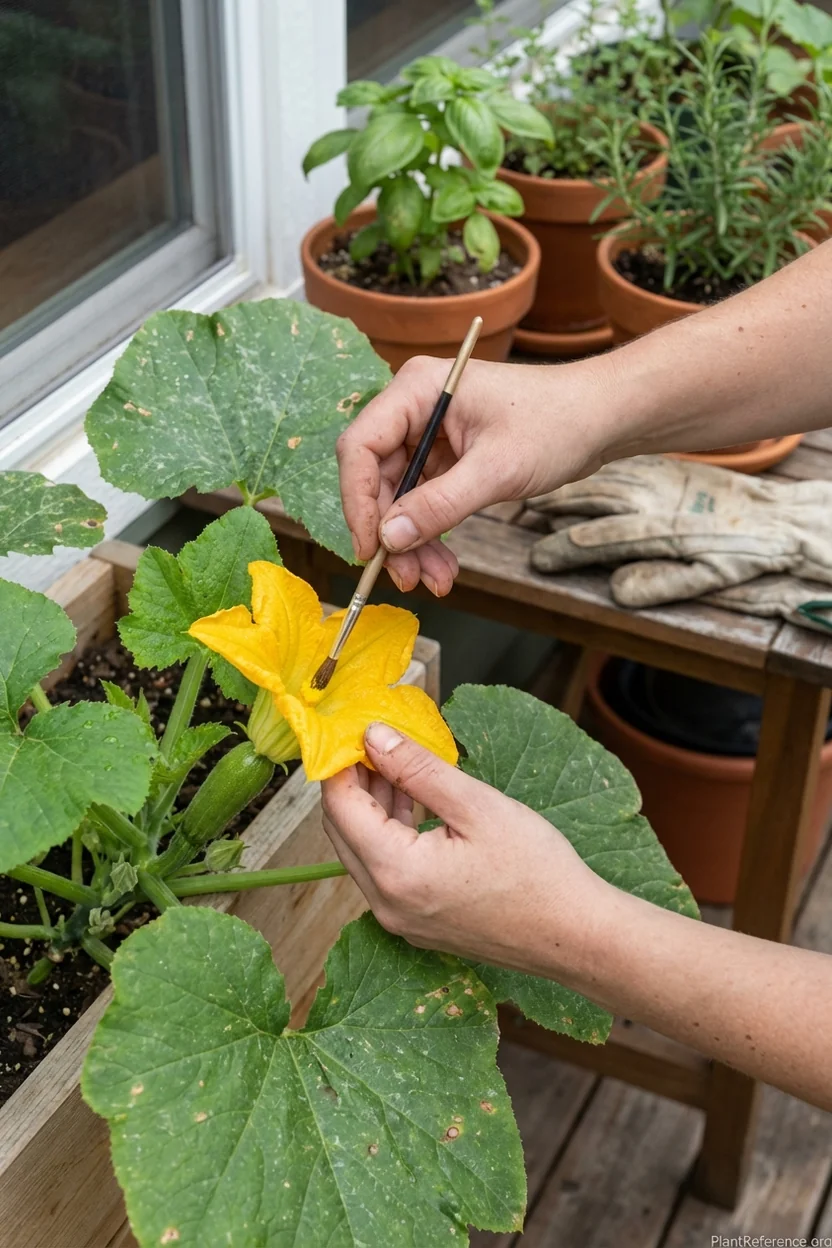
Hand pollinate using small brush or male flowers
Reduce nitrogen fertilizer if plants are overly vigorous
Be patient—female flowers appear 1-2 weeks after males
Blossom End Rot
Blossom end rot appears as dark, sunken spots on the blossom end of developing squash fruits. This physiological disorder results from calcium deficiency, often caused by inconsistent watering.
Prevention:
Maintain consistent soil moisture
Test soil pH (should be 6.0-6.8 for calcium availability)
Add calcium sulfate (gypsum) to soil if needed
Mulch to maintain even soil moisture
Treatment: Remove affected fruits and improve watering consistency. Future fruits should be normal if moisture is maintained.
Harvest & Storage
Summer Squash Harvest
Summer squash varieties produce continuously when harvested regularly. Pick fruits when small and tender for best flavor and continued production.
Harvest Guidelines:
🌿Cucurbita pepo 'Black Beauty': 6-8 inches (15-20 cm) long
🌿Cucurbita pepo 'Pattypan': 3-4 inches (8-10 cm) diameter
🌿Cucurbita pepo 'Yellow Crookneck': 4-6 inches (10-15 cm) long
Harvest every 2-3 days during peak production
Cut stems with knife rather than pulling
Storage: Summer squash stores 7-10 days refrigerated. Freeze grated zucchini for winter baking, or preserve as pickles or relishes.
Winter Squash Harvest and Curing
Winter squash must reach full maturity before Minneapolis's first frost. Harvest timing is critical for proper storage life.
Harvest Indicators:
Stem becomes dry and corky
Skin hardens (fingernail cannot puncture)
Color deepens and becomes dull
Vines begin dying back naturally
Curing Process:
Cure in warm, dry location (80-85°F/27-29°C) for 10-14 days
Ensure good air circulation around fruits
Do not cure 🌿Cucurbita pepo 'Acorn' varieties (store immediately)
Handle carefully to avoid bruising
Storage Conditions:
Temperature: 50-55°F (10-13°C)
Humidity: 50-70%
Good air circulation
Check monthly, use damaged fruits first
Expected storage life: 2-6 months depending on variety
Frequently Asked Questions
Reading about plants and recognising them are different skills. These three build the second.
- Daily PlantIdentify the day’s mystery plant from a close-up photograph.
- Keyed OutWork a dichotomous key, lead by lead, to name a hidden specimen.
- Name That PlantName a specimen from botanical clues dealt hardest first.
Free to play, no account needed
Amanda came to gardening through an unexpected route—after developing chronic pain from rheumatoid arthritis in her late 20s, she started researching adaptive gardening techniques that would allow her to continue growing plants without aggravating her condition. Now based in Minneapolis, she writes about accessible gardening, raised bed designs for people with mobility challenges, and ergonomic tools that reduce strain. Amanda completed a certificate in sustainable urban agriculture and volunteers with a nonprofit that builds accessible community gardens. She grows vegetables, herbs, and flowers in waist-high raised beds she designed herself. Her writing focuses on practical solutions that work for real people with real limitations—whether that's arthritis, limited mobility, or just a bad back.