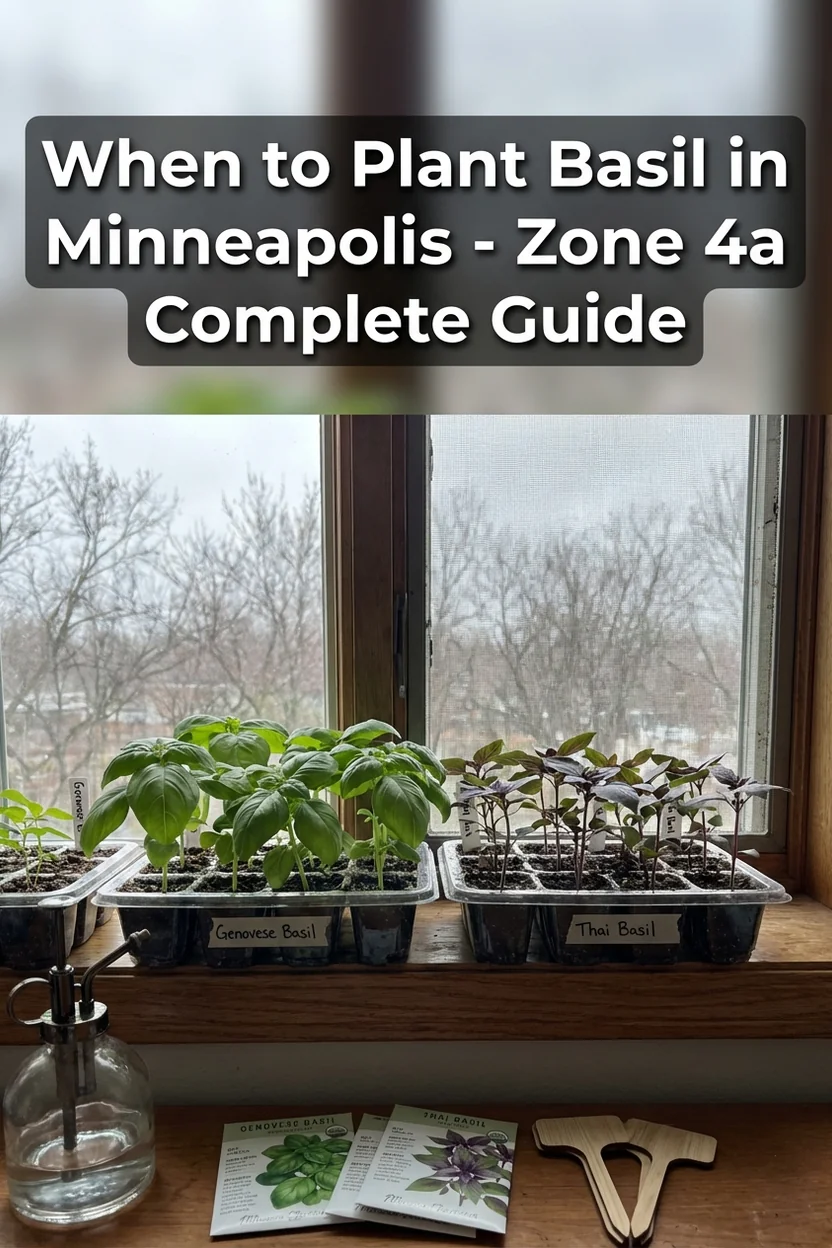
When to Plant Basil in Minneapolis: Complete Guide + Best Varieties for Zone 4a
Pets & Toxicity
Recorded toxicity for plants linked in this guide. An unknown status is not a safety assessment.
No linked plant is recorded as toxicDetailsHide
Ocimum basilicum 'Purple Ruffles' — Toxicity
Non-toxicView Ocimum basilicum 'Purple Ruffles' plant profile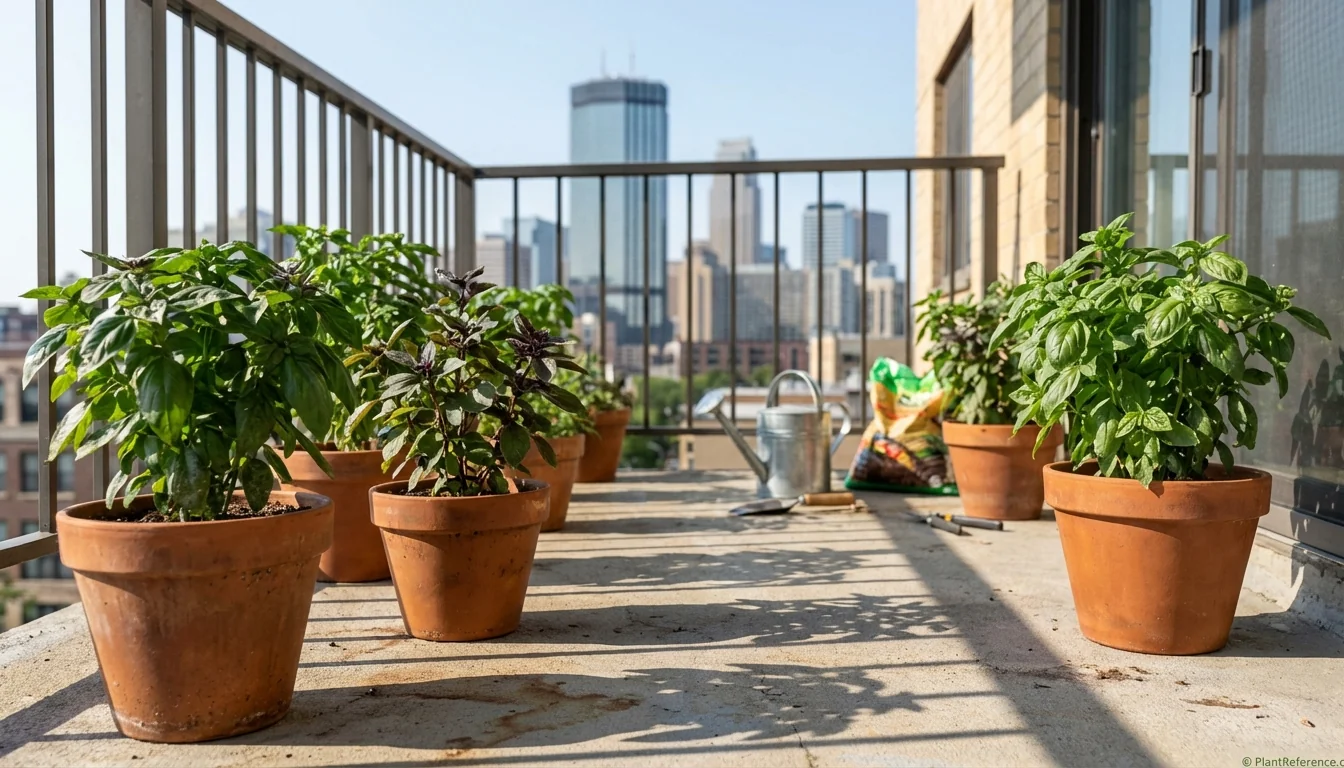
— Image © Plant Reference 2026
Growing basil in Minneapolis requires precise timing and variety selection to succeed in Zone 4a's challenging climate. With only 138 frost-free days between May 15 and September 30, Minneapolis gardeners must maximize every day of the growing season.
Introduction: Growing Basil in Minneapolis's Zone 4a
Minneapolis's Zone 4a climate presents unique challenges for basil cultivation. The last spring frost typically occurs around May 15, while the first fall frost arrives by September 30, creating a compressed 138-day growing season. Unlike gardeners in warmer zones who can direct sow basil seeds, Minneapolis growers must start seeds indoors to ensure harvest before winter.
The key to success lies in understanding that basil 🌿Ocimum basilicum 'Genovese' (OH-see-mum bah-SIL-ih-kum) is extremely frost-sensitive and requires soil temperatures above 60°F (15°C) for proper growth. Cold soil below 50°F (10°C) causes permanent stunting and leaf blackening, even if air temperatures are comfortable.
Minnesota's continental climate brings additional considerations: late spring soil warming, potential late frosts, and rapidly cooling fall temperatures. However, Minneapolis's urban heat island effect and abundant summer sunshine create excellent growing conditions once the season begins.
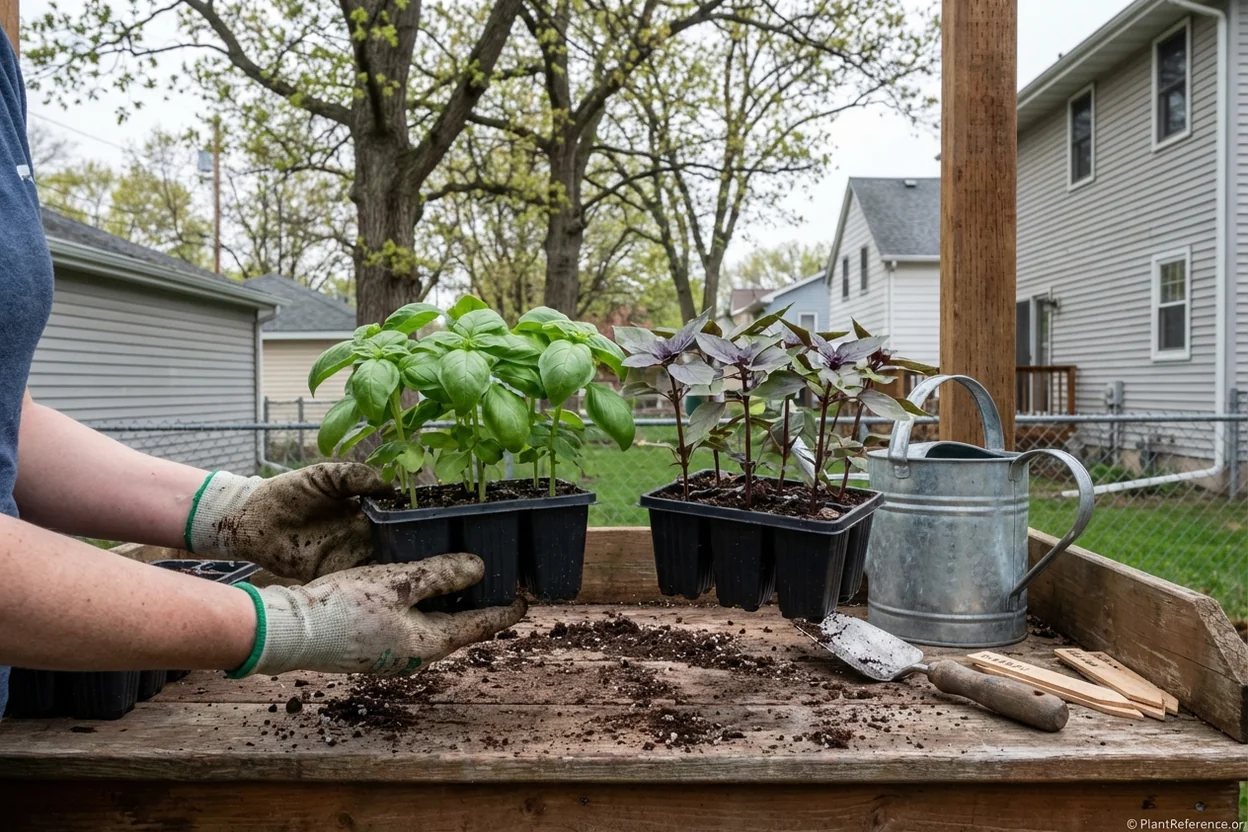
Best Basil Varieties for Minneapolis's Climate
Minneapolis's short growing season demands careful variety selection. Not all basil cultivars can mature reliably in 138 days, especially when accounting for transplant establishment time.
Most Reliable Varieties for Zone 4a
Variety | Days to Maturity | Best For | Notes for Minneapolis |
|---|---|---|---|
60-75 days | Pesto production | Most reliable in Zone 4a, heat-tolerant | |
65-85 days | Asian cooking | Heat-tolerant, pinch flowers frequently | |
60-75 days | Teas, desserts | Compact habit perfect for containers | |
70-85 days | Ornamental cooking | Requires full sun for color retention | |
60-70 days | Small spaces | Naturally compact, no pinching needed |
🌿Ocimum basilicum 'Genovese' remains the top choice for Minneapolis gardeners. Its 60-75 day maturity allows two full harvests before frost, and its heat tolerance handles Minnesota's hot summers. The large leaves provide maximum harvest per plant.
🌿Ocimum basilicum 'Thai' thrives in Minneapolis's summer heat but requires vigilant flower removal to prevent early bolting. Its anise flavor intensifies in hot weather, making it excellent for Southeast Asian dishes.
🌿Ocimum basilicum 'Lemon' offers citrus notes perfect for herb teas and seafood dishes. Its compact 18-inch height makes it ideal for container growing on patios or balconies.
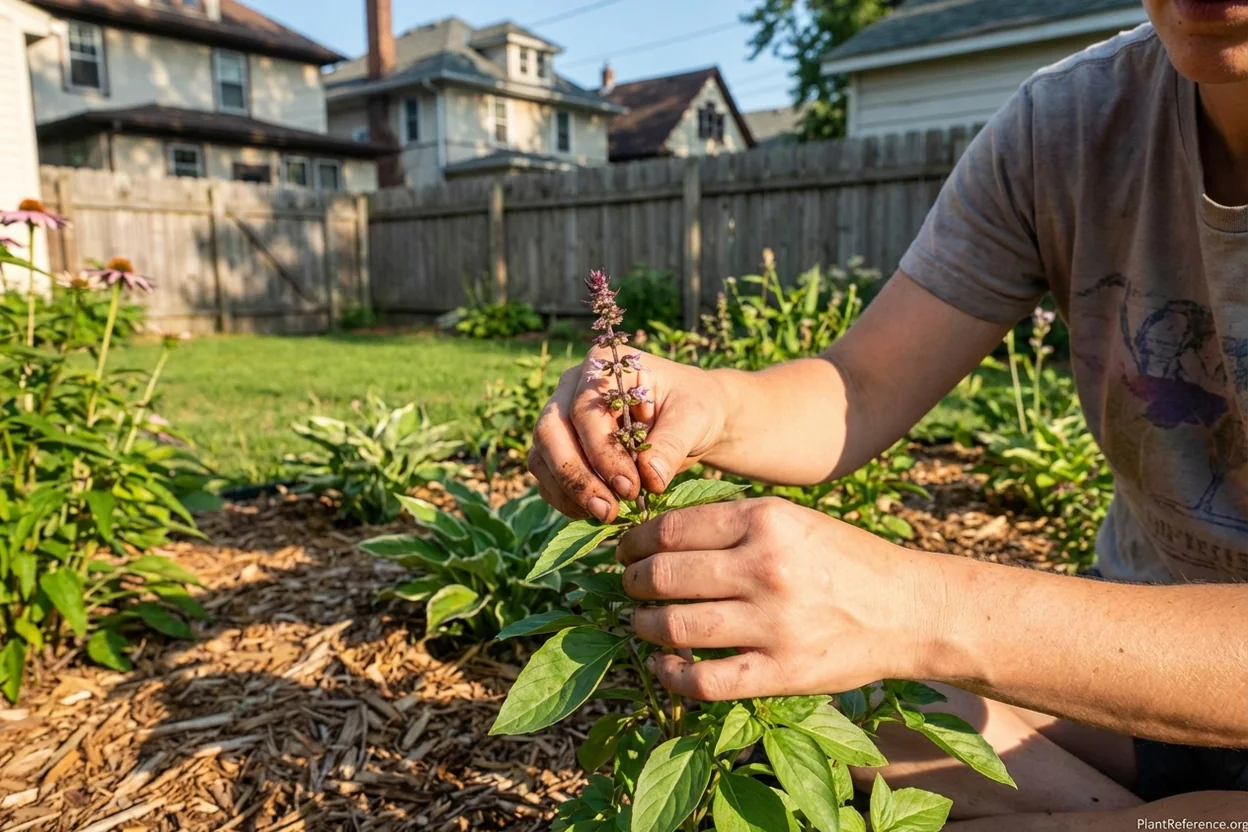
Purple varieties like 🌿Ocimum basilicum 'Purple Ruffles' need Minnesota's abundant summer sunshine to maintain their anthocyanin pigments. In shaded locations, they revert to muddy green.
Varieties to Avoid in Zone 4a
**Ocimum tenuiflorum** (Holy Basil) requires 90+ days and tropical heat to reach substantial size. Minneapolis's cool springs stunt its growth, and it rarely produces significant harvests before frost.
🌿Ocimum basilicum 'African Blue' and other perennial basils won't survive Minnesota winters and need longer seasons to establish.
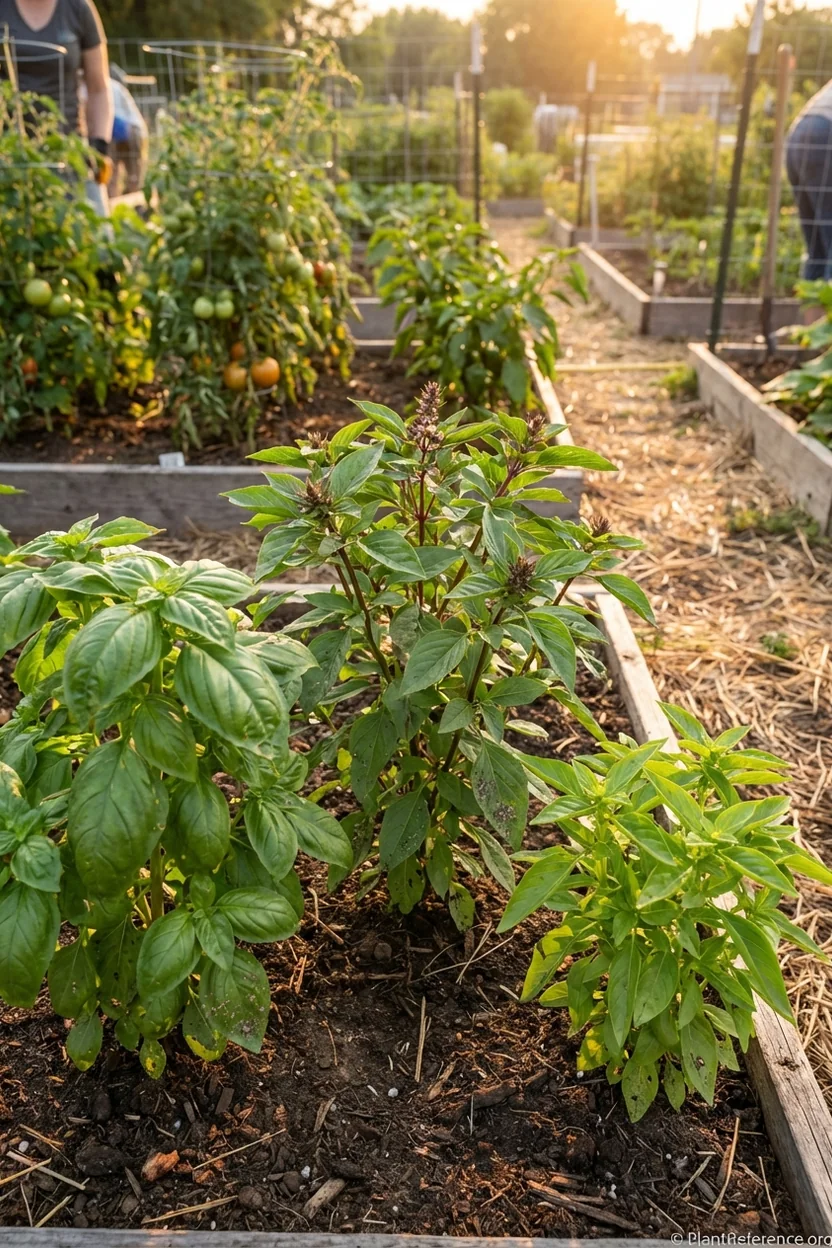
Specific Planting Dates for Minneapolis
Successful basil growing in Minneapolis requires precise timing coordinated with soil and air temperature patterns.
Indoor Seed Starting Schedule
April 1-15: Start seeds indoors 6-8 weeks before transplant date. Use heat mats to maintain 75-80°F (24-27°C) soil temperature for optimal germination.
April 15-30: Seedlings emerge and develop first true leaves. Maintain under grow lights 12-14 hours daily. Keep soil consistently moist but not waterlogged.
May 1-15: Begin hardening off process. Move seedlings outdoors for increasing periods, starting with 1-2 hours in filtered sunlight.
Transplant Timing
May 15-25: Earliest safe transplant date after last average frost date. Check 10-day weather forecast and soil temperature. Delay if soil hasn't reached 60°F (15°C).
May 25-June 1: Optimal transplant window. Soil temperatures are consistently above 60°F, and risk of surprise frost is minimal.
June 1-10: Latest recommended transplant date. Later planting reduces total harvest before fall frost.
Direct Seeding (Limited Success)
Direct seeding basil in Minneapolis is risky due to cool spring soil temperatures and potential late frosts.
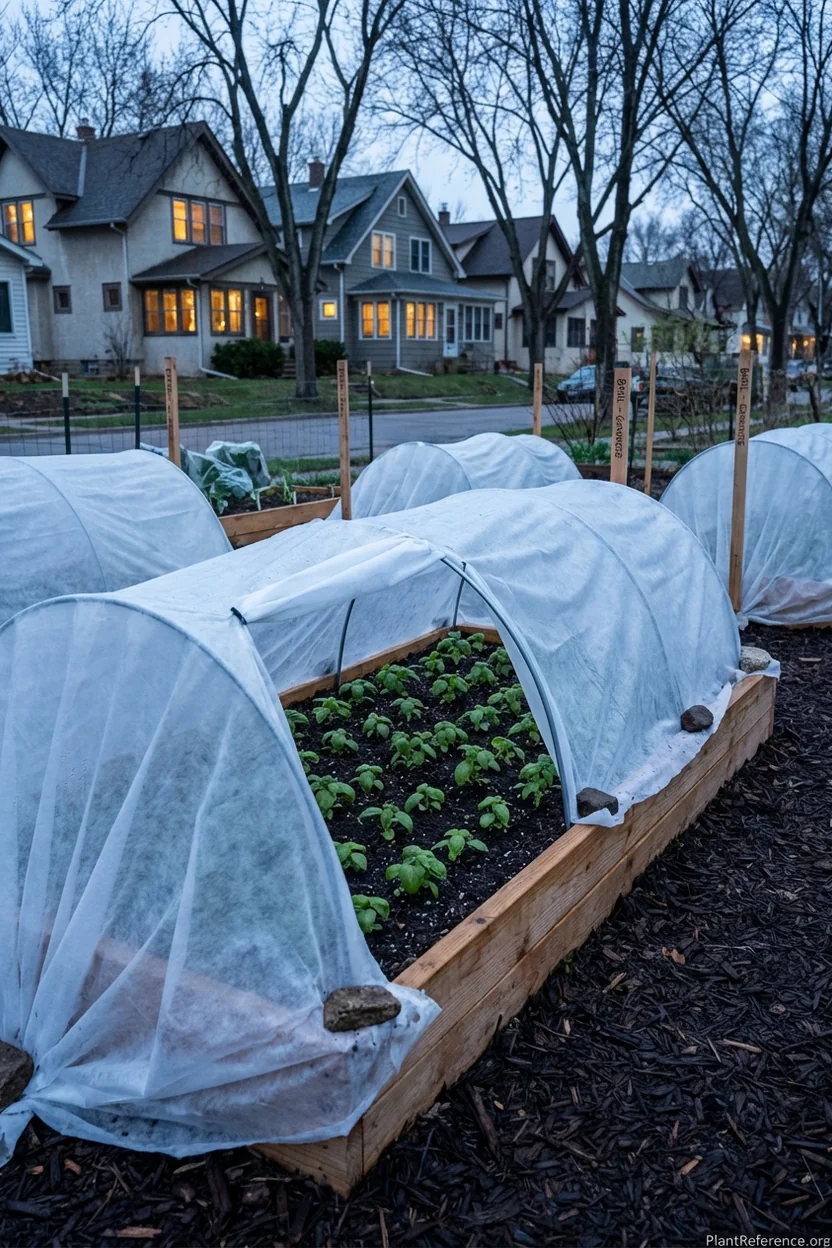
June 1-10: Direct sow only if soil thermometer reads 65°F+ at 4-inch depth for one week straight. Use row covers for protection.
Success Rate: Direct seeding typically yields 60-70% germination compared to 90%+ for indoor-started transplants.
Fall Planning
August 15: Latest date to start new plants for fall harvest. Seeds started after this date won't reach maturity before frost.
September 1-15: Begin succession harvesting to preserve basil before temperatures drop below 50°F (10°C).
September 30: Average first frost date. Harvest all remaining basil for preservation.
Complete Growing Guide for Minneapolis
Soil Preparation for Zone 4a
Minneapolis clay soils require amendment for successful basil cultivation. Basil demands excellent drainage—waterlogged roots lead to fungal diseases that quickly kill plants.
Soil Testing: Minneapolis soils typically range from 6.8-7.2 pH, perfect for basil's preferred 6.0-7.5 range.
Drainage Improvement: Add 2-3 inches of compost and coarse sand to clay soils. Create raised beds 6-8 inches high for better drainage and faster spring warming.
Organic Matter: Incorporate aged compost at 25% by volume. Fresh manure burns basil roots and provides excessive nitrogen.
Container Growing in Minneapolis
Container growing offers significant advantages in Zone 4a's short season.
Container Size: Minimum 5-gallon containers for full-size varieties. 🌿Ocimum basilicum 'Spicy Globe' succeeds in 3-gallon containers.
Soil Mix: Use quality potting mix, not garden soil. Blend 60% potting mix, 30% compost, 10% perlite for drainage.
Mobility: Containers can move indoors during late spring cold snaps or extend season in fall.
Watering Strategy
Minneapolis's variable rainfall requires active moisture management.
Deep, Infrequent Watering: Water 2-3 times weekly to 8-inch depth rather than daily light watering. This encourages deep root development.
Morning Watering: Water before 10 AM to reduce disease pressure. Wet leaves overnight invite fungal problems.
Mulching: Apply 2-inch organic mulch around plants, keeping 4 inches clear of stems. This conserves moisture and moderates soil temperature.
Fertilization Program
Minnesota's rich soils often provide adequate nutrition, but basil benefits from targeted feeding.
Base Fertilization: Mix balanced organic fertilizer (10-10-10) into soil at transplanting.
Monthly Feeding: Apply liquid fish emulsion every 4 weeks during active growth. Avoid high-nitrogen fertilizers that produce lush but flavorless growth.
Pinching: Remove flower spikes weekly to maintain leaf production and prevent bitter flavors.
Troubleshooting Minneapolis-Specific Problems
Late Spring Frost Damage
Minneapolis occasionally experiences frost after May 15, catching unprepared gardeners.
Symptoms: Blackened leaves, collapsed stems, stunted growth even after temperatures warm.
Prevention: Monitor weather forecasts closely. Use row covers, milk jugs, or move containers indoors when frost threatens.
Recovery: Severely damaged plants rarely recover fully. Replace with new seedlings if damage exceeds 50% of foliage.
Cool Soil Stunting
Clay soils in Minneapolis warm slowly, even after air temperatures rise.
Symptoms: Yellowing leaves, slow growth, purple leaf undersides, poor root development.
Solution: Use black plastic mulch to absorb solar heat. Remove once soil reaches consistent 65°F (18°C).
Summer Heat Stress
Minneapolis summers can reach 90-95°F (32-35°C), stressing some basil varieties.
Symptoms: Wilting during heat of day, leaf edge browning, premature bolting.
Management: Provide afternoon shade during heat waves. Increase watering frequency but maintain good drainage.
Early Fall Cold Damage
September nighttime temperatures below 50°F (10°C) damage basil even without frost.
Symptoms: Dulled leaf color, slowed growth, bitter flavor development.
Action: Harvest heavily when night temperatures consistently drop below 55°F (13°C).
Pest Management
Japanese Beetles: Common June-August in Minneapolis. Hand-pick in early morning or use row covers.
Slugs: Thrive in Minnesota's humid conditions. Apply diatomaceous earth around plants or use beer traps.
Aphids: Green peach aphids target basil. Spray with insecticidal soap early morning or evening.
Harvest & Storage
Optimal Harvest Timing
Minneapolis's short season demands strategic harvesting to maximize yield.
First Harvest: Begin when plants reach 6-8 inches tall, typically 6-8 weeks after transplanting (late June/early July).
Technique: Cut stems just above leaf pairs to encourage branching. Harvest in morning after dew dries but before heat peaks.
Frequency: Harvest every 2-3 weeks throughout summer. Regular cutting prevents flowering and maintains tender growth.
Preservation Methods for Minnesota
Minnesota gardeners must preserve the entire season's harvest before September's frost.
Freezing Pesto: Blend fresh basil with olive oil (no cheese or nuts). Freeze in ice cube trays for portion control.
Blanch and Freeze: Blanch leaves 15 seconds, ice bath, pat dry, freeze on trays, then bag. Maintains color better than air-drying.
Herb Butter: Blend chopped basil into softened butter. Form logs, wrap, and freeze for winter use.
Vinegar Infusions: Purple basil creates stunning lavender vinegar when steeped 2-3 weeks in white wine vinegar.
Frequently Asked Questions
Reading about plants and recognising them are different skills. These three build the second.
- Daily PlantIdentify the day’s mystery plant from a close-up photograph.
- Keyed OutWork a dichotomous key, lead by lead, to name a hidden specimen.
- Name That PlantName a specimen from botanical clues dealt hardest first.
Free to play, no account needed
Amanda came to gardening through an unexpected route—after developing chronic pain from rheumatoid arthritis in her late 20s, she started researching adaptive gardening techniques that would allow her to continue growing plants without aggravating her condition. Now based in Minneapolis, she writes about accessible gardening, raised bed designs for people with mobility challenges, and ergonomic tools that reduce strain. Amanda completed a certificate in sustainable urban agriculture and volunteers with a nonprofit that builds accessible community gardens. She grows vegetables, herbs, and flowers in waist-high raised beds she designed herself. Her writing focuses on practical solutions that work for real people with real limitations—whether that's arthritis, limited mobility, or just a bad back.