Image 1 of 7
1 / 7
Plant Reference
Ficus, Genus, lyrata, Species,
- Genus & species
fiddle leaf fig
Western Africa (Sierra Leone to Cameroon); tropical lowland rainforest
Overview
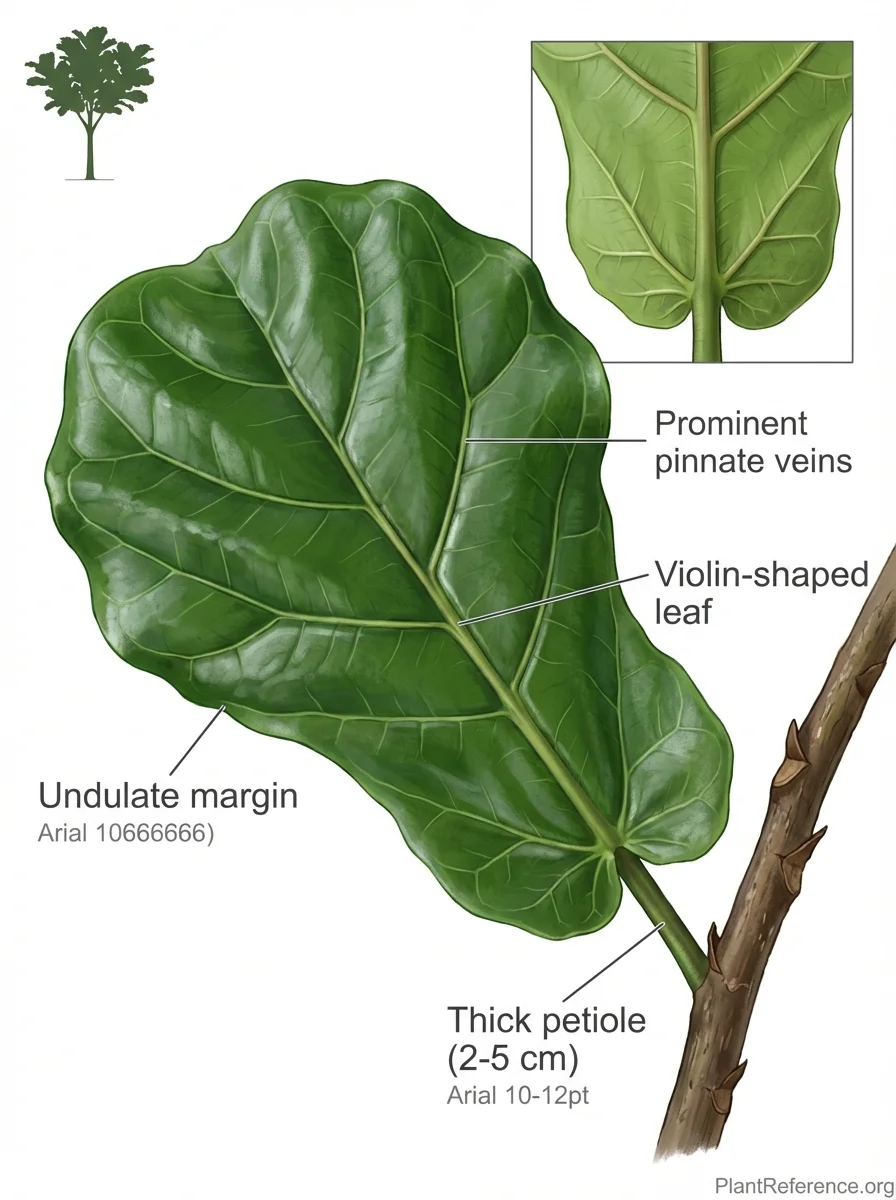
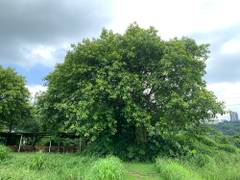
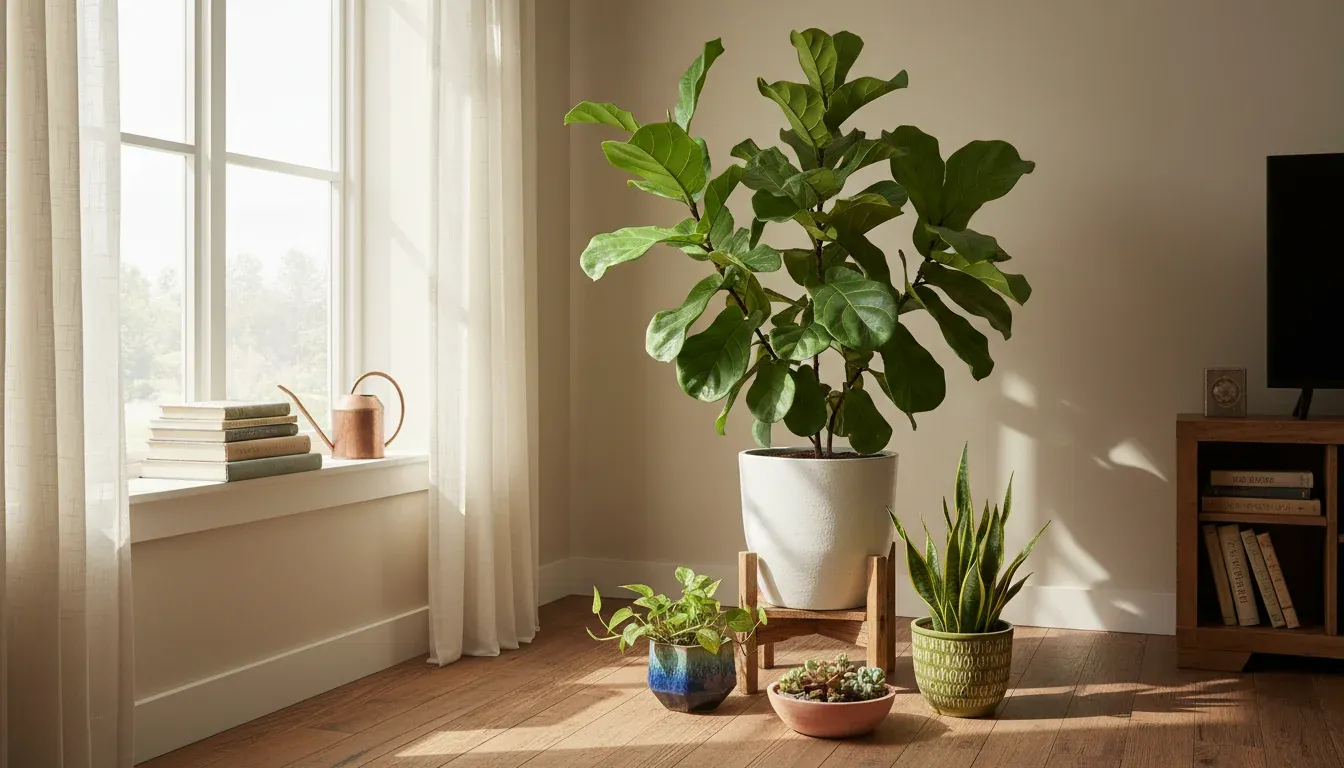
Ficus lyrata (fiddle leaf fig, banjo fig) is an evergreen tree in the family Moraceae reaching 72-120 inches (180-300 cm / 6-10 feet) tall indoors and 40-50 feet (12-15 m) in the wild, and 36-72 inches (90-180 cm / 3-6 feet) wide in container culture. Leaves are large, dark green, glossy, leathery, fiddle-shaped (lyrate) 10-15 inches (25-38 cm) long and 6-10 inches (15-25 cm) wide, carrying prominent light green veining and wavy margins. The species name lyrata means 'lyre-shaped'. The genus Ficus contains more than 800 species worldwide. Grown primarily as an indoor houseplant in temperate climates; outdoors only in USDA zones 10-12. All Ficus species exude a milky white latex sap when cut; the sap is mildly toxic if ingested and can cause contact dermatitis on skin. Plants are sensitive to environmental changes: leaf drop is the primary stress response to moving, drafts, low light, overwatering, or underwatering. Overwatering and root rot are the main causes of failure. Growth rate is moderate; the species reaches its indoor mature size in 3-5 years.
Native Range
Ficus lyrata is native to western Africa from Sierra Leone to Cameroon, growing in tropical lowland rainforest.Suggested Uses
Grown as an indoor houseplant in containers of at least 5 gallons (19 L). The large fiddle-shaped glossy leaves are the year-round feature. Bright indirect light. Sensitive to environmental changes. Milky latex sap is toxic to pets and a skin irritant. Zones 10-12 outdoors.How to Identify
Appearance
Size & Dimensions
Height6' - 10'
Width/Spread3' - 6'
Bloom Information
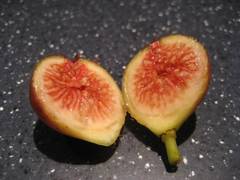
Rarely flowers indoors. In the wild, plants produce small enclosed figs (syconia). The large glossy fiddle-shaped foliage is the year-round feature for indoor culture.
Detailed Descriptions
Flower Description
Insignificant; rarely flowers indoors; in the wild produces small figs enclosed in a syconiumFoliage Description
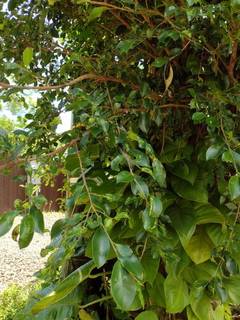
Dark green with prominent light green veining; large fiddle-shaped (lyrate), leathery, glossy, 10-15 inches (25-38 cm) long and 6-10 inches (15-25 cm) wide; wavy margins; evergreenGrowing Conditions
Sun Requirements
Needs bright indirect light. Keep it out of direct sun, which can scorch the leaves.
• Bright indirect light: a bright spot near a window, with no direct sun on the leaves
Care & Maintenance
Care Guide
Bright indirect light with no direct afternoon sun (which causes leaf scorch). The top 1-2 inches (2.5-5 cm) of soil is allowed to dry between waterings. Overwatering and root rot are the main causes of failure. Leaf drop signals stress from changes in light, watering, temperature, or drafts. The milky latex sap is a skin irritant and gloves support handling during repotting or pruning. Zones 10-12 outdoors. Wipe dust from the large leaves with a damp cloth every 2-4 weeks to maintain photosynthesis efficiency. Toxic to pets and humans if ingested.Pruning
Prune in spring to early summer (March through June) for shape. Cuts are made above a leaf node to encourage branching. The milky latex sap is a skin irritant and gloves support handling during pruning.Pruning Schedule
Prune: March–June
early springlate spring
Container Growing
Suitable for container growing
Minimum container size: 5 gallons
Toxicity Warning
Toxic to pets and humansBotanical Flashcard