Ficus, Genus, microcarpa, Species,
- Genus & species
ficus ginseng
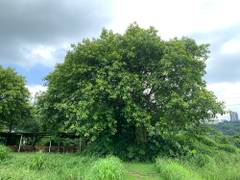
Southeast Asia and Australia — the species is one of the world's most common tropical trees
Overview
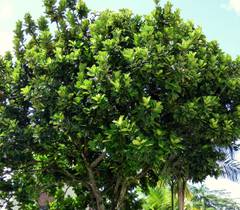
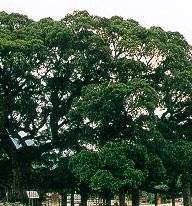
Ficus microcarpa, sold commercially as 'Ficus Ginseng,' is a bonsai-form fig with an exposed bulbous root base, growing 12–36 inches (30–90 cm) in bonsai form. Dense dark green small glossy ovate leaves 1–3 inches (2.5–7.5 cm) long top a swollen, bulbous exposed root structure. The bulbous base is produced commercially: seedlings are grown in the ground for 2–3 years to develop a thickened taproot, then dug up and potted with the swollen root exposed above the soil line. The species F. microcarpa is a banyan fig that becomes a large strangler tree with aerial roots in its native habitat. As a bonsai it remains compact with regular pruning. May drop leaves when relocated — a standard Ficus response to changes in light, temperature, or air movement; the plant typically re-acclimatizes and produces new leaves within 4–6 weeks. The milky latex sap can cause contact dermatitis. Toxic to cats and dogs. Native to Southeast Asia and Australia. The common name 'ginseng' refers only to the visual resemblance of the swollen root to Panax ginseng — this plant is unrelated to true ginseng.
Native Range
Ficus microcarpa is native to Southeast Asia and Australia.Suggested Uses
Grown as a beginner bonsai on desks, tabletops, and shelves in bright indirect light. Containers range from small bonsai pots to 1-gallon (4-liter) nursery pots. The exposed bulbous root is the primary visual feature.How to Identify
Appearance
Size & Dimensions
Height1' - 3'
Width/Spread1' - 2'
Colors
Foliage Colors
Fall Foliage Colors
Bloom Information
Does not flower indoors. The ginseng-root bonsai form is the year-round display.
Detailed Descriptions
Foliage Description
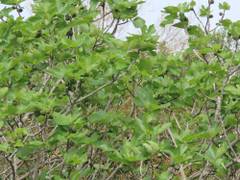
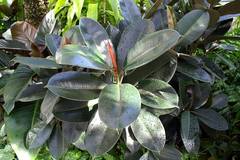
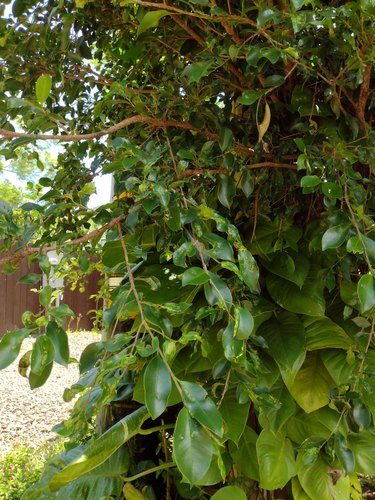
Dark green, small, glossy, ovate — dense canopy of small leaves on a bulbous exposed root systemGrowing Conditions
Sun Requirements
Requires 4-8 hours of direct sunlight daily
• Full Sun: 6+ hours of direct sunlight
• Partial Shade: 3-6 hours of direct sunlight
• Full Shade: Less than 3 hours of direct sunlight
Care & Maintenance
Care Guide
Bright indirect to full sun. Keep evenly moist. May drop leaves when moved (acclimatizes). Prune regularly for bonsai shape. Milky sap. Mildly toxic.Pruning
Prune regularly to maintain bonsai canopy shape. The exposed root base is the ornamental feature — keep it above soil line.Container Growing
Suitable for container growing
Minimum container size: 1 gallons