Image 1 of 15
1 / 15
Plant Reference
Ficus, Genus, carica, Species,
- Genus & species
common fig
Western Asia and the eastern Mediterranean; cultivated continuously in the region for roughly 11,000 years based on archaeological evidence from early Holocene sites in the Jordan Valley
Overview
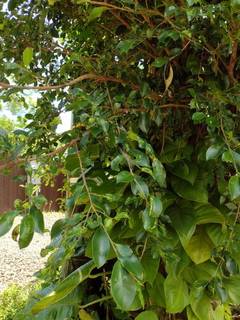
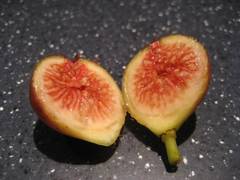
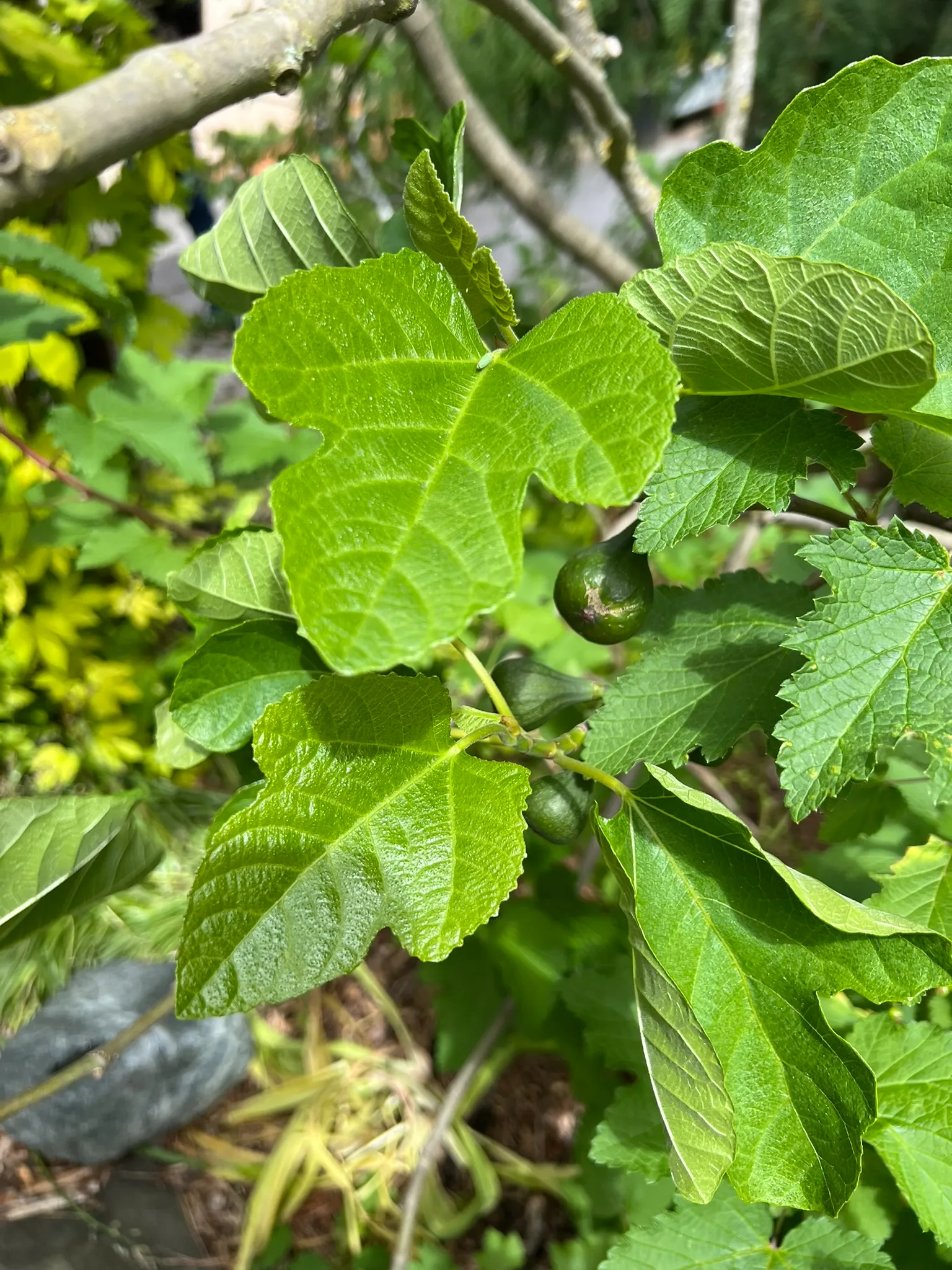
Ficus carica is a spreading deciduous shrub or small tree in the family Moraceae (the mulberry family), reaching 10-20 feet (3-6 m) tall and wide with a multi-stemmed habit, smooth gray bark, and thick contorted branches. Leaves are deeply 3-5 lobed, dark green, rough-textured on the upper surface, and 6-10 inches (15-25 cm) long and nearly as wide. The bold leaf shape and coarse texture give the shrub a strong Mediterranean visual character in the garden regardless of fruiting. Flowers are enclosed inside the syconium — a fleshy hollow receptacle that eventually becomes the fig fruit — and are never visible externally. The syconium itself develops through summer and ripens from green to brown-purple from August through October, producing the edible fig 1-2 inches (2.5-5 cm) long. In the species' native range fig pollination is carried out by the fig wasp Blastophaga psenes, but the cultivars most commonly grown in North American gardens — 'Brown Turkey', 'Celeste', 'Chicago Hardy', and others — are parthenocarpic and produce fruit without external pollination or the presence of the wasp. Root restriction through planting against a wall, in a confined bed, or in a container promotes fruiting by limiting vegetative growth, and the species actually fruits more heavily when slightly root-bound than when planted in open rich soil. The species is the earliest cultivated fruit tree in the archaeological record, with parthenocarpic varieties documented from roughly 11,000 years ago at early Holocene sites in the Jordan Valley — predating the cultivation of cereals in the same region. Hardiness is rated to zones 7-9. In zone 7 stems may die back to the ground in severe winters and the plant regrows from the roots, still producing fruit on the new-growth wood in warm-summer climates; in zone 6 and colder the species is grown in containers and moved into an unheated garage or cold greenhouse for winter. The milky latex (sap) in all green parts of the plant contains furocoumarins and causes phytophotodermatitis on skin contact — the sap combines with ultraviolet sunlight to produce blistering, pigmentation, and chemical burns on exposed skin, and this handling hazard is the main limitation during pruning and harvest. The latex is also toxic to pets on ingestion.
Native Range
Ficus carica is native to western Asia and the eastern Mediterranean, with the likely center of domestication in the Jordan Valley and adjacent parts of the Levant. The species is the earliest cultivated fruit tree in the archaeological record — parthenocarpic fig remains from roughly 11,000 years ago at Gilgal I in the Jordan Valley predate the domestication of wheat, barley, and legumes in the same region by several centuries. The species has since been planted and naturalized throughout the Mediterranean basin and in warm-temperate regions worldwide.Suggested Uses
Planted as a fruiting shrub or small tree against warm south-facing walls, in edible garden plantings, and in containers of 15 gallons (57 L) or larger with a well-drained mix, at 10-20 foot (3-6 m) spacing for in-ground specimens. The bold-textured deeply lobed foliage makes the species a structural foliage plant in Mediterranean-style gardens even outside of the fruiting season, and south-facing masonry walls shelter the plant from winter wind and hold solar heat through the night, which extends the practical growing range one half-zone colder than open ground. In zones 6 and colder the species is grown exclusively in containers that move into an unheated garage or cold greenhouse for winter. Combined with other Mediterranean edibles such as Olea europaea, Punica granatum, and Rosmarinus officinalis in themed plantings in zones 8-9. Not suited to sites with poor air circulation where fig rust (Cerotelium fici) becomes a recurring problem, cold-zone positions without container culture or wall shelter, landscapes with young children or pets where the toxic latex poses an ingestion hazard, or positions where the pruner cannot avoid sap contact during the February-March pruning window.How to Identify
Appearance
Size & Dimensions
Height10' - 20'
Width/Spread10' - 20'
Colors
Bloom Information
Flowers are enclosed inside the syconium fruit from June through August and are not visible externally. In zones 7-9 the syconium ripens from green to brown-purple from August through October and produces the edible fig 1-2 inches (2.5-5 cm) long. Parthenocarpic cultivars — including most of the varieties grown in North American gardens — produce fruit without external pollination. In zone 7 fruiting occurs on new-growth wood when stems die back in winter and regrow from the roots in spring.
Detailed Descriptions
Flower Description
not visible externally; the flowers are enclosed inside the syconium — the fleshy hollow receptacle that becomes the fig fruitFoliage Description
dark green, rough-textured, deeply 3-5 lobed, 6-10 inches (15-25 cm) long and nearly as wide; turns yellow before dropping in fallGrowing Conditions
Sun Requirements
Requires 6-12 hours of direct sunlight daily
• Full Sun: 6+ hours of direct sunlight
• Partial Shade: 3-6 hours of direct sunlight
• Full Shade: Less than 3 hours of direct sunlight
Care & Maintenance
Care Guide
Plant in well-drained soil with a pH of 6.0-7.5 in full sun (6+ hours, and ideally against a warm south-facing wall in zone 7 for heat accumulation); tolerated soil types include loam, sand, chalk, and rocky ground. The species tolerates poor rocky soil and excess nitrogen fertility actually reduces fruiting in favor of leafy vegetative growth. Root restriction through planting against a wall, in a confined bed, or in a 15 gallon (57 L) or larger container promotes heavier fruiting than open rich ground does. Water weekly through the first 1-2 growing seasons; established plants are drought-tolerant. In zone 7 the base of the plant is mulched heavily for winter protection, and stems that die back to the ground in severe winters regrow from the roots in spring and still produce a fruit crop on the new wood in warm-summer climates. The milky latex in all green parts of the plant contains furocoumarins that cause phytophotodermatitis on skin contact — blistering, pigmentation, and chemical burns develop when sap on the skin is then exposed to ultraviolet sunlight. Latex is toxic to pets on ingestion. Pruning is done in late winter (February through March) before new growth begins.Pruning
Pruning is done in late winter (February through March) before new growth begins. Dead, damaged, and winter-killed stems are removed back to live wood. An open vase form with 4-6 main scaffold branches is maintained to improve air circulation and speed ripening of the figs, which ripen more evenly on branches that receive direct sunlight. Water sprouts and crossing branches are removed at the branch collar. In zone 7 dieback pruning in spring after a severe winter often reduces the plant to ground-level stubs, and these regrow to full size within a single season. The milky latex in cut stems, leaves, and petioles contains furocoumarins that cause phytophotodermatitis on skin contact — exposed skin that comes into contact with fresh sap develops blistering, pigmentation, and chemical burns after subsequent ultraviolet exposure, and long sleeves and gloves are the standard work-clothing for the task alongside working on overcast days or in the early morning to limit sunlight exposure.Pruning Schedule
Prune: February–March
early spring
Container Growing
Suitable for container growing
Minimum container size: 15 gallons