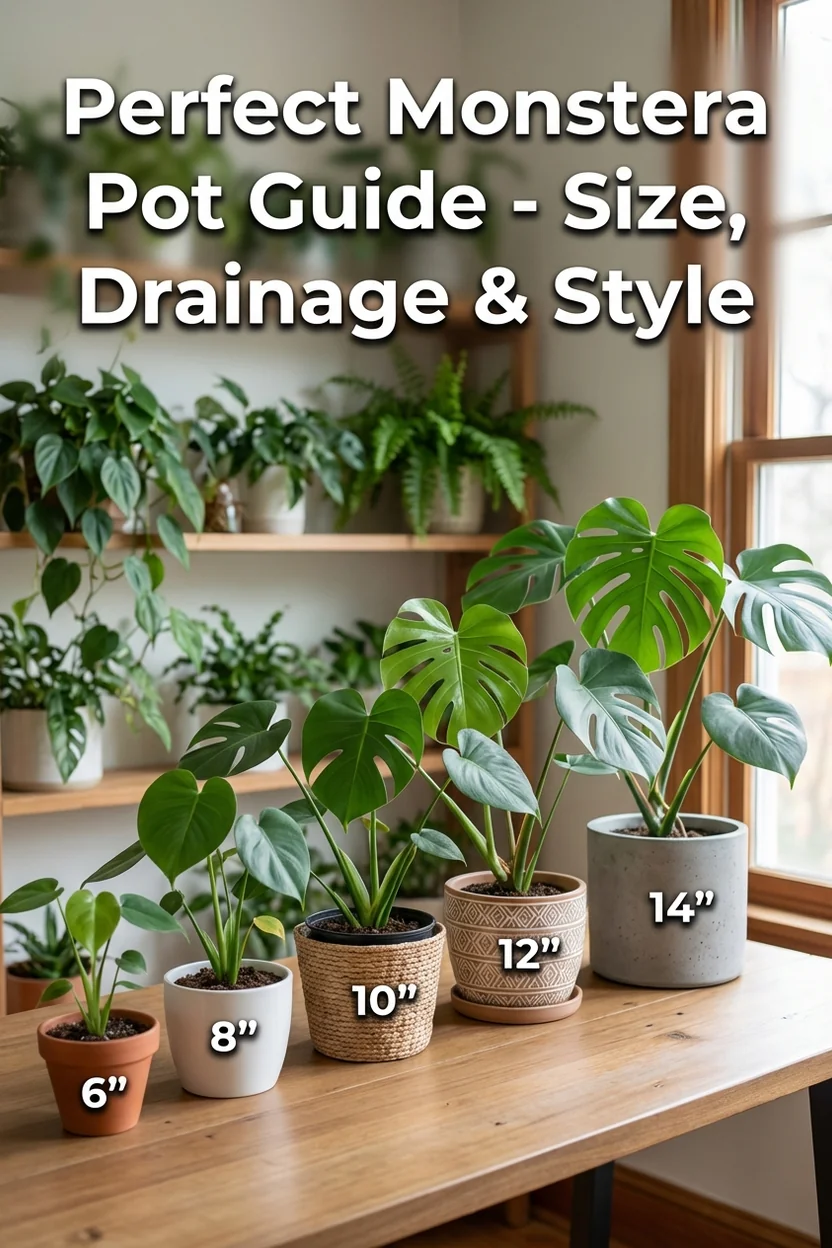
Best Pot for Monstera: Size, Drainage, and Style Guide
Pets & Toxicity
Recorded toxicity for plants linked in this guide. An unknown status is not a safety assessment.
Toxic to pets: fiddle leaf fig, Swiss cheese plantDetailsHide
Monstera deliciosa — Toxicity Warning
Toxic to pets and humans. All vegetative parts contain calcium oxalate crystals that cause mouth pain, swelling, and drooling if ingested. Unripe fruit also contains calcium oxalate and is toxic; only fully ripened fruit (after 12+ months) is edible.View Monstera deliciosa plant profile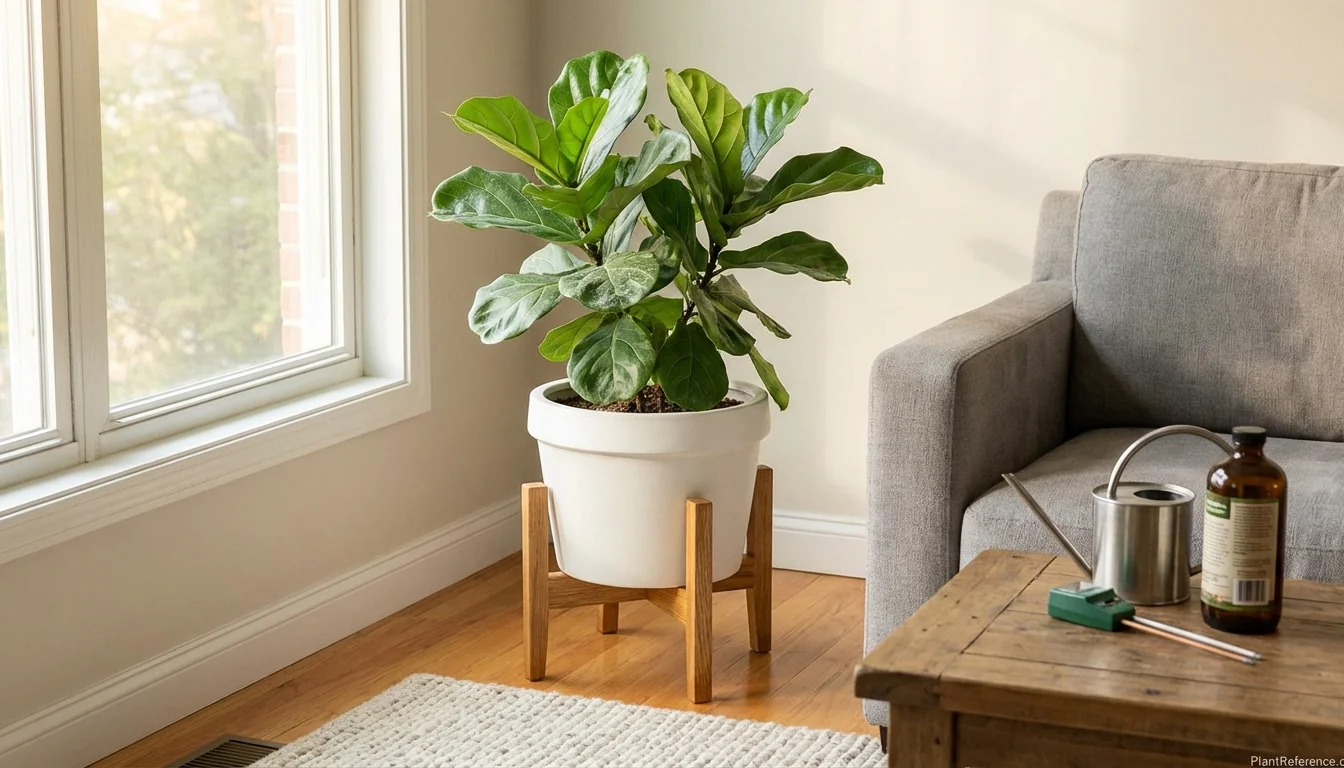
— Image © Plant Reference 2026
Choosing the best pot for monstera can make or break your plant's health and growth potential. I've learned this the hard way through years of apartment plant parenting, watching beautiful monsteras struggle in the wrong containers while others thrive in properly chosen pots.
Why Pot Choice Matters for Monstera Success
Your monstera 🌿Monstera deliciosa (mon-STER-ah de-lis-ee-OH-sah) isn't just any houseplant—it's a climbing giant that can reach 6-8 feet (2-2.5m) indoors with proper care. This means your pot choice affects not just root health, but also the structural stability of your entire plant as it grows.
The wrong pot leads to root rot, stunted growth, and that heartbreaking yellowing that signals your monstera is struggling. I've seen too many plant parents lose their beloved monsteras to pots that looked perfect but functioned terribly.
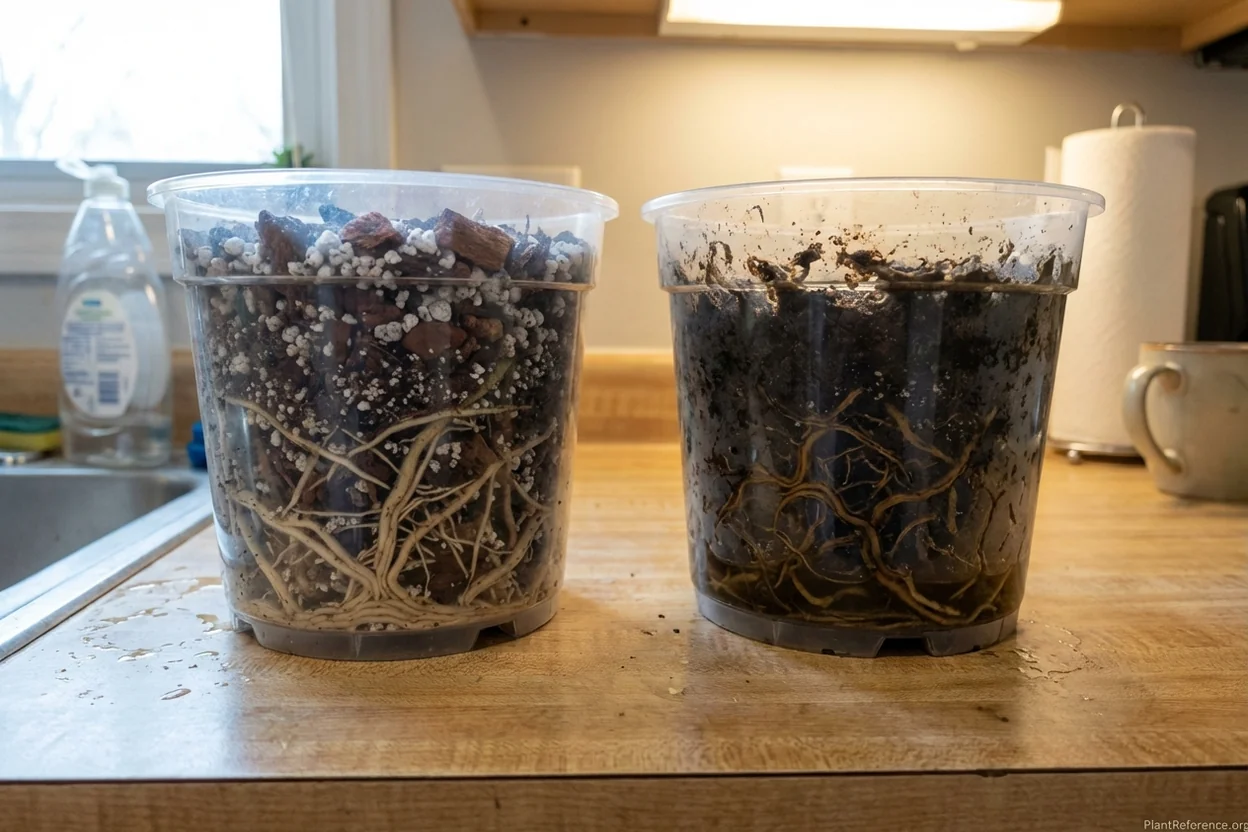
The key factors that make a pot work for monstera include drainage capacity, size progression planning, material breathability, and long-term stability. Unlike smaller houseplants, monsteras grow fast and heavy—your pot choice needs to accommodate both current needs and future growth.
For apartment dwellers like myself, aesthetics matter too. Your monstera pot will be a prominent feature in your space for years, so finding that sweet spot between function and style is crucial.
Monstera Pot Size Guide: Getting the Dimensions Right
The biggest mistake I see with monstera pots is dramatic size jumps. Going from a 6-inch (15cm) to a 12-inch (30cm) pot might seem logical, but it's actually harmful. Here's my size progression guide based on years of successful monstera growing:
Starting Size (Young Plant):
6-8 inch (15-20cm) diameter for plants under 2 feet (60cm) tall
Root ball should have 1-2 inches (2.5-5cm) space around all sides
Depth: 6-8 inches (15-20cm) minimum for developing root system
Second Repotting (Juvenile):
8-10 inch (20-25cm) diameter for plants 2-3 feet (60-90cm) tall
Only 1-2 inches (2.5-5cm) larger than previous pot
Depth: 8-10 inches (20-25cm) to accommodate moss pole installation
Mature Size (Adult Plant):
12-16 inch (30-40cm) diameter for plants 4+ feet (120cm) tall
Consider final adult size—most indoor monsteras max out here
Depth: 12-14 inches (30-35cm) for full root development and moss pole stability
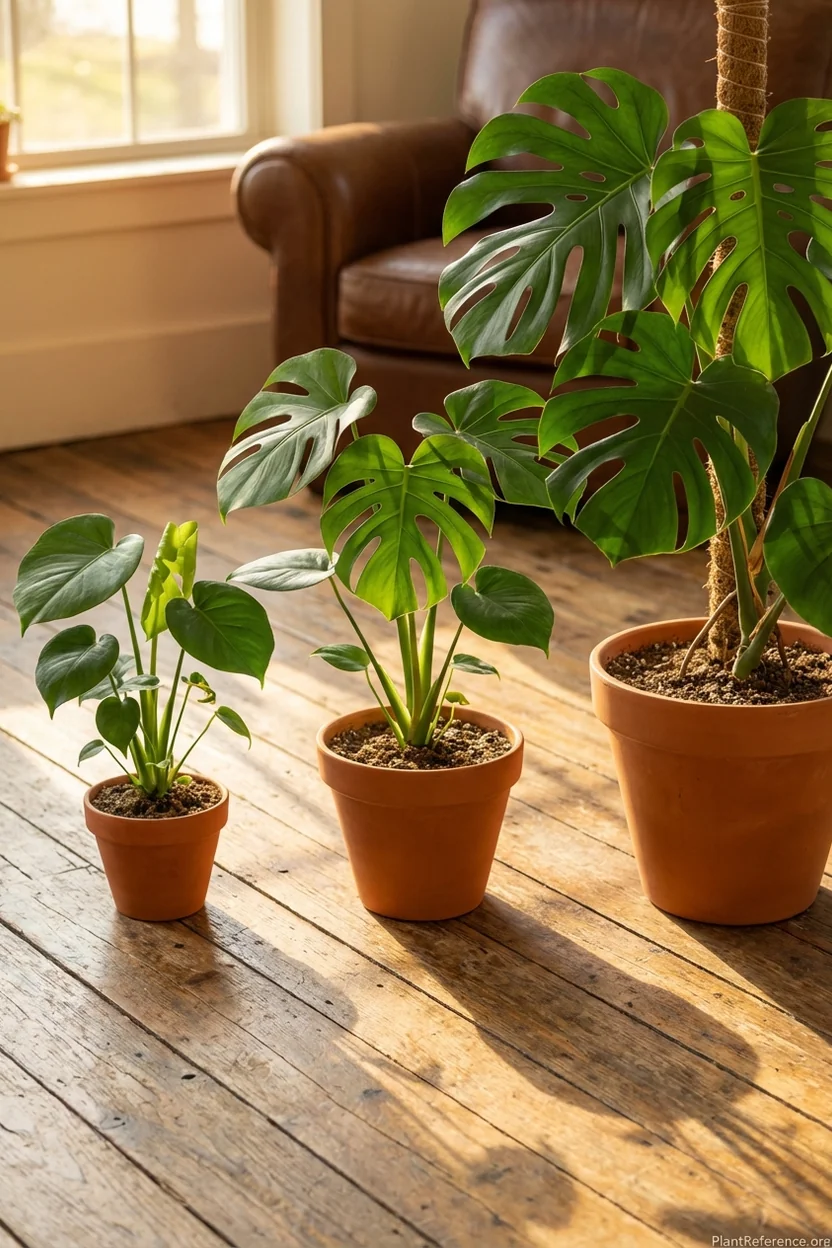
Pro tip from my experience: Measure your monstera's root ball, not the old pot. Sometimes plants are rootbound, making the old pot size misleading. The root ball should have 1-2 inches (2.5-5cm) of fresh soil around all sides in the new pot.
Weight considerations become crucial as your monstera matures. A 6-foot (180cm) monstera with moss pole in a 14-inch (35cm) pot can weigh 40-60 pounds (18-27kg) total. Your floor, plant stand, and pot need to handle this weight safely.
Drainage Requirements: The Non-Negotiable Factor
Let me be absolutely clear: drainage holes are non-negotiable for monstera pots. I don't care how beautiful that cache pot looks or how confident you feel about your watering skills. Without drainage, you're setting your monstera up for root rot.
Minimum drainage requirements:
At least 3-5 drainage holes for pots under 10 inches (25cm)
5-8 drainage holes for larger pots
Holes should be 0.5 inches (1.3cm) diameter minimum
Raised pot bottom or pot feet to ensure airflow
The most common drainage problems I've encountered in apartments:
Decorative pots without holes used directly for planting
Drainage holes too small, becoming clogged with soil
No saucer system, leading to furniture damage and overwatering compensation
Cache pot systems where water pools unnoticed at the bottom
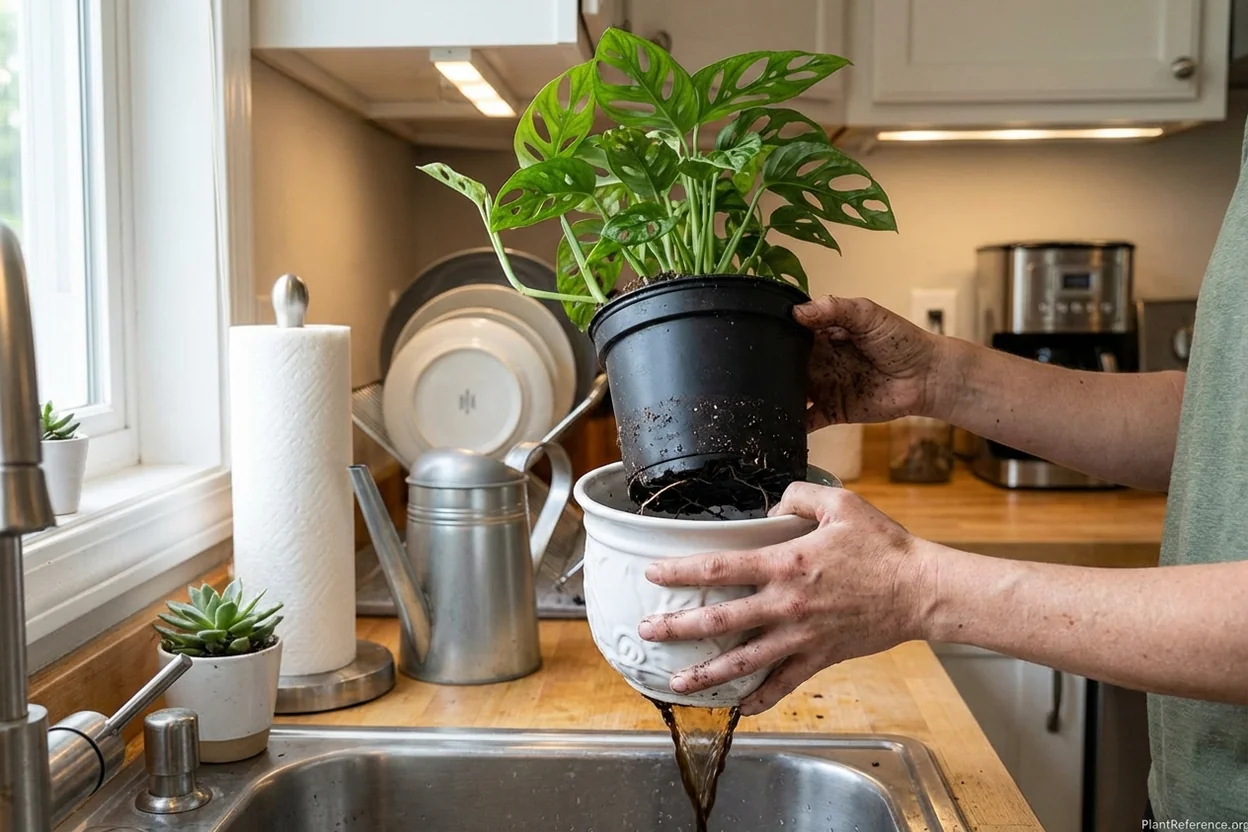
My preferred solution: the double-pot system. Plant your monstera in a plastic nursery pot with excellent drainage, then place it inside a decorative cache pot. This gives you the best of both worlds—perfect drainage and apartment-worthy aesthetics.
Saucer sizing is equally important. Your saucer should be 2 inches (5cm) wider than your pot base to catch all drainage water. I empty saucers within 30 minutes of watering to prevent root rot.
Best Pot Materials for Monstera Plants
Each pot material has trade-offs. Here's my honest assessment after trying them all:
Terra Cotta (My Top Choice):
Pros: Excellent breathability, prevents overwatering, ages beautifully, affordable
Cons: Heavy when large, mineral staining, breaks easily, not as decorative
Best for: Beginners, chronic overwaterers, plants recovering from root rot
Price range: $8-25 for monstera-appropriate sizes
Ceramic Glazed:
Pros: Beautiful designs, moderate weight, good drainage when properly made
Cons: No breathability, can be expensive, chips and cracks over time
Best for: Experienced growers who want style with function
Price range: $20-80 for quality options
Plastic (Nursery Pots):
Pros: Lightweight, excellent drainage, inexpensive, perfect for double-pot systems
Cons: Not decorative, degrades in sunlight, can blow over when plants get large
Best for: Functional growing, temporary housing, budget-conscious plant parents
Price range: $2-8 for larger sizes
Fiberglass/Resin:
Pros: Lightweight but sturdy, weather-resistant, modern aesthetic options
Cons: Expensive, limited breathability, can look artificial
Best for: Large mature monsteras where weight is crucial
Price range: $40-120 for monstera-appropriate sizes
Best Pots for Monstera (Tested & Reviewed)
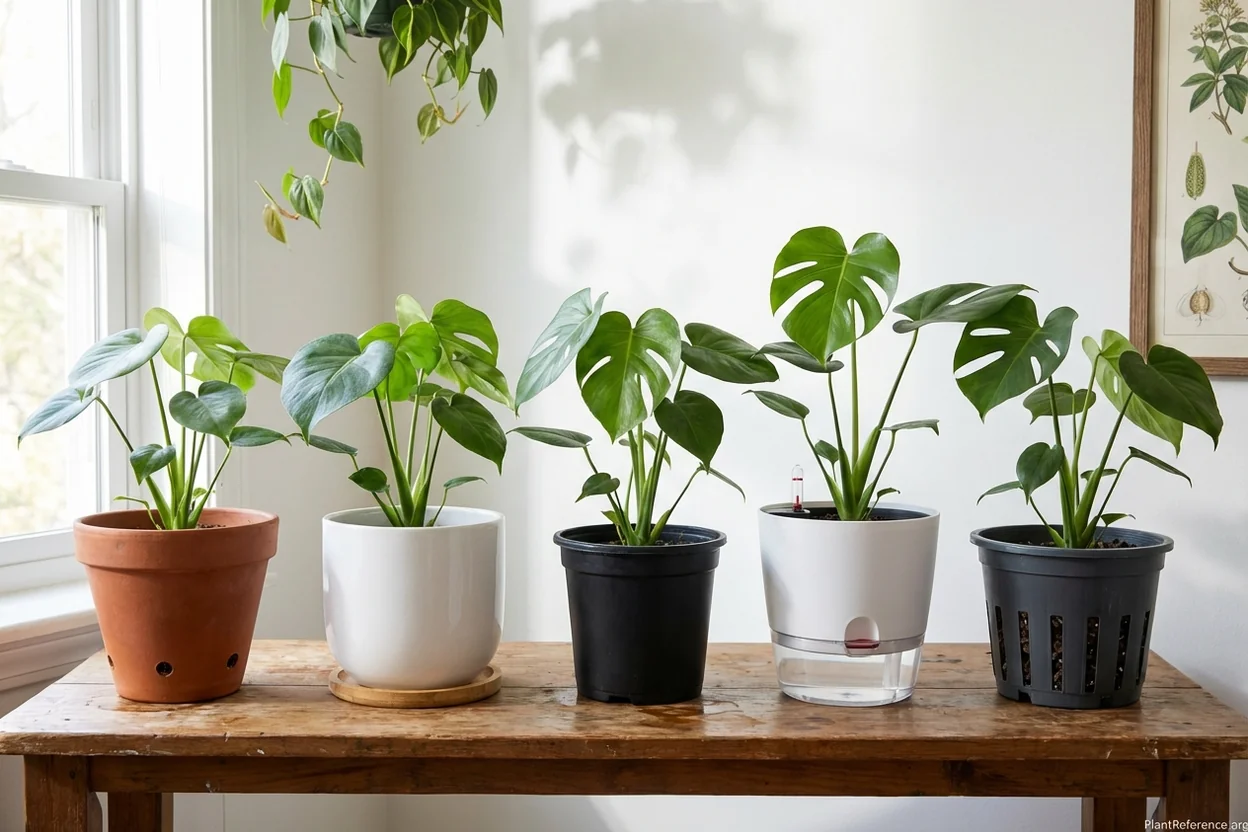
After testing numerous pots with my own monsteras and helping apartment plant friends choose containers, these five consistently deliver the best results:
→ Classic Terra Cotta Pot with Saucer ($12-18) - Unbeatable drainage and breathability for healthy root development
Traditional unglazed terra cotta provides optimal air circulation and moisture regulation for monstera roots. Natural clay material prevents overwatering by wicking excess moisture from soil. Includes matching saucer to protect surfaces. Available in sizes 6-16 inches. Develops attractive patina over time. Heavy enough to support large monsteras with moss poles. Classic design complements any decor style while prioritizing plant health over pure aesthetics.
→ Nursery Pot + Decorative Cache Pot Combo ($15-35) - Perfect apartment solution combining function with style
Professional-grade nursery pot features multiple drainage holes and lightweight construction for easy plant care. Fits inside decorative ceramic cache pot for apartment-friendly aesthetics. Nursery pot can be lifted out for thorough watering and drainage checking. Cache pot available in white, gray, or terracotta colors with modern minimalist design. System allows perfect drainage while protecting furniture surfaces. Easy to upgrade cache pot style without repotting plant.
Product link unavailable
→ PLANTERS' CHOICE Self-Watering Planter ($45-65) - Innovative solution for consistent moisture levels
Patent-pending self-watering system maintains optimal soil moisture for up to two weeks. Built-in water level indicator shows when reservoir needs refilling. Sleek modern design with removable water reservoir for easy cleaning. Prevents both overwatering and underwatering through consistent sub-irrigation. Made from recycled plastic with UV-resistant finish. Available in 8, 10, and 12-inch sizes perfect for monstera progression. Includes detailed setup instructions and care guide for tropical houseplants.
→ Mkono Ceramic Planter with Drainage Hole ($25-40) - Stylish ceramic with proper functionality
Contemporary ceramic design combines style with essential drainage functionality. Single large drainage hole prevents waterlogging while bamboo saucer protects surfaces. Matte finish in white, black, or sage green complements modern apartment decor. Thick ceramic construction provides stability for larger monsteras. Interior glaze prevents mineral absorption and staining. Mid-century modern aesthetic works with various interior design styles. Available sizes from 8-14 inches accommodate monstera growth stages perfectly.
→ rePotme Slot Pot for Aroids ($18-32) - Purpose-built for monstera and climbing plants
Scientifically designed specifically for aroid plants like monstera with superior drainage and aeration. Unique slot pattern in bottom and sides allows maximum airflow to root system. Deep design accommodates moss pole installation and aerial root development. Made from recycled plastic with reinforced walls to support large climbing plants. Available in terracotta and forest green colors that blend naturally. Includes care instructions specific to monstera and philodendron family plants.
Product link unavailable
Self-Watering Pots: Do They Work for Monstera?
Self-watering pots are tempting, especially for busy apartment dwellers or frequent travelers. But do they actually work for monstera? My experience has been mixed, with important caveats.
How self-watering systems work: A water reservoir sits below the planting area, connected by a wick or soil contact system. Water moves up through capillary action, theoretically maintaining consistent soil moisture.
The good news: Well-designed self-watering pots can work for monstera, particularly during growing season when plants use water quickly. I've had success with the PLANTERS' CHOICE system mentioned above.
The concerns:
Monstera prefers slight drying between waterings for root health
Self-watering can keep soil too consistently moist, encouraging fungus gnats
Winter dormancy period requires less water, but system continues supplying
Difficult to flush soil for fertilizer salt buildup
More expensive to replace when sizing up
My recommendation: Self-watering works best for intermediate growers who understand their monstera's seasonal needs and can adjust the system accordingly. Beginners should master regular watering first.
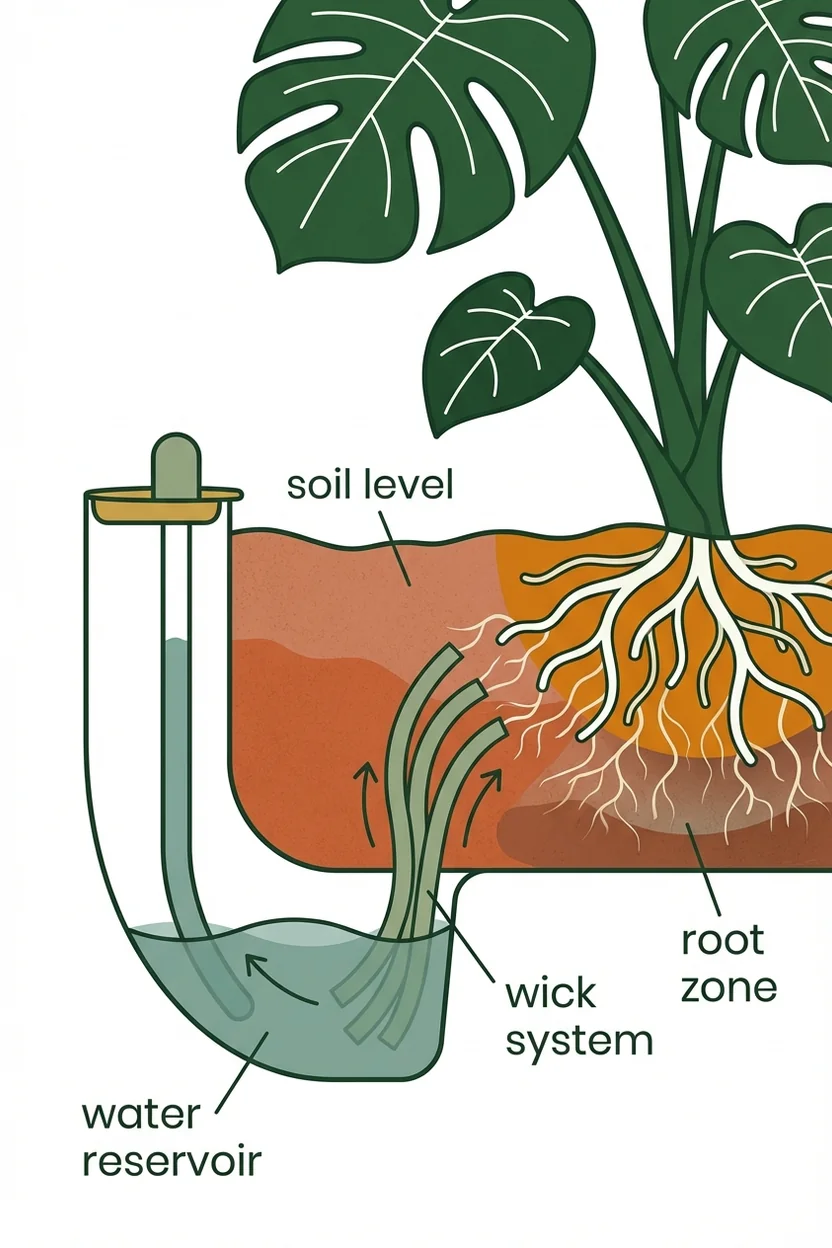
If you choose self-watering, monitor soil moisture with a meter monthly and empty/refill the reservoir seasonally to prevent stagnation.
Weight and Stability Considerations
This is where many apartment plant parents get surprised. A mature monstera with moss pole, pot, and soil can easily weigh 50+ pounds (23+ kg). Your floor, plant stand, and pot all need to handle this weight safely.
Pot weight factors:
Terra cotta: Heaviest but most stable
Ceramic: Moderate weight, good stability
Plastic: Lightest but can tip over without sufficient soil weight
Self-watering: Moderate to heavy depending on reservoir size
Stability solutions I've implemented:
Wide, low pots rather than tall narrow ones
Pot saucers with grip pads underneath
Plant stands rated for at least 75 pounds (34kg)
Wall anchors for very tall monsteras with moss poles
Positioning near walls or corners for natural support
For apartment renters, consider pot mobility. Once your monstera reaches mature size, moving it becomes a two-person job. Plan your placement carefully—you won't be rearranging easily.
Floor protection is crucial. Use plant saucers, furniture pads, or waterproof mats under heavy pots to prevent damage to hardwood or carpet. This is especially important with terra cotta, which can leave mineral rings.
Style Guide: Matching Pots to Your Space
Your monstera pot will be a focal point in your room for years. Here's how to choose style that works with your apartment aesthetic:
Modern/Minimalist Spaces:
Clean lines, neutral colors (white, black, gray)
Ceramic or fiberglass materials
Simple geometric shapes
Mkono ceramic planters work perfectly
Bohemian/Eclectic Style:
Terra cotta for natural texture
Woven baskets as cache pots (with plastic liner)
Earth tones and organic shapes
Mix of pot sizes and materials
Industrial/Urban:
Metal containers (with proper drainage setup)
Concrete or cement-look planters
Dark colors and raw materials
Utilitarian nursery pots in decorative metal containers
Traditional/Classic:
Ceramic with subtle patterns
Classic white or neutral colors
Matching saucer sets
Timeless shapes that won't date
Budget-Friendly Style Tips:
Use decorative cache pots with plastic nursery pots inside
Paint terra cotta pots with chalk paint for custom colors
Thrift stores often have large ceramic planters
Woven baskets make excellent cache pots
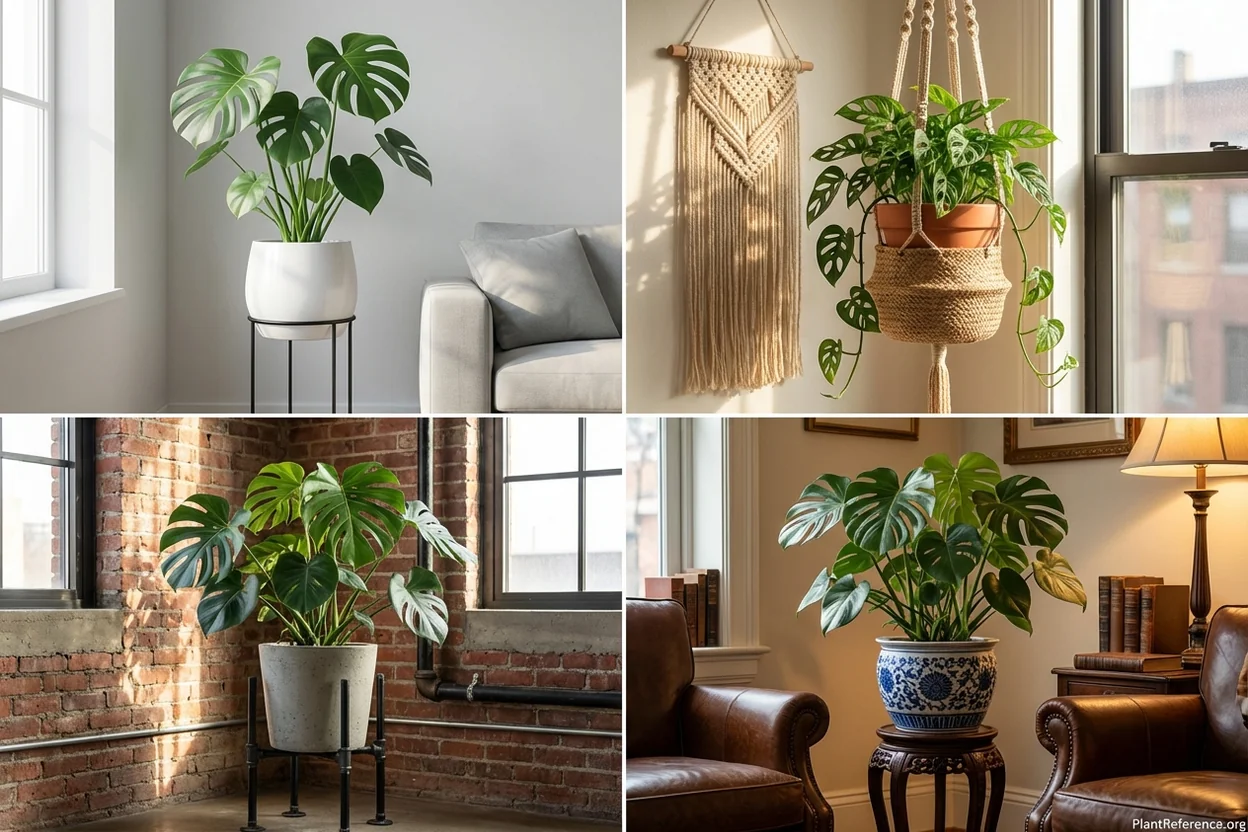
Remember that your pot choice affects daily care routines. Beautiful but impractical pots can make monstera care more difficult, leading to plant health problems over time.
When to Repot: Sizing Up Your Monstera
Knowing when to upsize your monstera pot prevents both rootbound stress and overpotting problems. Here are the clear signs I watch for:
Definite repotting signals:
Roots growing through drainage holes
Water runs straight through pot without soil absorption
Plant becomes top-heavy and tips over easily
Soil dries out within 2-3 days of watering
Visible roots circling soil surface
Stunted new growth despite proper care
Timing matters: Repot during spring or early summer when monstera enters active growth. Avoid fall and winter repotting unless absolutely necessary for plant health.
Size-up strategy: Go only 2-3 inches (5-7.5cm) larger in diameter. A 8-inch (20cm) monstera moves to a 10-inch (25cm) pot, not a 14-inch (35cm) pot. Overpotting keeps soil wet too long, encouraging root rot.
My repotting timeline:
Young monstera (under 2 feet): Every 12-18 months
Mature monstera (over 4 feet): Every 2-3 years or when clearly rootbound
Rapid growers in ideal conditions: May need annual upsizing
Consider your long-term space when choosing pot sizes. That cute 6-inch (15cm) monstera will eventually need a 14-16 inch (35-40cm) pot if you want it to reach full size potential.
For more detailed repotting guidance, check out our complete How to Repot a Monstera: Complete Step-by-Step Guide that covers the entire process from root inspection to moss pole installation.
Signs you can wait another year:
Plant seems proportional to current pot
Roots visible but not severely circling
New growth continues at normal rate
Water absorption still takes 5-10 minutes
No frequent tipping or instability issues
The key is gradual progression. Your monstera will be healthier with several moderate repottings than dramatic size jumps that shock the root system.
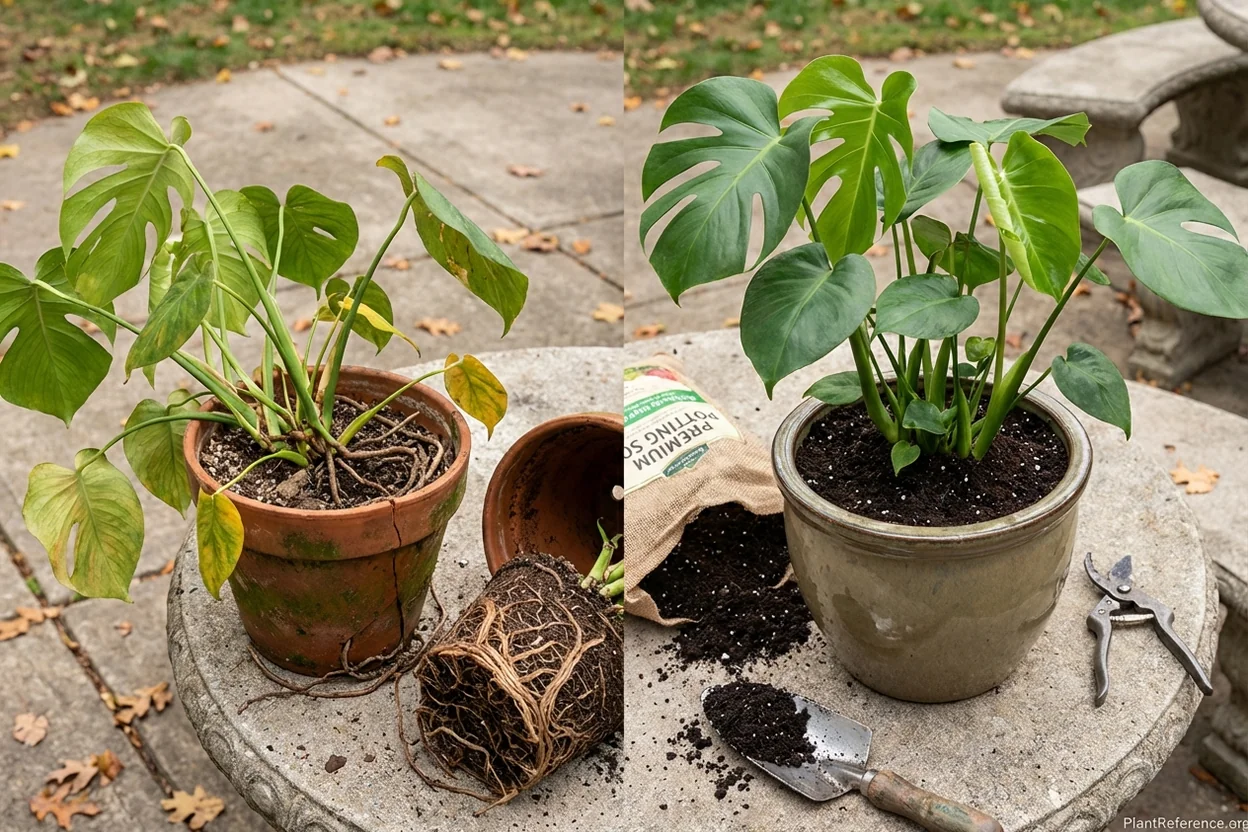
For apartment dwellers, consider your repotting workspace when choosing pots. Heavy ceramic pots require outdoor space or significant floor protection during repotting. Lighter materials make the process more manageable in small spaces.
Remember, the best pot for your monstera balances proper function with your lifestyle and space constraints. Don't sacrifice drainage or appropriate sizing for aesthetics, but also choose something you'll enjoy living with for years as your monstera grows.
Frequently Asked Questions
Reading about plants and recognising them are different skills. These three build the second.
- Daily PlantIdentify the day’s mystery plant from a close-up photograph.
- Keyed OutWork a dichotomous key, lead by lead, to name a hidden specimen.
- Name That PlantName a specimen from botanical clues dealt hardest first.
Free to play, no account needed
Jessica transformed her small Brooklyn balcony into a thriving container garden after moving to New York City. What started as a pandemic hobby turned into a plant care consulting business serving urban apartment dwellers across the city. She specializes in small-space gardening, indoor plant troubleshooting, and helping clients keep houseplants alive in less-than-ideal conditions (dim light, dry heat, tiny spaces). Jessica completed a home gardening certificate program and shares her plant wins and failures on her modest Instagram following. Her partner, Maya, jokes that their apartment is now 40% plants, 60% living space. Jessica's passionate about making plant care accessible to renters who think they don't have room to garden.