When to Plant Squash in Boise: Complete Guide + Best Varieties for Zone 6a
Pets & Toxicity
Recorded toxicity for plants linked in this guide. An unknown status is not a safety assessment.
Cucurbita pepo 'Black Beauty' — Toxicity
Non-toxic as an edible cropView Cucurbita pepo 'Black Beauty' plant profileCucurbita pepo 'Yellow Crookneck' — Toxicity
Non-toxic as an edible cropView Cucurbita pepo 'Yellow Crookneck' plant profile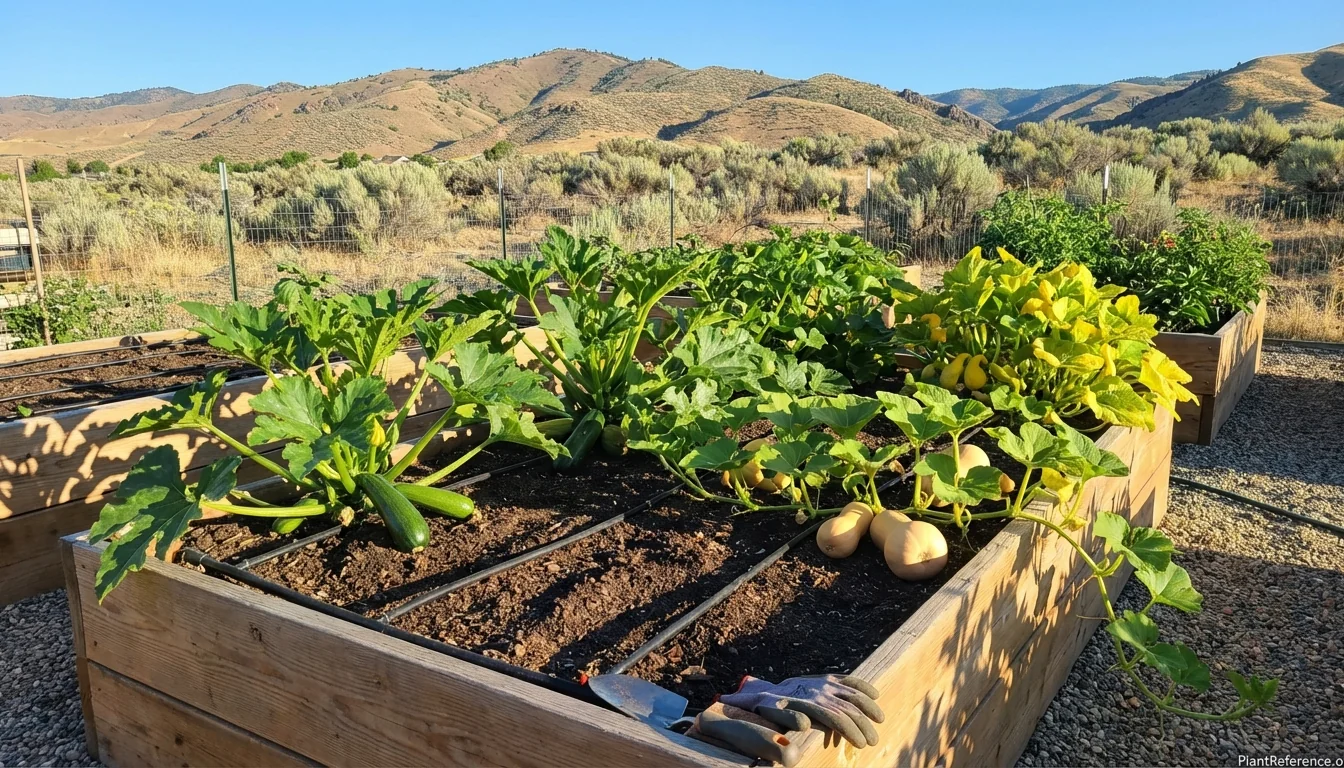
— Image © Plant Reference 2026
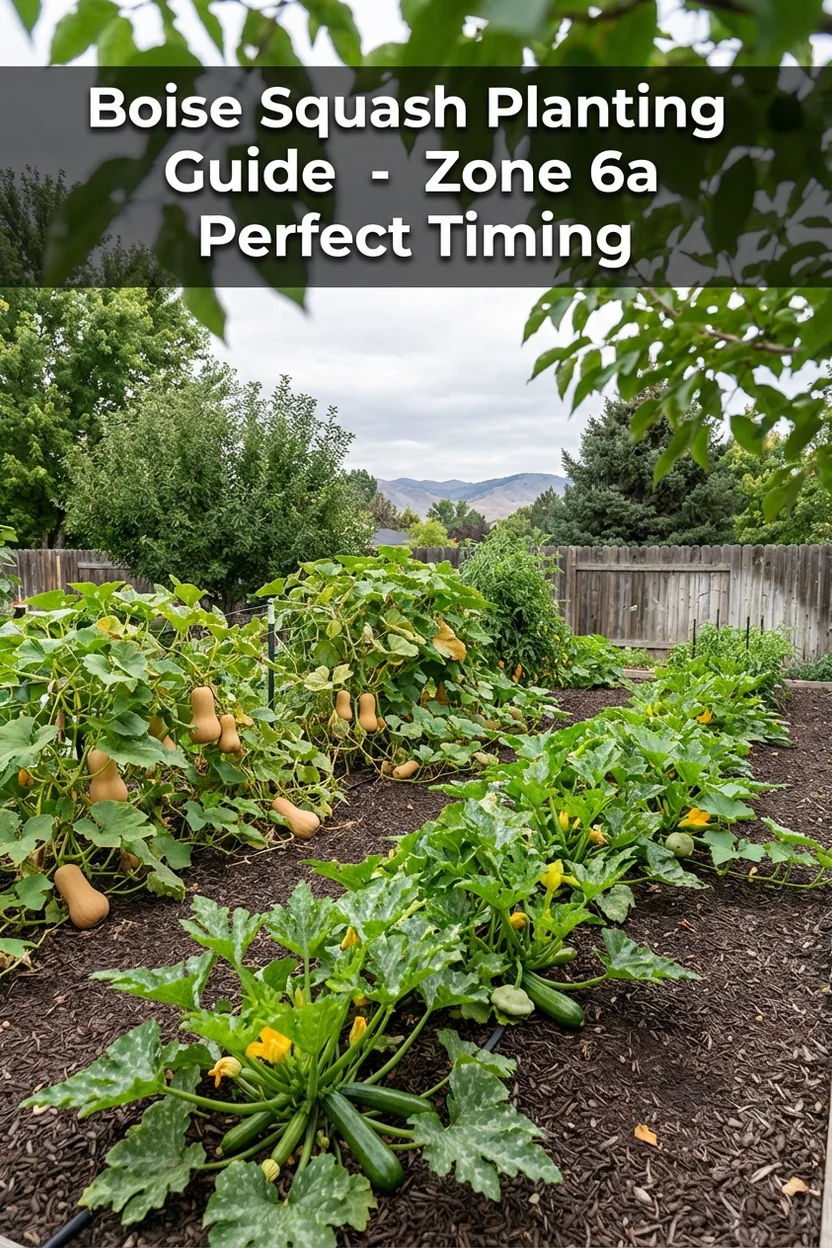
Boise gardeners have won the squash lottery. With 158 frost-free days stretching from May 4 to October 9, Zone 6a provides excellent conditions for both quick-producing summer squash and long-season winter storage varieties. I've been growing squash in Idaho for thirty years, and Boise's climate offers the perfect balance—long enough for butternut squash to fully mature, yet manageable for beginners.
Best Squash Varieties for Boise's Climate
Boise's Zone 6a climate with moderate summer heat and reliable frost dates makes it ideal for all squash types. The key is matching variety maturity to your growing season length and space constraints.
Summer Squash Varieties (45-60 days)
Summer squash varieties thrive in Boise's warm summers and provide continuous harvests from mid-June through October. These varieties are harvested immature when skins are tender and seeds undeveloped.
**Black Beauty Zucchini 🌿Cucurbita pepo 'Black Beauty': The workhorse of Boise gardens. This bush variety produces dark green cylindrical fruits continuously once established. Plant spacing of 36 inches (90 cm) prevents overcrowding while allowing air circulation. In Boise's dry climate, consistent irrigation prevents blossom end rot.
**Yellow Crookneck 🌿Cucurbita pepo 'Yellow Crookneck': Excellent heat tolerance makes this perfect for Boise's summer temperatures reaching 90°F+ (32°C+). The distinctive curved neck and warty skin develop quickly. Harvest at 4-6 inches (10-15 cm) length before skin toughens.
**Pattypan Cucurbita pepo 'Pattypan': Compact bush habit suits smaller Boise gardens. The scalloped, disk-shaped fruits are best harvested at 2-3 inches (5-8 cm) diameter. This variety produces prolifically in Boise's long growing season.
Winter Squash Varieties (80-110 days)
Boise's 158-day season accommodates all winter squash varieties with proper timing. These are harvested fully mature with hard rinds for long-term storage.
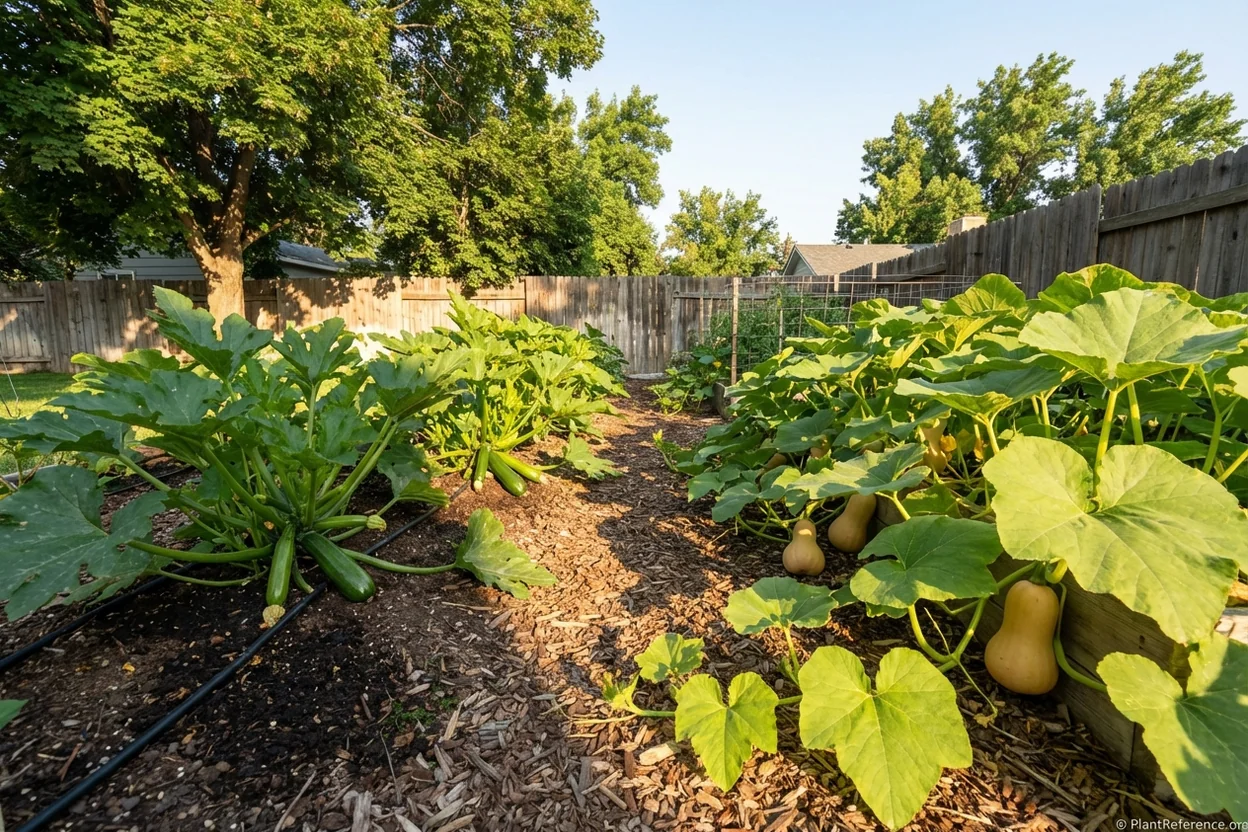
**Butternut 🌿Cucurbita moschata 'Butternut': The gold standard for storage, keeping 4-6 months in cool conditions. Vining habit requires 48-60 inch (120-150 cm) spacing. The tan exterior and orange flesh develop fully in Boise's warm summers. Requires 85-100 days to maturity.
**Acorn Cucurbita pepo 'Table Queen Acorn': Semi-bush growth makes this space-efficient for winter squash. Distinctive ribbed, acorn shape with dark green skin. Unlike other winter squash, acorn varieties should not be heat-cured as it degrades texture. Stores 4-8 weeks.
Variety | Days to Maturity | Best For | Notes for Boise |
|---|---|---|---|
45-55 days | Continuous harvest | Plant May 4-June 15 for succession | |
50-60 days | Heat tolerance | Excellent in Boise summer heat | |
Cucurbita pepo 'Pattypan' | 50-60 days | Small gardens | Compact bush fits tight spaces |
85-100 days | Long storage | Plant by May 15 for October harvest | |
Cucurbita pepo 'Table Queen Acorn' | 80-100 days | Space efficiency | Semi-bush saves garden space |
80-100 days | Easy preparation | Thin edible skin, sweet flesh | |
Cucurbita pepo 'Spaghetti' | 88-100 days | Unique texture | Stringy flesh separates into noodles |
Cucurbita maxima 'Kabocha' | 95-110 days | Premium storage | Plant by May 4 for full maturity |
**Delicata 🌿Cucurbita pepo 'Delicata': Known as "sweet potato squash" for its cream-colored skin with green stripes. The thin, edible skin eliminates peeling. Semi-vining growth requires moderate spacing. Stores 2-3 months—shorter than other winter squash due to thin skin.
**Spaghetti Cucurbita pepo 'Spaghetti': Unique variety where cooked flesh separates into spaghetti-like strands. Vining habit spreads 8-10 feet (240-300 cm). Requires consistent moisture throughout Boise's growing season to develop proper texture. Yellow exterior hardens to nearly impenetrable shell when mature.
**Kabocha Cucurbita maxima 'Kabocha': Japanese pumpkin with dense, sweet orange flesh. Large vines can spread 12+ feet (360+ cm). This variety prefers Boise's moderate summers over extreme heat. Plant by May 4 to ensure 95-110 days for full maturity before October frost.
Specific Planting Dates for Boise
Timing is everything with squash in Boise. Plant too early and cold soil prevents germination. Plant too late and winter squash won't mature before October 9 frost.
Soil Temperature Requirements
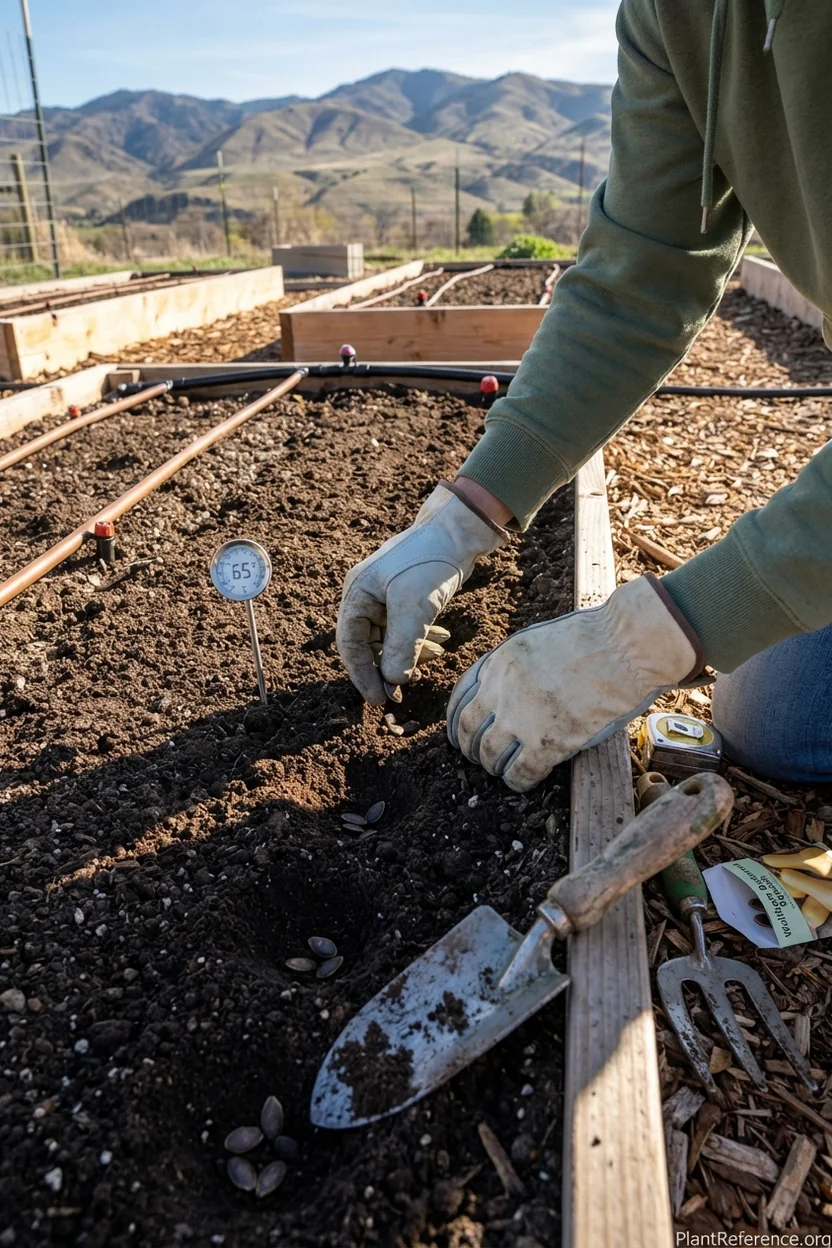
Squash seeds require soil temperature of 60°F (16°C) minimum for germination, with 65-70°F (18-21°C) optimal. In Boise, soil typically reaches 60°F (16°C) by May 4, coinciding with the average last frost date.
Soil Temperature Monitoring: Use a soil thermometer at 2-inch (5 cm) depth, measuring at 8:00 AM for accurate readings. Cold spring soils in Boise can delay planting by 1-2 weeks in late seasons.
Direct Seeding Schedule
Summer Squash Direct Seeding:
-
First Planting: May 4-15 (after soil warms)
-
Second Planting: June 1-15 (succession crop)
-
Final Planting: July 1 (late summer harvest)
Winter Squash Direct Seeding:
-
Butternut & Acorn: May 4-15 (needs full 158 days)
-
Delicata & Spaghetti: May 4-20 (maximum timing flexibility)
-
Kabocha: May 4-10 (requires longest season)
Transplant Schedule
Starting transplants indoors extends the growing season and ensures germination success. Start seeds 2-3 weeks before transplant date.
Indoor Seed Starting:
-
Start Seeds: April 10-20
-
Transplant Outdoors: May 4-15
Transplant Advantages: Earlier harvest, guaranteed germination, and protection from cucumber beetle damage on young seedlings.
Complete Growing Guide for Boise
Success with squash in Boise requires understanding the local climate, soil preparation, and seasonal care requirements.
Soil Preparation
Boise's alkaline soils (pH 7.0-8.0) need organic matter incorporation to lower pH and improve drainage. Squash prefers slightly acidic to neutral soil (pH 6.0-7.0).
Soil Amendment Strategy:
Add Compost: 2-3 inches (5-8 cm) of compost mixed into top 8 inches (20 cm) of soil
Sulfur Addition: 1-2 pounds per 100 square feet to lower pH gradually
Drainage Enhancement: Raised beds or mounded rows essential in Boise's clay soils
Spacing and Layout
Proper spacing prevents disease and ensures adequate nutrition for each plant.
Bush Varieties (Summer Squash):
Plant spacing: 36 inches (90 cm) apart
Row spacing: 4-5 feet (120-150 cm)
Expected spread: 3-4 feet (90-120 cm) diameter
Vining Varieties (Winter Squash):
Plant spacing: 48-60 inches (120-150 cm) apart
Row spacing: 6-8 feet (180-240 cm)
Expected spread: 8-12 feet (240-360 cm) diameter
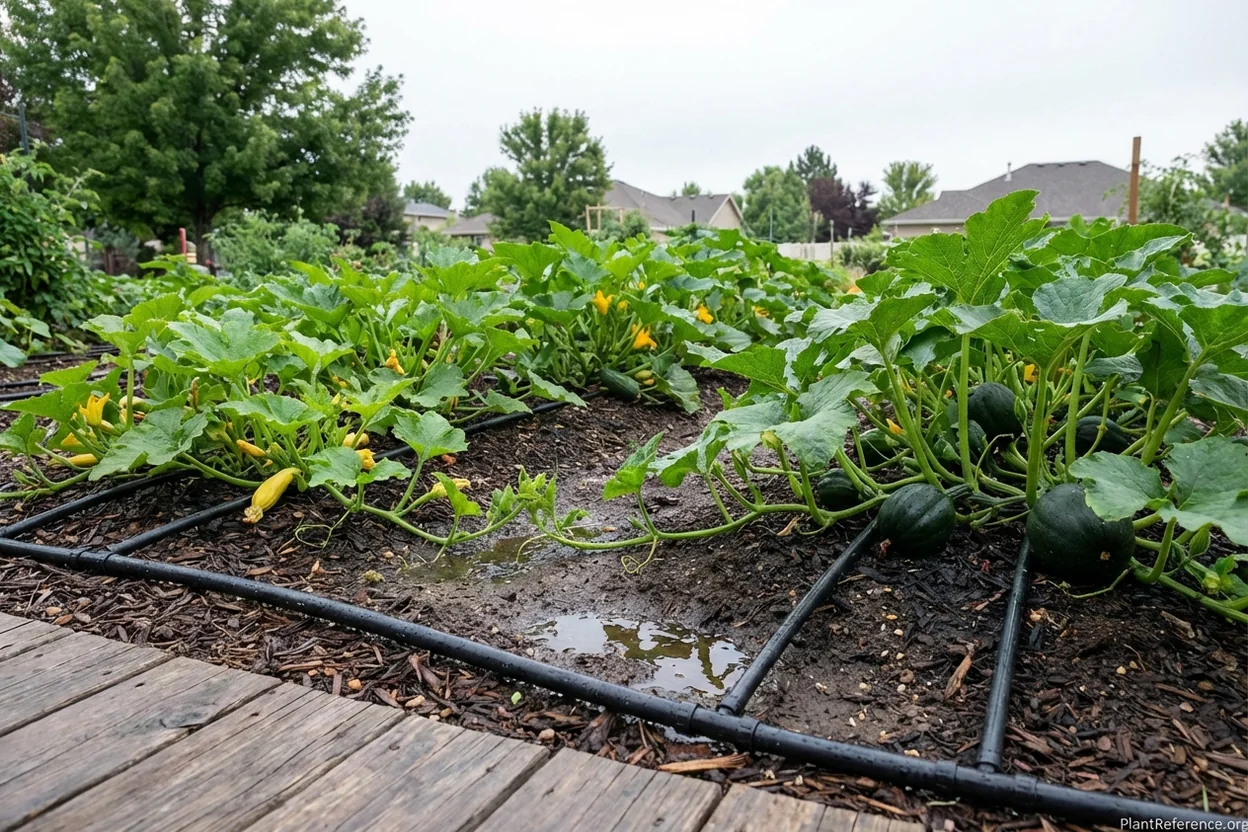
Irrigation Management
Boise's high desert climate with 12 inches (30 cm) annual precipitation requires supplemental irrigation throughout the growing season.
Water Requirements:
-
Germination Stage: Keep soil consistently moist but not waterlogged
-
Vegetative Growth: 1-1.5 inches (2.5-4 cm) per week including rainfall
-
Fruit Development: Maintain consistent moisture to prevent blossom end rot
Irrigation Timing: Water deeply 2-3 times per week rather than daily shallow watering. Morning irrigation allows leaves to dry before evening, reducing disease pressure.
Fertilization Schedule
Squash are heavy feeders requiring nutrient management throughout the growing season.
Pre-Plant Fertilization:
Incorporate 2-4 inches (5-10 cm) compost or aged manure
Add balanced fertilizer (10-10-10) at 2 pounds per 100 square feet
Growing Season Feeding:
-
Week 3: Side-dress with nitrogen-rich fertilizer (blood meal or fish emulsion)
-
First Flowers: Switch to balanced fertilizer to support fruit development
-
Summer Squash: Continue monthly feeding through harvest season
-
Winter Squash: Stop fertilizing 6 weeks before expected harvest to encourage maturity
Pollination Support
Squash require cross-pollination between male and female flowers for fruit development. Boise's declining bee populations may require intervention.
Natural Pollination Enhancement:
Plant bee-attracting flowers nearby (sunflowers, zinnias, marigolds)
Avoid pesticide applications during flowering
Provide bee nesting sites (untreated wood blocks, native plant areas)
Hand Pollination Technique:
Identify Flowers: Female flowers have miniature fruit at base, males have straight stems
Timing: Pollinate between 6:00-10:00 AM when flowers are fully open
Method: Remove male flower, peel back petals, touch pollen-covered anther to female flower stigma
Success Rate: Hand pollination ensures 95%+ fruit set vs. 60-70% natural rates
Troubleshooting Boise-Specific Problems
Boise's unique climate and growing conditions present specific challenges requiring targeted solutions.
Alkaline Soil Issues
Boise's naturally alkaline soils (pH 7.5-8.5) can limit nutrient availability, particularly iron and phosphorus.
Symptoms: Yellowing leaves between veins (chlorosis), poor fruit development, stunted growth.
Solutions:
Annual Sulfur Applications: 1-2 pounds per 100 square feet each spring
Organic Matter: Heavy compost additions gradually acidify soil
Acidifying Fertilizers: Use ammonium sulfate instead of calcium nitrate
High Desert Wind Damage
Boise's exposed location creates wind stress, particularly damaging to large-leafed squash plants.
Wind Protection Strategies:
Windbreaks: Plant tall crops (corn, sunflowers) on windward side
Row Covers: Protect young plants until well-established
Staking: Support vining varieties with sturdy trellises anchored deeply
Cucumber Beetle Pressure
Striped cucumber beetles vector bacterial wilt, a fatal disease common in Boise gardens.
Prevention Methods:
Row Covers: Cover immediately after planting, remove when flowers appear
Trap Crops: Plant attractive varieties (Blue Hubbard) away from main crop
Beneficial Insects: Encourage ground beetles and spiders that prey on cucumber beetles
Treatment: Once bacterial wilt appears (sudden wilting despite adequate moisture), remove infected plants immediately to prevent spread.
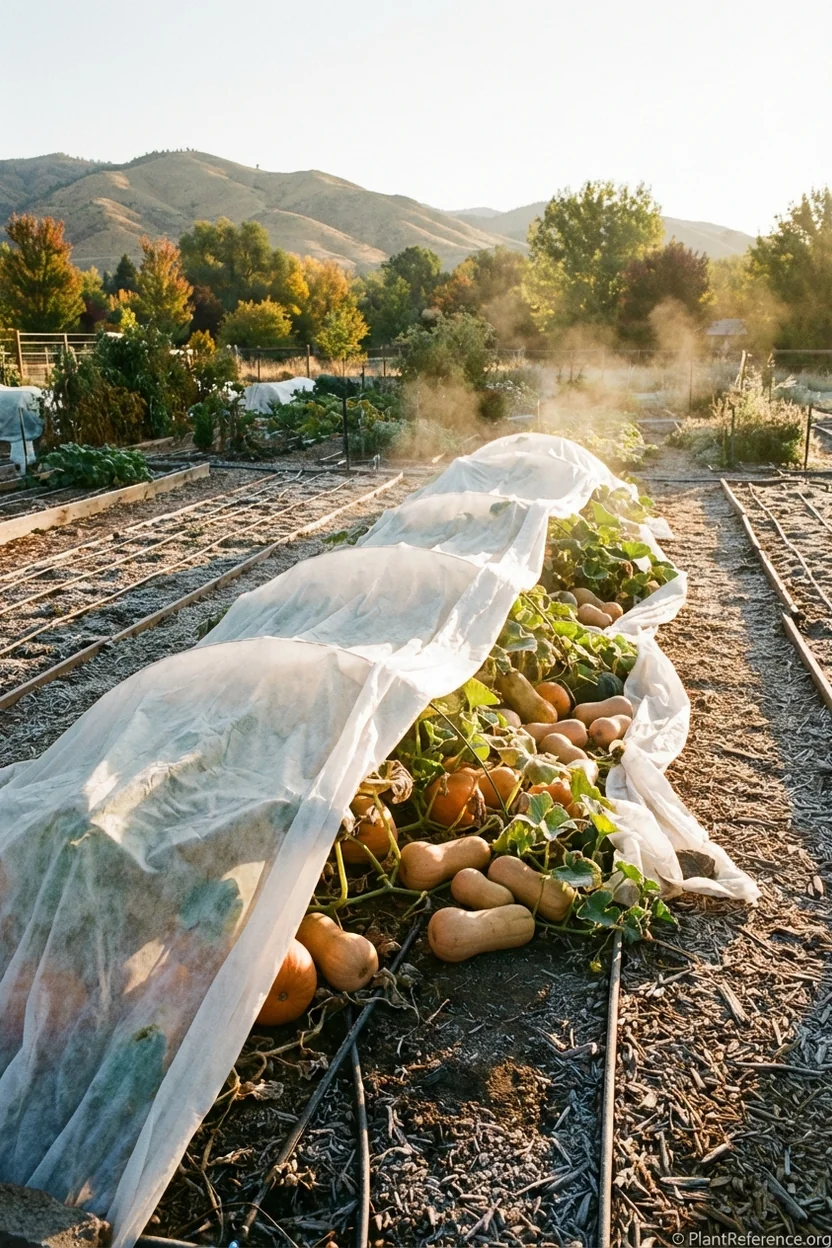
Late Season Frost Risk
Early October frosts can damage winter squash before full maturity.
Frost Protection:
Row Covers: Lightweight fabric adds 4-6°F (2-3°C) protection
Thermal Mass: Place water-filled containers near plants for heat storage
Harvest Timing: Monitor weather forecasts closely in late September
Harvest & Storage
Proper harvesting and storage techniques maximize your squash investment, providing fresh food from July through March.
Summer Squash Harvesting
Summer squash quality peaks when fruits are young and tender. Regular harvesting stimulates continued production throughout Boise's growing season.
Harvest Indicators:
-
Zucchini: 6-8 inches (15-20 cm) length, skin easily punctured by fingernail
-
Yellow Crookneck: 4-6 inches (10-15 cm) length, skin still glossy
-
Pattypan: 2-3 inches (5-8 cm) diameter, tender skin
Harvesting Schedule: Check plants daily once production begins. Summer squash can grow from perfect size to over-mature in 24-48 hours during peak season.
Winter Squash Harvesting
Winter squash must reach full physiological maturity for proper flavor development and storage capability.
Maturity Indicators:
Stem becomes dry and corky
Skin cannot be dented with fingernail pressure
Color deepens to variety-specific mature coloration
Vines begin natural senescence (dying back)
Harvest Timing in Boise: Harvest winter squash by October 1-5, leaving 1-2 inches (2.5-5 cm) of stem attached. Cut stems cleanly with sharp knife—never pull fruits from vines.
Curing Process
Proper curing converts starches to sugars and hardens skin for extended storage.
Curing Requirements:
-
Temperature: 80-85°F (27-29°C)
-
Duration: 10-14 days
-
Location: Sunny, dry area with good air circulation
Boise Curing Strategy: Use south-facing porch, greenhouse, or warm garage. Boise's dry fall weather provides excellent natural curing conditions.
Curing Exceptions:
-
Acorn Squash: Do NOT cure—heat degrades texture
-
Delicata: Do NOT cure—thin skin dehydrates rapidly
Long-term Storage
Properly cured winter squash stores 2-6 months in Boise's ideal storage conditions.
Storage Requirements:
-
Temperature: 50-55°F (10-13°C)
-
Humidity: 50-70% relative humidity
-
Air Circulation: Prevent moisture buildup
-
Light: Dark or dim conditions
Storage Locations: Unheated basement, root cellar, or insulated garage work well in Boise's climate.
Frequently Asked Questions
Three daily games
Can you name a plant on sight?
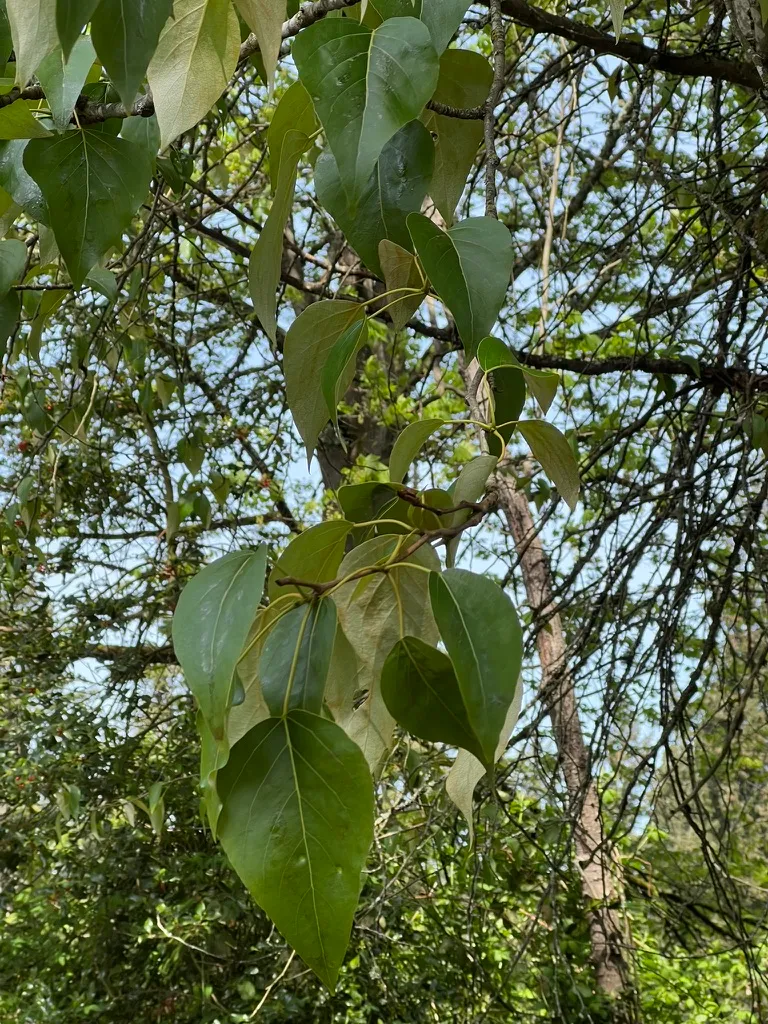
Friday’s specimenPopulus balsamifera ssp. trichocarpaReading about plants and recognising them are different skills. These three build the second.
- Daily PlantIdentify the day’s mystery plant from a close-up photograph.
- Keyed OutWork a dichotomous key, lead by lead, to name a hidden specimen.
- Name That PlantName a specimen from botanical clues dealt hardest first.
Free to play, no account needed
Lily is a Master Gardener and high-desert homesteader outside Boise. She and her husband moved to Idaho from the Bay Area and had to completely relearn gardening for a climate with alkaline soil, intense sun, hard freezes, and limited water. Lily now grows a large vegetable garden, maintains a small orchard of cold-hardy fruit trees, and raises cut flowers for the local farmers market. She writes about the specific challenges of intermountain gardening—short seasons, temperature swings, and the importance of soil amendment in high-pH soils. Lily is honest about the learning curve: high-desert gardening is humbling, and she thinks more gardening writers should admit when conditions are genuinely difficult.