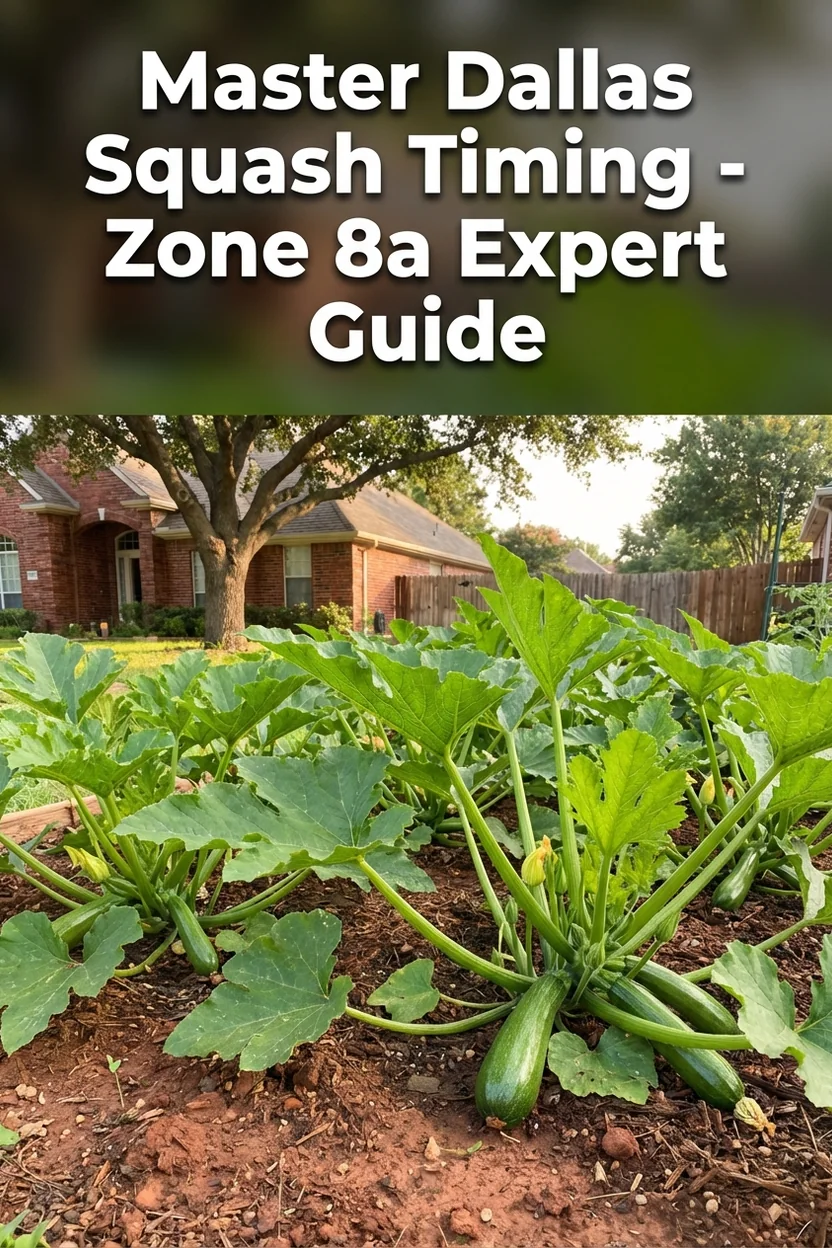
When to Plant Squash in Dallas: Complete Guide + Best Varieties for Zone 8a
Pets & Toxicity
Recorded toxicity for plants linked in this guide. An unknown status is not a safety assessment.
No linked plant is recorded as toxicDetailsHide
Cucurbita pepo 'Black Beauty' — Toxicity
Non-toxic as an edible cropView Cucurbita pepo 'Black Beauty' plant profileCucurbita pepo 'Yellow Crookneck' — Toxicity
Non-toxic as an edible cropView Cucurbita pepo 'Yellow Crookneck' plant profile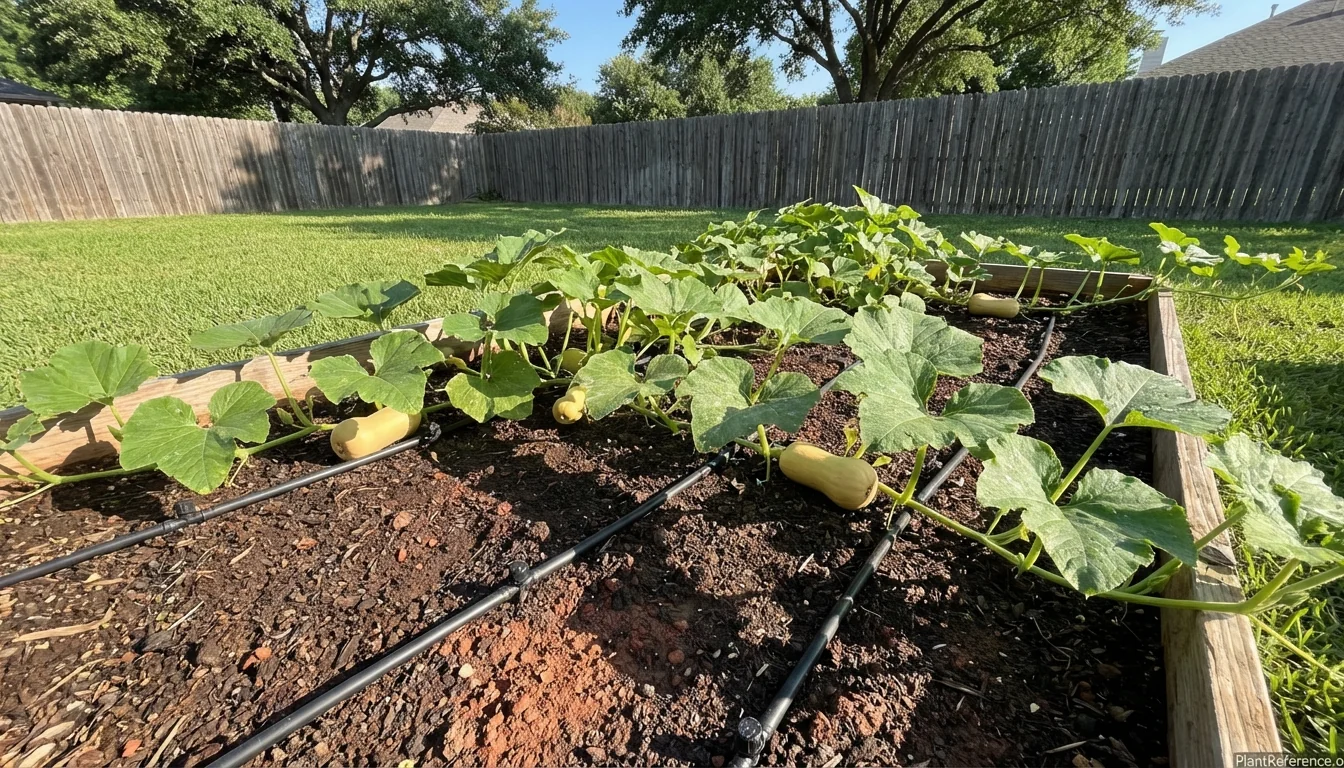
— Image © Plant Reference 2026
I've been growing squash in Texas for over thirty years, and I'll tell you what works in Dallas: timing is everything. Zone 8a gives us a long growing season—255 days from March 14 to November 24—but that summer heat will kill your squash vines faster than you can water them.
Best Squash Varieties for Dallas's Zone 8a Climate
Dallas gardeners need heat-tolerant varieties that can handle our scorching summers or mature before the worst heat hits. I've learned the hard way that not all squash varieties thrive in Zone 8a.
Summer squash varieties handle Dallas heat better than winter types, but even these tough plants struggle when temperatures hit 95°F+ for weeks. The key is selecting varieties bred for heat tolerance and timing your plantings right.
Variety | Days to Maturity | Best Planting Window | Heat Tolerance | Notes for Dallas |
|---|---|---|---|---|
50-55 days | March-May, August-September | Excellent | Top summer variety for Texas heat | |
55-60 days | March-May, August-September | Excellent | Very productive in spring/fall | |
50-60 days | March-May, August-September | Good | Harvest at 2-3 inches in heat | |
100-110 days | March 15-April 15 only | Moderate | Needs full season, plant early | |
Cucurbita pepo 'Table Queen Acorn' | 85-100 days | March 15-April 15 only | Poor | Struggles in extreme heat |
100-110 days | March 15-April 1 only | Poor | Early planting essential | |
Cucurbita pepo 'Spaghetti' | 100-110 days | March 15-April 15 only | Moderate | Better than acorn in heat |
Cucurbita maxima 'Kabocha' | 105-120 days | Not recommended | Very poor | Fails in Dallas heat |
Summer Squash Champions
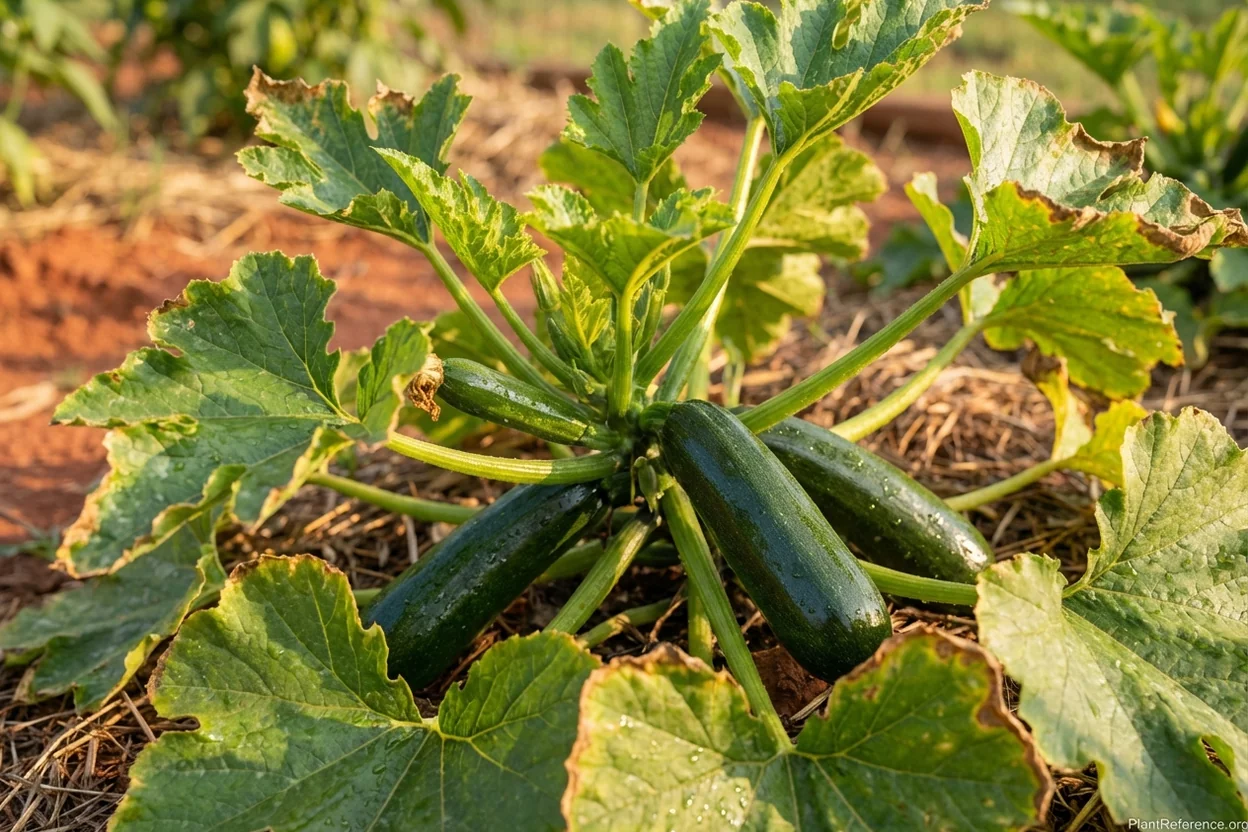
Black Beauty Zucchini is my go-to variety for Dallas. This bush type produces heavily from 50 days after planting until the vines finally succumb to heat or pests. One plant feeds a family of four with daily harvests during peak season.
Yellow Crookneck performs nearly as well, with slightly better heat tolerance than zucchini. The warty, curved fruits should be picked at 4-6 inches long—any larger and they become tough and seedy.
Pattypan varieties are reliable producers, but you must harvest the scalloped fruits when they're 2-3 inches across. In Dallas heat, they can go from perfect to woody in 24 hours.
Winter Squash Realities
Winter squash is challenging in Dallas because of our early intense heat. These varieties need 85-110 days to mature, which means planting by mid-April at the latest to harvest before November heat stress.
Butternut squash is your best bet among winter types. The 🌿Cucurbita moschata 'Butternut' species evolved in warm climates and handles heat stress better than other winter squash. Plant by April 1st for November harvest.
Acorn and Delicata are marginal performers here. They're 🌿Cucurbita pepo 'Black Beauty' varieties that prefer cooler growing conditions. Only attempt these with the earliest possible planting—mid-March at the latest.
Skip Kabocha entirely. This 🌿Cucurbita maxima 'Hubbard' variety needs cool summers and fails reliably in Texas heat.
Specific Planting Dates for Dallas Gardeners
Dallas's last frost averages March 14, but I've seen killing frost as late as March 28 some years. First frost typically arrives around November 24, giving us 255 growing days—plenty for any squash variety if you time it right.
Spring Planting Window
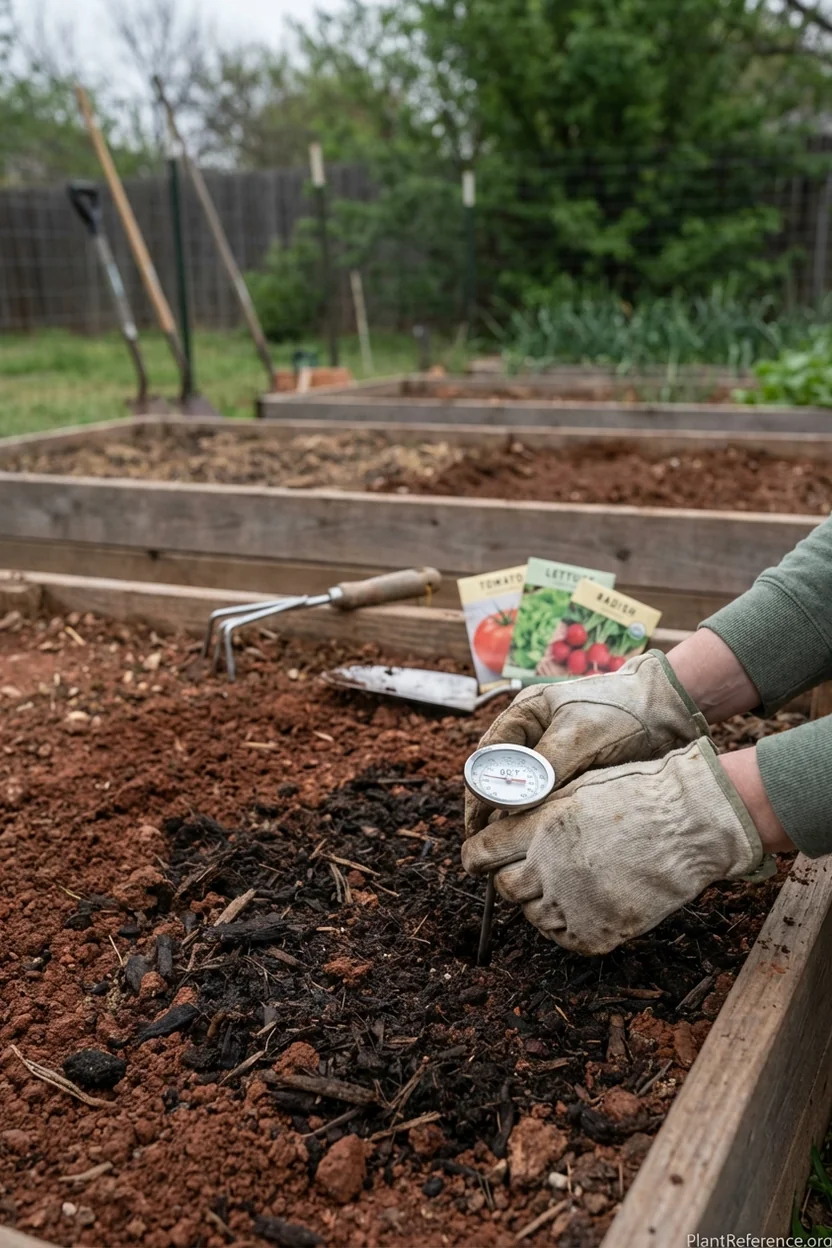
Direct Sowing: March 20-May 1 for summer squash, March 20-April 15 for winter squash. I wait until soil temperature reaches 65°F consistently—usually by March 20 in Dallas.
Transplant Option: Start seeds indoors 2-3 weeks before outdoor planting. Transplant 🌿Cucurbita pepo 'Black Beauty' seedlings March 15-April 15 and 🌿Cucurbita moschata 'Butternut' transplants March 10-April 1.
Cold snaps can still hit in early March. Keep row covers handy to protect young plants from unexpected temperature drops below 50°F.
The Summer Gap
Mid-May through mid-August is squash purgatory in Dallas. Temperatures soar above 95°F for weeks, and even heat-tolerant varieties struggle. Established spring plantings may continue producing until July, but new plantings fail.
This is when I focus on harvesting and preserving my spring crop while planning the fall planting.
Fall Planting Revival
Fall Summer Squash: August 15-September 15. This timing gives you 70-90 days before first frost—perfect for summer varieties that mature in 50-60 days.
Why Fall Works: Cooler September and October temperatures revive plant vigor. Fall plantings often out-produce spring crops because they mature in ideal conditions.
Skip winter squash for fall planting—there isn't enough time before frost for 85-110 day varieties.
Complete Growing Guide for Dallas
Soil Preparation for Texas Clay
Dallas's notorious black clay soil needs serious amendment for squash success. I add 2-3 inches of compost annually and work it into the top 8-10 inches of soil.
Raised beds are nearly mandatory here. They improve drainage in our clay soil and warm up faster in spring. Build beds 8-12 inches tall and 4-8 feet wide for best results.
Test your soil pH—Dallas soil often runs alkaline at 7.5-8.0. Squash prefers 6.0-6.8 pH for optimal nutrient uptake. Work in sulfur or peat moss to lower pH if needed.
Planting Techniques
Direct Seeding: Plant seeds 1 inch deep in hills spaced 36 inches apart for bush varieties, 48-60 inches for vining types. Plant 3-4 seeds per hill and thin to the strongest 1-2 plants.
Transplant Method: Grow seedlings in biodegradable pots to avoid root disturbance. Squash roots don't handle transplant shock well—damaged roots set growth back 2-3 weeks.
Water seeds and transplants daily until established. Dallas heat desiccates soil quickly in spring.
Irrigation Strategy
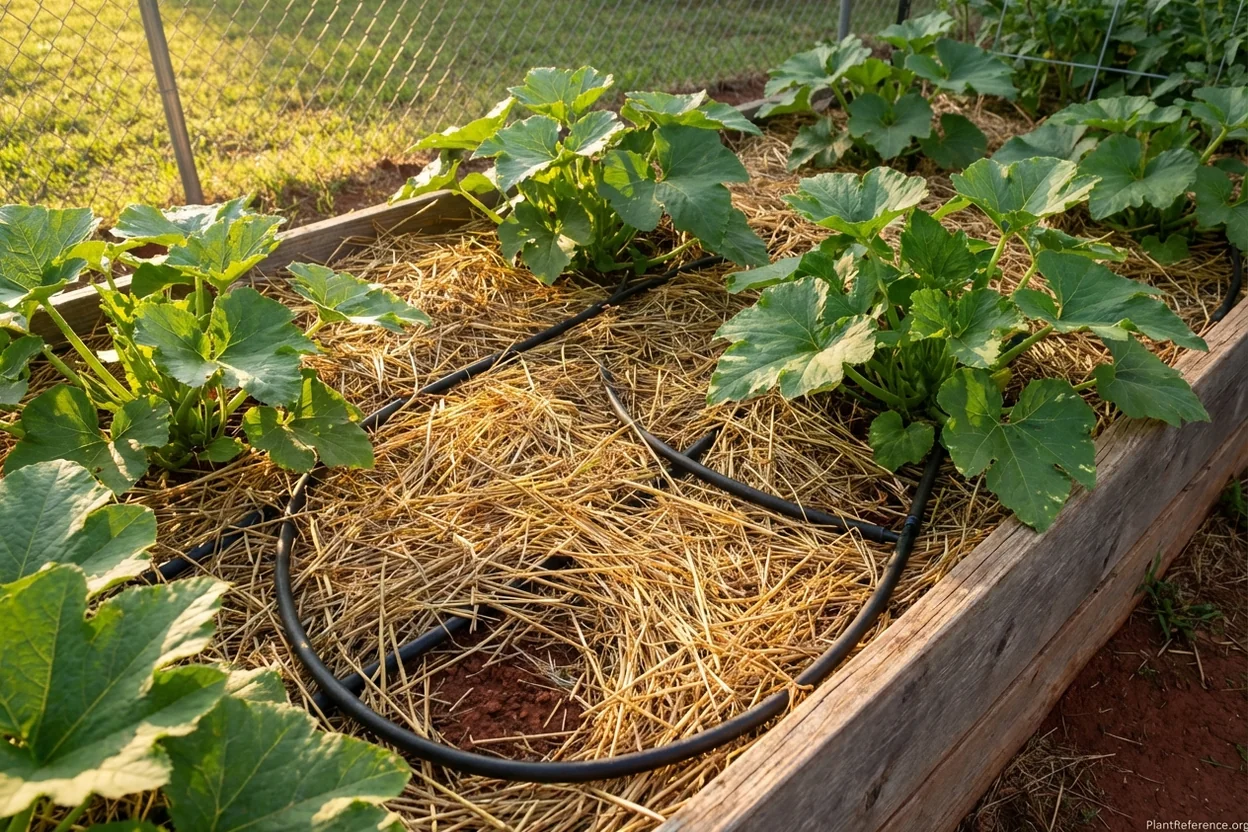
Drip irrigation is essential in Dallas. Our clay soil sheds water when it dries out, and overhead watering wastes precious water to evaporation.
Summer squash needs 1-2 inches weekly. Winter squash requires consistent moisture during fruit development but should be allowed to dry down before harvest to improve storage life.
Mulch heavily with 3-4 inches of shredded leaves or straw. This conserves moisture and keeps roots cool during heat waves.
Managing Dallas Heat
Shade Cloth: 30-50% shade cloth extends the productive life of spring plantings into early summer. Remove it for fall plantings when temperatures moderate.
Row Covers: Floating row covers protect plants from late cold snaps in March and early heat waves in May. Remove covers when plants begin flowering to allow pollination.
Succession Planting: Plant summer squash every 2-3 weeks from March through April for continuous harvest before the summer gap.
Fertilization Schedule
Pre-plant with 2-3 inches of compost worked into the soil. This provides slow-release nutrients throughout the growing season.
Summer Squash: Side-dress with compost or balanced fertilizer (10-10-10) every 3-4 weeks to maintain production. Continuous harvesting depletes plant energy quickly.
Winter Squash: Fertilize at planting and once more at flowering. Stop fertilizing once fruits set to encourage proper ripening and storage quality.
Avoid high-nitrogen fertilizers in summer heat—they promote excessive foliage growth that transpires more water than the plant can replace.
Troubleshooting Dallas-Specific Problems
Squash Vine Borer
This clear-wing moth lays eggs at the base of squash stems in June and July. Larvae bore into stems, blocking water transport and causing sudden plant collapse.
Prevention: Row covers during egg-laying season, though this interferes with pollination. Resistant butternut varieties are your best defense.
Treatment: If you find sawdust-like frass around the stem base, slit the stem with a razor blade, remove the larva, and mound soil over the wound to encourage new roots.
Squash Bug Invasion
These shield-shaped insects suck plant juices and inject toxins that cause leaves to wilt and turn brown. They're especially problematic in Dallas's hot, dry conditions.
Early Detection: Check the undersides of leaves weekly for copper-colored egg masses. Remove them immediately.
Control: Hand-pick adults in early morning when they're sluggish. Board traps (wooden shingles on soil) attract adults overnight for easy morning disposal.
Heat Stress Symptoms
Blossom Drop: Normal when daytime temperatures exceed 90°F. Male flowers drop first, followed by female flowers if stress continues.
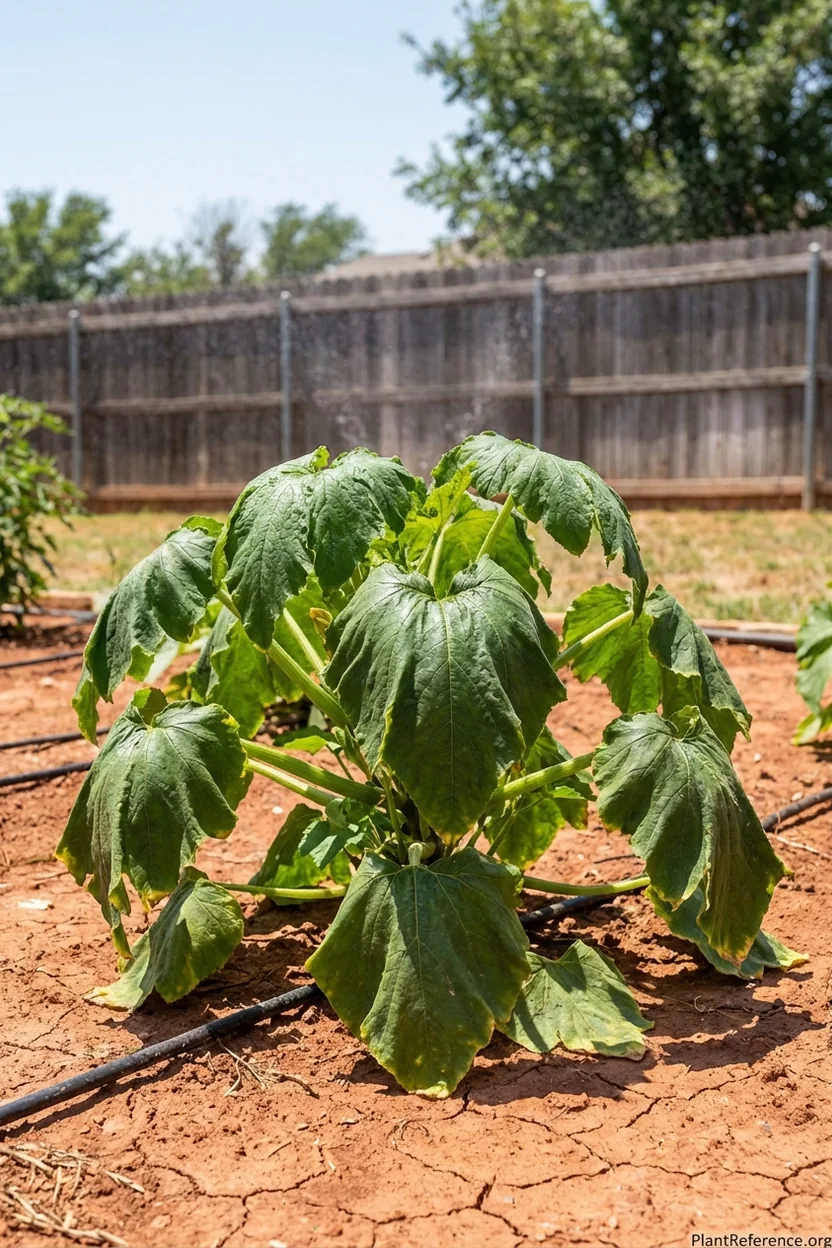
Wilting: Even well-watered plants wilt in afternoon heat above 95°F. This is normal—plants recover in evening. Consistent wilting indicates root problems.
Poor Fruit Set: Pollen becomes non-viable above 90°F. Hand-pollinate in early morning (6-8 AM) when temperatures are cooler and pollen is fresh.
Pollination Problems
Dallas heat affects pollination success. Female flowers may abort if temperatures exceed 90°F during the critical 24-hour pollination window.
Hand Pollination: Pick a fresh male flower in early morning, remove the petals, and brush the pollen-covered anther against the stigma of female flowers. Do this between 6-8 AM before heat kills pollen viability.
Encouraging Pollinators: Plant native Texas flowers nearby to support squash bees and other native pollinators. Sunflowers, zinnias, and cosmos bloom during squash season.
Powdery Mildew
This fungal disease appears as white coating on leaves, typically in fall when humidity rises and temperatures moderate.
Prevention: Space plants widely for air circulation. Drip irrigate to keep leaves dry.
Treatment: Spray affected plants with baking soda solution (1 tablespoon per gallon) or neem oil. Remove severely affected leaves.
Harvest and Storage in Texas Heat
Summer Squash Harvest
Pick zucchini and yellow squash at 6-8 inches long, pattypan at 2-3 inches diameter. In Dallas heat, fruits can go from perfect to overripe in 24-48 hours.
Harvest daily during peak season—typically May through June and September through October. Missing even two days can result in baseball bat-sized zucchini that halt further production.
Summer squash doesn't store well. Use fresh, freeze, or dehydrate within days of harvest.
Winter Squash Harvest and Curing
Harvest winter squash in November when vines begin dying back and fruit rinds are hard enough that you can't dent them with a fingernail.
Curing Process: Unlike northern gardeners, Dallas's November heat can still reach 80-85°F—perfect natural curing conditions. Leave harvested squash in the garden for 10-14 days if weather permits, or move to a covered porch.
Storage Requirements: Store cured winter squash at 50-55°F with good air circulation. A cool garage or basement works well. Properly cured butternut keeps 4-6 months.
Acorn Exception: Don't cure acorn squash in heat—it degrades the texture. Store immediately at 50-55°F for 6-8 weeks maximum.
Frequently Asked Questions
Reading about plants and recognising them are different skills. These three build the second.
- Daily PlantIdentify the day’s mystery plant from a close-up photograph.
- Keyed OutWork a dichotomous key, lead by lead, to name a hidden specimen.
- Name That PlantName a specimen from botanical clues dealt hardest first.
Free to play, no account needed
Aisha manages a small tropical nursery on the east side of Houston, specializing in plants that can handle the Gulf Coast's humidity, heat, and unpredictable flooding. She studied horticulture in college and worked at a wholesale grower before opening her own operation. Growing up, her parents kept a kitchen garden with okra, bitter gourd, and curry leaf plants—a tradition she's continued. Houston's subtropical climate lets her grow things most of the country can't, but it also means dealing with fungal issues, standing water, and summers where it's too hot for even tomatoes. Aisha writes about tropical and subtropical plant care, humidity management, and working with heavy clay soils.