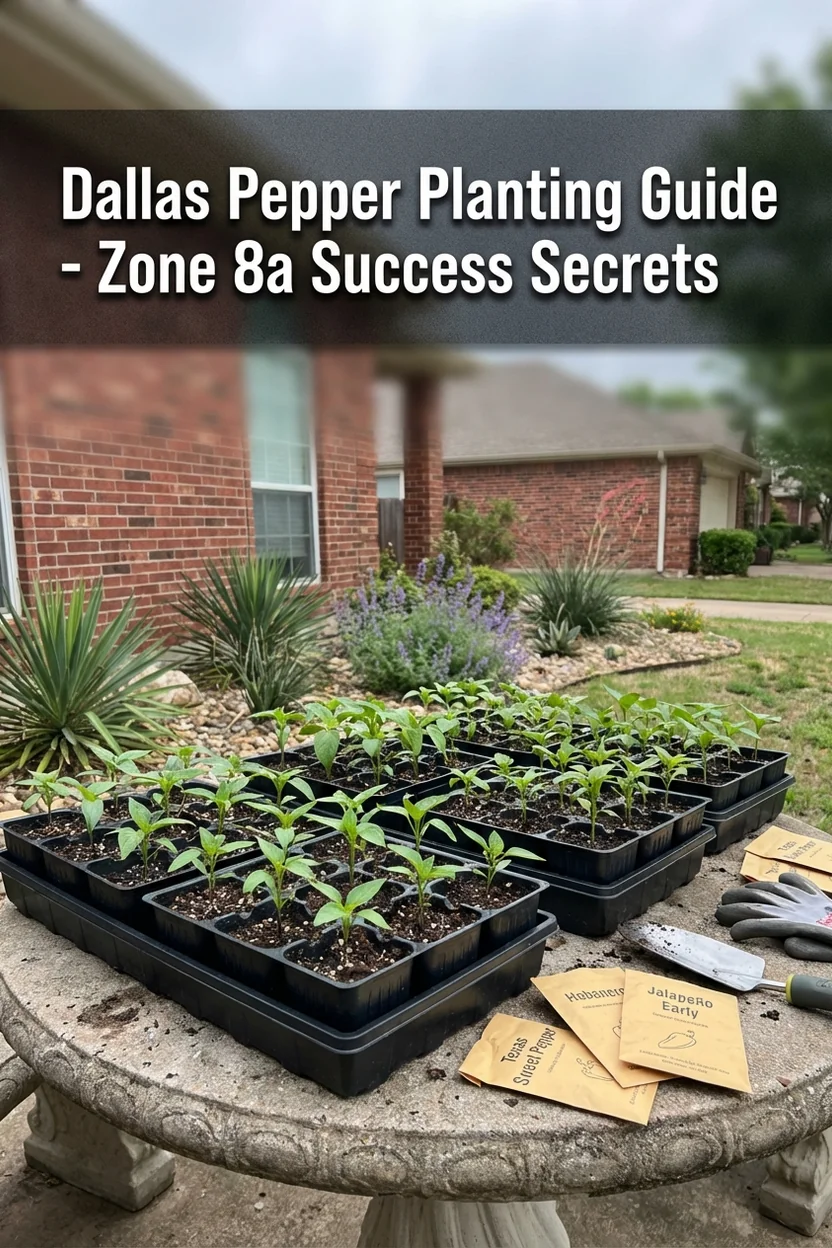
When to Plant Peppers in Dallas: Complete Guide + Best Varieties for Zone 8a
Pets & Toxicity
Recorded toxicity for plants linked in this guide. An unknown status is not a safety assessment.
Capsicum annuum 'California Wonder' — Toxicity
Non-toxicView Capsicum annuum 'California Wonder' plant profileCapsicum chinense 'Habanero' — Toxicity: Not assessed
Fruit contains capsaicin at 100,000–350,000 Scoville Heat Units — strong enough to cause severe burning on skin, eyes, and mucous membranes through simple contact with cut fruit or the hand that held it. Nitrile gloves are used during handling and food preparation; face and eye contact is avoided. The fruit is irritating rather than toxic in the usual sense, but the heat level can cause significant discomfort and real injury if mishandled. The plant is kept out of reach of children and pets.View Capsicum chinense 'Habanero' plant profile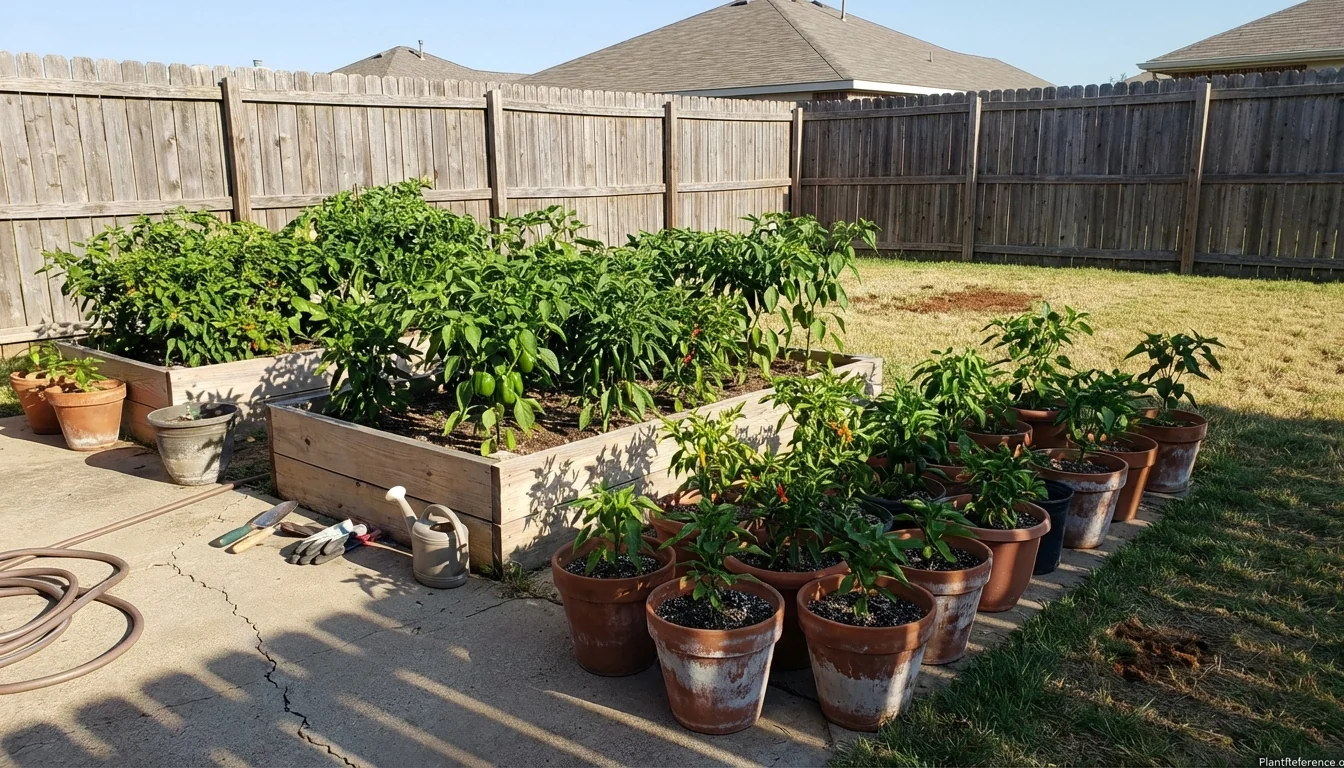
— Image © Plant Reference 2026
Planning your pepper garden in Dallas? You're in luck—our Zone 8a climate offers one of the longest growing seasons in the country with 255 frost-free days. I've been growing peppers in Texas for over thirty years, and I'll tell you exactly when to plant and which varieties work best in our intense summer heat.
Dallas gardeners have a significant advantage with our extended growing season running from mid-March through late November. However, success requires understanding how to manage the intense summer heat that can stress plants and reduce fruit set during July and August peak temperatures.
Best Pepper Varieties for Dallas's Climate
Selecting the right varieties makes the difference between a struggling garden and a productive harvest. After decades of testing, these eight varieties consistently perform in Dallas's challenging climate.
Variety | Days to Maturity | Heat Level (SHU) | Best For | Notes for Dallas |
|---|---|---|---|---|
70-80 days | 2,500-8,000 | Fresh use, pickling | Thrives in Texas heat, develops corking | |
Capsicum annuum 'Serrano' | 75-85 days | 10,000-25,000 | Hot sauce, cooking | Native to Mexico, heat-adapted |
Capsicum annuum 'Anaheim' | 70-80 days | 500-2,500 | Roasting, stuffing | Large size, good heat tolerance |
Capsicum annuum 'Poblano' | 65-80 days | 1,000-2,000 | Fresh cooking, drying | Performs well in heat with support |
Capsicum annuum 'Cayenne' | 70-85 days | 30,000-50,000 | Drying, powder | Thin walls dry quickly in Texas heat |
70-80 days | 0 | Fresh eating, stuffing | Needs afternoon shade in summer | |
65-75 days | 5,000-15,000 | Pickling, fresh | Waxy skin handles heat stress | |
90-120 days | 100,000-350,000 | Hot sauce, specialty | Requires full season, harvest until frost |
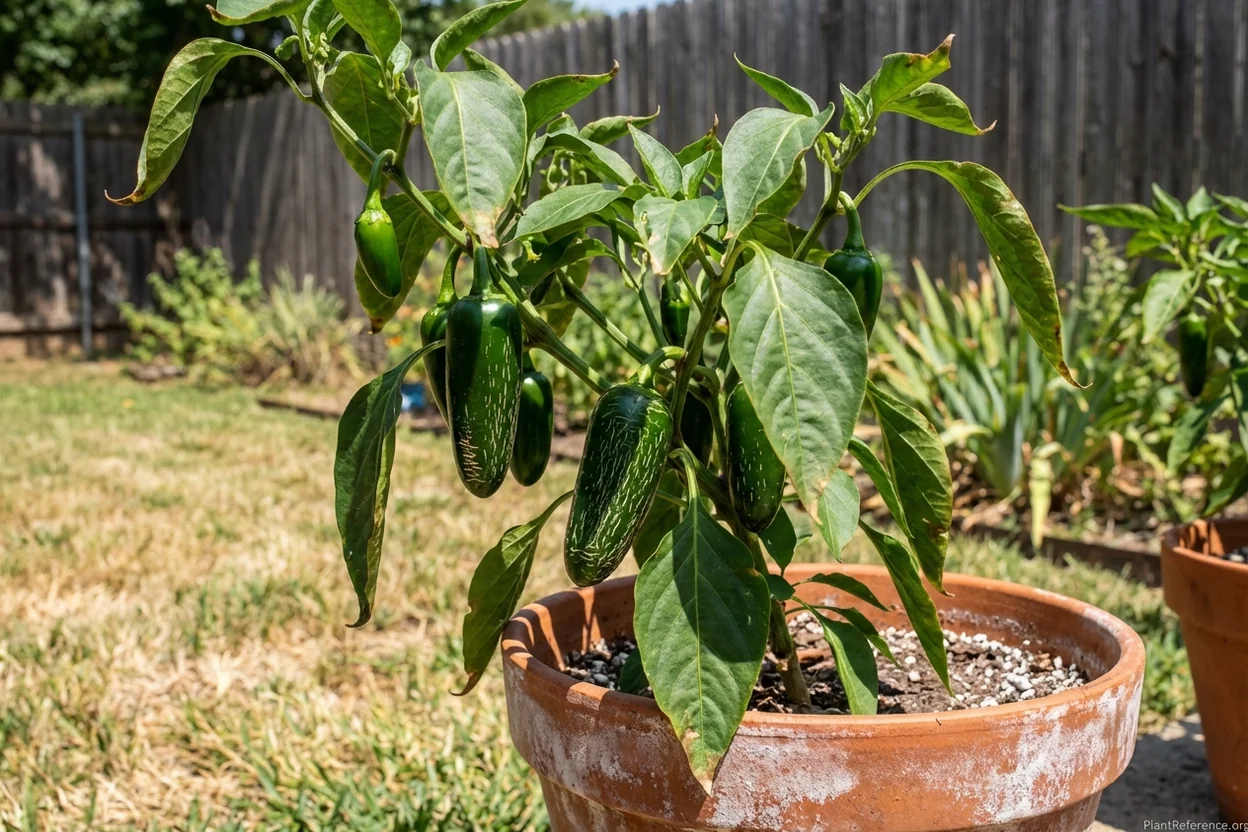
Heat-Tolerant Champions: 🌿Capsicum annuum 'Jalapeño' and Capsicum annuum 'Serrano' are your most reliable choices. These Mexican natives actually improve in flavor during hot weather, developing more complex heat profiles when temperatures soar above 95°F.
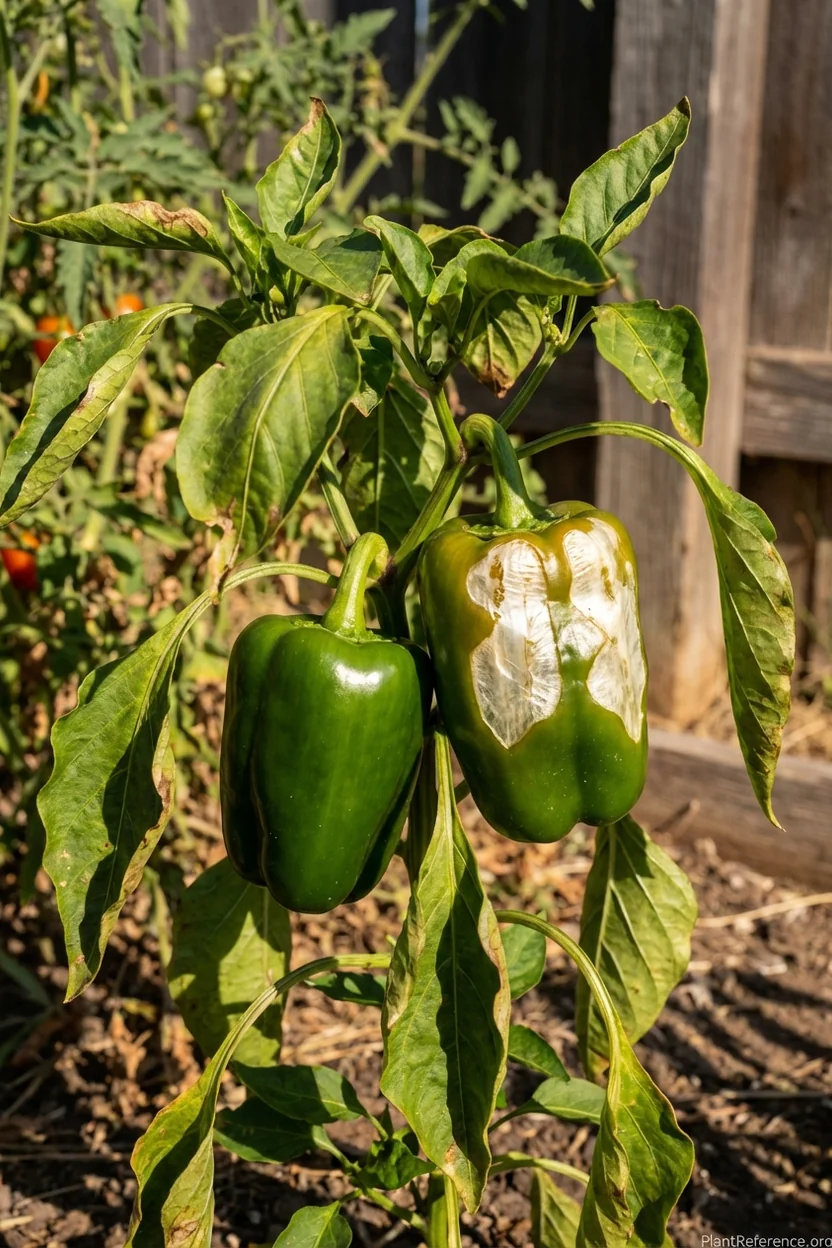
Bell Pepper Strategy: 🌿Capsicum annuum 'California Wonder' can succeed in Dallas, but plant them where they'll receive morning sun and afternoon shade. The large fruit size makes them susceptible to sunscald during July and August when temperatures regularly exceed 100°F.
Long Season Varieties: 🌿Capsicum chinense 'Habanero' takes advantage of our 255-day growing season. While they struggle in short-season climates, Dallas provides enough time for full maturation and multiple harvests.
Specific Planting Dates for Dallas
Dallas's mild winters allow for early seed starting and extended growing seasons. Here's your month-by-month schedule:
January 15-22: Indoor Seed Starting Start seeds indoors 8-10 weeks before the last frost date (March 14). Use seed starting heat mats to maintain soil temperature at 80-85°F for optimal germination. 🌿Capsicum chinense 'Habanero' seeds need the full 10 weeks and consistent warmth to develop strong transplants.
February 15-March 1: Hardening Off Begins Begin hardening off seedlings when Dallas nighttime temperatures consistently stay above 50°F. This gradual acclimatization prevents transplant shock and prepares plants for Texas heat.
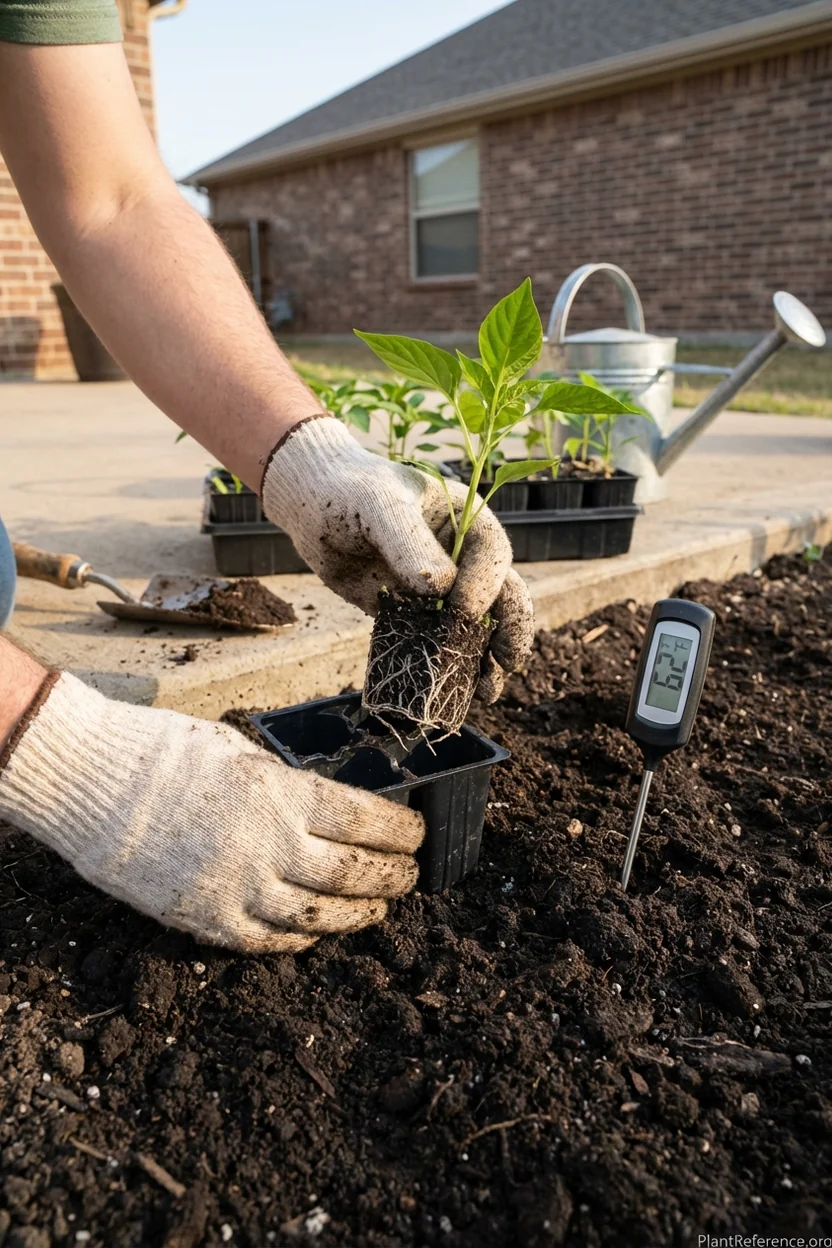
March 14-25: Safe Transplant Window Transplant after the average last frost date when soil temperatures reach 60°F. In Dallas, soil warms quickly after mid-March. Check long-range forecasts and be prepared to protect plants if late cold snaps threaten.
April 1-15: Optimal Planting Period This is the sweet spot for Dallas pepper planting. Soil temperatures are consistently warm, but summer heat hasn't arrived. Plants establish strong root systems before facing July's challenges.
May 1-June 15: Extended Planting Window Dallas's long season allows successive plantings. Plant heat-tolerant varieties like Capsicum annuum 'Serrano' and Capsicum annuum 'Cayenne' for fall harvests that continue until the first frost in late November.
Summer Management (July-August) Focus shifts from planting to heat protection. Established plants need consistent watering and afternoon shade during peak summer when temperatures exceed 100°F for consecutive days.
Complete Growing Guide for Dallas
Success in Dallas requires adapting traditional pepper growing to handle extreme heat and intense sun while taking advantage of our extended season.
Soil Preparation for Texas Clay
Most Dallas gardens start with heavy clay soil that becomes concrete-hard when dry and waterlogged when wet. Peppers need well-draining soil that retains moisture without becoming soggy.
Clay Soil Amendment Protocol: Add 3-4 inches of compost plus 2 inches of coarse sand (not fine sand) worked into the top 12 inches. This creates drainage while maintaining the clay's nutrient-holding capacity. I've learned that fighting Dallas clay is futile—work with it by improving drainage rather than trying to replace it entirely.
Raised Bed Advantage: Raising beds 8-12 inches above ground level provides superior drainage and allows soil to warm faster in spring. Fill with a mixture of quality topsoil, compost, and coarse organic matter like aged wood chips.
Heat Management Strategies
Dallas summers test every pepper plant. Temperatures above 95°F during flowering cause blossom drop, while fruit exposed to direct sun develops sunscald.
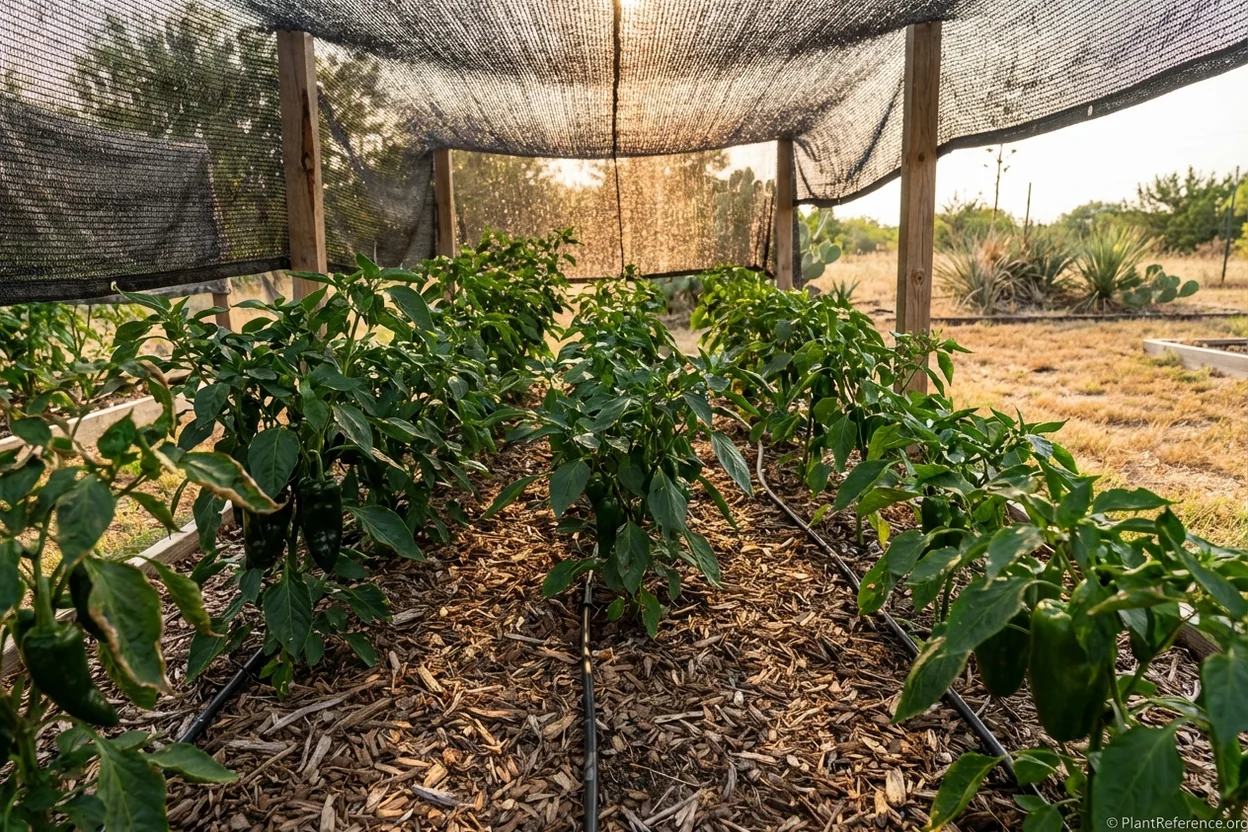
Shade Cloth Application: Install 30-50% shade cloth over pepper beds from July 1 through August 31. This reduces leaf temperature by 10-15°F while maintaining adequate light for photosynthesis. Remove shade cloth in September to allow plants to soak up autumn sun for continued production.
Mulching Protocol: Apply 3-4 inches of organic mulch around plants in May before summer heat arrives. Wood chips, straw, or shredded leaves conserve moisture and keep soil temperatures moderate. Keep mulch 2 inches away from plant stems to prevent pest harbor.
Water Management: Deep, infrequent watering works best. Provide 1.5-2 inches per week through drip irrigation or soaker hoses rather than overhead sprinklers. Water early morning (5-7 AM) to reduce disease pressure and allow plants to hydrate before peak heat.
Supporting Heavy Producers
Texas's long growing season produces large, heavy plants that require substantial support.
Staking System: Install 6-foot stakes or tomato cages at planting time. Capsicum annuum 'Poblano' and Capsicum annuum 'Anaheim' varieties become top-heavy with fruit and will break without support during summer storms.
Pruning for Air Flow: Remove lower branches touching the ground and thin dense interior growth to improve air circulation. This reduces fungal disease pressure during humid periods and helps plants handle heat stress.
Fertilizer Program for Extended Season
Dallas's 255-day growing season requires sustained nutrition to maintain production from spring through fall.
Pre-Plant Preparation: Work 2-3 inches of compost into planting beds along with a balanced organic fertilizer (10-10-10) at package rates. This provides baseline nutrition for initial growth.
Growing Season Feeding: Apply balanced liquid fertilizer every 3-4 weeks through the growing season. Switch to lower nitrogen, higher phosphorus formula (5-10-10) in August to promote fruit development over excessive foliage growth.
Heat Stress Supplementation: Apply foliar kelp meal spray bi-weekly during July and August heat stress periods. The potassium and micronutrients help plants maintain cell structure under temperature extremes.
Troubleshooting Dallas-Specific Problems
Growing peppers in Dallas presents unique challenges related to our climate extremes and local conditions.
Blossom Drop During Heat Waves
Problem: Flowers drop without forming fruit during July-August when temperatures exceed 95°F for multiple days.
Cause: High temperatures disrupt pollen viability and interfere with fruit set. Night temperatures above 75°F prevent proper pollen tube development.
Solutions: Install shade cloth to reduce daytime temperatures. Provide supplemental evening watering to cool root zones. Focus on heat-tolerant varieties like Capsicum annuum 'Serrano' that set fruit better in extreme heat.
Sunscald on Large Fruits
Problem: White, papery patches develop on pepper sides facing west or south during peak summer.
Cause: Direct UV exposure on fruit surfaces when leaf cover is insufficient or during extreme heat periods above 100°F.
Solutions: Maintain dense foliage by avoiding excessive pruning. Apply shade cloth during peak summer months. Plant large-fruited varieties where they receive morning sun but afternoon shade.
Slow Growth in Clay Soil
Problem: Plants remain small and yellow despite adequate water and fertilizer, particularly in new gardens with unimproved clay.
Cause: Poor drainage and compacted clay restrict root development and nutrient uptake.
Solutions: Create raised beds or mounded planting areas for improved drainage. Add organic matter annually to gradually improve soil structure. Consider container growing in heavy clay areas.
Late Season Pest Pressure
Problem: Aphid infestations and whitefly populations build up during fall when beneficial insects decline.
Cause: Warm fall weather allows pest populations to continue breeding while natural predators decrease with shorter days.
Solutions: Monitor plants weekly after September 1. Apply insecticidal soap treatments as needed. Remove heavily infested lower leaves to reduce pest habitat.
Harvest & Storage
Dallas's extended growing season provides multiple harvest opportunities from early summer through late fall.
Peak Harvest Timing
Early Summer (June-July): First harvest from spring-planted peppers. Pick regularly to encourage continued production before heat stress reduces flowering.
Fall Production (September-November): Second major harvest period as temperatures moderate and plants resume heavy production. This often produces the highest quality fruit with better flavor development.
Continuous Harvest Strategy: Pick peppers when they reach full size but before full color development to maximize plant energy for additional fruit set. Allow some fruits to fully ripen for seed saving and peak flavor.
Storage Methods for Large Harvests
Fresh Storage: Refrigerate unwashed peppers in perforated plastic bags for 1-2 weeks. Hot peppers store longer than sweet varieties.
Freezing: Wash, remove stems, and freeze whole on cookie sheets before transferring to freezer bags. Frozen peppers work well for cooking but lose crisp texture.
Drying: Capsicum annuum 'Cayenne' and thin-walled hot varieties dry naturally in Dallas's low humidity. String whole peppers and hang in garage or covered patio areas with good air circulation.
Pickling: Preserve 🌿Capsicum annuum 'Jalapeño' and 🌿Capsicum annuum 'Hungarian Hot Wax' varieties using traditional vinegar-based recipes that highlight their heat and flavor.
Frequently Asked Questions
Reading about plants and recognising them are different skills. These three build the second.
- Daily PlantIdentify the day’s mystery plant from a close-up photograph.
- Keyed OutWork a dichotomous key, lead by lead, to name a hidden specimen.
- Name That PlantName a specimen from botanical clues dealt hardest first.
Free to play, no account needed
James is a lawn care professional in Dallas who runs a small residential maintenance company. He started mowing lawns as a teenager and worked his way up to running crews for a large landscaping firm before going out on his own. James specializes in warm-season turf grasses—Bermuda, St. Augustine, and Zoysia—and knows how to keep a lawn alive through Texas summers without wasting water. He's also experienced with the transition zone challenges that Dallas faces, where warm-season and cool-season grasses overlap. James takes a practical, science-informed approach to lawn care and pushes back on the idea that a good lawn requires heavy chemical inputs.