Image 1 of 2
1 / 2
Plant Reference
Capsicum, Genus, chinense, Species, 'Habanero', Cultivar,
- Genus & species
- Cultivar
Habanero pepper
Amazon Basin of South America (parent species); cultivar group associated with the Yucatán Peninsula and Caribbean
Overview
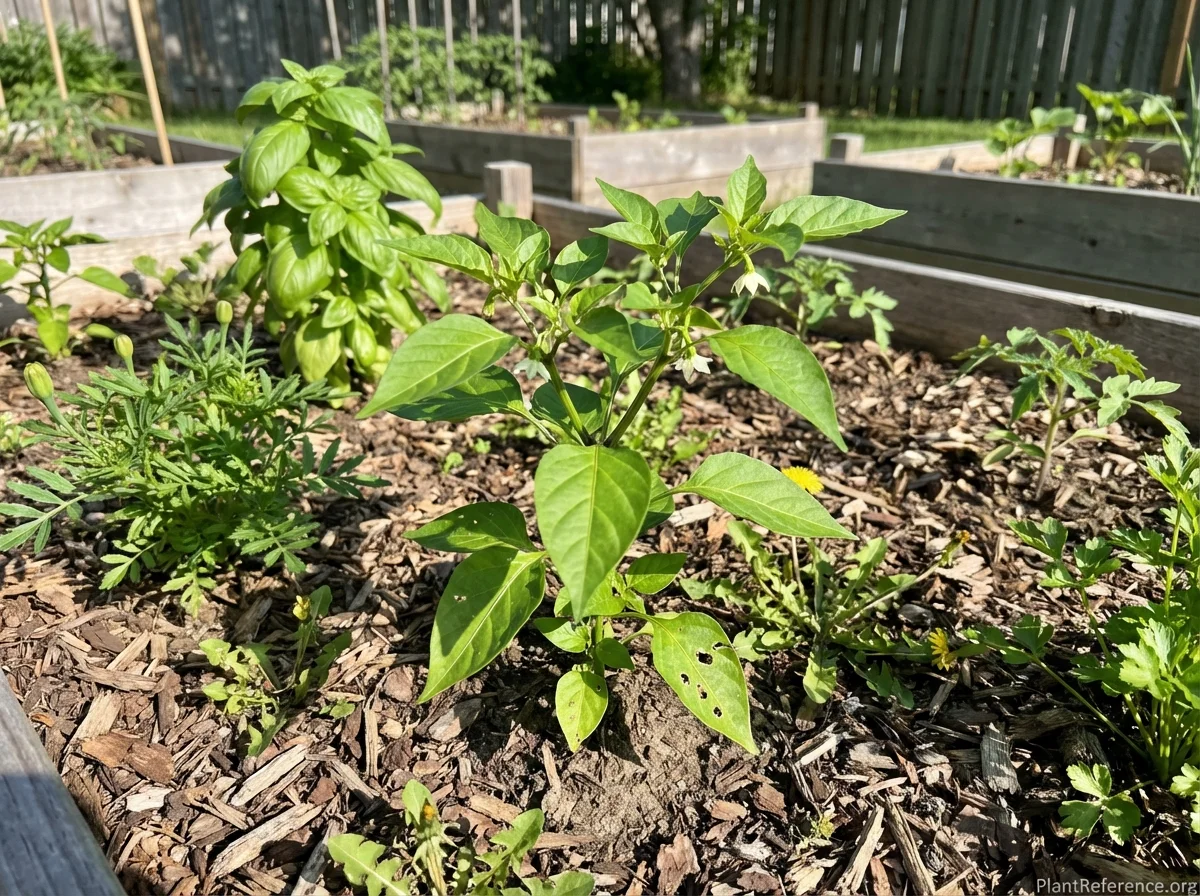
Capsicum chinense 'Habanero' is the habanero pepper, a compact bushy annual growing 2–4 feet (60–120 cm) tall and 2–3 feet (60–90 cm) wide. Plants carry dark green ovate leaves with prominent veining and a slightly wrinkled texture, and small white flowers in clusters at the leaf nodes that develop into lantern-shaped fruits. Fruit ripens from green to vibrant orange, red, or chocolate brown depending on the strain within the habanero group. Peppers are typically 1–2 inches (2.5–5 cm) long with a wrinkled dimpled surface and thin walls, and carry a fruity floral aroma when cut open that is characteristic of C. chinense and separates the species from C. annuum. Heat level is 100,000–350,000 Scoville Heat Units — several orders of magnitude hotter than jalapeño (C. annuum, 2,500–8,000 SHU). Family Solanaceae.
Native Range
The parent species Capsicum chinense is native to the Amazon Basin of South America, despite the misleading species epithet 'chinense' (which suggests Chinese origin and reflects an 18th-century taxonomic error). The species spread through the Caribbean islands and Central America via indigenous trade routes, and habanero-type cultivars became embedded in local cuisines across the region.Suggested Uses
Grown in vegetable gardens, raised beds, greenhouses, and containers of 3–5 gallons (11–19 L) or larger for home hot-pepper production. Fruit is used fresh, in fermented hot sauces (habanero is the base of many Yucatecan and Caribbean sauces), dried, and powdered. Handling cut fruit transfers capsaicin oils aggressively at this heat level, so nitrile gloves are used during harvesting and processing; eyes and skin are kept clear. Tender annual in most of North America; the species is a short-lived perennial in zones 10–11 and can be overwintered indoors.How to Identify
Appearance
Size & Dimensions
Height2' - 4'
Width/Spread2' - 3'
Bloom Information
Flowers from July through October in cooler climates; continuously in frost-free areas. Small white 5-petaled flowers open continuously at leaf nodes through the warm season. Self-pollinating, with bee visitation increasing fruit set. Fruit matures 90–120 days from transplant.
Detailed Descriptions
Flower Description
White; small; in clusters at leaf nodesFoliage Description
Dark green; ovate with prominent veining and a slightly wrinkled textureGrowing Conditions
Sun Requirements
Requires 6-10 hours of direct sunlight daily
• Full Sun: 6+ hours of direct sunlight
• Partial Shade: 3-6 hours of direct sunlight
• Full Shade: Less than 3 hours of direct sunlight
Care & Maintenance
Care Guide
Plant outdoors after all frost risk has passed and soil temperatures reach 60°F (16°C) in full sun in well-drained fertile loamy soil at pH 6.0–7.0. The species requires more warmth than C. annuum — fruit set slows in night temperatures below 60°F (16°C), so cool-summer climates start seed early indoors and use season-extending techniques. Consistent moisture supports fruit development, but overwatering drops fruit set and raises root-rot risk. A balanced fertilizer at planting, switched to lower-nitrogen higher-phosphorus formulation once flowering begins, supports fruit production. Wind protection reduces flower drop. Regular harvest of mature peppers sustains production through the season.Pruning
Growing tips are pinched when plants reach 6–8 inches (15–20 cm) tall to promote branching. Lower leaves that touch the soil are removed to reduce disease. Suckers in leaf joints are pruned to direct energy to fruit production. Diseased or damaged foliage is removed promptly through the season.Container Growing
Suitable for container growing
Toxicity: Not assessed
Fruit contains capsaicin at 100,000–350,000 Scoville Heat Units — strong enough to cause severe burning on skin, eyes, and mucous membranes through simple contact with cut fruit or the hand that held it. Nitrile gloves are used during handling and food preparation; face and eye contact is avoided. The fruit is irritating rather than toxic in the usual sense, but the heat level can cause significant discomfort and real injury if mishandled. The plant is kept out of reach of children and pets.Planting Guide
Planting Methods & Timing
Planting Method
transplant
Indoor Start
10 weeks before last frost
Direct Sow Timing
not recommended - requires transplant
Days to Maturity
90–120 days
Plant Spacing
18 inches