When to Plant Squash in Seattle: Complete Guide + Best Varieties for Zone 8b
Pets & Toxicity
Recorded toxicity for plants linked in this guide. An unknown status is not a safety assessment.
No linked plant is recorded as toxic (4 linked plants checked)DetailsHide
Cucurbita pepo 'Black Beauty' — Toxicity
Non-toxic as an edible cropView Cucurbita pepo 'Black Beauty' plant profileCucurbita pepo 'Yellow Crookneck' — Toxicity
Non-toxic as an edible cropView Cucurbita pepo 'Yellow Crookneck' plant profile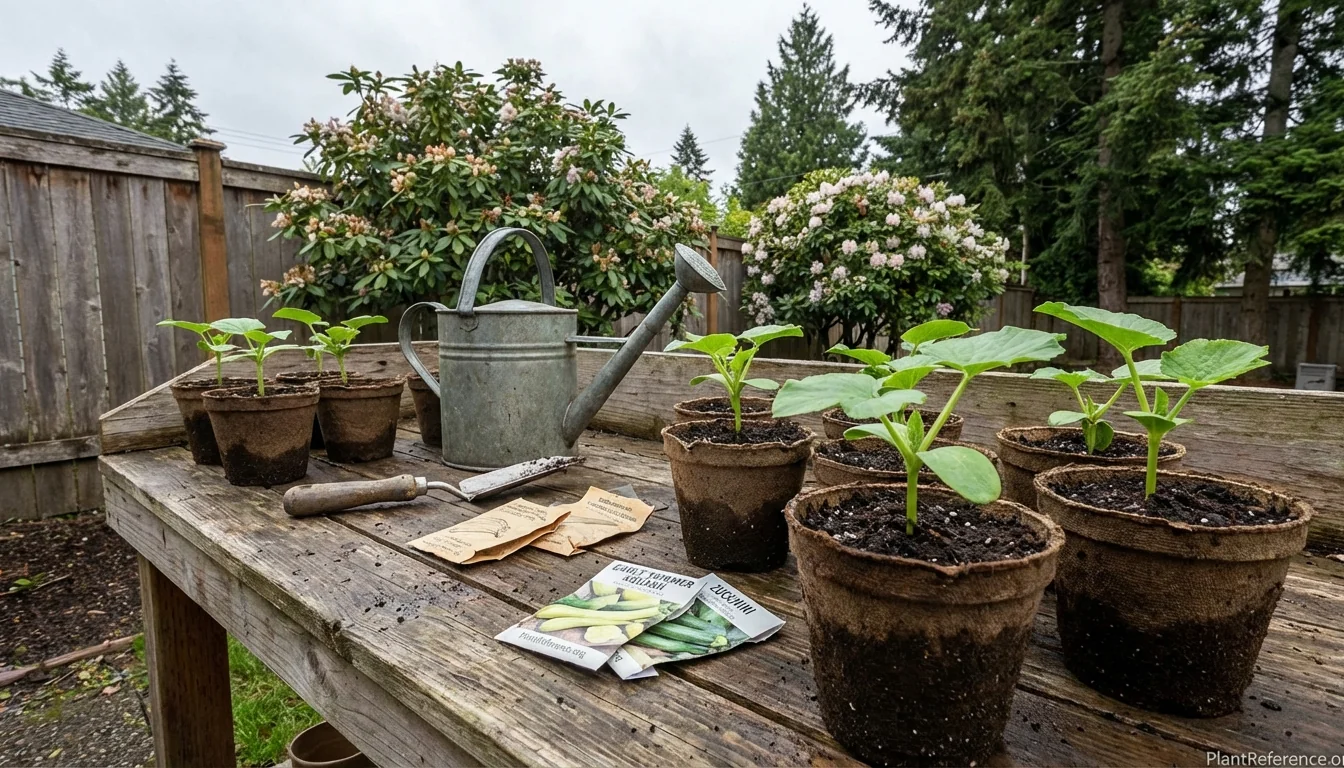
— Image © Plant Reference 2026
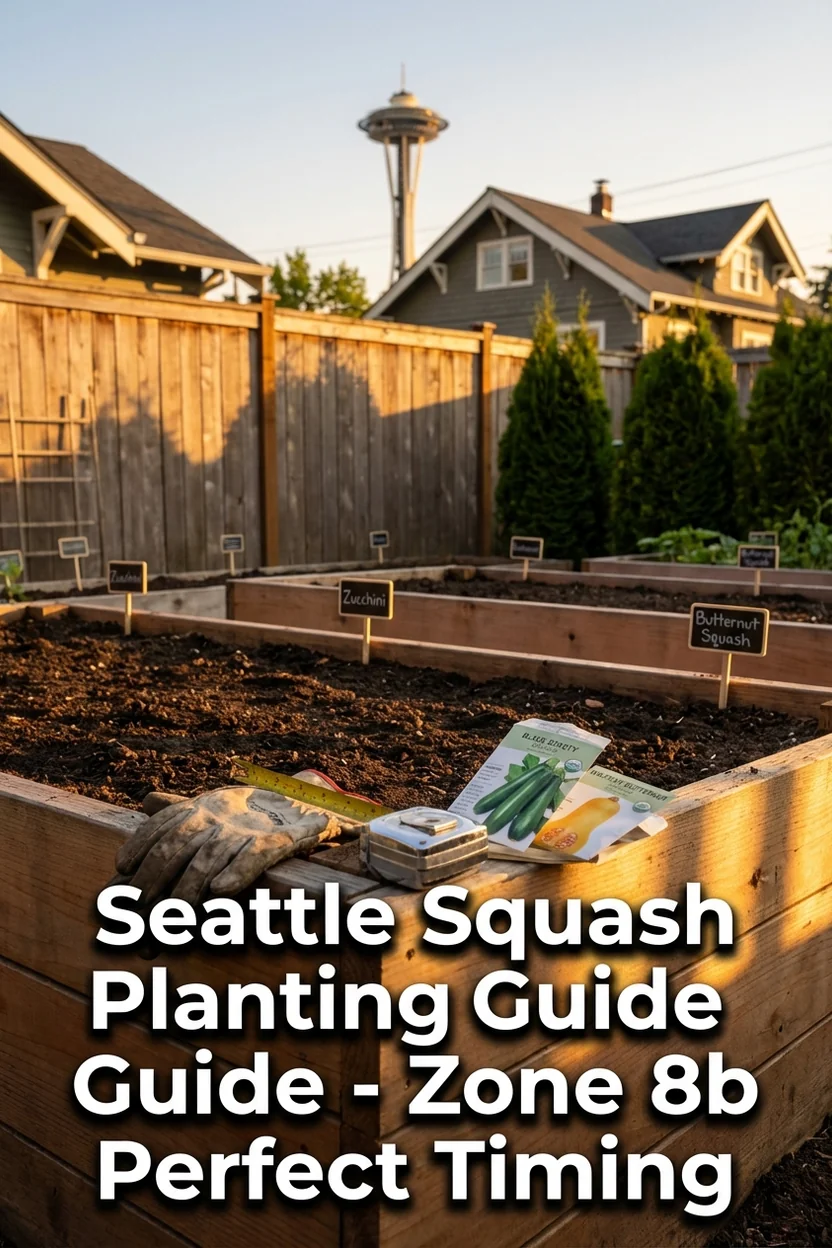
Seattle gardeners have a tremendous advantage when it comes to growing squash—your Zone 8b climate provides a generous 245-day growing season from March 14 through November 14. However, success with squash in the Pacific Northwest requires understanding how to work with Seattle's unique cool, humid summers and managing the region's signature challenge: powdery mildew.
Best Squash Varieties for Seattle's Zone 8b Climate
Seattle's moderate summers and extended growing season create ideal conditions for both summer and winter squash varieties. The key is selecting varieties that perform well in cool, humid conditions and show resistance to the Pacific Northwest's primary disease pressure: powdery mildew.
Variety | Days to Maturity | Best For Seattle | Disease Notes |
|---|---|---|---|
50-55 days | Continuous summer harvest | Good powdery mildew tolerance | |
55-60 days | Heat-tolerant summer type | Moderate disease resistance | |
Cucurbita pepo 'Pattypan' | 50-60 days | Cool weather production | Excellent for Seattle summers |
100-105 days | Perfect for long season | Superior disease resistance | |
Cucurbita pepo 'Acorn' | 85-95 days | Cool weather specialist | Good in Pacific Northwest |
100-105 days | Ideal for Seattle storage | Moderate mildew resistance | |
Cucurbita pepo 'Spaghetti' | 90-100 days | Thrives in cool summers | Good disease tolerance |
Cucurbita maxima 'Kabocha' | 100-110 days | Loves Seattle's climate | Excellent for Zone 8b |
Summer Squash Excellence in Seattle
Seattle's moderate summer temperatures (typically 70-75°F highs) create perfect conditions for summer squash production. Unlike hot-climate gardeners who struggle with heat stress, your plants will produce continuously without the typical mid-summer shutdown.
🌿Cucurbita pepo 'Black Beauty' zucchini performs exceptionally well in Seattle's climate. The variety tolerates the region's frequent morning marine layer and moderate temperatures that can stress heat-loving varieties elsewhere. Plant spacing can be slightly tighter (30 inches instead of 36) due to better air circulation from natural breezes.
Cucurbita pepo 'Pattypan' varieties particularly excel in Pacific Northwest conditions. These compact plants handle Seattle's changeable weather patterns better than many alternatives, and their natural disease resistance aligns perfectly with the region's humidity challenges.
Winter Squash Strategies for the Pacific Northwest
Seattle's long growing season makes it ideal for winter squash production, but success requires understanding which species perform best in your specific climate conditions.
🌿Cucurbita moschata 'Butternut' represents the gold standard for Seattle winter squash. This species evolved in humid tropical conditions, making it naturally resistant to the fungal pressures common in Pacific Northwest gardens. The solid stems resist squash vine borer (less common in Seattle but still present), and the variety's heat requirement is easily met during Seattle's warm late-summer period.
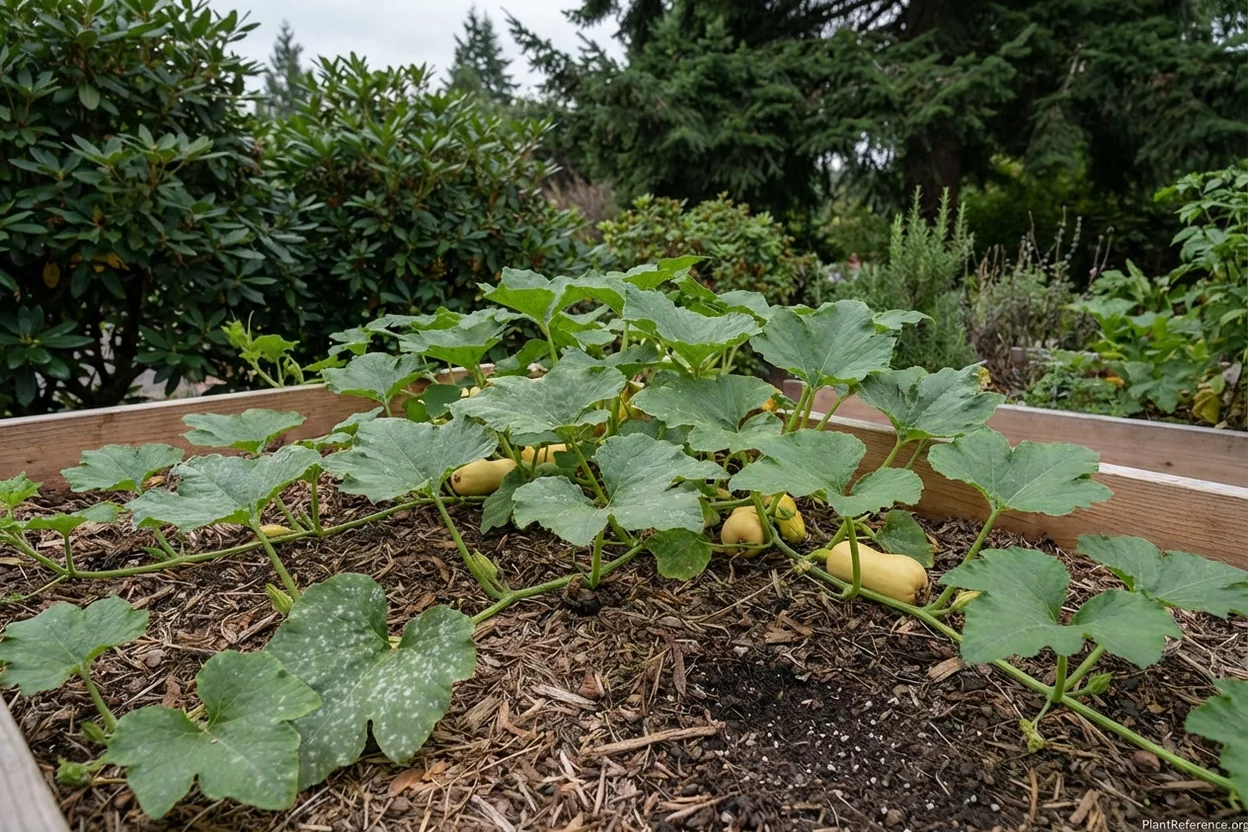
Cucurbita maxima 'Kabocha' varieties perform exceptionally well in Seattle's climate. These Japanese pumpkins prefer cooler summers and actually struggle in hot inland areas. Seattle's moderate temperatures and long season allow proper fruit development without heat stress, resulting in superior flavor and texture.
Specific Planting Dates for Seattle Gardeners
Seattle's Zone 8b climate allows for flexible squash planting, but optimal timing ensures maximum production and disease avoidance. Your last frost date of March 14 and first frost of November 14 provide a generous 245-day window—one of the longest squash seasons in the continental United States.
Indoor Seed Starting Timeline
April 15-20: Start winter squash seeds indoors for transplanting. Use biodegradable peat pots to avoid root disturbance during transplanting. 🌿Cucurbita moschata 'Butternut' and Cucurbita maxima 'Kabocha' benefit most from this head start, as it allows fruit to mature fully before November weather deteriorates.
May 1-5: Start summer squash seeds indoors if desired, though direct sowing is equally effective. Indoor starting provides protection during Seattle's occasionally cool late spring weather.
Soil Temperature Considerations
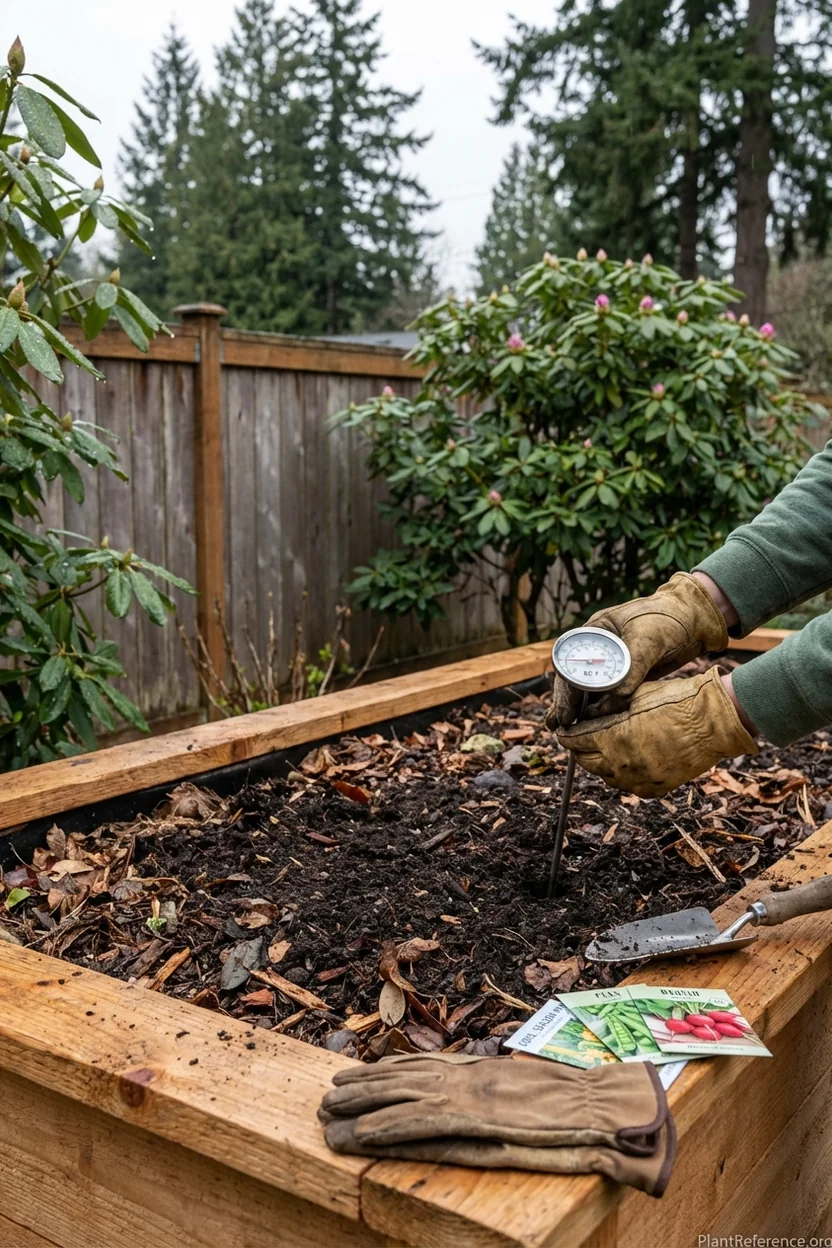
Seattle soil typically reaches the critical 60°F threshold around May 10-15, depending on the specific year and microclimate. Squash seeds will not germinate in cooler soil and may rot instead. Use a soil thermometer to verify temperature at 4-inch depth before planting.
May 15-31: Primary planting window for direct sowing. Soil temperatures are consistently warm, and risk of late cold snaps has passed.
June 1-15: Extended planting window for summer squash. Seattle's long season allows later planting while still achieving full production.
Succession Planting Strategy
Seattle gardeners can implement succession planting for continuous summer squash harvest:
First planting: May 15 (harvest begins July 1)
Second planting: June 15 (harvest begins August 1)
Third planting: July 15 (harvest begins September 1)
This strategy also helps manage powdery mildew pressure, as younger plants replace older, more susceptible ones during peak disease season.
Complete Growing Guide for Seattle's Pacific Northwest Conditions
Site Selection and Soil Preparation
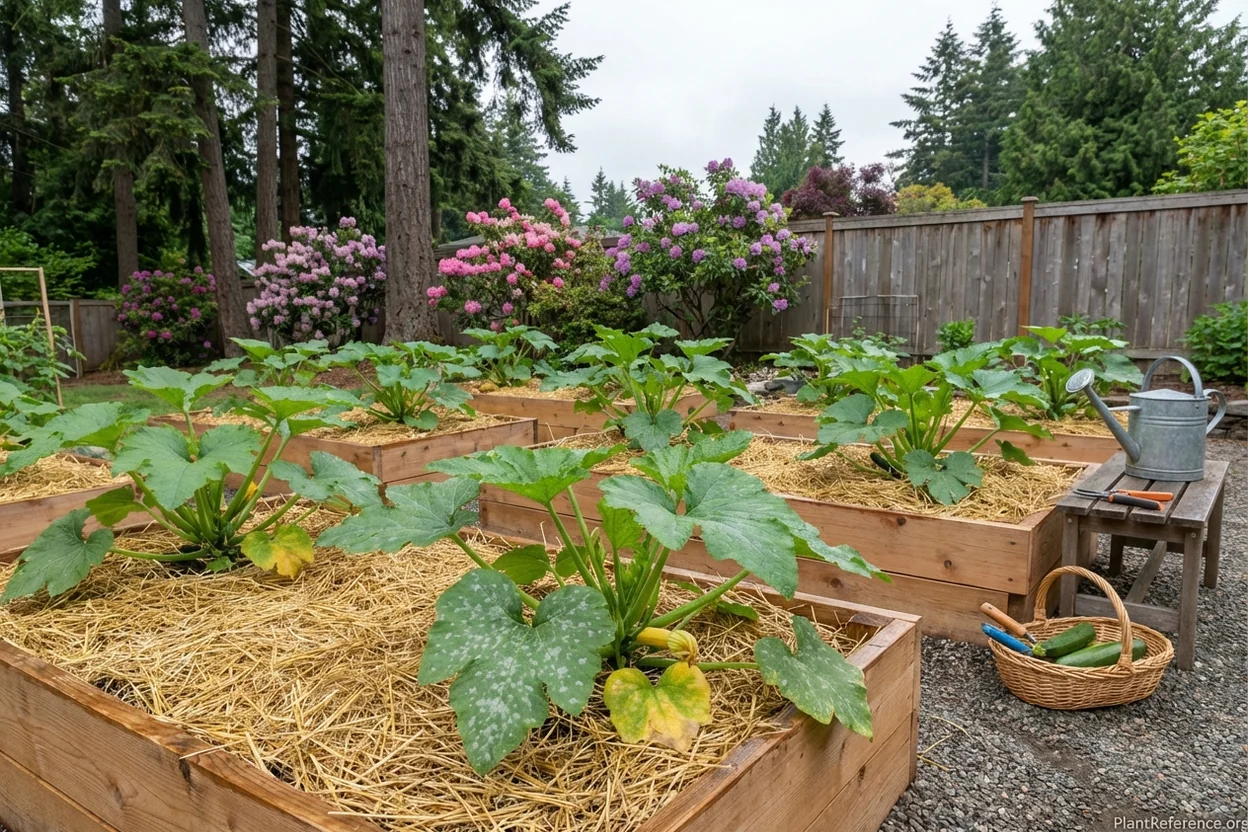
Seattle's abundant rainfall creates both advantages and challenges for squash cultivation. Choose the warmest, most protected location in your garden—typically a south-facing area protected from prevailing westerly winds.
Soil drainage becomes critical in Seattle's wet climate. Squash roots cannot tolerate waterlogged conditions, which are common in the region's heavy clay soils. Build raised beds 8-12 inches high or create mounded planting areas to ensure proper drainage.
Soil preparation steps for Seattle:
Incorporate 2-3 inches of compost into native soil
Add coarse sand or perlite to heavy clay soils for drainage
Test pH and adjust to 6.0-6.8 if necessary (Seattle soils tend to be naturally acidic)
Install drip irrigation or soaker hoses to control moisture levels
Managing Seattle's Humidity
Seattle's marine climate creates persistent humidity that can trigger fungal diseases. Proper spacing becomes even more critical than in drier climates.
Spacing adjustments for Pacific Northwest conditions:
Summer squash (bush types): 36-48 inches apart (wider than standard recommendations)
Winter squash (vining types): 6-8 feet between planting areas
Avoid planting in low-lying areas where moisture accumulates
Ensure morning sun exposure for rapid leaf drying
Fertilization Strategy
Seattle's frequent rainfall can leach nutrients from the soil more rapidly than in drier climates. Adjust your fertilization approach accordingly:
Pre-plant fertilization: Work 2-3 inches of aged compost into planting areas. Seattle's cool, wet springs slow decomposition, so aged compost provides immediately available nutrients.
Growing season nutrition: Side-dress summer squash every 3 weeks with balanced organic fertilizer (5-5-5). Winter squash requires heavy initial feeding followed by reduced nitrogen after fruit set to encourage proper ripening.
Pollination in Seattle's Climate
Seattle's cool, often cloudy mornings can reduce bee activity during peak pollination hours. This is particularly problematic for squash, which requires pollination before mid-morning heat closes the flowers.
Hand pollination technique for Seattle gardeners:
Check flowers between 7-9 AM when they're fully open
Identify female flowers by the swollen ovary at the base
Remove a male flower and brush the pollen-covered stamen against female flower stigma
Focus on days with morning sun for best pollen viability
Seattle's extended growing season means pollination opportunities continue well into fall, allowing later-planted summer squash to produce until first frost.
Troubleshooting Seattle-Specific Squash Problems
Powdery Mildew Management
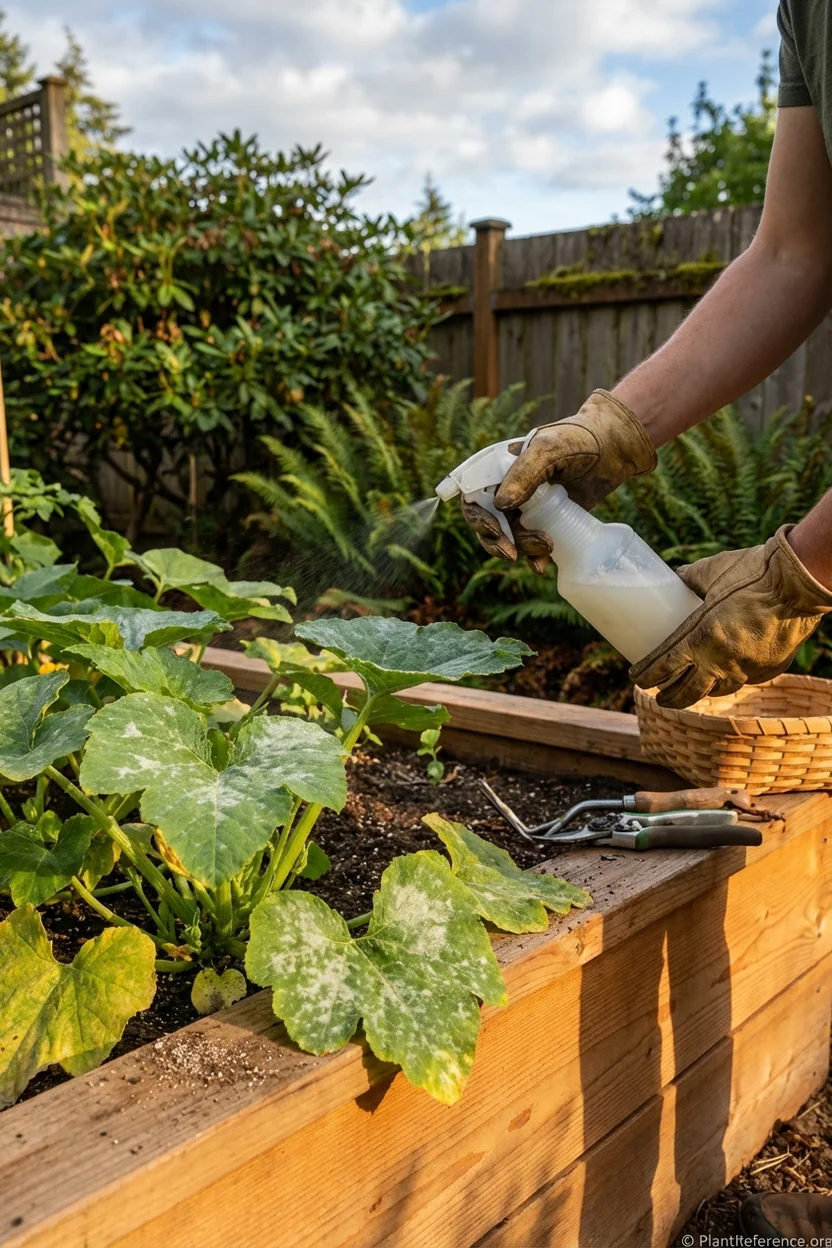
Powdery mildew represents the primary disease challenge for Seattle squash growers. The Pacific Northwest's combination of warm days, cool nights, and high humidity creates ideal conditions for this fungal pathogen.
Prevention strategies:
Choose resistant varieties like 🌿Cucurbita moschata 'Butternut'
Provide maximum air circulation through proper spacing
Water at soil level using drip irrigation or soaker hoses
Apply preventive organic fungicides (neem oil, milk spray) beginning in July
Treatment approach: Once established, powdery mildew cannot be cured, but its progression can be slowed. Remove heavily affected leaves and improve air circulation. Focus on protecting newer growth and fruit development.
Slug and Snail Pressure
Seattle's wet conditions create ideal habitat for slugs and snails, which can devastate young squash seedlings and damage mature fruit.
Integrated management approach:
Hand-pick slugs during evening hours when they're most active
Apply diatomaceous earth around young plants
Use copper tape barriers around raised beds
Encourage natural predators (ground beetles, garter snakes)
Remove leaf litter and debris where slugs shelter
Cool Weather Growth Issues
Occasional cool spells during Seattle summers can slow squash growth and reduce fruit set. Symptoms include yellowing leaves, reduced flowering, and poor fruit development.
Solutions for cool weather periods:
Apply clear plastic row covers during cold snaps
Use black plastic mulch to warm soil
Provide temporary windbreaks during cool, windy periods
Focus on cold-tolerant varieties like Cucurbita pepo 'Acorn'
Harvest and Storage in Seattle's Climate
Summer Squash Harvest Timing
Seattle's moderate temperatures extend the harvest window for summer squash significantly compared to hot-climate regions. Your plants will continue producing until the November 14 first frost date, providing 4-5 months of continuous harvest.
Harvest indicators for peak quality:
🌿Cucurbita pepo 'Black Beauty': 6-8 inches long with glossy, tender skin
🌿Cucurbita pepo 'Yellow Crookneck': 4-6 inches with bright yellow color
Cucurbita pepo 'Pattypan': 2-3 inches diameter for tender texture
Harvest every 2-3 days during peak season to maintain plant productivity. Seattle's cool nights help preserve fruit quality, allowing slightly longer harvest intervals than in hot climates.
Winter Squash Maturation
Seattle's long growing season ensures proper winter squash maturation, but timing the harvest correctly is crucial for storage success.
Maturity indicators:
Vines begin dying back naturally (typically late September to early October)
Fruit stems become dry and corky
Skin hardens and cannot be punctured with a fingernail
Ground spot (where fruit touched soil) turns from white to yellow/orange
Curing and Storage in Pacific Northwest Conditions
Seattle's mild, humid fall weather can complicate the curing process for winter squash. Traditional outdoor curing may not provide the warm, dry conditions needed for proper rind hardening.
Seattle-adapted curing method:
Harvest before extended rainy periods begin (usually mid-October)
Move squash to covered, ventilated area (garage, shed, covered porch)
Maintain temperatures of 75-80°F for 10-14 days using space heaters if necessary
Ensure good air circulation with fans during curing period
Storage considerations for Seattle climate:
Winter squash stores best at 50-55°F with 50-70% humidity. Seattle's mild winter temperatures allow storage in unheated garages, basements, or utility rooms. Check stored squash monthly and use any showing signs of deterioration immediately.
Properly cured and stored winter squash will maintain quality through March-April, providing fresh vegetables throughout Seattle's long winter season.
Frequently Asked Questions
Reading about plants and recognising them are different skills. These three build the second.
- Daily PlantIdentify the day’s mystery plant from a close-up photograph.
- Keyed OutWork a dichotomous key, lead by lead, to name a hidden specimen.
- Name That PlantName a specimen from botanical clues dealt hardest first.
Free to play, no account needed
Dot grew up on a small farm in rural Virginia and has maintained a vegetable garden for decades. After retiring from teaching elementary school, she became a Master Gardener volunteer and spends her time mentoring new gardeners at community garden plots in Richmond. She's especially knowledgeable about heirloom varieties, seed saving, and traditional growing methods passed down from her grandmother. Dot's no-nonsense advice comes from extensive trial and error—she's seen every tomato disease, pest problem, and weather disaster imaginable. Her biggest pet peeve is gardeners who overcomplicate simple tasks. "Plants want to grow," she often says. "Your job is to not get in their way."