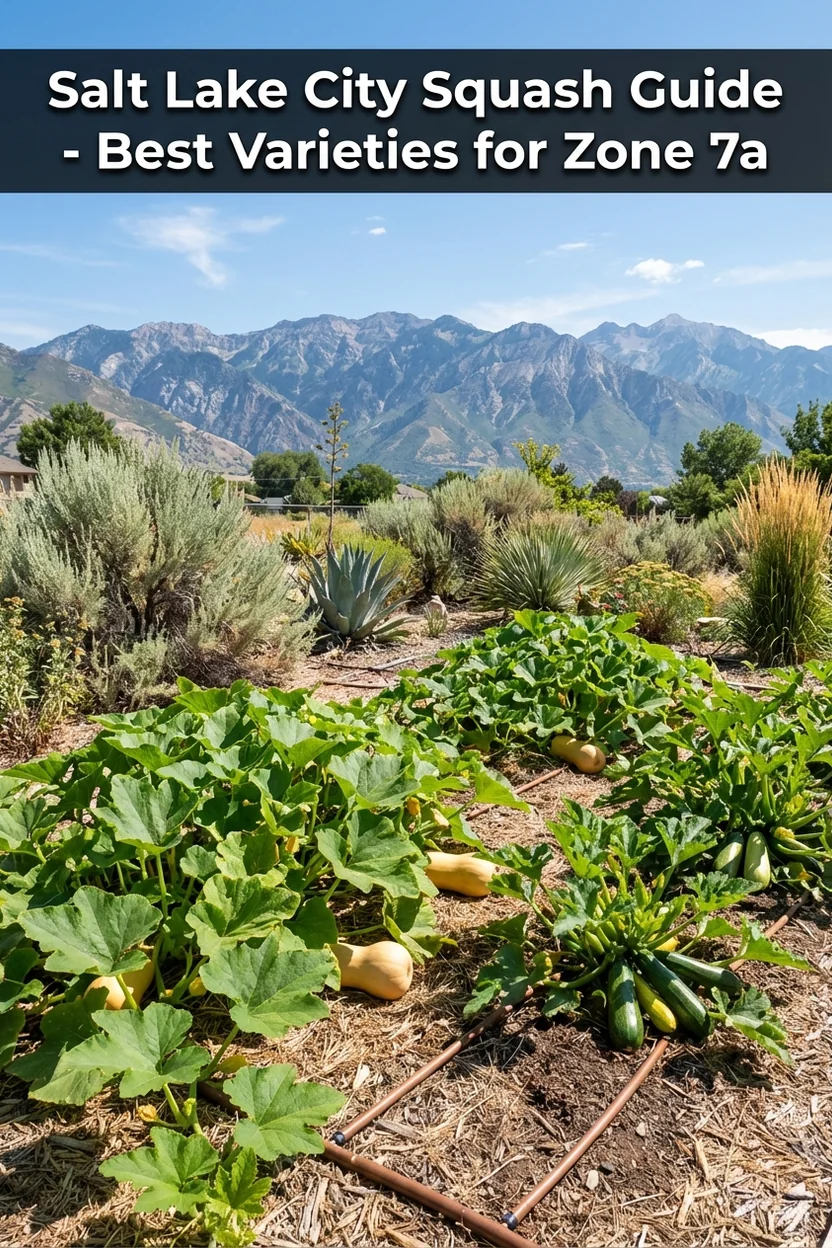
When to Plant Squash in Salt Lake City: Complete Guide + Best Varieties for Zone 7a
Pets & Toxicity
Recorded toxicity for plants linked in this guide. An unknown status is not a safety assessment.
No linked plant is recorded as toxicDetailsHide
Cucurbita pepo 'Black Beauty' — Toxicity
Non-toxic as an edible cropView Cucurbita pepo 'Black Beauty' plant profileCucurbita pepo 'Yellow Crookneck' — Toxicity
Non-toxic as an edible cropView Cucurbita pepo 'Yellow Crookneck' plant profile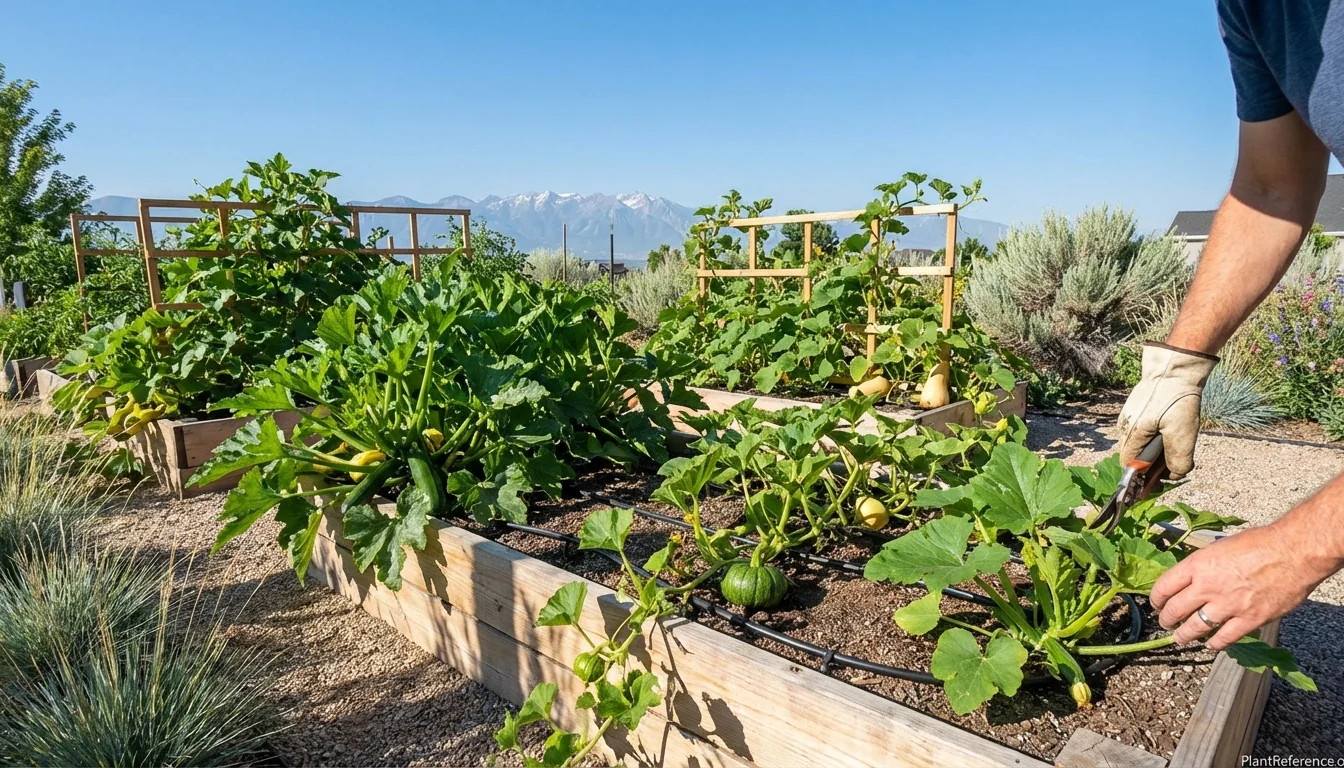
— Image © Plant Reference 2026
Salt Lake City's unique high-desert climate creates both opportunities and challenges for squash growers. Nestled in Zone 7a with the Wasatch Mountains providing dramatic temperature swings, your 173-day growing season offers excellent potential for both summer and winter squash varieties—if you understand the timing.
Utah's high-altitude intensity means stronger UV rays and rapid temperature swings that can stress tender squash plants. However, the relatively long frost-free period from April 25 to October 15 gives you adequate time for butternut and kabocha varieties that require 100+ days to mature. The key is working with Salt Lake City's specific microclimate conditions while managing the intense mountain sun.
Best Squash Varieties for Salt Lake City's Climate
Salt Lake City's Zone 7a climate supports a diverse range of squash varieties, but success depends on choosing types adapted to high-altitude conditions and intense UV exposure.
Variety | Days to Maturity | Best For | Notes for Salt Lake City |
|---|---|---|---|
50-55 days | Quick harvest | Excellent heat tolerance, provide afternoon shade | |
50-60 days | Small spaces | Compact bush perfect for urban gardens | |
55-60 days | Heat tolerance | Handles UV intensity well, prolific producer | |
90-100 days | Long storage | Requires full season, plant by May 15 | |
85-95 days | Moderate season | Reliable winter squash for Zone 7a | |
80-90 days | Short storage | Thin skin, harvest before hard frost | |
Cucurbita pepo 'Spaghetti' | 88-100 days | Unique texture | Needs consistent water in dry Utah climate |
Cucurbita maxima 'Kabocha' | 95-105 days | Cool weather | Plant early, prefers Utah's cool nights |
Summer Squash for Salt Lake City
Summer squash varieties thrive in Salt Lake City's conditions with their rapid maturity and heat tolerance.
🌿Cucurbita pepo 'Black Beauty' zucchini is the most reliable summer squash for Utah conditions. Its dark skin absorbs morning warmth while the 50-55 day maturity means you'll harvest well before autumn frost concerns. Plant spacing of 36 inches accommodates the 4-foot spread while allowing air circulation crucial in the high-desert environment.
🌿Cucurbita pepo 'Pattypan' varieties excel in Salt Lake City's compact urban gardens. The 24-inch spacing requirement fits well in raised beds, while the scalloped fruits mature quickly at 2-3 inches diameter. In Utah's dry climate, consistent irrigation prevents the rapid quality decline common in hot weather.
Winter Squash Varieties
Winter squash requires careful variety selection to ensure maturation before Salt Lake City's mid-October frost.
🌿Cucurbita moschata 'Butternut' represents the premium storage variety for Utah growers. The 90-100 day requirement fits comfortably within the 173-day season when planted by May 15. Butternut's solid stem structure resists the squash vine borer pressure common in Salt Lake valley gardens.
Cucurbita maxima 'Kabocha' performs exceptionally well in Salt Lake City's climate. Cool mountain nights trigger the sugar development that makes kabocha superior to other storage squash. The 95-105 day maturity requires May 10 planting for reliable October harvest.
Specific Planting Dates for Salt Lake City
Salt Lake City's last frost averages April 25, but soil temperature is the critical factor for squash success.
Indoor Seed Starting Schedule
Start squash seeds indoors 2-3 weeks before transplant date for a head start on the growing season.
April 1-8: Indoor Seed Starting
Start winter squash seeds (🌿Cucurbita moschata 'Butternut', Cucurbita maxima 'Kabocha') in biodegradable pots
Maintain soil temperature of 70-80°F (21-27°C) for germination
Use seed-starting mix, plant seeds 1 inch deep
Place in south-facing window or under grow lights
April 15-22: Second Indoor Planting
Start summer squash seeds if desired for earlier harvest
Focus on heat-tolerant varieties like 🌿Cucurbita pepo 'Black Beauty'
Continue 70-80°F soil temperature for optimal germination
Direct Sowing Timeline
Direct sowing is preferred for squash as it eliminates transplant shock common with large seeds.
May 10-15: Primary Planting Window
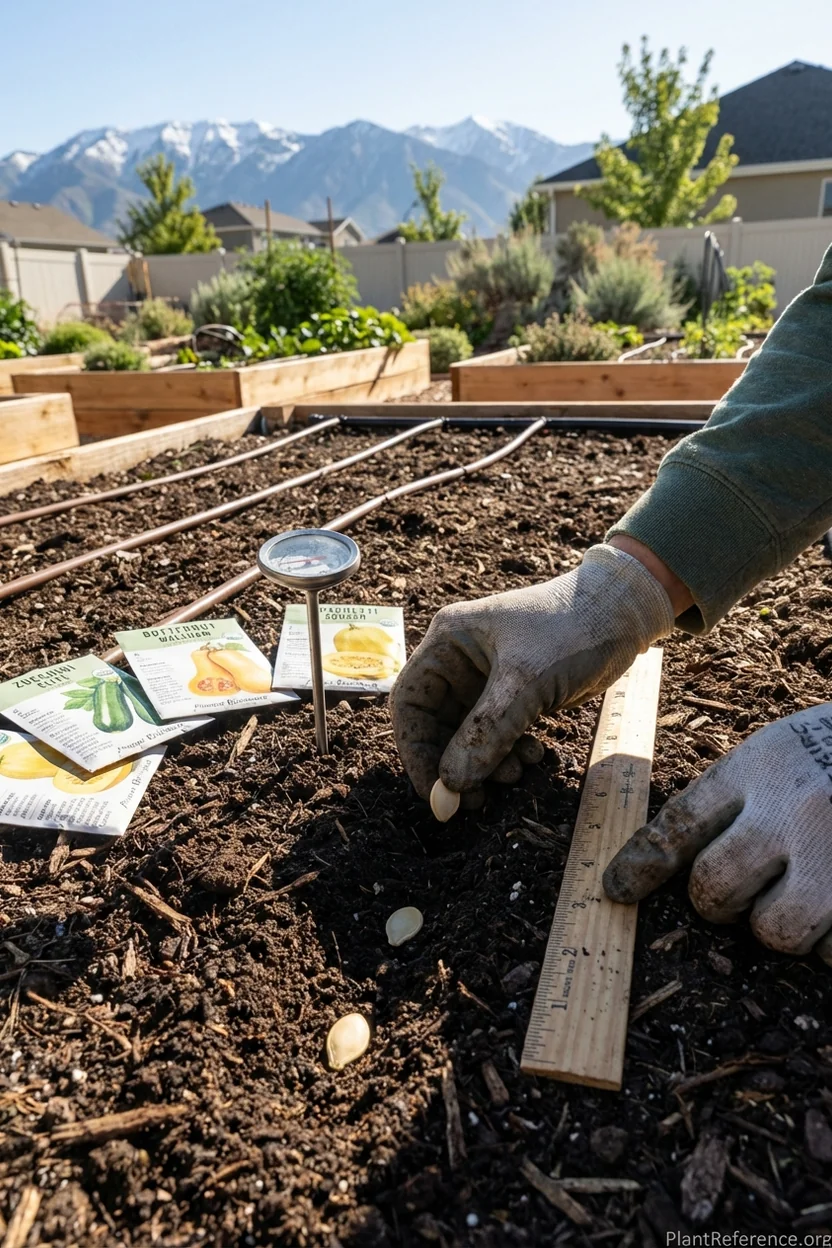
Soil temperature consistently reaches 65°F (18°C)
Direct sow all squash varieties
Plant seeds 1 inch deep in well-draining soil
Space according to variety requirements (24-48 inches)
May 15-25: Extended Planting Period
Last opportunity for winter squash planting
Continue summer squash succession plantings
Soil warming accelerates germination to 5-7 days
June 1-15: Summer Squash Succession
Plant additional 🌿Cucurbita pepo 'Black Beauty' for continuous harvest
Focus on quick-maturing varieties only
Provides harvest through September
Transplanting Schedule
May 10-20: Transplant Window
Move indoor-started seedlings outdoors when soil reaches 65°F
Harden off seedlings 7-10 days before transplanting
Plant biodegradable pots directly to avoid root disturbance
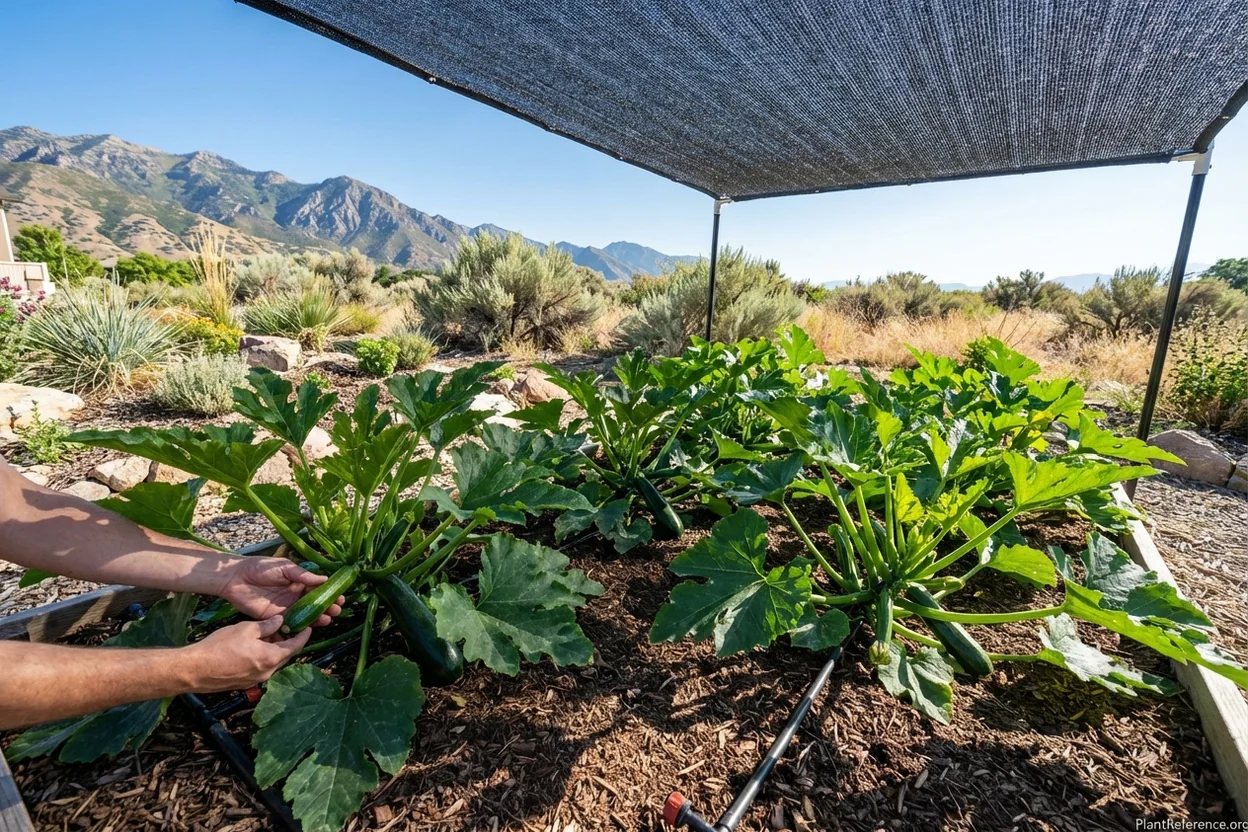
Protect from intense UV with temporary shade cloth
Complete Growing Guide for Salt Lake City
Salt Lake City's high-altitude location creates unique growing conditions that require specific management strategies.
Soil Preparation for Utah Conditions
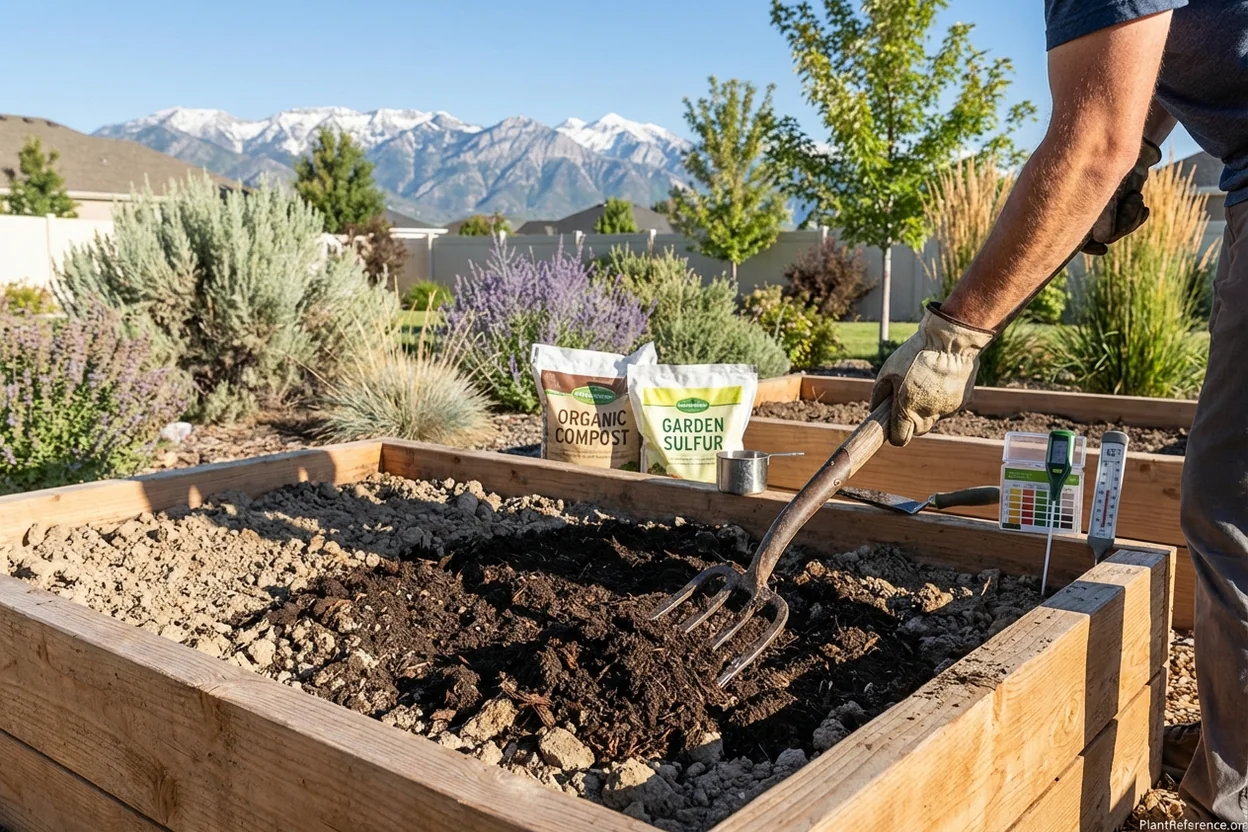
Utah's alkaline clay soil requires significant amendment for successful squash production. Native pH typically ranges 7.5-8.5, while squash prefers 6.0-6.8 for optimal nutrient uptake.
Amend heavy clay soil with 2-4 inches of compost worked into the top 12 inches. The organic matter improves drainage crucial in Utah's clay, while acidifying the pH naturally. Add sulfur at 1 pound per 100 square feet if pH exceeds 7.5.
Create raised planting areas 6-8 inches high to improve drainage and warm soil faster in spring. The elevation prevents waterlogging during Utah's spring snowmelt period while creating better root zone conditions.
Water Management in Utah's Arid Climate
Utah's 15-inch annual precipitation requires supplemental irrigation throughout the squash growing season.
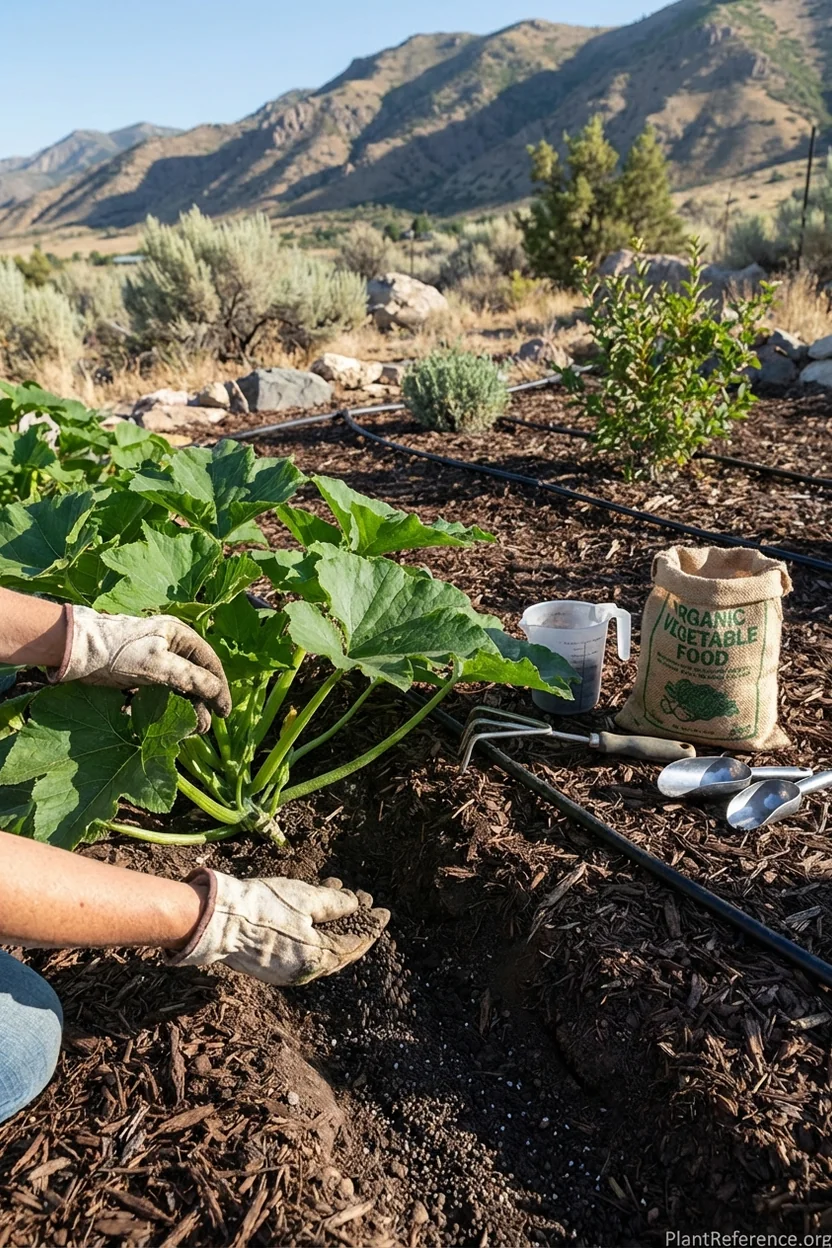
Install drip irrigation or soaker hoses to deliver water directly to root zones while minimizing evaporation. Squash requires 1-2 inches weekly, with higher needs during fruit development. Monitor soil moisture 4-6 inches deep, maintaining consistent moisture without waterlogging.
Apply 2-3 inch organic mulch (straw, shredded leaves) around plants to retain moisture and moderate soil temperature. Mulch is particularly critical in Utah's low humidity environment where surface evaporation is rapid.
Irrigation Schedule:
Establishment (weeks 1-3): Daily light watering until roots develop
Vegetative growth (weeks 4-8): Deep watering twice weekly
Fruit development: Increase to 3x weekly or 1.5-2 inches total
Ripening phase: Reduce watering for winter squash to concentrate sugars
Managing High-Altitude Sun Intensity
Salt Lake City's 4,300-foot elevation creates UV intensity that can stress squash plants during peak summer.
Provide afternoon shade (30-50% shade cloth) during July-August when temperatures exceed 90°F (32°C). Morning sun exposure remains critical for photosynthesis and fruit development, but afternoon protection prevents heat stress and sunscald on fruits.
Position taller plants (tomatoes, corn) on the west side of squash beds to provide natural afternoon shading. The filtered light reduces stress while maintaining adequate photosynthesis for fruit production.
Fertility Management
Squash plants are heavy feeders requiring substantial nutrition throughout the 173-day growing season.
Pre-planting: Incorporate 2-3 inches of compost plus balanced organic fertilizer (10-10-10) at 2 pounds per 100 square feet.
Vegetative stage (weeks 1-6): Side-dress with nitrogen-rich fertilizer every 3-4 weeks. Blood meal or composted manure provides slow-release nutrition.
Fruiting stage: Switch to phosphorus and potassium emphasis. Reduce nitrogen for winter squash after fruit set to encourage maturity rather than continued vine growth.
Utah-specific consideration: High pH limits phosphorus availability. Use rock phosphate or bone meal amendments in fall for following season availability.
Troubleshooting Salt Lake City-Specific Problems
Utah's unique climate creates specific challenges for squash growers that require targeted solutions.
Squash Bug Management
Squash bugs thrive in Salt Lake City's hot, dry conditions and can devastate squash plants rapidly.
Identification: Shield-shaped brown bugs clustering on stems and leaf undersides. They inject toxins while feeding, causing yellow wilting patches that expand rapidly.
Prevention: Row covers during early season prevent initial infestation. Remove when flowering begins for pollination. Inspect plants weekly for copper-colored egg masses on leaf undersides.
Control: Hand removal of adults in early morning when they're sluggish. Neem oil applications every 7-10 days target nymphs before they develop protective armor. Board traps placed around plants attract adults for morning collection.
Powdery Mildew in Late Season
Utah's warm days and cool nights in September create ideal conditions for powdery mildew development on squash foliage.
Prevention: Space plants adequately for air circulation. Avoid overhead watering that keeps leaves wet overnight. Choose resistant varieties like Cucurbita pepo 'Defender' zucchini.
Treatment: Milk spray (1 part milk to 9 parts water) applied weekly provides effective organic control. Baking soda spray (1 tablespoon per gallon) changes leaf pH to inhibit fungal growth.
Poor Fruit Set Issues
High altitude and intense UV can interfere with pollination, leading to poor fruit set.
Diagnosis: Female flowers (with small fruit at base) open but shrivel without developing. Male flowers may produce sterile pollen in extreme heat over 95°F (35°C).
Solution: Hand pollination between 6-10 AM when pollen is viable. Use male flower to brush pollen onto female flower stigma. Provide afternoon shade during peak heat to maintain pollen viability.
Sudden Wilt from Vine Borers
Squash vine borers are less common in Utah's dry climate but can still cause sudden plant collapse.
Identification: Wilting vine sections despite adequate moisture. Fine sawdust-like "frass" around stem base indicates larval boring activity.
Treatment: Slit stem carefully with sterile blade to remove white larvae. Cover wounded area with moist soil to encourage new root development. 🌿Cucurbita moschata 'Butternut' varieties have solid stems that resist borer damage.
Sunscald on Developing Fruit
Utah's intense UV can damage exposed fruits, creating white patches that develop into rot.
Prevention: Maintain healthy foliage cover over developing fruits. Mulch heavily to moderate soil temperature and reflect less heat onto fruits.
Treatment: Cover exposed fruits with row cover or cardboard shields during peak sun hours (11 AM - 4 PM). Harvest summer squash frequently to prevent large fruits that shade leaves.
Harvest & Storage
Salt Lake City's climate provides excellent conditions for both fresh summer squash harvest and winter squash curing.
Summer Squash Harvest
Begin harvesting summer squash when fruits reach optimal size for tender texture and continuous production.
🌿Cucurbita pepo 'Black Beauty':** Harvest at 6-8 inches long when skin is glossy and easily pierced by fingernail. Daily picking during peak season maintains plant productivity.
🌿Cucurbita pepo 'Pattypan':** Pick at 2-3 inches diameter while skin remains tender. Larger fruits become tough and halt plant production.
🌿Cucurbita pepo 'Yellow Crookneck':** Harvest at 4-6 inches when neck curves are prominent but skin hasn't hardened. Check plants twice daily during Utah's rapid growth periods.
Winter Squash Harvest and Curing
Time winter squash harvest to coincide with full maturity before Salt Lake City's mid-October frost.
Maturity indicators: Stems become dry and corky, rinds cannot be punctured by fingernail, and fruits develop dull rather than glossy appearance.
Harvest timing: Complete harvest by October 10 to allow curing before storage. Cut stems 2-3 inches from fruit to prevent disease entry points.
Utah curing process: Salt Lake City's dry climate is ideal for curing winter squash. Place fruits in sunny, protected area (garage, covered patio) where temperatures reach 80-85°F (27-29°C) during day.
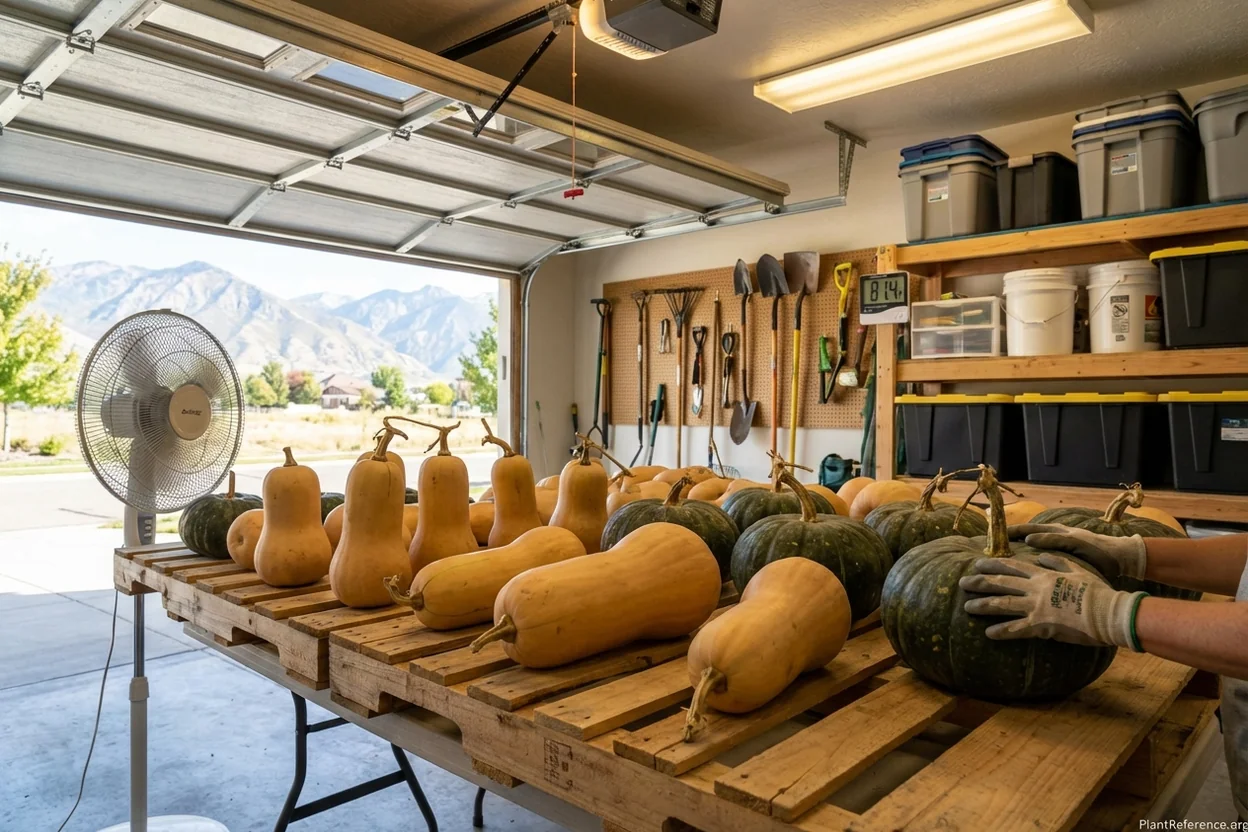
Curing duration: 10-14 days for most varieties. 🌿Cucurbita pepo 'Acorn' should NOT be cured as heat degrades texture - move directly to cool storage.
Storage requirements: After curing, store at 50-55°F (10-13°C) in dry location with good air circulation. Utah's low humidity creates excellent storage conditions. Properly cured butternut stores 4-6 months, kabocha 3-4 months.
Frequently Asked Questions
Reading about plants and recognising them are different skills. These three build the second.
- Daily PlantIdentify the day’s mystery plant from a close-up photograph.
- Keyed OutWork a dichotomous key, lead by lead, to name a hidden specimen.
- Name That PlantName a specimen from botanical clues dealt hardest first.
Free to play, no account needed
Yuki is a landscape designer in Salt Lake City who specializes in water-wise gardens that work with Utah's dry climate and alkaline soil. She moved to Utah from Portland, Oregon—a rude awakening for someone used to gardening in rich, acidic soil with reliable rainfall. That transition taught her to rethink everything she knew about plant selection and garden design. Yuki now focuses on intermountain-adapted plantings that combine ornamental grasses, drought-tolerant perennials, and carefully chosen shrubs for year-round interest. She works with homeowners looking to reduce water use without giving up on having an attractive garden. Yuki writes with the clarity of someone who had to learn a new climate from scratch.