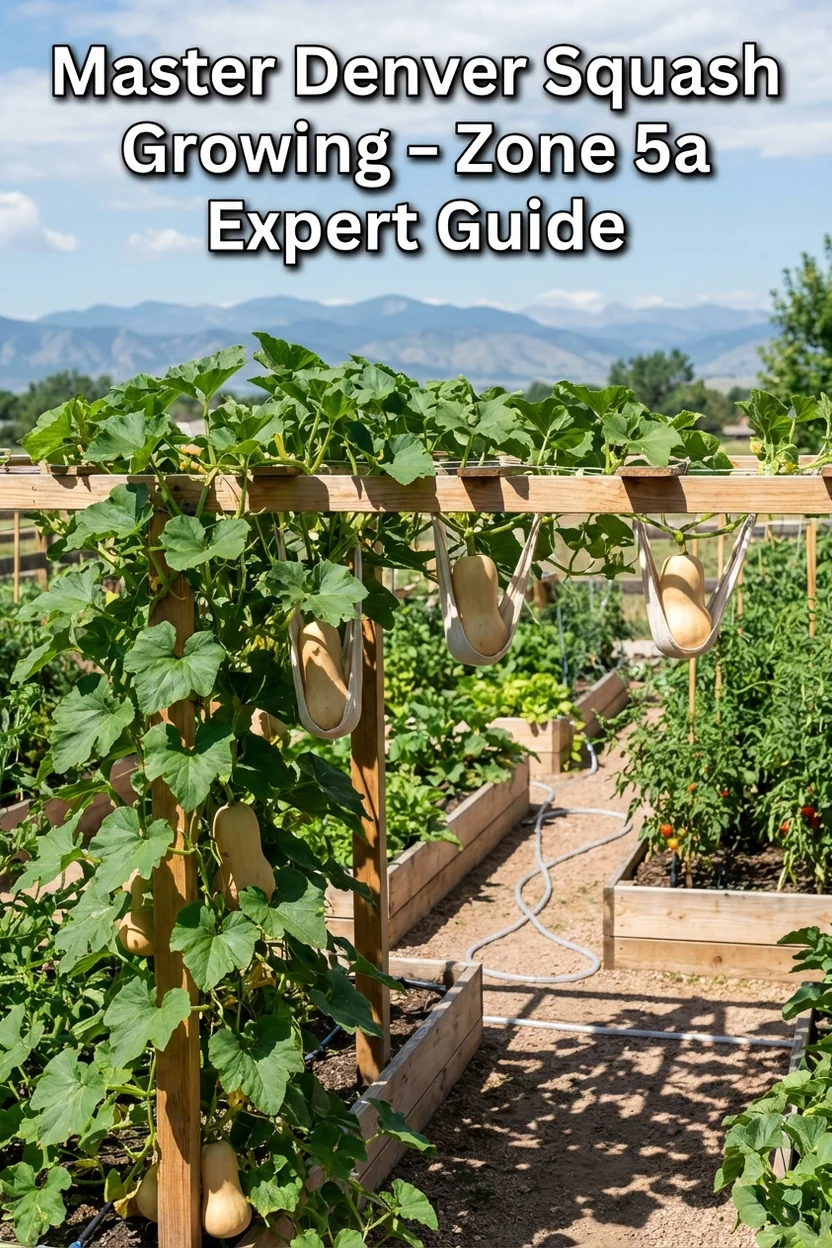
When to Plant Squash in Denver: Complete Guide + Best Varieties for Zone 5a
Pets & Toxicity
Recorded toxicity for plants linked in this guide. An unknown status is not a safety assessment.
Cucurbita pepo 'Black Beauty' — Toxicity
Non-toxic as an edible cropView Cucurbita pepo 'Black Beauty' plant profileCucurbita pepo 'Yellow Crookneck' — Toxicity
Non-toxic as an edible cropView Cucurbita pepo 'Yellow Crookneck' plant profile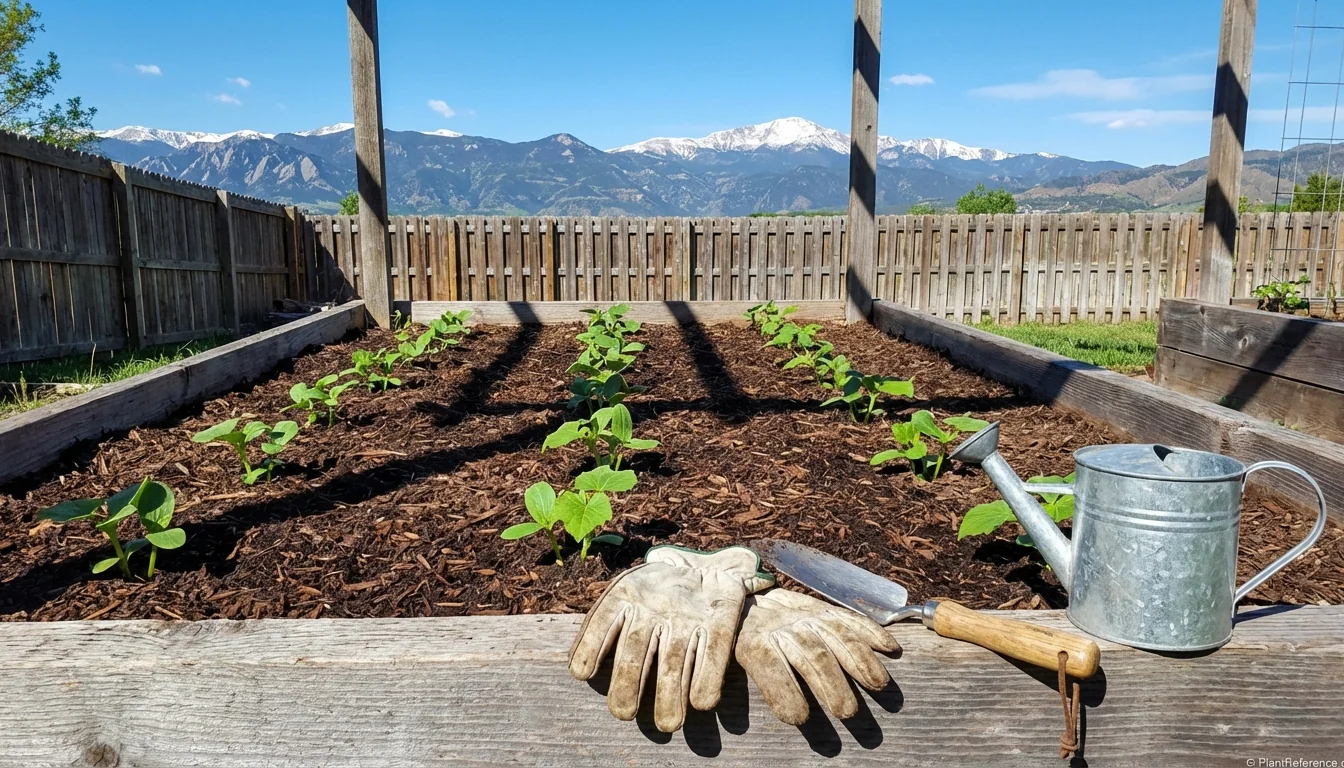
— Image © Plant Reference 2026
Denver's high altitude and Zone 5a climate creates unique opportunities for squash growing. With 148 frost-free days from May 9 to October 4, you have enough time for all summer squash varieties and most winter types—if you time it right.
I've been growing squash in high-altitude conditions for decades, and Denver's climate is actually quite forgiving once you understand the rhythm. The key is working with that May 9 last frost date and making sure your soil has warmed sufficiently. Cold soil is squash's biggest enemy—more than frost itself.
Best Squash Varieties for Denver's Zone 5a Climate
Denver's 148-day growing season gives you flexibility most northern gardeners don't have. You can grow any summer squash successfully, and most winter varieties will mature if you start them properly.
Variety | Days to Maturity | Best For Denver | Planting Notes |
|---|---|---|---|
50-55 days | Continuous summer harvest | Direct sow or transplant | |
50-60 days | Heat-tolerant summer type | Handles Denver's sunny days | |
Cucurbita pepo 'Pattypan' | 50-60 days | Small space gardens | Compact bush variety |
90-100 days | Long-term storage | Requires full season | |
Cucurbita pepo 'Acorn' | 85-95 days | Cool weather tolerance | Perfect for Denver falls |
80-90 days | Quick winter squash | Shorter season option | |
Cucurbita pepo 'Spaghetti' | 88-100 days | Unique cooking variety | Needs warm microclimate |
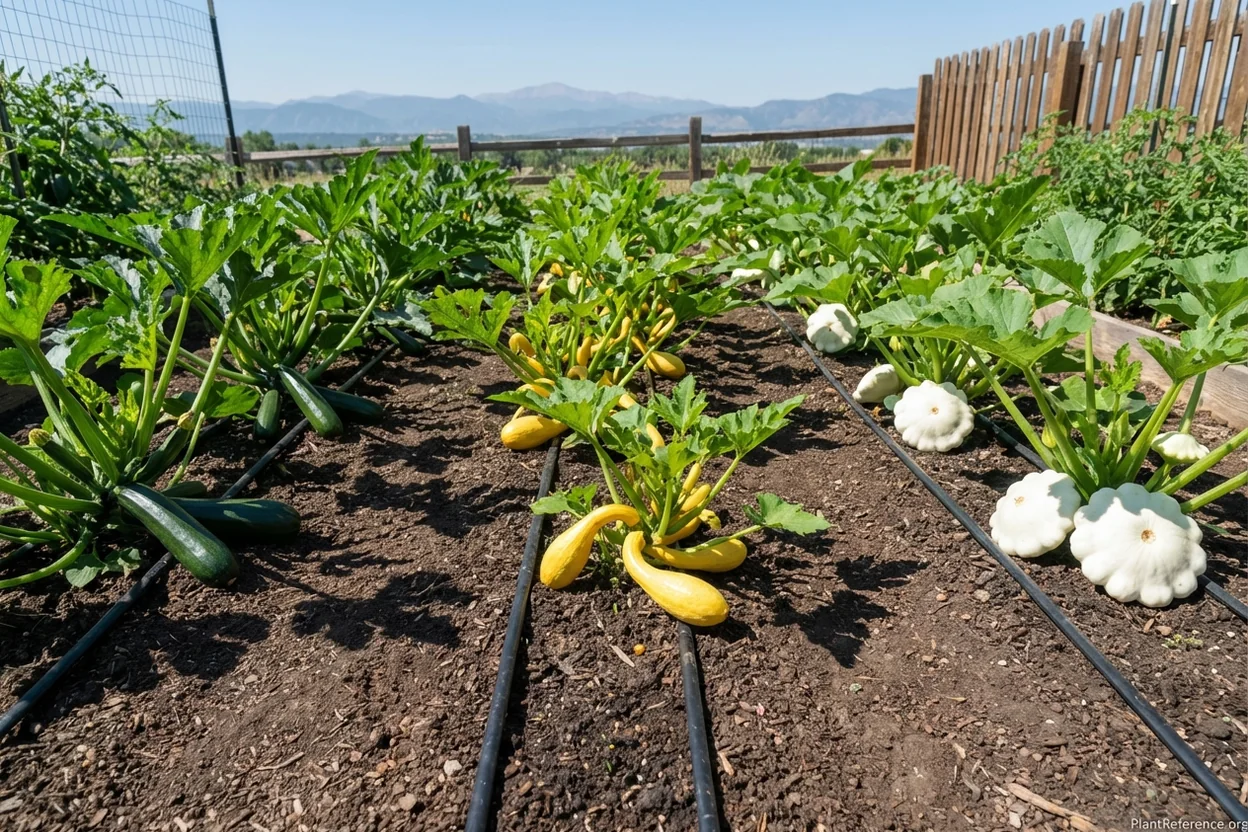
Summer squash varieties thrive in Denver's intense sunshine and dry air. The 🌿Cucurbita pepo 'Black Beauty' zucchini is my top recommendation—it handles the altitude well and produces heavily through September.
For winter squash, focus on varieties that mature in 90 days or less. 🌿Cucurbita moschata 'Butternut' is borderline at 100 days, but if you start it indoors and plant out promptly after May 9, it will make it. The 🌿Cucurbita pepo 'Delicata' at 80-90 days is much more reliable for Denver's season.
Climate Considerations for Denver Squash
Denver sits at 5,280 feet elevation, which affects more than just your breathing. The thin air means intense UV radiation, rapid soil temperature swings, and lower humidity—all factors that influence squash growing.
The intense sunshine is mostly beneficial. Squash loves full sun, and Denver delivers 300+ sunny days annually. However, rapid soil temperature changes can stress young plants. Use mulch around established plants to moderate these swings.
Low humidity (often 20-30% in summer) means less disease pressure from powdery mildew, which plagues humid regions. But it also means more frequent watering, especially during July and August when afternoon temperatures regularly hit 90°F+.
Specific Planting Dates for Denver
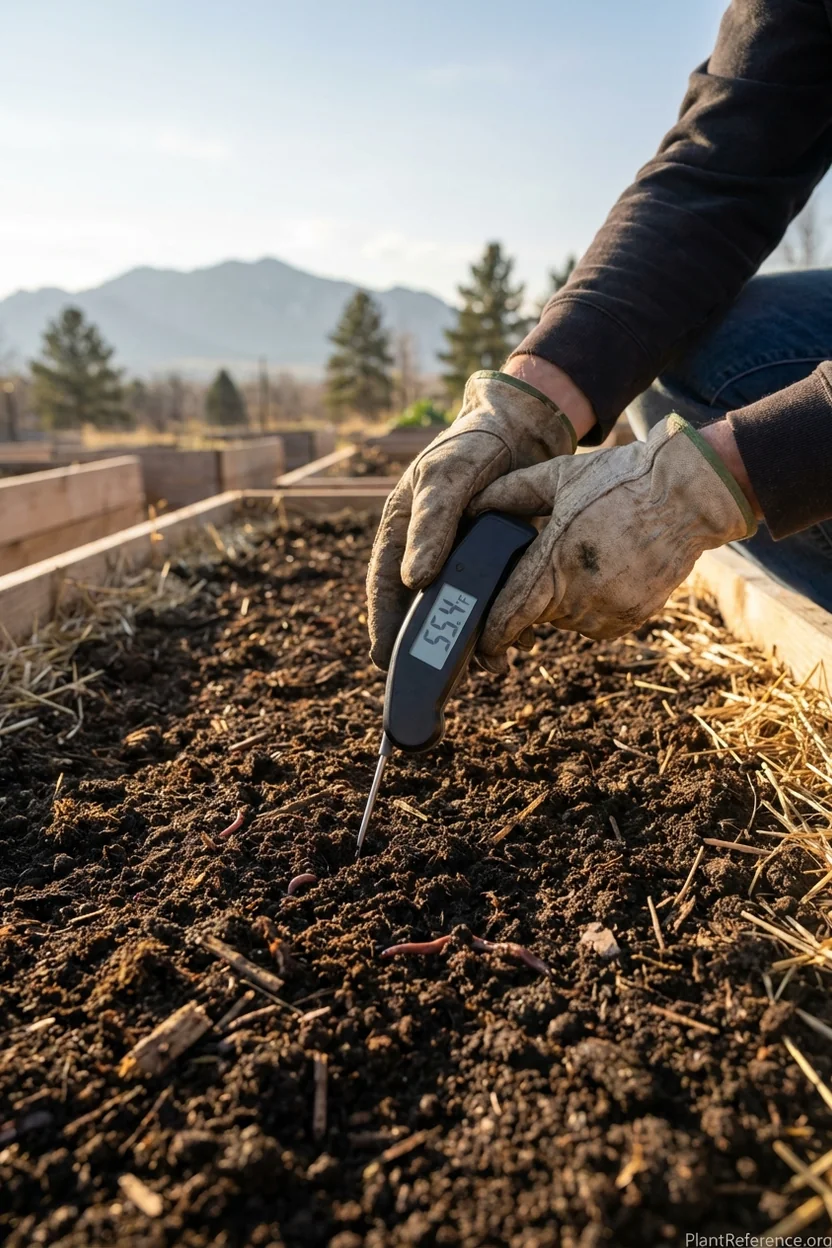
Working with Denver's May 9 last frost date, here's when to plant squash for optimal results. I always wait until soil temperature reaches 60°F consistently—usually 5-10 days after the last frost date.
Indoor Seed Starting Schedule
For winter squash that needs every available growing day:
April 15-22: Start 🌿Cucurbita moschata 'Butternut', Cucurbita pepo 'Acorn', and Cucurbita pepo 'Spaghetti' seeds indoors. Use biodegradable pots since squash roots hate transplant disturbance.
April 22-29: Start 🌿Cucurbita pepo 'Delicata' if you want an early harvest or plan to grow multiple successions.
Plant seeds ½ inch deep in seed starting mix. Keep at 70-75°F for germination in 7-10 days. Once sprouted, grow in bright light at 65°F until transplanting.
Direct Sowing Dates
May 15-25: Direct sow all summer squash varieties once soil temperature reaches 60°F. This timing usually coincides with when lilacs finish blooming in Denver.
May 20-30: Direct sow shorter-season winter squash like 🌿Cucurbita pepo 'Delicata' if you didn't start indoors.
Never rush these dates. I've seen too many Denver gardeners lose entire plantings to one surprise late frost or cold soil. Wait for consistent 60°F soil temperature measured 2 inches deep.
Transplanting Schedule
May 16-23: Transplant indoor-started seedlings outdoors after hardening off for 7-10 days. Protect with row covers if nights drop below 50°F.
Hardening off is critical in Denver's intense mountain sun. Start with 2 hours of morning sun, increasing daily until plants can handle full sun all day.
Succession Planting for Summer Squash
In Denver's long season, you can succession plant summer squash for extended harvest:
First planting: May 15-20 (harvest July-August)
Second planting: June 15-20 (harvest August-September)
Third planting: July 1-10 (harvest September-October)
This spreads out your zucchini avalanche and ensures fresh squash until the first October frost.
Complete Growing Guide for Denver
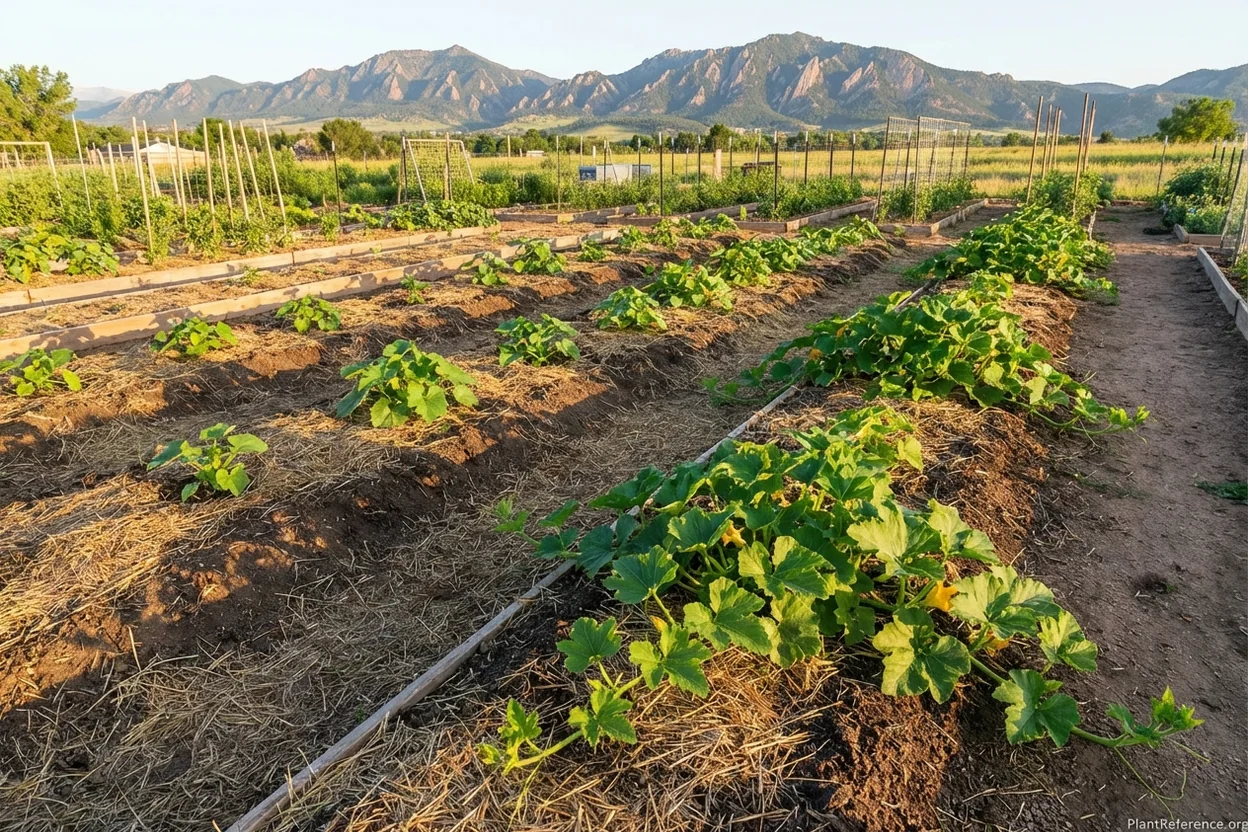
Success with squash in Denver comes down to soil preparation, proper spacing, and irrigation management in our dry climate.
Soil Preparation for High-Altitude Growing
Denver's clay soil needs significant amendment for squash. I work in 2-3 inches of compost every spring, creating loose, well-draining soil that still retains moisture.
Test soil pH—Denver's naturally alkaline soil (often pH 7.5-8.0) needs adjustment. Squash prefers 6.0-6.8 pH for optimal nutrient uptake. Work in sulfur or acidic compost in fall to lower pH gradually.
Create raised beds or mounded rows 6-8 inches high. This improves drainage (preventing root rot) and helps soil warm faster in spring. In Denver's clay, this drainage improvement is essential.
Spacing for Denver's Conditions
Denver's intense sun and dry air allow slightly tighter spacing than humid climates, but don't overdo it:
Bush varieties (🌿Cucurbita pepo 'Black Beauty', Cucurbita pepo 'Pattypan'): 30 inches apart in rows 4 feet apart
Semi-vining varieties (Cucurbita pepo 'Acorn', 🌿Cucurbita pepo 'Delicata'): 36 inches apart in rows 5 feet apart
Full vining varieties (🌿Cucurbita moschata 'Butternut', Cucurbita pepo 'Spaghetti'): 48 inches apart in rows 6 feet apart
Irrigation Strategy for Denver's Dry Climate
Denver averages only 15 inches of annual precipitation, with much of that falling as snow. Summer rainfall is sporadic and often comes as brief, intense thunderstorms that run off rather than soaking in.
Install drip irrigation or soaker hoses before planting. Squash needs consistent moisture, especially during fruit development. I water deeply twice weekly rather than frequent shallow watering.
Apply 1-2 inches of organic mulch around plants once they're established. This conserves moisture, moderates soil temperature, and suppresses weeds. Keep mulch 3 inches away from stems to prevent rot.
Monitor soil moisture 2-3 inches deep. In Denver's dry air, surface soil may appear dry while adequate moisture remains below. Stick your finger into the soil—if it's dry at 2 inches, it's time to water.
Fertilization for High-Altitude Gardens
Denver's intense UV radiation breaks down organic matter faster than in lower elevations. I side-dress squash plants monthly with compost or balanced fertilizer (10-10-10).
For summer squash, continue fertilizing throughout the season to support continuous production. For winter squash, stop fertilizing in mid-August to encourage fruit maturity and proper curing.
Troubleshooting Denver-Specific Squash Problems
Denver's unique climate creates specific challenges you won't find in gardening books written for sea level.
Problem | Symptoms | Likely Cause | Quick Fix |
|---|---|---|---|
Intense UV Damage | Leaves develop bleached, papery patches on new transplants | High altitude UV radiation on tender seedlings | Harden off gradually over 10-14 days; use 30% shade cloth first week after transplanting |
Rapid Soil Temperature Swings | Plants wilting during hot afternoons despite adequate moisture | Intense sun and rapid temperature changes in thin mountain air | Apply 2-3 inches mulch for temperature moderation and moisture conservation |
Late Season Frost Risk | Weather forecasts show potential frost before winter squash fully matures | Variable Colorado fall weather with early frosts in September | Cover plants with row covers or sheets when frost threatens; Denver often has warm weeks after light frost |
Poor Pollination at High Altitude | Female flowers fail to develop into fruit or fruits shrivel and drop | Lower bee activity at high altitude, especially early in season | Hand pollinate female flowers 6-8 AM with small paintbrush using male flower pollen |
Hail Damage | Shredded leaves and damaged stems after Colorado hailstorms | Late spring/early summer hail common in Colorado | Remove damaged leaves, apply balanced fertilizer, maintain consistent watering; consider hail netting for valuable plants |
Harvest & Storage in Colorado
Denver's dry climate is actually advantageous for curing and storing winter squash. Low humidity reduces storage rot that plagues more humid regions.
Summer Squash Harvest
Begin harvesting 🌿Cucurbita pepo 'Black Beauty' zucchini at 6-8 inches long, 🌿Cucurbita pepo 'Yellow Crookneck' at 4-6 inches, and Cucurbita pepo 'Pattypan' at 2-3 inches diameter.
Check plants daily once production starts—Denver's intense sun can turn a perfect zucchini into an oversized baseball bat overnight. Harvest every 2-3 days to keep plants producing.
Summer squash keeps 7-10 days in the refrigerator. For preservation, blanch and freeze slices, or shred for baking and freeze in meal-sized portions.
Winter Squash Harvest Timing
Winter squash is ready when the stem becomes corky and dry, the rind cannot be dented with a fingernail, and the color deepens. In Denver, this typically occurs from mid-September through early October.
Harvest before the first hard frost (usually October 4-10). Light frosts down to 28°F won't harm mature squash still on the vine, but temperatures below 25°F will damage the fruit.
Cut stems 2-3 inches from the fruit using clean pruning shears. Never lift squash by the stem—it will break off and create an entry point for rot.
Curing Process for Denver's Climate
Denver's dry air requires modified curing compared to humid regions. Cure winter squash at 80-85°F with good air circulation for 10-14 days.
Many Denver gardeners use their garage or basement for curing, as these areas naturally maintain steady temperatures. Avoid areas that get too hot (like attics) or too humid (like basements with moisture issues).
After curing, store winter squash at 50-55°F with good air circulation. An unheated garage or basement room works perfectly in Denver's climate. Properly cured 🌿Cucurbita moschata 'Butternut' keeps 4-6 months, while Cucurbita pepo 'Acorn' keeps 2-3 months.
Frequently Asked Questions
Reading about plants and recognising them are different skills. These three build the second.
- Daily PlantIdentify the day’s mystery plant from a close-up photograph.
- Keyed OutWork a dichotomous key, lead by lead, to name a hidden specimen.
- Name That PlantName a specimen from botanical clues dealt hardest first.
Free to play, no account needed
Nathan is a garden designer in Denver who focuses on water-wise plantings adapted to Colorado's Front Range climate. He grew up in Nebraska, studied environmental science in college, and fell into garden design after spending summers working at a native plant nursery in Fort Collins. Denver's climate is genuinely challenging—low humidity, intense UV, alkaline clay soil, and wild temperature swings that can go from 70°F to snow in 24 hours. Nathan designs gardens that handle all of that without supplemental irrigation once established. He writes about xeric gardening, native plant selection for the Front Range, and the practical realities of high-altitude growing.