1 / 7
Annuals
Brassica oleracea 'Red Russian'
Red Russian Kale
BrassicaceaeEurope
At a Glance
Typeannual
Habitupright
Foliagedeciduous
Height12-18 inches
Width12-15 inches
Maturity0.17 years
Growing Zones
USDA Hardiness Zones
2a - 10bZone 2a
Zone 2b
Zone 3a
Zone 3b
Zone 4a
Zone 4b
Zone 5a
Zone 5b
Zone 6a
Zone 6b
Zone 7a
Zone 7b
Zone 8a
Zone 8b
Zone 9a
Zone 9b
Zone 10a
Zone 10b
These zones indicate the coldest temperatures this plant can typically survive.
Frost Tolerancehardy
Key Features
Attracts Pollinators
Attracts Butterflies
Container Friendly
Maintenancemoderate
Overview
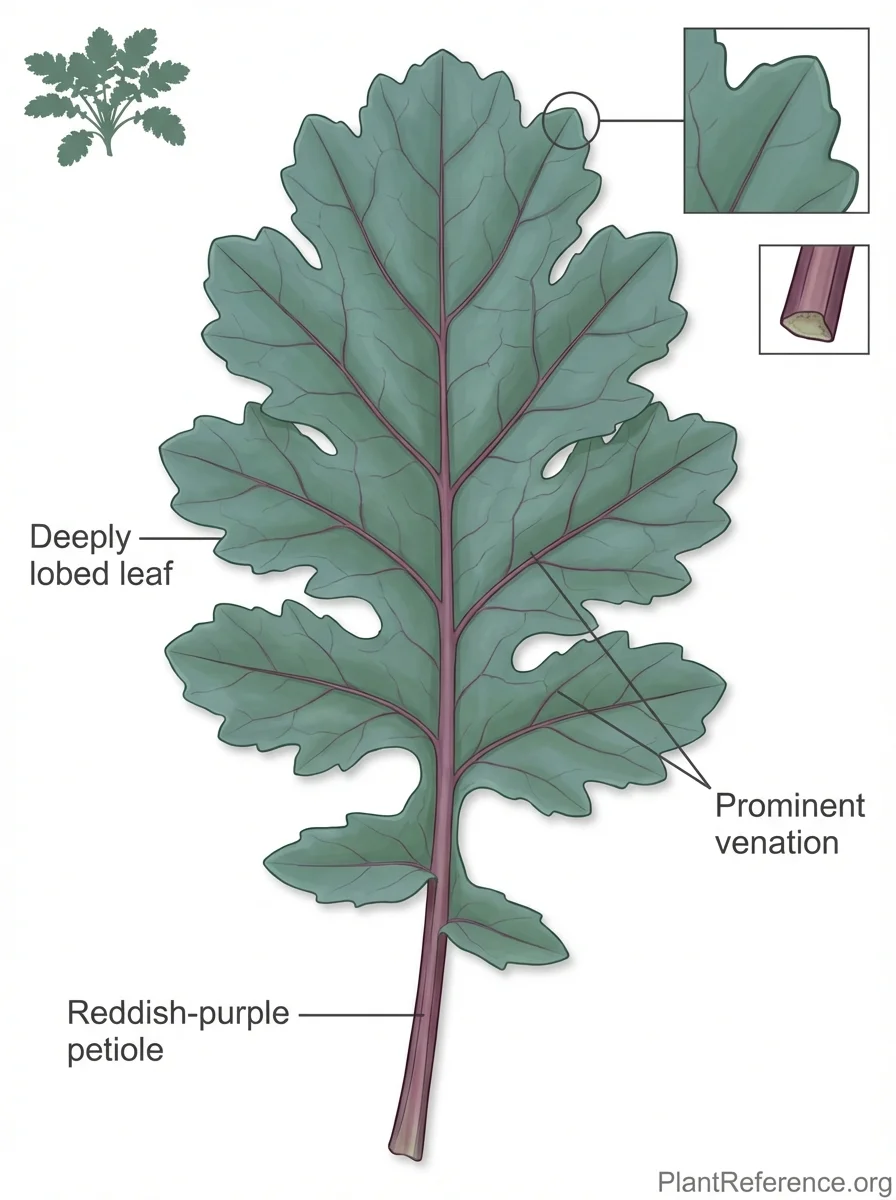
Brassica oleracea 'Red Russian' is a remarkably distinctive and cold-hardy kale cultivar that stands out among leafy greens for its exceptional ornamental beauty and outstanding culinary performance. This striking annual vegetable develops large, flat leaves with deeply lobed, oak-leaf-shaped margins that create an elegant, feathery appearance quite different from the heavily ruffled texture of traditional curly kales. The foliage displays a beautiful blue-green to gray-green base coloration that serves as a stunning backdrop for the plant's most distinctive characteristic: prominent reddish-purple to burgundy-colored stems and leaf veining that becomes increasingly vibrant and dramatic as temperatures cool.
The plant forms a sturdy, upright rosette typically reaching 12-18 inches in both height and width, with thick, colorful stems providing excellent structural support for the tender, nutritious foliage. Unlike many brassicas that develop harsh, bitter flavors in cold conditions, Brassica oleracea 'Red Russian' actually improves significantly in taste after exposure to frost, developing a sweeter, more complex flavor profile with reduced bitterness and enhanced leaf tenderness. This remarkable combination of exceptional cold tolerance, superior flavor development after frost exposure, striking ornamental appeal, and relatively smooth leaf texture makes it highly prized for both practical vegetable production and decorative edible landscaping applications throughout extended fall and winter growing seasons.
Native Range
Brassica oleracea originates from the coastal regions of the Mediterranean basin and the rocky Atlantic shorelines of western and southern Europe, where wild cabbage species naturally thrive in maritime cliff environments and salt-tolerant coastal habitats. The 'Red Russian' cultivar represents centuries of selective breeding and agricultural development, having been specifically developed and refined in Russia's harsh climate conditions to withstand extreme cold before being introduced to North American gardens, where it has become highly valued for its exceptional frost tolerance and distinctive purple-stemmed ornamental characteristics.Suggested Uses
Brassica oleracea 'Red Russian' excels in vegetable gardens, ornamental edible landscapes, container gardens, and season extension systems such as cold frames, hoop houses, and unheated greenhouses where its cold tolerance provides extended harvest opportunities. The striking colorful foliage and unique leaf shape make it an attractive addition to mixed ornamental borders, decorative vegetable beds, and fall container displays where both visual appeal and culinary function are desired. Ideal for succession planting every 2-3 weeks from early spring through late summer to ensure continuous harvest throughout the growing season, and particularly valuable for winter gardens in mild climates where it can provide fresh greens during the dormant season. Perfect for fresh eating in salads when leaves are young and tender, smoothies, nutrient-dense soups, quick stir-fries, and sautéing applications where its sweet flavor and tender texture shine. The plant's exceptional nutritional density, striking appearance, and excellent storage qualities also make it suitable for dehydrating, freezing, garnishing gourmet dishes, microgreen production, and as an ornamental edible landscape plant that provides both aesthetic beauty and practical nutrition throughout the cooler months.How to Identify
Appearance
Size & Dimensions
Height1' - 1'6"
Width/Spread1' - 1'3"
Reaches mature size in approximately 0.17 years
Colors
Flower Colors
yellow
Foliage Colors
blue
green
gray
burgundy
purple
Fall Foliage Colors
burgundy
Bloom Information
Bloom Period
J
F
M
A
M
J
J
A
S
O
N
D
SpringSummer
Detailed Descriptions
Flower Description
Bright yellowFoliage Description
Blue-green to gray-green with prominent reddish-purple to burgundy stems and veining that intensifies in cool weatherGrowing Conditions
Sun Requirements
Full Sun
Partial Shade
• Full Sun: 6+ hours of direct sunlight
• Partial Shade: 3-6 hours of direct sunlight
• Full Shade: Less than 3 hours of direct sunlight
Soil Requirements
pH Range6.0 - 7.5(Neutral)
357912
Soil Types
loam
Drainage
well drained
Water & Climate
Water Needs
moderate
Frost Tolerance
hardy
Time to Maturity
50-60 days
Care & Maintenance
Care Guide
Brassica oleracea 'Red Russian' thrives in cool weather conditions and performs optimally with consistent moisture and fertile, well-draining soil that has been enriched with organic matter such as compost or well-rotted manure. Plant in soil with a pH between 6.0-7.5 for optimal nutrient uptake and vigorous growth, amending heavy clay soils with compost to improve drainage and fertility. Provide regular, deep watering to maintain consistent soil moisture, supplying approximately 1-1.5 inches of water per week through deep, infrequent irrigation sessions rather than frequent shallow watering which can lead to weak root development and increased susceptibility to stress. Side-dress plants every 3-4 weeks during the active growing season with compost or a balanced, nitrogen-rich fertilizer to support continuous leaf production and maintain plant vigor throughout the harvest period. This variety performs optimally in temperatures between 60-70°F and actually develops superior flavor and enhanced purple stem coloration after exposure to light frosts, making it ideal for fall and winter harvests in milder climates. During hot weather periods above 75°F, provide afternoon shade protection and increase watering frequency to prevent heat stress, bitter flavor development, and premature bolting to seed.Pruning
Harvest Brassica oleracea 'Red Russian' using the cut-and-come-again method by selectively cutting the largest outer leaves when they reach 4-8 inches in length, always leaving the central growing point and smaller inner leaves intact to ensure continuous production throughout the growing season. Begin harvesting approximately 50-60 days after planting when leaves are young, tender, and at their peak flavor, taking only the most mature outer leaves first while allowing the center to continue developing new growth. Regular harvesting every 2-3 days encourages vigorous new leaf production and prevents existing leaves from becoming tough, fibrous, or overly mature, which can result in bitter flavors and reduced nutritional quality. Remove any yellowing, damaged, or pest-affected leaves promptly to maintain overall plant health and prevent potential disease issues from spreading. If flower stalks begin to form during warm weather periods, remove them immediately by cutting at the base to redirect the plant's energy back into productive leaf growth, though bolting is often inevitable when temperatures consistently exceed 75°F for extended periods, at which point it's best to start new plantings for continued harvest.Maintenance Level
moderateContainer Growing
✓ Suitable for container growing
Minimum container size: 5 gallons
⚠️ Toxicity Warning
Brassica oleracea 'Red Russian' is generally safe for human consumption and is widely cultivated and eaten as a highly nutritious leafy green vegetable that is exceptionally rich in vitamins A, C, and K, along with folate, calcium, iron, antioxidants, and beneficial compounds called glucosinolates. However, like other members of the brassica family, it contains natural compounds called goitrogens that may potentially interfere with thyroid function if consumed in very large quantities over extended periods, particularly in individuals with existing thyroid conditions, iodine deficiency, or those taking thyroid medications. The plant is generally safe for pets such as dogs and cats in small amounts as an occasional treat, though large quantities may cause digestive upset due to the high fiber content and natural sulfur compounds that can be difficult for some animals to digest efficiently. As with any new food, introduce gradually and consult with healthcare providers or veterinarians if there are concerns about individual sensitivities or existing health conditions.Planting Guide
Planting Methods & Timing
Planting Method
direct sow
Indoor Start
4 weeks before last frost
Direct Sow Timing
early spring through late summer for succession planting
Days to Maturity
50–60 days
Plant Spacing
12 inches
Companion Planting
Good Companions
lettuce
spinach
radishes
carrots
beets
onions
garlic
herbs
Brussels sprouts
broccoli
Avoid Planting With
tomatoes
peppers
strawberries
pole beans
fennel