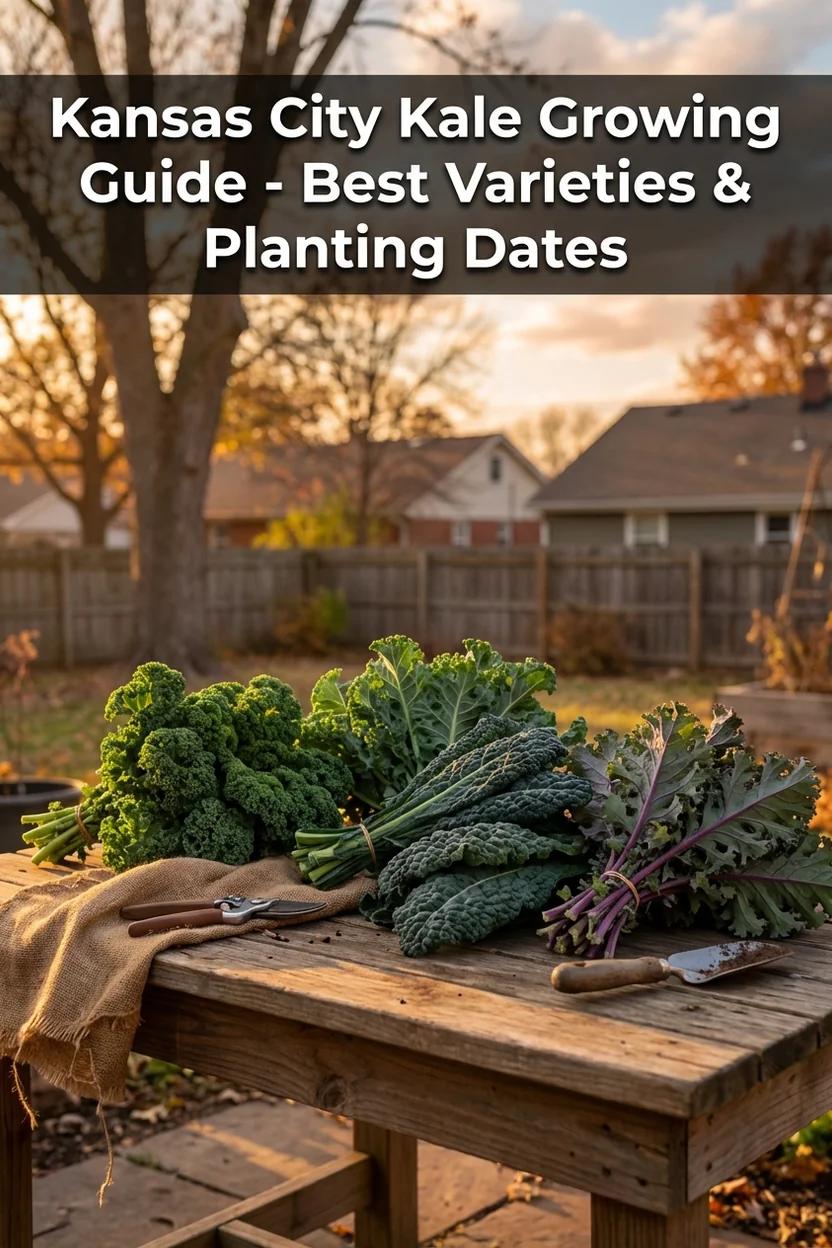
When to Plant Kale in Kansas City: Complete Guide + Best Varieties for Zone 6a
Pets & Toxicity
Recorded toxicity for plants linked in this guide. An unknown status is not a safety assessment.
No linked plant is recorded as toxicDetailsHide
Brassica oleracea 'Red Russian' — Toxicity
Non-toxicView Brassica oleracea 'Red Russian' plant profileBrassica oleracea var. sabellica 'Vates' — Toxicity
Non-toxicView Brassica oleracea var. sabellica 'Vates' plant profile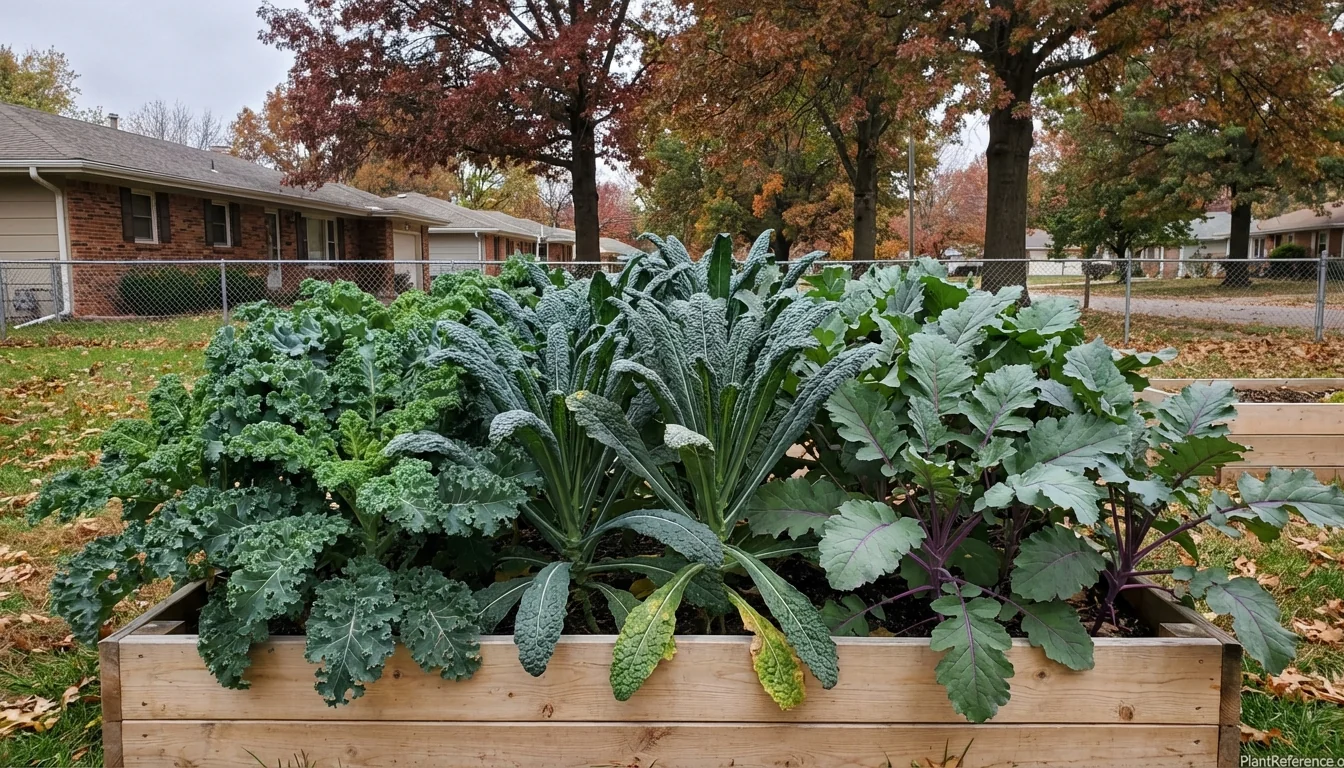
— Image © Plant Reference 2026
Growing kale in Kansas City means working with Missouri's distinct continental climate—mild springs, hot humid summers, and extended falls perfect for cool-season crops. With our Zone 6a designation and 193-day growing season stretching from April 14 to October 24, you have two excellent windows for kale production while avoiding the summer heat that causes rapid bolting.
I've been growing kale in the Midwest for over three decades, and I can tell you that timing is everything with this crop. Kansas City's climate gives you a wonderful advantage—that extended fall season from September through November is pure gold for kale production. The key is understanding that kale isn't just cold-tolerant; it's actually improved by cool weather. Those first October frosts that make gardeners worry are exactly what transforms decent kale into something truly exceptional.
Best Kale Varieties for Kansas City's Zone 6a Climate
Selecting the right varieties makes the difference between struggling plants that bolt at the first hint of heat and robust producers that thrive through Kansas City's variable weather patterns. Zone 6a presents specific challenges: late spring heat waves that trigger bolting, humid summers that stress plants, and the potential for both early and late season cold snaps.
Variety | Days to Maturity | Best For | Notes for Kansas City |
|---|---|---|---|
60-75 days | Fall/winter harvest | Exceptional cold tolerance, survives 10°F with protection | |
60-75 days | Spring and fall crops | Heat tolerant, slow to bolt in warm weather | |
50-60 days | Quick spring crops | Fast maturity, harvest before summer heat | |
60-75 days | Fall ornamental harvest | Cold enhances purple color, beautiful in autumn garden | |
55-65 days | Container growing | Compact size, slow to bolt, reliable producer |
For Kansas City gardeners, I recommend focusing on three primary varieties. Winterbor 🌿Brassica oleracea 'Winterbor' is your champion for fall planting. This curly-leafed powerhouse handles our October temperature swings beautifully and actually improves in flavor as temperatures drop. I've harvested fresh Winterbor from snow-covered gardens in December.
Lacinato 🌿Brassica oleracea 'Lacinato', also called Tuscan or Dinosaur kale, gives you the most versatility. Its thick, strap-like leaves have better heat tolerance than the curly types, making it your best choice for spring plantings that might face unexpected warm spells. The flavor is complex—nutty and sweet even without frost treatment.
For quick spring production, Red Russian 🌿Brassica oleracea 'Red Russian' can't be beat. At 50-60 days to maturity, you can direct sow in mid-March and harvest tender baby leaves by early May, well before the summer heat arrives. The flat, oak-shaped leaves with purple stems are beautiful in salads and handle light cooking perfectly.
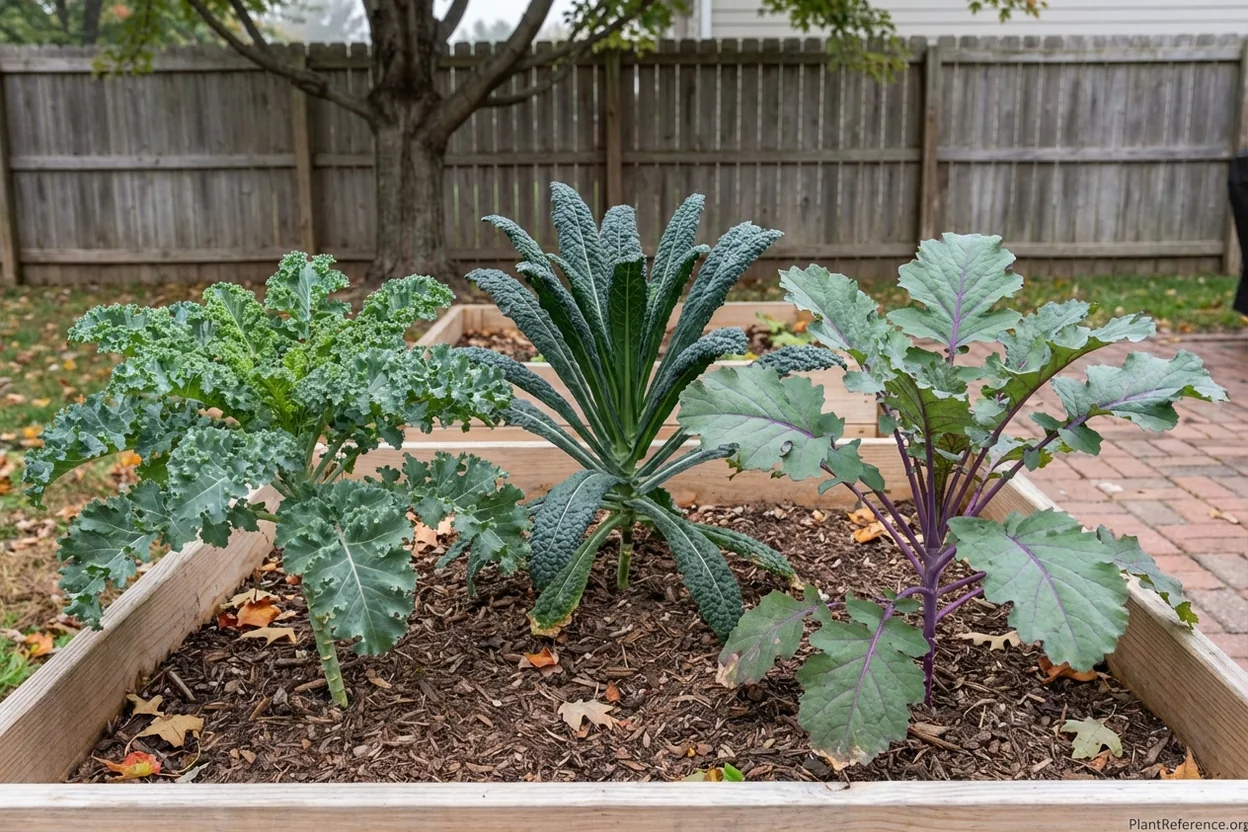
The beauty of these varieties lies in their adaptability to our Zone 6a conditions. Winterbor and Redbor 🌿Brassica oleracea 'Redbor' handle temperature swings from 80°F (27°C) down to 15°F (-9°C) without missing a beat. Lacinato offers the best compromise between heat tolerance and cold hardiness. Red Russian, while less cold-hardy than the others, matures so quickly that it's out of the garden before the worst weather hits.
Specific Planting Dates for Kansas City
Working with Kansas City's April 14 last frost date and October 24 first frost date, you have two distinct planting windows that align perfectly with kale's preferences for cool weather.
Spring Planting Schedule
Indoor Seed Starting: February 15-March 1 Start seeds indoors 6-8 weeks before transplanting. Kale seedlings handle cool weather well, so you can transplant earlier than warm-season crops.
Direct Sowing: March 15-April 1 This is my preferred method for spring kale. Direct sowing eliminates transplant shock and produces hardier plants. Kale seeds germinate in soil temperatures as low as 45°F (7°C), so don't wait for warm soil.
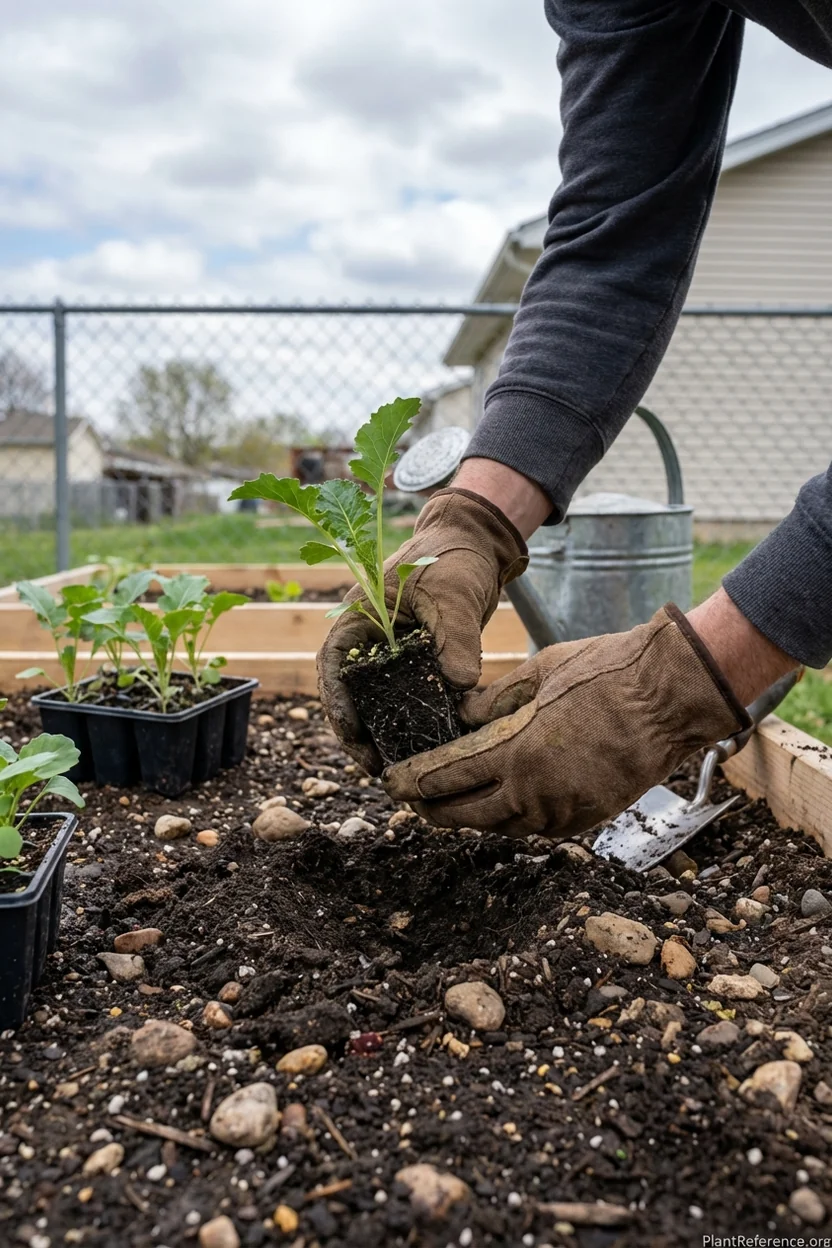
Transplanting: March 25-April 10 If you started seeds indoors, transplant when seedlings have 3-4 true leaves. They can handle light frosts, so don't worry about the exact last frost date of April 14.
Spring Harvest Window: May 1-June 30 Begin harvesting when plants reach 8-10 inches tall. Pick outer leaves regularly to encourage continued production. Stop harvesting when temperatures consistently exceed 80°F (27°C) to prevent bitterness.
Fall Planting Schedule (Recommended Primary Crop)
Direct Sowing: July 15-August 1 This timing allows plants to mature before our first frost on October 24. Fall-planted kale produces superior flavor and faces fewer pest pressures than spring crops.
Latest Planting: August 15 This represents the absolute latest planting date for full-sized harvest before winter. Later plantings may produce baby leaves but won't reach full maturity.
Fall Harvest Window: September 15-November 30 The extended harvest period is one of fall kale's greatest advantages. First frost on October 24 actually improves flavor through natural sugar concentration.
Winter Extension: December 1-February 28 (with protection) In Kansas City's Zone 6a, cold frames or heavy row covers can extend harvest through winter. Winterbor and Redbor varieties handle this best.
The math is straightforward: Winterbor needs 60-75 days to maturity. Planting July 20 means harvest begins September 20, giving you two full months before first frost and the potential for winter extension with minimal protection.
Complete Growing Guide for Kansas City
Soil Preparation for Zone 6a Conditions
Kansas City's clay-heavy soils present both opportunities and challenges for kale production. Our native soils retain moisture well—excellent for kale's water needs—but they can become waterlogged during our spring rainy periods and compacted during hot summer months.
pH Requirements: 6.0-7.0 Most Kansas City soils test slightly acidic (5.8-6.2). Apply agricultural lime in fall to raise pH if needed. Proper pH prevents clubroot disease and improves nutrient uptake.
Soil Amendment Protocol: Work 2-3 inches (5-7.5 cm) of compost into heavy clay soils to improve drainage and structure. In areas with standing water issues, consider raised beds 6-8 inches (15-20 cm) high.
Pre-Planting Fertilization: Apply balanced organic fertilizer (10-10-10) at 2 pounds per 100 square feet before planting. Kale is a heavy nitrogen feeder, but avoid fresh manure which can promote rapid growth susceptible to pest damage.
Test soil pH and amend to 6.0-7.0 range
Work compost into heavy clay for drainage
Apply balanced fertilizer 2 weeks before planting
Create raised beds if drainage is poor
Mulch around plants to retain moisture
Planting Techniques for Kansas City Climate
Seeding Depth: 1/4 to 1/2 inch (6-13 mm) Kale seeds are small but vigorous. Plant too deep and germination suffers; too shallow and they dry out during our variable spring weather.
Spacing Requirements: 12-18 inches (30-45 cm) apart Proper spacing improves air circulation, reducing fungal diseases common in our humid summers. Closer spacing works for baby leaf production.
Row Configuration: Plant in rows 18-24 inches (45-60 cm) apart for easy cultivation and harvest access. This spacing also allows for companion planting with cool-season herbs.
Succession Planting Strategy: For continuous harvest, plant new rows every 2-3 weeks during appropriate seasons. This prevents harvest gaps and extends your kale season.
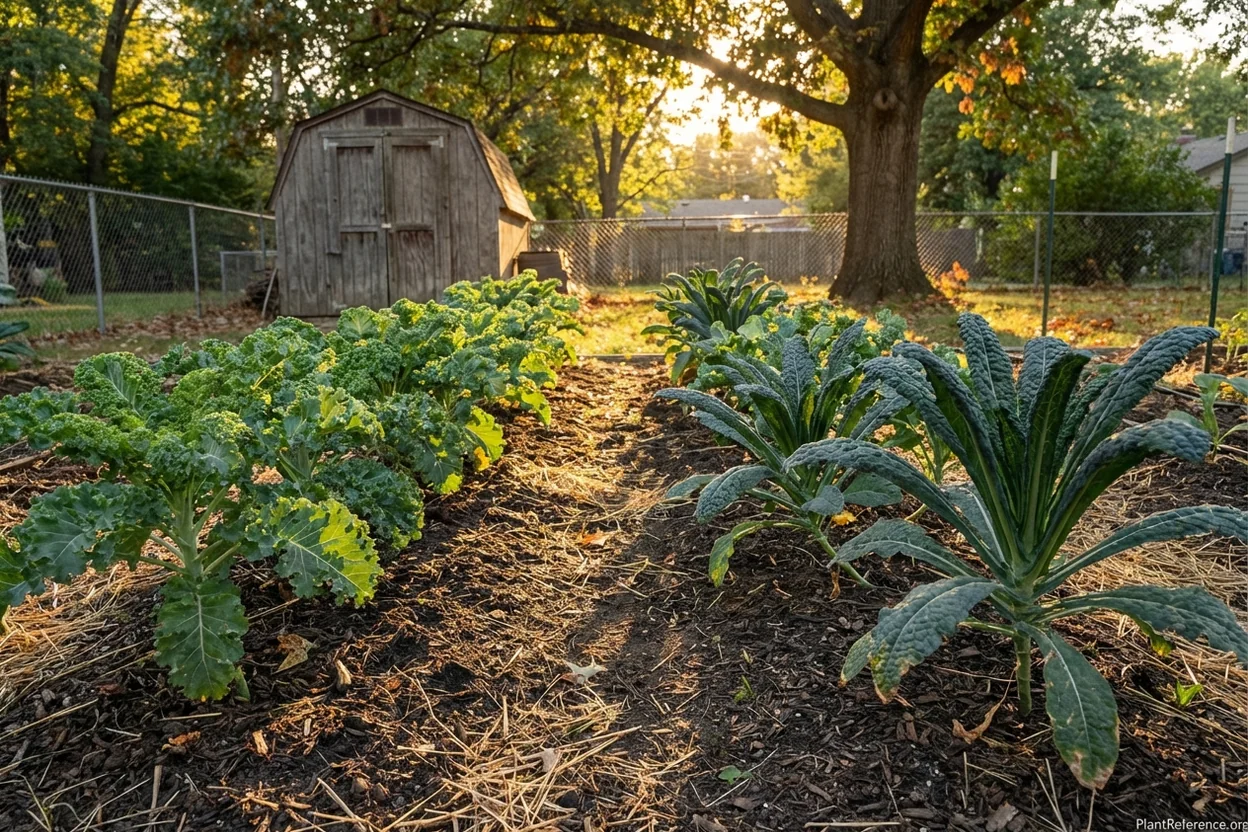
Watering Management for Continental Climate
Kansas City's continental climate brings feast-or-famine rainfall patterns. Spring often delivers too much moisture, while late summer can turn dry just when your fall kale is establishing.
Moisture Requirements: 1-1.5 inches (2.5-4 cm) per week Consistent moisture is crucial for tender leaf production. Irregular watering leads to tough, bitter leaves.
Spring Watering (March-May): Monitor natural rainfall closely. Our spring storms often provide adequate moisture, but check soil moisture 2 inches (5 cm) deep. Overwatering in heavy soils causes root rot.
Summer/Early Fall (June-August): This period typically requires supplemental irrigation. Water deeply 2-3 times per week rather than daily light watering. Deep watering encourages drought-resistant root development.
Winter Protection: Even dormant kale needs occasional winter watering during dry spells. Check soil moisture monthly and water if completely dry.
Temperature Management Strategies
Zone 6a's temperature extremes—from occasional -10°F (-23°C) winters to 95°F+ (35°C) summers—require adaptive management techniques.
Heat Protection (May-August): Use shade cloth (30% shade) during heat waves above 85°F (29°C). Position on the west side of plants to block afternoon sun while maintaining morning light exposure.
Cold Protection (November-February): Row covers or cold frames extend harvest season significantly. Winterbor tolerates 10°F (-12°C) with protection, while Lacinato needs protection below 20°F (-7°C).
Frost Management: Light frosts improve flavor—don't protect plants from temperatures between 25-32°F (-4 to 0°C). Heavy frosts below 20°F (-7°C) require row cover protection.
Fertilization Schedule
Pre-Plant: Balanced organic fertilizer (5-5-5) worked into soil 3 weeks after planting: Side-dress with high-nitrogen organic fertilizer (fish emulsion or blood meal) 6 weeks after planting: Second nitrogen application if plants show pale green coloring Fall plantings: Reduce fertilization after September to improve cold hardiness
Troubleshooting Kansas City-Specific Problems
Growing kale in Kansas City's Zone 6a climate presents predictable challenges. Understanding these common issues and their solutions prevents crop loss and ensures consistent harvests.
Heat Stress and Premature Bolting
Problem: Plants bolt (flower) during late spring heat waves or summer plantings Symptoms: Rapid stem elongation, flower bud formation, increasingly bitter leaves Causes: Temperatures consistently above 80°F (27°C), combined with longer day lengths
Solutions: Choose heat-tolerant varieties like Lacinato for spring plantings. Provide afternoon shade during heat waves using shade cloth or temporary structures. Harvest regularly to delay bolting—frequent picking tricks the plant into continued leaf production. For spring crops, plan harvest completion by June 15 to avoid peak summer heat.
Heavy Clay Soil Drainage Issues
Problem: Waterlogged soil leads to yellowing leaves and stunted growth Symptoms: Yellowing lower leaves, slow growth despite adequate nutrients, possible root rot Causes: Kansas City's clay soils retain excess water, especially during spring rains
Solutions: Amend heavy clay with compost and coarse sand (not fine sand which compacts further). Build raised beds 6-8 inches (15-20 cm) high for improved drainage. Plant in slightly raised rows even in flat gardens. Avoid walking on wet soil which increases compaction.
Cabbage Worm Infestations
Problem: Large holes in leaves caused by green caterpillars Symptoms: Irregular holes, dark green droppings (frass) on leaves, visible caterpillars Peak Season: May-June and August-September when cabbage white butterflies are active
Solutions: Use floating row covers during peak moth activity periods. Apply Bacillus thuringiensis (Bt) spray weekly during active infestations. Hand-pick larger caterpillars in morning when they're sluggish. Encourage beneficial insects with diverse plantings nearby.
Aphid Colonies
Problem: Clusters of small green or gray insects on leaf undersides Symptoms: Curled leaves, sticky honeydew coating, yellowing foliage Peak Season: Spring (April-May) when new growth is tender
Solutions: Spray strong streams of water to dislodge colonies. Apply insecticidal soap or neem oil to leaf undersides where aphids cluster. Avoid over-fertilizing with nitrogen which promotes tender growth attractive to aphids. Plant companion herbs like dill and fennel to attract beneficial predator insects.
Winter Temperature Fluctuations
Problem: Freeze-thaw cycles damage plant crowns and roots Symptoms: Wilted plants that don't recover, brown mushy crown areas, frost heaving Timing: December through February when temperatures fluctuate around freezing
Solutions: Apply 4-6 inches (10-15 cm) of straw mulch around plant bases to insulate soil temperature. Use row covers during extreme cold snaps below 15°F (-9°C). Water plants well before hard freezes to improve cold tolerance. Choose cold-hardy varieties like Winterbor for overwintering attempts.
Harvest & Storage
Kansas City's extended growing seasons provide multiple harvest opportunities when timed correctly. Understanding proper harvest techniques maximizes both yield and flavor quality.
Optimal Harvest Timing
Spring Crops: Begin harvesting when plants reach 8-10 inches (20-25 cm) tall, typically 6-8 weeks after planting. Harvest all spring kale by late June before summer heat causes bitterness.
Fall Crops: Start harvesting in late September, but the best flavor develops after the first frost around October 24. Post-frost kale contains concentrated sugars that create sweet, complex flavors.
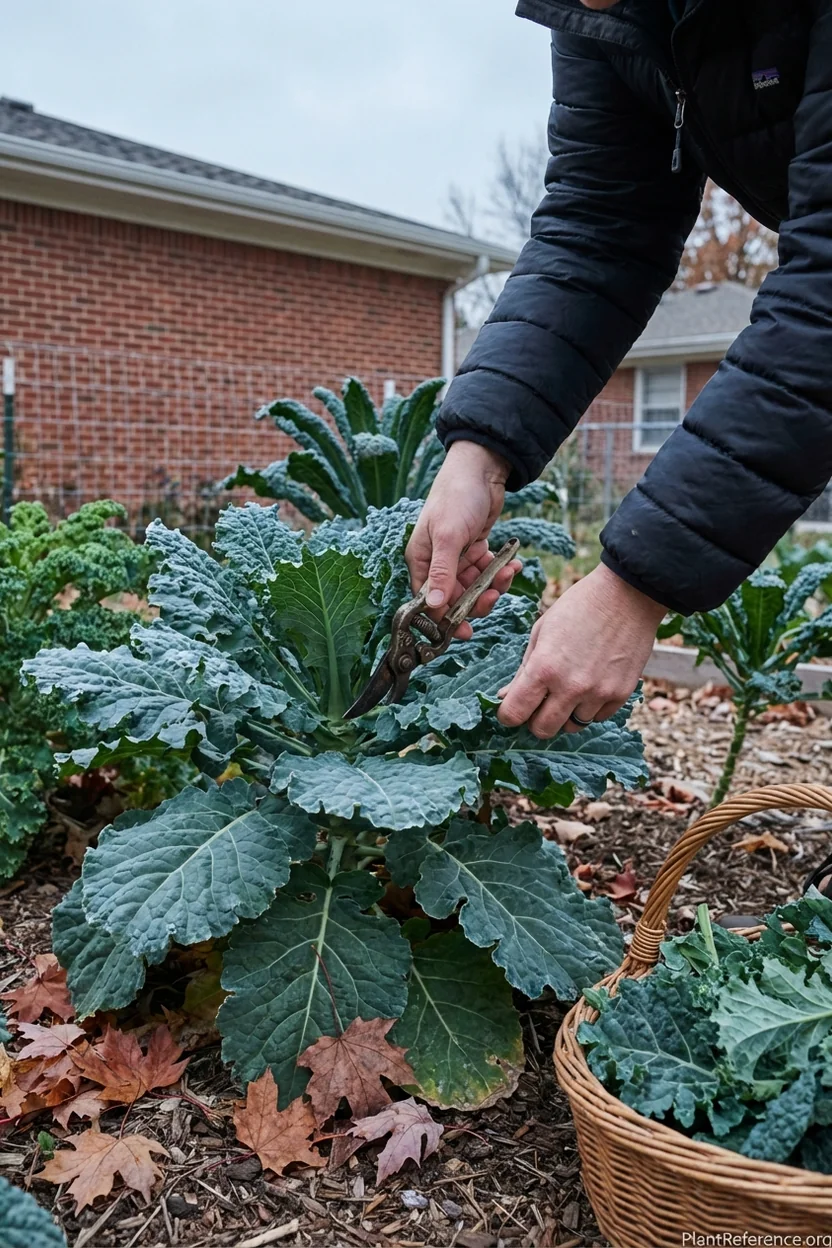
Harvest Technique: Always pick outer leaves first, leaving the central growing point intact. Remove no more than one-third of the plant at each harvest to maintain plant vigor. Use sharp garden shears to make clean cuts 1 inch (2.5 cm) above the soil line.
Leaf Selection: Choose leaves 6-10 inches (15-25 cm) long for best texture. Smaller leaves are tender for raw use, while larger leaves work better cooked. Avoid yellow or brown-spotted leaves which indicate stress or disease.
Post-Harvest Handling
Immediate Processing: Rinse harvested leaves in cool water to remove soil and insects. Shake dry and inspect for pest damage. Process within 2-3 hours of harvest for peak quality.
Storage Methods: Fresh refrigeration keeps kale 5-7 days when stored in perforated plastic bags in the crisper drawer. For longer storage, blanch leaves for 2 minutes, cool in ice water, drain thoroughly, and freeze in zip-lock bags for up to 8 months. Dehydrated kale chips store 2-3 months in airtight containers.
Succession Harvest: With proper variety selection and planting timing, Kansas City gardeners can harvest fresh kale from May through November, with winter extension possible using protection methods.
The key to successful kale growing in Kansas City lies in working with our climate rather than fighting it. Plant for the cool seasons, choose appropriate varieties for each planting window, and remember that those October frosts that signal the end of the gardening season for warm-season crops actually signal the beginning of kale's finest harvest period. There's nothing quite like stepping into a frost-covered garden in November and harvesting sweet, crisp kale for dinner—it's one of the great rewards of Midwest gardening.
Frequently Asked Questions
Reading about plants and recognising them are different skills. These three build the second.
- Daily PlantIdentify the day’s mystery plant from a close-up photograph.
- Keyed OutWork a dichotomous key, lead by lead, to name a hidden specimen.
- Name That PlantName a specimen from botanical clues dealt hardest first.
Free to play, no account needed
Bill is a third-generation nurseryman who runs a small family garden center on the outskirts of Kansas City. His grandfather started the business in the 1960s, and Bill took over after working as an ag teacher for a decade. He knows the plants that work in the Kansas City area better than anyone—he's grown most of them himself and watched customers succeed or fail with the rest. Bill specializes in trees and shrubs for the Midwest, perennial borders that handle the region's hot summers and cold winters, and helping customers make sensible choices rather than impulse buys. He writes the way he talks to customers: patient, knowledgeable, and honest about what's worth the money and what isn't.