When to Plant Cucumbers in Chicago: Zone 6a Dates + Best Varieties
Pets & Toxicity
Recorded toxicity for plants linked in this guide. An unknown status is not a safety assessment.
No linked plant is recorded as toxicDetailsHide
Cucumis sativus 'Marketmore 76' — Toxicity
Non-toxicView Cucumis sativus 'Marketmore 76' plant profileCucumis sativus 'Straight Eight' — Toxicity
Non-toxicView Cucumis sativus 'Straight Eight' plant profileCucumis sativus 'Boston Pickling' — Toxicity
Non-toxicView Cucumis sativus 'Boston Pickling' plant profile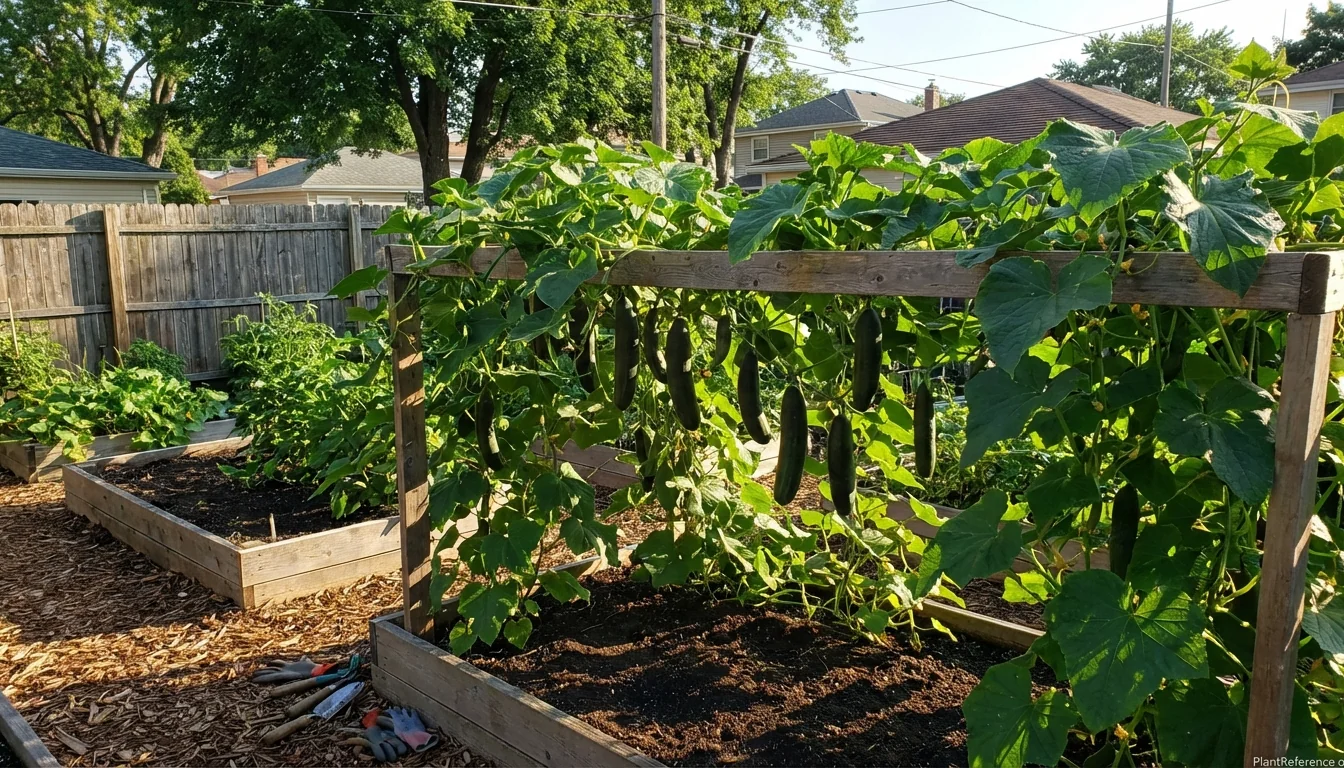
— Image © Plant Reference 2026
Growing cucumbers in Chicago means working with a Zone 6a climate that delivers warm, humid summers and a roughly 158-day frost-free window. That humidity is both a blessing and a challenge—cucumbers love warmth and moisture, but so do the fungal diseases that can wipe out an unprotected crop by August. With the right variety selection and planting schedule built around Chicago's May 10 last frost date, you can harvest cucumbers from July straight through September.
Best Cucumber Varieties for Chicago's Zone 6a Climate
Chicago gardeners need varieties that can handle humid Midwest summers while maturing within the available growing season. The combination of Lake Michigan moisture, summer thunderstorms, and warm temperatures creates prime conditions for both rapid cucumber growth and aggressive fungal diseases. Selecting varieties with built-in disease resistance is your most effective first line of defense.
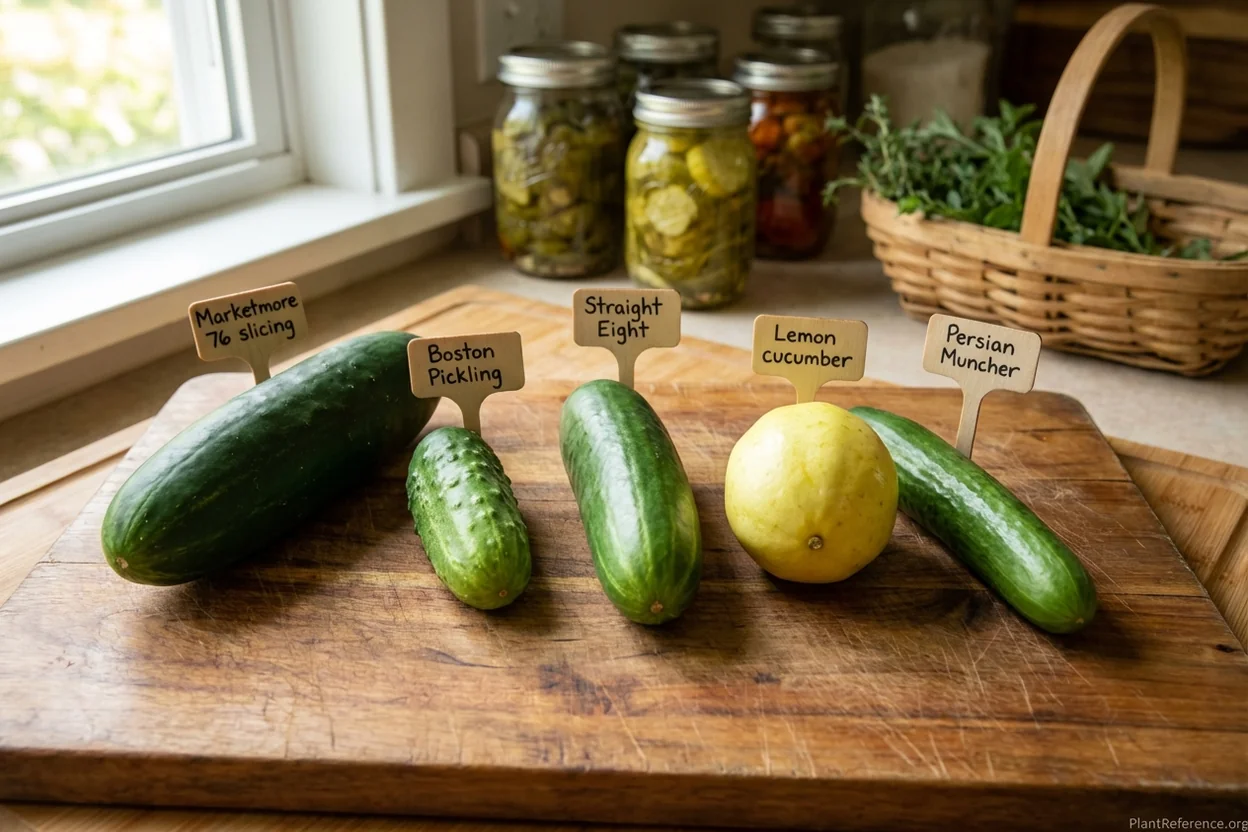
🌿Cucumis sativus 'Marketmore 76' (KYU-kuh-mis sah-TY-vus) stands out as the top performer for Chicago gardens. Released by Cornell University's breeding program, this slicer carries genetic resistance to scab, cucumber mosaic virus, powdery mildew, and downy mildew. That disease package matters in Chicago, where the downy mildew spore front typically reaches the Midwest by August. While other varieties fold under that pressure, 🌿Cucumis sativus 'Marketmore 76' keeps producing dark green, bitter-free fruits well into fall.
For pickling, 🌿Cucumis sativus 'Boston Pickling' matures in just 50-55 days, giving Chicago growers the fastest path to harvest. Its compact growth habit allows tighter spacing, and it yields heavily in concentrated flushes perfect for batch canning. Pair it with a second succession sowing for extended production.
🌿Cucumis sativus 'Straight Eight' remains a classic slicer that performs well in Chicago's early-season conditions. Its 58-65 day maturity fits comfortably within the growing window, though its lack of disease resistance means it typically declines by late summer when fungal pressure peaks.
For something different, 🌿Cucumis sativus 'Lemon' produces round, yellow-skinned fruits with mild, burpless flesh. This heirloom handles heat well and adds visual interest to the garden, though it needs more vigilant mildew management than 🌿Cucumis sativus 'Marketmore 76'.
Cucumis sativus 'Muncher', a Persian-type cucumber, delivers thin-skinned, seedless fruits ideal for fresh eating. It carries resistance to cucumber mosaic virus and powdery mildew, making it a solid secondary choice behind 🌿Cucumis sativus 'Marketmore 76' for Chicago's disease-heavy environment.
Variety | Days to Maturity | Best For | Notes for Chicago |
|---|---|---|---|
60-70 days | All-around slicing | Best disease resistance for humid Midwest summers | |
50-55 days | Pickling & canning | Fastest maturity; concentrated harvest windows | |
58-65 days | Early season slicing | Classic flavor but struggles with late-season disease | |
60-70 days | Specialty/fresh eating | Drought tolerant but susceptible to powdery mildew | |
Cucumis sativus 'Muncher' | 50-60 days | Fresh snacking | Thin-skinned Persian type with CMV and PM resistance |
Specific Planting Dates for Chicago
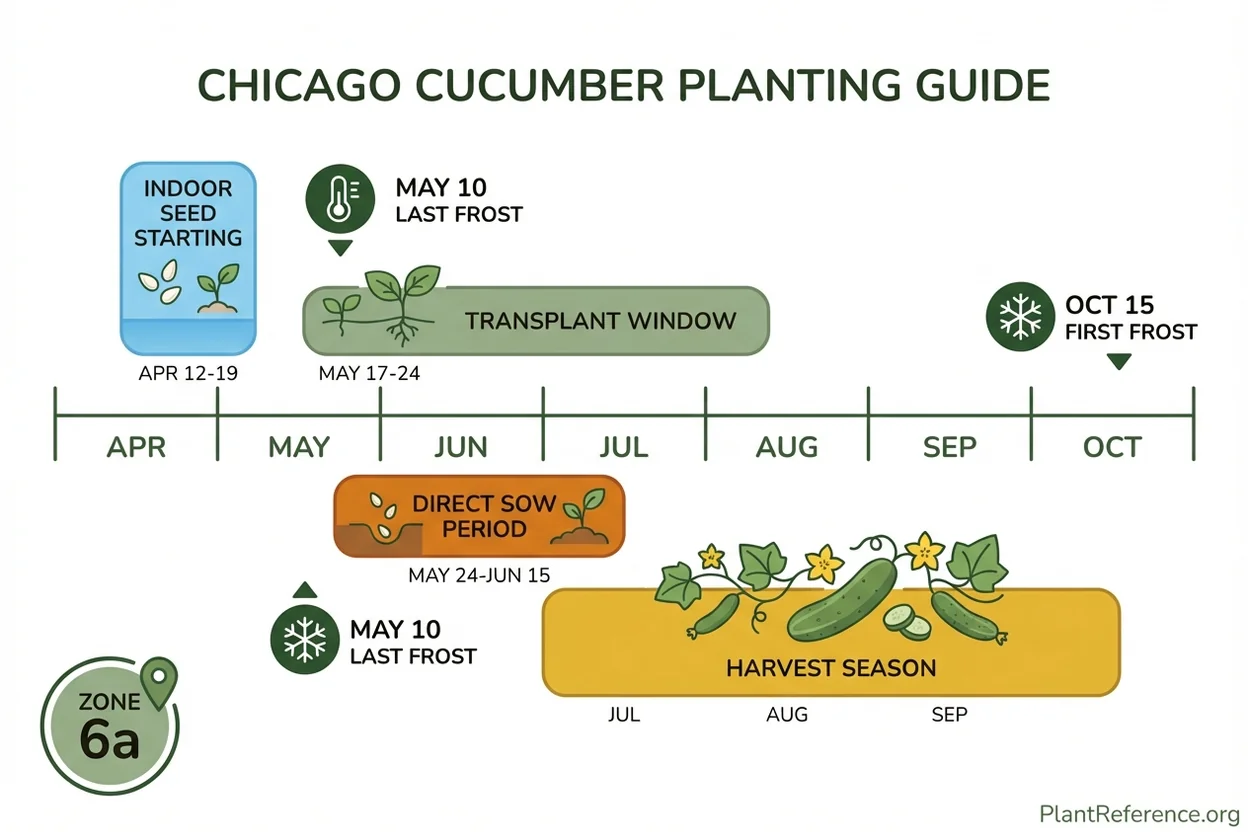
Chicago's May 10 average last frost date anchors your entire cucumber planting calendar. Cucumbers are tropical plants with zero frost tolerance—even a light frost kills them instantly—so every date below builds in a safety buffer beyond that May 10 threshold.
Indoor Seed Starting
Start cucumber seeds indoors April 12-19, which gives transplants 3-4 weeks of growth before moving outside. Use biodegradable peat or cow pot containers to avoid disturbing the sensitive taproot during transplanting. Keep soil temperature between 70-85°F (21-29°C) for germination in 3-7 days. Place seedlings under grow lights for 14-16 hours daily once they emerge.
A critical mistake Chicago gardeners make is starting seeds too early. Cucumber seedlings become root-bound quickly in small pots, and that stunting is difficult to reverse. Three to four weeks indoors is the maximum before transplant performance suffers.
Transplanting Outdoors
Move hardened-off transplants outside May 17-24, giving a 7-14 day safety buffer past the last frost. Before transplanting, harden seedlings over 7 days by gradually increasing outdoor exposure time. Soil temperature should read at least 60°F (16°C) at a 4-inch (10 cm) depth—though 70°F (21°C) produces noticeably faster establishment.
Direct Sowing
Direct sow seeds May 24 through June 15 when soil temperatures reach 70°F (21°C). The later end of this window still gives 🌿Cucumis sativus 'Boston Pickling' and Cucumis sativus 'Muncher' plenty of time to mature before the October 15 first frost. Sow seeds 1 inch (2.5 cm) deep, spacing plants 12 inches (30 cm) apart in rows 5-6 feet (1.5-1.8 m) apart for ground culture, or 12 inches (30 cm) apart along a trellis.
Succession Planting Strategy
Chicago's 158-day season supports two solid succession plantings. Sow your first crop (transplants or direct sow) in late May, then follow with a second direct sowing around June 15-20. This staggered approach extends your harvest through September and provides fresh plants when early-season vines inevitably decline from disease pressure in August. A third succession after July 1 is risky—🌿Cucumis sativus 'Boston Pickling' at 50 days could make it, but slicers with 65+ day maturity likely won't produce meaningful harvests before frost.
Key Date Summary
Indoor seed start: April 12-19
Transplant outdoors: May 17-24 (after soil reaches 60°F/16°C)
Direct sow window: May 24 through June 15
Succession sowing: June 15-20
Expected first harvest: Early to mid-July (from transplants)
Season ends: October 15 (first frost)
Complete Growing Guide for Chicago
Site Selection and Soil Preparation
Cucumbers demand full sun—at least 8 hours daily—and Chicago's urban gardens sometimes struggle with shade from buildings and mature trees. Choose the sunniest spot available, ideally with southern exposure. If you're limited to 6 hours of sun, prioritize morning light, which dries foliage faster and reduces disease risk.
Prepare soil 2-3 weeks before planting by working in 2-4 inches (5-10 cm) of finished compost. Raised Bed Soil Settling and Compaction: Prevention and Solutions Chicago's native clay soil holds moisture well but drains poorly, creating root rot conditions cucumbers hate. Raised beds filled with a 60/40 mix of topsoil and compost solve this immediately. Target soil pH between 6.0-6.8—most Chicago soils run slightly alkaline, so a soil test before amending saves guesswork. How to Build a Raised Garden Bed: Step-by-Step Construction Guide
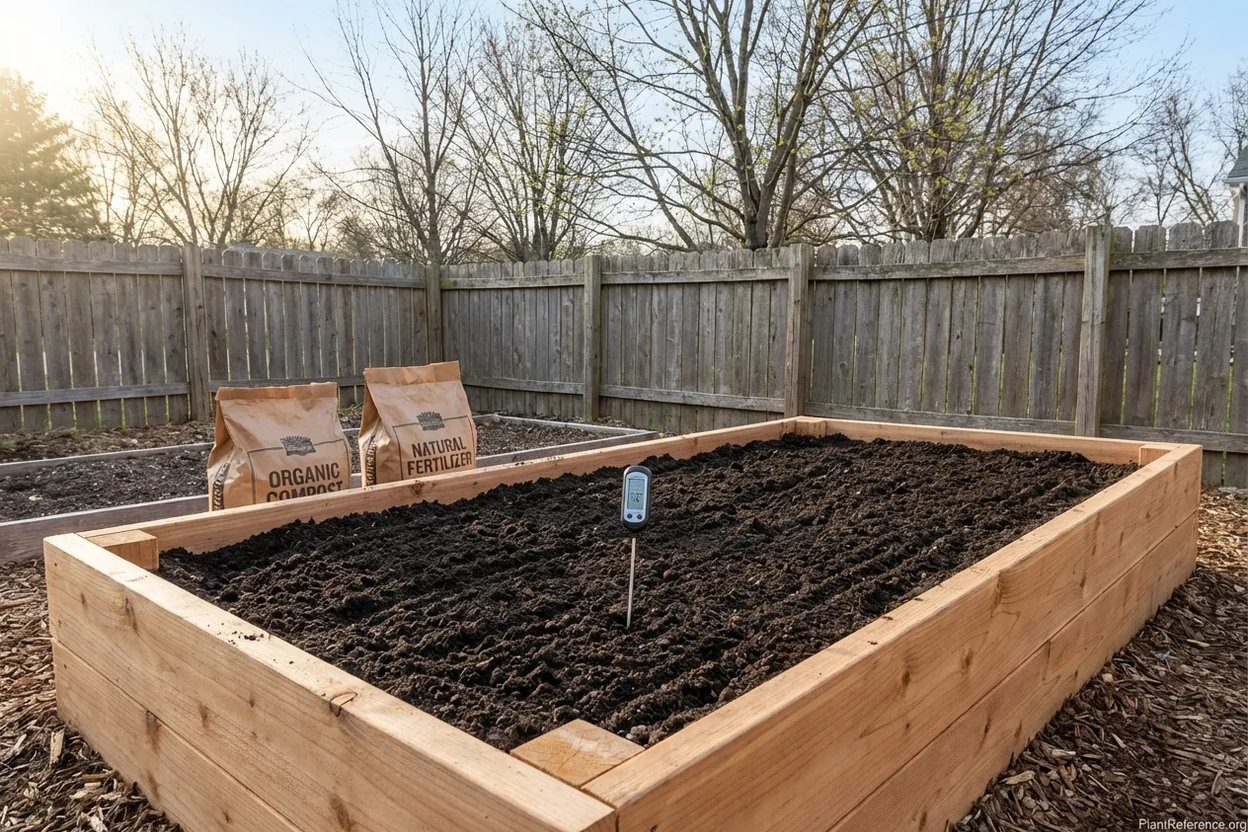
Black Plastic Mulch for Soil Warming
Black plastic mulch is a game-changer for Chicago cucumber growers. Lay it over beds 2-3 weeks before transplanting—by late April—and it raises soil temperature 8-10°F (4-5°C) above ambient. This head start means your soil hits that critical 70°F (21°C) threshold weeks earlier than uncovered ground. Cut X-shaped slits for transplants and run drip irrigation beneath the plastic. The mulch also suppresses weeds and prevents soil-borne diseases from splashing onto foliage during Chicago's frequent summer thunderstorms.
Trellising
Vertical growing is strongly recommended for Chicago cucumbers. Training vines up a 5-6 foot (1.5-1.8 m) trellis increases airflow through the canopy, which is your most important weapon against the powdery and downy mildew that thrives in humid Midwest air. Trellised plants also produce straighter fruit, yield 2-3 times more marketable cucumbers per plant, and make harvesting far easier. A simple A-frame trellis with string netting works well. Guide young vines to the trellis by gently weaving tendrils through the netting.
Watering and Fertilizing
Cucumbers need 1-1.5 inches (2.5-3.8 cm) of water weekly, delivered through drip irrigation or soaker hoses at the soil level. Overhead watering is the fastest way to invite downy mildew into your Chicago garden. Water in the morning so any splashed foliage dries quickly in the sun.
Side-dress with balanced fertilizer (10-10-10) once vines begin to run, then switch to a higher-potassium formula when flowering starts to support fruit development. Compost tea applied every 2-3 weeks provides a gentle nutrient boost without the burn risk of synthetic fertilizers. When to Plant Peppers in Chicago: Complete Guide + Best Varieties for Zone 6a
Row Covers for Early Season Protection
Floating row covers draped over newly transplanted cucumbers provide 4-6°F (2-3°C) of frost protection during Chicago's unpredictable late spring weather. They also exclude cucumber beetles—the primary vector for bacterial wilt—during the critical first 3-4 weeks of growth. Remove covers when flowers appear so pollinators can access the blossoms, or leave them on longer if growing parthenocarpic varieties like Persian types that set fruit without pollination.
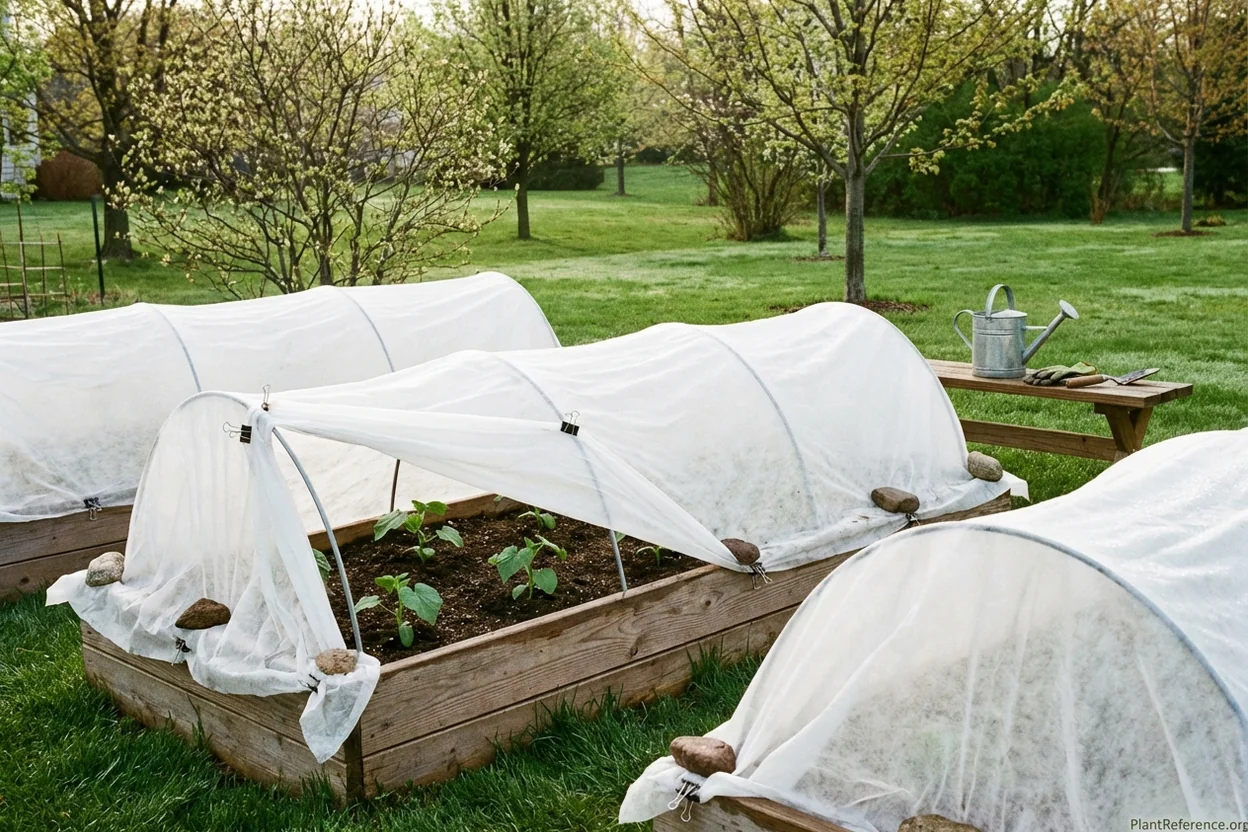
Troubleshooting Chicago-Specific Problems
Downy Mildew
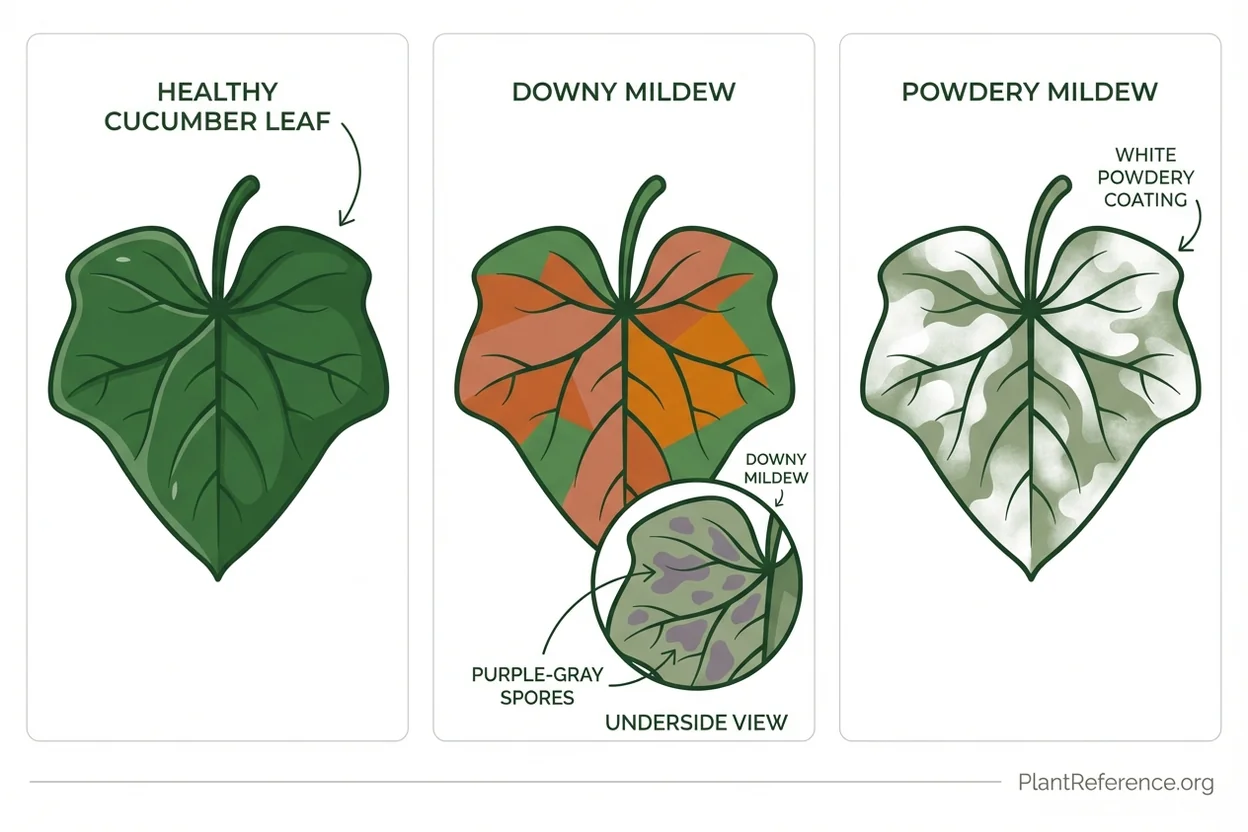
The downy mildew spore front migrates northward from overwintering sites in Florida each year, typically reaching Chicago by late July or August. Angular yellow-brown spots on upper leaf surfaces with purplish-gray spore growth underneath signal its arrival. Prevention is everything—once it infects leaves, it cannot be cured. Plant 🌿Cucumis sativus 'Marketmore 76' for its intermediate resistance, trellis aggressively for airflow, and avoid overhead watering. Organic gardeners can apply preventative copper fungicide sprays every 7-10 days starting in mid-July. When to Plant Squash in Chicago: Complete Guide + Best Varieties for Zone 6a
Cucumber Beetles and Bacterial Wilt
Striped and spotted cucumber beetles arrive in Chicago gardens as soon as cucumbers go in the ground. Beyond direct feeding damage, they carry bacterial wilt—a systemic disease that clogs the vine's vascular system, causing sudden irreversible wilting. Row covers during the first 3-4 weeks are your best defense. After removal, inspect plants daily and hand-pick beetles. Trap cropping with Blue Hubbard squash planted on the garden perimeter two weeks before your cucumbers draws beetles away from the main crop. When to Plant Green Beans in Chicago: Complete Guide + Best Varieties for Zone 6a
Powdery Mildew
White powdery patches on leaf surfaces typically appear in late summer when Chicago's humidity is high but leaves stay dry—exactly the conditions inside dense, untrellised plantings. Spacing plants properly, trellising for airflow, and choosing resistant varieties (🌿Cucumis sativus 'Marketmore 76' and Cucumis sativus 'Muncher') prevent most infections. Organic neem oil sprays applied at first sign of infection slow its spread.
Blossom Drop
Chicago's occasional heat waves—stretches above 90°F (32°C)—cause pollen sterility and flower abortion in cucumbers. You cannot prevent heat waves, but you can provide afternoon shade with shade cloth (30-40% density) during extreme events. Consistent watering prevents the compounding stress of heat plus drought, which also triggers bitter-tasting cucurbitacin production in susceptible varieties like 🌿Cucumis sativus 'Straight Eight'.
Harvest & Storage
Begin checking cucumbers daily once fruits appear—they grow fast in Chicago's summer heat, and an overlooked fruit signals the vine to stop producing. Harvest slicing varieties like 🌿Cucumis sativus 'Marketmore 76' and 🌿Cucumis sativus 'Straight Eight' at 6-8 inches (15-20 cm) long, before seeds mature and skin toughens. Pick 🌿Cucumis sativus 'Boston Pickling' at 2-4 inches (5-10 cm) for the crispest pickles. 🌿Cucumis sativus 'Lemon' tastes best harvested at tennis ball size before seeds harden. Cucumis sativus 'Muncher' should come off the vine at 4-6 inches (10-15 cm). When to Plant Tomatoes in Chicago: Complete Guide + Best Varieties for Zone 6a
Cut—don't pull—fruits from the vine with clean pruners to avoid damaging the plant. Harvest early morning when fruits are cool and turgid for the longest shelf life.
Store unwashed cucumbers in the refrigerator crisper drawer for 7-10 days. Wrap loosely in a damp towel to prevent dehydration. Avoid storing near tomatoes, apples, or bananas—these produce ethylene gas that accelerates cucumber spoilage. For 🌿Cucumis sativus 'Boston Pickling', process into pickles within 24 hours of harvest for the crispest results. When to Plant Kale in Chicago: Complete Guide + Best Varieties for Zone 6a
Frequently Asked Questions
Reading about plants and recognising them are different skills. These three build the second.
- Daily PlantIdentify the day’s mystery plant from a close-up photograph.
- Keyed OutWork a dichotomous key, lead by lead, to name a hidden specimen.
- Name That PlantName a specimen from botanical clues dealt hardest first.
Free to play, no account needed
Pat has been gardening in Milwaukee for over thirty years, through every kind of Wisconsin weather. She worked as a school librarian and started gardening seriously when her kids were small—she wanted them to know where food came from. Now retired, she's a certified Master Gardener and runs the plant sale at her local garden club every spring. She specializes in cold-hardy perennials, native wildflower meadows, and the art of getting a vegetable garden producing in Wisconsin's short but intense growing season. Pat is practical and patient—she's seen enough Wisconsin winters to know that gardening here is a long game, and she writes with the steady confidence of someone who's been doing this a long time.