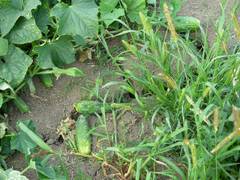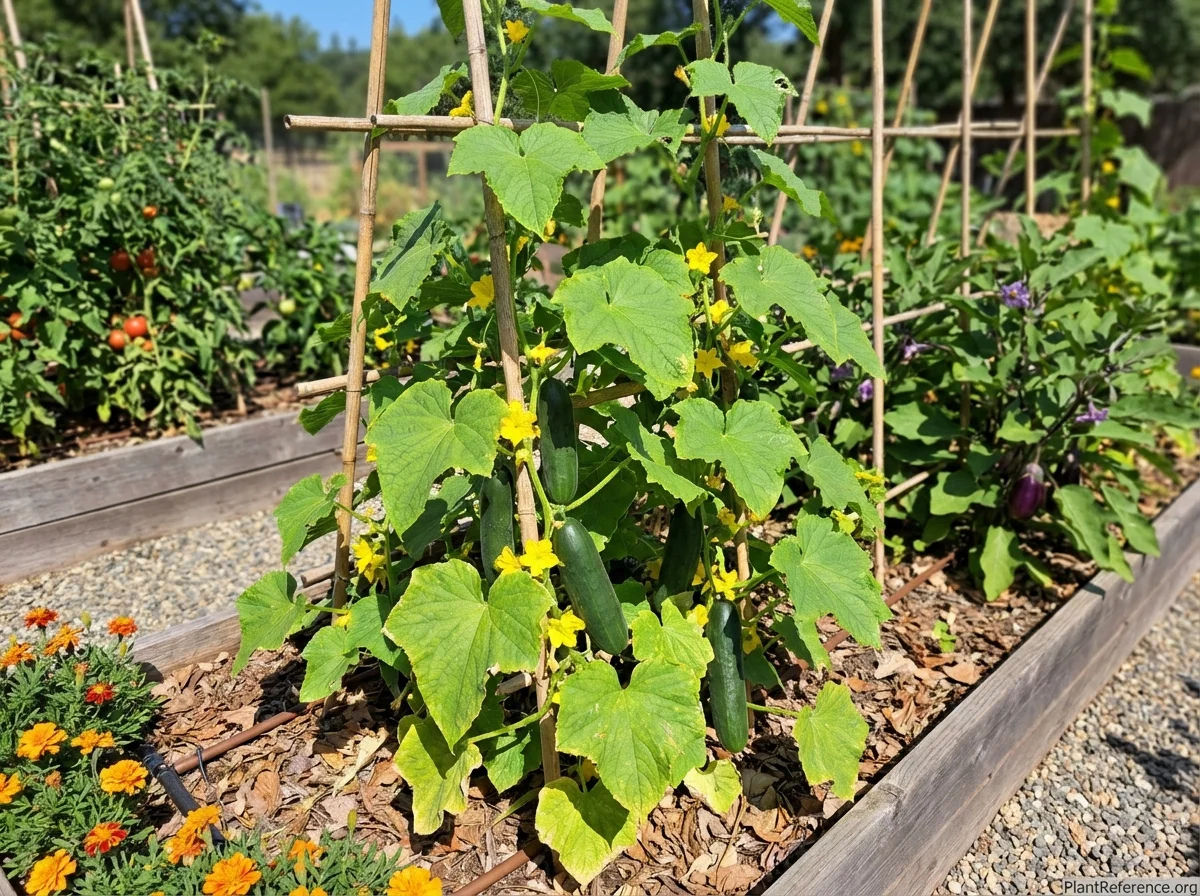
Cucumis sativus 'Marketmore 76', Marketmore 76 Cucumber
1 / 2
Annuals

Cucumis sativus 'Marketmore 76'

Marketmore 76 Cucumber

CucurbitaceaeAsia

At a Glance

Typeannual
Habitvining
Foliagedeciduous
Height6-8 feet
Width3-4 feet

Growing Zones

USDA Hardiness Zones

4a - 10b
Zone 4a
Zone 4b
Zone 5a
Zone 5b
Zone 6a
Zone 6b
Zone 7a
Zone 7b
Zone 8a
Zone 8b
Zone 9a
Zone 9b
Zone 10a
Zone 10b
These zones indicate the coldest temperatures this plant can typically survive.
Frost Tolerancetender

Key Features

Attracts Pollinators
Attracts Butterflies
Container Friendly
Maintenancemoderate

Overview

Cucumis sativus 'Marketmore 76' is a vigorous annual vine cucumber cultivar developed for superior disease resistance and consistent market-quality fruit production. This climbing or sprawling plant features large, deeply lobed, heart-shaped leaves that are medium to dark green with a slightly rough texture. The stems are angular and covered with fine hairs, equipped with branching tendrils that allow the plant to climb supports effectively. The cultivar produces abundant bright yellow, star-shaped flowers that are either male or female on the same plant (monoecious). Female flowers develop into dark green, cylindrical fruits that typically measure 7-8 inches long and 2-3 inches in diameter at maturity. The cucumbers have a smooth, dark green skin with light striping and crisp, white flesh with small, tender seeds. Cucumis sativus 'Marketmore 76' is particularly valued for its resistance to cucumber mosaic virus, downy mildew, and powdery mildew, making it an excellent choice for both home gardeners and commercial production.

Native Range

Cucumis sativus is native to the foothills of the Himalayas, particularly the regions of northern India and southern China. The species has been cultivated for over 3,000 years and has spread throughout Asia before being introduced to Europe and the Americas through trade routes.

Suggested Uses

Cucumis sativus 'Marketmore 76' works well in vegetable gardens, raised beds, and container gardens with adequate support structures. Excellent for vertical growing systems and small-space gardening when trained on trellises or arbors. Ideal for fresh eating, salads, pickling, and preservation. The disease resistance makes it particularly suitable for organic growing and areas with high humidity or disease pressure. Well-suited for market gardening and home food production due to its reliable yields and excellent keeping quality.

How to Identify

Cucumis sativus 'Marketmore 76' can be identified by its distinctive combination of vigorous vining habit, large palmate leaves with 3-5 lobes, and angular stems covered in fine hairs. The bright yellow flowers are easily recognizable, with male flowers appearing in clusters and female flowers showing a small cucumber-shaped ovary at the base. The mature fruits are characteristically dark green with lighter longitudinal stripes, measuring 7-8 inches long with a uniform cylindrical shape. Unlike other cucumber varieties, 'Marketmore 76' maintains its dark green color longer and shows exceptional disease resistance, particularly evident in its ability to continue producing healthy foliage when other varieties show signs of powdery mildew or downy mildew infection.

Appearance

Size & Dimensions

Height6' - 8'
Width/Spread3' - 4'

Colors

Flower Colors

yellow

Foliage Colors

green

Bloom Information

Bloom Period

~12 weeks
J
F
M
A
M
J
J
A
S
O
N
D
SummerFall
mid-summer through early fall

Detailed Descriptions

Flower Description

bright yellow

Foliage Description

medium to dark green with light green veining

Growing Conditions

Sun Requirements

Full Sun
• Full Sun: 6+ hours of direct sunlight
• Partial Shade: 3-6 hours of direct sunlight
• Full Shade: Less than 3 hours of direct sunlight

Soil Requirements

pH Range6.0 - 7.0(Neutral)
357912
Soil Types
loam
Drainage
well drained

Water & Climate

Water Needs

high

Frost Tolerance

tender

Time to Maturity

60-70 days

Care & Maintenance

Care Guide

Cucumis sativus 'Marketmore 76' requires consistent moisture and fertile, well-draining soil rich in organic matter. Provide at least 1-2 inches of water weekly, watering at soil level to prevent foliar diseases. Apply a balanced fertilizer at planting and side-dress with compost or a nitrogen-rich fertilizer every 3-4 weeks during the growing season. Install sturdy trellises or cages at planting time to support the vigorous vines, which can reach 6-8 feet in length. Mulch around plants to retain soil moisture and suppress weeds. Monitor regularly for cucumber beetles and aphids, using row covers early in the season if pest pressure is high. Harvest cucumbers when they reach 6-8 inches long for best flavor and to encourage continued production.

Pruning

Cucumis sativus 'Marketmore 76' benefits from light pruning to improve air circulation and fruit quality. Remove any damaged, diseased, or yellowing leaves regularly throughout the growing season. Pinch off the growing tips when vines reach the top of their support structure to encourage lateral growth and more flowering sites. Remove any malformed or overripe cucumbers promptly to maintain plant energy for new fruit production. For plants grown on trellises, gently train and tie new growth to supports using soft plant ties, being careful not to damage the tender stems.

Pruning Schedule

summer

Maintenance Level

moderate

Container Growing

✓ Suitable for container growing

Minimum container size: 5 gallons

⚠️ Toxicity Warning

Cucumis sativus 'Marketmore 76' fruits are safe for human consumption and are not toxic to pets. However, the leaves and stems contain cucurbitacins, which can cause mild stomach upset if consumed in large quantities. The mature seeds are edible but may cause digestive discomfort in sensitive individuals.

Planting Guide

Planting Methods & Timing

Planting Method

both

Indoor Start

3 weeks before last frost

Direct Sow Timing

after last frost when soil temperature reaches 65°F

Days to Maturity

60–70 days

Plant Spacing

12 inches
Companion Planting

Good Companions

tomatoes
radishes
beans
lettuce
marigolds
nasturtiums
dill

Avoid Planting With

potatoes
sage
fennel
melons
aromatic herbs