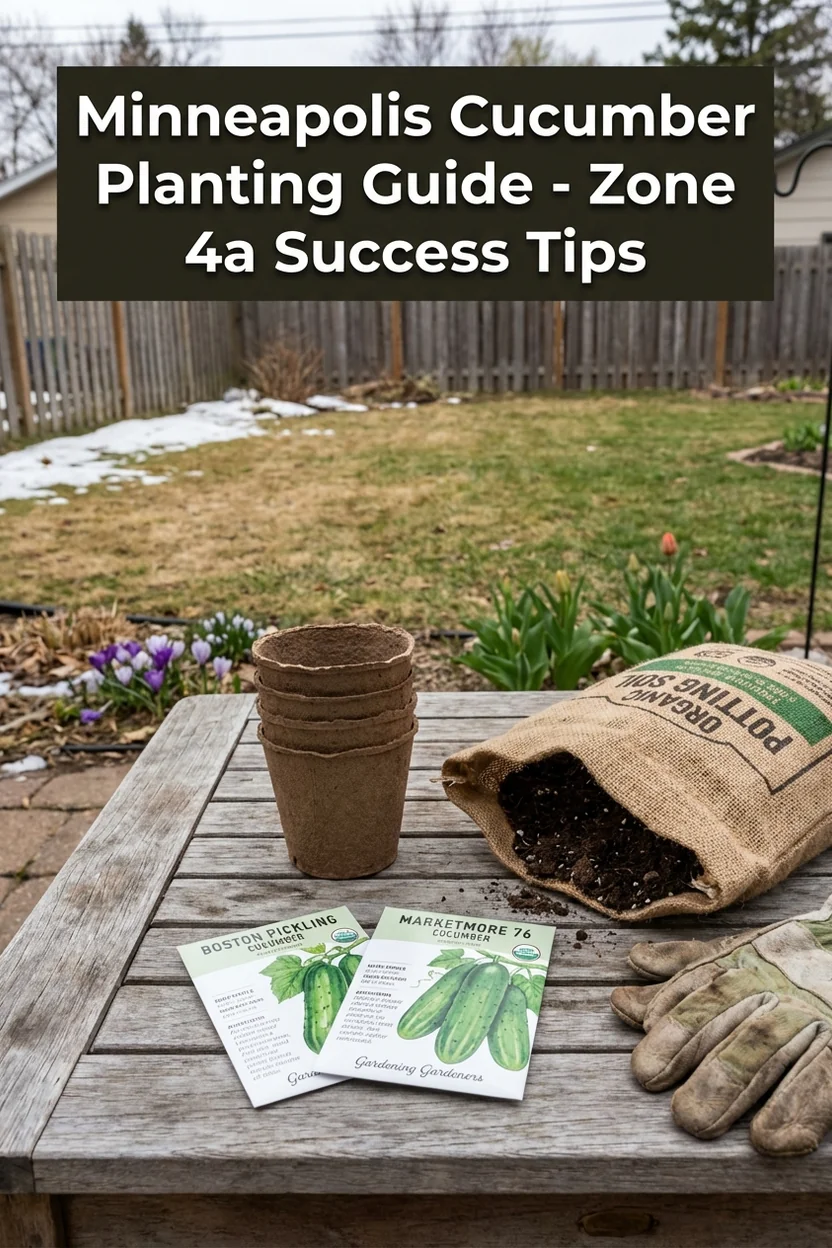
When to Plant Cucumbers in Minneapolis: Complete Guide + Best Varieties for Zone 4a
Pets & Toxicity
Recorded toxicity for plants linked in this guide. An unknown status is not a safety assessment.
No linked plant is recorded as toxicDetailsHide
Cucumis sativus 'Marketmore 76' — Toxicity
Non-toxicView Cucumis sativus 'Marketmore 76' plant profileCucumis sativus 'Straight Eight' — Toxicity
Non-toxicView Cucumis sativus 'Straight Eight' plant profileCucumis sativus 'Boston Pickling' — Toxicity
Non-toxicView Cucumis sativus 'Boston Pickling' plant profileCucumis sativus 'Bush Champion' — Toxicity
Non-toxicView Cucumis sativus 'Bush Champion' plant profile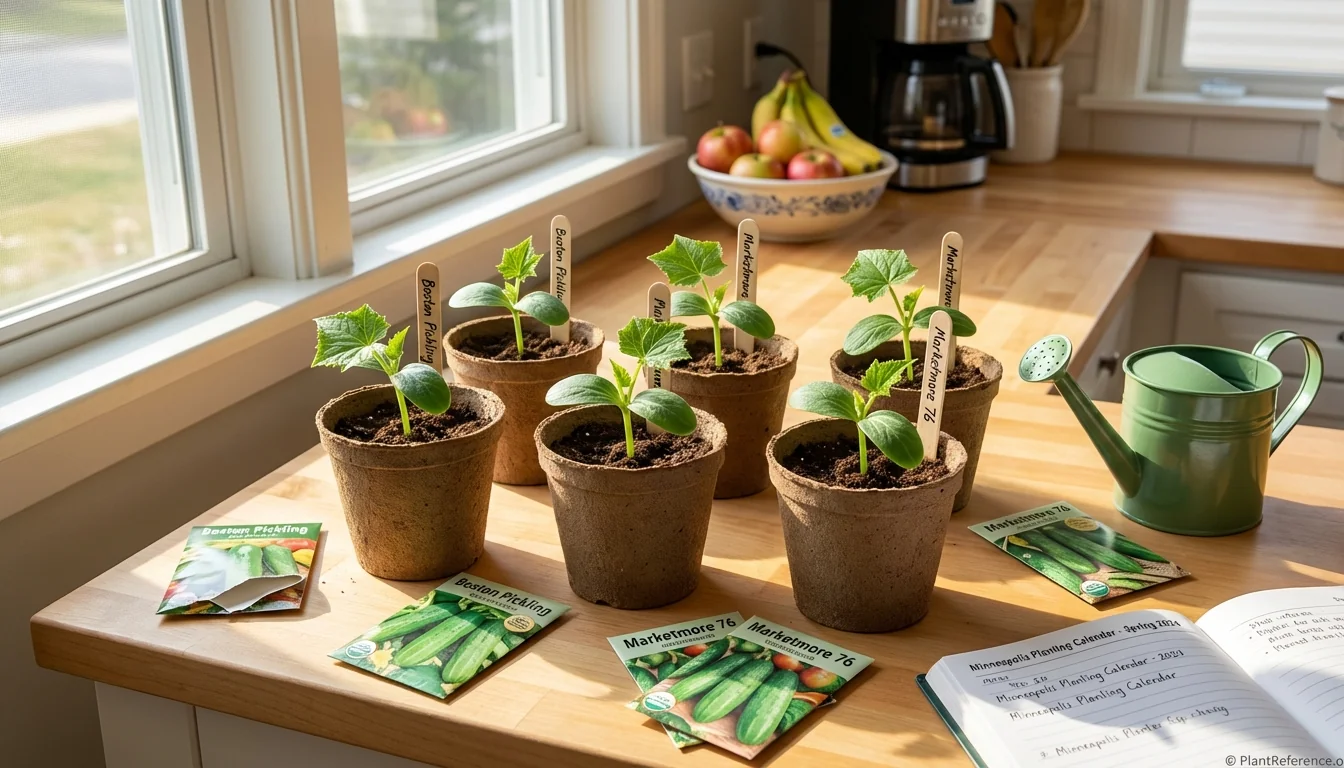
— Image © Plant Reference 2026
Growing cucumbers in Minneapolis requires precision timing and variety selection to work with Minnesota's challenging 138-day growing season. I've been gardening in Zone 4 for forty years, and I'll tell you what works: start early, choose the right varieties, and don't gamble with direct sowing.
Minneapolis' May 14 last frost date and September 29 first frost create a narrow window for heat-loving cucumbers 🌿Cucumis sativus 'Straight Eight'. Success depends on maximizing every day of our short season through strategic variety selection and indoor starting. Unlike southern gardeners who can direct sow and replant multiple times, we get one shot at this crop.
The key difference in Zone 4a cucumber growing is understanding that soil temperature matters more than air temperature. Even after our last frost passes, Minnesota soils stay cold well into late May. This is why transplants aren't just recommended—they're essential for reliable harvests before autumn frost shuts down the vines.
Best Cucumber Varieties for Minneapolis Zone 4a
After testing dozens of cucumber varieties in short-season conditions, these six consistently deliver harvests before Minneapolis' September 29 first frost. Each offers specific advantages for our challenging climate.
Variety | Days to Maturity | Best For | Notes for Minneapolis |
|---|---|---|---|
55 days | Quick harvest, pickling | Perfect for Zone 4a short season, heavy producer | |
65 days | Disease resistance, slicing | Cold-hardy with excellent disease package | |
62 days | Classic slicing | Reliable but needs consistent watering | |
Cucumis sativus 'Northern Pickling' | 52 days | Early pickling | Bred specifically for northern climates |
55 days | Small spaces | Compact vines for limited garden space | |
60 days | Asian variety, heat tolerance | Surprisingly cold-hardy for early season |
Early Season Champions (50-55 Days)
🌿Cucumis sativus 'Boston Pickling' remains my top recommendation for Minneapolis gardeners. This variety was selected for northern climates and consistently produces heavy yields in the 55-day window. The compact plants work well in raised beds, and the concentrated harvest period makes processing manageable.
Cucumis sativus 'Northern Pickling' was bred specifically for short seasons like ours. At 52 days to maturity, it provides the earliest harvests and often escapes early cucumber beetle pressure that peaks in mid-June.
Disease-Resistant Options
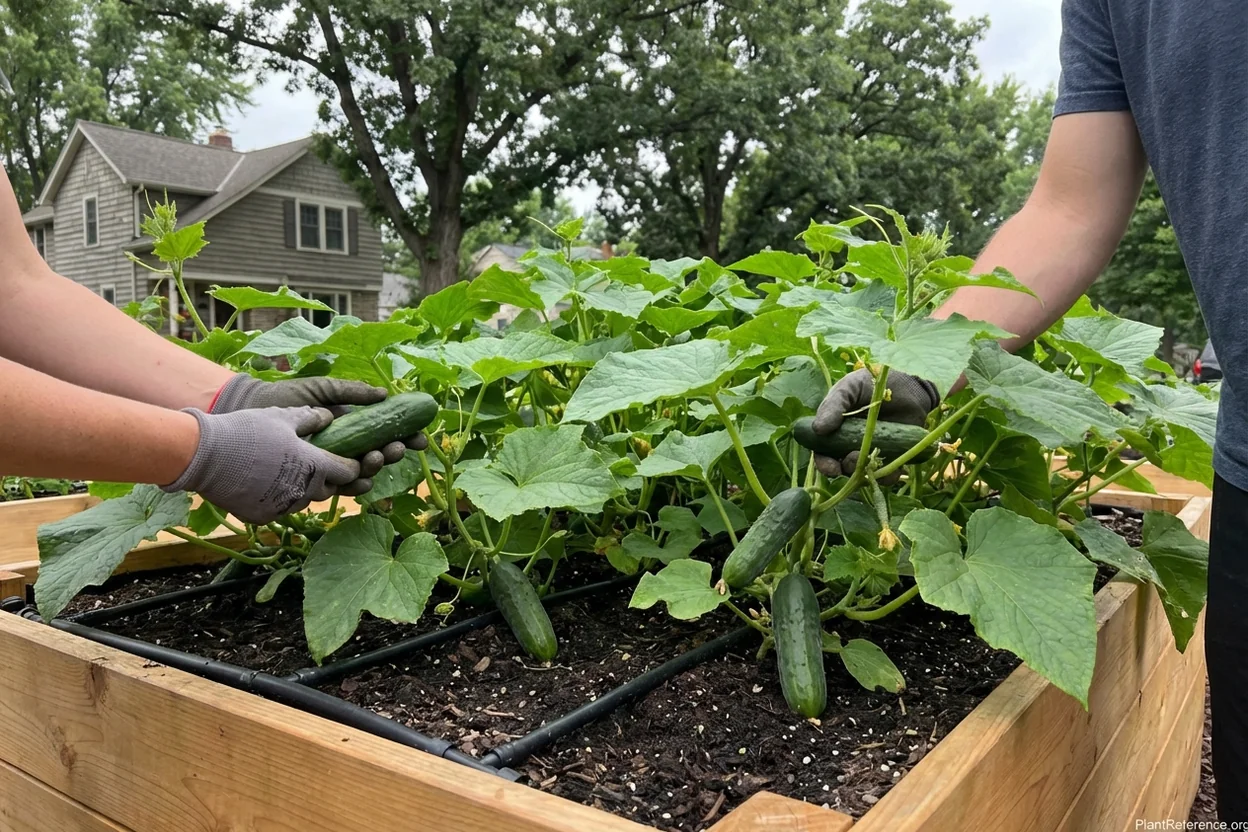
🌿Cucumis sativus 'Marketmore 76' offers the best disease resistance package for Minneapolis conditions. While it takes 65 days to mature, its resistance to powdery mildew and cucumber mosaic virus provides security during humid Minnesota summers. This variety tolerates cool soil better than most, making it forgiving for beginning gardeners.
Space-Saving Varieties
🌿Cucumis sativus 'Bush Champion' works exceptionally well in Minneapolis container gardens or small spaces. The compact vines produce full-size slicing cucumbers without requiring extensive trellising, important when every square foot of growing space counts in our short season.
Specific Planting Dates for Minneapolis Gardens
Minneapolis' Zone 4a climate demands precise timing. Our 138-day growing season from May 14 to September 29 leaves little room for error with warm-season crops like cucumbers.
Indoor Seed Starting Schedule
Start seeds indoors: April 23-30
Count back 3-4 weeks from your intended transplant date. For Minneapolis, this means starting seeds between April 23-30. Use biodegradable peat pots or cow manure pots to minimize root disturbance—cucumber roots are notoriously sensitive to transplant shock.
Sow seeds ½ inch (1.3 cm) deep in seed starting mix, keeping soil temperature at 70-75°F (21-24°C) for best germination. Seeds typically sprout in 3-7 days under ideal conditions. Once germinated, provide 14-16 hours of light daily using grow lights positioned 2-3 inches (5-7.6 cm) above seedlings.
Transplant Timing
Transplant outdoors: May 21-28
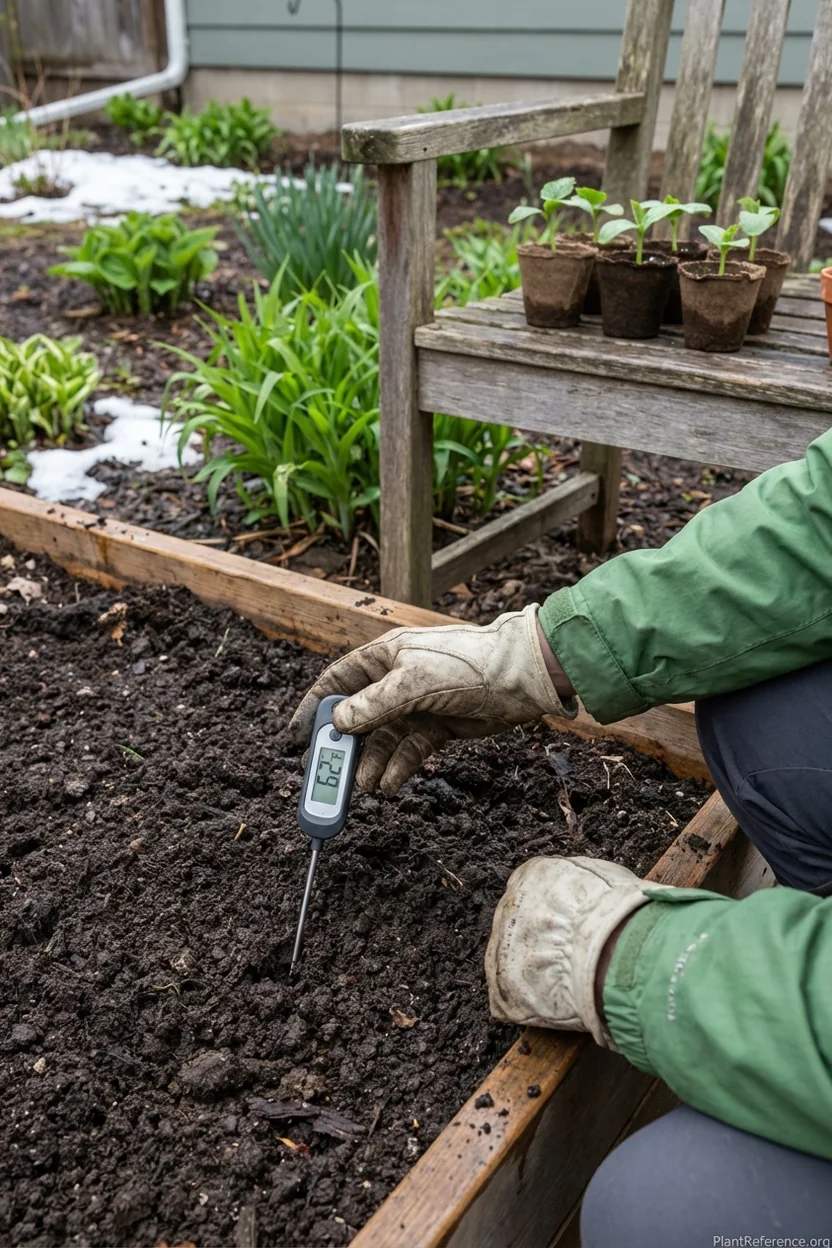
Wait one full week after Minneapolis' May 14 average last frost date. More importantly, soil temperature must consistently reach 60°F (15.6°C), preferably 65°F (18.3°C). Cold soil causes transplant shock and stunted growth that vines never recover from.
Check soil temperature with a soil thermometer at 4-inch (10 cm) depth in early morning. If readings show 58°F (14.4°C) or below, wait another week. Minneapolis soils often don't reach proper temperatures until Memorial Day weekend.
Direct Sowing (Not Recommended)
While possible, direct sowing cucumbers in Minneapolis is risky. If you choose this method, wait until June 1-7 when soil temperatures are reliably warm. This late start often results in immature fruit at first frost.
Direct sown cucumbers typically need 10-14 more days to reach transplant size, effectively shortening your growing season to 118 days or less. With cucumber varieties requiring 52-65 days to maturity, this leaves minimal harvest window.
Hardening Off Process
Begin hardening off transplants 7-10 days before your planned transplant date. Start with 2 hours of morning outdoor exposure, gradually increasing daily. Minneapolis spring weather can be unpredictable—watch for late cold snaps that require bringing plants indoors overnight.
Complete Growing Guide for Minneapolis Climate
Success with cucumbers in Minneapolis requires adapting southern growing techniques to our unique northern conditions. Every cultural practice must maximize our limited growing window.
Soil Preparation
Prepare beds in early May while seedlings develop indoors. Cucumbers demand warm, well-draining soil with plenty of organic matter. Work in 3-4 inches (7.6-10 cm) of compost or aged manure to create loose, fertile growing medium.
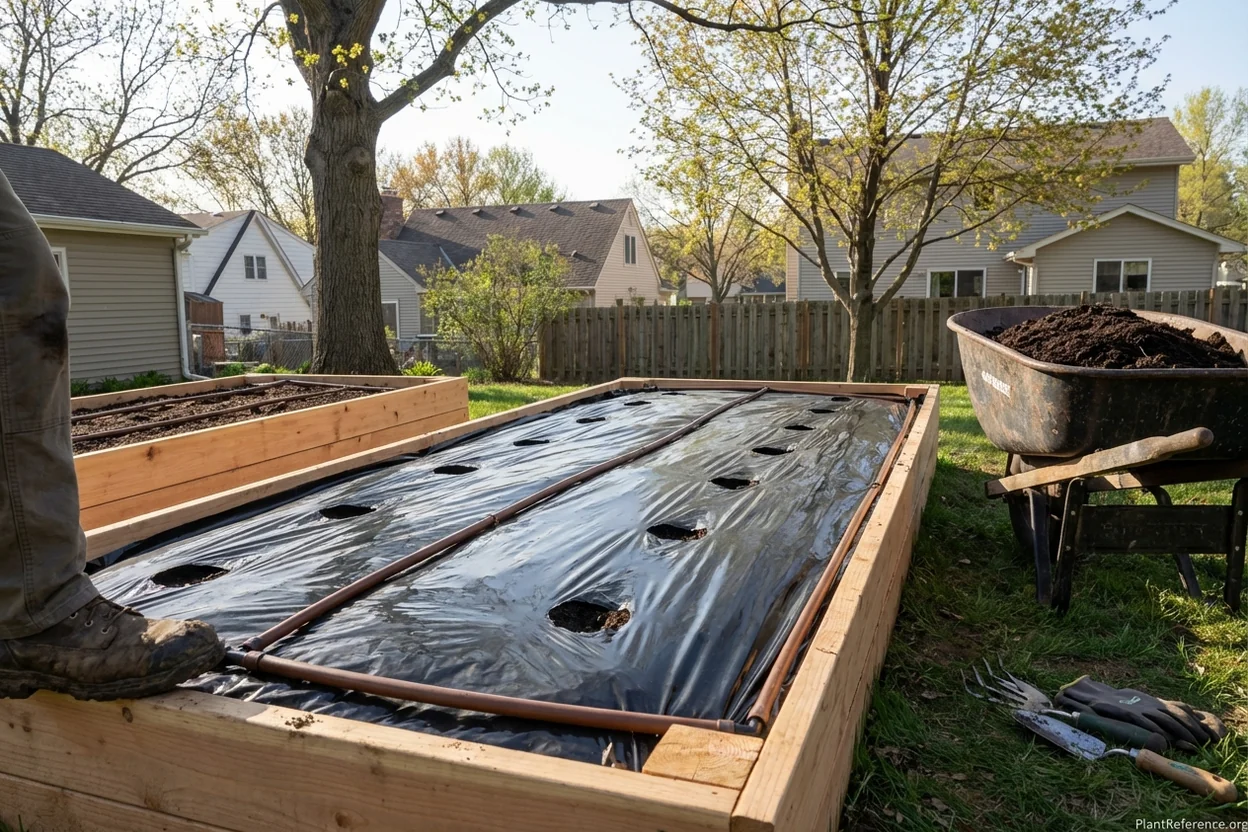
Consider raised beds or mounded rows to improve soil drainage and warming. Raised beds can be 4-6°F (2-3°C) warmer than ground level, crucial for Minneapolis cucumber success. Build beds 8-12 inches (20-30 cm) high for best results.
Black Plastic Mulch Strategy
Black plastic mulch is nearly mandatory for Minneapolis cucumber growing. Install plastic 2-3 weeks before transplanting to pre-warm soil. This technique can advance your harvest by 1-2 weeks—significant in our short season.
Cut holes in plastic for transplants, ensuring soil contact for water penetration. The plastic retains moisture, suppresses weeds, and maintains consistent soil temperatures throughout the growing season.
Spacing and Support
Space transplants 18-24 inches (45-60 cm) apart in rows 4-5 feet (1.2-1.5 m) apart. Closer spacing reduces air circulation and increases disease pressure—a serious concern in humid Minneapolis summers.
Install trellises at transplanting time to avoid root disturbance later. Use sturdy materials capable of supporting 20-30 pounds (9-13.6 kg) of mature vines and fruit. Vertical growing is especially valuable in Minneapolis, where every square foot of garden space counts.
Watering Management
Consistent moisture is critical, but overwatering kills more Minneapolis cucumber plants than drought. Provide 1-1.5 inches (2.5-3.8 cm) of water weekly through drip irrigation or soaker hoses to keep foliage dry.
Water early morning to allow leaves to dry before evening. Minneapolis' humid summers create ideal conditions for powdery mildew and downy mildew when foliage stays wet overnight.
Fertilizing Schedule
Apply balanced fertilizer (10-10-10) at transplanting, then switch to high-potassium fertilizer once flowering begins. Minnesota's cool soils often tie up phosphorus, making it less available to plants. A soil test every 3 years helps identify specific nutrient needs.
Side-dress plants with compost monthly throughout the growing season. Avoid high-nitrogen fertilizers after flowering begins—this promotes excessive foliage at the expense of fruit development.
Troubleshooting Minneapolis-Specific Problems
Minneapolis cucumber growers face unique challenges from short seasons to sudden weather changes. Recognizing and addressing these issues quickly saves harvests.
Late Cold Snaps
Minneapolis can experience surprise frosts into late May. Keep row covers handy through June 15 for emergency protection. Water-filled teepees (Wall O' Water) provide excellent individual plant protection but require monitoring to prevent overheating on sunny days.
If overnight temperatures drop below 50°F (10°C), even without frost, cucumber growth slows dramatically. This is when season extenders prove their worth—even a few degrees of protection maintains growth momentum.
Short Season Stress
When September temperatures drop below 60°F (15.6°C) consistently, cucumber production slows regardless of frost dates. This effectively shortens our growing season beyond the official frost dates.
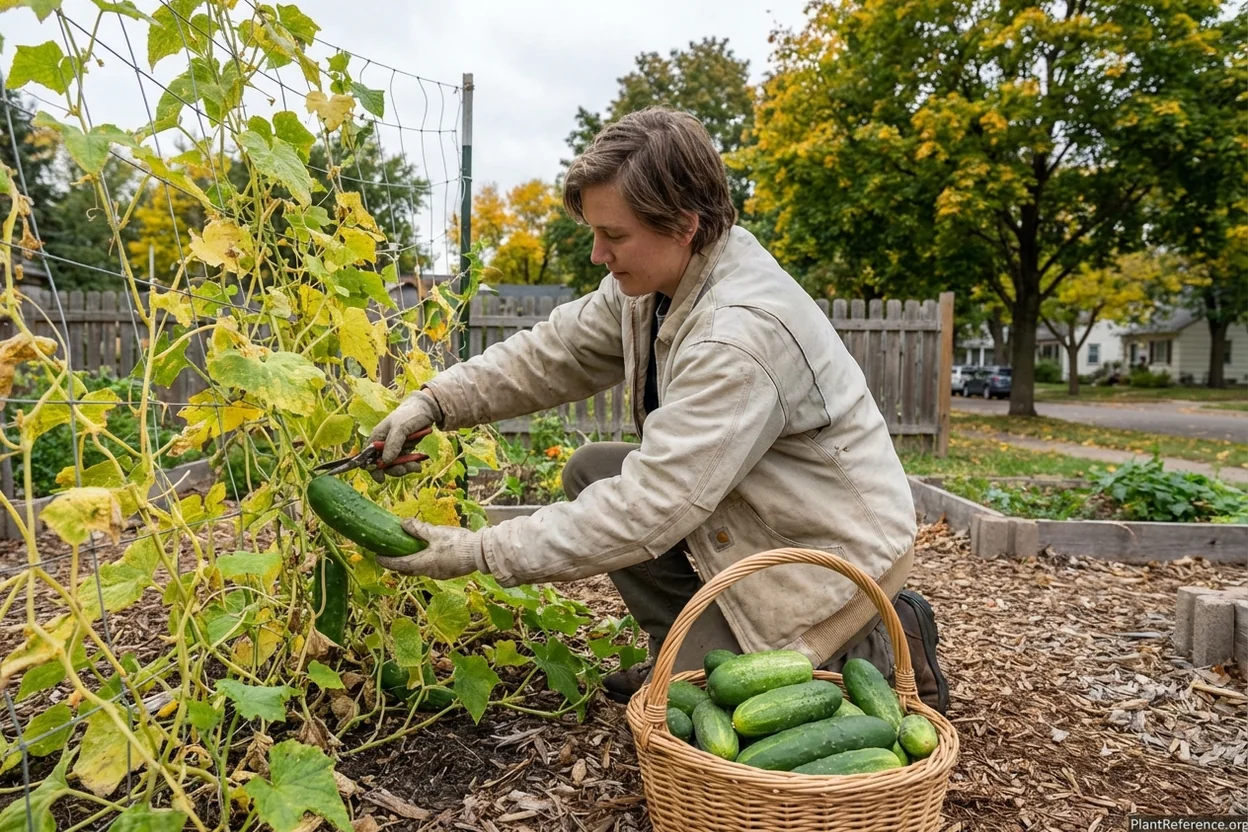
Harvest all mature fruit when nighttime temperatures consistently drop into the 40s°F (4-9°C). Green tomatoes may ripen indoors, but green cucumbers won't continue developing once removed from the vine.
Cucumber Beetle Management
Striped cucumber beetles emerge in Minneapolis during late May, coinciding with transplant timing. These pests not only damage plants directly but transmit bacterial wilt disease that kills entire vines.
Row covers provide excellent protection until flowering begins, when they must be removed for pollination. Yellow sticky traps placed around the garden perimeter help monitor and reduce beetle populations.
Hand-picking beetles in early morning when they're sluggish works well for small plantings. Drop beetles into soapy water—they're strong fliers once warmed by sun.
Disease Prevention
Minneapolis' humid summers favor fungal diseases, particularly powdery mildew and downy mildew. Choose resistant varieties like 🌿Cucumis sativus 'Marketmore 76' and ensure adequate air circulation through proper spacing and trellising.
Avoid overhead watering and work in the garden when plants are wet. These practices spread fungal spores and create infection opportunities.
Harvest & Storage in Minnesota
Knowing when and how to harvest cucumbers makes the difference between peak flavor and disappointment. Minneapolis' short season makes timing even more critical.
Optimal Harvest Timing
🌿Cucumis sativus 'Boston Pickling' should be harvested at 2-4 inches (5-10 cm) long for best texture and flavor. Check plants daily during peak production—cucumbers can double in size overnight during hot weather.
🌿Cucumis sativus 'Marketmore 76' and other slicing varieties are best at 6-8 inches (15-20 cm) long with glossy, dark green skin. Yellowing indicates overmaturity and poor eating quality.
Regular harvesting encourages continued production. Plants that develop overripe fruit stop flowering and focus energy on seed production rather than new fruit development.
Storage Methods
Fresh cucumbers store best in the refrigerator at 50-55°F (10-13°C) with high humidity. Wrap individually in paper towels to absorb excess moisture and prevent decay. Properly stored cucumbers keep 7-10 days.
For longer storage, consider pickling surplus harvest. 🌿Cucumis sativus 'Boston Pickling' and Cucumis sativus 'Northern Pickling' are specifically bred for processing and maintain crispness better than slicing varieties.
Seed Saving
Save seeds from your best-performing open-pollinated varieties like 🌿Cucumis sativus 'Marketmore 76' and 🌿Cucumis sativus 'Boston Pickling'. Select fully mature fruit (yellow and soft) from the healthiest, most productive vines.
Extract seeds, rinse thoroughly, and dry on screens for 2-3 weeks before storing in cool, dry conditions. Properly stored cucumber seeds remain viable for 6-8 years.
Frequently Asked Questions
Reading about plants and recognising them are different skills. These three build the second.
- Daily PlantIdentify the day’s mystery plant from a close-up photograph.
- Keyed OutWork a dichotomous key, lead by lead, to name a hidden specimen.
- Name That PlantName a specimen from botanical clues dealt hardest first.
Free to play, no account needed
Amanda came to gardening through an unexpected route—after developing chronic pain from rheumatoid arthritis in her late 20s, she started researching adaptive gardening techniques that would allow her to continue growing plants without aggravating her condition. Now based in Minneapolis, she writes about accessible gardening, raised bed designs for people with mobility challenges, and ergonomic tools that reduce strain. Amanda completed a certificate in sustainable urban agriculture and volunteers with a nonprofit that builds accessible community gardens. She grows vegetables, herbs, and flowers in waist-high raised beds she designed herself. Her writing focuses on practical solutions that work for real people with real limitations—whether that's arthritis, limited mobility, or just a bad back.