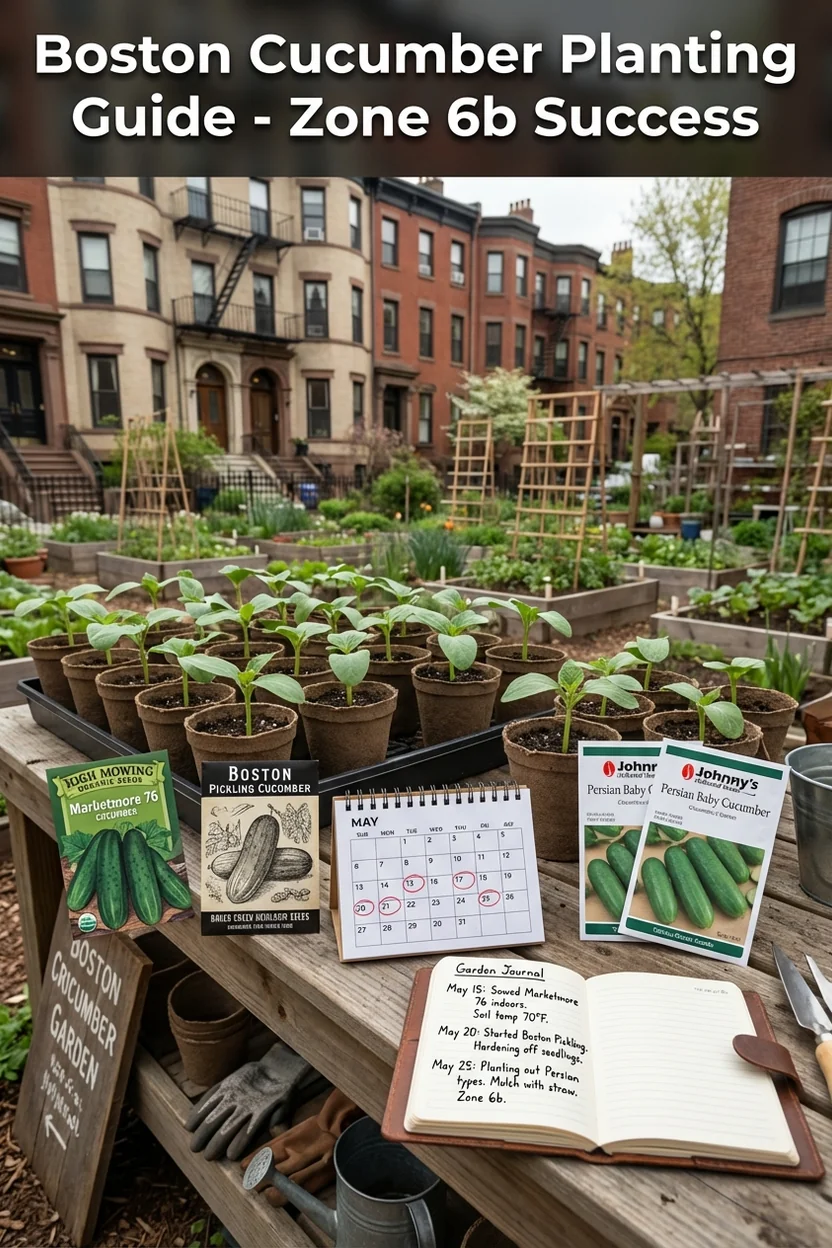
When to Plant Cucumbers in Boston: Complete Guide + Best Varieties for Zone 6b
Pets & Toxicity
Recorded toxicity for plants linked in this guide. An unknown status is not a safety assessment.
No linked plant is recorded as toxicDetailsHide
Cucumis sativus 'Marketmore 76' — Toxicity
Non-toxicView Cucumis sativus 'Marketmore 76' plant profileCucumis sativus 'Straight Eight' — Toxicity
Non-toxicView Cucumis sativus 'Straight Eight' plant profileCucumis sativus 'Boston Pickling' — Toxicity
Non-toxicView Cucumis sativus 'Boston Pickling' plant profile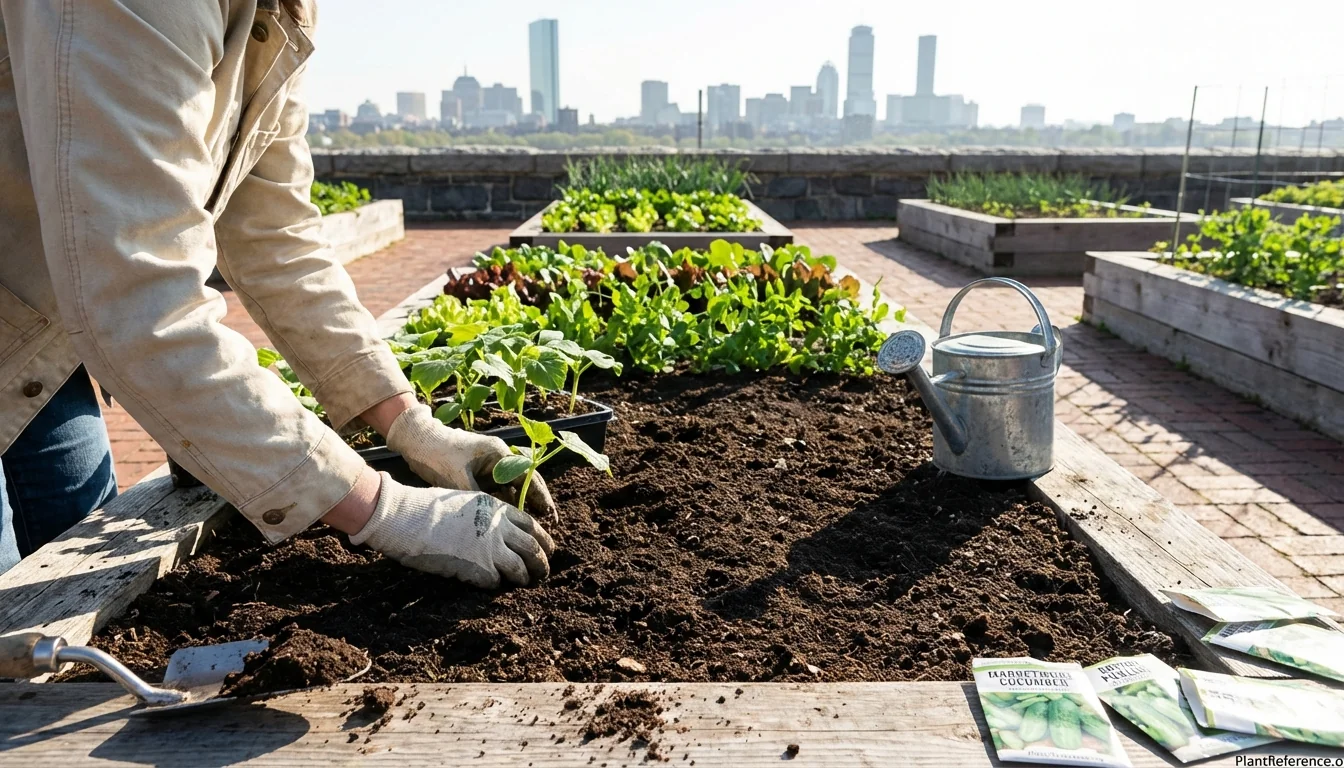
— Image © Plant Reference 2026
Growing cucumbers in Boston requires understanding our unique Zone 6b climate, where late spring frosts can linger until mid-April, but our 183-day growing season provides excellent opportunities for multiple successions. I've been gardening in Massachusetts for over thirty years, and timing is everything when it comes to cucumber success.
Boston's cucumber season starts with the last average frost date of April 20, though I always recommend waiting until early May for transplants and mid-May for direct sowing. The key is soil temperature—cucumbers 🌿Cucumis sativus 'National Pickling' (kew-KYU-mis sa-TY-vus) need consistently warm soil to thrive, and our New England springs can be unpredictable.
Best Cucumber Varieties for Boston's Zone 6b Climate
After decades of trials in Massachusetts gardens, certain varieties consistently outperform others in our climate. The combination of humid summers, potential late blight pressure, and our moderate heat makes variety selection crucial.
Variety | Days to Maturity | Best For | Notes for Boston |
|---|---|---|---|
60-70 days | Slicing, disease resistance | Excellent downy mildew resistance for humid summers | |
50-60 days | Pickling, heavy yields | Named for our region, bred for New England conditions | |
58-65 days | Heirloom slicing | Good for early season, avoid late plantings | |
Cucumis sativus 'Muncher Persian' | 50-60 days | Fresh eating, compact | Heat tolerant for Boston's July-August weather |
65-70 days | Novelty, drought tolerant | Excellent for containers, unusual appearance |
Disease-Resistant Champions
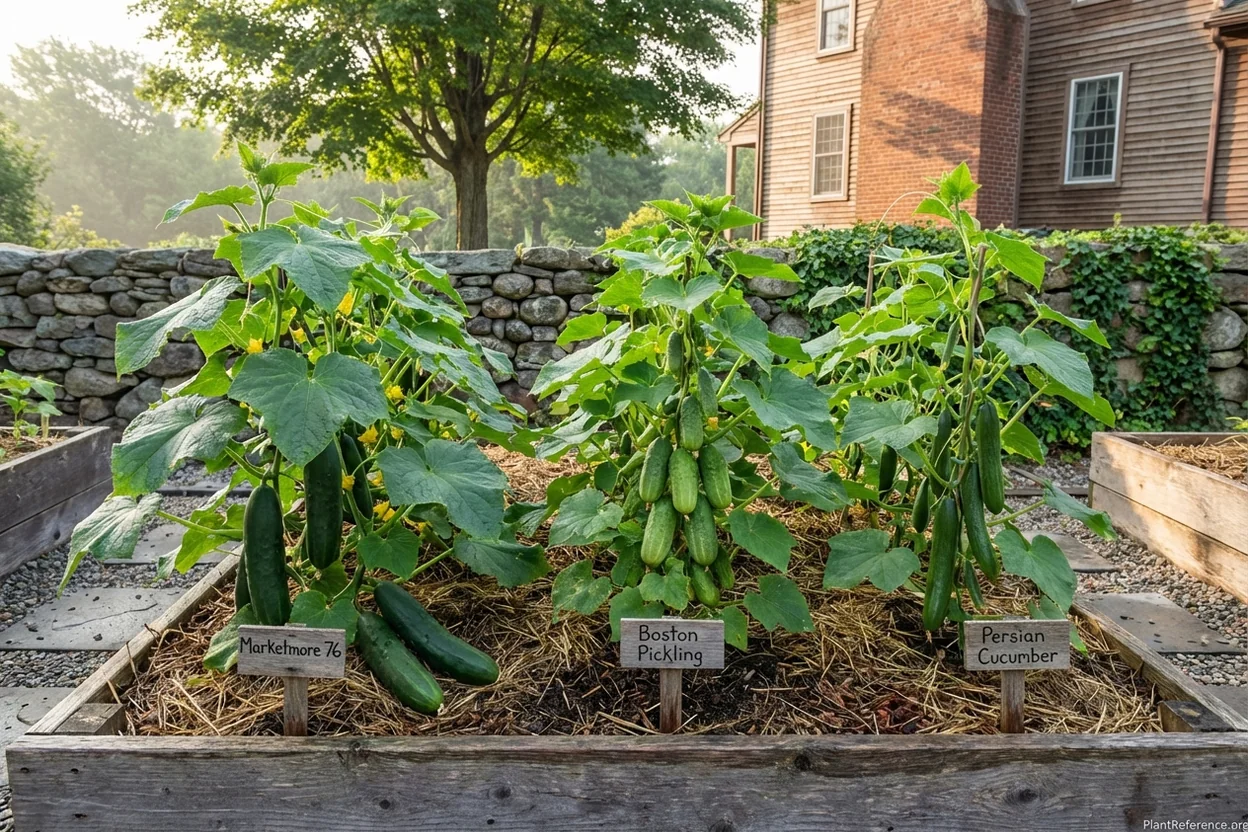
🌿Cucumis sativus 'Marketmore 76' stands as my top recommendation for Boston gardeners. Developed at Cornell University specifically for Northeast conditions, it handles our humid summers better than any heirloom variety. The resistance to downy mildew, scab, and cucumber mosaic virus makes it virtually bulletproof in typical Massachusetts weather.
🌿Cucumis sativus 'Boston Pickling' carries special significance here—it was literally bred for New England conditions in the 1880s. This variety produces heavily in our 60-75°F (15-24°C) sweet spot and handles the temperature swings that characterize Boston's late spring and early fall.
Heat-Tolerant Options
While Boston doesn't experience extreme heat like southern regions, our July and August temperatures regularly reach 85°F (29°C) with high humidity. Cucumis sativus 'Muncher Persian' and 🌿Cucumis sativus 'Lemon' handle these conditions without the bitterness that can affect varieties like 🌿Cucumis sativus 'Straight Eight'.
For container growing on Boston's many rooftops, patios, and fire escapes, 🌿Cucumis sativus 'Lemon' provides excellent drought tolerance and unique visual interest that always starts conversations with neighbors.
Specific Planting Dates for Boston Gardens
Boston's Zone 6b classification means our last average frost date falls on April 20, with first frost typically arriving around October 20. However, successful cucumber growing requires more nuanced timing based on soil conditions and microclimate variations throughout the greater Boston area.
Indoor Seed Starting Schedule
Start cucumber seeds indoors March 25-April 1 for transplanting in early May. I use biodegradable peat pots to minimize root disturbance—cucumber taproots are sensitive, and any damage can stunt growth permanently.
Sow seeds 3-4 weeks before your intended transplant date. In Boston, this timing allows seedlings to develop 2-3 true leaves while avoiding the risk of becoming root-bound. Keep indoor temperature at 70-80°F (21-27°C) for optimal germination within 7-10 days.
Transplant Timing
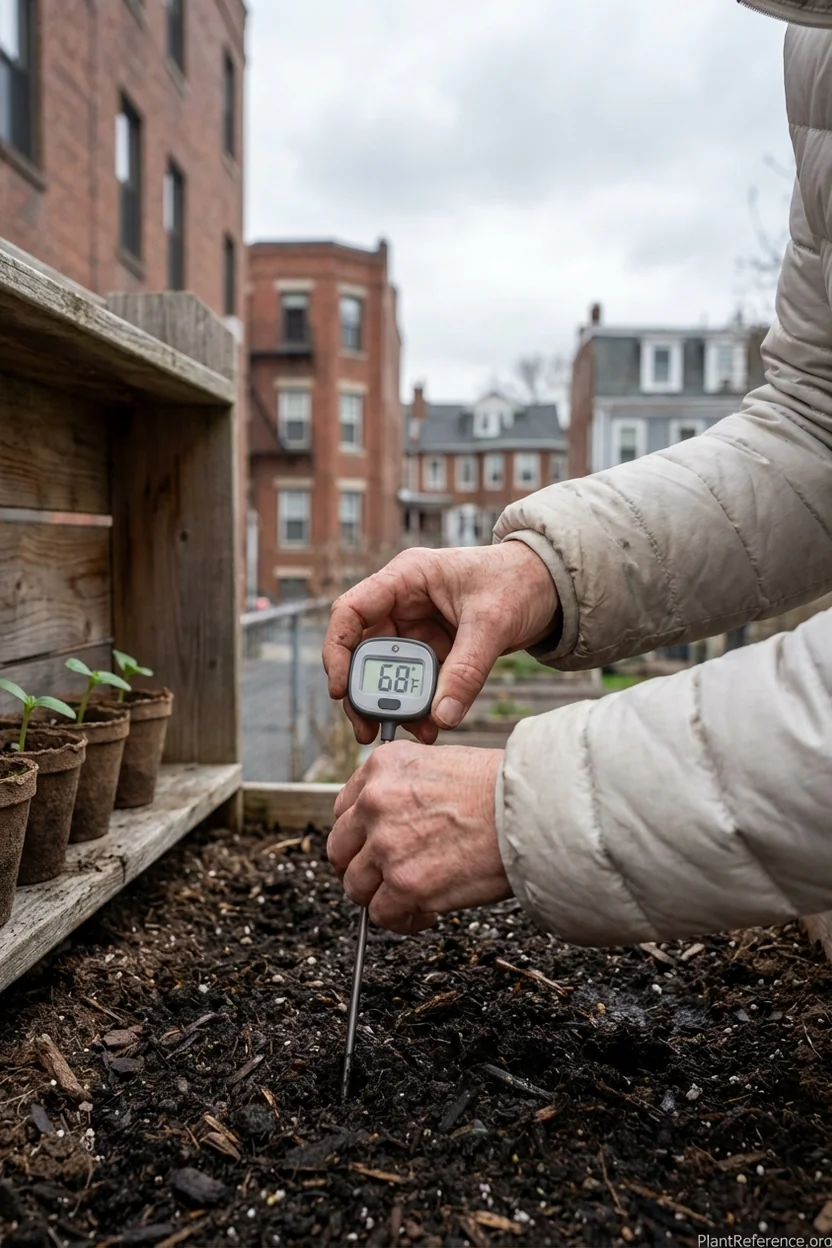
May 5-12: Safe transplant window for Boston gardeners. While our average last frost is April 20, I always wait until soil temperature consistently reads 65°F (18°C) or higher. Cold soil leads to transplant shock and increases susceptibility to damping-off diseases.
May 15: Latest recommended transplant date. Beyond this timing, you lose the advantage of transplanting and might as well direct sow.
Direct Sowing Schedule
May 15-20: Primary direct sowing window. Soil temperature should reach 65-70°F (18-21°C) for rapid germination. Plant 1 inch (2.5 cm) deep in rows spaced 3 feet (90 cm) apart.
June 1-15: Second succession planting. This timing provides harvest during peak summer months when cucumbers are most appreciated.
July 1-15: Final succession for fall harvest. July plantings mature in September's cooling weather, often producing higher quality fruit with better flavor and crispness.
Succession Planting Strategy
Boston's 183-day growing season allows for three distinct cucumber crops:
Spring transplants (planted May 5-12): Harvest begins mid-July
Early summer direct sowing (planted June 1-15): Peak harvest August-September
Mid-summer planting (planted July 1-15): Fall harvest September-October
Space successions 3-4 weeks apart to ensure continuous harvest without overwhelming abundance that leads to waste.
Complete Growing Guide for Boston Conditions
Boston's maritime-influenced climate creates specific challenges and opportunities for cucumber cultivation. Our moderate summers, high humidity, and variable spring weather require adapted techniques.
Soil Preparation for New England Conditions
Boston-area soils tend toward clay, especially in neighborhoods built on former wetlands. Cucumbers demand excellent drainage—waterlogged roots invite fungal problems that thrive in our humid conditions.
Amend clay soils with 2-3 inches (5-8 cm) of compost plus coarse sand or perlite. I've found that aged horse manure from local stables works exceptionally well, though any well-composted organic matter improves both drainage and fertility.
Soil pH should range from 6.0-7.0. Most Boston soils test slightly acidic due to our pine forest heritage and acid rain history. Add limestone in fall if pH drops below 6.0, allowing winter weather to incorporate it naturally.
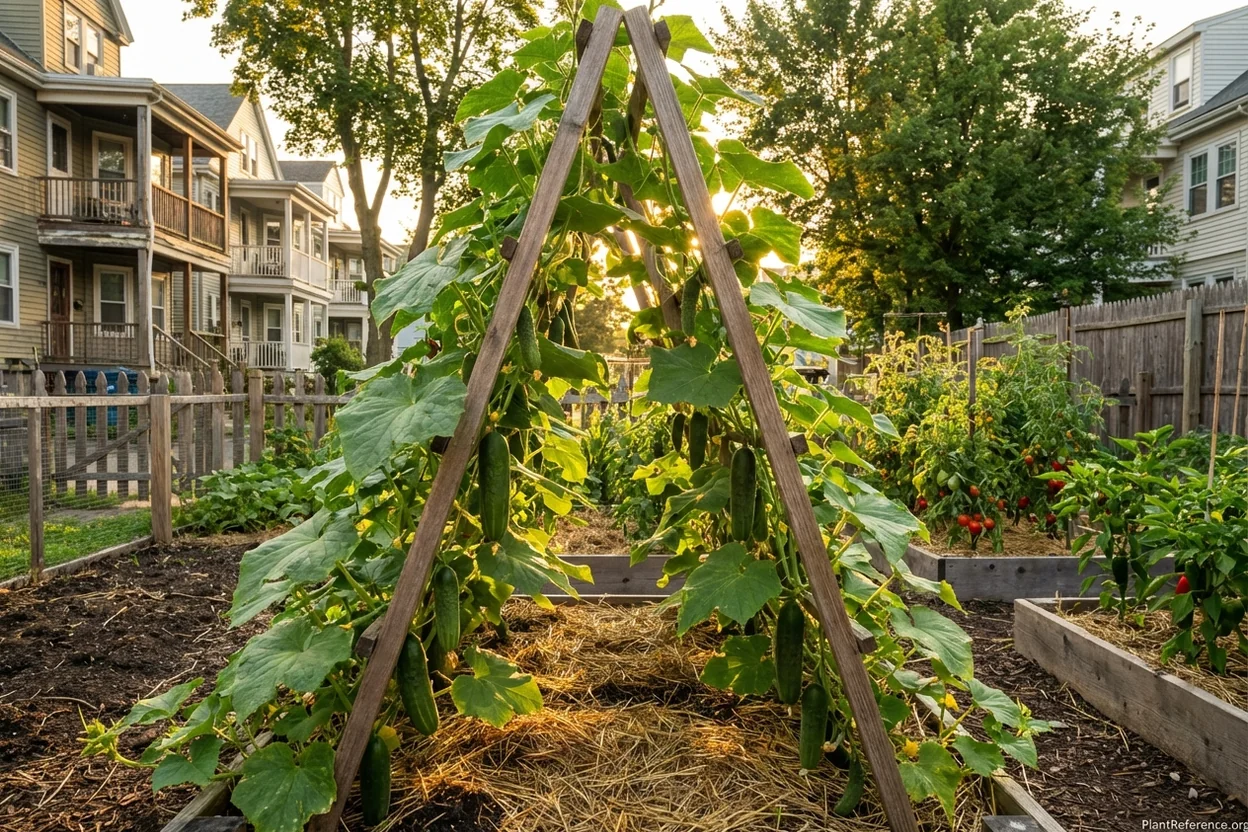
Watering Strategy for Humid Conditions
Boston's average annual rainfall of 43 inches (109 cm) means cucumber irrigation requires a different approach than arid regions. The challenge isn't water scarcity but managing excess moisture and preventing foliar diseases.
Water deeply 1-2 times weekly rather than daily light irrigation. Apply 1-1.5 inches (2.5-4 cm) per week, including rainfall. Use soaker hoses or drip irrigation to keep foliage dry—wet leaves in our humid climate invite downy mildew and bacterial wilt.
Mulch heavily with 3-4 inches (8-10 cm) of organic material. Straw, aged wood chips, or shredded leaves conserve moisture during dry spells while preventing soil-borne pathogens from splashing onto lower leaves during thunderstorms.
Fertilization for Massachusetts Soils
Our acidic, organic-rich soils typically provide adequate nitrogen but may lack phosphorus and potassium. Apply balanced fertilizer (10-10-10) at planting, followed by side-dressing with compost or aged manure when flowering begins.
Avoid excessive nitrogen in July and August—it promotes soft growth susceptible to late-season diseases. Switch to low-nitrogen, high-potassium fertilizer (like wood ash or kelp meal) once fruiting begins to improve fruit quality and plant vigor.
Season Extension Techniques
Boston's variable spring weather makes season extension valuable for early crops. Row covers, cold frames, or simple plastic tunnels can advance planting dates by 2-3 weeks while providing protection from cucumber beetles—major disease vectors in our region.
Remove covers once flowering begins to allow pollination. For parthenocarpic varieties like many 🌿Cucumis sativus 'Persian' types, covers can remain in place longer, extending the harvest window into October's mild weather.
Troubleshooting Boston-Specific Problems
Boston gardeners face unique challenges due to our maritime climate, urban environment, and specific pest populations. Understanding these regional issues helps prevent problems before they start.
Downy Mildew Management
This water mold thrives in Boston's humid summers, arriving via wind currents from southern states typically in July or August. Early symptoms appear as yellow angular spots on leaf surfaces, followed by downy white spores on leaf undersides during cool, moist mornings.
Prevention strategies:
Plant resistant varieties like 🌿Cucumis sativus 'Marketmore 76'
Ensure adequate air circulation through vertical growing
Water at soil level, never on foliage
Apply preventive copper fungicide sprays in early July
Remove infected plant debris immediately
Varietal resistance: 🌿Cucumis sativus 'Straight Eight' shows high susceptibility and should be avoided for late-season plantings. 🌿Cucumis sativus 'Marketmore 76' and improved strains of 🌿Cucumis sativus 'Boston Pickling' offer good resistance.
Cucumber Beetle Pressure
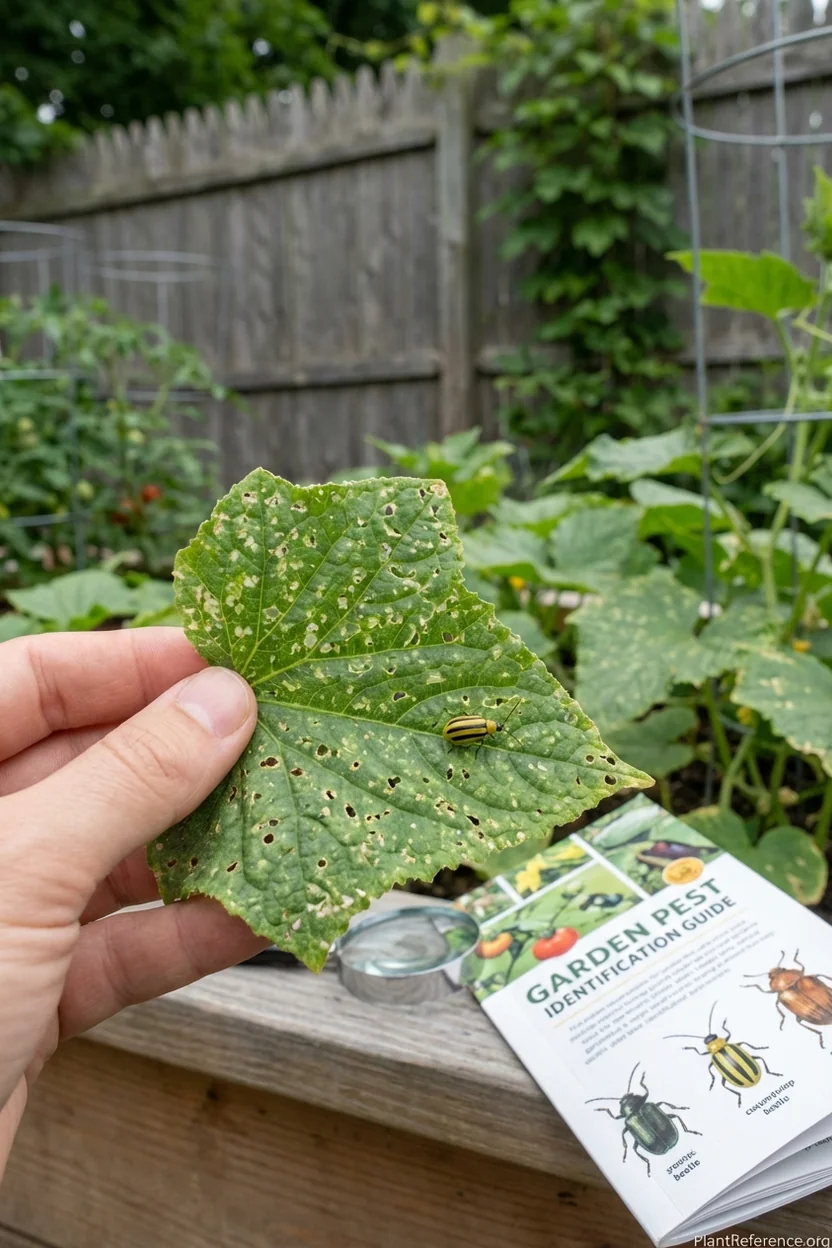
Both striped and spotted cucumber beetles overwinter in Boston-area woodlots and emerge as soil warms in May—exactly when cucumber seedlings are most vulnerable. These pests vector bacterial wilt, a fatal disease with no cure.
Integrated management approach:
Use row covers immediately after planting
Apply kaolin clay (Surround WP) to create physical barrier
Plant Blue Hubbard squash as trap crop around garden perimeter
Hand-pick beetles during morning hours when they're sluggish
Remove covers at flowering to allow pollination
Late Season Powdery Mildew
Boston's September weather—warm days and cool nights with heavy dew—creates perfect conditions for powdery mildew. This fungal disease appears as white powdery coating on leaves and stems, reducing photosynthesis and fruit quality.
Management tactics: Space plants adequately for air circulation, avoid overhead watering, and choose resistant varieties like 🌿Cucumis sativus 'Marketmore 76'. Baking soda sprays (1 tablespoon per gallon) provide organic control when applied at first symptoms.
Urban Growing Challenges
Boston's urban and suburban gardens face unique stresses including soil contamination, limited space, and heat island effects. Container growing on rooftops, decks, and patios requires adapted techniques.
Use large containers (minimum 20 gallons/76 liters) with excellent drainage. Urban heat island effects can raise temperatures 5-10°F (3-6°C) above surrounding areas, making heat-tolerant varieties like 🌿Cucumis sativus 'Lemon' and Cucumis sativus 'Muncher Persian' essential choices.
Harvest and Storage in New England
Boston's cucumber harvest typically begins in mid-July for transplanted crops and continues through September with proper succession planting. Our moderate summer temperatures produce excellent fruit quality compared to extreme heat regions.
Optimal Harvest Timing
Harvest cucumbers at 6-8 inches (15-20 cm) for slicing varieties, 2-4 inches (5-10 cm) for pickling types. 🌿Cucumis sativus 'Lemon' should be picked when tennis ball-sized—larger fruits develop tough seeds and bitter flavor.
Check plants daily during peak season. Overripe fruits signal the plant to stop producing, dramatically reducing total yield. Early morning harvest provides best quality, as overnight cooling creates crisp, turgid fruits.
Storage and Preservation
Fresh cucumbers store best at 50-55°F (10-13°C) with high humidity—challenging in typical home refrigerators. Wrap individual fruits in paper towels and store in vegetable crisper for maximum life.
Boston's tradition of cucumber pickles makes preservation straightforward. 🌿Cucumis sativus 'Boston Pickling' was specifically developed for this purpose and maintains crispness better than slicing types when processed.
Fall Harvest Considerations
September plantings mature during October's cooling weather, often producing superior flavor and crispness. However, watch weather forecasts carefully—our first frost date averages October 20, though downtown Boston's heat island effect may extend the season into early November.
Cover plants with row covers or harvest green fruits before frost threatens. Green cucumbers make excellent pickles and can be used in cooking applications where fully ripe cucumbers would be too soft.
Frequently Asked Questions
Reading about plants and recognising them are different skills. These three build the second.
- Daily PlantIdentify the day’s mystery plant from a close-up photograph.
- Keyed OutWork a dichotomous key, lead by lead, to name a hidden specimen.
- Name That PlantName a specimen from botanical clues dealt hardest first.
Free to play, no account needed
Kevin is a landscape contractor in the Boston area who specializes in cold-climate perennial gardens and hardscaping. He studied landscape design and worked at a prominent nursery on the North Shore before starting his own design-build firm. Kevin's gardens are built to handle New England weather—freeze-thaw cycles, nor'easters, late springs, and heavy snow loads. He's particularly interested in native perennials and shrubs that provide four-season interest without constant maintenance. Kevin writes about cold-hardy plant selection, winter garden structure, and building landscapes that look good even in February.