When to Plant Cucumbers in Portland: Complete Guide + Best Varieties for Zone 8b
Pets & Toxicity
Recorded toxicity for plants linked in this guide. An unknown status is not a safety assessment.
No linked plant is recorded as toxicDetailsHide
Cucumis sativus 'Marketmore 76' — Toxicity
Non-toxicView Cucumis sativus 'Marketmore 76' plant profileCucumis sativus 'Straight Eight' — Toxicity
Non-toxicView Cucumis sativus 'Straight Eight' plant profileCucumis sativus 'Boston Pickling' — Toxicity
Non-toxicView Cucumis sativus 'Boston Pickling' plant profile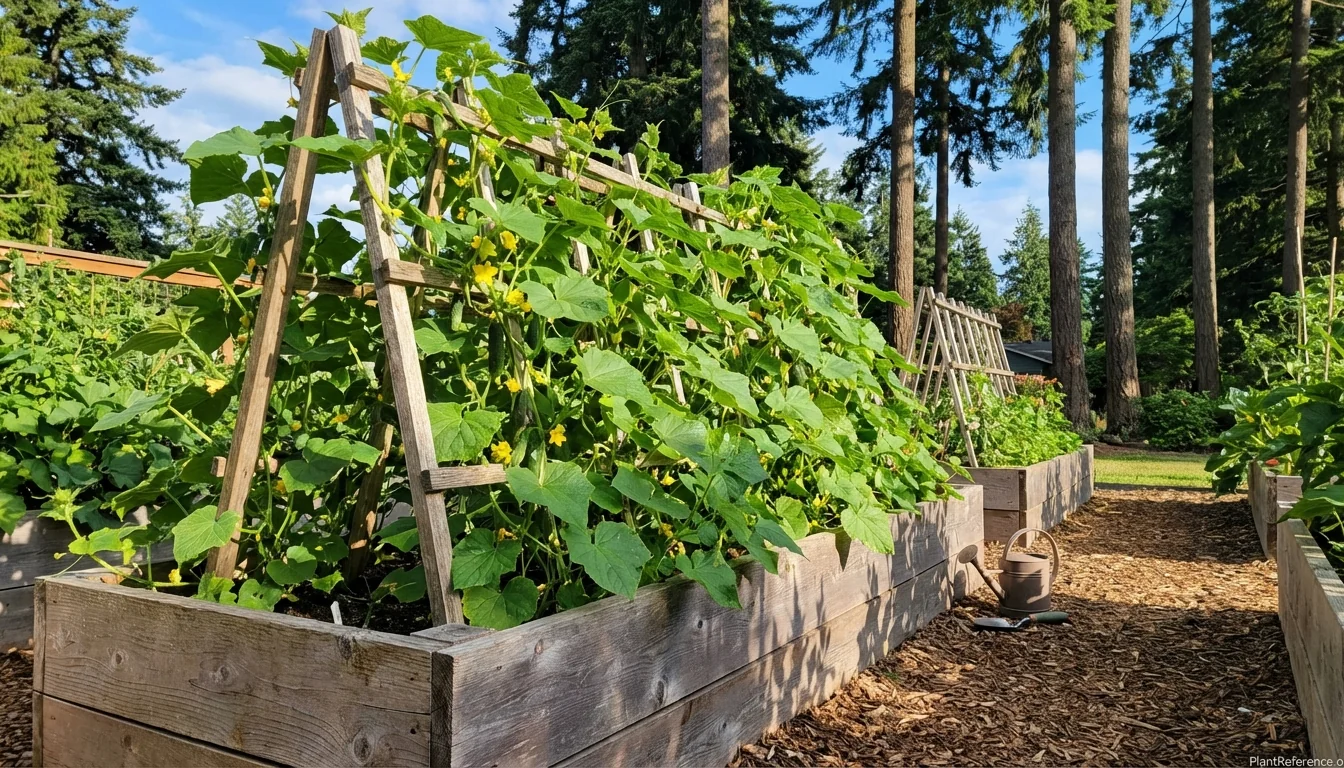
— Image © Plant Reference 2026
Portland offers a subtle but meaningful advantage for cucumber growing compared to other Pacific Northwest cities. The Willamette Valley sits far enough inland from the coast that summer temperatures average 3-5°F warmer than Seattle or coastal Oregon, and our July and August days regularly reach the low 80s—closer to what 🌿Cucumis sativus 'Straight Eight' actually needs for vigorous growth. Understanding why that temperature difference matters comes down to basic plant physiology: cucumber enzyme systems that drive photosynthesis and fruit development operate most efficiently between 75-85°F (24-29°C). Below 65°F (18°C), metabolic rates drop sharply, which is why cool-climate cucumbers grow agonizingly slowly despite having enough light and water. Portland's Willamette Valley position gives us just enough thermal energy to grow cucumbers well—if we manage the cool edges of the season intelligently. When to Plant Tomatoes in Portland: Complete Guide + Best Varieties for Zone 8b
Best Cucumber Varieties for Portland's Climate
Portland sits in USDA Zone 8b with a last frost around March 20 and first frost near November 10—235 frost-free days. But the effective cucumber season runs from late May through September, roughly 130 days, because soil and air temperatures don't support cucumber growth until well after the last frost. Variety selection in Portland should prioritize fast maturity and parthenocarpic fruit set. Downy Mildew (Pseudoperonospora cubensis) is less problematic in Oregon's dry summers than in Eastern states, but Powdery Mildew appears reliably in late summer as morning dew combines with cooling nights.
Variety | Type | Days to Harvest | Disease Resistance | Best For |
|---|---|---|---|---|
🌿Cucumis sativus 'Persian' (Beit Alpha) | Specialty | 55 days | Moderate (PM) | Best for PNW cool temps, no pollination needed |
Slicing | 65 days | High (Scab, CMV, moderate DM/PM) | Most reliable slicer with disease resistance | |
Pickling | 55 days | Low-Moderate | Fast harvest, pickling | |
Specialty | 65 days | Moderate (Rust, drought tolerant) | Novelty, farmers market favorite | |
Slicing | 63 days | Low (CMV tolerance only) | Traditional slicer, needs heat boosting | |
🌿Cucumis sativus 'Marketmore 76' (succession) | Slicing | 65 days | High | Second planting mid-June |
🌿Cucumis sativus 'Persian' types are the standout performers for Portland gardens. At 55 days on compact vines, they maximize Portland's limited warm window. The parthenocarpic trait is what really sets them apart here—these varieties produce fruit without pollinator visits. In Portland's cool, overcast June weather, native bee activity is unreliable, and standard monoecious varieties like 🌿Cucumis sativus 'Straight Eight' frequently fail to set fruit during cloudy stretches below 65°F (18°C). Persian cucumbers bypass that bottleneck entirely through their genetics.
🌿Cucumis sativus 'Marketmore 76' is the best slicing variety when grown with heat-boosting techniques. Its intermediate Powdery Mildew resistance extends productive life by 2-3 weeks into September compared to susceptible varieties—significant when every week of production matters. The "stay-green" gene maintains fruit quality even during Portland's cooler growing conditions.
🌿Cucumis sativus 'Lemon' deserves a place in Portland gardens. This round, yellow heirloom variety produces reliably in our climate and sells exceptionally well at farmers markets. Its burpless, mild flesh and unusual appearance attract customers, and the drought-tolerant genetics handle Portland's dry summer weeks without stress.
🌿Cucumis sativus 'Boston Pickling' at 55 days gives Portland gardeners a fast pickling option. Transplants set out in late May produce fruit by late July, providing two months of pickling before fall temperatures slow vine growth. The cooler nights of September Oregon actually enhance pickling cucumber crispness and flavor. When to Plant Peppers in Portland: Complete Guide + Best Varieties for Zone 8b
Specific Planting Dates for Portland Gardens
Portland's March 20 last frost and November 10 first frost are misleading for cucumbers. Soil doesn't warm to 60°F (16°C) until mid-to-late May, and nighttime air temperatures don't consistently stay above 55°F (13°C) until June. The real cucumber window runs from late May through late September.
Indoor Seed Starting: April 1-15 (5-7 weeks before outdoor transplanting). Use a heat mat at 75°F (24°C) and supplemental lighting—April daylight through Portland windows isn't intense enough for compact, healthy seedlings. Grow to 3-4 true leaves before transplanting outdoors.
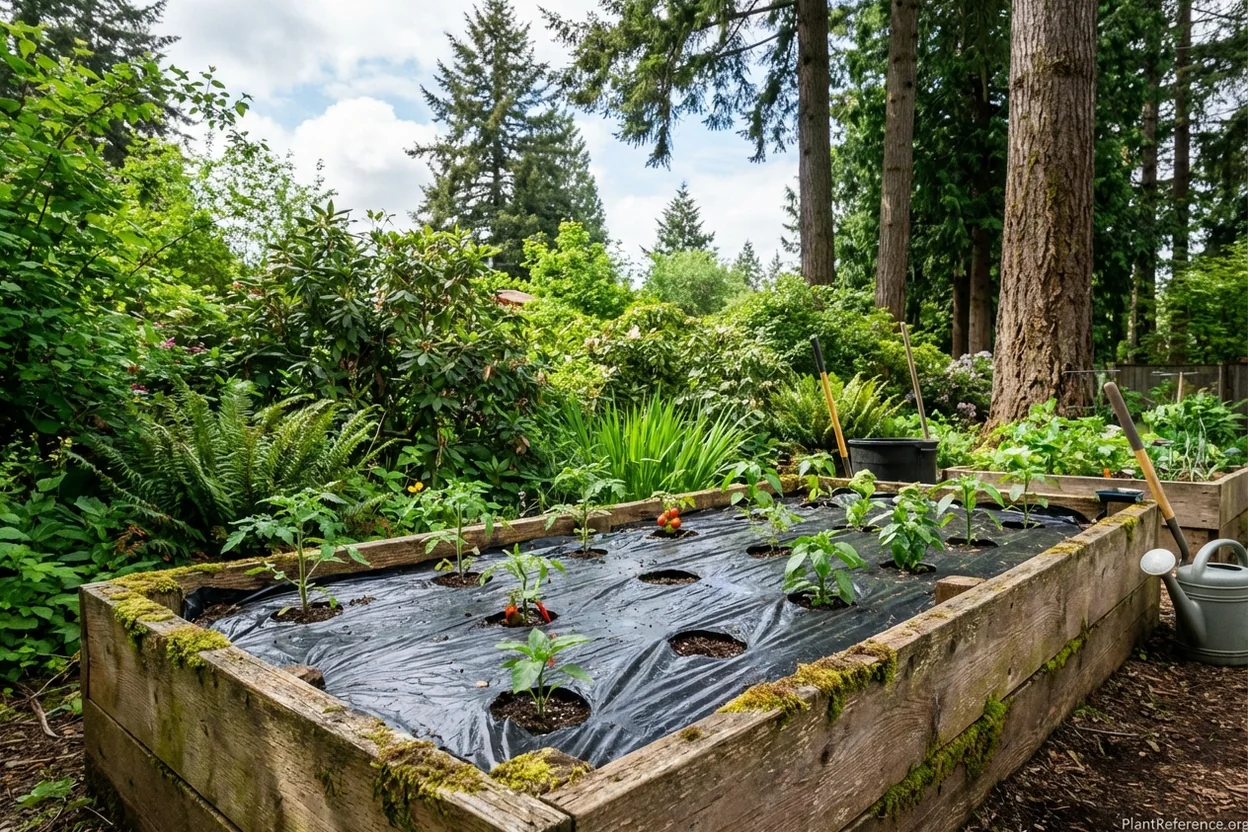
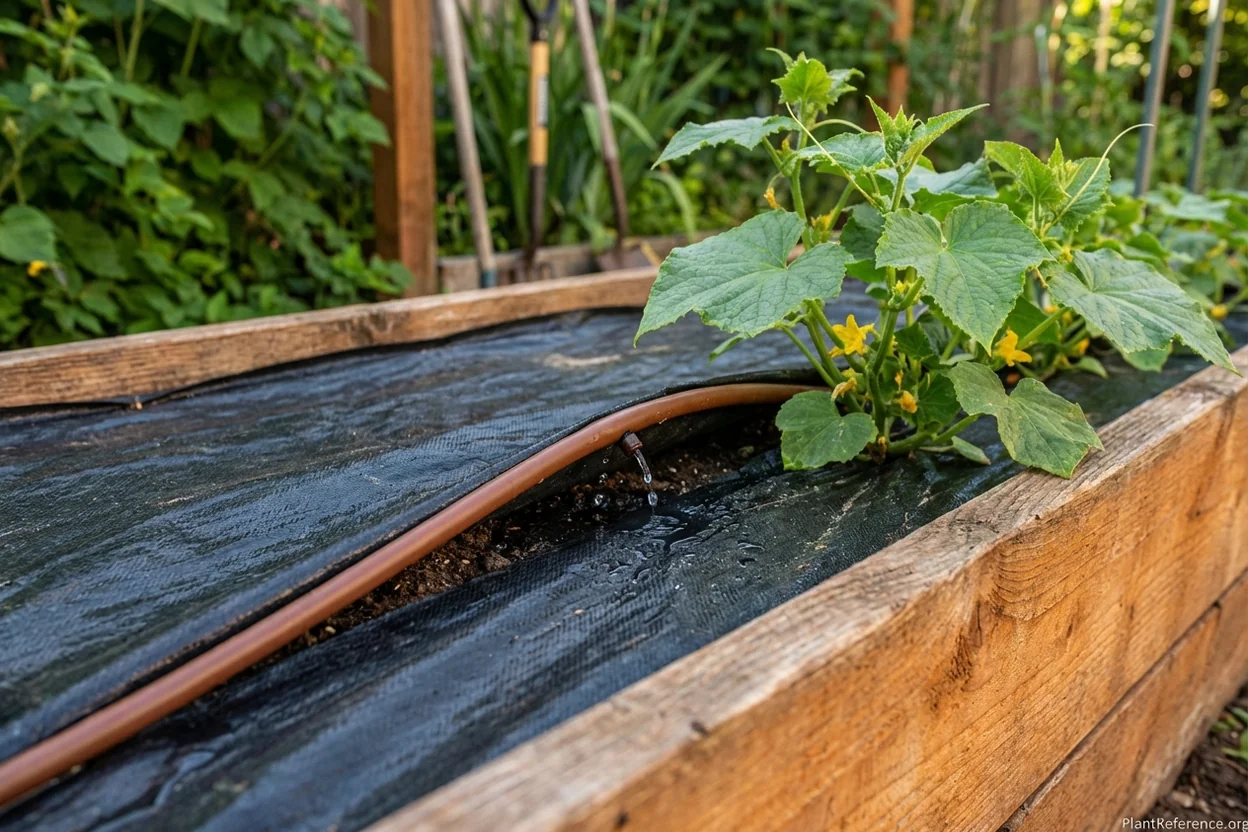
Transplant Outdoors: May 20-June 5. Pre-warm beds with black plastic mulch for 2-3 weeks before transplanting. Soil temperature should read 60°F (16°C) at 4 inches (10 cm) deep. South-facing locations against walls or fences create the warmest microclimates. Portland's late May can still deliver nighttime temperatures in the low 40s—have row covers ready for cold nights.
Direct Sow: Not recommended. Portland soil doesn't reliably reach germination temperature until late May, and the additional 7-10 days for germination plus slow early growth in cool conditions delays first harvest by 3-4 weeks compared to transplants. In a climate where the warm window is already compressed, transplants are the only practical approach.
Succession Planting: One succession by mid-June at most. Portland's season supports one primary planting and one follow-up. Choose 55-day varieties for the succession—🌿Cucumis sativus 'Boston Pickling' or 🌿Cucumis sativus 'Persian' planted by June 15 mature in early August with time for two months of harvest.
Effective Season End: Late September to early October. Portland's Willamette Valley location provides slightly more residual warmth than coastal areas, pushing effective cucumber production a week or two past late September in good years. Row covers extend harvest further. By mid-October, declining day length and cool nights make continued production negligible. Raised Bed Vegetable Garden Layout: Planning for Maximum Production
Complete Growing Guide for Portland
Heat Management: Portland's Advantage and Challenge
Portland's Willamette Valley position means July averages 2-4°F warmer than Seattle—enough to push average highs into the low 80s on many days. That seemingly small difference has a disproportionate physiological impact on cucumber growth. The enzymatic reactions driving photosynthesis in 🌿Cucumis sativus 'Straight Eight' roughly double in rate for every 18°F (10°C) increase within the optimal range. Portland's extra warmth translates to noticeably faster vine growth and better fruit set compared to cooler PNW locations.
Still, heat management remains essential. Black plastic mulch warms soil 5-10°F above ambient and should remain in place all season. Raised beds built from cedar (lasting 15-20 years in Oregon's wet winters) elevate roots above the cool ground layer and drain better than Portland's native Willamette Valley clay. South-facing walls reflect heat and block cool north winds. How to Build a Raised Garden Bed: Step-by-Step Construction Guide
Soil Preparation
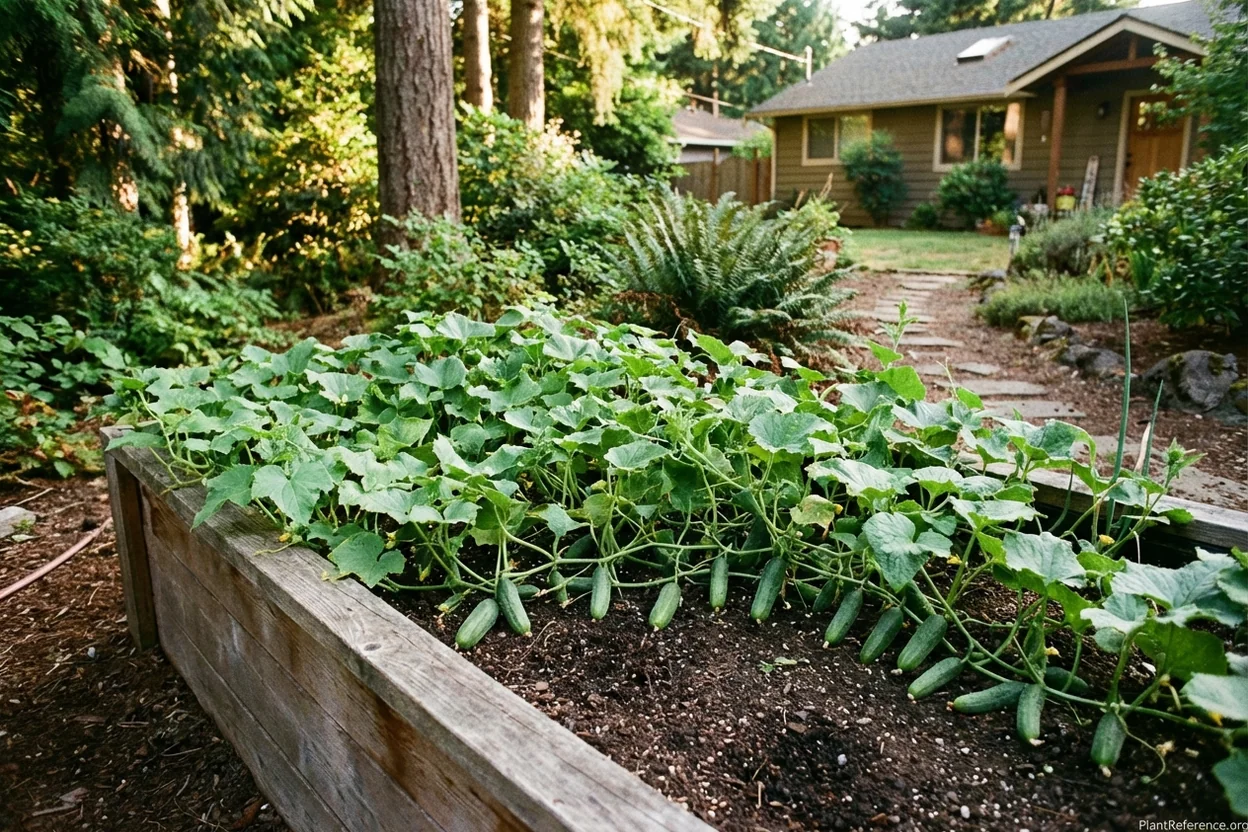
Portland's Willamette Valley soils are predominantly heavy clay and silty clay loam—fertile but poorly drained. Cucumbers need well-drained soil to prevent root rot, especially during our wet springs. Raised beds filled with 60% topsoil, 30% compost, and 10% perlite provide ideal conditions. For in-ground plots, work 4-6 inches (10-15 cm) of compost into the top 12 inches (30 cm). Target pH 6.0-6.8—most Portland soils test in this range naturally. The Oregon State University Extension Master Gardener program offers soil testing referrals if you haven't tested recently.
Mulch 2-3 inches (5-8 cm) with straw or shredded leaves over the black plastic at the end of the season to feed soil biology. Portland's wet winters decompose organic mulch quickly, building soil structure that improves drainage each year.
Trellising
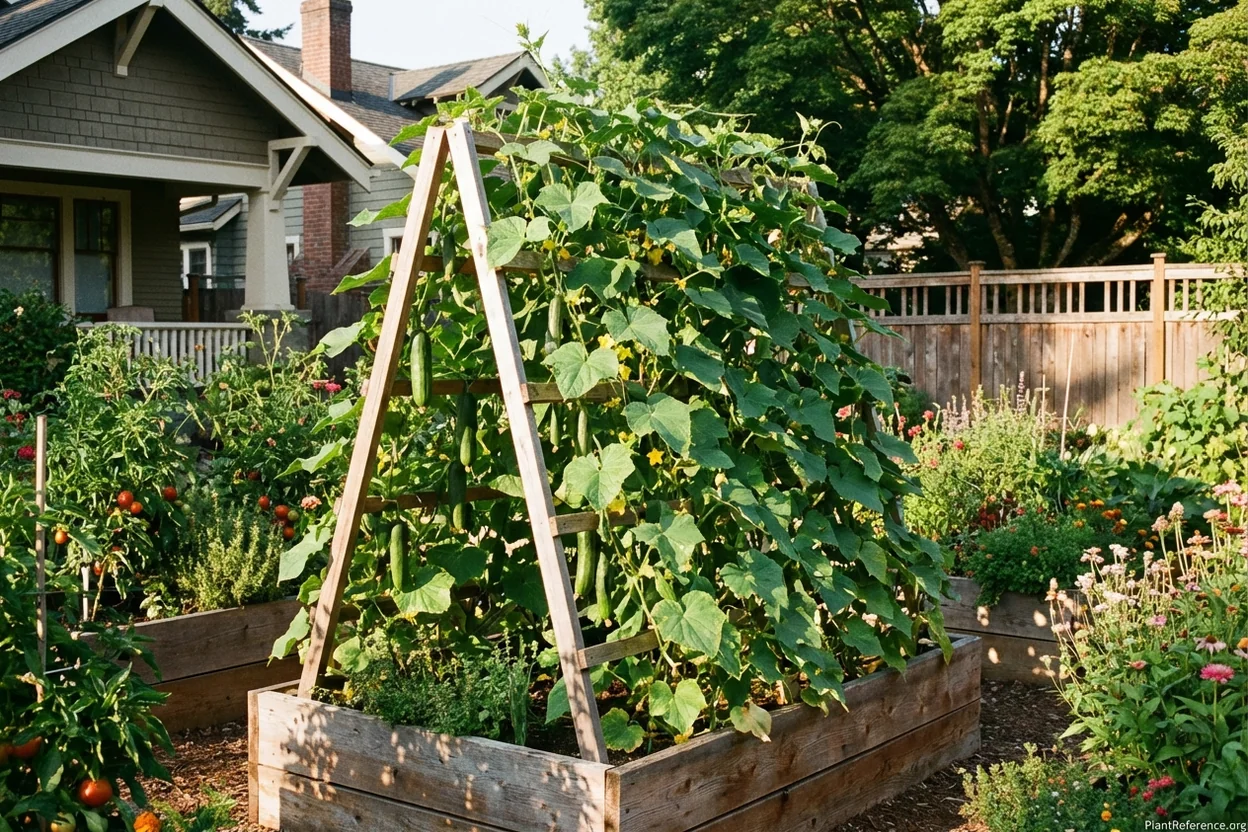
Vertical growing maximizes sun exposure in Portland's maritime light conditions. Angle the trellis to face south for maximum solar gain. A 6-foot (1.8 m) A-frame or cattle panel arch supports vining varieties and keeps fruit clean. Trellised cucumbers dry faster after morning dew, reducing the late-season Powdery Mildew that becomes Portland's primary cucumber disease in August and September. 5 Best Drip Irrigation Kits for Raised Beds (Tested for Easy Installation)
Watering
Portland's reputation for rain doesn't apply to cucumber season. July and August are remarkably dry—often less than 1 inch (2.5 cm) total. Cucumbers need 1 to 1.5 inches (2.5-4 cm) of water weekly during these months. Drip irrigation under the black plastic mulch is the most efficient delivery method. Water in the morning to warm the root zone heading into the warmest part of the day—a small practice that makes a measurable difference when growing heat-loving crops at the margin of their comfort zone.
Feeding
Portland's fertile Willamette Valley soils provide a good nutrient base, but cucumbers are heavy feeders during their compressed production window. Side-dress with balanced fertilizer at flowering and every two weeks during active fruit production. Fish emulsion and kelp-based fertilizers—readily available throughout the PNW—provide micronutrients that support enzyme function at the cooler temperatures where Portland cucumbers operate.
Pollination
The pollination challenge is real but less severe in Portland than Seattle. Portland's warmer summer days bring more consistent pollinator activity, and the city supports a strong native bee population, especially near established gardens and urban farms. Standard monoecious varieties like 🌿Cucumis sativus 'Marketmore 76' set fruit adequately on warm sunny days above 70°F (21°C). On overcast stretches, hand-pollinate with a brush in the morning. 🌿Cucumis sativus 'Persian' types eliminate the pollination variable entirely—I recommend them as the backbone of any Portland cucumber planting. When to Plant Squash in Portland: Complete Guide + Best Varieties for Zone 8b
Troubleshooting Portland-Specific Problems
Cool Spring Soil
Portland's clay soils stay cold and waterlogged through May despite the March 20 last frost date. Transplanting into soil below 60°F stalls cucumber growth and invites root rot. Pre-warm with black plastic mulch for 2-3 weeks before planting. Raised beds warm significantly faster than in-ground clay. Use a soil thermometer at 4 inches (10 cm) deep—don't rely on air temperature or calendar dates.
Powdery Mildew
Portland's primary cucumber disease appears in August and September when morning dew, cooler nights, and shorter days create ideal conditions. White powdery patches on older leaves gradually reduce photosynthetic capacity and vine vigor. Prevention: trellis for air circulation, space plants 18 inches (46 cm) apart, and apply neem oil preventatively every 7-10 days starting late July. 🌿Cucumis sativus 'Marketmore 76' has intermediate resistance that extends productive life 2-3 weeks compared to susceptible varieties like 🌿Cucumis sativus 'Straight Eight'. Raised Bed Pest Problems: Identification and Organic Control Methods
Poor Fruit Set in June
Overcast, cool June weather suppresses pollinator activity and slows pollen viability in standard cucumber varieties. If you see flowers but no developing fruit after two weeks, hand-pollinate in the morning or—better—grow 🌿Cucumis sativus 'Persian' types that bypass pollination requirements entirely. Planting sunflowers and oregano near cucumbers attracts native pollinators on the warmer days when they are active.
Slugs
Oregon's slug populations are legendary. They attack transplants, seedlings, and low-hanging fruit, particularly during the cool, damp evening hours that characterize Portland's early summer. Copper tape around raised bed edges creates an effective barrier. Iron phosphate baits scattered around the bed perimeter provide targeted control without harming wildlife. Trellising lifts fruit above slug feeding height. Raised Bed Too Hot in Summer: Protecting Plants from Heat Stress
Harvest & Storage
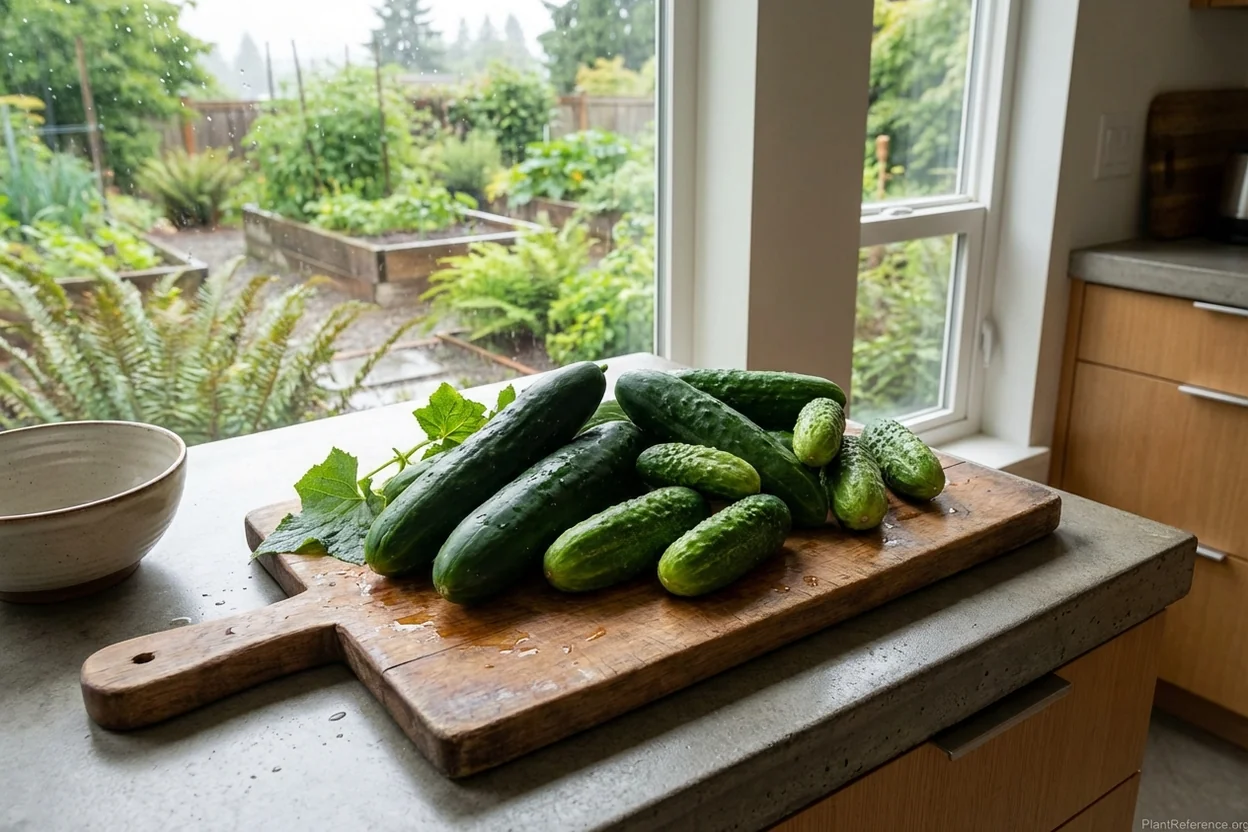
Harvest slicing cucumbers at 6-8 inches (15-20 cm) and pickling types at 2-4 inches (5-10 cm). Portland cucumbers grow at a moderate pace—faster than Seattle's due to our warmer valley position but slower than Midwest or Eastern gardens. Check vines every 2-3 days during peak July and August production. Don't leave overripe fruit on the vine—it signals the plant to reduce production, and every fruit counts in our compressed warm season.
Cut with pruners rather than pulling to protect vine integrity. Harvest in the afternoon when fruit has warmed and sugar content peaks—a physiological advantage unique to cool-climate cucumber growing where morning fruit temperatures run lower than optimal. A well-managed 🌿Cucumis sativus 'Persian' plant in Portland produces 12-18 snack cucumbers. 🌿Cucumis sativus 'Marketmore 76' yields 10-14 slicers with heat-boosting techniques in place.
Fresh cucumbers store 7-10 days refrigerated in a towel inside a loose bag. Portland-grown cucumbers often have exceptionally crisp texture because cooler growing temperatures produce tighter cellular structure in the fruit flesh. 🌿Cucumis sativus 'Boston Pickling' from September harvests makes outstanding refrigerator pickles—the cool-grown fruit holds its crunch in brine better than heat-grown fruit from warmer climates. The Complete Guide to Raised Bed Gardening for Beginners (2025)
Frequently Asked Questions
Reading about plants and recognising them are different skills. These three build the second.
- Daily PlantIdentify the day’s mystery plant from a close-up photograph.
- Keyed OutWork a dichotomous key, lead by lead, to name a hidden specimen.
- Name That PlantName a specimen from botanical clues dealt hardest first.
Free to play, no account needed
Sarah earned her doctorate in plant biology and spent time working in botanical garden education before transitioning to freelance writing and consulting. Now based in Portland, Oregon, she teaches plant identification workshops at local community centers and maintains a modest collection of over 60 houseplants in her small apartment. Sarah specializes in helping beginners understand plant science without the jargon—her approach focuses on practical observation over theory. She's killed her fair share of fiddle leaf figs and finally cracked the code on keeping them alive.