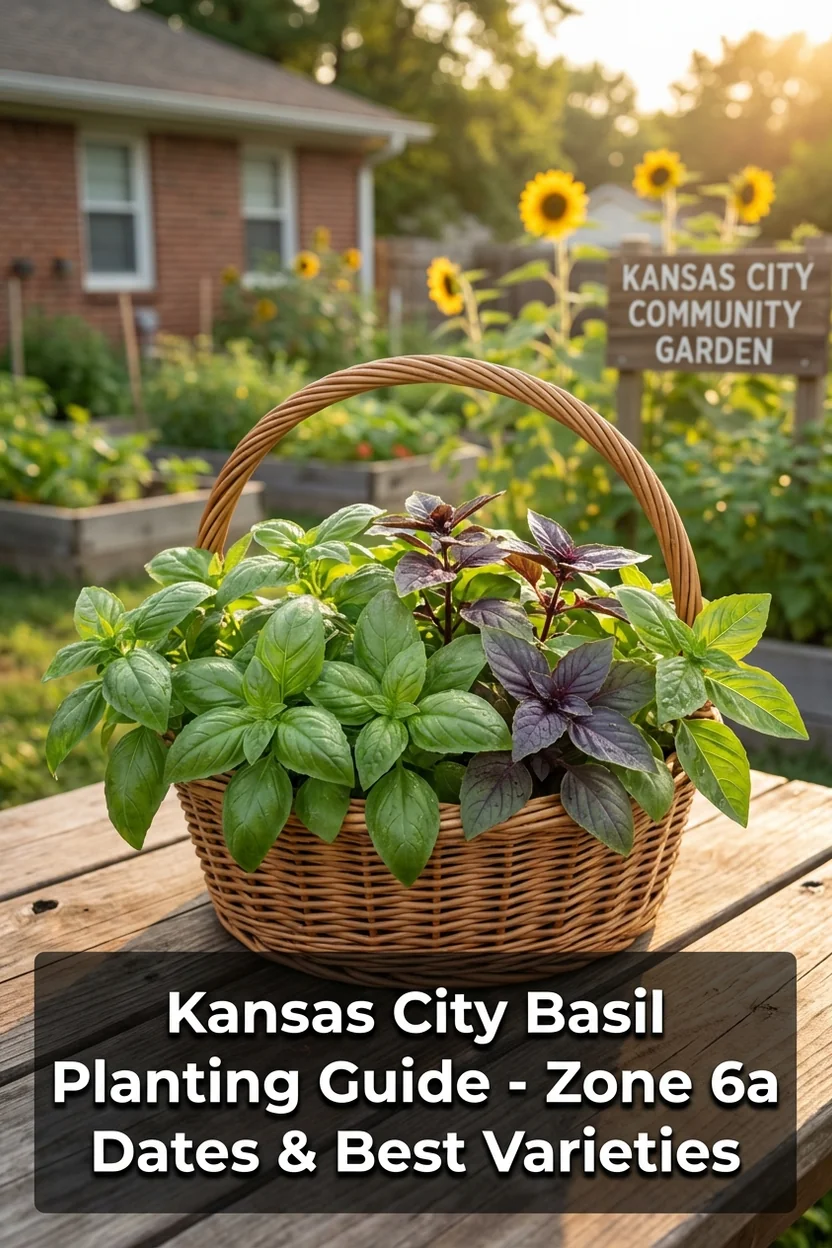
When to Plant Basil in Kansas City: Complete Guide + Best Varieties for Zone 6a
Pets & Toxicity
Recorded toxicity for plants linked in this guide. An unknown status is not a safety assessment.
No linked plant is recorded as toxicDetailsHide
Ocimum basilicum 'Purple Ruffles' — Toxicity
Non-toxicView Ocimum basilicum 'Purple Ruffles' plant profile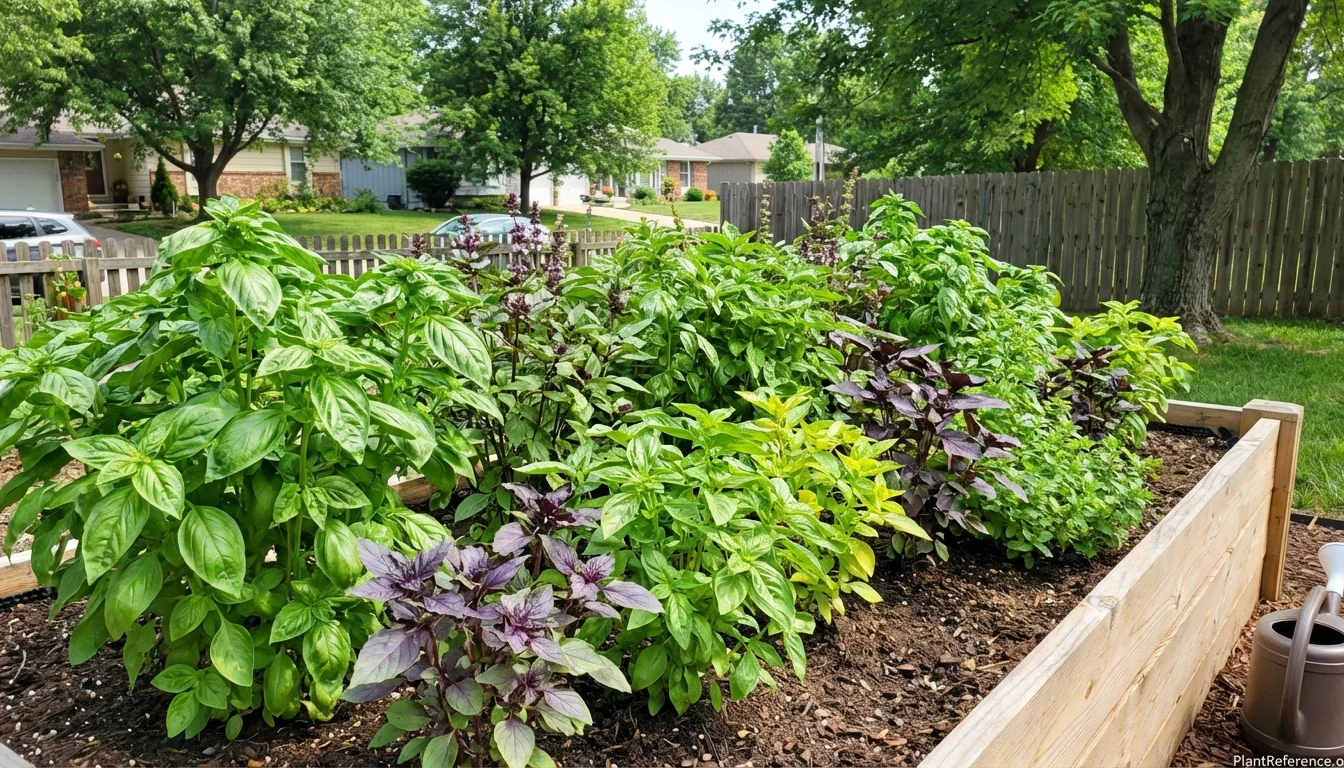
— Image © Plant Reference 2026
Kansas City summers don't just get hot—they get hot and stay hot, with the kind of sustained 95°F+ heat that makes basil bolt faster than you'd expect from a Zone 6a city. The 193-day growing season from April 15 through October 25 gives you plenty of time, but the challenge is keeping basil in leaf production mode rather than flower production mode through July and August when our humidity and heat combine to trigger aggressive bolting. The approach that works is multi-pronged: choose bolt-resistant varieties, pinch relentlessly, and succession plant every three weeks so fresh plants replace those that decide to flower despite your best efforts. Kansas City also sits in severe thunderstorm territory—our spring and summer storms can produce hail, straight-line winds, and 2-3 inch downpours in an hour. Position basil where it gets protection from the worst weather, and you'll harvest from late May through the long KC fall that extends into late October. When to Plant Tomatoes in Kansas City: Complete Guide + Best Varieties for Zone 6a
Best Basil Varieties for Kansas City's Climate
Kansas City sits in USDA Zone 6a with an April 15 last frost and October 25 first frost—193 growing days. The Central Plains climate provides hot, often humid summers with significant thunderstorm activity. Basil variety selection should emphasize bolt resistance for our sustained summer heat, productivity through the long growing season, and the resilience to recover from storm damage.
Variety | Type | Days to Harvest | Cold Tolerance | Best For |
|---|---|---|---|---|
Sweet | 60-70 days | Low (below 50°F damage) | Pesto, Italian cooking, kitchen essential | |
Ocimum basilicum var. thyrsiflora | Thai | 60 days | Moderate | Stir-fry, bolt-resistant, heat-tolerant |
Lemon | 55 days | Low | Teas, fish, fast harvest | |
Purple | 65-70 days | Low | Garnish, vinegars, ornamental | |
Holy (Tulsi) | 60 days | Low-Moderate | Tea, medicinal, storm-resilient |
🌿Ocimum basilicum 'Genovese' is the variety that Kansas City's Italian-heritage community and the growing local food movement center around. Large, cupped leaves with the sweet, clove-and-anise flavor that defines pesto and Italian cooking. One plant produces 2-3 cups of packed leaves per week during peak summer. The challenge in KC is that Genovese bolts aggressively once our sustained 95°F+ heat arrives in July—consistent pinching and succession planting are essential to maintain production through the hottest months.
Ocimum basilicum var. thyrsiflora (Thai basil) is my top recommendation for Kansas City gardeners who struggle with bolting. Its Southeast Asian tropical genetics handle our sustained summer heat better than Genovese—it bolts later and recovers from heat stress faster. The anise-licorice flavor has a strong following in KC's diverse food scene. Thai basil is also sturdier than Genovese, handling wind and storm damage better because its stems are woodier and more resilient at the base.
🌿Ocimum × citriodorum (Lemon basil) matures fastest at 55 days—valuable for early harvest and quick succession replacements when older plants bolt. Bright citrus flavor works in teas, cocktails, fish, and light summer dishes. It bolts faster than other varieties in KC heat, so plan for multiple successions every 3 weeks.
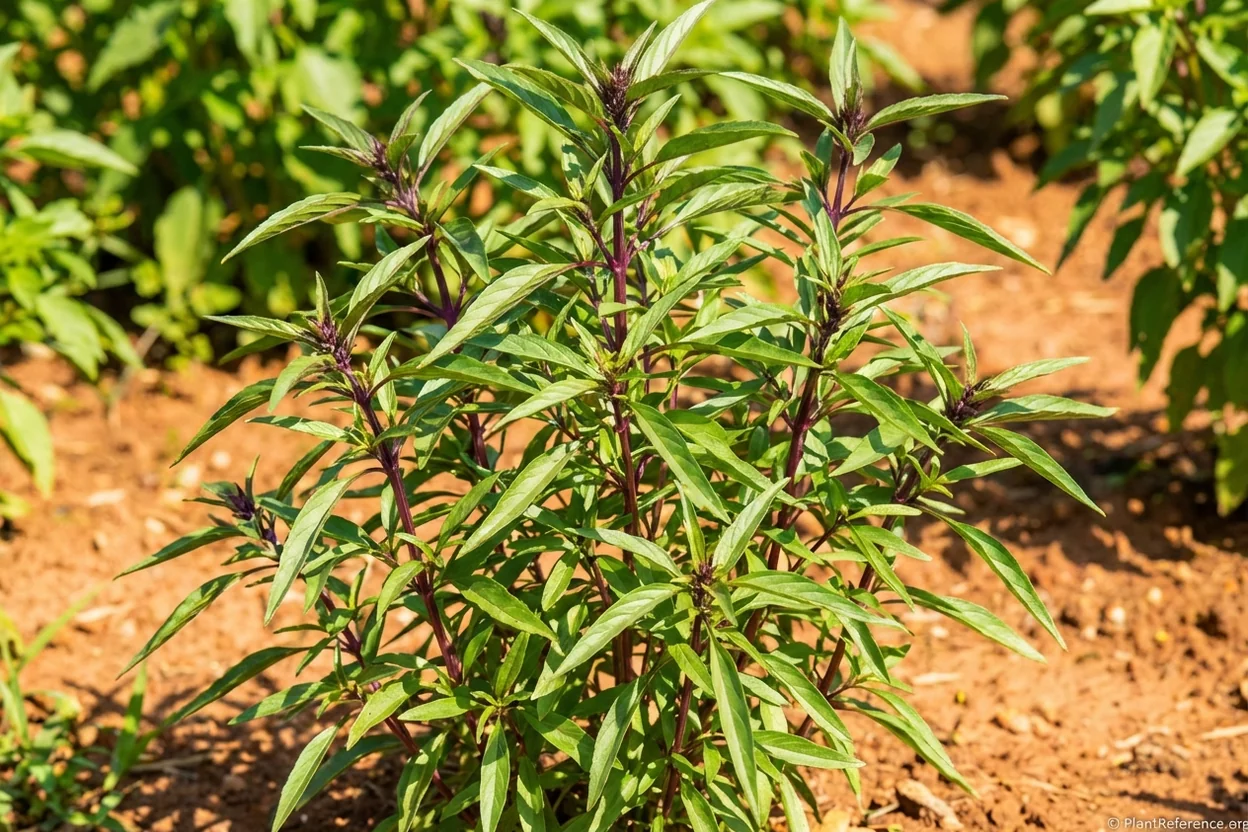
🌿Ocimum tenuiflorum (Holy Basil/Tulsi) is slightly more cold-tolerant than Genovese and recovers from stress events (storms, brief cold snaps) better than other basil varieties. The strongly clove-scented leaves make excellent tea and have a dedicated following among Kansas City's wellness-oriented gardeners. Its woody stem structure handles Kansas City wind better than soft-stemmed Genovese.
🌿Ocimum basilicum 'Purple Ruffles' adds dramatic color but grows more slowly. In KC's 193-day season, there's ample time for the 65-70 day maturity, but it bolts as aggressively as Genovese in summer heat. Grow as an accent alongside more productive varieties. When to Plant Peppers in Kansas City: Complete Guide + Best Varieties for Zone 6a
Specific Planting Dates for Kansas City Gardens
Kansas City's April 15 last frost and October 25 first frost provide a generous 193-day season. Basil needs warmer conditions than the frost date implies—soil at 65°F (18°C) and nights above 50°F (10°C). In most KC neighborhoods, that's early May.
Indoor Seed Starting: April 1-8 (4-5 weeks before transplanting). Start at 70-75°F (21-24°C) for 5-7 day germination. Press seeds onto soil surface—basil needs light to germinate. South-facing windows in Kansas City homes provide good spring light.
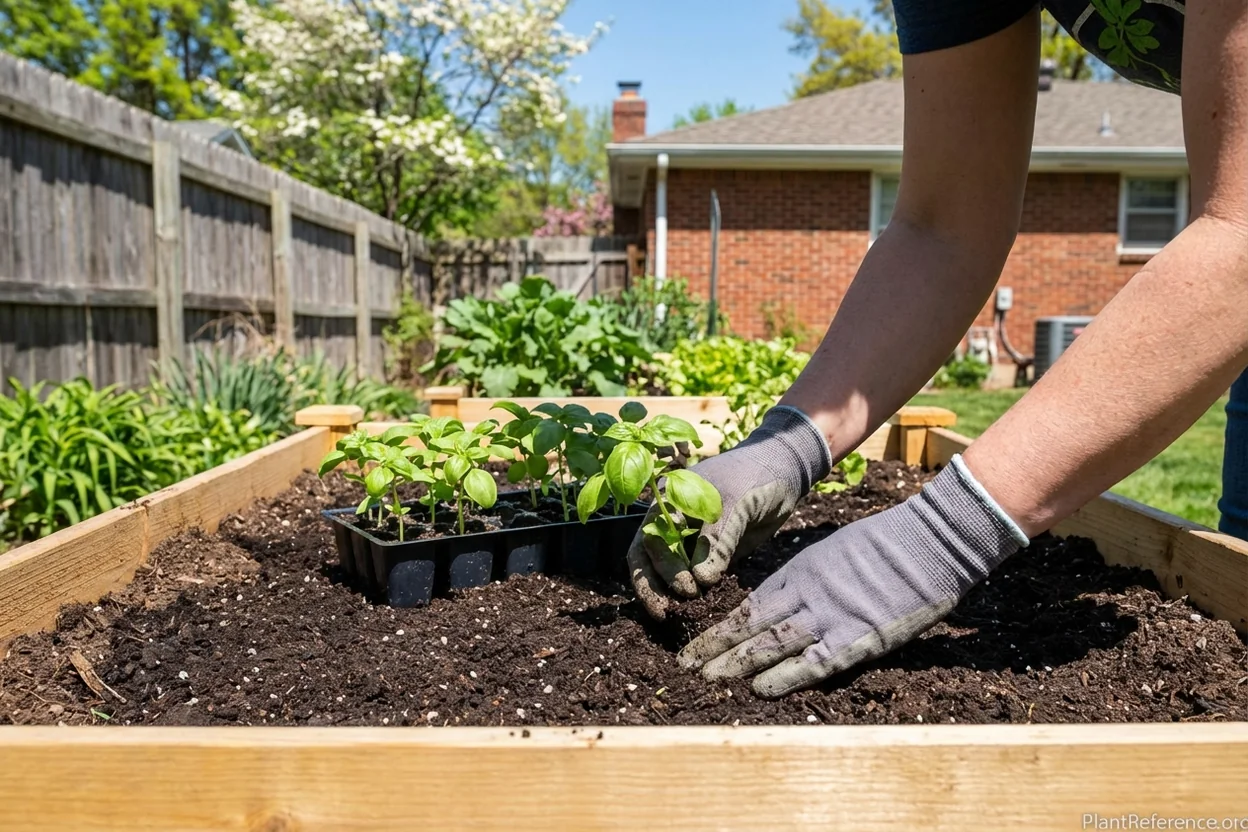
Transplant Outdoors: May 1-10 (two weeks after last frost). KC springs warm rapidly once the jet stream shifts north, but late cold fronts can still drop temperatures into the 30s through late April. Harden off 5-7 days. Keep row covers available through the first week of May for insurance.
Direct Sow: May 5-June 15. Kansas City soil warms to 65°F by early May. Our warm, moist spring soil germinates basil in 5-7 days. Direct sowing works well here because KC's late spring conditions are ideal for basil germination.
Succession Plantings: Every 3 weeks from May through mid-July. Kansas City's 193-day season supports 4-5 basil successions—a major advantage over shorter-season cities. Succession planting is the primary strategy for maintaining continuous production through KC's bolting-prone summer heat.
Final Sowing Deadline: July 15. A 55-day 🌿Ocimum × citriodorum sown July 15 matures by early September with nearly two months of harvest before the October 25 frost. KC's long fall—warm days with cool nights through October—produces some of the best basil of the year because moderate temperatures reduce bolting pressure. Raised Bed Vegetable Garden Layout: Planning for Maximum Production
Complete Growing Guide for Kansas City
Soil and Planting
Kansas City sits on a mix of loam and clay soils—generally decent garden soil when amended with compost. Work 2-3 inches (5-8 cm) of compost into the top 8 inches (20 cm). Target pH 6.0-7.0—most KC soils test slightly acidic to neutral, which basil handles well. Get a soil test through the K-State Research and Extension for under $15 before amending.
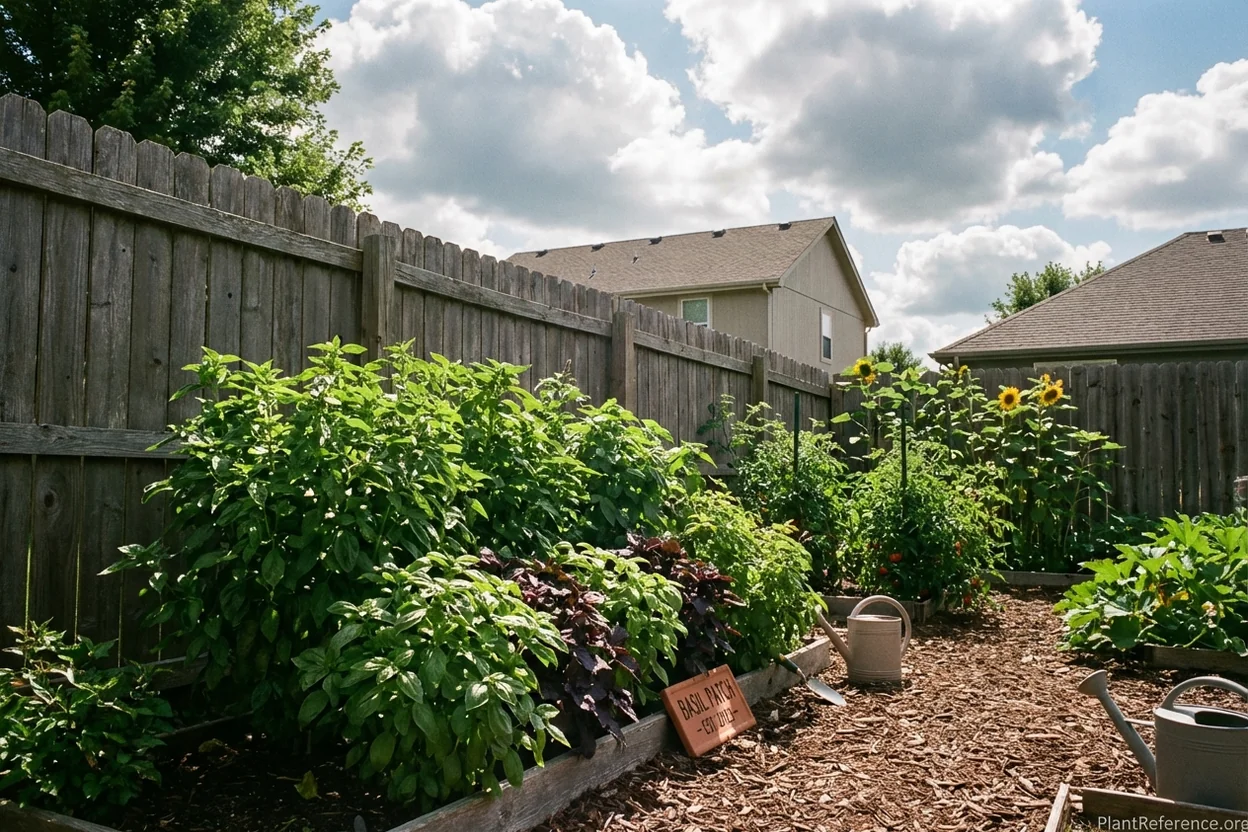
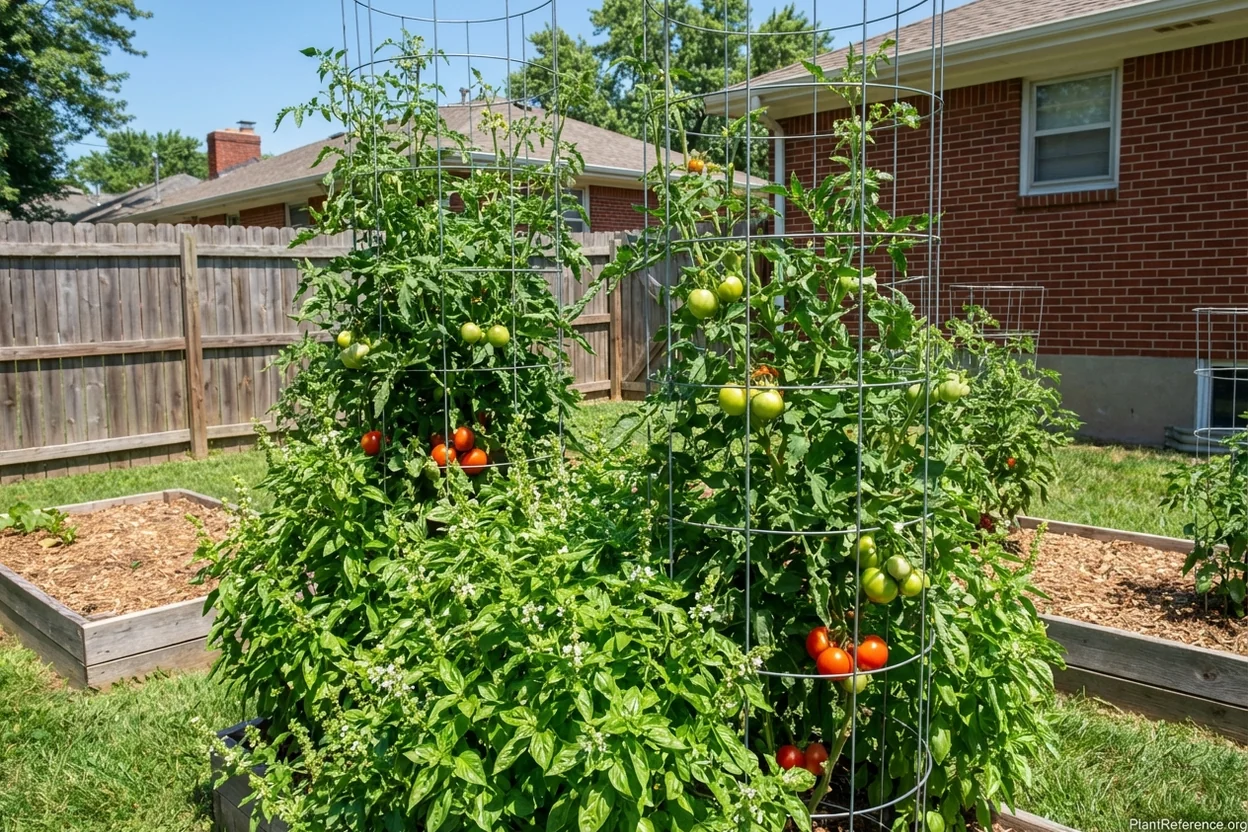
Raised beds work well for basil in KC, providing the drainage that prevents waterlogging after our heavy thunderstorm rains. A 4x8 bed supports 8-10 basil plants alongside tomatoes and peppers for a complete and productive summer herb and vegetable garden. How to Build a Raised Garden Bed: Step-by-Step Construction Guide
Storm Protection and Placement
Kansas City's spring and summer thunderstorms can be severe—straight-line winds, hail, and intense downpours damage basil's tender leaves. Position basil on the lee side of buildings, fences, or hedges that break the prevailing southwest wind. Don't plant in completely exposed locations where 60+ mph storm gusts shred foliage. Containers can be moved to sheltered spots when severe weather threatens—a significant advantage during KC's unpredictable storm season (April through September).
After storms, inspect for hail damage and broken stems. Remove damaged leaves to prevent disease entry through wounds. Basil recovers from moderate storm damage within 1-2 weeks if the main stems are intact. 5 Best Drip Irrigation Kits for Raised Beds (Tested for Easy Installation)
Watering
Basil needs 1 inch (2.5 cm) per week. Kansas City gets about 38 inches (97 cm) of annual rainfall, but delivery is wildly inconsistent—a 3-inch thunderstorm followed by a dry, hot week is typical. Consistent moisture matters more than total volume. Water at the base to keep foliage dry, which is important in KC's humid summer air. Mulch 2 inches (5 cm) to retain moisture between the feast-or-famine rainfall pattern.
Pinching and Bolt Management
The critical practice in Kansas City where summer heat triggers aggressive bolting. Begin pinching when plants reach 3-4 sets of true leaves. During KC's 95°F+ July and August, check plants twice weekly and remove every developing flower spike by cutting just above a leaf pair. Ocimum basilicum var. thyrsiflora (Thai basil) needs less pinching than Genovese because it bolts later in heat. Succession planting provides fresh, productive plants to replace those that bolt despite pinching—in KC's hot summers, this is insurance you'll need. When to Plant Squash in Kansas City: Complete Guide + Best Varieties for Zone 6a
Feeding
Fish emulsion every 2-3 weeks provides balanced nutrition without heavy nitrogen that dilutes flavor. KC's clay-loam soils hold nutrients well, so feeding requirements are moderate. Container basil needs more frequent feeding because potting mix leaches faster than garden soil.
Afternoon Shade for Summer
Kansas City's sustained 95-100°F heat from July through August stresses basil and triggers bolting. Light afternoon shade from taller plants (tomatoes, peppers, or sunflowers) or a building's east side reduces heat stress and extends production by 1-2 weeks. This isn't as dramatic as shade cloth in desert cities, but it makes a measurable difference in KC's particular brand of humid heat. When to Plant Kale in Kansas City: Complete Guide + Best Varieties for Zone 6a
Troubleshooting Kansas City-Specific Problems
Heat-Induced Bolting
KC's sustained 95-100°F summer heat triggers more aggressive bolting than most gardeners expect from a Zone 6a city. Genovese basil can shift from productive to flowering in less than a week during peak July heat. Prevention: pinch twice weekly, succession plant every 3 weeks, use Ocimum basilicum var. thyrsiflora (Thai basil) for its superior bolt resistance, and provide light afternoon shade. The fall production window (September-October) is often the best basil of the year because moderate temperatures reduce bolting pressure dramatically. Raised Bed Too Hot in Summer: Protecting Plants from Heat Stress
Severe Thunderstorm Damage
KC's spring and summer storms produce hail, straight-line winds, and flooding rains that can destroy basil plantings in minutes. Prevention: position behind windbreaks, use containers that can be moved to shelter, and maintain succession plantings as insurance against total loss. After hail events, cut damaged stems back to healthy growth—basil regrows from the base if roots are intact. Succession plantings ensure you always have backup plants if a storm takes out your primary planting.
Cold Snaps in Late Spring
Kansas City's spring weather is volatile—70°F one day, 35°F the next. Basil blackens below 50°F. Keep row covers available through mid-May. Container gardeners can bring plants inside when forecasts show cold. The investment in row covers pays for itself by preventing the replacement costs of cold-damaged transplants. Raised Bed Pest Problems: Identification and Organic Control Methods
Japanese Beetles and Aphids
Japanese beetles are active from late June through August in KC. Hand-pick into soapy water in early morning. Neem oil every 7-10 days deters both beetles and aphids. Inspect leaf undersides weekly for aphid colonies. In KC's humid summer, aphid populations can build quickly on stressed plants—address them early before infestations establish. Best Soil Mix for Raised Beds: Creating the Perfect Growing Medium
Harvest & Storage
Harvest by cutting stems just above a leaf pair to promote branching. Take no more than one-third of the plant per harvest. During KC's peak summer (July-August), harvest twice weekly to stay ahead of flowering and keep plants in productive leaf mode. Morning harvest before 10 AM captures peak essential oil concentration in the leaves.
A single 🌿Ocimum basilicum 'Genovese' plant produces 2-3 cups of packed leaves weekly during peak production. Four to six plants provide enough basil for daily cooking plus regular pesto batches through the season. Kansas City's long fall—warm days and cool nights through late October—produces outstanding late-season basil because temperatures drop into the ideal 75-85°F range without the bolting pressure of summer.
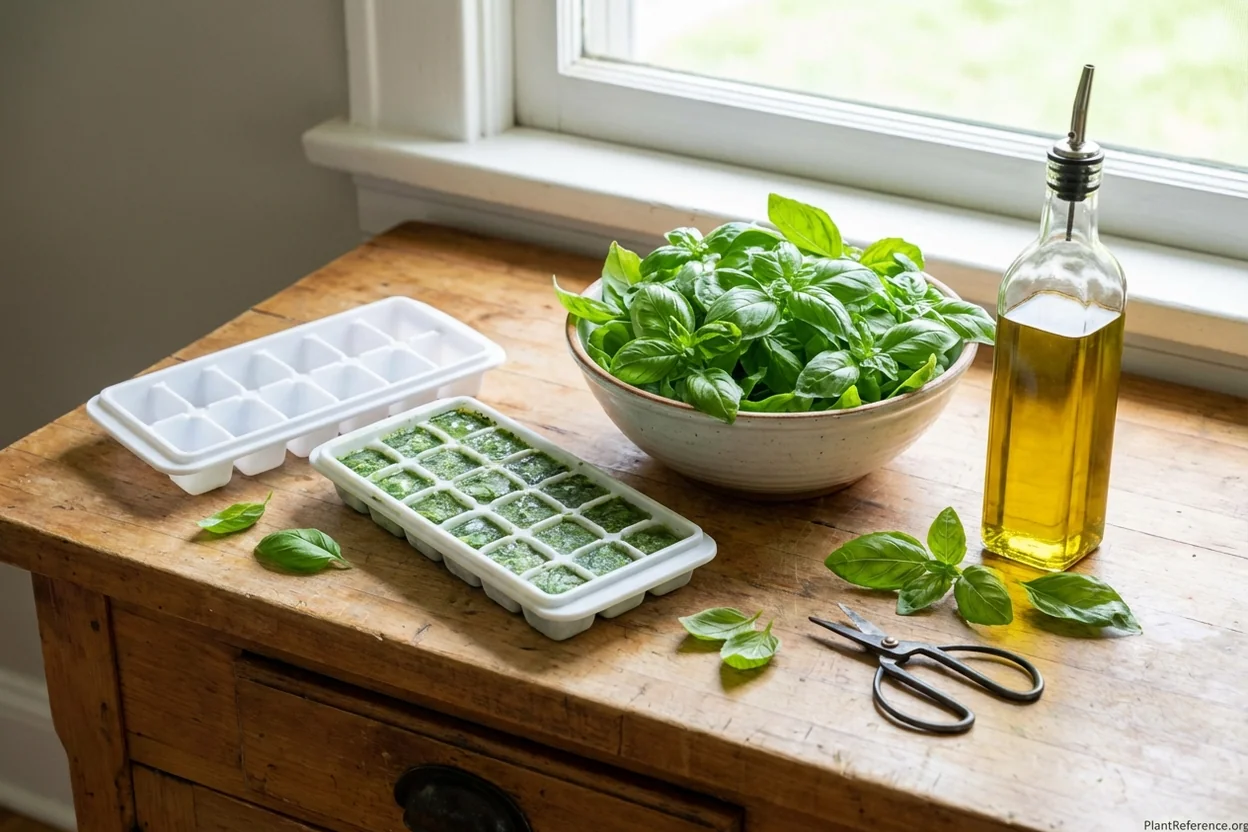
Fresh basil blackens in the refrigerator below 40°F. Store stems in water on the counter for 5-7 days of freshness. For winter, blend leaves with olive oil and freeze in ice cube trays—each cube provides one tablespoon of basil-oil for pesto, sauces, and soups through winter. Process your entire remaining harvest before the October 25 frost. KC's BBQ culture may define the city's national food identity, but homegrown pesto from frozen basil cubes deserves a prominent place at the Kansas City table too. The Complete Guide to Raised Bed Gardening for Beginners (2025)
Frequently Asked Questions
Reading about plants and recognising them are different skills. These three build the second.
- Daily PlantIdentify the day’s mystery plant from a close-up photograph.
- Keyed OutWork a dichotomous key, lead by lead, to name a hidden specimen.
- Name That PlantName a specimen from botanical clues dealt hardest first.
Free to play, no account needed
Bill is a third-generation nurseryman who runs a small family garden center on the outskirts of Kansas City. His grandfather started the business in the 1960s, and Bill took over after working as an ag teacher for a decade. He knows the plants that work in the Kansas City area better than anyone—he's grown most of them himself and watched customers succeed or fail with the rest. Bill specializes in trees and shrubs for the Midwest, perennial borders that handle the region's hot summers and cold winters, and helping customers make sensible choices rather than impulse buys. He writes the way he talks to customers: patient, knowledgeable, and honest about what's worth the money and what isn't.