Ocimum, Genus, tenuiflorum, Species,
- Genus & species
holy basil
Indian subcontinent (India, Myanmar, Southeast Asia); cultivated for over 3,000 years; sacred plant in Hindu tradition (tulsi); central to Ayurvedic medicine
SunFull Sun – Part Shade
WaterMedium
Overview
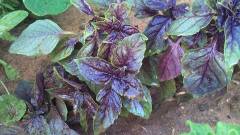
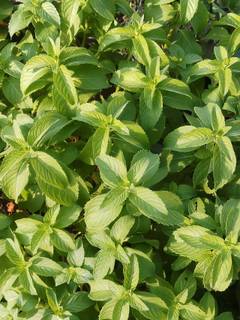
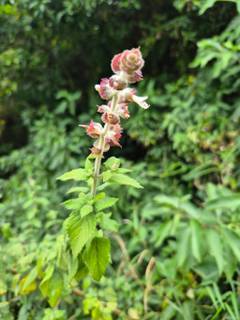
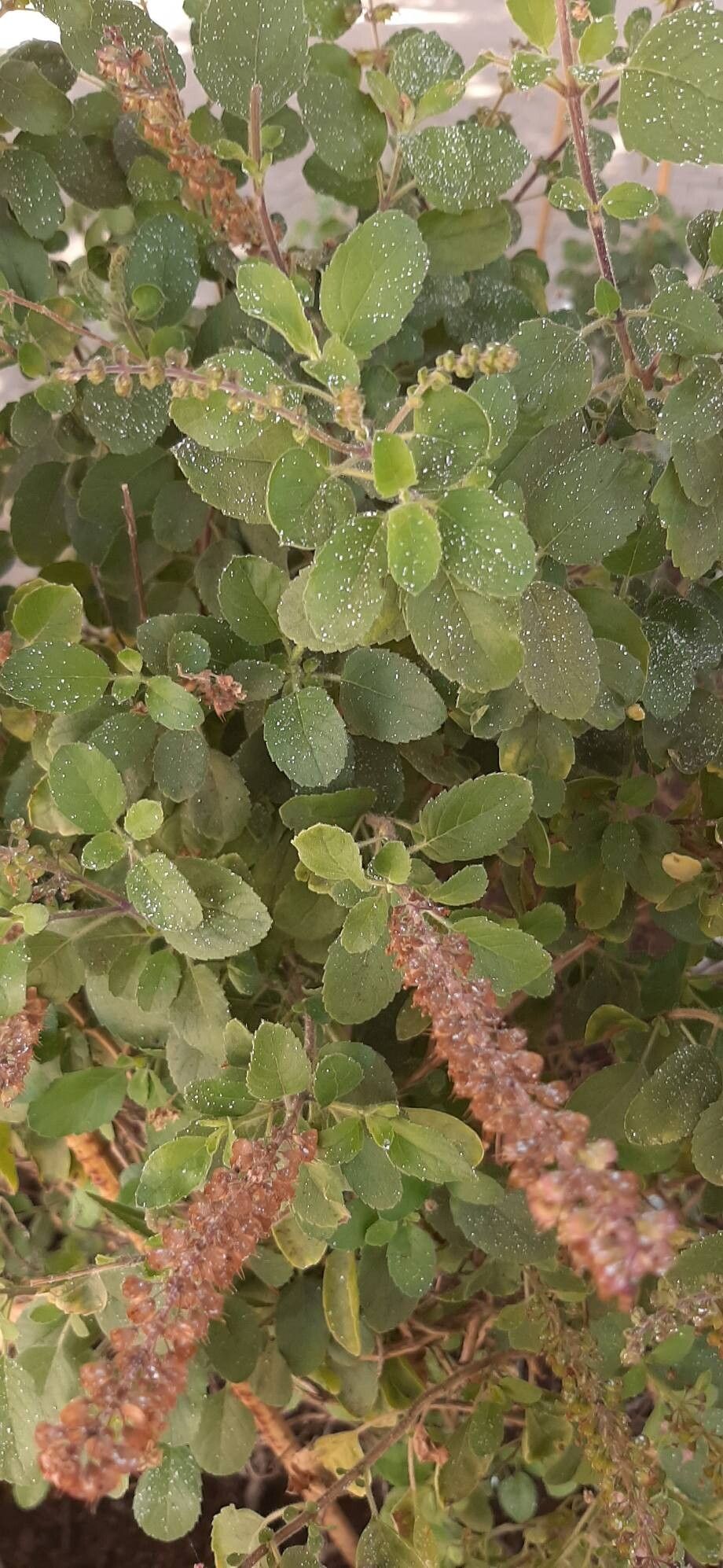
Ocimum tenuiflorum (also widely known as tulsi) is an aromatic herb in the mint family (Lamiaceae) reaching 12-36 inches (30-90 cm) tall with a 12-18 inch (30-45 cm) spread, typically grown as an annual in temperate climates and as a tender perennial in the tropics. The plant carries the spiritual and medicinal significance central to Hindu traditional culture and Ayurvedic medicine. Stems are square in cross-section, characteristic of the mint family, and branch repeatedly to give a bushy, well-rounded form. Leaves are arranged oppositely along the stems, ovate to elliptical, 1-2 inches (2.5-5 cm) long, with serrated margins and a clove-like fragrance that intensifies when crushed. Foliage often carries a purplish tinge along the veins and stems, particularly in the purple-leaved (Krishna) selections. Small tubular flowers about 0.25 inch (6 mm) long are arranged in terminal spikes or racemes in shades of white, pink, or purple, with the two-lipped corolla typical of Lamiaceae. The clove-like aroma is stronger and the leaf margins more deeply serrated than in sweet basil (O. basilicum), and flower spikes are smaller and more numerous and continue blooming through the season.
Native Range
Ocimum tenuiflorum is native to the Indian subcontinent, where the species grows naturally throughout India, Myanmar, and other parts of Southeast Asia. The species has been cultivated for over 3,000 years and grows in tropical and subtropical climates with warm temperatures and adequate moisture.Suggested Uses
Grown in herb gardens, containers, and as an aromatic border plant. The species suits tea gardens, meditation spaces, and traditional medicinal herb collections. Dried leaves are used as an herbal tea (the source of the global tulsi tea trade), and fresh leaves are used in cooking and traditional preparations. The species is the subject of extensive ethnobotanical research and is grown in temple gardens across India for ceremonial use.How to Identify
Appearance
Size & Dimensions
Height1' - 3'
Width/Spread1' - 1'6"
Bloom Information
Summer through fall: small tubular flowers in shades of white, pink, or purple are arranged in terminal spikes or racemes. Pollinated by bees and other insects. In leaf-crop production, flower spikes are pinched as they appear, since flowering reduces leaf flavor; flowers are allowed to mature when seeds are saved for the next season.
Detailed Descriptions
Flower Description
White to pink to purple small tubular flowers in terminal spikesFoliage Description
Green with purple tinges along veins and stems; ovate to elliptical with deeply serrated marginsGrowing Conditions
Sun Requirements
• Full Sun: 6+ hours of direct sunlight
• Partial Shade: 3-6 hours of direct sunlight
• Full Shade: Less than 3 hours of direct sunlight
Care & Maintenance
Care Guide
Warm temperatures are required: outdoor planting waits until soil temperatures stay above 60°F (16°C). Regular watering maintains consistent soil moisture, with good drainage to prevent root rot. A balanced fertilizer applied every 4-6 weeks during the growing season supports vigorous growth. Pinching flower buds regularly encourages bushy growth and continued leaf production. Flowers can be allowed to mature when seeds are wanted for next season's planting. The species is widely grown in containers and indoor settings under bright lights or on sunny windowsills, and is consumed as a culinary herb and as an herbal tea, with no significant toxicity reported in pets at culinary quantities.Pruning
Pinching growing tips and flower buds regularly maintains bushy growth and prevents the plant from becoming leggy. Flower spikes are removed as they appear to support continued leaf production unless seeds are wanted. Leaves are harvested by cutting stems just above a pair of leaves, which signals the plant to branch and produce new growth.Container Growing
Suitable for container growing