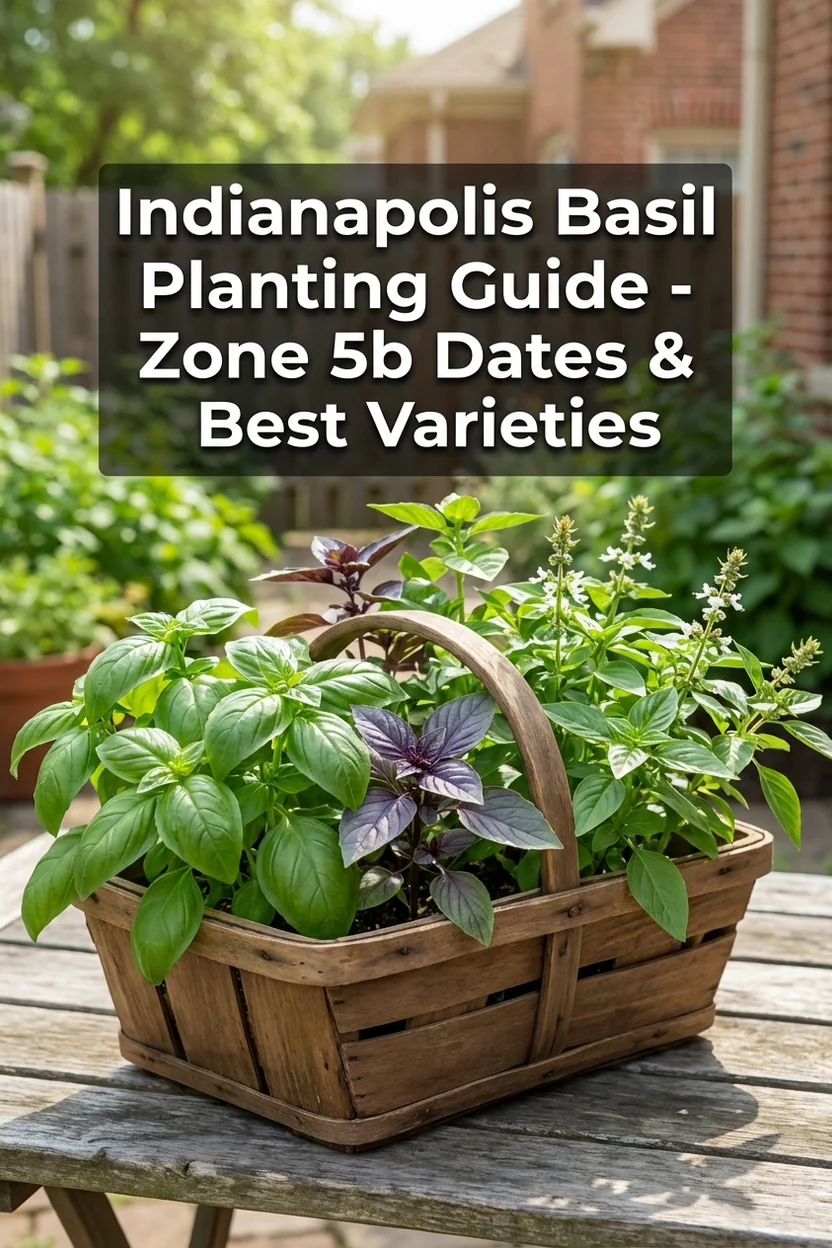
When to Plant Basil in Indianapolis: Complete Guide + Best Varieties for Zone 5b
Pets & Toxicity
Recorded toxicity for plants linked in this guide. An unknown status is not a safety assessment.
No linked plant is recorded as toxicDetailsHide
Ocimum basilicum 'Purple Ruffles' — Toxicity
Non-toxicView Ocimum basilicum 'Purple Ruffles' plant profile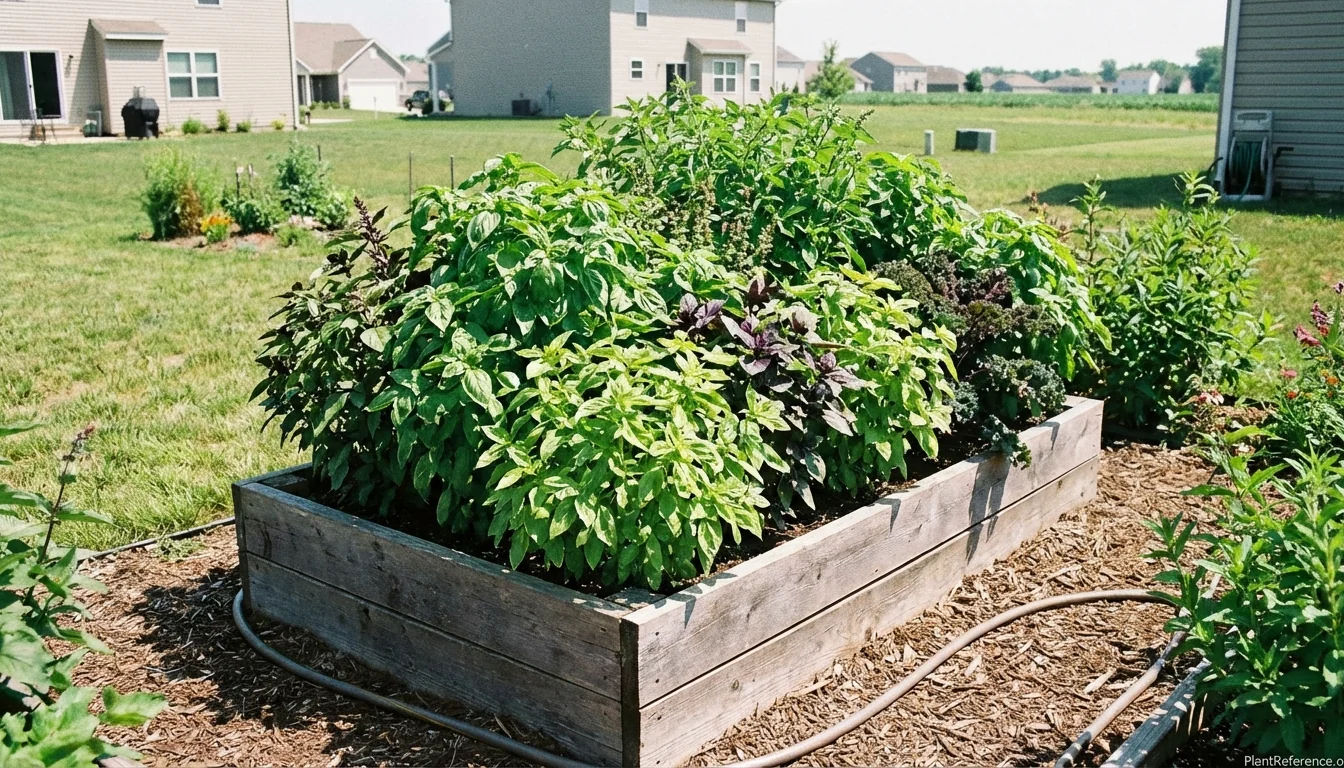
— Image © Plant Reference 2026
Indianapolis gives basil gardeners a Goldilocks season—not as short as Milwaukee, not as brutally hot as Kansas City, with enough warm days to produce heavily and enough cool fall nights to keep quality high through September. The 158-day window from May 5 through October 10 supports three to four productive months of fresh basil from a handful of plants that cost less to grow than a single grocery store clamshell. Central Indiana's climate cooperates well with basil once spring actually commits to being spring—the challenge is our unpredictable May weather, where 80°F days alternate with 40°F nights that would damage basil without protection. Wait for consistently warm nights, start seeds indoors to gain a head start, and you'll be making pesto by late June while the garden centers are still selling transplants. Indianapolis summers deliver the sustained warmth and moderate humidity that basil converts into aromatic leaves, and our fall stays warm enough for production well into October. When to Plant Tomatoes in Indianapolis: Complete Guide + Best Varieties for Zone 5b
Best Basil Varieties for Indianapolis' Climate
Indianapolis sits in USDA Zone 5b with a May 5 last frost and October 10 first frost—158 growing days. Central Indiana summers are warm and moderately humid—ideal basil weather from mid-June through September. Variety selection should balance productivity, bolt resistance for our warm July and August, and disease awareness because Basil Downy Mildew (Peronospora belbahrii) has reached the Indiana region.
Variety | Type | Days to Harvest | Cold Tolerance | Best For |
|---|---|---|---|---|
Sweet | 60-70 days | Low (below 50°F damage) | Pesto, Italian cooking, primary producer | |
Ocimum basilicum var. thyrsiflora | Thai | 60 days | Moderate | Stir-fry, bolt-resistant, heat-tolerant |
Lemon | 55 days | Low | Teas, fish, fastest maturity | |
Holy (Tulsi) | 60 days | Low-Moderate | Tea, medicinal, slightly hardier | |
Purple | 65-70 days | Low | Garnish, vinegars, ornamental accent |
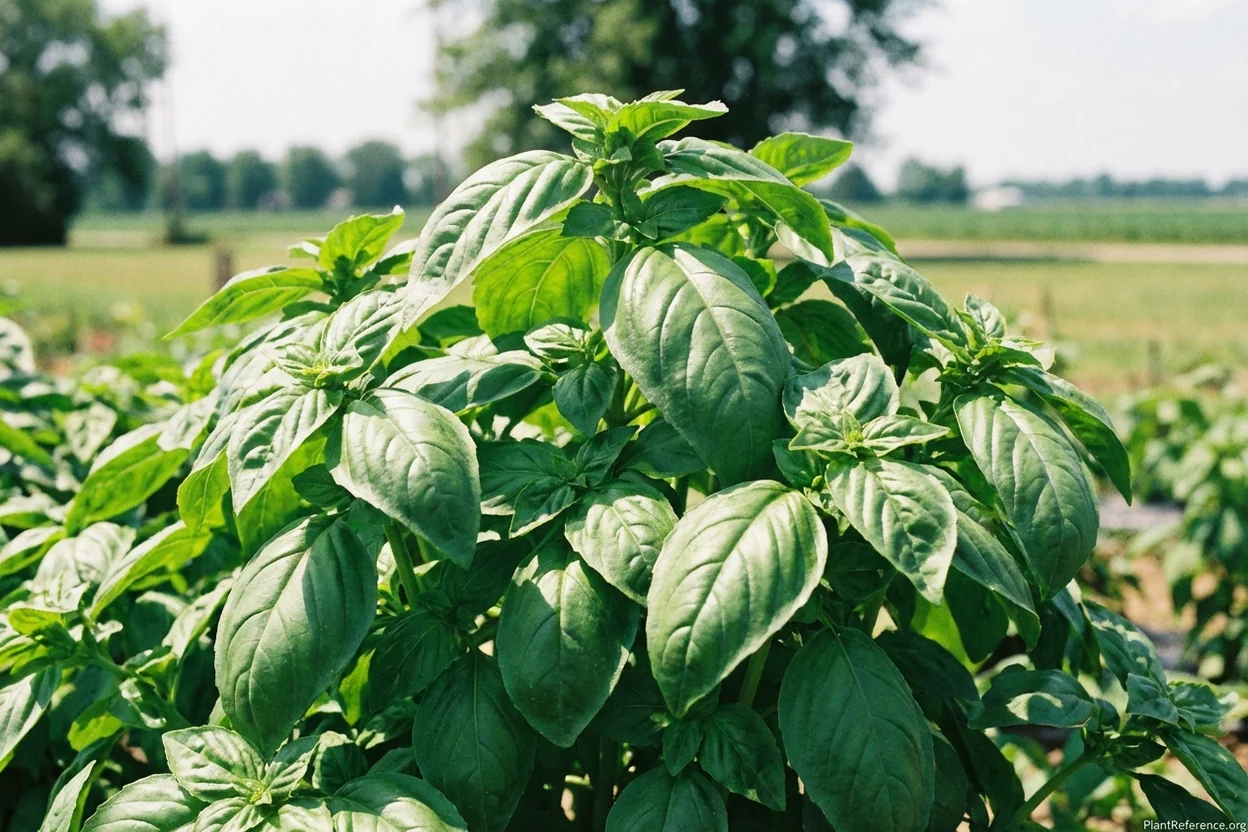
🌿Ocimum basilicum 'Genovese' is the variety most Indianapolis gardeners should grow first. The classic pesto basil—large, cupped, intensely aromatic leaves with the sweet clove flavor that Italian cooking demands. One well-pinched plant produces 2-3 cups of packed leaves per week during July and August. Indianapolis' moderate summer heat (high 80s to low 90s) is actually ideal for Genovese—warm enough for vigorous growth without the extreme bolting pressure that hotter cities experience.
Ocimum basilicum var. thyrsiflora (Thai basil) is the second essential variety for Indianapolis. Its Southeast Asian tropical genetics handle our humid July and August heat better than Genovese, bolting later and recovering from heat stress more quickly. Thai basil also shows more resistance to Basil Downy Mildew, which matters in our moderately humid Midwest climate. The anise-licorice flavor works in the Thai and Vietnamese dishes that Indianapolis' growing international food scene celebrates.
🌿Ocimum × citriodorum (Lemon basil) at 55 days matures fastest—valuable in Indianapolis' 158-day season for early harvests and quick succession replacements. Bright citrus flavor works in tea, fish, and summer salads. It bolts faster than other varieties in heat, so succession plant every 3 weeks for continuous supply.
🌿Ocimum tenuiflorum (Holy Basil/Tulsi) offers slightly more cold tolerance than Genovese—a genuine advantage in Indianapolis' variable May. Strongly clove-scented leaves make excellent herbal tea and have a dedicated following in the city's South Asian community, which brings authentic growing knowledge to Indiana gardens.
🌿Ocimum basilicum 'Purple Ruffles' grows more slowly but adds visual drama. Deep purple leaves make beautiful and eye-catching basil vinegar and striking garnishes. In Indianapolis' 158-day season, the 65-70 day maturity leaves adequate time, but grow alongside faster producers for your primary harvest. When to Plant Peppers in Indianapolis: Complete Guide + Best Varieties for Zone 5b
Specific Planting Dates for Indianapolis Gardens
Indianapolis' May 5 last frost is the earliest possible date, but basil needs warmer conditions—soil at 65°F (18°C) and nights above 50°F (10°C). In most Indianapolis neighborhoods, that means mid to late May.
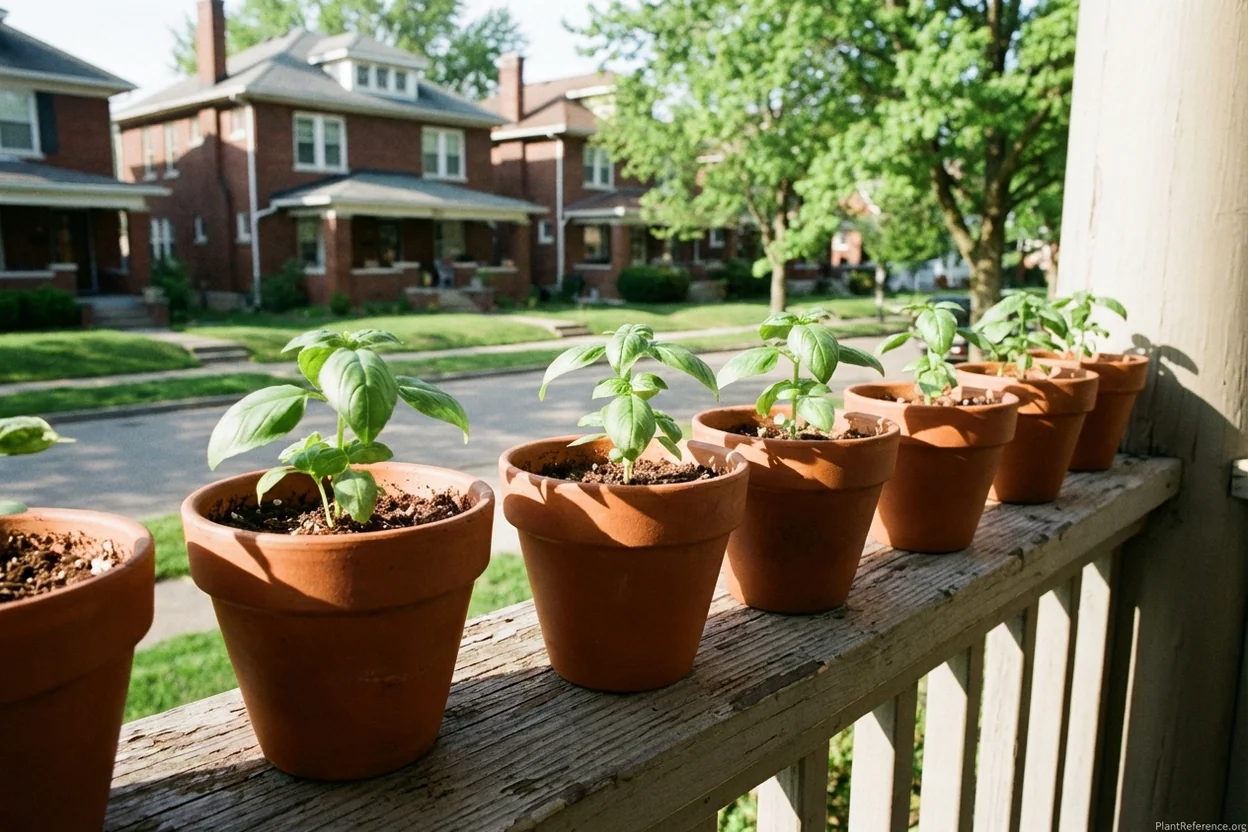
Indoor Seed Starting: April 10-17 (4-6 weeks before transplanting). Start at 70-75°F (21-24°C) for 5-7 day germination. Press seeds onto soil surface—basil needs light to germinate. South-facing windows in Indianapolis homes work well by mid-April.
Transplant Outdoors: May 15-25 (10-20 days after last frost). Indianapolis' May weather swings widely—check extended forecasts before committing transplants. Harden off 5-7 days. Keep row covers available through late May because our continental climate can deliver a surprise 40°F night even after the frost date has passed.
Direct Sow: May 20-June 15. Indianapolis soil reaches 65°F by late May. Direct sowing works but costs 2-3 weeks of production compared to transplants—a significant loss in a 158-day season.
Succession Plantings: Every 3 weeks from May through early July. Indianapolis' season supports 3-4 basil successions. Fresh plantings replace bolting plants and provide insurance against Downy Mildew decline in older plants.
Final Sowing Deadline: July 10. A 55-day 🌿Ocimum × citriodorum sown July 10 matures by early September with five weeks of harvest before the October 10 frost. Sixty-day varieties need to go in by July 5 at the latest. Raised Bed Vegetable Garden Layout: Planning for Maximum Production
Complete Growing Guide for Indianapolis
Soil and Growing Spaces
Indianapolis sits on generally good garden soil—Midwest loam that ranges from sandy loam on the north side to heavier clay south of downtown. Work 2-3 inches (5-8 cm) of compost into the top 8 inches (20 cm). Target pH 6.0-7.0—most Indy soils test in this range naturally. Get a comprehensive soil test through Purdue Extension for under $15 before making amendments.
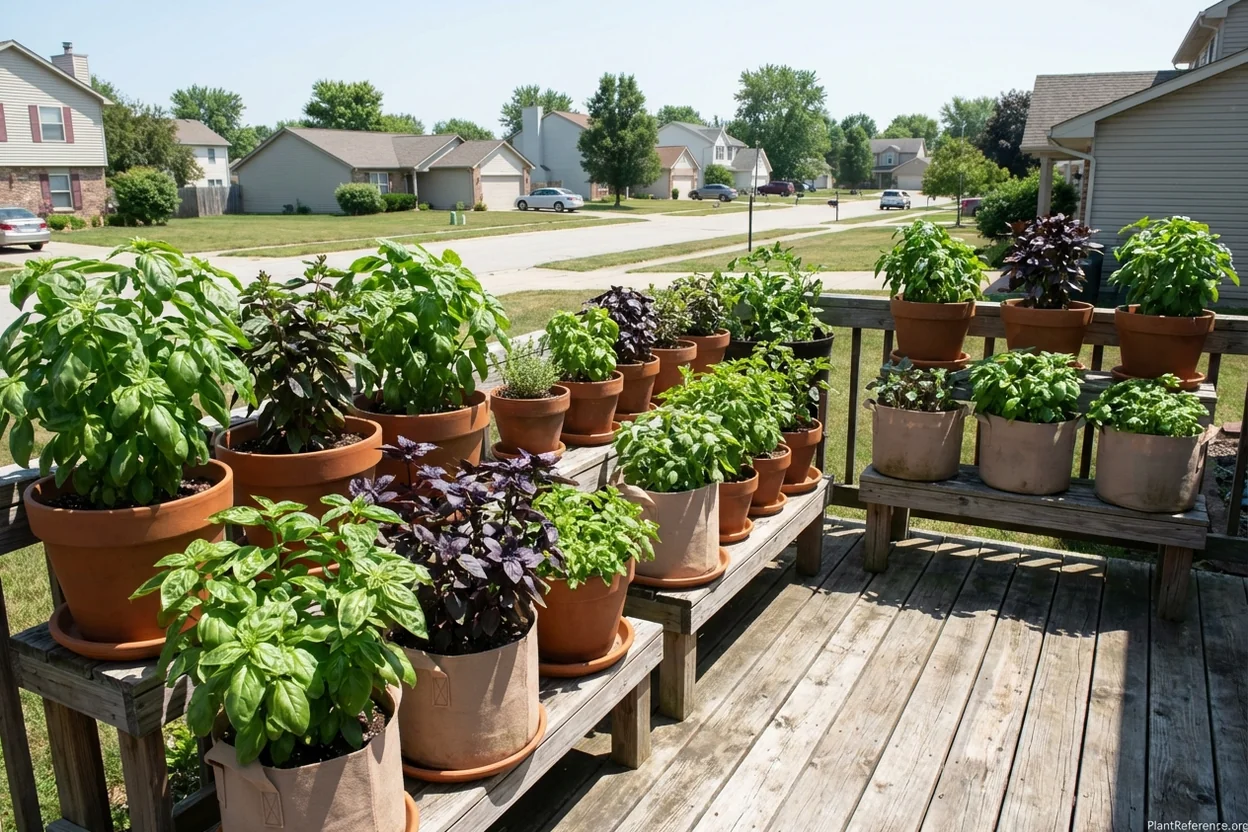
Containers work well for Indianapolis basil—patios, decks, and sunny driveways all support productive plants. A 12-inch (30 cm) pot holds one Genovese plant. Containers provide the mobility to bring plants inside during May cold snaps, which is real insurance in Indiana's variable spring. How to Build a Raised Garden Bed: Step-by-Step Construction Guide
Sun and Placement
Basil needs 6-8 hours of direct sun. Indianapolis' flat terrain means most gardens get adequate sun without the hillside shade complications that cities with more topography face. South-facing locations provide optimal exposure. Buildings and fences on the north side of gardens reflect heat and provide wind protection—both beneficial for basil.
Watering
Basil needs 1 inch (2.5 cm) per week. Indianapolis gets about 42 inches (107 cm) of annual rainfall—generally adequate but delivered inconsistently through summer with heavy thunderstorms followed by dry stretches that can last 7-10 days. Consistent moisture matters more than total volume for basil because the herb's shallow root system (6-8 inches deep) dries out faster than deeper-rooted vegetables during dry periods. Water at the base to keep foliage dry, which matters for Downy Mildew prevention in our moderately humid climate. Morning watering gives foliage time to dry before evening humidity rises. Mulch 2 inches (5 cm) with straw or shredded leaves to moderate soil temperature and retain moisture between Indianapolis' summer thunderstorms and dry stretches. Container basil may need daily watering during peak July heat when potting mix dries rapidly. 5 Best Drip Irrigation Kits for Raised Beds (Tested for Easy Installation)
Pinching for Sustained Production
Pinch flower buds whenever they appear—this is the single most important practice for maximizing basil harvest in Indianapolis. Our warm July and August (85-92°F) trigger bolting, though less aggressively than hotter Southern and Plains cities. Begin pinching when plants reach 3-4 sets of true leaves by cutting just above a leaf pair. This forces branching that doubles or triples the number of harvest points on each plant, transforming a single-stemmed seedling into a bushy producer with 8-12 harvest points by midsummer. Check twice weekly during peak summer and remove developing flower spikes immediately. Consistent pinching extends each plant's productive life by 3-4 weeks compared to unpinched plants. When to Plant Squash in Indianapolis: Complete Guide + Best Varieties for Zone 5b
Feeding
Fish emulsion every 2-3 weeks provides balanced nutrition that maintains flavor intensity. Avoid heavy nitrogen that produces lush growth with diluted essential oils—your basil will look impressive but taste disappointingly mild. Indianapolis' loam soils hold nutrients reasonably well, so moderate feeding is sufficient. Container basil needs more frequent feeding because nutrients wash through potting mix faster.
Companion Planting
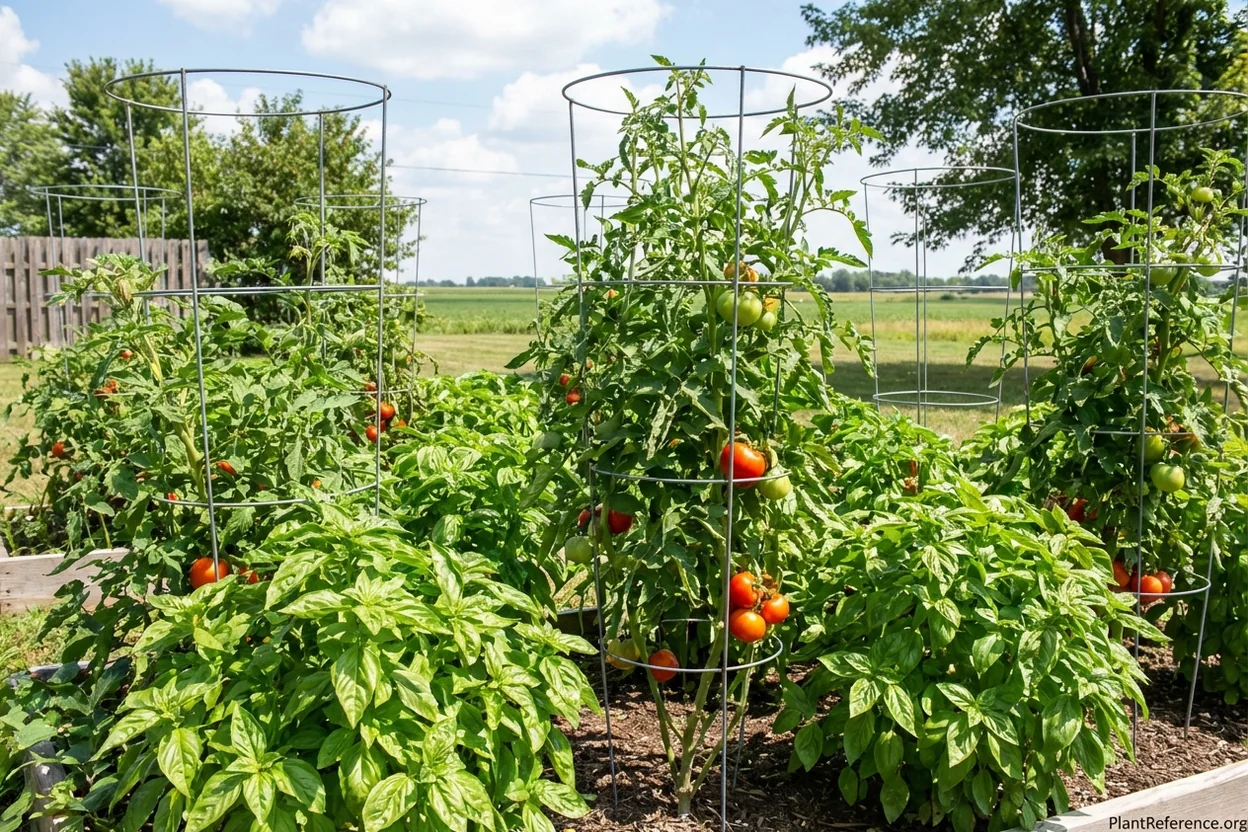
Plant basil at the base of tomato cages—the classic pairing that works as well in Indianapolis gardens as it does in Italian kitchens. Both crops share identical sun, water, and temperature requirements. Basil's aromatic oils may help deter aphids and whiteflies from neighboring plants. Let a few basil plants bloom in September to attract pollinators for late-season squash and pepper production. When to Plant Green Beans in Indianapolis: Complete Guide + Best Varieties for Zone 5b
Troubleshooting Indianapolis-Specific Problems
Variable May Weather
Indianapolis' biggest basil challenge is the swing between warm and cold in May. A 85°F day followed by a 42°F night is normal for central Indiana in early May—and that 42°F damages basil without actually frosting. Prevention: don't transplant until nighttime temperatures consistently stay above 50°F (typically mid to late May), keep row covers available through Memorial Day, and use containers that can be brought inside during unexpected cold. Damaged plants show blackened or water-soaked leaf margins and recover slowly—replacement is faster than waiting. Raised Bed Too Hot in Summer: Protecting Plants from Heat Stress
Basil Downy Mildew (Peronospora belbahrii)
Present in the Indiana region and spreading through the Midwest. Yellow patches on upper leaf surfaces with gray-purple fuzzy growth underneath indicate infection. The pathogen spreads during warm, humid nights—conditions Indianapolis delivers from July through September. Prevention: space plants 12 inches apart for airflow, water at the base only, grow Ocimum basilicum var. thyrsiflora (Thai basil) for its better resistance, and remove infected leaves immediately. Succession planting ensures fresh plants replace those declining to disease. Raised Bed Pest Problems: Identification and Organic Control Methods
Bolting in Summer Heat
Indianapolis' July and August heat (85-92°F) triggers bolting, particularly in 🌿Ocimum × citriodorum (Lemon basil) and older Genovese plants. Consistent pinching is the primary prevention. Succession planting replaces bolting plants with fresh ones. Indianapolis' heat is moderate compared to Southern cities, so well-pinched Genovese plants often maintain production through the entire summer without the aggressive bolting that KC or Nashville gardeners experience.
Japanese Beetles
Active from late June through August in Indianapolis. They skeletonize basil leaves rapidly. Hand-pick into soapy water in early morning when beetles are sluggish. Neem oil every 7-10 days provides some deterrent effect. Monitor closely because Indiana's Japanese beetle populations are well-established and persistent. Best Soil Mix for Raised Beds: Creating the Perfect Growing Medium
Harvest & Storage
Harvest by cutting stems just above a leaf pair to promote branching. Take no more than one-third per harvest. During Indianapolis' peak summer (July-August), harvest twice weekly to stay ahead of flowering and maintain bushy growth. Morning harvest before 10 AM captures peak essential oil concentration—leaves picked in afternoon Indiana heat contain noticeably less aroma.
A single 🌿Ocimum basilicum 'Genovese' plant produces 2-3 cups of packed leaves weekly during peak production. Four to six plants supply a household with daily cooking basil and enough surplus for pesto sessions through the season. Indianapolis' moderate fall extends harvest through early October—you'll still be picking fresh aromatic basil when fall farmers markets shift to apples and pumpkins and the gardening season winds down across Central Indiana.
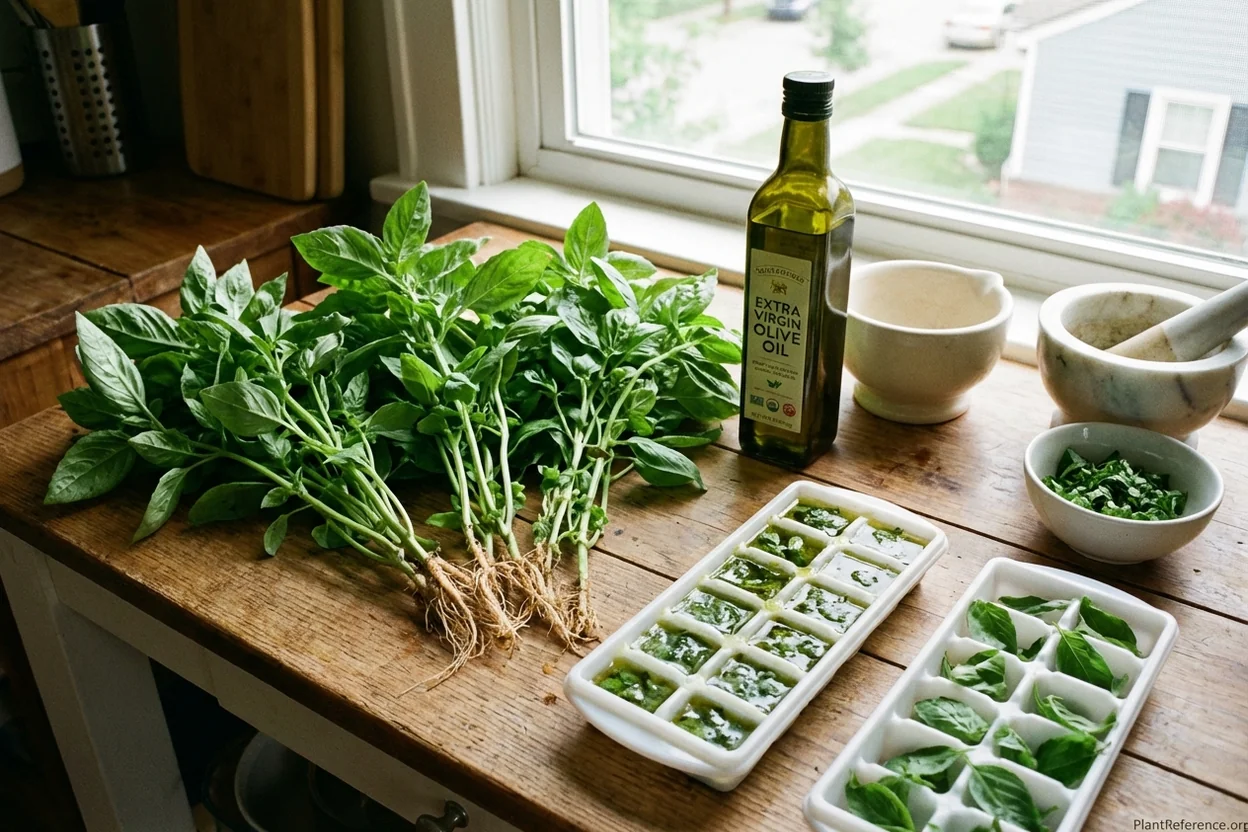
Fresh basil blackens in the refrigerator below 40°F. Store stems in water on the counter for 5-7 days. For winter preservation, blend leaves with olive oil and freeze in ice cube trays—each cube provides one tablespoon of basil-oil for pesto, sauces, and soups through Indianapolis' winter. Process your entire remaining harvest before the October 10 frost. Frozen basil cubes from a $4 seed packet provide five months of rich pesto flavor until next summer's growing season begins—the best return on investment in any Indianapolis herb garden. The Complete Guide to Raised Bed Gardening for Beginners (2025)
Frequently Asked Questions
Reading about plants and recognising them are different skills. These three build the second.
- Daily PlantIdentify the day’s mystery plant from a close-up photograph.
- Keyed OutWork a dichotomous key, lead by lead, to name a hidden specimen.
- Name That PlantName a specimen from botanical clues dealt hardest first.
Free to play, no account needed
Priya is a soil scientist at an agricultural extension office who gardens on a quarter-acre suburban lot in Indianapolis. Her professional work focuses on soil health and nutrient management, which gives her a perspective most gardening writers don't have—she thinks about what's happening underground before worrying about what's happening above it. Priya maintains a large pollinator garden, grows herbs and vegetables, and is slowly converting her conventional lawn to a mix of native grasses and low-growing groundcovers. She writes about soil health, composting, fertilizer use, and building the kind of foundation that makes plants thrive without constant intervention.