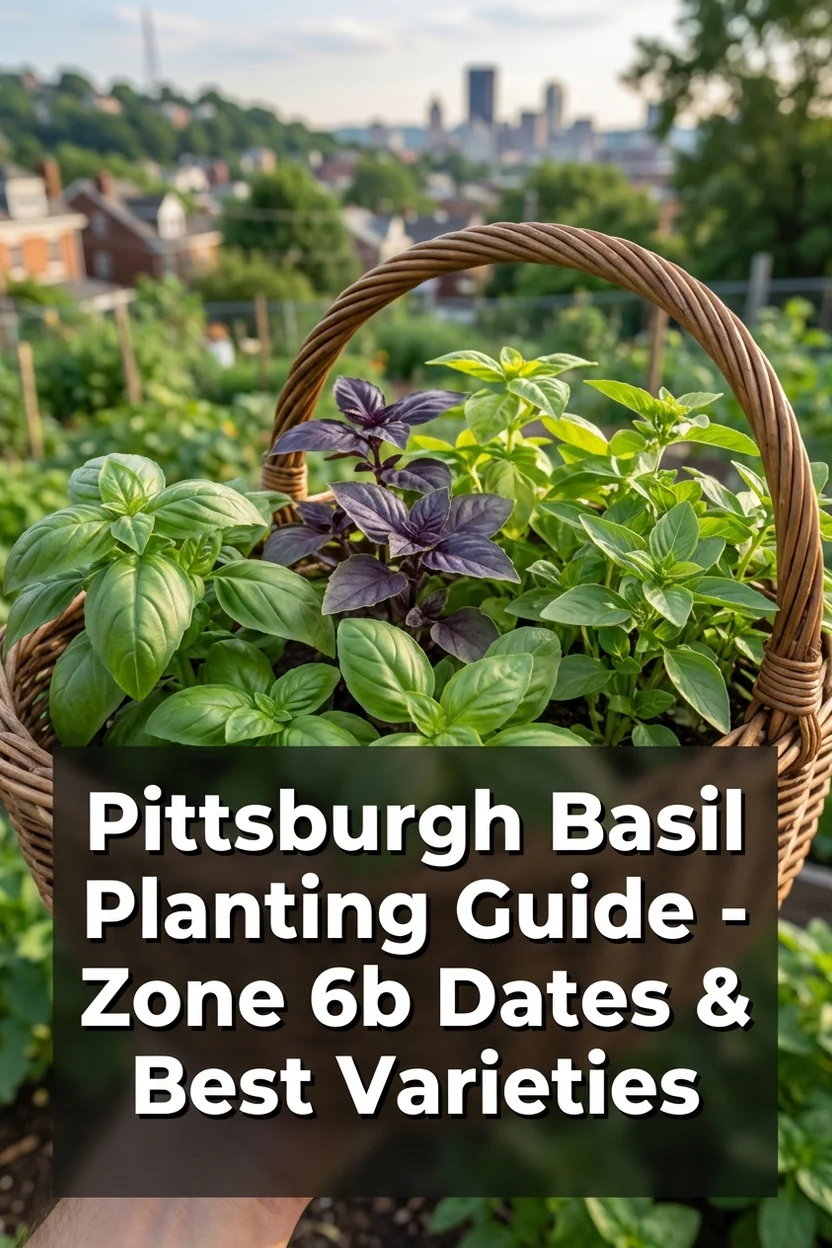
When to Plant Basil in Pittsburgh: Complete Guide + Best Varieties for Zone 6b
Pets & Toxicity
Recorded toxicity for plants linked in this guide. An unknown status is not a safety assessment.
No linked plant is recorded as toxicDetailsHide
Ocimum basilicum 'Purple Ruffles' — Toxicity
Non-toxicView Ocimum basilicum 'Purple Ruffles' plant profile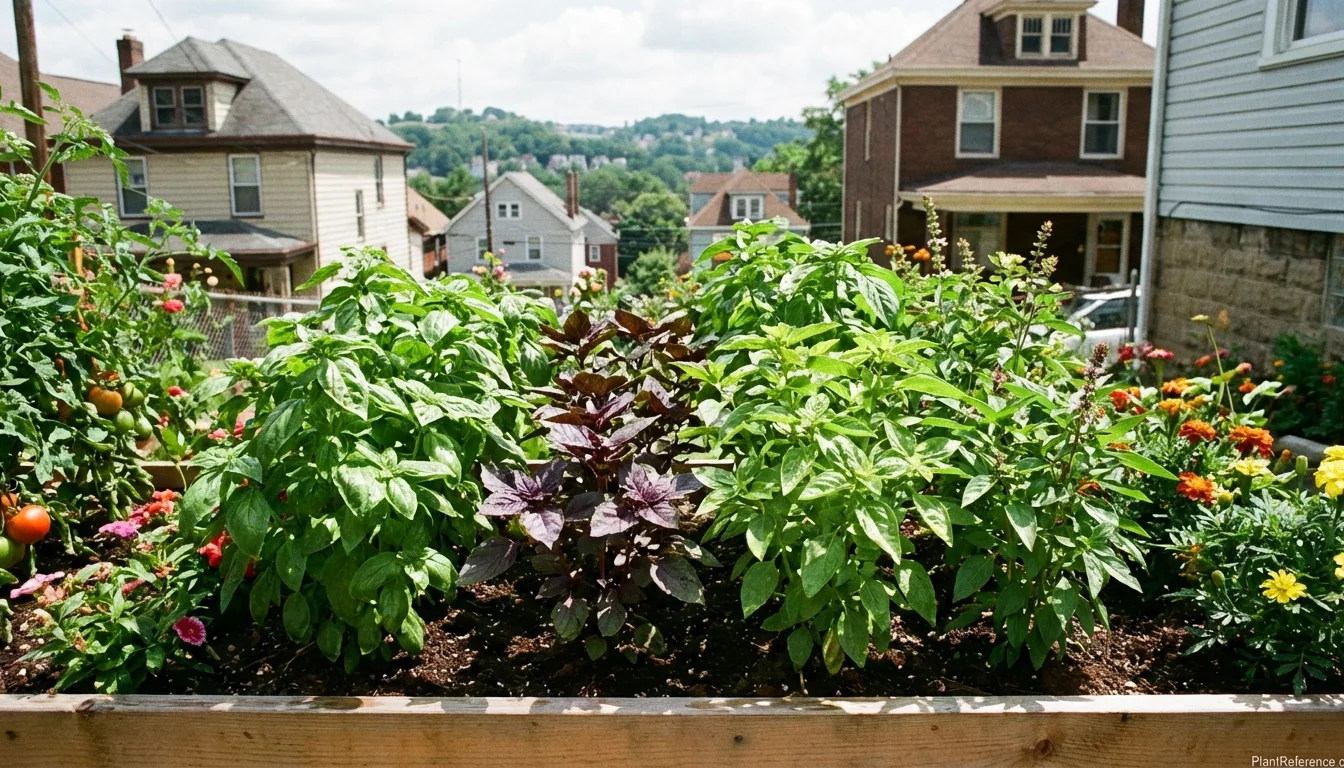
— Image © Plant Reference 2026
Pittsburgh's gardening calendar is a study in patience. The river valleys and steep hills create microclimates that can vary 10°F between neighborhoods—hilltop gardens in Mount Washington experience different conditions than valley plots near the Monongahela. For basil, this matters more than for most crops because basil is the most cold-sensitive herb most people grow. It doesn't just die in frost; it suffers tissue damage below 50°F (10°C) that looks like disease but is actually cellular breakdown from cold. In Pittsburgh's unpredictable spring, where a 75°F day can be followed by a 40°F night, knowing your specific microclimate determines whether your basil thrives or turns black overnight. The good news is that once our summer settles in (usually by mid-June), Pittsburgh delivers exactly the warm, moderately humid conditions that basil loves. Our 178-day season isn't the longest, but it's plenty for four months of fresh basil production from a crop that rewards you far beyond its modest space requirements. When to Plant Tomatoes in Pittsburgh: Complete Guide + Best Varieties for Zone 6b
Best Basil Varieties for Pittsburgh's Climate
Pittsburgh sits in USDA Zone 6b with an April 25 last frost and October 20 first frost—178 growing days. The Western Pennsylvania climate combines moderate summers with significant spring variability. Basil variety selection should emphasize cold tolerance for our late spring, bolt resistance for productive summer harvests, and disease resistance because our humid river valley air promotes Downy Mildew during warm, wet periods.
Variety | Type | Days to Harvest | Cold Tolerance | Best For |
|---|---|---|---|---|
Sweet | 60-70 days | Low (below 50°F damage) | Pesto, Italian cooking, primary producer | |
Ocimum basilicum var. thyrsiflora | Thai | 60 days | Moderate | Stir-fry, Southeast Asian, Downy Mildew resistance |
Lemon | 55 days | Low | Teas, fish, fast maturity for shorter season | |
Purple | 65-70 days | Low | Garnish, vinegars, visual interest | |
Holy (Tulsi) | 60 days | Low-Moderate | Tea, medicinal, slightly hardier |
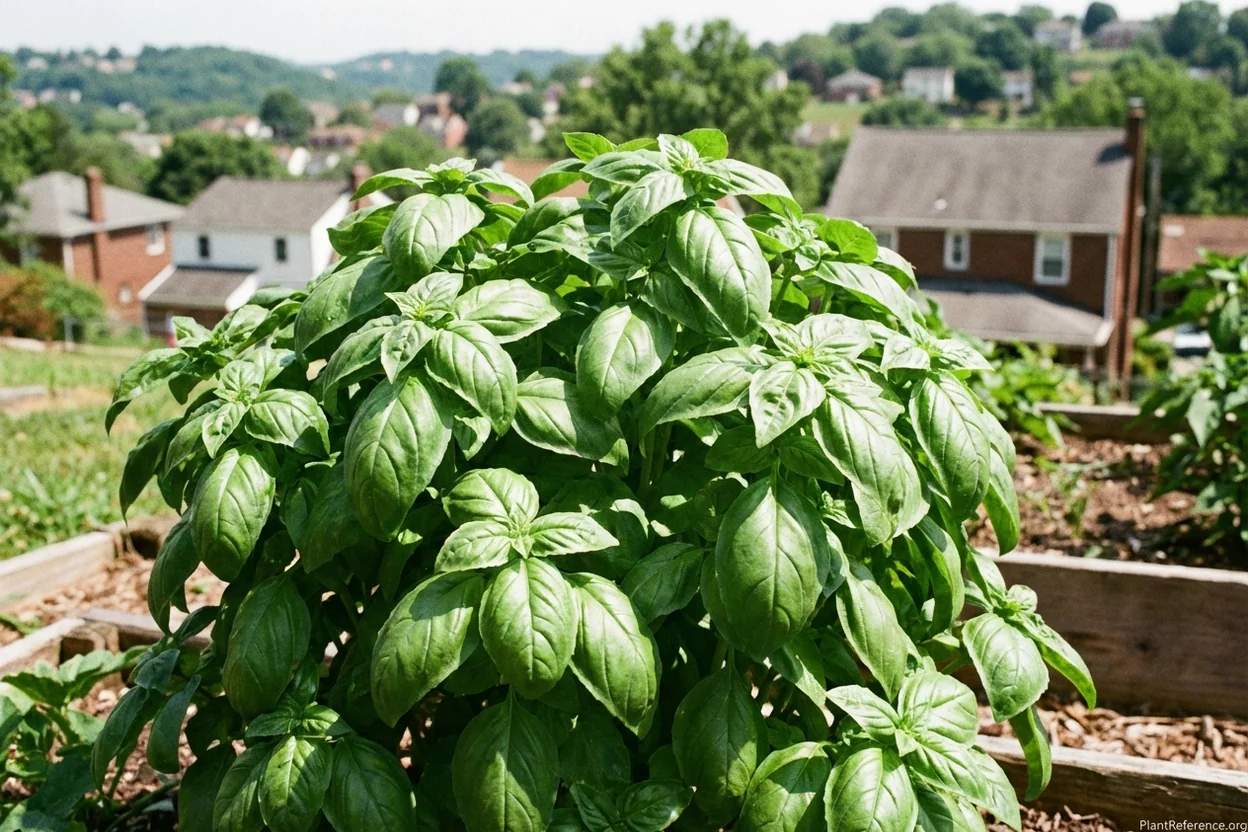
🌿Ocimum basilicum 'Genovese' is the foundation of Pittsburgh basil growing. Large, cupped, intensely aromatic leaves produce the classic pesto flavor. One plant yields 2-3 cups of packed leaves per week during July and August peak production. In Pittsburgh's 178-day season, consistent pinching keeps a single Genovese planting productive from late May through the October 20 frost—a solid four and a half months.
Ocimum basilicum var. thyrsiflora (Thai basil) is particularly valuable in Pittsburgh because it handles our variable weather with less drama than Genovese. Its Southeast Asian tropical genetics make it more tolerant of both our warm humid stretches and cool periods. Thai basil also shows more resistance to Basil Downy Mildew (Peronospora belbahrii), which is present in the Pittsburgh region. The anise-licorice flavor serves the diverse food interests of Pittsburgh's growing foodie culture.
🌿Ocimum × citriodorum (Lemon basil) matures fastest at 55 days—important in Pittsburgh's 178-day season where every week of production counts. Its bright citrus flavor works in tea, fish, and summer salads. Succession plant every 3 weeks because it bolts faster than other varieties in our warm July weather.
🌿Ocimum tenuiflorum (Holy Basil/Tulsi) offers slightly more cold tolerance than Genovese—a genuine advantage in Pittsburgh's spring when nighttime temperatures hover near the damage threshold. Strongly clove-scented leaves make excellent herbal tea and have a growing following among Pittsburgh's health-conscious gardeners.
🌿Ocimum basilicum 'Purple Ruffles' grows more slowly but adds color to containers and gardens. Deep purple leaves make striking and visually dramatic basil vinegar. Less productive than Genovese—plant as an accent alongside your primary producers. When to Plant Peppers in Pittsburgh: Complete Guide + Best Varieties for Zone 6b
Specific Planting Dates for Pittsburgh Gardens
Pittsburgh's April 25 last frost is the absolute earliest for basil, but experienced Pittsburgh gardeners know our spring is unreliable. Cold air pools in river valleys, creating frost pockets that can be 5-10°F colder than hilltop gardens just a mile away. Know your specific microclimate before committing transplants.
Indoor Seed Starting: April 1-8 (4-6 weeks before transplanting). Start at 70-75°F (21-24°C) for 5-7 day germination. Press seeds onto soil surface—basil needs light to germinate. South-facing windows in Pittsburgh homes provide adequate light by early April.
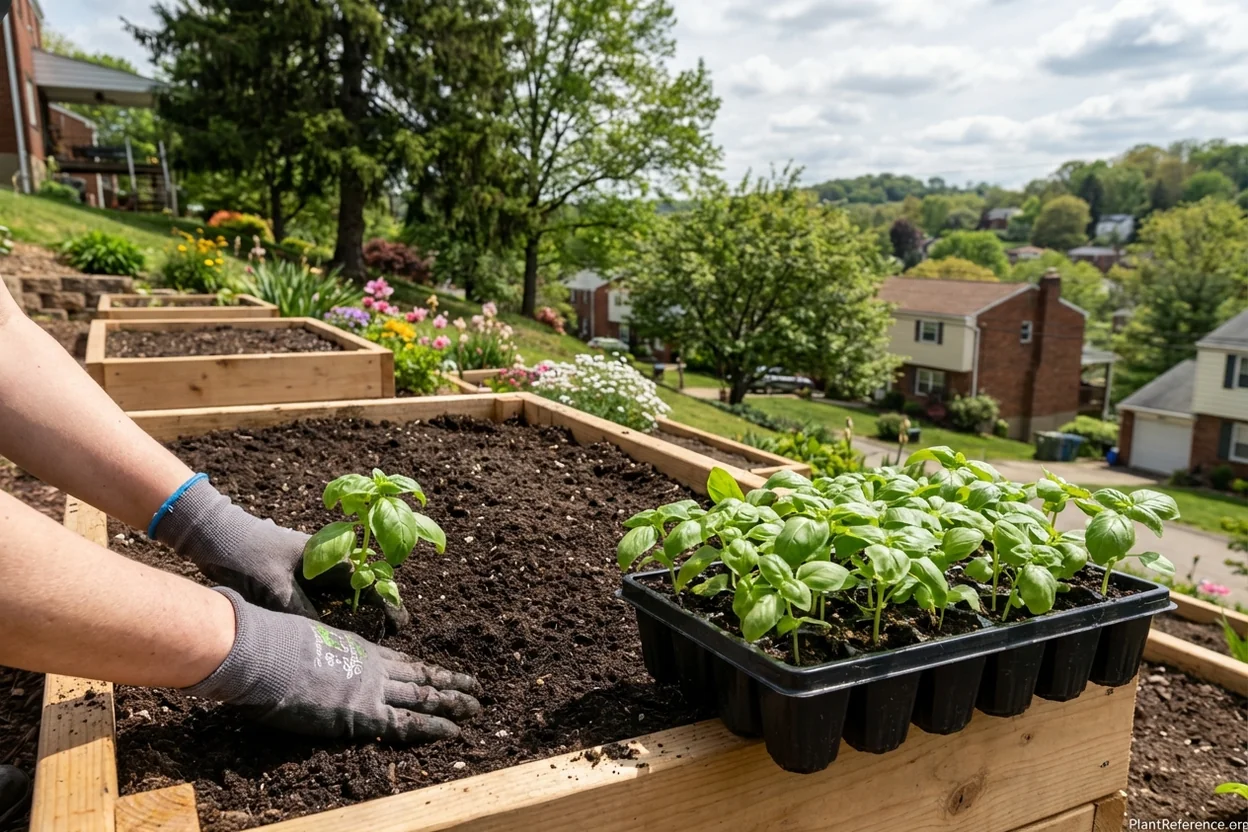
Transplant Outdoors: May 10-20 (two to three weeks after last frost). Hilltop gardens warm earlier—May 10 is reasonable for elevated South Hills and Mount Washington neighborhoods. River valley locations near the Allegheny, Monongahela, and Ohio rivers should wait until May 15-20. Harden off seedlings for 5-7 days. Keep row covers available through mid-May for unexpected cold fronts.
Direct Sow: May 15-June 10. Pittsburgh soil warms to 65°F (18°C) by mid-May in most gardens. Direct sowing works but costs 2-3 weeks of production compared to transplants. In a 178-day season, those weeks matter.
Succession Plantings: Every 3 weeks from May through early July. Pittsburgh's season supports 3-4 basil successions. 🌿Ocimum × citriodorum (Lemon basil) benefits most from succession planting. Fresh plantings replace bolting or disease-declining older plants for continuous harvest.
Final Sowing Deadline: July 5. A 55-day variety sown July 5 matures by late August with nearly two months of harvest before the October 20 frost. Sixty-day varieties need to go in by July 1. Raised Bed Vegetable Garden Layout: Planning for Maximum Production
Complete Growing Guide for Pittsburgh
Soil and Growing Spaces
Pittsburgh soils range from decent garden loam in established neighborhoods to heavy clay on hillsides and former industrial sites. For basil, well-drained soil at pH 6.0-7.0 is essential. Most Pittsburgh soils test slightly acidic, which basil handles well. Work 2-3 inches (5-8 cm) of compost into the top 8 inches (20 cm) for in-ground planting. Get a soil test through the Penn State Extension before amending.
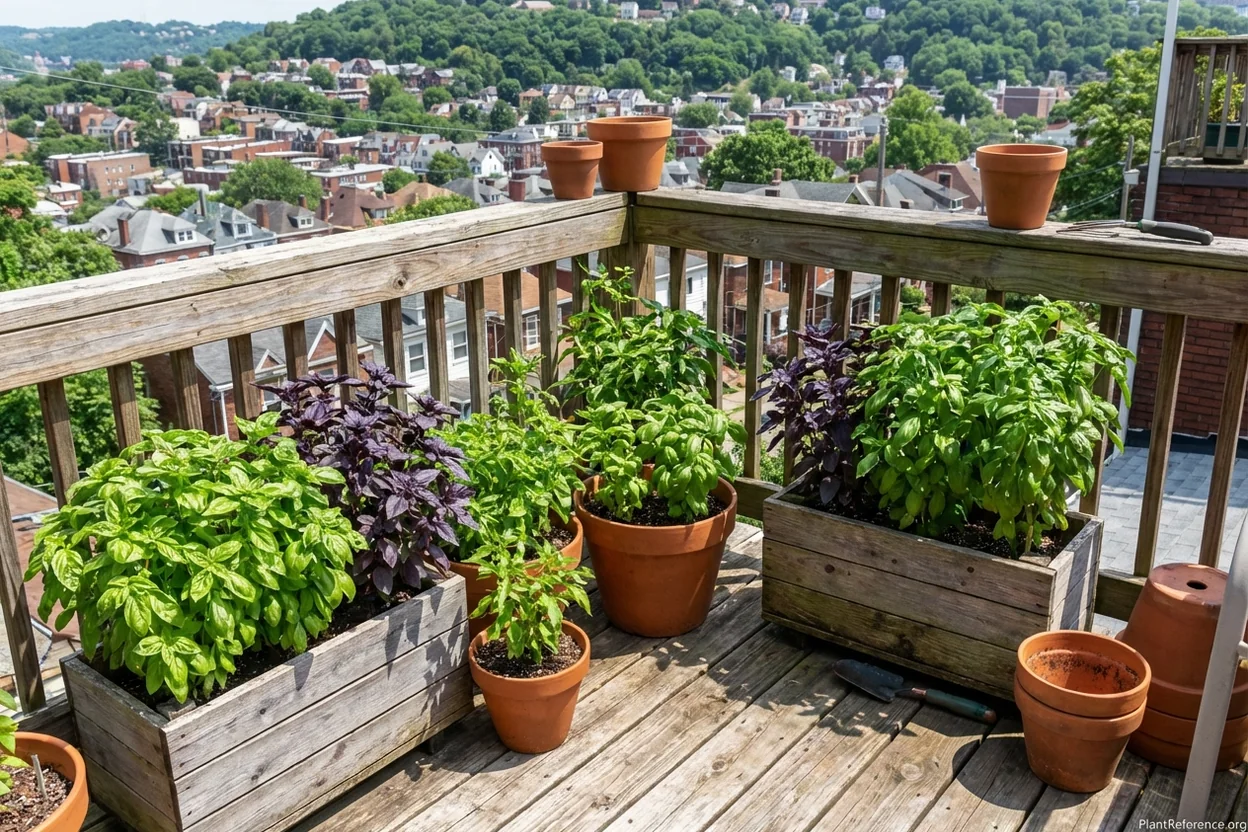
Containers work exceptionally well for Pittsburgh basil—porches, patios, and sunny decks on the hillside houses that define the city's neighborhoods. A 12-inch (30 cm) pot supports one productive Genovese plant. Containers on south-facing decks elevated above valley fog lines often produce better basil than ground-level plots in cooler neighborhoods. How to Build a Raised Garden Bed: Step-by-Step Construction Guide
Sun and Microclimate Awareness
Basil needs 6-8 hours of direct sun. In Pittsburgh's hilly terrain, south-facing slopes get optimal exposure. North-facing hillside gardens may lose 1-2 hours of direct sun compared to flat sites. Cold air drains downhill at night, making valley gardens 5-10°F cooler than hilltop locations during still, clear nights—exactly the conditions that damage basil in spring and fall. If your garden is in a valley or near a river, plan for later spring planting and earlier fall protection than hilltop gardeners need.
Watering
Basil needs 1 inch (2.5 cm) per week. Pittsburgh gets about 38 inches (97 cm) of annual rainfall—generally adequate but inconsistent through summer with heavy thunderstorms followed by dry stretches. Consistent moisture matters more than total rainfall volume. Water at the base to keep foliage dry, which is critical in Pittsburgh's humid river valley air where Downy Mildew thrives on wet leaves. Morning watering allows foliage to dry before evening when humidity climbs in the valleys. Mulch 2 inches (5 cm) with straw or shredded leaves to retain moisture between summer rains and moderate the soil temperature fluctuations from our variable weather. Container basil may need daily watering during hot July and August periods because potting mix dries faster than garden soil. 5 Best Drip Irrigation Kits for Raised Beds (Tested for Easy Installation)
Pinching: The Essential Practice
Pinch flower buds whenever they appear—this single practice determines whether you get 2-3 cups per week or a spindly plant with bitter leaves. Pittsburgh's warm July and August trigger bolting, especially in Genovese and Lemon basil. Begin pinching when plants reach 3-4 sets of true leaves by cutting just above a leaf pair. This forces branching that creates the bushy, multi-stemmed growth habit that maximizes leaf area for harvesting. Check plants twice weekly during summer and remove developing flower spikes immediately. One missed week of pinching in August can cut remaining season production in half because the plant redirects energy from leaf growth to seed production.
Feeding
Fish emulsion every 2-3 weeks provides balanced nutrition without the heavy nitrogen that dilutes basil's essential oil concentration. Container basil needs more frequent feeding because nutrients leach from potting mix faster than garden soil. Moderate, consistent feeding produces the intensely aromatic leaves that make homegrown basil worth the effort. When to Plant Squash in Pittsburgh: Complete Guide + Best Varieties for Zone 6b
Companion Planting
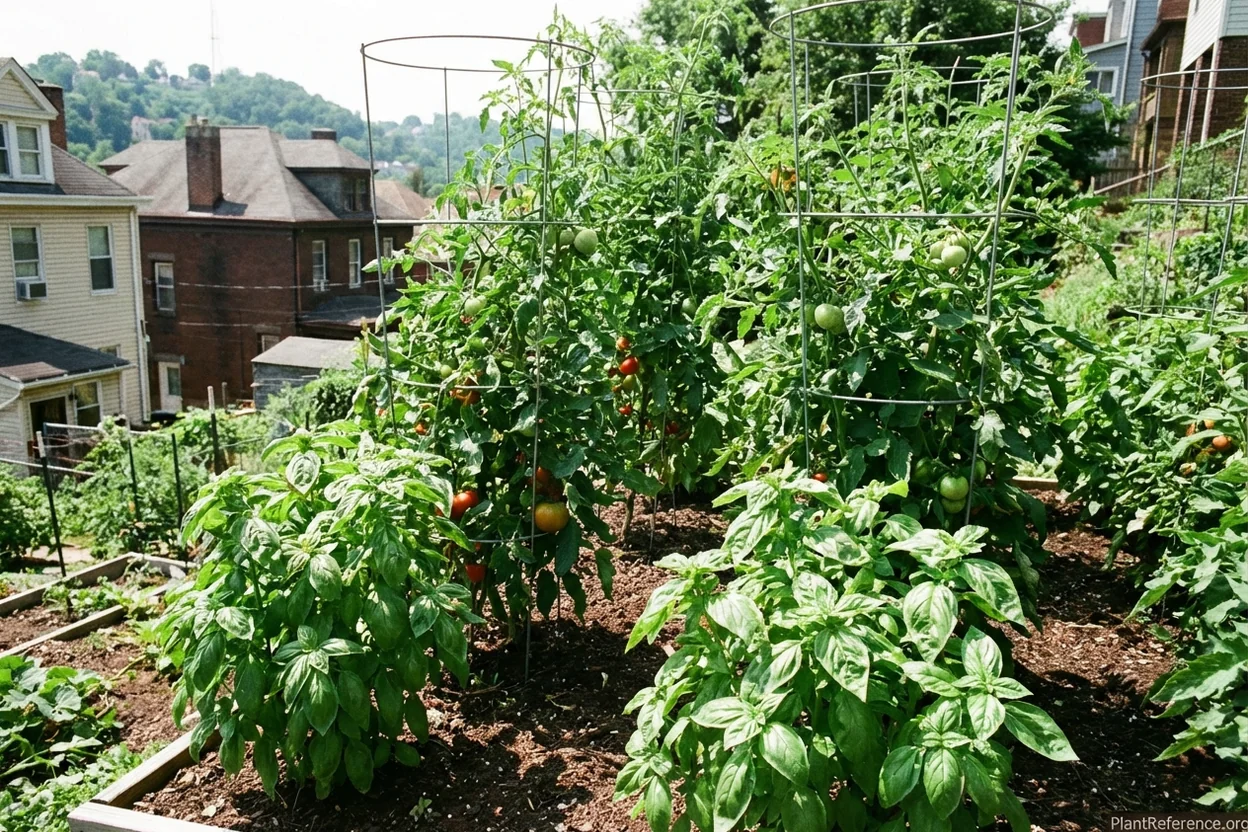
Plant basil alongside tomatoes and peppers—all three share identical growing requirements in Pittsburgh's climate. Basil's low, bushy growth fills space around taller plants while its aromatic oils may help deter aphids and whiteflies. The tomato-basil companion pairing works as well in Pittsburgh gardens as it does in Pittsburgh kitchens. When to Plant Cucumbers in Pittsburgh: Zone 6b Dates + Best Varieties
Troubleshooting Pittsburgh-Specific Problems
Cold Damage from Valley Air Drainage
Pittsburgh's most distinctive basil challenge. Cold air pools in the river valleys and hollows on still, clear nights, dropping temperatures 5-10°F below hilltop locations. Basil in low-lying gardens can suffer cold damage even when hilltop gardens are fine. Prevention: plant on slopes or elevated locations when possible, keep row covers available through mid-May and from mid-October, and use containers that can be moved to sheltered spots. Affected plants show blackened or water-soaked leaf margins—replace rather than wait for recovery. Raised Bed Too Hot in Summer: Protecting Plants from Heat Stress
Basil Downy Mildew (Peronospora belbahrii)
Present in the Pittsburgh region and spreading through the humid Northeast. Yellow patches on upper leaf surfaces with gray-purple fuzzy growth underneath. The pathogen thrives in Pittsburgh's warm, humid summer nights when river valley air holds moisture. Prevention: space plants 12 inches apart for airflow, water at the base only, and grow Ocimum basilicum var. thyrsiflora (Thai basil) which shows more resistance. Remove infected leaves immediately. Succession planting provides fresh plants when older ones decline. Raised Bed Pest Problems: Identification and Organic Control Methods
Bolting in Summer Heat
Pittsburgh's July and August heat (85-90°F) triggers bolting, particularly in 🌿Ocimum × citriodorum (Lemon basil). Consistent pinching is the primary defense. Succession planting replaces bolting plants with fresh ones. Light afternoon shade from companion plants like tomatoes reduces bolting pressure during the warmest weeks.
Japanese Beetles
Active from late June through August in Pittsburgh. They skeletonize basil leaves rapidly. Hand-pick into soapy water in early morning when beetles are sluggish. Neem oil provides some deterrent. Row covers exclude beetles but reduce the airflow that prevents Downy Mildew—use only during peak beetle emergence for 2-3 weeks. Best Soil Mix for Raised Beds: Creating the Perfect Growing Medium
Harvest & Storage
Harvest by cutting stems just above a leaf pair to promote branching. Take no more than one-third of the plant per harvest. During peak Pittsburgh summer (July-August), harvest twice weekly to stay ahead of flowering. Morning harvest before 10 AM captures peak essential oil concentration.
A single 🌿Ocimum basilicum 'Genovese' plant produces 2-3 cups of packed leaves weekly during peak production. Four to six plants provide enough basil for daily cooking plus regular pesto sessions. Pittsburgh's season runs through mid-October in hilltop locations—four and a half months of fresh basil from a single spring planting with consistent care and pinching throughout the growing season.
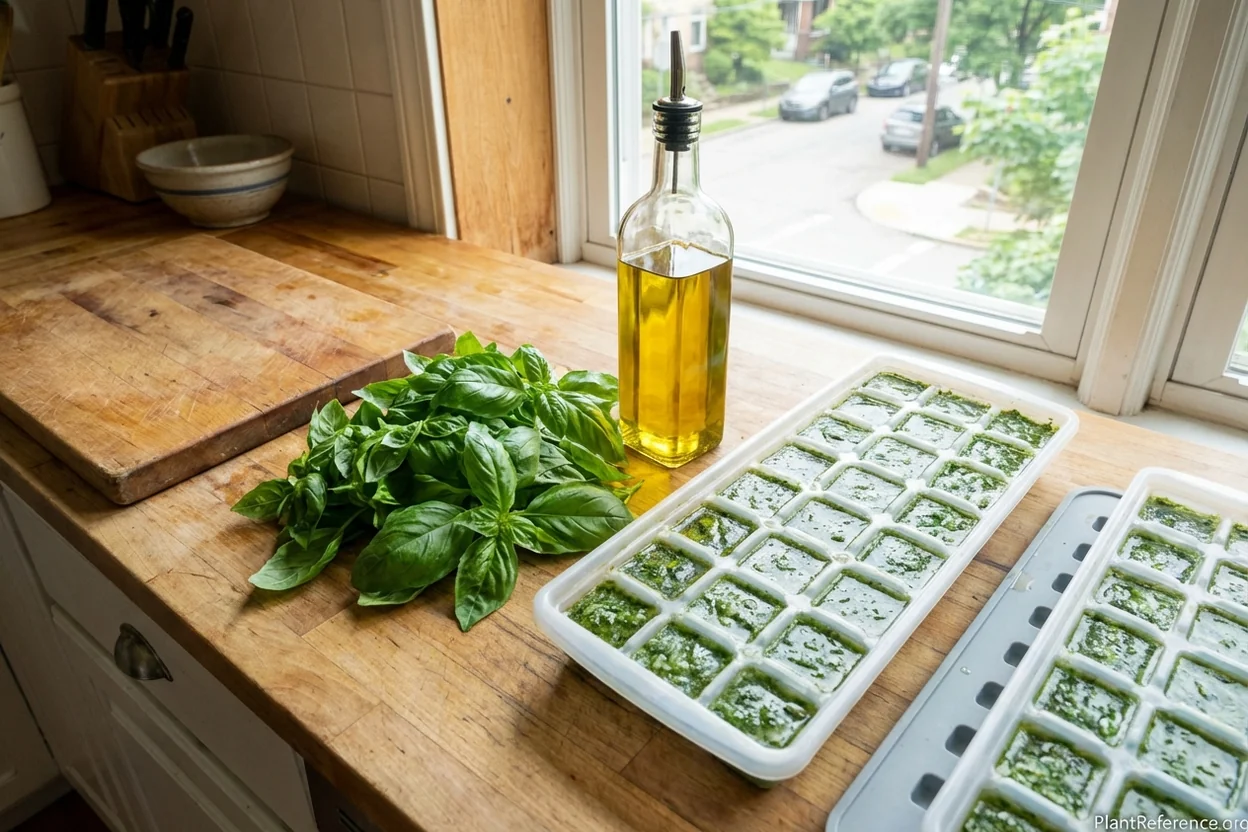
Fresh basil blackens in the refrigerator below 40°F. Store stems in water on the counter for 5-7 days. For winter, blend leaves with olive oil and freeze in ice cube trays—each cube provides one tablespoon of basil-oil for pesto through Pittsburgh's long, cold winter. Process your entire remaining harvest before the October 20 frost. Dried basil loses significant flavor compared to frozen—ice cube trays capture summer in a form that lasts until next May. The Complete Guide to Raised Bed Gardening for Beginners (2025)
Frequently Asked Questions
Reading about plants and recognising them are different skills. These three build the second.
- Daily PlantIdentify the day’s mystery plant from a close-up photograph.
- Keyed OutWork a dichotomous key, lead by lead, to name a hidden specimen.
- Name That PlantName a specimen from botanical clues dealt hardest first.
Free to play, no account needed
Linda's been growing tomatoes in containers on her suburban Pittsburgh balcony—ever since her kids grew up and she finally had time for hobbies again. She's a medical billing specialist by day and a tomato enthusiast by night and weekend. Linda started documenting her container growing experiments on a simple blog and discovered other renters and condo dwellers were desperate for practical advice. She tests different varieties every season, tracking yields, disease resistance, and flavor in a detailed spreadsheet. Linda's approach is practical and budget-conscious—she saves seeds, reuses containers, and makes her own fertilizer from kitchen scraps. Her specialty is maximizing production in small spaces, and she's perfected the art of growing full-size tomatoes in 5-gallon buckets. She's a Pennsylvania Master Gardener and teaches container growing workshops at her local library.