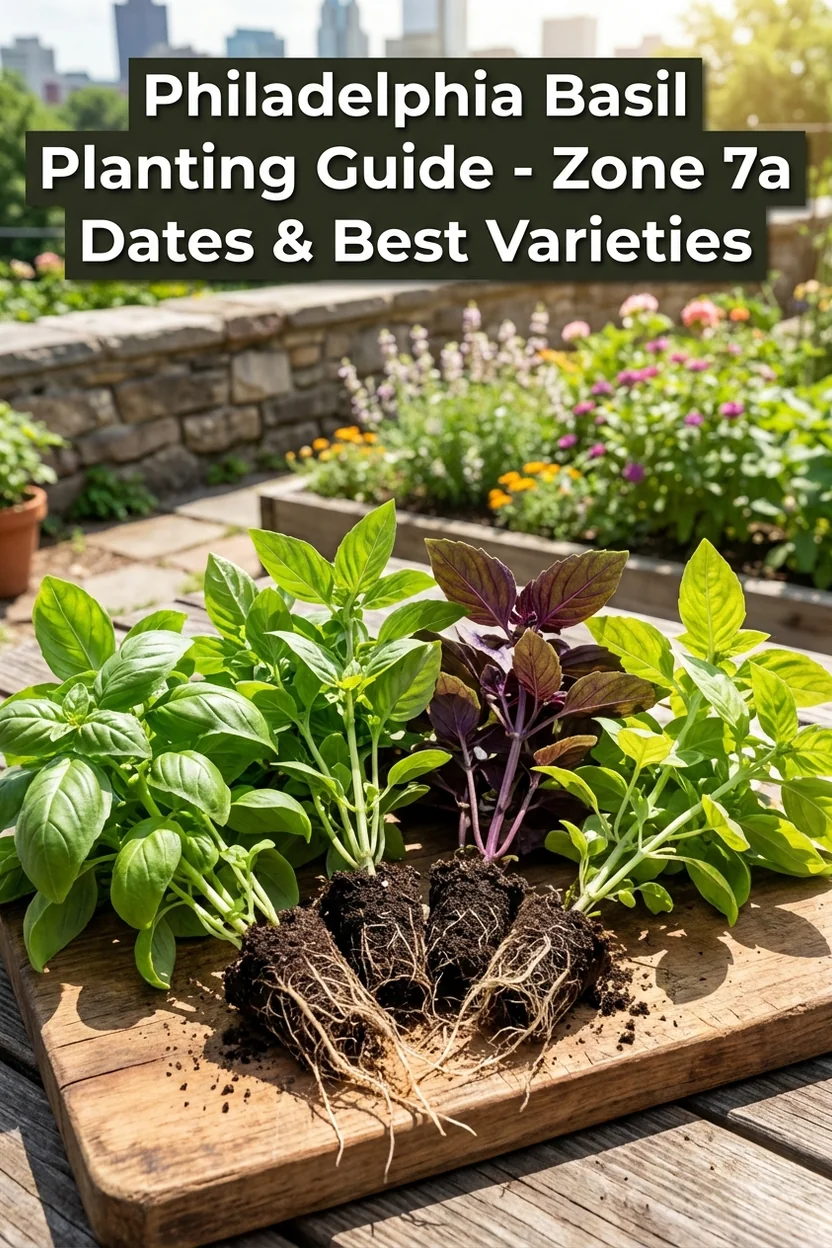
When to Plant Basil in Philadelphia: Complete Guide + Best Varieties for Zone 7a
Pets & Toxicity
Recorded toxicity for plants linked in this guide. An unknown status is not a safety assessment.
No linked plant is recorded as toxicDetailsHide
Ocimum basilicum 'Purple Ruffles' — Toxicity
Non-toxicView Ocimum basilicum 'Purple Ruffles' plant profile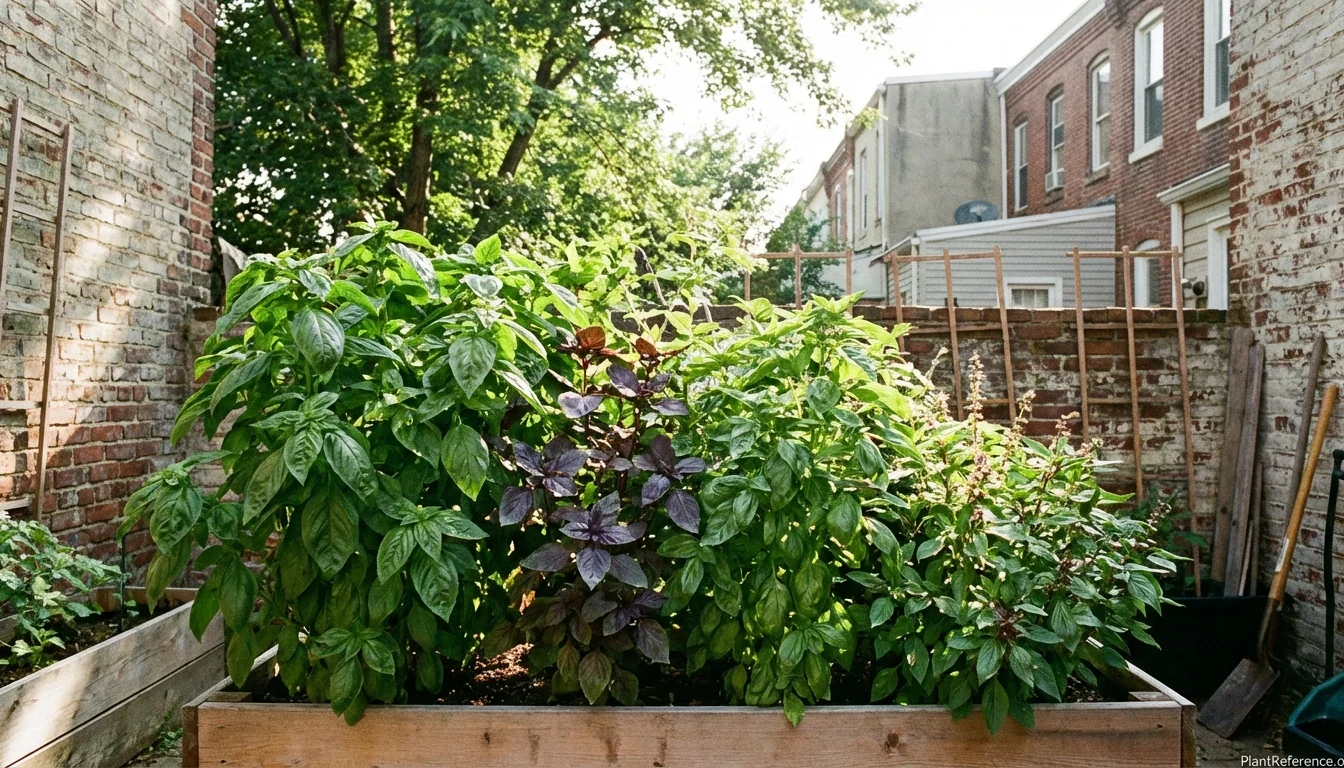
— Image © Plant Reference 2026
Philadelphia sits in the sweet spot for basil—warm enough to grow it well, long enough to grow a lot of it, and Italian enough to know what to do with it. The 209-day growing season from April 10 through November 5 is one of the longest in the Northeast, giving you five solid months of production from a crop that costs practically nothing to grow. A packet of Genovese seeds runs three to five dollars and produces more basil than you'd spend $200 buying at the supermarket. The mid-Atlantic climate cooperates too—Philadelphia summers deliver the sustained warmth that basil demands, and the long fall means you're still picking fresh leaves in October when Boston and Chicago gardeners are already processing their last harvest. The one challenge is humidity. Philly summers are muggy, and Basil Downy Mildew (Peronospora belbahrii) thrives in exactly those conditions. Manage airflow and variety selection and you'll harvest basil from late May through the first hard frost. When to Plant Tomatoes in Philadelphia: Complete Guide + Best Varieties for Zone 7a
Best Basil Varieties for Philadelphia's Climate
Philadelphia sits in USDA Zone 7a with an April 10 last frost and November 5 first frost—209 growing days. The mid-Atlantic climate provides warm, often humid summers that drive vigorous basil growth. Downy Mildew has become a persistent problem in the region, making disease resistance an important selection factor alongside flavor and productivity.
Variety | Type | Days to Harvest | Cold Tolerance | Best For |
|---|---|---|---|---|
Sweet | 60-70 days | Low (below 50°F damage) | Pesto, Italian cooking, kitchen staple | |
Ocimum basilicum var. thyrsiflora | Thai | 60 days | Moderate | Stir-fry, pho, Downy Mildew resistance |
Lemon | 55 days | Low | Teas, fish, summer salads | |
Purple | 65-70 days | Low | Garnish, vinegars, visual interest | |
Holy (Tulsi) | 60 days | Low-Moderate | Tea, medicinal, adaptogenic |
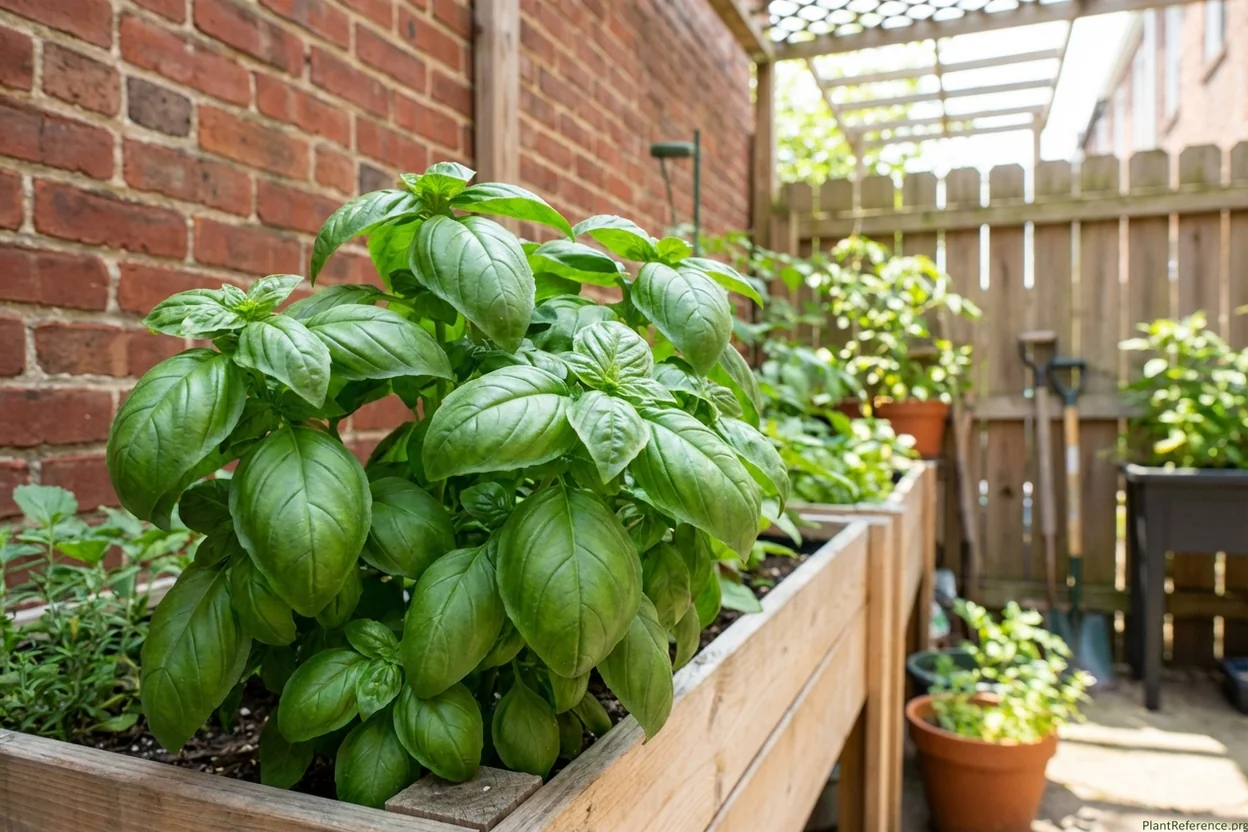
🌿Ocimum basilicum 'Genovese' is what Philadelphia Italian Market shoppers have been growing for generations. Large, cupped, intensely aromatic leaves produce the sweet, clove-forward flavor that defines real pesto. One plant yields 2-3 cups of packed leaves per week during July and August peak production. In Philadelphia's 209-day season, a single spring planting of Genovese produces from late May through October—nearly five months of continuous harvest with consistent pinching.
Ocimum basilicum var. thyrsiflora (Thai basil) deserves special attention in Philadelphia because it handles our humid summers better than any other variety. Its Southeast Asian tropical genetics are adapted to high humidity, and it shows notably more resistance to Basil Downy Mildew than Genovese. The anise-licorice flavor serves the diverse food culture that Philadelphia's restaurant scene and home cooks embrace. Thai basil also bolts later than Genovese in mid-Atlantic heat, extending the harvest window with less maintenance.
🌿Ocimum × citriodorum (Lemon basil) matures in 55 days—the fastest of the five varieties. Its bright citrus flavor works in summer teas, fish dishes, and light salads. Succession plant every 3 weeks because it bolts aggressively once Philadelphia's July heat arrives. Two or three successions keep Lemon basil in continuous supply through the season.
🌿Ocimum basilicum 'Purple Ruffles' grows more slowly but adds dramatic color to gardens and containers. Deep purple leaves make exceptional basil vinegar and stunning garnishes. Less productive per plant than Genovese—grow as an accent rather than a primary producer.
🌿Ocimum tenuiflorum (Holy Basil/Tulsi) produces strongly clove-scented leaves for tea and wellness preparations. Slightly more cold-tolerant than Genovese—an advantage for early Philly spring planting when nighttime temperatures hover near the 50°F threshold. When to Plant Peppers in Philadelphia: Complete Guide + Best Varieties for Zone 7a
Specific Planting Dates for Philadelphia Gardens
Philadelphia's April 10 last frost is early for Zone 7a, but basil needs warmer conditions than that date implies. Soil at 65°F (18°C) and nighttime air above 50°F (10°C) are the real requirements. In most Philadelphia neighborhoods, that's late April to early May.
Indoor Seed Starting: March 20-27 (4-6 weeks before transplanting). Start at 70-75°F (21-24°C) for 5-7 day germination. Press seeds onto soil surface—basil needs light to germinate. South-facing windows in Philadelphia row houses produce excellent transplants in March.
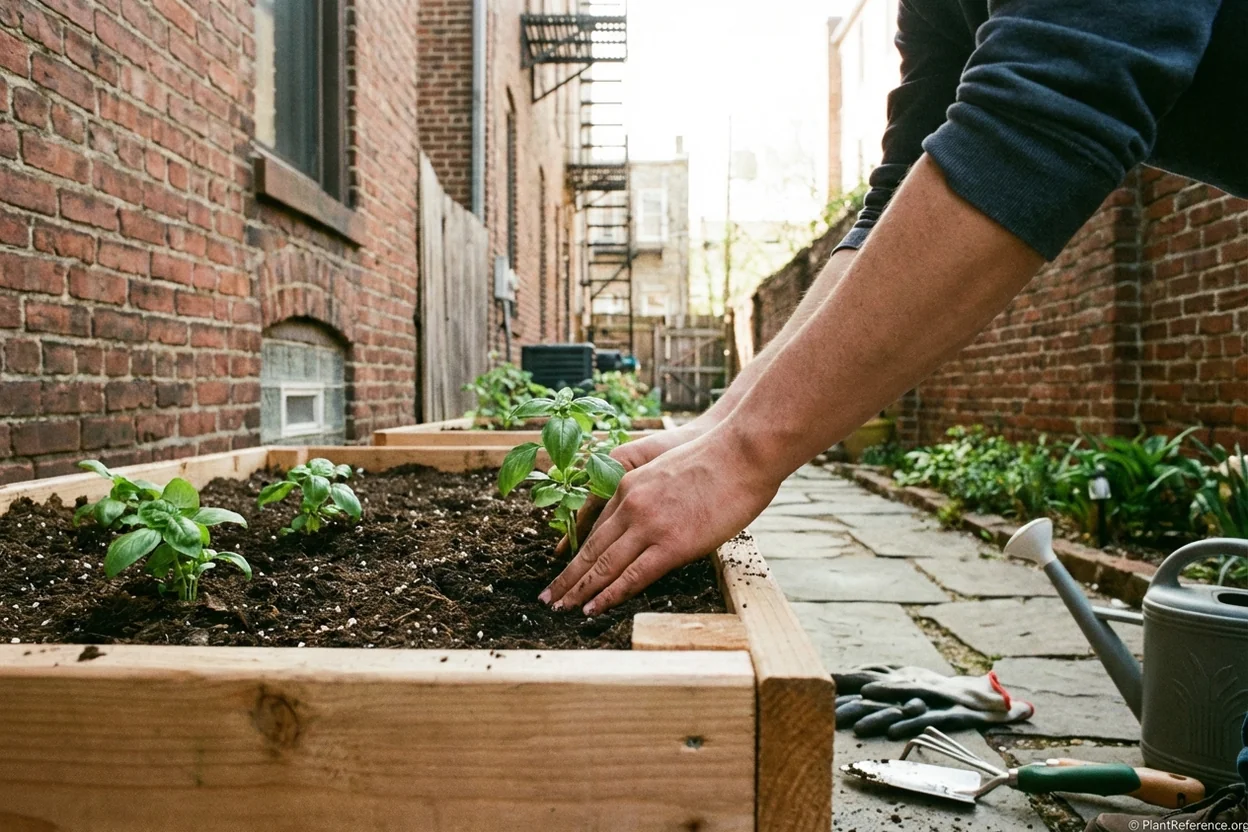
Transplant Outdoors: April 25-May 5 (two weeks after last frost). Harden off seedlings for 5-7 days. Philadelphia's late April is generally warm and settled, but check extended forecasts through early May. The Delaware Valley occasionally delivers a surprise cold night in late April that won't bother tomatoes but will damage basil.
Direct Sow: May 1-June 15. Philadelphia soil warms to 65°F by early May in most gardens. Direct sowing works well because our warm spring soil germinates basil seeds in 5-7 days. Scatter seeds on prepared soil, press gently, and keep moist.
Succession Plantings: Every 3 weeks from May through mid-July. Philadelphia's long season supports 4-5 basil successions. This keeps production continuous and provides insurance against Downy Mildew losses on older plantings.
Final Sowing Deadline: July 15. A 55-day 🌿Ocimum × citriodorum sown July 15 matures by early September with two months of harvest before the November 5 frost. Philadelphia's long fall is one of the best features of mid-Atlantic basil growing—you're still harvesting fresh leaves when Northern gardeners have long finished. Raised Bed Vegetable Garden Layout: Planning for Maximum Production
Complete Growing Guide for Philadelphia
Soil and Container Growing
Philadelphia's urban soils vary from decent loam in established gardens to compacted clay near new construction. For in-ground planting, work 2-3 inches (5-8 cm) of compost into the top 8 inches (20 cm). Target pH 6.0-7.0—most Philly soils test slightly acidic to neutral, which basil handles well. Get a soil test through the Penn State Extension for under $15 before amending.
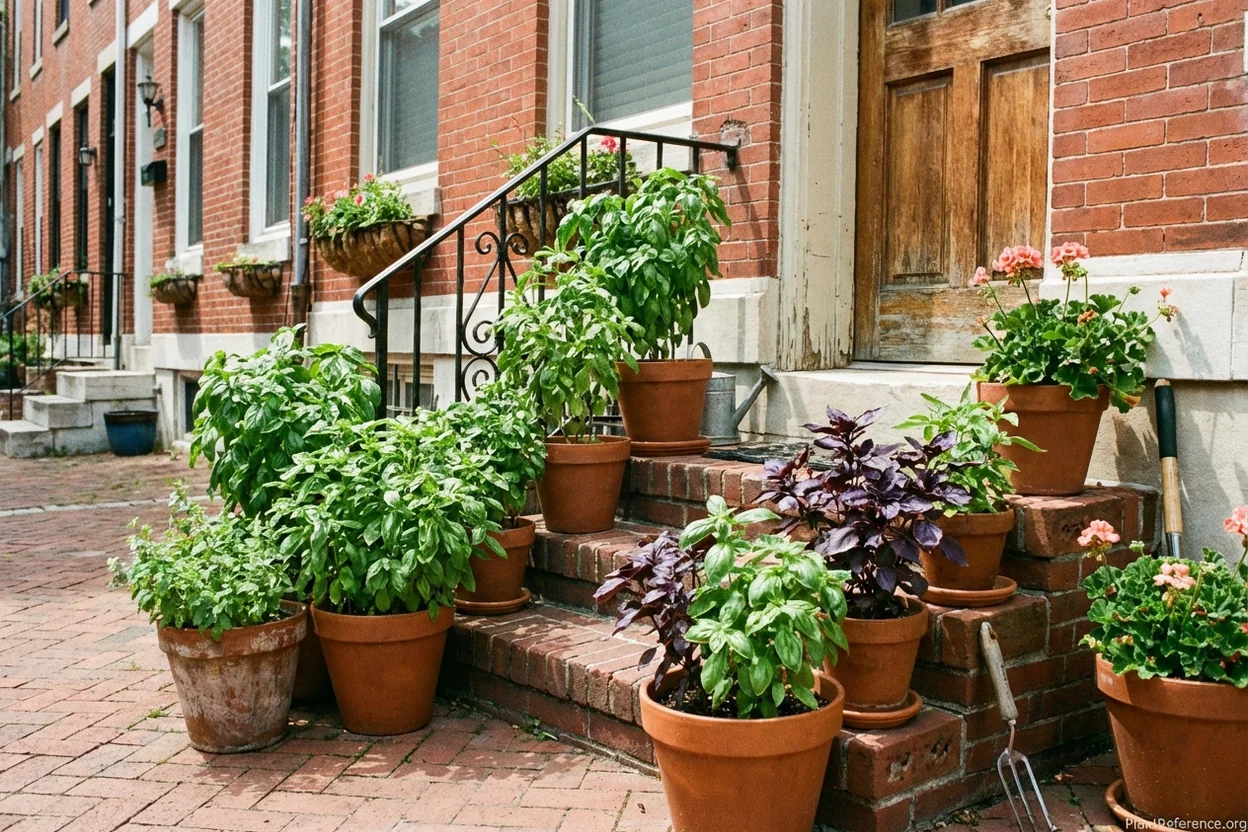
Containers work exceptionally well for Philadelphia's row house culture—stoops, back patios, and window boxes are prime basil real estate. A 12-inch (30 cm) pot supports one productive Genovese plant. Window boxes 24 inches (60 cm) long hold 2-3 plants. Use quality potting mix with good drainage. Philadelphia's summer rain means good drainage matters as much for preventing waterlogging as it does for dry-weather irrigation. How to Build a Raised Garden Bed: Step-by-Step Construction Guide
Sun and Placement
Basil needs 6-8 hours of direct sun. In Philadelphia's row house neighborhoods, south-facing back gardens get the best exposure. Front stoops facing south work for containers. The urban heat that radiates from brick and concrete keeps nighttime temperatures warmer than open suburban gardens—a genuine advantage for basil's warmth requirements.
Watering
Basil needs about 1 inch (2.5 cm) per week. Philadelphia gets adequate summer rainfall (40+ inches annually) but it's inconsistent—heavy thunderstorms dump 2 inches followed by dry stretches. Consistent moisture matters more than total volume. Water at the base to keep foliage dry—critical in Philadelphia's humid climate where wet leaves invite Downy Mildew. Mulch containers and garden beds 2 inches (5 cm) with straw or shredded leaves to retain moisture between rains. 5 Best Drip Irrigation Kits for Raised Beds (Tested for Easy Installation)
Pinching and Harvest Management
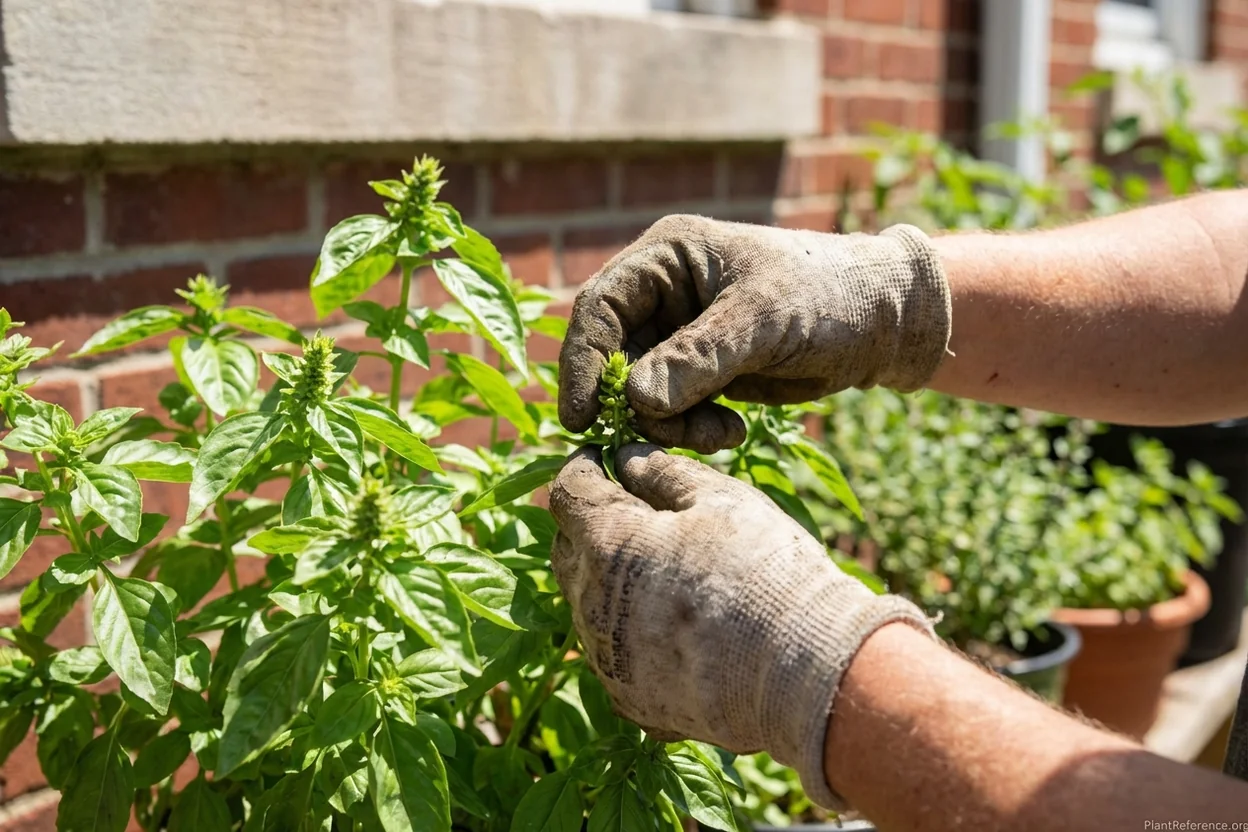
Pinch flower buds the moment they appear. In Philadelphia's warm July and August, basil tries to bolt every week—check plants twice weekly and remove developing flower spikes by cutting just above a leaf pair. This forces the branching that produces bushy, productive plants. Consistent pinching is the difference between 2-3 cups per week and a spindly plant with a few bitter leaves. One week of missed pinching in August can cut remaining season production significantly.
Feeding
Side-dress with fish emulsion every 2-3 weeks during the growing season. Avoid heavy nitrogen that produces lush but bland-tasting leaves with diluted essential oils. Moderate, consistent feeding maintains the intense aroma and flavor that make homegrown basil worth growing. Container basil needs more frequent feeding than garden basil because nutrients leach through potting mix faster. When to Plant Squash in Philadelphia: Complete Guide + Best Varieties for Zone 7a
Companion Planting
Plant basil at the base of tomato plants—the classic Italian garden pairing that works as well in Philadelphia backyards as it does in Italian recipes. Both crops share identical sun, water, and temperature needs, and the growing habits complement each other: basil's low, bushy form fills the space around tomato stems while benefiting from the partial shade that tomato canopy provides during the hottest afternoon hours. Basil's aromatic oils may help repel aphids and whiteflies from neighboring plants. Let a few plants bloom late in the season—September in Philadelphia—to attract pollinators that benefit neighboring squash and pepper plants. In community gardens across Philly, the tomato-basil pairing is the most common vegetable companion planting you'll see, and for good reason. When to Plant Cucumbers in Philadelphia: Zone 7a Dates + Best Varieties
Troubleshooting Philadelphia-Specific Problems
Basil Downy Mildew (Peronospora belbahrii)
The primary basil disease in Philadelphia's humid mid-Atlantic climate. Yellow patches on upper leaf surfaces with gray-purple fuzzy growth underneath—once you see it, the affected leaves won't recover. The pathogen spreads rapidly during Philadelphia's humid nights from June through September when temperatures stay warm and moisture hangs in the air. Prevention: space plants 12 inches (30 cm) apart for airflow, water at the base exclusively, and grow Ocimum basilicum var. thyrsiflora (Thai basil) which shows significantly more resistance than Genovese. Remove infected leaves immediately—bag and trash them rather than composting. Succession planting ensures fresh plants replace those declining to disease. Raised Bed Pest Problems: Identification and Organic Control Methods
Cold Damage in Spring
Basil blackens below 50°F (10°C). Philadelphia's April weather occasionally delivers surprise cold nights that damage basil transplants without technically frosting. Keep row covers available through the first week of May. Container gardeners can bring plants inside—a significant advantage of container growing in the unpredictable mid-Atlantic spring. Raised Bed Too Hot in Summer: Protecting Plants from Heat Stress
Bolting in Summer Heat
Philadelphia's July and August heat (85-95°F) triggers bolting, particularly in 🌿Ocimum × citriodorum (Lemon basil) and older Genovese plants. Consistent pinching is the primary defense. Succession planting provides fresh, unbolt-prone plants to replace those that begin flowering despite pinching. Light afternoon shade from taller companion plants reduces bolting pressure during the hottest weeks.
Japanese Beetles and Aphids
Japanese beetles are active from late June through August in Philadelphia, skeletonizing basil leaves. Hand-pick into soapy water in early morning. Neem oil provides some deterrent effect. Aphids cluster on tender new growth—strong water spray dislodges them. Inspect leaf undersides weekly for early detection. Best Soil Mix for Raised Beds: Creating the Perfect Growing Medium
Harvest & Storage
Harvest by cutting stems just above a leaf pair to promote branching. Take no more than one-third of the plant per harvest. During peak Philadelphia summer (July-August), harvest twice weekly to keep pace with growth and prevent flowering. Morning harvest before 10 AM captures peak essential oil concentration in the leaves.
A single 🌿Ocimum basilicum 'Genovese' plant produces 2-3 cups of packed leaves weekly during peak season. Four to six plants supply a household with daily cooking basil and enough surplus for regular pesto-making sessions. Philadelphia's long fall means you'll still be picking fresh basil in October—a luxury that Northern gardeners envy.
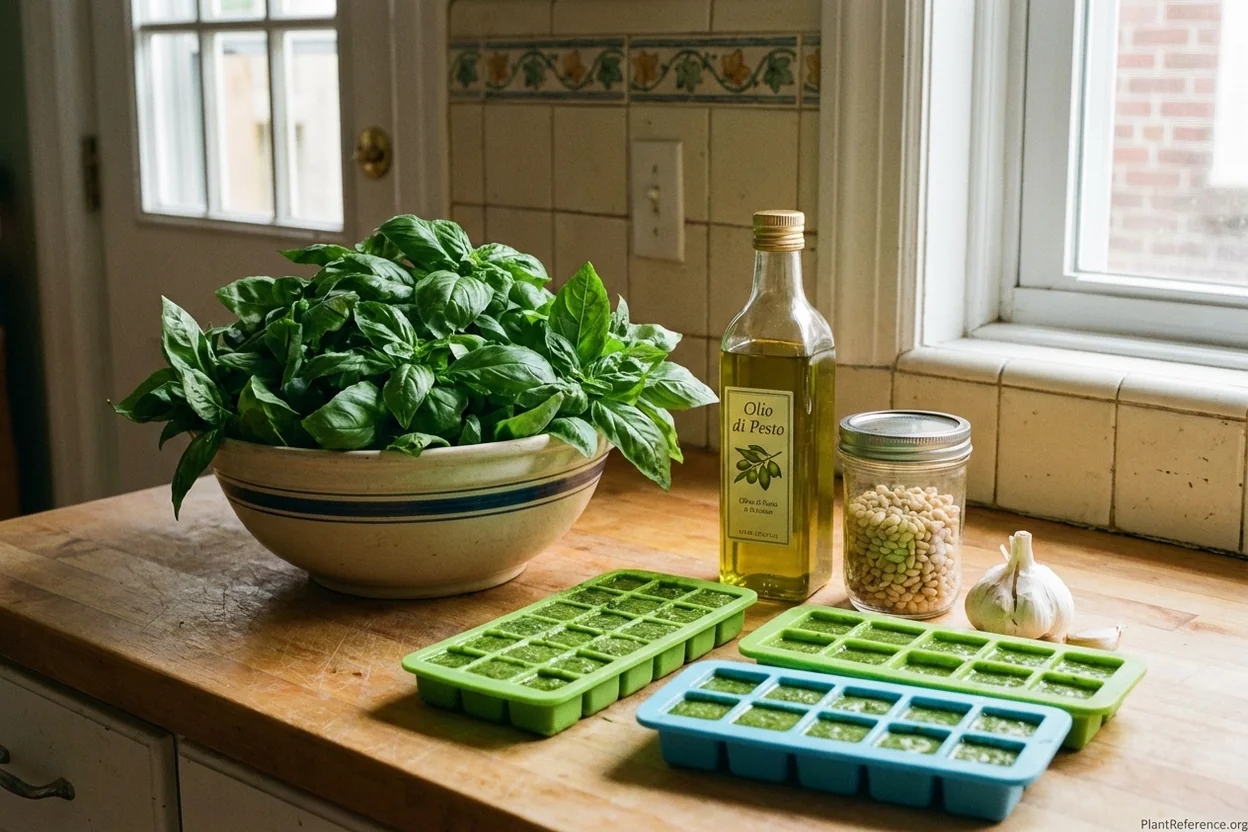
Fresh basil blackens in the refrigerator below 40°F. Store stems in water on the counter like a bouquet for 5-7 days of freshness. For winter, blend leaves with olive oil and freeze in ice cube trays—each cube provides one tablespoon of basil-oil for pesto, sauces, and soups through Philadelphia's long winter. Process your entire remaining harvest before the November 5 frost. A season of frozen basil cubes from a $4 seed packet saves $100+ compared to buying fresh herbs through winter at Philadelphia grocery prices. The Complete Guide to Raised Bed Gardening for Beginners (2025)
Frequently Asked Questions
Reading about plants and recognising them are different skills. These three build the second.
- Daily PlantIdentify the day’s mystery plant from a close-up photograph.
- Keyed OutWork a dichotomous key, lead by lead, to name a hidden specimen.
- Name That PlantName a specimen from botanical clues dealt hardest first.
Free to play, no account needed
Frank retired from the city parks department after 28 years, the last fifteen as a grounds supervisor overseeing park plantings and maintenance crews. He now spends his time volunteering at a local historic garden, maintaining his own half-acre property in the Roxborough neighborhood, and writing about landscape maintenance, seasonal timing, and the practical side of keeping plants healthy through Mid-Atlantic winters and humid summers. Frank knows what works at scale and what's a waste of time—he's planted thousands of trees and shrubs and watched plenty of them fail. His advice tends toward what's proven and durable rather than what's trendy.