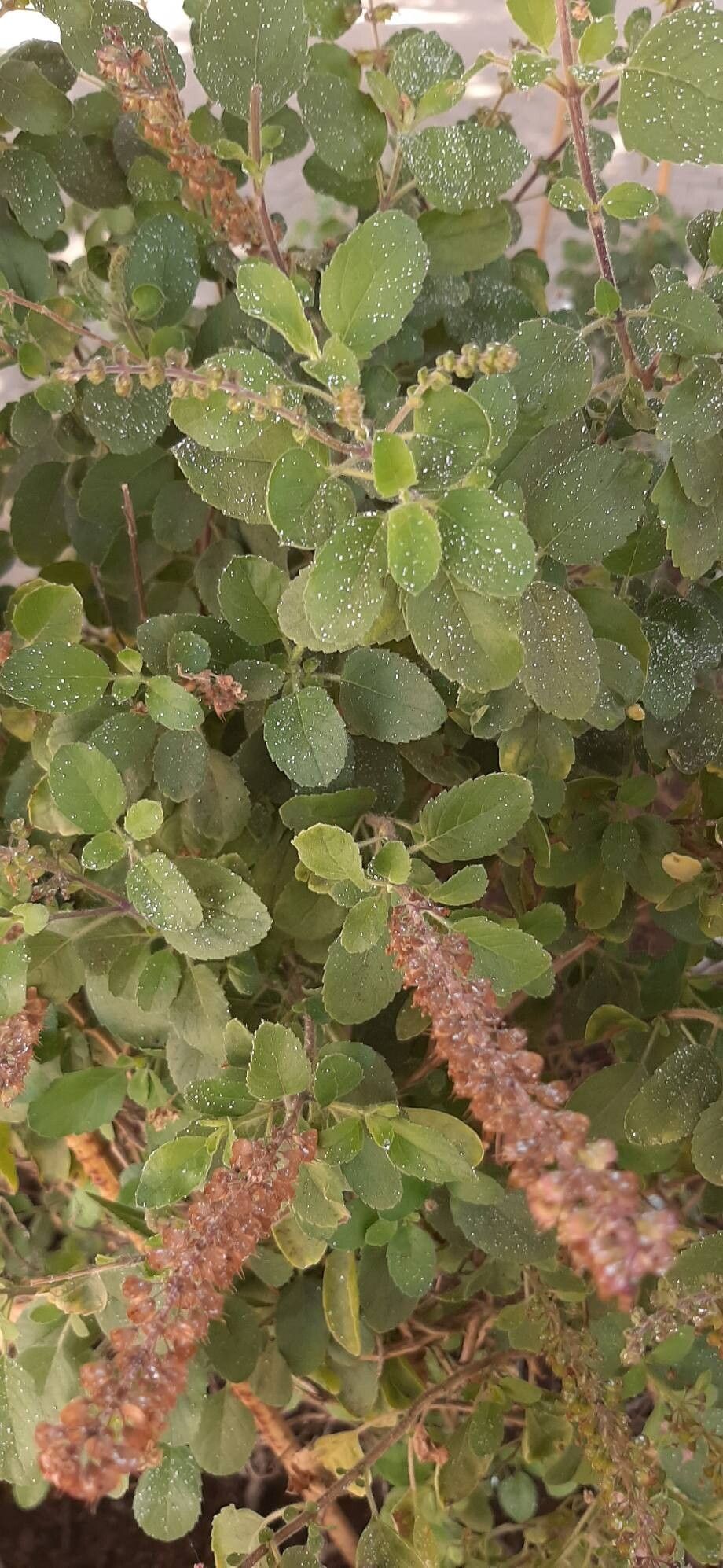
Ocimum, Genus, basilicum, Species, 'Thai', Cultivar,
- Genus & species
- Cultivar
Thai Basil
Cultivar group developed from {O. basilicum} selections used in Southeast Asian cuisines (Thai, Vietnamese, Cambodian); the species {O. basilicum} is native to tropical regions of Asia, particularly India and Southeast Asia, where the species has been cultivated for over 3,000 years across diverse climatic conditions from tropical lowlands to subtropical highlands; the anise-licorice volatile profile separates this cultivar group from the sweet-basil profile of European Genovese-type cultivars
Overview
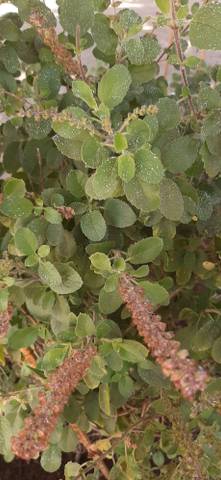
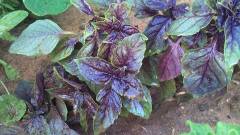
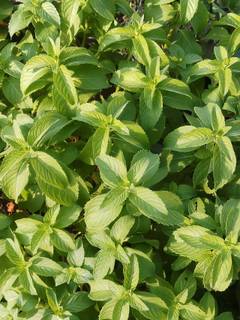
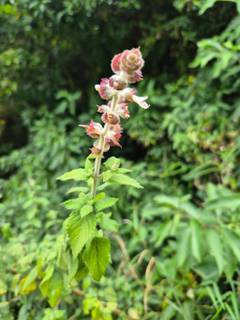
Ocimum basilicum 'Thai' is an aromatic annual herb separated from sweet basil cultivars by its purple-green stems and spicy anise-like fragrance. The compact cultivar reaches 12-18 inches (30-45 cm) in height with an upright bushy growth habit. The narrow lance-shaped leaves are deep green with a glossy surface and serrated edges, measuring 2-3 inches (5-8 cm) long. Purple flower spikes emerge from the stem tips and carry small white to pale pink tubular flowers arranged in whorls. The whole plant carries a complex fragrance combining sweet basil notes with licorice and clove undertones — the anise-licorice profile is the identification character at the scent level that separates the Thai cultivar group from sweet basil cultivars like 'Genovese'.
Native Range
Ocimum basilicum is native to tropical regions of Asia, particularly India and Southeast Asia, where the species has been cultivated for over 3,000 years across diverse climatic conditions from tropical lowlands to subtropical highlands.Suggested Uses
Used in herb gardens, container plantings, and kitchen gardens where the aromatic leaves are harvested for culinary use. Suited to Asian cuisine, particularly Thai, Vietnamese, and Cambodian dishes — the anise-licorice profile pairs with lemongrass, galangal, and fish sauce flavors that sweet basil cultivars do not match. Works in mixed herb containers and as an edible border with purple-tinged stems and flower spikes that give color beyond the leaf harvest.How to Identify
Appearance
Size & Dimensions
Height12–18 inches (30–45 cm)
Width/Spread10–12 inches (25–30 cm)
Height30–45 cm (12–18 inches)
Width/Spread25–30 cm (10–12 inches)
Bloom Information
Midsummer through fall (July-October) across a 16-week bloom window on unharvested plants. Purple flower spikes emerge from the stem tips and carry small white to pale pink tubular flowers. Flower production is typically suppressed in leaf-crop production by pinching the spikes at emergence; some flowers are allowed to develop on a few stems for seed collection or for the ornamental purple color of the spikes.
Detailed Descriptions
Flower Description
White to pale pink tubular flowers carried in whorls along purple flower spikes at the stem tips; the purple spike color contrasts with the green foliageFoliage Description
Deep green glossy narrow lance-shaped leaves 2-3 inches (5-8 cm) long with serrated edges; carried on purple-tinged stems that carry the purple coloration most strongly at the nodes and growing tipsGrowing Conditions
Sun Requirements
Requires 6-10 hours of direct sunlight daily
• Full Sun: 6+ hours of direct sunlight
• Partial Shade: 3-6 hours of direct sunlight
• Full Shade: Less than 3 hours of direct sunlight
Care & Maintenance
Care Guide
Grows in warm conditions with consistent moisture for optimal leaf growth. Water regularly to keep evenly moist but well-draining soil, avoiding overhead watering that promotes fungal diseases. Feed with a balanced liquid fertilizer every 2-3 weeks through the growing season. Pinch flower buds regularly to hold leaf production and prevent the plant from going to seed. Provide shelter from cold drafts and temperatures below 50°F (10°C) since this tender annual is highly sensitive to cold and does not recover from chilling injury below 45°F (7°C).Pruning
Ocimum basilicum 'Thai' should be pinched regularly to hold bushy growth and prevent flowering. Remove flower spikes as soon as they appear to keep the plant producing tender leaves. Harvest leaves frequently by pinching stems just above a pair of leaves to trigger branching. In late summer, allow some flowers to develop if seed collection is the goal, but continue harvesting leaves from non-flowering stems to extend the productive window.Pruning Schedule
Prune: August–September
summerfall
Container Growing
Suitable for container growing
Minimum container size: 1 gallon (4 liters)4 liters
Toxicity
Non-toxicPlanting Guide
Planting Methods & Timing
Planting Method
transplant
Indoor Start
6 weeks before last frost
Direct Sow Timing
after last frost when soil temperature reaches 60°F
Days to Maturity
60–90 days
Plant Spacing
12 inches (30 cm)30 cm