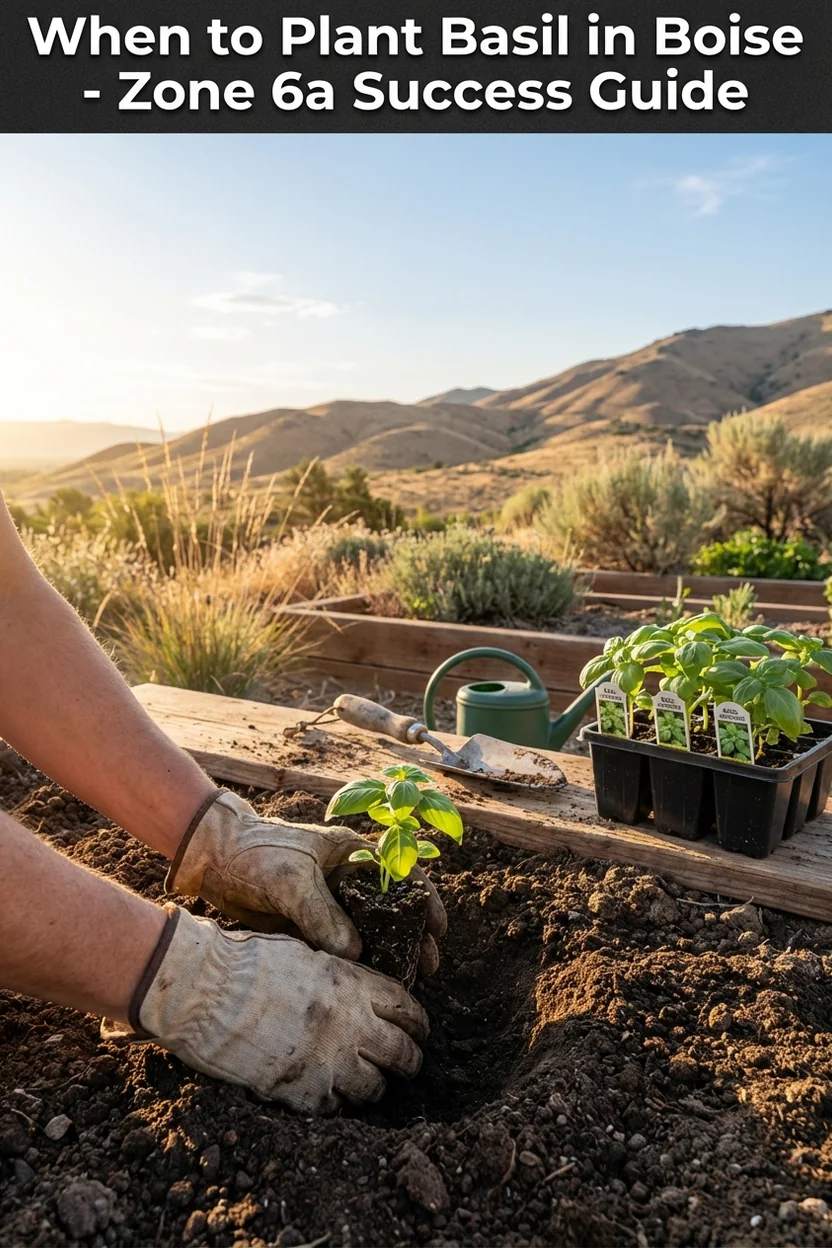
When to Plant Basil in Boise: Complete Guide + Best Varieties for Zone 6a
Pets & Toxicity
Recorded toxicity for plants linked in this guide. An unknown status is not a safety assessment.
No linked plant is recorded as toxicDetailsHide
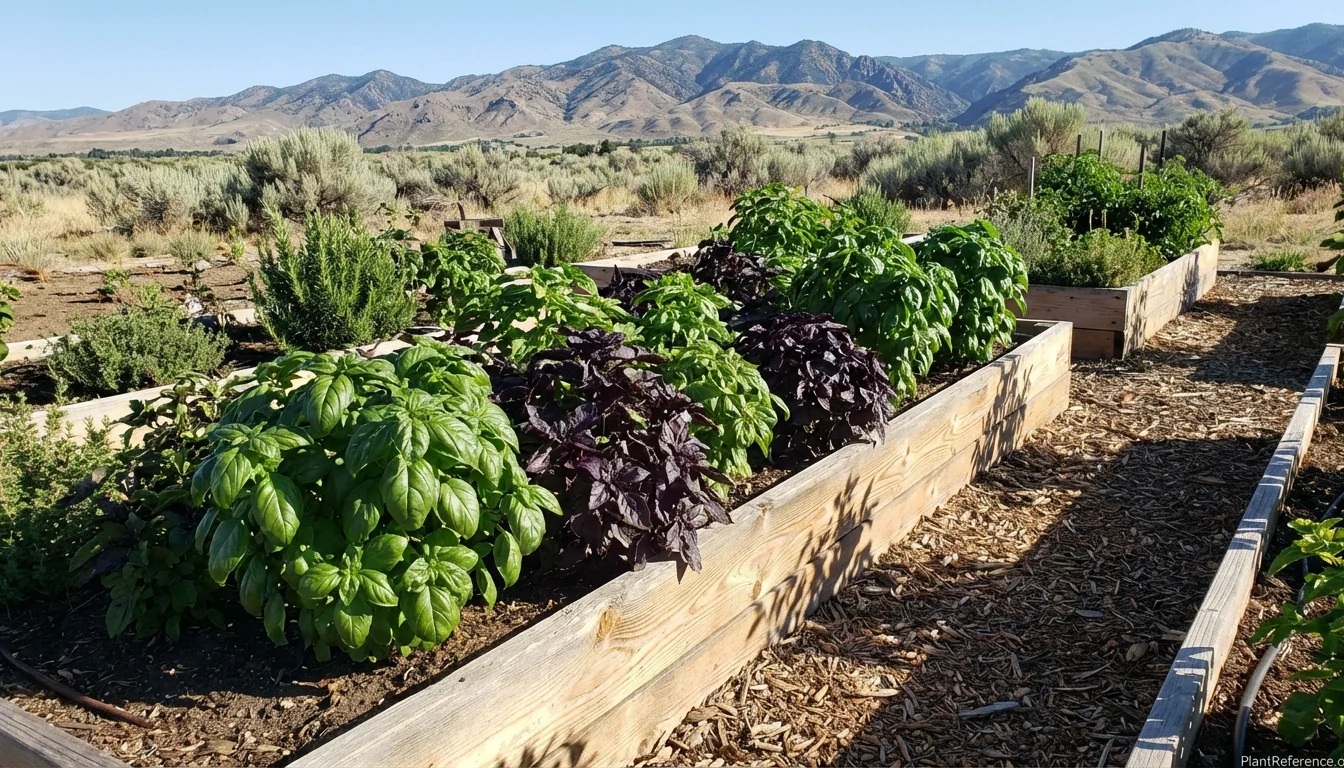
— Image © Plant Reference 2026
Growing basil in Boise requires understanding our unique Zone 6a climate with its late spring frosts and intense summer heat. After forty years of gardening in Idaho, I've learned that timing your basil planting correctly makes the difference between a thriving herb garden and disappointment.
Boise's 158-day growing season from May 5th to October 10th provides excellent conditions for basil cultivation once you navigate our unpredictable spring weather. The key challenges here are our late frost potential and rapid transition to intense summer heat. Unlike gardeners in milder climates who can direct sow, we need to start with transplants to maximize our growing window.
The high desert climate around Boise creates unique growing conditions. Our low humidity helps prevent fungal diseases that plague basil in humid regions, but our intense UV radiation and temperature swings require careful variety selection and placement strategies.
Best Basil Varieties for Boise's Climate
Selecting the right varieties is crucial for success in Idaho's challenging climate. Not all basil performs equally in our Zone 6a conditions with intense heat and occasional late season cold snaps.
Variety | Days to Maturity | Best For | Notes for Boise |
|---|---|---|---|
60-90 days | Pesto, Italian dishes | Excellent heat tolerance, needs afternoon shade in July-August | |
60-90 days | Asian cooking, stir-fries | Superior heat tolerance, thrives in Boise summers | |
60-75 days | Teas, seafood, desserts | Requires consistent moisture, bolts quickly in heat | |
70-80 days | Garnish, vinegars | Needs maximum sun to maintain color | |
60-90 days | Medicinal teas | Container growing recommended, not winter hardy |
Genovese Basil for Boise Gardens
🌿Ocimum basilicum 'Genovese' represents the gold standard for culinary basil and performs exceptionally well in Boise's climate. The large, succulent leaves produce the classic sweet basil flavor essential for pesto and Italian cooking. This variety handles our temperature extremes better than most, though it benefits from afternoon shade during July and August when temperatures exceed 95°F.
In my experience, Genovese basil planted in early May produces continuously through September if properly managed. The key is providing consistent moisture without overwatering—our low humidity helps prevent root rot that occurs in other climates.
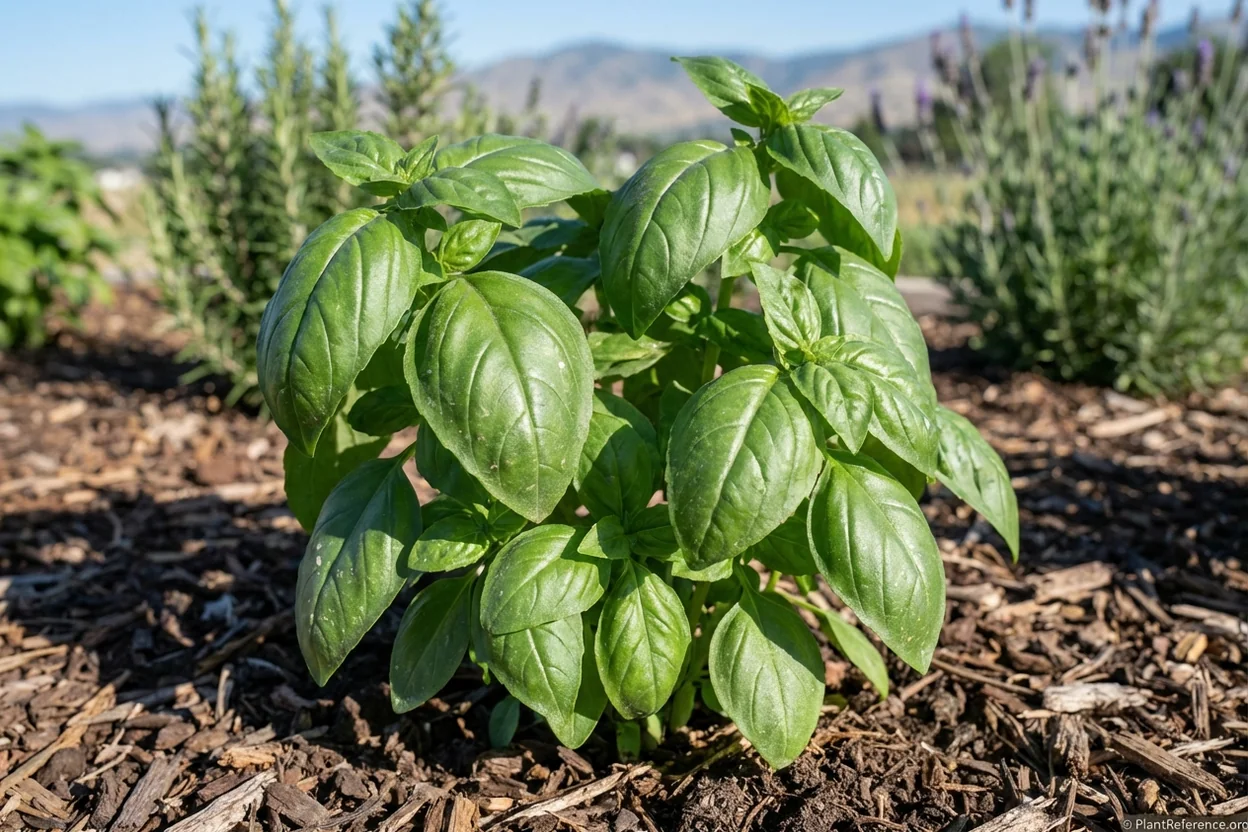
Thai Basil: The Heat Champion
For Boise's intense summer conditions, 🌿Ocimum basilicum 'Thai' stands unmatched. This variety actually thrives in the heat that can stress Genovese types. The narrow, serrated leaves and purple flower spikes create an ornamental addition to the garden while providing essential ingredients for Asian cuisine.
Thai basil's robust structure handles our occasional strong winds better than soft-stemmed varieties. It produces continuously through September and often into early October, making it ideal for succession planting throughout the season.
Purple Basil Considerations
🌿Ocimum basilicum 'Purple' varieties like 'Dark Opal' and 'Red Rubin' require special attention in Boise. Our intense UV radiation actually benefits these plants, helping maintain their deep purple coloration. However, our spring can be cloudy, causing plants to revert to green early in the season.
Position purple basil in your garden's hottest, sunniest location—typically south-facing areas without shade. Any competition for light will cause color fading that rarely recovers.
Specific Planting Dates for Boise
Timing is everything when growing basil in Zone 6a. Our last frost date of May 5th provides the baseline, but soil temperature matters more than air temperature for successful transplanting.
Indoor Seed Starting Schedule
March 15-30: Start seeds indoors using heat mats to maintain 75°F soil temperature. Basil requires warm conditions for germination—cool soil leads to poor emergence and damping-off disease.
Use quality seed starting mix and provide 14-16 hours of light daily. I recommend starting more seeds than you need; basil germination can be spotty in cool conditions.
April 1-15: Begin hardening off process when seedlings have 2-3 sets of true leaves. Start with 2-3 hours outdoors in protected location, gradually increasing exposure.
April 20-30: Complete hardening off but don't rush transplanting. Boise weather can be deceptive—warm days often hide cold nights that damage tender plants.
Transplanting Timeline
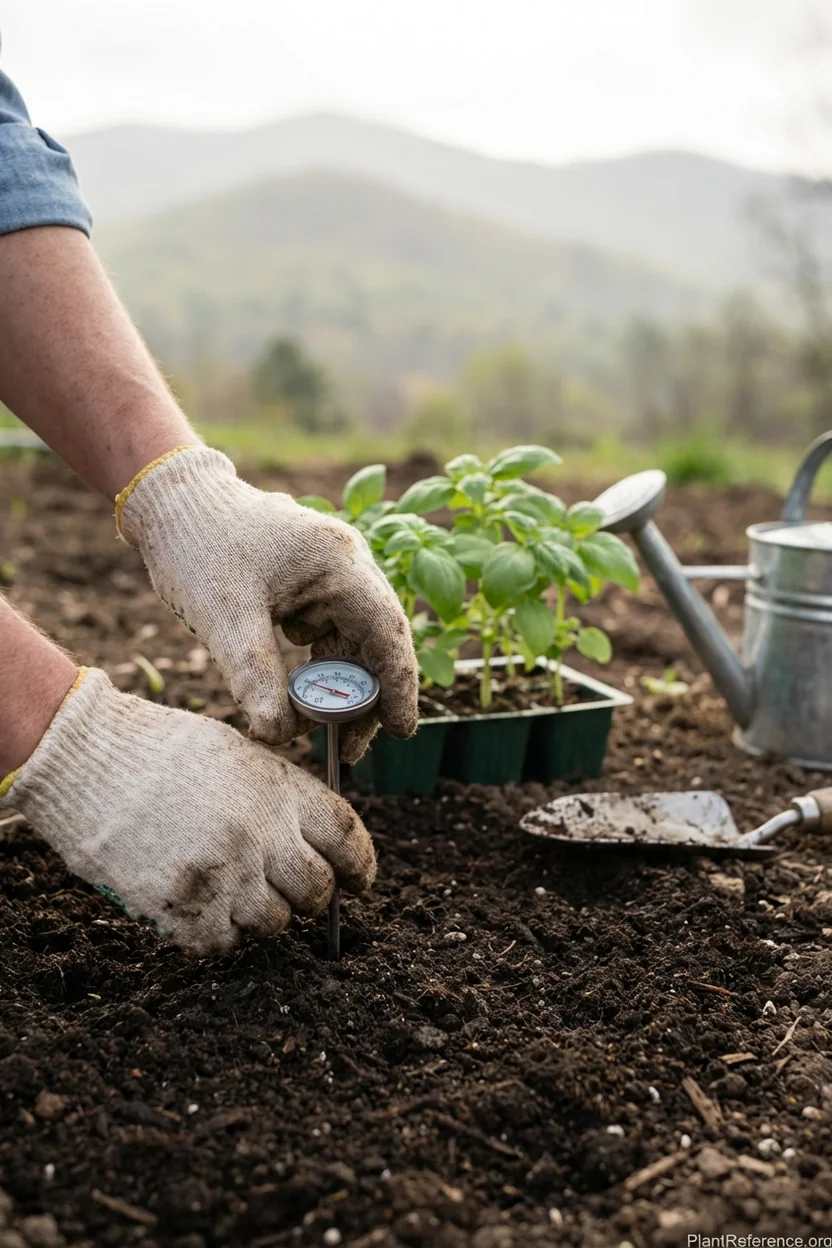
May 1-5: Monitor soil temperature daily. Basil requires minimum 60°F soil temperature for successful establishment. Cold soil causes transplant shock and stunted growth.
May 10-20: Optimal transplanting window. Soil temperatures are consistently warm, and frost risk is minimal. This timing allows full season growth before fall frost.
Late May: Final planting window. Plants started later may not reach full maturity before October frost, but they'll still provide substantial harvest.
Direct Seeding Options
Unlike colder zones, Boise's Zone 6a allows limited direct seeding, but timing is crucial.
May 20-June 1: Direct sow only fast-maturing varieties like Lemon basil. Soil must be consistently 65°F for reliable germination.
June 1-15: Last opportunity for direct seeding. Choose 60-day varieties and provide row cover protection for fall harvest.
Complete Growing Guide for Boise
Success with basil in Boise requires understanding our unique high desert conditions and adapting traditional growing methods accordingly.
Site Selection and Soil Preparation
Choose locations receiving 6-8 hours morning sun with afternoon shade during July-August. East-facing exposures work perfectly, providing essential morning warmth while protecting from intense afternoon heat.
Boise's alkaline soils (pH 7.0-8.0) require amendment for optimal basil growth. Work in 2-3 inches of compost to improve drainage and lower pH toward the ideal 6.0-7.0 range.
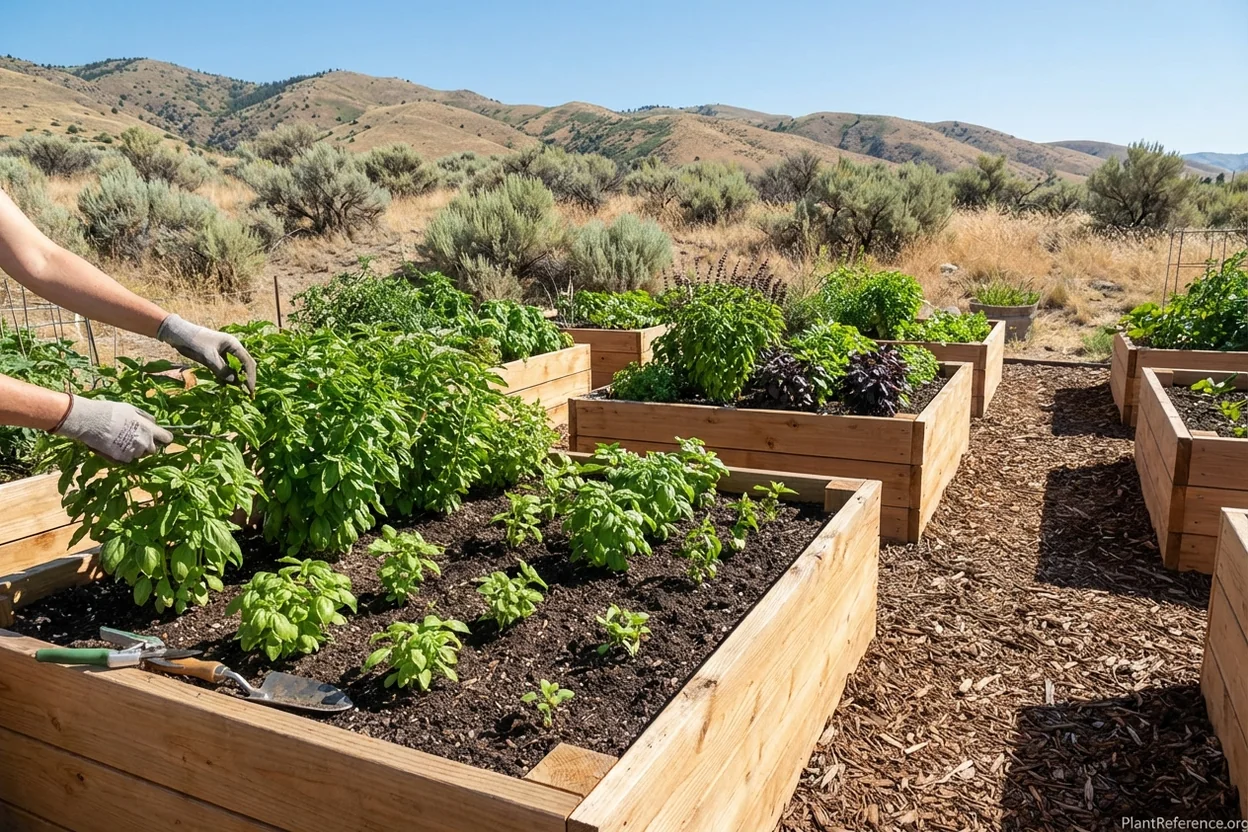
Our clay-based soils retain moisture well but can become waterlogged. Raised beds or containers provide superior drainage and faster soil warming in spring.
Water Management in Arid Conditions
Boise's low humidity and hot summers require consistent moisture management without overwatering. Basil needs approximately 1-1.5 inches weekly, but delivery method matters significantly.
Drip Irrigation Strategy: Install drip lines or soaker hoses to deliver water directly to root zones. This prevents foliar diseases while ensuring consistent moisture during our hot, dry summers.
Mulching Protocol: Apply 2-3 inches organic mulch around plants, keeping material 2 inches from stems. This conserves moisture and moderates soil temperature fluctuations.
Morning Watering: Water early morning to allow foliage to dry before evening. Our low humidity helps, but wet leaves overnight can still encourage fungal problems.
Heat Management Techniques
Managing Boise's summer heat separates successful basil cultivation from mediocre results.
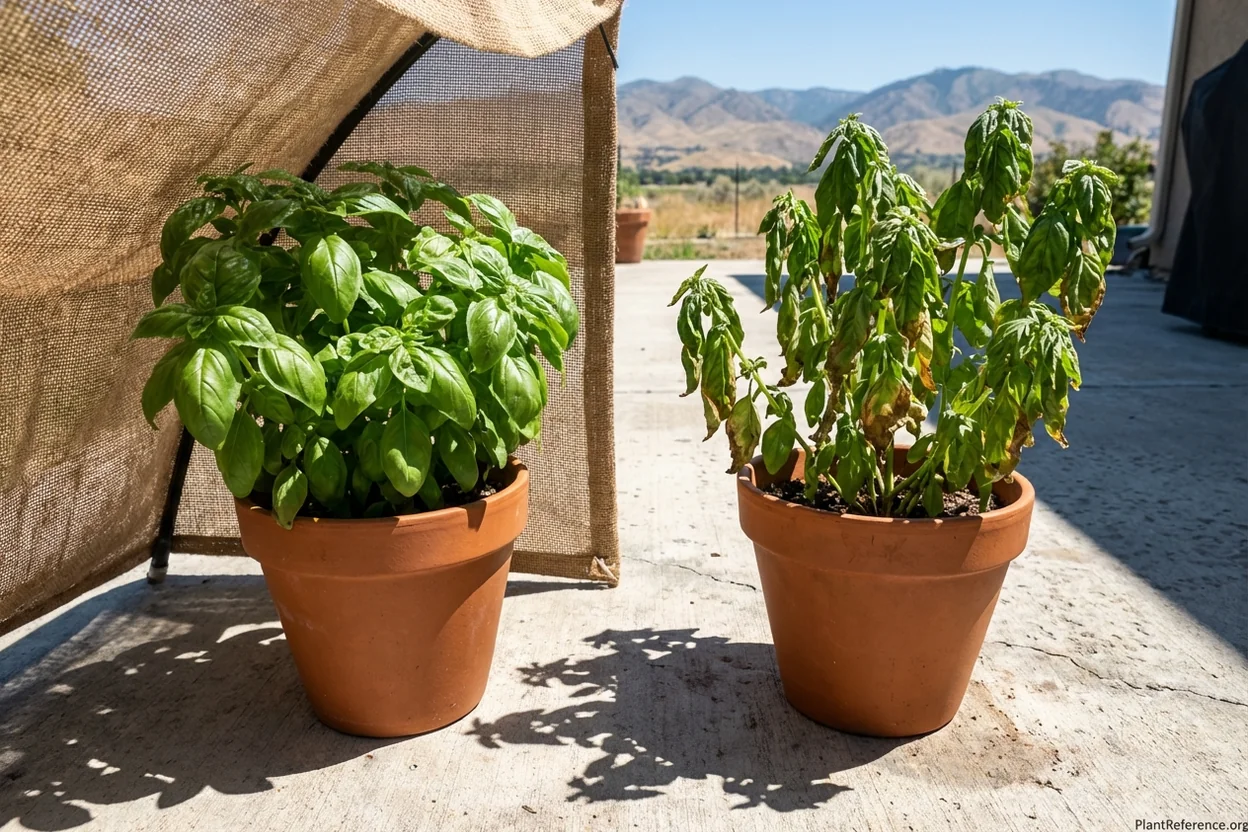
Shade Structures: Provide 30-50% afternoon shade using shade cloth or strategic plant placement. Position basil east of taller crops like tomatoes or install temporary structures.
Container Advantages: Containers can be moved to optimal locations throughout the season. Start in full sun during cool weather, then relocate to partial shade during peak summer.
Succession Planting: Plant new seedlings every 3-4 weeks through June for continuous harvest. Later plantings often outperform heat-stressed early crops during fall months.
Companion Planting for Boise
Strategic companion planting optimizes basil performance in our climate.
Heat Buffers: Tall crops like tomatoes, peppers, or sunflowers provide afternoon shade while basil's aromatic compounds may help deter pests from these companions.
Moisture Companions: Plant alongside other heat-loving herbs like oregano and rosemary that share similar water requirements.
Avoid: Don't plant with water-hungry crops requiring frequent irrigation. Different moisture needs lead to overwatering basil or underwatering companions.
Troubleshooting Boise-Specific Problems
Our high desert climate creates unique challenges requiring targeted solutions.
Rapid Bolting in Heat
Boise's quick transition from spring to summer heat triggers premature flowering in basil. Monitor plants daily during June-July and pinch flower buds immediately upon appearance.
Prevention: Choose slow-bolt varieties like 'African Blue' or 'Cardinal'. Provide consistent moisture and partial afternoon shade to reduce heat stress.
Management: If flowering occurs, harvest heavily and start new plants for fall production. Heat-stressed plants rarely recover full productivity.
Wind Damage
Our occasional strong winds can damage basil's tender stems and leaves.
Protection: Use plant supports or grow in protected locations near structures. Container plants can be moved during predicted wind events.
Recovery: Damaged plants often recover quickly if stems remain intact. Harvest damaged foliage and provide extra water during recovery.
Late Season Cold Snaps
October weather can be unpredictable, with temperatures occasionally dropping below basil's tolerance.
Protection Methods: Row covers provide 3-5°F protection for extending harvest. Wall-o-water or similar devices protect individual plants.
Harvest Strategy: Monitor weather forecasts closely and harvest heavily before predicted frosts. Basil doesn't recover from cold damage.
Alkaline Soil Challenges
Boise's naturally alkaline soils can cause nutrient lockup affecting basil growth.
Symptoms: Yellowing leaves despite adequate fertility, stunted growth, poor flavor development.
Solutions: Regular compost applications help buffer pH. Sulfur amendments can lower pH long-term, but compost provides faster results.
Harvest & Storage
Proper harvesting techniques maximize both yield and quality from Boise-grown basil.
Optimal Harvest Timing
Begin harvesting when plants reach 6-8 inches tall, typically 4-6 weeks after transplanting. Cut stems just above leaf pairs to encourage branching and continued production.
Morning Harvest: Collect basil in early morning after dew evaporates but before heat builds. Essential oils are most concentrated during these cool hours.
Regular Schedule: Harvest every 2-3 weeks throughout the season. Frequent harvesting prevents flowering and maintains tender leaf production.
Preservation Methods for Arid Climate
Boise's low humidity affects traditional preservation methods.
Freezing: Most reliable method for maintaining flavor. Blanch leaves 15 seconds, shock in ice water, dry thoroughly, and freeze in sealed containers.
Drying: Our arid climate enables excellent air drying. Hang small bundles in shade with good air circulation. Leaves dry quickly while retaining color.
Pesto Production: Process fresh basil into pesto and freeze in ice cube trays for convenient portioning.
Frequently Asked Questions
Reading about plants and recognising them are different skills. These three build the second.
- Daily PlantIdentify the day’s mystery plant from a close-up photograph.
- Keyed OutWork a dichotomous key, lead by lead, to name a hidden specimen.
- Name That PlantName a specimen from botanical clues dealt hardest first.
Free to play, no account needed
Lily is a Master Gardener and high-desert homesteader outside Boise. She and her husband moved to Idaho from the Bay Area and had to completely relearn gardening for a climate with alkaline soil, intense sun, hard freezes, and limited water. Lily now grows a large vegetable garden, maintains a small orchard of cold-hardy fruit trees, and raises cut flowers for the local farmers market. She writes about the specific challenges of intermountain gardening—short seasons, temperature swings, and the importance of soil amendment in high-pH soils. Lily is honest about the learning curve: high-desert gardening is humbling, and she thinks more gardening writers should admit when conditions are genuinely difficult.