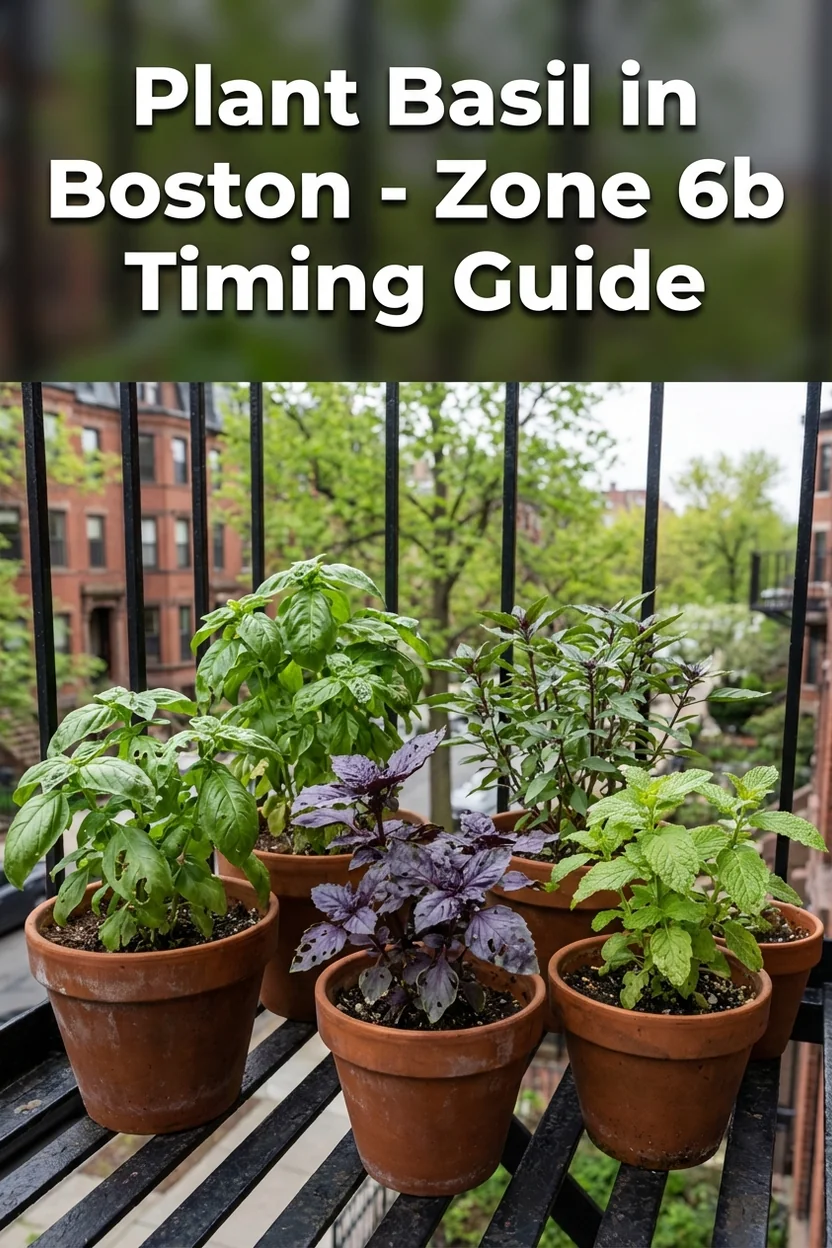
When to Plant Basil in Boston: Complete Guide + Best Varieties for Zone 6b
Pets & Toxicity
Recorded toxicity for plants linked in this guide. An unknown status is not a safety assessment.
No linked plant is recorded as toxicDetailsHide
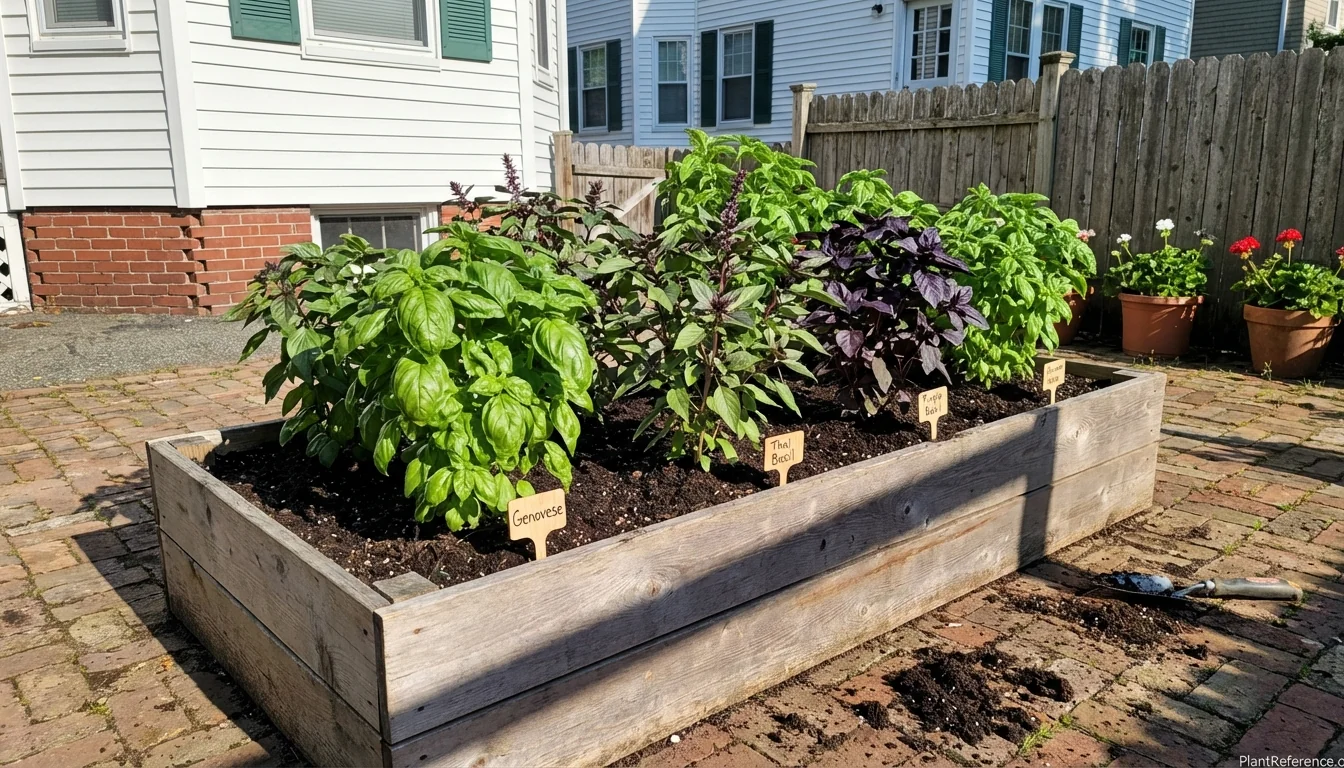
— Image © Plant Reference 2026
After forty years of growing herbs in New England, I'll tell you what works for basil in Boston: timing is everything, and the weather doesn't care about your calendar. The key to successful basil growing in Zone 6b is understanding that these tender annuals need both soil and air temperatures consistently above 50°F (10°C) to thrive.
Boston's coastal location in Zone 6b gives us a reliable 183-day growing season from April 20 to October 20, but basil success depends on working with our maritime climate. The ocean moderates extreme temperatures but also means cool springs that can stunt tender herbs if you rush the season.
Best Basil Varieties for Boston's Zone 6b Climate
Boston's moderate climate with adequate rainfall and humidity suits most basil varieties, but some perform better than others in our coastal conditions. I've tested dozens of cultivars over the years, and these five consistently deliver in Massachusetts gardens.
Variety | Days to Maturity | Best For | Notes for Boston |
|---|---|---|---|
60-90 days | Pesto, Italian cooking | Thrives in Zone 6b, heat-tolerant through August | |
60-90 days | Asian cooking, hot dishes | Excellent heat tolerance, handles humid summers well | |
60-75 days | Seafood, teas, desserts | Quick to mature, perfect for Boston's short season | |
70-80 days | Garnish, vinegar infusions | Needs maximum sun to maintain purple color | |
60-90 days | Medicinal teas, cooking | Container growing recommended for Boston |
Genovese: The Boston Garden Staple
🌿Ocimum basilicum 'Genovese' remains my top recommendation for Boston gardeners. This Italian heirloom produces large, cupped leaves perfect for pesto and handles our humid summers without the leaf diseases that plague lesser varieties. The plants reach 24-30 inches tall in good soil and produce continuously when harvested properly.
In Boston's Zone 6b climate, Genovese basil thrives from May through September. The variety shows excellent heat tolerance during our typical 80-85°F summer days while remaining productive through the cooler nights of early fall.
Thai Basil: Heat Champion
🌿Ocimum basilicum 'Thai' excels in Boston's sometimes humid summers when other varieties flag. The narrow leaves and sturdy stems handle our occasional heat waves better than sweet basil types. Thai basil's distinctive anise flavor intensifies in hot weather, making it ideal for stir-fries and curries.
This variety requires vigilant flower removal in Boston gardens. The purple flower spikes appear early and continuously, especially during hot spells in July and August.
Purple Varieties: Challenging but Rewarding
🌿Ocimum basilicum 'Purple' cultivars like 🌿Ocimum basilicum 'Dark Opal' and 🌿Ocimum basilicum 'Red Rubin' need special attention in Boston. Our sometimes cloudy springs can cause purple basil to revert to green if planted in partial shade. Position these varieties in the garden's sunniest spot—south-facing exposure with 8+ hours of direct sunlight.
Holy Basil: Container Recommended
🌿Ocimum tenuiflorum grows slowly in Boston's moderate climate compared to its tropical origins. I recommend container cultivation for Holy Basil, which allows you to move plants to protected locations during cool September nights and extend the harvest season.
Specific Planting Dates for Boston
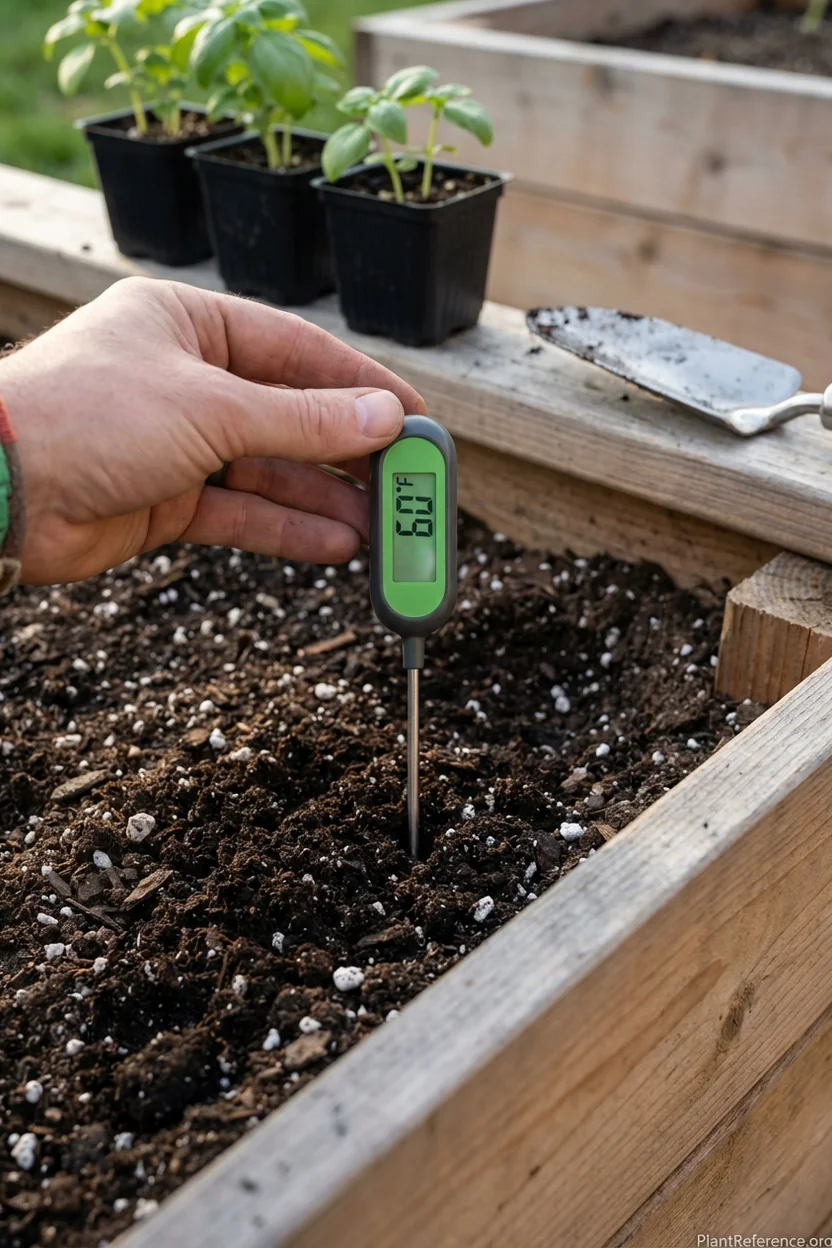
Boston's last frost date of April 20 provides the framework for basil planting, but soil temperature matters more than air temperature. I use a soil thermometer to verify ground temperature reaches 60°F (16°C) consistently before transplanting.
Indoor Seed Starting Schedule
March 1-15: Start Seeds Indoors
Begin basil seeds indoors 6-8 weeks before the last frost date. In Boston, this means starting seeds between March 1-15 for optimal transplant timing. Use heat mats to maintain soil temperature at 75°F (24°C) for quick, uniform germination.
Seeds germinate in 5-10 days at proper temperature. Without supplemental heat, germination becomes erratic and can take 3+ weeks in March when indoor temperatures fluctuate.
April 1-15: Harden Off Transplants
Begin hardening off seedlings when they have 2-3 sets of true leaves, typically 4-5 weeks after sowing. Boston's variable April weather requires gradual acclimation over 7-10 days, starting with 2-3 hours outdoors in protected locations.
Outdoor Planting Dates
April 20-30: Safe Transplanting Window
The week following Boston's average last frost date provides the safest transplanting window. Soil temperature should read 60°F or higher at 4-inch depth, taken in morning before soil warming begins.
May 1-15: Optimal Transplanting Period
This two-week window offers ideal conditions in most years. Soil has warmed thoroughly, and night temperatures rarely drop below 50°F (10°C). Plants establish quickly and begin rapid growth.
May 15-June 1: Direct Sowing Window
Direct sowing becomes viable once soil temperature reaches 65°F consistently. I prefer transplants for reliable stands, but direct seeding works well for succession planting or large plantings.
Succession Planting Strategy
June 15: Second Planting
Direct sow a second crop in mid-June for fresh, vigorous plants that produce through fall. This timing provides plants that peak in September when early plantings may become woody or bolt.
July 15: Final Planting (Thai and Holy Basil Only)
The most heat-tolerant varieties can be planted as late as mid-July in Boston. These late plantings often produce better quality leaves during the cooler weather of early fall.
Complete Growing Guide for Boston
Success with basil in Boston requires understanding our coastal climate patterns. Morning fog, afternoon sea breezes, and humidity fluctuations all affect plant performance and disease pressure.
Site Selection and Soil Preparation
Choose the warmest, most protected location in your garden. South-facing exposures with morning sun and afternoon protection from strong winds work best. Boston's clay-heavy soils require amendment for proper drainage.
Soil Preparation Protocol:
Test pH and adjust to 6.0-7.0 using lime if needed
Add 2-3 inches of compost to improve drainage in clay soils
Incorporate coarse sand or perlite if drainage remains poor
Create raised beds in areas with standing water after rain
Apply balanced organic fertilizer (10-10-10) at 1 pound per 100 square feet
Boston's marine environment provides adequate humidity for basil, but proper soil preparation prevents root rot during periods of heavy rainfall, especially in August when tropical systems can bring extended wet periods.
Planting Techniques
Transplant Spacing and Depth:
Plant transplants at the same depth they grew in containers, spacing them 12-18 inches apart in rows 18-24 inches apart. Closer spacing reduces air circulation and increases disease pressure in Boston's humid conditions.
Direct Seeding Method:
When direct seeding, plant seeds 1/4 inch deep in rows, thinning to final spacing when seedlings reach 4 inches tall. Keep soil consistently moist but not waterlogged during the 10-14 day germination period.
Water Management
Boston receives adequate rainfall in most years, but basil requires consistent moisture without waterlogged conditions. Our clay soils can create challenges during both dry spells and heavy rain periods.
Irrigation Strategy:
Apply 1-1.5 inches of water weekly, including rainfall
Water early morning to reduce disease pressure
Use drip irrigation or soaker hoses to keep foliage dry
Mulch with straw or grass clippings to retain moisture
Monitor soil moisture at 4-inch depth during hot spells
August often brings either drought stress from high pressure systems or excessive moisture from tropical weather. Consistent watering schedules help plants handle both extremes.
Fertilizer Program
Basil performs best with moderate fertility. Excessive nitrogen creates lush growth with poor flavor and increased susceptibility to diseases common in Boston's humid climate.
Feeding Schedule:
Apply balanced organic fertilizer at planting
Side-dress with compost or aged manure mid-season
Use liquid fish emulsion every 2-3 weeks during peak growth
Avoid high-nitrogen fertilizers that promote soft, disease-prone growth
Reduce feeding after mid-August to encourage hardening for fall weather
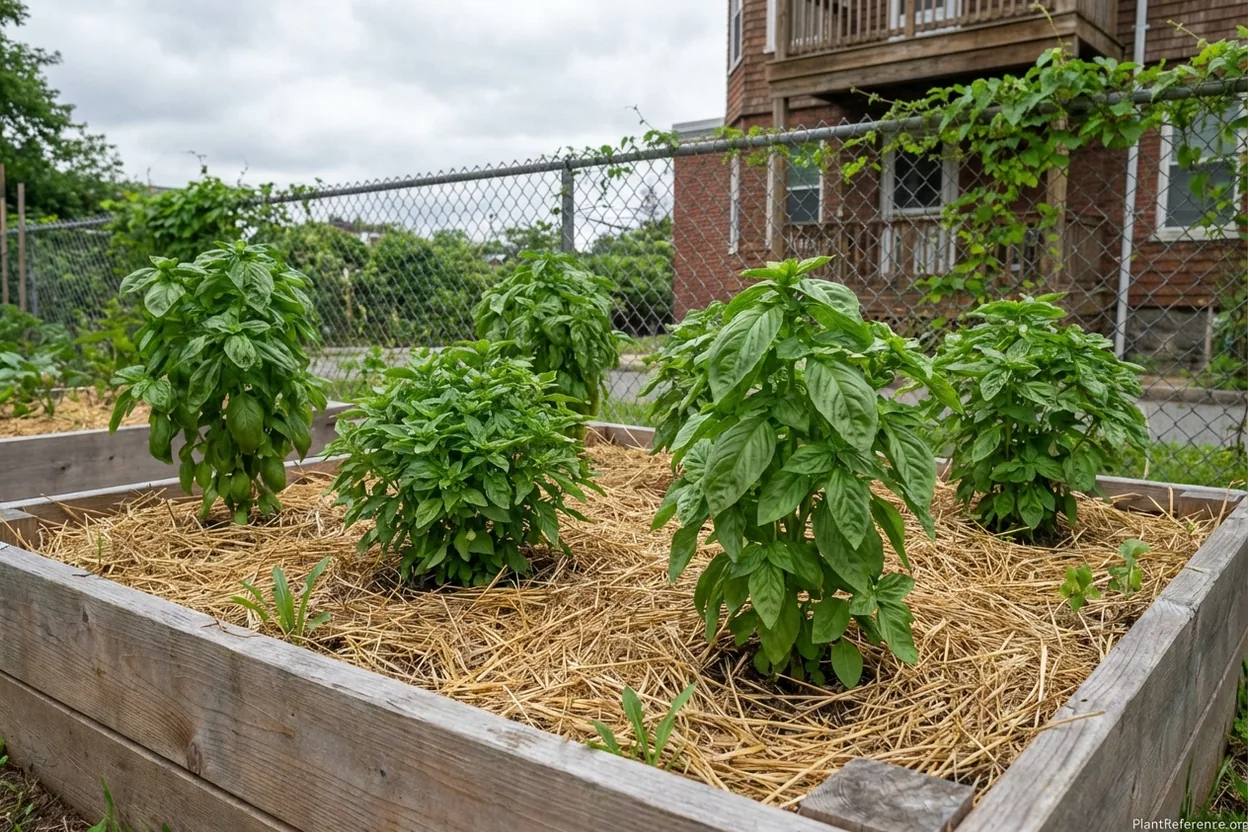
Pruning and Harvesting
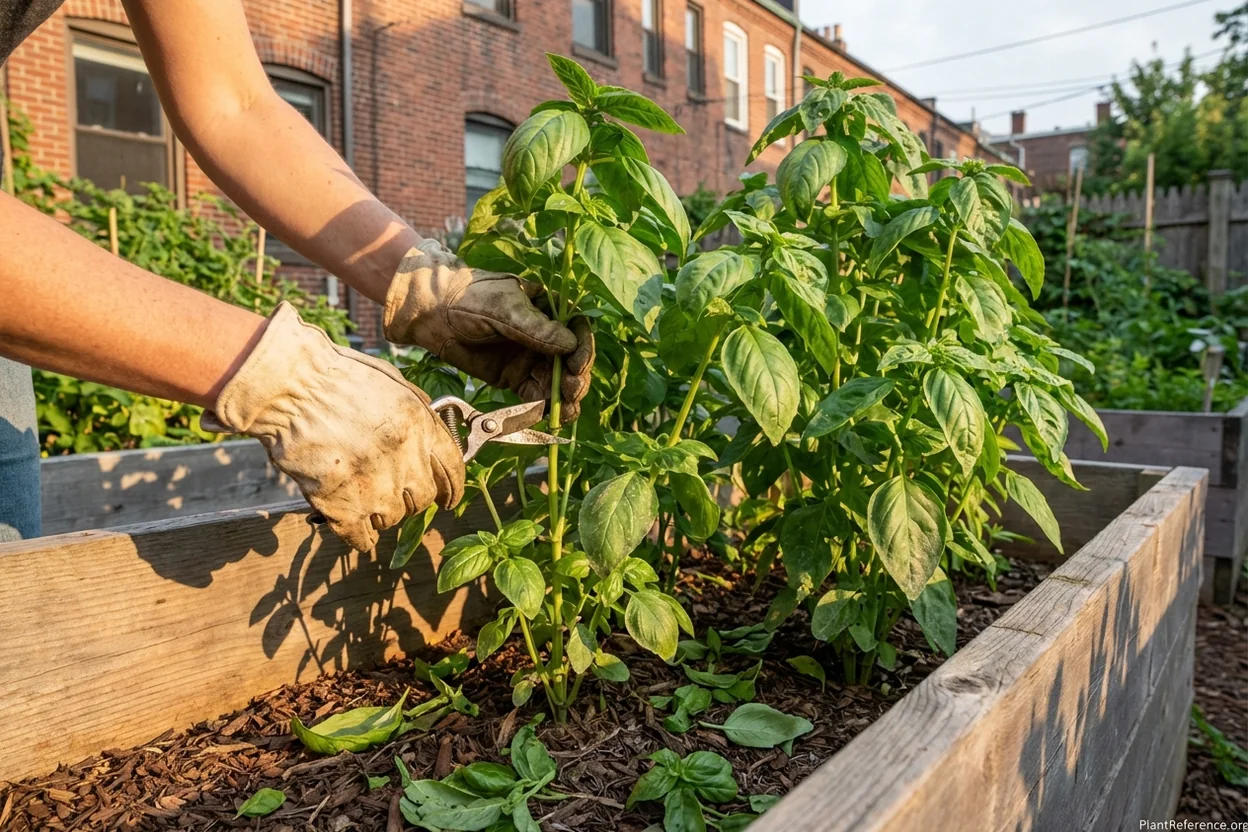
Proper harvesting techniques keep plants productive through Boston's entire growing season. Regular cutting prevents flowering and encourages bushy growth that produces more leaves.
Harvesting Protocol:
Begin harvesting when plants reach 6-8 inches tall
Cut stems just above a pair of leaves, not individual leaves
Remove flower spikes immediately when they appear
Harvest heavily before first frost in October
Cut in morning after dew dries for best flavor retention
The key to continuous production lies in understanding basil's growth pattern. Each cut stimulates two new growing points, exponentially increasing leaf production throughout the season.
Troubleshooting Boston-Specific Basil Problems
Boston's maritime climate creates unique challenges for basil cultivation. Understanding these regional issues helps prevent problems before they become serious.
Fungal Diseases in Humid Conditions
Boston's proximity to the ocean creates humid conditions that favor fungal diseases, particularly during stagnant weather patterns in July and August.
Fusarium Wilt Identification and Management:
Fusarium wilt appears as sudden wilting despite adequate soil moisture, often affecting individual plants while neighboring plants remain healthy. Brown streaking appears inside the stem when cut lengthwise.
Prevention Strategy:
Rotate basil planting locations annually
Improve soil drainage with organic matter
Avoid overhead watering during humid periods
Remove affected plants immediately and dispose in trash
Choose resistant varieties when available
Downy Mildew in Coastal Conditions:
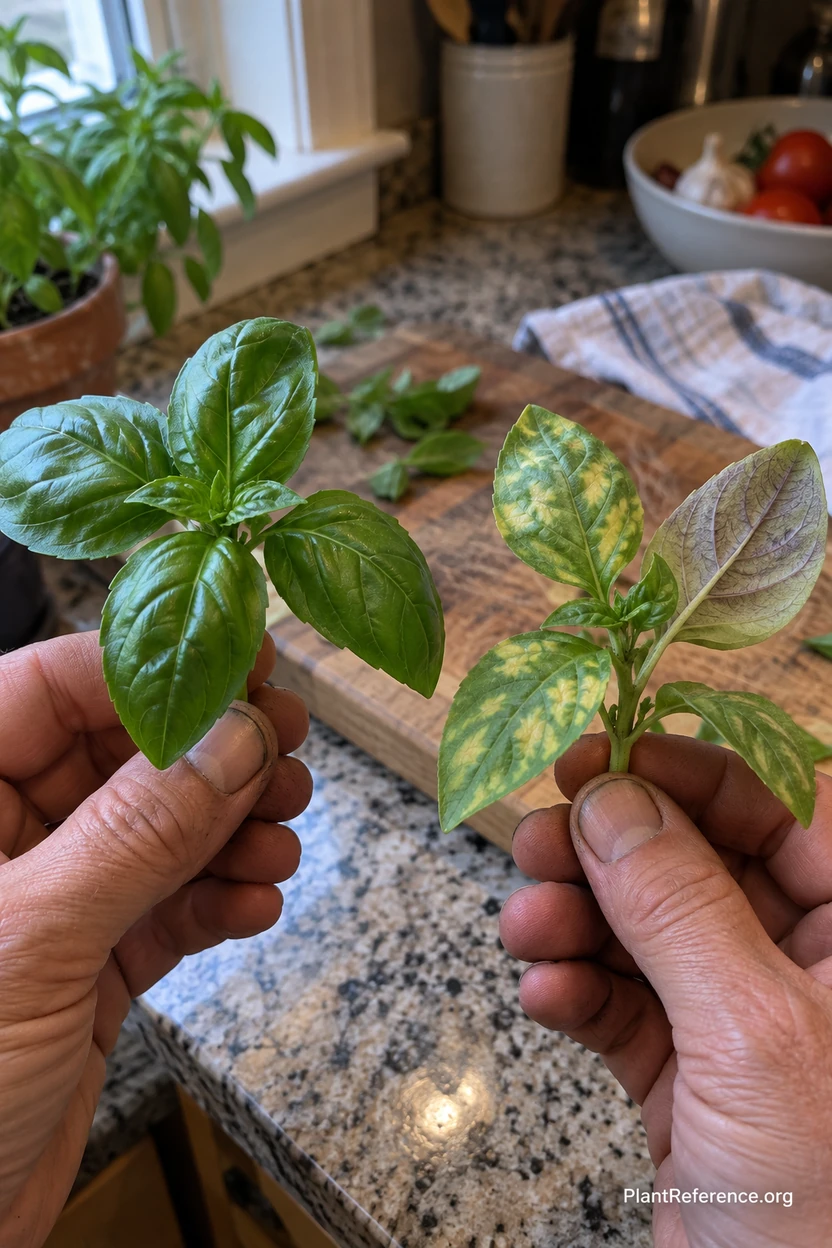
Boston's marine fog can create perfect conditions for downy mildew, especially on Genovese varieties. Yellow spots appear on upper leaf surfaces while gray fungal growth develops on leaf undersides.
Cool Weather Challenges
Boston's variable spring weather can stress basil plants, making them susceptible to problems throughout the growing season.
Chilling Injury Prevention:
Temperatures below 50°F (10°C) cause chilling injury even without frost. Watch for blackened leaves, stunted growth, and increased disease susceptibility following cool nights in May or September.
Temperature Protection Methods:
Use row covers during unexpected cool spells
Plant near south-facing walls for extra warmth
Choose containers for moveable protection
Monitor weather forecasts closely in spring and fall
Harvest heavily before temperatures drop consistently below 55°F
Pest Management
Boston gardens face typical Northeast pest pressure, with some insects becoming more problematic in recent years due to changing climate patterns.
Japanese Beetle Control:
Japanese beetles emerge in Boston gardens from late June through August, often devastating basil plantings in a matter of days. These metallic green beetles skeletonize leaves, eating everything except the major veins.
Management Strategy:
Monitor plants daily during beetle season (June-August)
Hand-pick beetles in early morning when they're sluggish
Drop collected beetles into soapy water
Use row covers during peak emergence if infestation is severe
Avoid pheromone traps which attract more beetles than they catch
Aphid Pressure:
Boston's moderate climate allows multiple aphid generations per season. These soft-bodied insects cluster on growing tips and new leaves, causing stunted growth and transmitting viral diseases.
Integrated Control Approach:
Encourage beneficial insects with diverse plantings
Spray affected plants with strong water stream
Apply insecticidal soap for severe infestations
Remove heavily infested plant parts
Monitor weekly during active growing season
Harvest and Storage
Boston's growing season allows multiple harvests from May through October. Proper timing and techniques maximize both quantity and quality of your basil harvest.
Harvest Timing for Maximum Yield
Begin light harvesting when plants reach 6 inches tall, typically 4-5 weeks after transplanting. This early harvesting encourages branching and ultimately increases total production.
Seasonal Harvest Strategy:
May: Light harvesting to encourage growth
June-July: Heavy harvesting during peak production
August: Continuous harvesting to prevent flowering
September: Moderate harvesting as growth slows
October: Final harvest before first frost
The final harvest in mid-to-late October should be comprehensive. Cut entire plants at ground level and process all usable leaves, as Boston's first frost typically occurs between October 15-25.
Processing and Preservation
Boston's humid summers can make drying basil challenging, but several preservation methods work well in our climate.
Freezing for Year-Round Use:
Freezing preserves basil's flavor better than drying in Boston's humid conditions. Wash leaves thoroughly, pat dry, and freeze whole leaves in freezer bags. For convenience, chop leaves and freeze with olive oil in ice cube trays.
Pesto Preparation:
Process basil immediately after harvest for best flavor. Boston's Genovese basil produces exceptional pesto when processed within hours of cutting. Freeze pesto in small portions for convenient year-round use.
Frequently Asked Questions
Reading about plants and recognising them are different skills. These three build the second.
- Daily PlantIdentify the day’s mystery plant from a close-up photograph.
- Keyed OutWork a dichotomous key, lead by lead, to name a hidden specimen.
- Name That PlantName a specimen from botanical clues dealt hardest first.
Free to play, no account needed
Kevin is a landscape contractor in the Boston area who specializes in cold-climate perennial gardens and hardscaping. He studied landscape design and worked at a prominent nursery on the North Shore before starting his own design-build firm. Kevin's gardens are built to handle New England weather—freeze-thaw cycles, nor'easters, late springs, and heavy snow loads. He's particularly interested in native perennials and shrubs that provide four-season interest without constant maintenance. Kevin writes about cold-hardy plant selection, winter garden structure, and building landscapes that look good even in February.