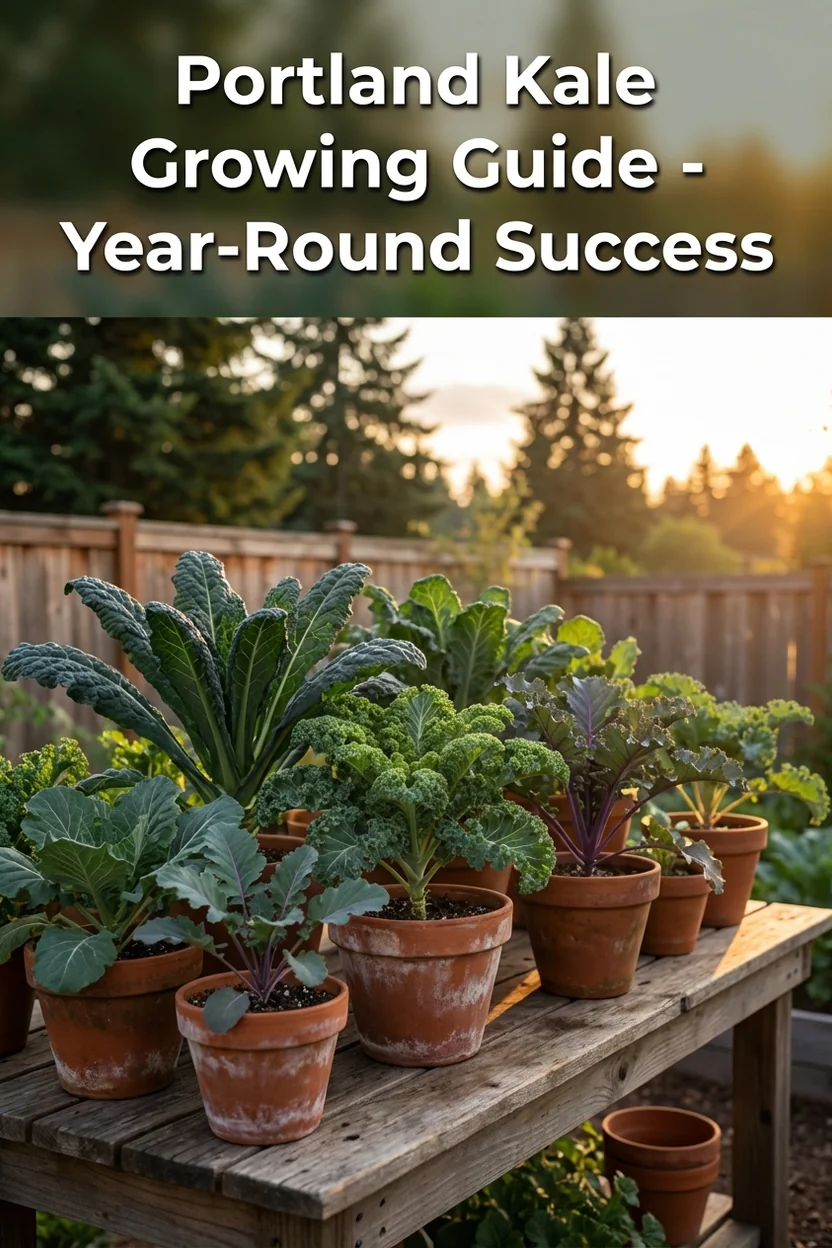
When to Plant Kale in Portland: Complete Guide + Best Varieties for Zone 8b
Pets & Toxicity
Recorded toxicity for plants linked in this guide. An unknown status is not a safety assessment.
No linked plant is recorded as toxicDetailsHide
Brassica oleracea 'Red Russian' — Toxicity
Non-toxicView Brassica oleracea 'Red Russian' plant profileBrassica oleracea var. sabellica 'Vates' — Toxicity
Non-toxicView Brassica oleracea var. sabellica 'Vates' plant profile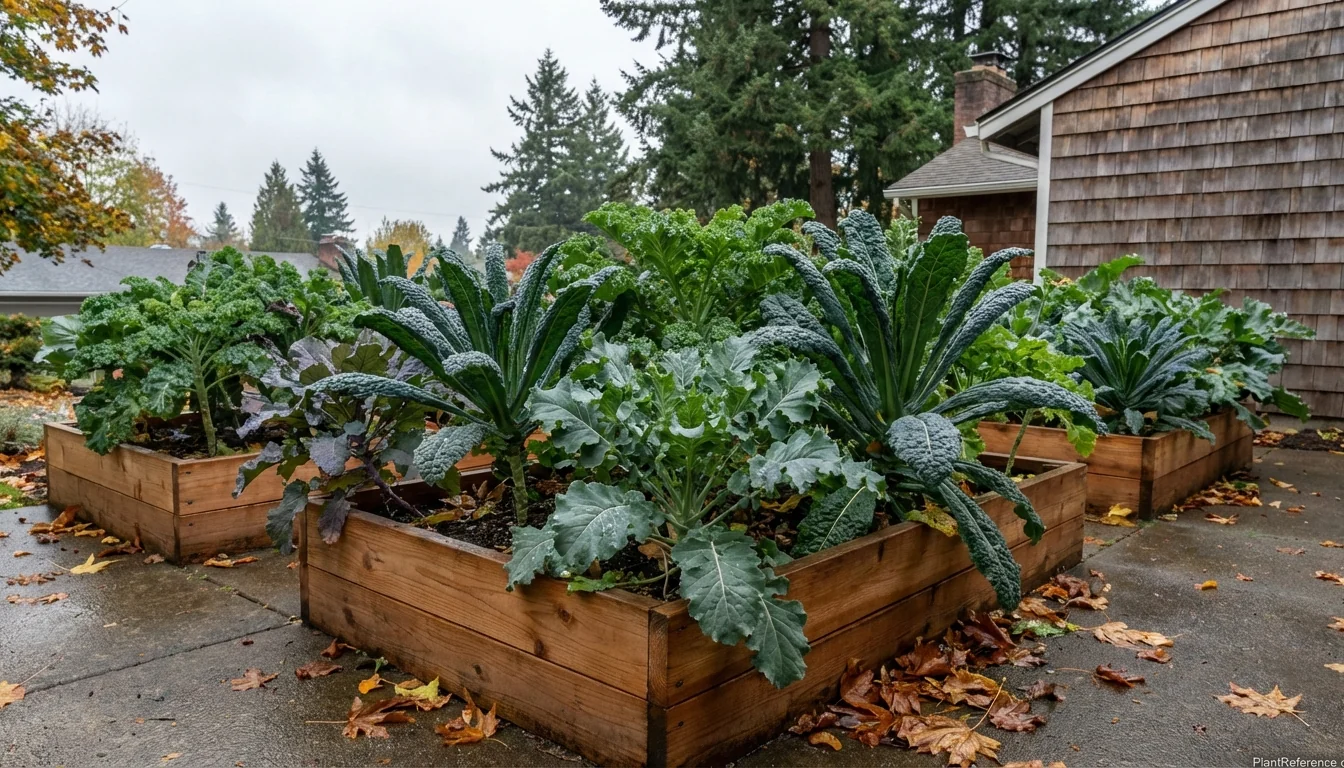
— Image © Plant Reference 2026
Portland gardeners have hit the jackpot when it comes to growing kale. Our Zone 8b climate with its mild, wet winters and moderate summers creates nearly perfect conditions for this cold-loving brassica. After forty years of vegetable gardening in the Pacific Northwest, I can tell you that kale is one of the most reliable and rewarding crops you can grow here.
The key to success with kale in Portland is understanding our unique growing windows. While most of the country struggles with either brutal winters or scorching summers, we can grow kale nearly year-round. Our last spring frost typically occurs around March 19, and our first fall frost doesn't arrive until November 9, giving us 235 growing days. But here's the secret: the best kale comes from fall plantings that mature in our cool, moist autumn weather.
Best Kale Varieties for Portland's Climate
Portland's mild climate allows us to grow virtually any kale variety successfully, but some perform better than others in our specific conditions. After testing dozens of varieties over the years, these five consistently deliver the best results.
Variety | Days to Maturity | Best For | Notes for Portland |
|---|---|---|---|
60-75 days | Winter harvest | Extremely cold-hardy, survives Portland winters outdoors | |
60-75 days | Year-round production | Heat tolerant, handles summer better than curly types | |
50-60 days | Quick spring crops | Fastest maturing, tender leaves perfect for salads | |
60-75 days | Ornamental winter gardens | Beautiful purple color intensifies with cold | |
55-65 days | Small spaces | Compact growth, excellent for containers |
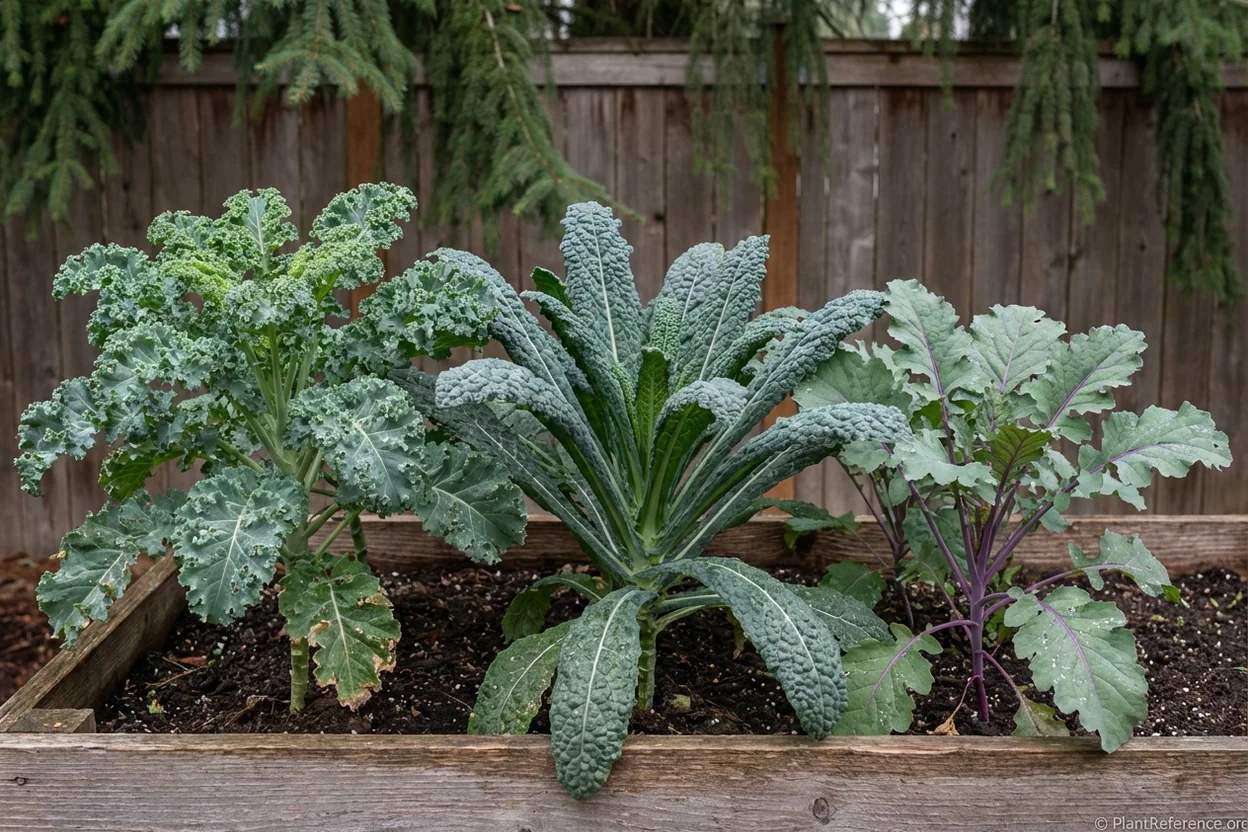
🌿Brassica oleracea 'Winterbor' is the champion of Portland winters. This F1 hybrid with its deeply ruffled, blue-green leaves can handle everything our climate throws at it. I've harvested fresh Winterbor leaves from my garden in January after weeks of freezing rain and 20°F (-6°C) temperatures. The cold actually improves the flavor, converting starches to sugars and eliminating the bitterness common in summer-grown kale.
🌿Brassica oleracea 'Lacinato', also called Tuscan or Dinosaur kale, excels in our transition seasons. Its strap-like, heavily textured leaves have a nutty, sweet flavor that's perfect for both raw salads and cooked dishes. This variety handles our occasional summer heat waves better than the curly types, making it ideal for succession planting.
For quick results, 🌿Brassica oleracea 'Red Russian' can't be beaten. This variety matures in just 50-60 days and produces tender, flat leaves with striking purple veins. It's perfect for spring plantings when you want fresh kale before the summer heat arrives.
Specific Planting Dates for Portland
Portland's long growing season allows for multiple planting windows, but timing is everything. Our Zone 8b climate means we can push the season on both ends, but we still need to work with nature's schedule.
Fall Planting (Primary Season): August 15 - October 1
This is when Portland kale really shines. Fall plantings mature during our ideal cool, moist autumn weather and develop the sweetest flavor. Plant seeds directly in the garden between August 15 and September 15 for full-sized plants before winter. Later plantings (September 15-October 1) will produce smaller plants but still provide excellent winter harvests.
For fall planting, I count backward from our first frost date of November 9. Most varieties need 60-75 days to reach maturity, so an August 15 planting gives you mature plants by mid-October. These plants will continue producing through winter, providing fresh kale well into spring.
Spring Planting (Secondary Season): March 15 - May 1
Spring plantings work well in Portland but require more attention. Start seeds indoors 6-8 weeks before our last frost date of March 19, or direct sow after March 19. The key is getting plants established before our summer dry season begins in July.
I prefer direct seeding around April 1-15 for spring crops. This timing allows plants to mature by early summer before the heat stress sets in. Even though Portland summers are mild compared to most places, sustained temperatures above 75°F (24°C) can cause kale to become bitter.
Summer Planting (Advanced): June 15 - August 1
Experienced gardeners can try summer planting for fall harvest. Plant heat-tolerant varieties like 🌿Brassica oleracea 'Lacinato' in partial shade during late June or July. These plantings bridge the gap between spring and fall crops but require consistent watering during our dry summers.
Year-Round Succession: Every 2-3 Weeks
Portland's climate allows ambitious gardeners to maintain continuous kale harvests through succession planting. Plant small amounts every 2-3 weeks from March through September, adjusting varieties for the season.
Complete Growing Guide for Portland
Growing kale successfully in Portland starts with understanding our soil and weather patterns. Our heavy clay soils and wet winters require specific management techniques, but once you master them, kale becomes one of the easiest crops to grow.
Soil Preparation
Portland's native clay soil needs amendment for optimal kale growth. I always add 2-3 inches (5-7 cm) of compost to my kale beds each season. This improves drainage during our wet winters and helps retain moisture during summer dry spells. Kale prefers slightly alkaline soil with a pH of 6.0-7.0. Most Portland soils are naturally acidic, so I add lime in fall to raise the pH.
The key is preparing beds that drain well but retain nutrients. I build raised beds 6-8 inches (15-20 cm) tall to ensure good drainage during our wet season. Mix native soil with compost, aged chicken manure, and coarse sand in equal parts for the ideal growing medium.
Seeding and Transplanting
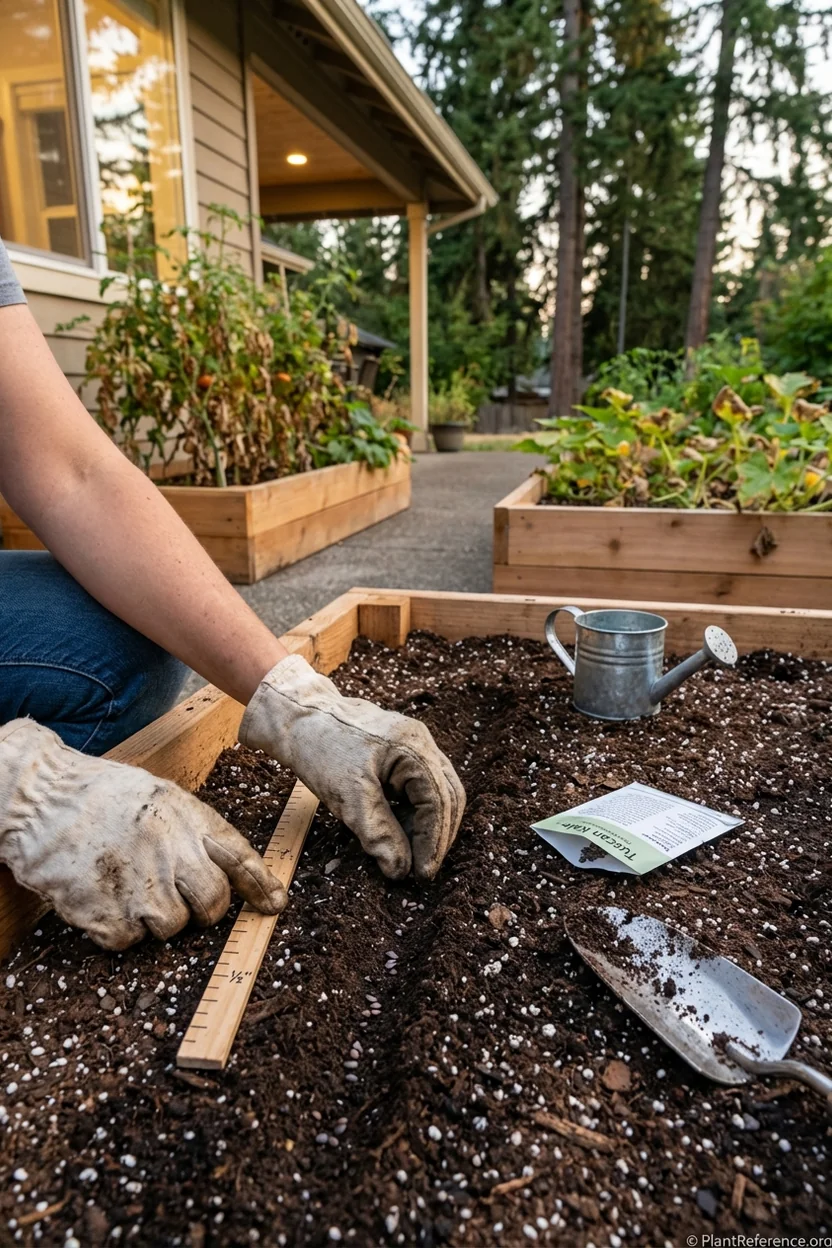
Direct seeding works best for kale in Portland. Plant seeds 1/2 inch (1.3 cm) deep in rows 12-18 inches (30-45 cm) apart. I plant more seeds than needed and thin seedlings to 8-12 inches (20-30 cm) apart when they reach 3-4 inches (7-10 cm) tall. The thinned seedlings make excellent additions to salads.
For transplants, start seeds indoors 6-8 weeks before planting out. Use a quality seed starting mix and keep soil temperature around 65-70°F (18-21°C) for best germination. Harden off seedlings gradually over 7-10 days before transplanting.
Watering and Fertilizing
Portland's rainfall pattern makes kale irrigation straightforward but seasonal. During our wet season (October-May), natural rainfall usually provides adequate moisture. I only water if we have an unusually dry spell lasting more than 10 days.
Summer watering requires attention. Apply 1-2 inches (2.5-5 cm) of water weekly during July-September. I use drip irrigation to maintain consistent soil moisture without wetting the leaves, which can encourage fungal diseases.
Feed kale plants monthly with balanced organic fertilizer (5-5-5) during active growth periods. Apply additional nitrogen (blood meal or fish emulsion) 4-6 weeks after planting to boost leaf production. Stop fertilizing 6 weeks before expected harvest to avoid accumulating excess nitrates.
Pest and Disease Management
Portland's mild, moist climate creates perfect conditions for certain kale pests and diseases. Slugs are our biggest challenge, especially during wet periods. I use iron phosphate slug bait around young plants and maintain clean cultivation to reduce hiding spots.
Cabbage root maggot can be devastating to spring plantings. These fly larvae tunnel into roots, causing plants to wilt and die. I use row covers during the fly's egg-laying period (April-May) and install root collars around transplants as physical barriers.
Aphids cluster on leaf undersides during warm periods, causing leaf curl and transmitting viral diseases. Blast them off with strong water spray or apply insecticidal soap. Encouraging beneficial insects through diverse plantings provides long-term control.
Troubleshooting Portland-Specific Problems
Living in Portland presents unique challenges for kale growers. Our distinct climate patterns create specific problems that don't occur in other regions, but once you recognize them, they're manageable.
Slug Damage During Wet Periods
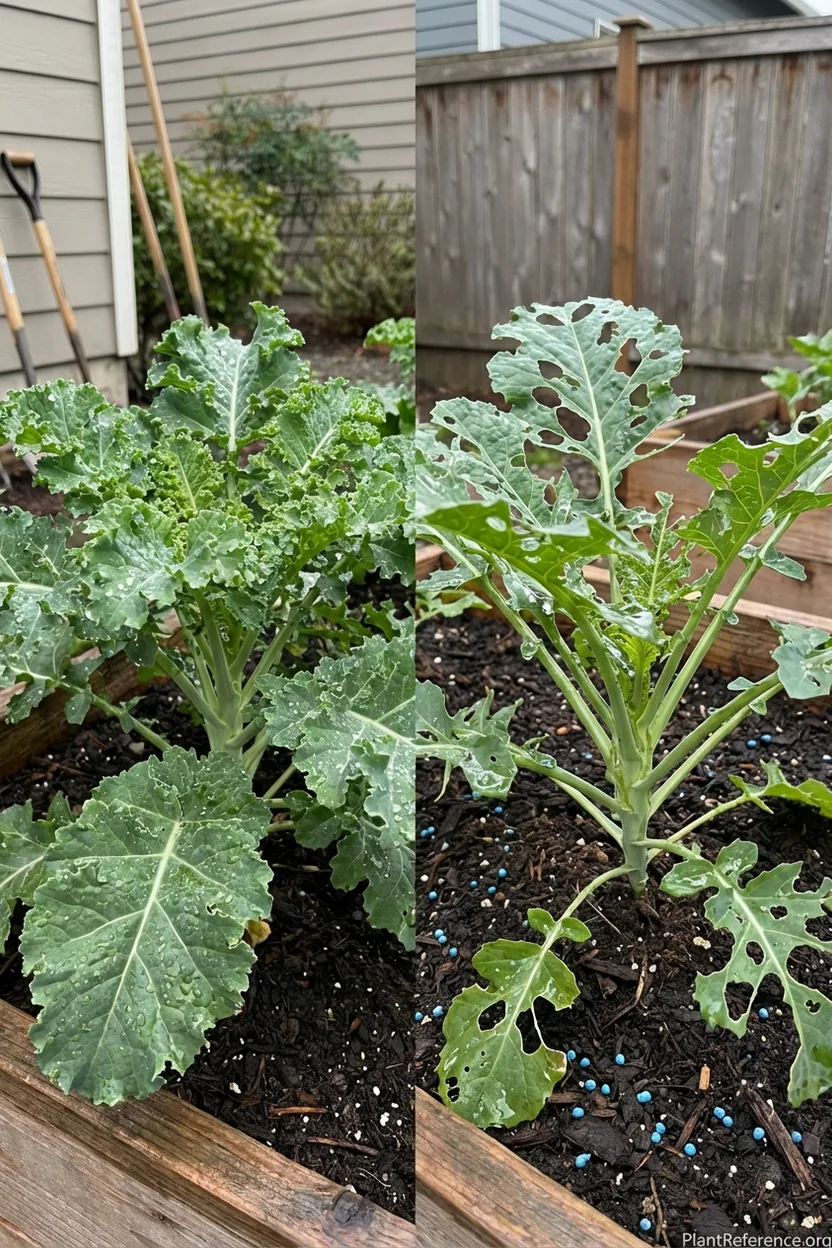
Portland's wet winters create ideal conditions for slugs and snails. These pests can devastate young kale plants overnight, leaving large irregular holes in leaves and slimy trails on stems. The problem intensifies during our extended rainy periods from November through March.
The solution is prevention and targeted control. Apply iron phosphate slug bait (safer than metaldehyde) around plants at first sign of damage. Create barriers using copper tape around raised beds or install beer traps. Most importantly, maintain clean cultivation by removing plant debris where slugs hide during day hours.
Root Rot in Heavy Clay Soils
Portland's native clay soil holds water for extended periods, creating anaerobic conditions that cause root rot. Symptoms include wilting during sunny periods followed by recovery at night, yellowing lower leaves, and stunted growth despite adequate nutrition.
Improve drainage through raised beds and organic matter additions. I never plant kale in ground-level beds during wet season. Even 4-6 inches (10-15 cm) of elevation makes the difference between healthy plants and root rot losses.
Aphid Explosions During Warm Springs
Warm spring weather (65-75°F/18-24°C) combined with tender new growth creates perfect conditions for cabbage aphid outbreaks. These gray-green insects cluster in leaf crevices, multiply rapidly, and can weaken plants severely within days.
Monitor plants weekly during April-June. Look for clusters of small gray insects on leaf undersides and sticky honeydew on upper leaf surfaces. Blast aphids off with strong water spray early morning when beneficial insects are less active. For severe infestations, apply insecticidal soap or neem oil following label directions.
Bitter Flavor During Summer Heat Waves
Even Portland's mild summers occasionally produce heat waves with temperatures above 85°F (29°C) for several consecutive days. This stress causes kale to become bitter and tough as plants redirect energy toward flowering preparation.
Provide afternoon shade during heat waves using shade cloth or companion plants. Increase watering frequency to maintain soil moisture without waterlogging. Harvest leaves early morning when sugar content is highest. Consider summer varieties like 🌿Brassica oleracea 'Lacinato' which tolerate heat better than curly types.
Clubroot in Acidic Soils
Portland's naturally acidic soils (pH 5.0-6.0) can harbor clubroot, a serious fungal disease affecting all brassica family plants. Infected plants develop swollen, distorted roots and wilt during warm periods despite adequate soil moisture.
Test soil pH annually and add lime to maintain pH above 6.5. Clubroot cannot survive in alkaline conditions. Rotate kale plantings to different garden areas annually, never planting brassicas in the same location more than once every four years. Remove and destroy affected plants immediately; never compost infected material.
Harvest & Storage
Portland's climate allows for extended kale harvests, often 4-6 months from a single planting. Understanding when and how to harvest maximizes both yield and quality while ensuring plants continue producing new growth.
Optimal Harvest Timing
Begin harvesting when plants reach 8-10 inches (20-25 cm) tall, typically 50-60 days after planting. Always harvest outer leaves first, leaving the central growing point intact. This "cut and come again" method keeps plants producing for months.
The best harvest timing in Portland is early morning after dew has evaporated but before afternoon sun. Leaves contain the highest sugar content and lowest nitrate levels during this window. For fall-planted kale, wait until after our first frost in early November before major harvests. The cold exposure converts starches to sugars, dramatically improving flavor.
Harvesting Techniques
Use clean, sharp knife or scissors to cut leaves cleanly at the base of the stem. Avoid tearing or pulling leaves, which can damage the plant and create entry points for diseases. Never harvest more than one-third of the plant at one time to maintain vigor.
During Portland's wet season, harvest frequently to prevent leaves from becoming waterlogged and developing fungal problems. Remove any yellowing or damaged leaves immediately to maintain plant health and prevent disease spread.
Storage Methods
Fresh kale stores best in refrigerator crisper drawer for 7-10 days. Wash leaves just before use, not before storage, to prevent bacterial growth. For longer storage, blanch leaves in boiling water for 2 minutes, cool in ice water, drain thoroughly, and freeze in airtight containers for up to 12 months.
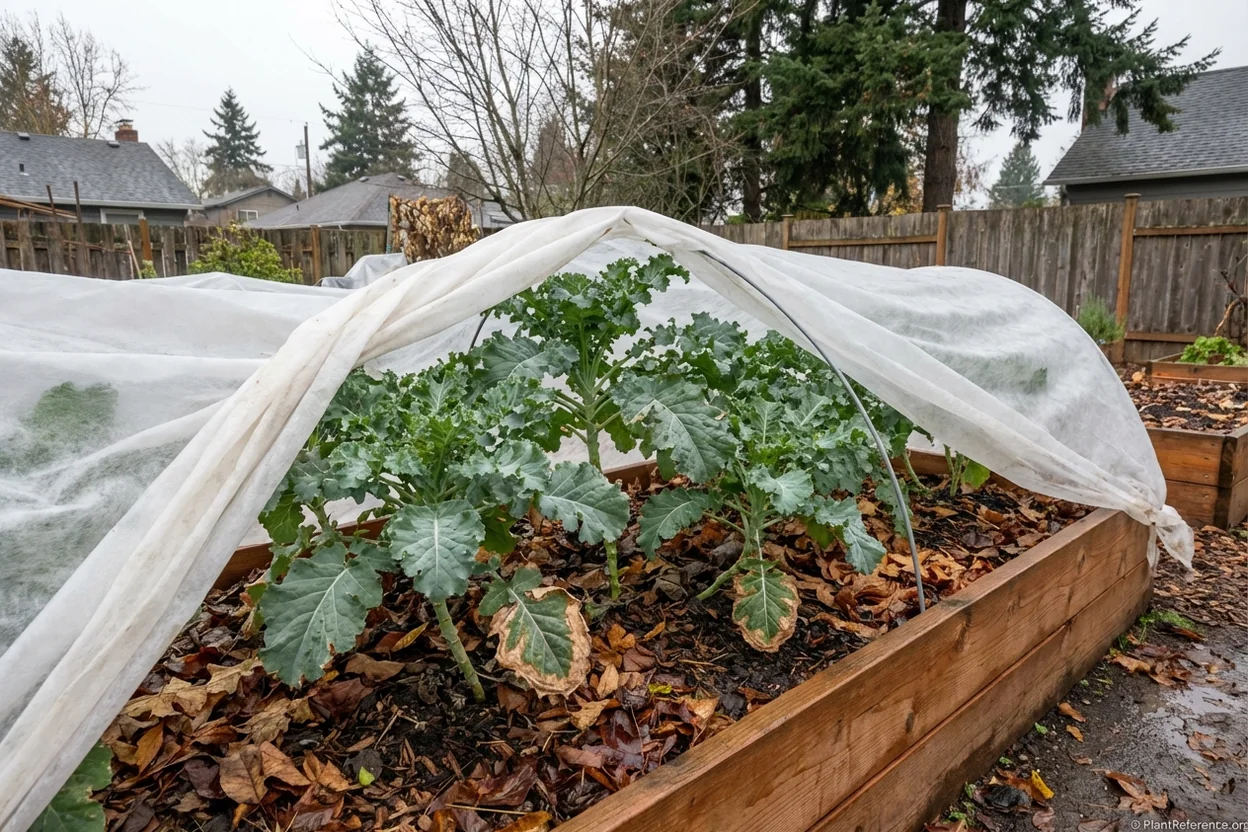
Portland's mild winters allow for "storage on the plant" - simply harvest as needed throughout winter. Cover plants with row covers during extreme cold spells (below 20°F/-6°C) to prevent tissue damage while maintaining outdoor freshness.
Frequently Asked Questions
Reading about plants and recognising them are different skills. These three build the second.
- Daily PlantIdentify the day’s mystery plant from a close-up photograph.
- Keyed OutWork a dichotomous key, lead by lead, to name a hidden specimen.
- Name That PlantName a specimen from botanical clues dealt hardest first.
Free to play, no account needed
Sarah earned her doctorate in plant biology and spent time working in botanical garden education before transitioning to freelance writing and consulting. Now based in Portland, Oregon, she teaches plant identification workshops at local community centers and maintains a modest collection of over 60 houseplants in her small apartment. Sarah specializes in helping beginners understand plant science without the jargon—her approach focuses on practical observation over theory. She's killed her fair share of fiddle leaf figs and finally cracked the code on keeping them alive.