When to Plant Carrots in Seattle: Dates + Best Varieties
Pets & Toxicity
Recorded toxicity for plants linked in this guide. An unknown status is not a safety assessment.
No linked plant is recorded as toxicDetailsHide
Daucus carota ssp. sativus 'Nantes' — Toxicity
Non-toxicView Daucus carota ssp. sativus 'Nantes' plant profileDaucus carota ssp. sativus 'Imperator' — Toxicity
Non-toxicView Daucus carota ssp. sativus 'Imperator' plant profileDaucus carota ssp. sativus 'Chantenay' — Toxicity
Non-toxicView Daucus carota ssp. sativus 'Chantenay' plant profileDaucus carota ssp. sativus 'Rainbow' — Toxicity
Non-toxicView Daucus carota ssp. sativus 'Rainbow' plant profileDaucus carota ssp. sativus 'Danvers 126' — Toxicity
Non-toxicView Daucus carota ssp. sativus 'Danvers 126' plant profile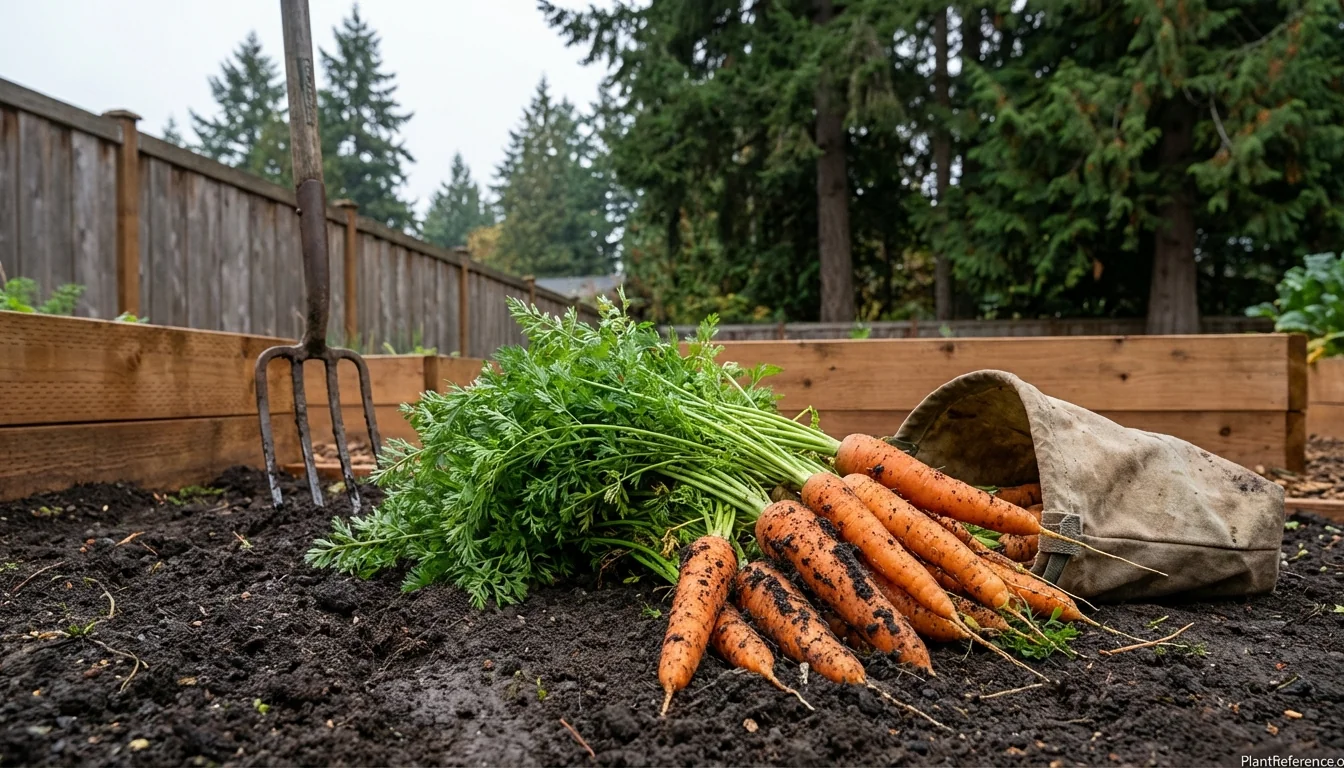
— Image © Plant Reference 2026
Seattle's maritime climate suits carrots: cool temperatures and mild winters can allow roots to overwinter in well-drained ground. Seattle is generally Zone 9a on the 2023 USDA map, with local variation. The challenge here is managing slugs and winter moisture, and keeping summer seedbeds moist.
Best Carrot Varieties for Seattle's Climate
Seattle gardeners have varied soils. The glacial deposits around Puget Sound include sand, gravel, clay and hardpan. With soil preparation, you can grow the full range of carrot types here, including the long, slender varieties that need deep, loose ground.
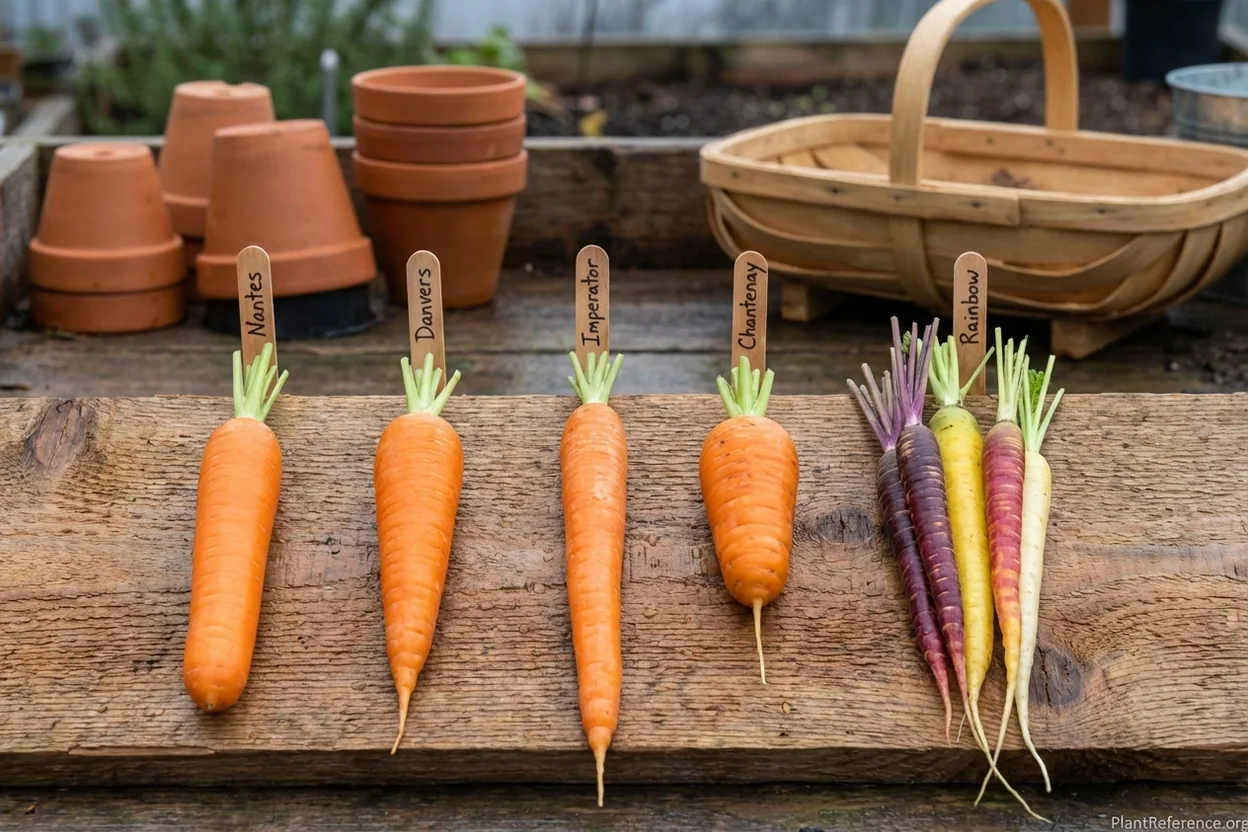
🌿Daucus carota ssp. sativus 'Nantes' (DAW-kus kuh-ROH-tuh) is a good choice for Seattle gardens. The cylindrical roots snap clean with sweet, nearly coreless flesh that's ideal for fresh eating. Prepared sandy loam gives 🌿Daucus carota ssp. sativus 'Nantes' exactly the loose, friable soil it needs to grow straight. The cultivar 'Napoli' is a standout Nantes type suited to winter harvest—it holds in the ground through our mild winters where drainage permits; harvest before spring regrowth.
🌿Daucus carota ssp. sativus 'Danvers 126' earns its place as the storage workhorse. The conical, wedge-shaped root handles the occasional clay pocket you'll find in Seattle's variable glacial soils. At 70-80 days to maturity, 🌿Daucus carota ssp. sativus 'Danvers 126' works in both the spring and fall windows, and the firm, high-fiber flesh stores for months under cold, humid conditions.
🌿Daucus carota ssp. sativus 'Imperator' produces the long, slender roots that commercial growers favor. Deep, loose garden soil gives 🌿Daucus carota ssp. sativus 'Imperator' the 12 inches (30 cm) of obstruction-free ground it requires. The cultivar 'Sugarsnax 54' adds exceptional sweetness to the Imperator profile. If your soil has a gravel layer within a foot of the surface, stick with shorter types.
🌿Daucus carota ssp. sativus 'Chantenay' is useful for shallower beds. At 5-6 inches (13-15 cm) long with broad shoulders, 🌿Daucus carota ssp. sativus 'Chantenay' suits shallow beds and containers. Remove stones to reduce forking. Mature shoulders can reach 2-2½ inches (5-6 cm); harvest size varies by cultivar.
🌿Daucus carota ssp. sativus 'Rainbow' adds color and nutritional diversity with white, yellow, orange, and coral roots from one F1 hybrid packet. The breeder lists about 67 days to maturity; allow longer in cool soil.
Variety | Days to Maturity | Best For | Notes for Seattle |
|---|---|---|---|
65-75 days | Fresh eating and overwintering | A good choice for loose soil; 'Napoli' suits winter harvest | |
70-80 days | Storage and variable soils | Handles clay pockets in glacial soil; strong winter storage | |
75-85 days | Deep sandy soils | Needs 12+ inches loose ground; 'Sugarsnax 54' for sweetness | |
65-75 days | Containers and shallow beds | Short roots suit shallow beds; remove stones to reduce forking | |
About 67 days | Color and variety | A single F1 with white, yellow, orange, and coral roots |
Specific Planting Dates for Seattle
Seattle's frost dates vary by site and year. Our mild winters can allow carrots to overwinter in well-drained soil, making this a near year-round harvesting region. Sow winter roots in summer so they size up before growth slows.
Spring Planting
Start sowing as early as mid-February if the soil is workable. Carrots emerge slowly in cold soil; above 50°F (10°C) is more reliable. Continue succession sowings every two to three weeks through late March for staggered spring harvests. Spring-planted carrots can reach harvestable size by May and June.
Fall and Overwintering
This is where Seattle gardeners really capitalize. Sow your fall crop in July. The roots size up before winter growth slows, then can sit in well-drained ground through winter, becoming sweeter in cold conditions. Dig them as needed before spring regrowth—cold storage built right into the garden bed.
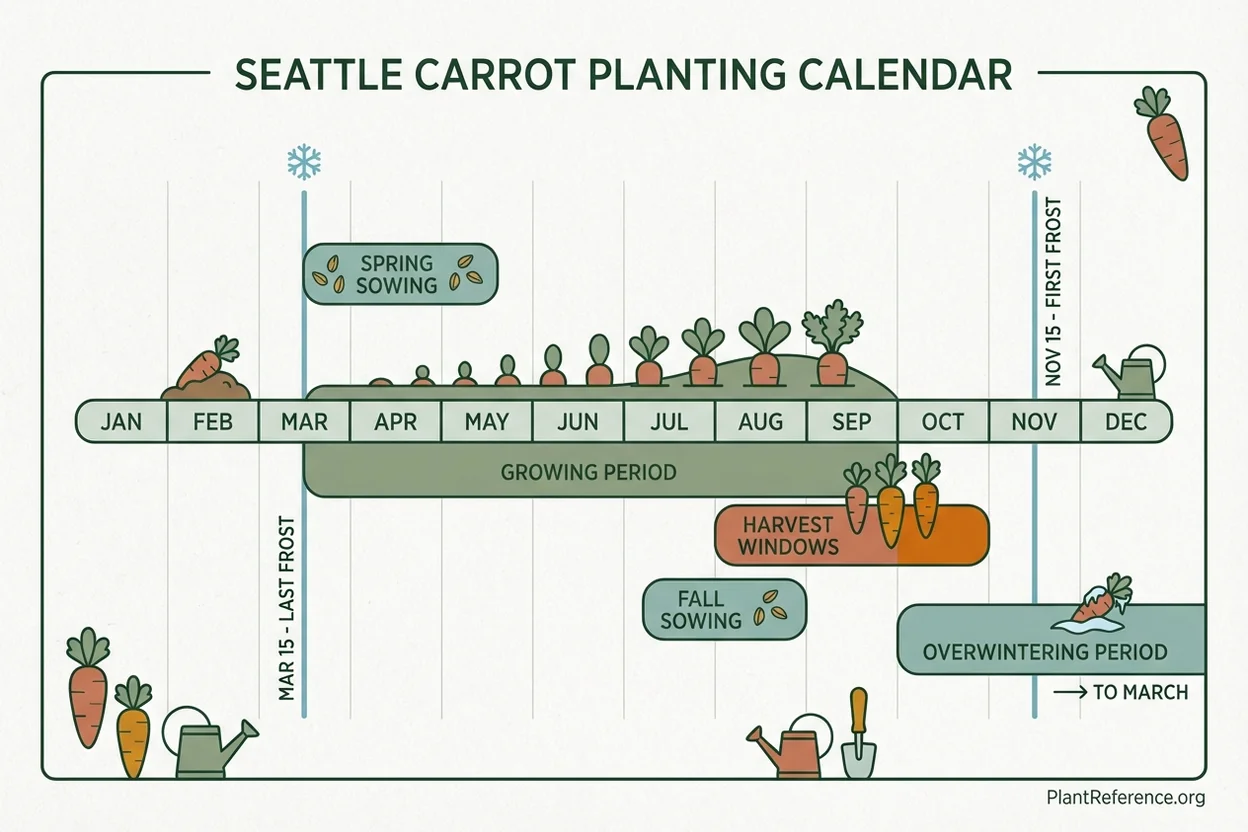
Spring sowing window: mid-February through March, if soil is workable
Succession sowing interval: Every 2-3 weeks
Spring harvest: May through June, or later after cold weather
Fall sowing window: July for winter harvest
Fall/winter harvest: autumn through early spring (well-drained ground)
Season ends: harvest before spring regrowth; frost dates vary
Complete Growing Guide for Seattle
Soil Preparation
Seattle soils include sand, gravel, clay and hardpan. Choose six hours of sun and soil pH 6–7. If contamination is plausible, test for lead and arsenic; use clean soil if needed. That said, the soil varies block to block. Test your ground by digging down 12 inches (30 cm). If you hit gravel, hardpan, or dense clay, build a raised bed. If the soil crumbles and drains well, you can grow directly in the ground with minimal amendment.
For in-ground beds, work in 1-2 inches (2.5-5 cm) of finished compost to improve moisture retention and nutrient availability. Sandy soils drain fast—sometimes too fast—and compost helps hold the consistent moisture that carrots need through germination, longer in cold soil. Do not add fresh manure. The excess nitrogen causes forking and hairy lateral roots. Best Soil Mix for Raised Beds: Creating the Perfect Growing Medium
For raised beds, build with cedar or redwood—both naturally resist decay. Fill to at least 12 inches (30 cm) deep with a mix of 60% topsoil, 30% compost, and 10% coarse sand. Use loose, stone-free topsoil and check drainage. How to Build a Raised Garden Bed: Step-by-Step Construction Guide
Seeding Technique
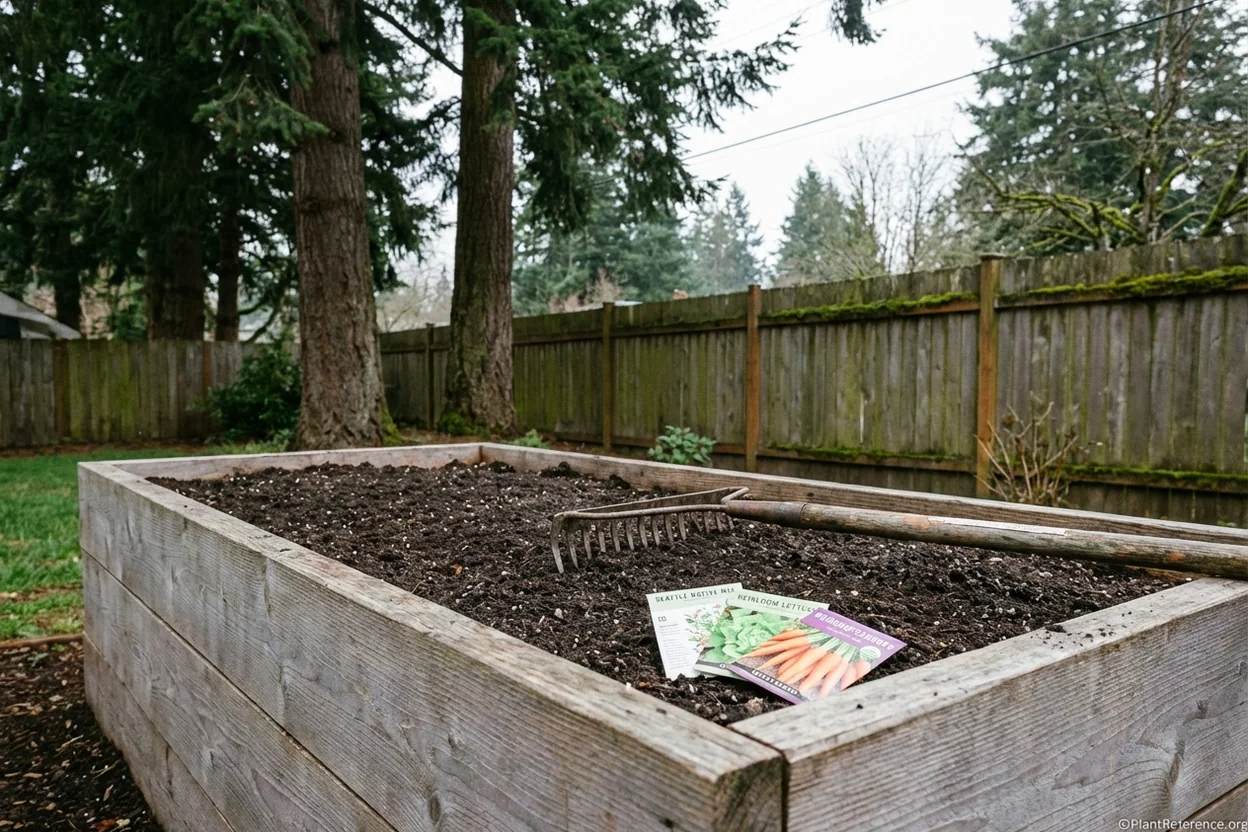
Carrot seeds require even moisture until germination. Spring cloud cover and rain can help; summer seedbeds need careful watering. But don't count on rain alone during a February sowing; we get dry spells even in winter.
Sow seeds 1/4 inch (0.6 cm) deep in rows 12 inches (30 cm) apart. Cover with vermiculite or fine compost rather than native soil to prevent surface crusting. Lay burlap or a board over the row to maintain moisture, and check daily starting at day 5. Remove the cover the moment you see seedling loops emerging. Best Soil for Raised Beds: 6 Commercial Mixes Tested and Compared
Thinning
Thin in two passes: first to 1 inch (2.5 cm) spacing when seedlings reach 2 inches (5 cm) tall, then to final spacing of 2-3 inches (5-8 cm) when tops are 4-5 inches (10-13 cm). Use scissors to snip at the soil line—pulling disturbs the taproots of adjacent plants. Seattle's mild temps mean seedlings grow steadily, so don't delay thinning or they'll compete for light and produce thin, twisted roots. Raised Bed Vegetable Garden Layout: Planning for Maximum Production
Watering
Carrots need about 1 inch (2.5 cm) of water per week during active growth, counting rainfall and adjusting to soil moisture. Seattle's rainfall handles much of this from October through May, but summer—July through September—brings genuine drought. During dry months, use drip irrigation or soaker hoses to maintain consistent soil moisture. Erratic watering causes root splitting as cells expand unevenly. Raised Bed Irrigation Systems: Watering Solutions for Consistent Growth
Overwintering Technique
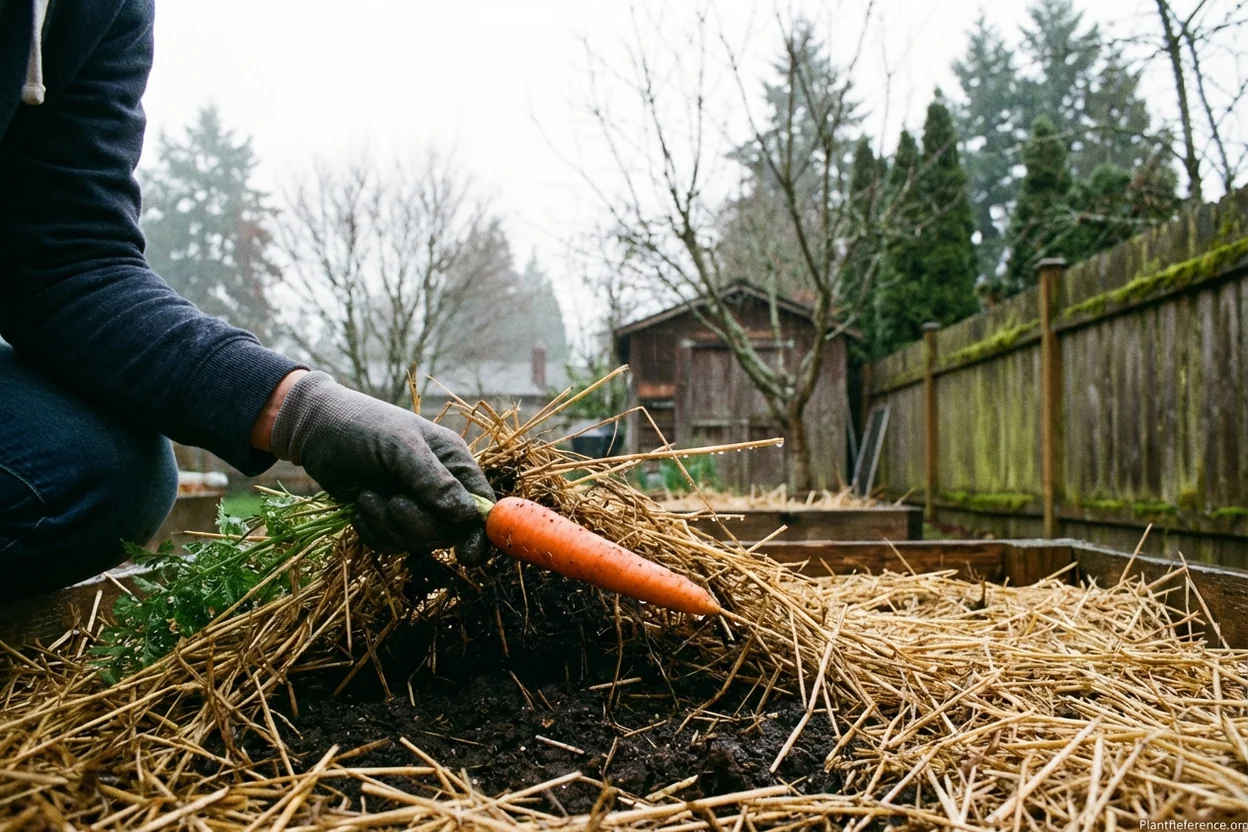
This is the technique that makes Seattle carrot growing exceptional. After your July sowing, let the roots grow through fall. As days shorten and temperatures fall, growth slows and cold can increase root sugars—natural antifreeze that protects cells from ice damage and produces intensely sweet roots.
Apply 3-4 inches (8-10 cm) of straw or leaf mulch before hard freezes in well-drained beds. Protection varies; mulch can shelter slugs in wet gardens. Dig roots as needed through December, January, February, and into March before spring regrowth begins. When to Plant Kale in Seattle: Complete Guide + Best Varieties for Zone 8b
Troubleshooting Seattle-Specific Problems
Slugs
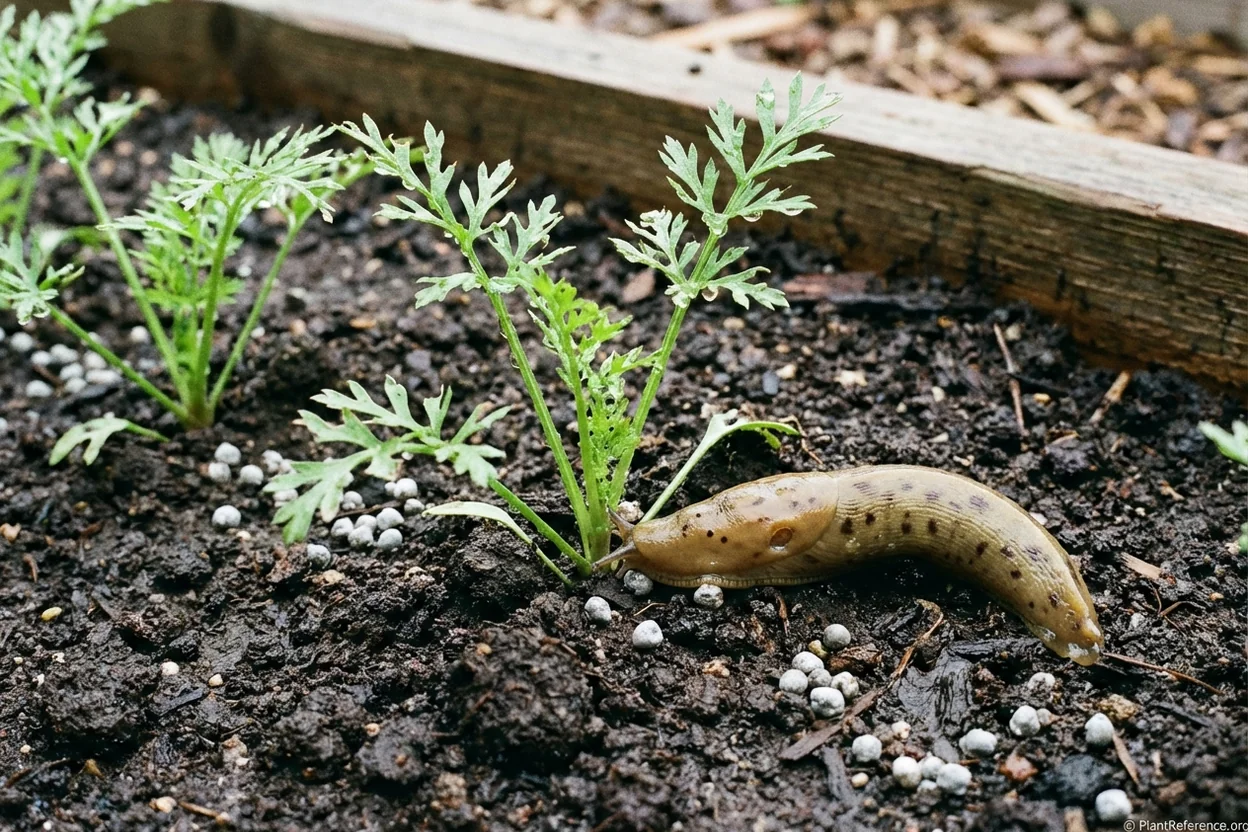
Slugs are a serious carrot seedling pest in Seattle. If needed, apply iron phosphate bait as labeled; low toxicity does not mean safe to ingest. Prevent pets eating it, and store it securely. Beer traps alone may not control an infestation. Clean copper bands 4-6 inches (10-15 cm) wide can help; remove slugs already inside. Raised Bed Pest Problems: Identification and Organic Control Methods
Carrot Rust Fly
The carrot rust fly is a major carrot pest in the Pacific Northwest. Adults fly from spring into June and again in summer and fall. Larvae tunnel into roots, leaving rust-colored channels. Seal row-cover edges immediately after sowing over a bed without resident flies. June sowing may reduce, not eliminate, exposure. Rotate beds and remove infested roots rather than overwintering them. When to Plant Peppers in Seattle: Complete Guide + Best Varieties for Zone 8b
Winter Rot
Overwintered carrots can develop soft rot if drainage is poor. The combination of persistent winter rain and stagnant soil moisture creates anaerobic conditions that bacteria exploit. Build raised beds with adequate drainage, and avoid overwatering during the wet months. Remove soft, mushy roots; if the bed is waterlogged or rot is spreading, harvest sound roots rather than leaving it in wet ground. Poor Drainage in Raised Beds: Causes and Fixes for Waterlogged Soil
Bolting
Carrots are biennials that flower in their second year after exposure to cold. Overwintered roots can bolt in spring as day length increases and temperatures warm. Harvest overwintered carrots before spring regrowth to avoid the roots turning woody and bitter as the plant diverts energy to flower production. When to Plant Squash in Seattle: Complete Guide + Best Varieties for Zone 8b
Harvest & Storage
Many spring carrots reach harvestable size when shoulders measure 3/4-1 inch (2-2.5 cm) in diameter, depending on cultivar, typically 65-85 days or longer in cold soil. Seattle's cool spring temperatures mean roots develop steadily without the bitterness that heat stress causes in warmer climates. Loosen soil alongside the row with a garden fork before pulling to avoid snapping off root tips. When to Plant Tomatoes in Seattle: Complete Guide + Best Varieties for Zone 8b
Overwintered carrots are the real prize. Roots left in the ground from a July sowing can sweeten in cold, well-drained soil. Harvest before spring regrowth when the plant shifts energy to flower production. The cultivar Daucus carota ssp. sativus 'Napoli' holds well for winter harvest where drainage permits; harvest before spring regrowth.
For long-term storage of pulled carrots, remove foliage immediately—the leaves transpire moisture out of the root. Store unwashed roots in perforated plastic bags at 32-38°F (0-3°C). For several months' storage, a garage or room must stay near 32°F (0°C) and 90-95% relative humidity, without freezing. Keep carrots away from apples and pears, which release ethylene gas that causes bitterness. 🌿Daucus carota ssp. sativus 'Danvers 126' stores for four to five months under proper conditions. When to Plant Onions in Seattle: Complete Guide + Best Varieties for Zone 8b
Frequently Asked Questions
Reading about plants and recognising them are different skills. These three build the second.
- Daily PlantIdentify the day’s mystery plant from a close-up photograph.
- Keyed OutWork a dichotomous key, lead by lead, to name a hidden specimen.
- Name That PlantName a specimen from botanical clues dealt hardest first.
Free to play, no account needed
Mike's been designing residential landscapes in the Seattle area, with a particular focus on Pacific Northwest natives and sustainable practices. He's a Washington State Master Gardener and worked in construction before landscaping, which gives him a practical edge when it comes to building raised beds and hardscaping projects. He runs a small side business propagating and selling unusual perennials at farmers markets on weekends. His property serves as a testing ground for low-maintenance, wildlife-friendly garden designs. Mike's philosophy: if it requires weekly maintenance, it's not sustainable.