Image 1 of 14
1 / 14
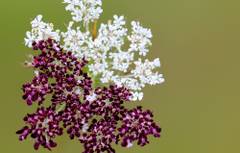
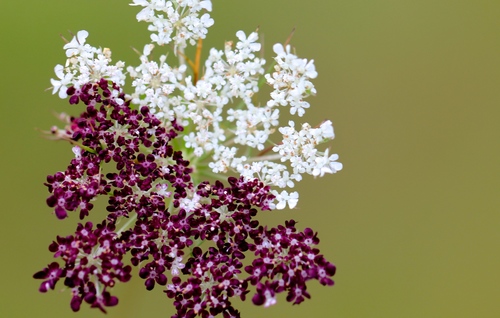
Species photo — your cultivar may vary
© allysonv, some rights reserved (CC-BY-NC) · iNaturalist
Vegetables
Daucus, Genus, carota, Species, ssp., Subspecies, sativus, Subspecies, 'Chantenay', Cultivar,
- Genus & species
- Subspecies
- Cultivar
Chantenay carrot
Open-pollinated heirloom (French origin, pre-1830); the species D. carota is native to Europe and southwestern Asia
Overview
Daucus carota ssp. sativus 'Chantenay' is Chantenay carrot (Red Cored Chantenay), a biennial grown as an annual for root production, 12-18 inches (30-45 cm) foliage above ground. The edible root is a short broad conical shape 5-6 inches (13-15 cm) long and 2-3 inches (5-7 cm) diameter at the shoulder — the shortest of the main carrot types. Deep orange with a red-orange core. Bright green finely divided feathery (tripinnate) foliage. In the carrot family (Apiaceae). Open-pollinated heirloom (French origin, pre-1830). Seed can be saved (biennial — flowers in the second year). The short broad shape is the most clay-tolerant carrot type — performs in heavy soils where Nantes and Imperator types fork. Direct-sow only — carrots resent transplanting. Carrot rust fly (Psila rosae) is the primary pest. Can become woody if left in the ground past maturity — the primary limitation. Succession-sow every 2-3 weeks. Not deer-resistant. Non-toxic (edible crop). Full sun. Annual. Growth rate is moderate.
Native Range
Open-pollinated heirloom (French origin, pre-1830). The species D. carota is native to Europe and southwestern Asia.Suggested Uses
Grown in vegetable gardens, raised beds, and containers of at least 5 gallons (19 L) and 10 inches (25 cm) deep. Chantenay-type carrot — the most clay-tolerant type. Open-pollinated heirloom. Direct-sow. Succession-sow. Non-toxic. Annual.How to Identify
Appearance
Size & Dimensions
Height1' - 1'6"
Width/Spread6" - 8"
Bloom Information
Biennial: flowers in the second year if overwintered — white flat-topped compound umbels. Grown as an annual for root production. Bolting in the first year makes the root woody.
Detailed Descriptions
Flower Description
White flat-topped compound umbels — only if allowed to bolt; undesirable for root productionFoliage Description
Bright green, finely divided and feathery (tripinnate compound), 8-12 inches (20-30 cm) tallGrowing Conditions
Sun Requirements
Requires 6-10 hours of direct sunlight daily
• Full Sun: 6+ hours of direct sunlight
• Partial Shade: 3-6 hours of direct sunlight
• Full Shade: Less than 3 hours of direct sunlight
Care & Maintenance
Care Guide
Full sun (6+ hours). Well-drained soil pH 6.0-7.0. Direct-sow only. Thin to 3 inches (7 cm). Consistent moisture. The most clay-tolerant carrot type. Can become woody past maturity — harvest on time. Carrot rust fly. Succession-sow. Not deer-resistant. Non-toxic. Annual.Pruning
Thin seedlings to 3 inches (7 cm) apart when 2 inches (5 cm) tall. Pull entire root at harvest — do not leave past maturity (becomes woody). Succession-sow every 2-3 weeks.Container Growing
Suitable for container growing
Minimum container size: 5 gallons
Toxicity
Non-toxicPlanting Guide
Planting Methods & Timing
Planting Method
direct sow
Direct Sow Timing
2-3 weeks before last frost through mid-summer; succession-sow every 2-3 weeks
Days to Maturity
70–80 days
Plant Spacing
3 inches