When to Plant Kale in Nashville: Complete Guide + Best Varieties for Zone 7a
Pets & Toxicity
Recorded toxicity for plants linked in this guide. An unknown status is not a safety assessment.
No linked plant is recorded as toxicDetailsHide
Brassica oleracea 'Red Russian' — Toxicity
Non-toxicView Brassica oleracea 'Red Russian' plant profileBrassica oleracea var. sabellica 'Vates' — Toxicity
Non-toxicView Brassica oleracea var. sabellica 'Vates' plant profile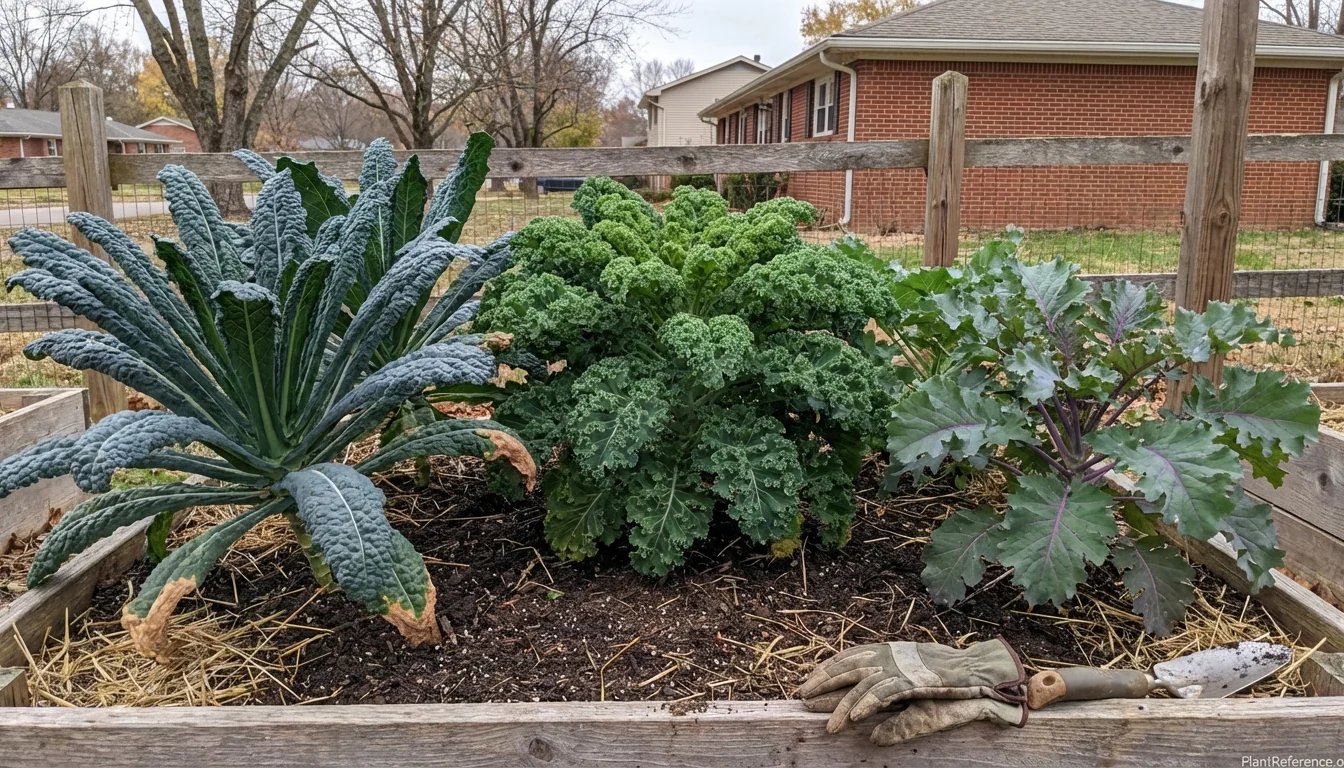
— Image © Plant Reference 2026
I've been growing kale in Tennessee gardens for thirty-five years, and I'll tell you straight: Nashville's Zone 7a climate is near-perfect for this cold-hardy green. With our 203-day growing season stretching from April 9 to October 29, you get two excellent planting windows that most gardeners never fully utilize.
The secret to Nashville kale success lies in understanding our moderate climate advantages. Unlike northern gardeners who struggle with short seasons, or southern growers battling extreme heat, we get the best of both worlds. Our mild winters allow fall-planted kale to survive with minimal protection, while our reasonable summers give spring crops time to mature before bolting.
But here's what forty years of Tennessee gardening has taught me: fall-planted kale beats spring crops every single time. When that first frost hits in late October, it transforms tough, bitter leaves into sweet, tender greens that'll make you forget store-bought kale exists.
Best Kale Varieties for Nashville's Zone 7a Climate
Nashville's moderate Zone 7a climate supports all major kale varieties, but some perform better than others in our specific conditions. After decades of testing, I've identified the five varieties that consistently deliver in Middle Tennessee gardens.
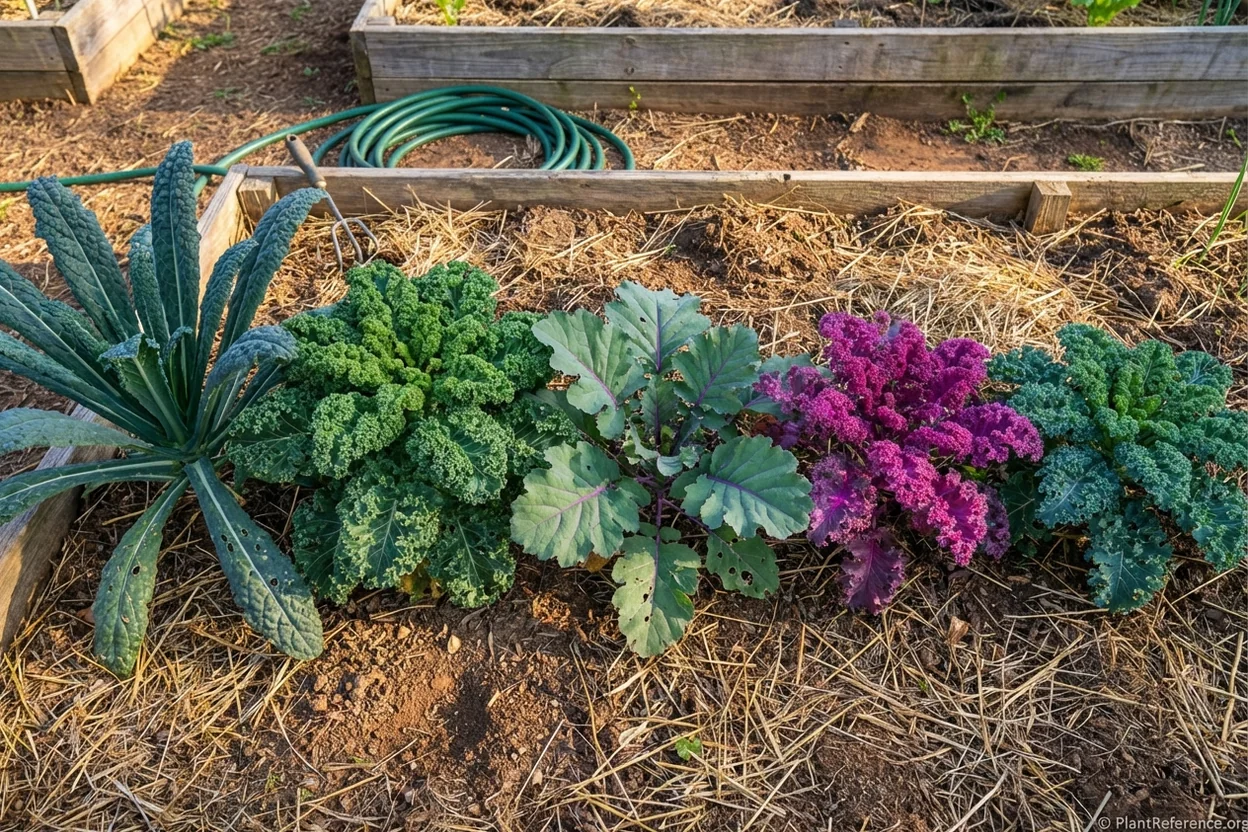
The Nashville Champion Varieties
🌿Brassica oleracea 'Lacinato' takes first place for Nashville gardens. This Tuscan heirloom handles our variable spring weather better than any curly type, resisting bolt when late March brings those unpredictable 80-degree days. The dark blue-green strap leaves develop incredible sweetness after frost, and the plant's upright growth makes harvesting individual leaves simple.
🌿Brassica oleracea 'Winterbor' earns its name in Nashville winters. This F1 hybrid survives our occasional dips into the teens without protection, providing fresh greens through December and January. The deeply ruffled leaves hide well from our notorious cabbage worms, though you'll need to wash thoroughly before cooking.
🌿Brassica oleracea 'Red Russian' offers the fastest maturity at 50-60 days, perfect for Nashville's sometimes-late spring starts. Despite the name, it's actually a flat-leafed variety with purple-veined foliage that adds color to winter gardens. This variety works exceptionally well for succession planting.
🌿Brassica oleracea 'Redbor' combines Winterbor's cold hardiness with stunning ornamental appeal. The purple-red curly leaves intensify in color as temperatures drop, creating edible landscaping that neighbors ask about. It's particularly beautiful in Nashville's variable fall weather.
🌿Brassica oleracea 'Vates' rounds out the list as the most compact option. Developed originally for the variable Mid-Atlantic climate, it handles Nashville's weather swings with remarkable stability. The dwarf habit makes it perfect for container growing on patios and balconies.
Variety | Days to Maturity | Best For | Notes for Nashville |
|---|---|---|---|
60-75 days | Heat tolerance | Best bolt resistance for spring planting | |
60-75 days | Cold hardiness | Survives Nashville winters to 15°F | |
50-60 days | Quick harvest | Fastest maturity for late spring starts | |
60-75 days | Ornamental value | Color intensifies in Nashville fall weather | |
55-65 days | Container growing | Compact size perfect for Nashville patios |
Climate-Specific Variety Selection
For Nashville's spring planting window, focus on bolt-resistant varieties. 🌿Brassica oleracea 'Lacinato' and 🌿Brassica oleracea 'Red Russian' handle our rapid spring warm-up better than heavily ruffled types. These varieties buy you extra harvest time before summer heat triggers flowering.
Fall plantings open up all options. 🌿Brassica oleracea 'Winterbor' and 🌿Brassica oleracea 'Redbor' truly shine in Nashville's moderate winters, often surviving without protection through February. The curly varieties also benefit most from frost sweetening—that first October freeze transforms them from tough and bitter to sweet and tender.
Specific Planting Dates for Nashville Gardeners
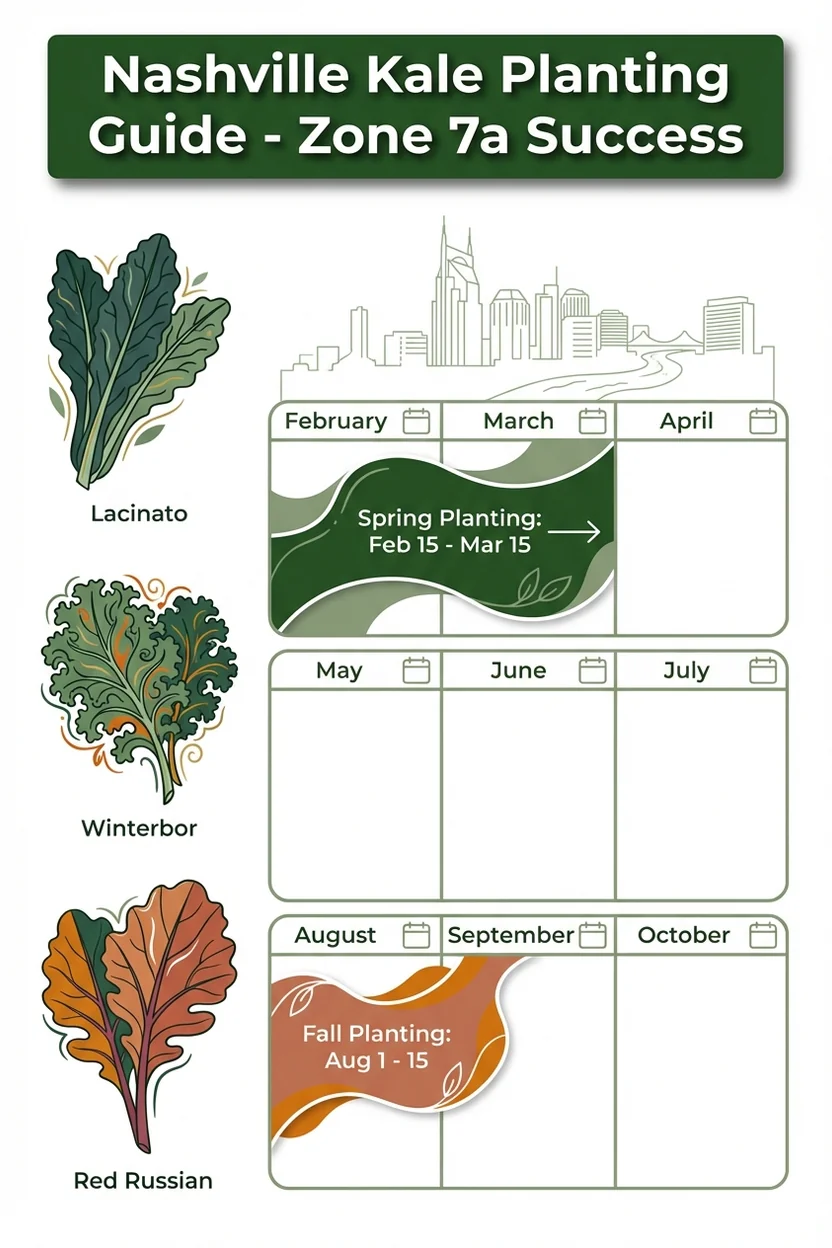
Nashville's Zone 7a frost dates of April 9 and October 29 create two distinct kale seasons. Understanding these windows and calculating backwards from maturity dates ensures your harvest hits during cool weather when kale reaches peak flavor.
Spring Planting Window: February 15 - March 15
Start your spring kale 6-8 weeks before our April 9 last frost date. This timing allows plants to establish strong root systems during cool weather and reach maturity before Nashville's summer heat arrives.
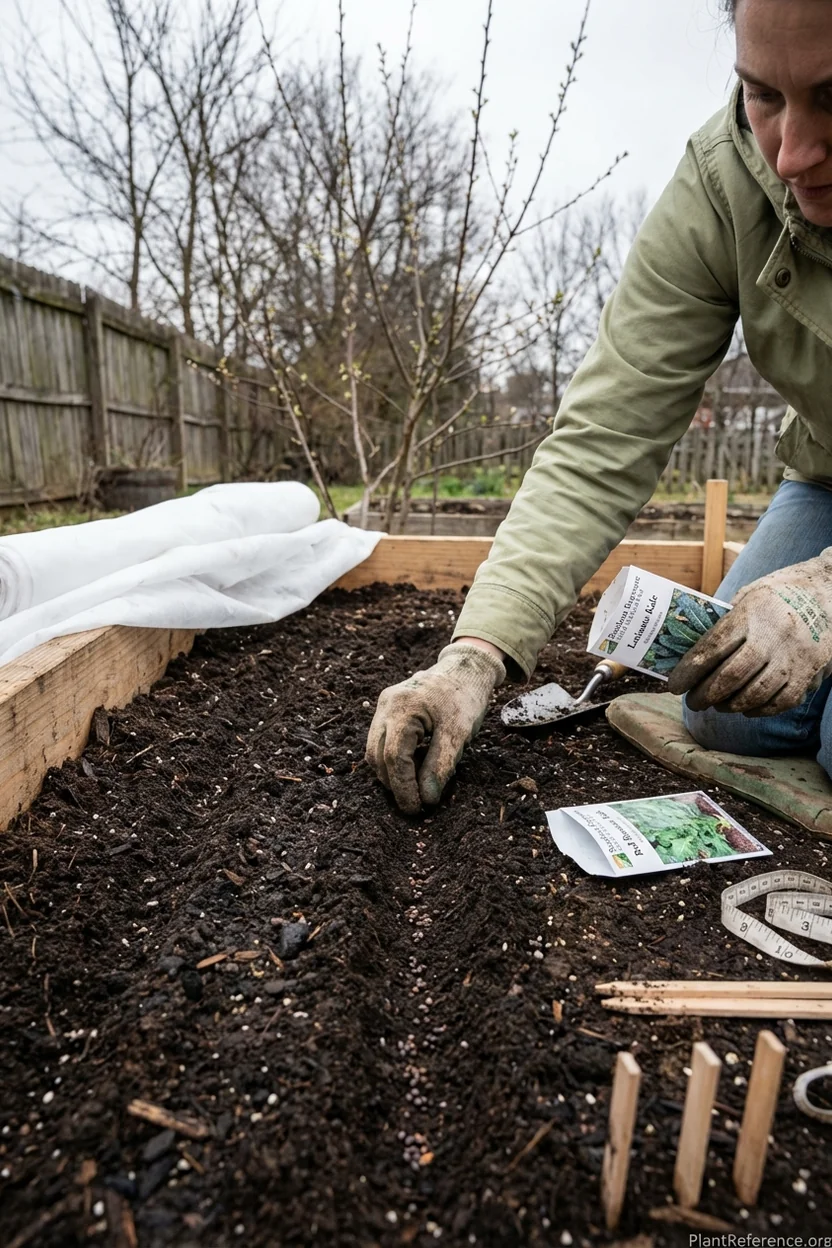
Direct Seeding Schedule: - February 15-28: Plant 🌿Brassica oleracea 'Lacinato' and 🌿Brassica oleracea 'Red Russian' for maximum bolt resistance - March 1-15: Plant any variety, but monitor weather closely for late cold snaps
Transplant Schedule:
Start seeds indoors: January 15-February 1
Transplant outdoors: February 15-March 15
Use row covers if temperatures drop below 25°F (-4°C)
The spring window requires more attention to weather patterns. Nashville's variable March weather can swing from freezing to 75°F in the same week. Row covers become essential equipment, not optional accessories.
Fall Planting Window: August 1 - August 15
Fall planting delivers superior kale in Nashville. Plant 10-12 weeks before our October 29 first frost to ensure mature plants when cold weather arrives. This timing allows full development before daylight hours shorten significantly.
The Fall Advantage:
Cooler nights in September improve leaf quality
October frost converts starches to sugars, dramatically improving flavor
Fewer pest problems than spring plantings
Extended harvest through winter with minimal protection
Critical Fall Timing:
August 1-8: Optimal window for all varieties
August 9-15: Still successful but watch for slower growth in shortened days
After August 15: Plants may not reach full maturity before frost
Late July through early August brings Nashville's most challenging planting conditions—intense heat and humidity that makes gardening miserable. But this timing is crucial for fall success. Water deeply at planting and provide temporary shade cloth during the hottest part of establishment.
Succession Planting Strategy
Nashville's long growing season allows succession planting for continuous harvest. Plant new rows every 2-3 weeks during your chosen window:
Spring Succession:
First planting: February 15
Second planting: March 1
Third planting: March 15
Harvest: April through June
Fall Succession:
First planting: August 1
Second planting: August 15
Third planting: September 1 (for baby greens only)
Harvest: October through February
Complete Growing Guide for Nashville's 203-Day Season
Nashville's moderate climate makes kale cultivation straightforward, but attention to soil preparation and seasonal care routines maximizes both yield and quality. Our 203-day growing season provides ample time for plant development when properly managed.
Soil Preparation for Tennessee Clay
Middle Tennessee's heavy clay soil requires amendment for successful kale production. Our native soil holds water too long in winter and becomes concrete-hard in summer drought. Proper preparation prevents both root rot and nutrient lockout.
Essential Soil Modifications:
Add 3-4 inches (8-10 cm) of compost annually to improve drainage and organic matter
Incorporate coarse sand or perlite if drainage remains poor after composting
Test soil pH—Nashville soils often run slightly acidic at 5.5-6.0
Apply agricultural lime to raise pH to 6.5-7.0 for optimal nutrient availability
Work in 2-3 inches (5-8 cm) of aged manure for nitrogen release
Nashville's clay becomes workable in late January through February during our typical winter warm spells. This timing allows soil preparation 2-3 weeks before spring planting. Avoid working clay when wet—it forms clods that persist all season.
Planting Techniques for Nashville Conditions
Direct Seeding Method: Plant seeds ¼ to ½ inch (6-13 mm) deep in Nashville's heavy soil. Deeper planting in clay leads to poor germination as seedlings struggle to emerge. Space seeds 4-6 inches (10-15 cm) apart initially, then thin to 12 inches (30 cm) for full-size plants.
Transplant Method: Start seeds indoors 6-8 weeks before outdoor planting. Nashville's variable weather makes transplants more reliable than direct seeding, especially for spring crops. Harden off transplants gradually over 7-10 days before planting.
Create planting holes larger than root balls in clay soil. Backfill with a 50/50 mix of native soil and compost to prevent transplant shock. Water immediately after planting and maintain consistent moisture during establishment.
Seasonal Care Calendar
Spring Management (March-May): Nashville spring weather changes rapidly. Monitor for late freezes through mid-April and keep row covers accessible. Begin weekly harvest of outer leaves when plants reach 8-10 inches (20-25 cm) tall. Watch for early cabbage worm activity as weather warms.
Summer Management (June-August): Spring-planted kale begins declining in quality as Nashville temperatures consistently exceed 80°F (27°C). Harvest remaining usable leaves by mid-June, then remove plants to make space for fall plantings. Summer focus shifts to soil preparation and seed starting for fall crops.
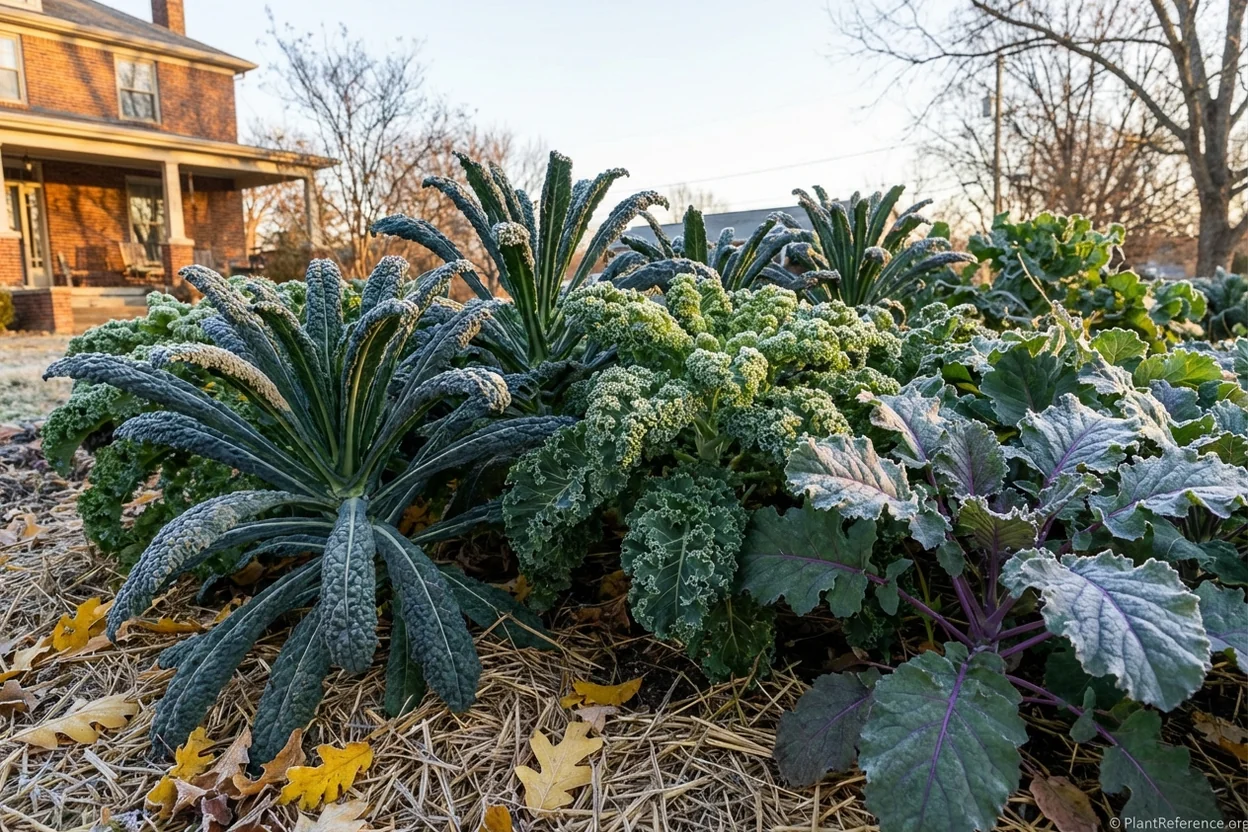
Fall/Winter Management (September-February): Fall-planted kale reaches peak performance in Nashville's moderate winters. Harvest regularly to encourage continued growth. Apply light mulch around plants in December for root protection during occasional cold snaps. Remove any flowering stalks immediately to maintain leaf quality.
Watering and Fertilization
Nashville's average annual rainfall of 47 inches (119 cm) often provides adequate moisture, but summer drought and winter dry spells require supplemental irrigation. Kale needs consistent moisture for tender leaf production.
Watering Schedule:
Spring: 1 inch (2.5 cm) weekly, including rainfall
Summer (for fall-planted crops): 1.5 inches (3.8 cm) weekly during establishment
Fall/Winter: Monitor soil moisture, water during dry spells
Fertilization Program: Apply balanced organic fertilizer (10-10-10) at planting, then side-dress with nitrogen source monthly during active growth. Nashville's long season allows 4-5 fertilizer applications for fall-planted crops that overwinter.
Troubleshooting Nashville-Specific Kale Problems
Nashville's moderate climate minimizes many kale problems, but regional conditions create specific challenges that every local gardener encounters. Recognizing these issues early and responding appropriately keeps harvests consistent.
Pest Pressure Patterns
Cabbage Worms (March-May, August-September): Nashville's warm springs and extended falls create two major cabbage worm generations. The small white butterflies lay eggs on kale leaves, hatching into green caterpillars that can defoliate plants rapidly.
Install row covers immediately after spring planting until April 15
Monitor for small white butterflies beginning in March
Apply BT (Bacillus thuringiensis) spray weekly when worms present
Hand-pick larger caterpillars in the early morning when they're sluggish
Remove covers gradually to allow beneficial insect access
Aphids (April-June): Nashville's mild springs encourage aphid populations, particularly on tender spring growth. These tiny green insects cluster on leaf undersides, causing yellowing and curling.
Flea Beetles (May-July): Small jumping beetles create characteristic "shot holes" in young kale leaves. Nashville's warm, humid summers provide ideal conditions for population explosions.
Disease Management
Black Rot (June-August): Nashville's hot, humid summers combined with afternoon thunderstorms create perfect conditions for this bacterial disease. V-shaped yellow lesions starting at leaf margins indicate infection.
Prevention focuses on cultural practices: avoid overhead watering, provide adequate air circulation, and rotate crops annually. Once established, black rot has no cure—remove affected plants immediately.
Downy Mildew (October-March): Cool, moist conditions during Nashville winters can trigger this fungal disease. Yellow spots on upper leaf surfaces with grayish mold underneath indicate problems.
Weather-Related Challenges
Spring Freeze Damage: Nashville's variable spring weather occasionally brings hard freezes after warm periods stimulate new growth. Tender new leaves show damage first—black, water-soaked areas that dry to brown.
Summer Bolt Prevention: Even bolt-resistant varieties eventually succumb to Nashville's summer heat. Recognize early bolting signs: elongated center stems and small yellow flowers forming. Harvest remaining usable leaves immediately and remove plants.
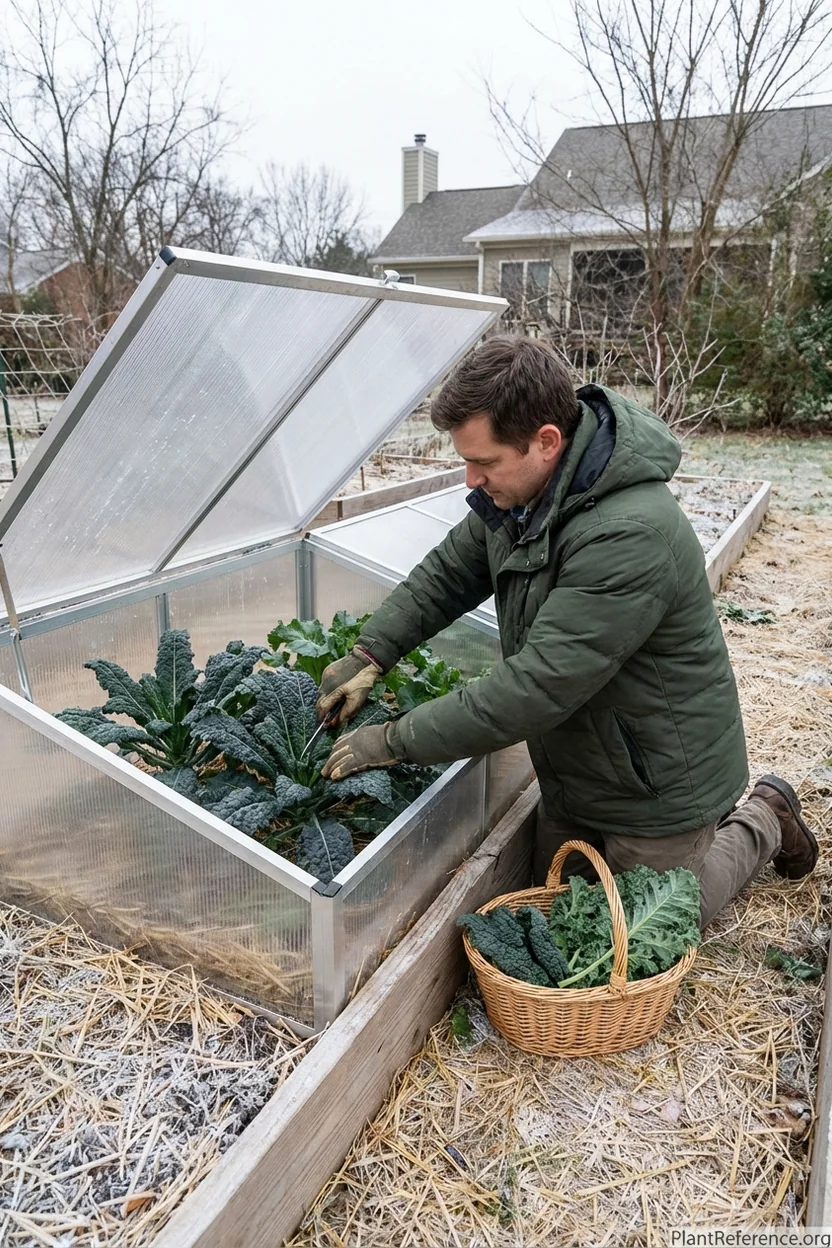
Winter Protection Needs: While Nashville rarely experiences prolonged severe cold, occasional dips into the teens can damage exposed kale. 🌿Brassica oleracea 'Winterbor' and 🌿Brassica oleracea 'Redbor' handle brief cold snaps, but extended periods below 20°F (-7°C) require protection.
Simple protection methods include:
Heavy mulch around plant bases
Row covers during extreme cold warnings
Cold frames for continuous winter harvest
Temporary plastic tunnels during ice storms
Problem | Symptoms | Likely Cause | Quick Fix |
|---|---|---|---|
Leaf yellowing | Lower leaves turn yellow while upper leaves green | Nitrogen deficiency | Side-dress with nitrogen fertilizer |
Holes in leaves | Irregular holes throughout foliage | Flea beetles or cabbage worms | Apply row covers or BT spray |
Bolting in spring | Elongated center stem, small flowers | Temperature exceeds 80°F | Harvest remaining leaves, remove plant |
Purple discoloration | Leaves develop purple hue despite expected green | Normal cold weather response | No action needed; improves flavor |
Wilting despite wet soil | Plants droop even with adequate moisture | Root rot from poor drainage | Improve soil drainage, remove affected plant |
Twisted or cupped leaves | Leaves curl and distort abnormally | Viral infection (kale mosaic) | Remove infected plant immediately |
Harvest & Storage Tips for Tennessee Gardeners
Nashville's extended growing season allows multiple harvest strategies, from baby greens to full-size leaves. Understanding optimal harvest timing and storage methods maximizes your investment in homegrown kale.
Harvest Timing for Peak Quality
Baby Leaf Stage (30-40 days after planting): Harvest entire small plants or cut individual leaves when 3-4 inches (8-10 cm) long. Baby kale offers the most tender texture and mildest flavor—perfect for raw salads and smoothies.
Mature Harvest (60-75 days after planting): Cut outer leaves when 6-8 inches (15-20 cm) long, leaving the center growing point intact. This "cut-and-come-again" method provides continuous harvest for 8-12 weeks from a single planting.
Post-Frost Harvest (November-February in Nashville): Wait until after Nashville's first hard frost in late October before harvesting fall-planted kale intended for cooking. The cold exposure converts starches to sugars, dramatically improving flavor and reducing bitterness.
Storage Methods
Fresh Storage (1-2 weeks): Wash harvested leaves in cold water and dry thoroughly. Store in perforated plastic bags in the refrigerator crisper drawer. Nashville's humid climate makes proper drying essential to prevent leaf rot.
Blanching and Freezing (6-8 months): Nashville gardeners often have surplus kale during peak fall harvest. Blanch leaves in boiling water for 2 minutes, shock in ice water, drain thoroughly, and freeze in meal-sized portions.
Dehydrating for Kale Chips: Nashville's humidity makes air-drying difficult. Use a dehydrator at 125°F (52°C) for 6-8 hours, or oven-dry at lowest temperature setting. Store dried kale in airtight containers.
Maximizing Nashville's Season
Nashville's moderate Zone 7a climate allows aggressive succession planting and season extension techniques that northern gardeners can't achieve.
Cold Frame Extension: Build or purchase cold frames to extend harvest through Nashville's mild winters. 🌿Brassica oleracea 'Winterbor' and 🌿Brassica oleracea 'Vates' continue slow growth even in January and February under protection.
Container Growing: Nashville's long season makes container kale profitable for patio gardeners. Use 5-gallon (19-liter) containers minimum, and move pots to protect from extreme weather. Container plants often produce longer than garden-grown kale due to better drainage.
Seed Saving: Allow one 🌿Brassica oleracea 'Lacinato' or 🌿Brassica oleracea 'Vates' plant to overwinter and flower the following spring. Nashville's moderate climate allows reliable seed production for continuing your own varieties.
Frequently Asked Questions
Reading about plants and recognising them are different skills. These three build the second.
- Daily PlantIdentify the day’s mystery plant from a close-up photograph.
- Keyed OutWork a dichotomous key, lead by lead, to name a hidden specimen.
- Name That PlantName a specimen from botanical clues dealt hardest first.
Free to play, no account needed
Marcus manages the grounds at a historic property in Memphis and runs a side business doing residential garden design. He grew up helping his grandfather maintain a large vegetable garden in the Mississippi Delta and carried that knowledge into formal training—he has a degree in landscape technology. Memphis sits in a sweet spot for growing: long warm seasons, decent rainfall, and mild enough winters that many marginally hardy plants survive. Marcus writes about Southern gardening traditions, ornamental garden design, and dealing with the humidity and heavy rainfall that define the Mid-South climate.