When to Plant Kale in Anchorage: Complete Guide + Best Varieties for Zone 4b
Pets & Toxicity
Recorded toxicity for plants linked in this guide. An unknown status is not a safety assessment.
No linked plant is recorded as toxicDetailsHide
Brassica oleracea 'Red Russian' — Toxicity
Non-toxicView Brassica oleracea 'Red Russian' plant profileBrassica oleracea var. sabellica 'Vates' — Toxicity
Non-toxicView Brassica oleracea var. sabellica 'Vates' plant profile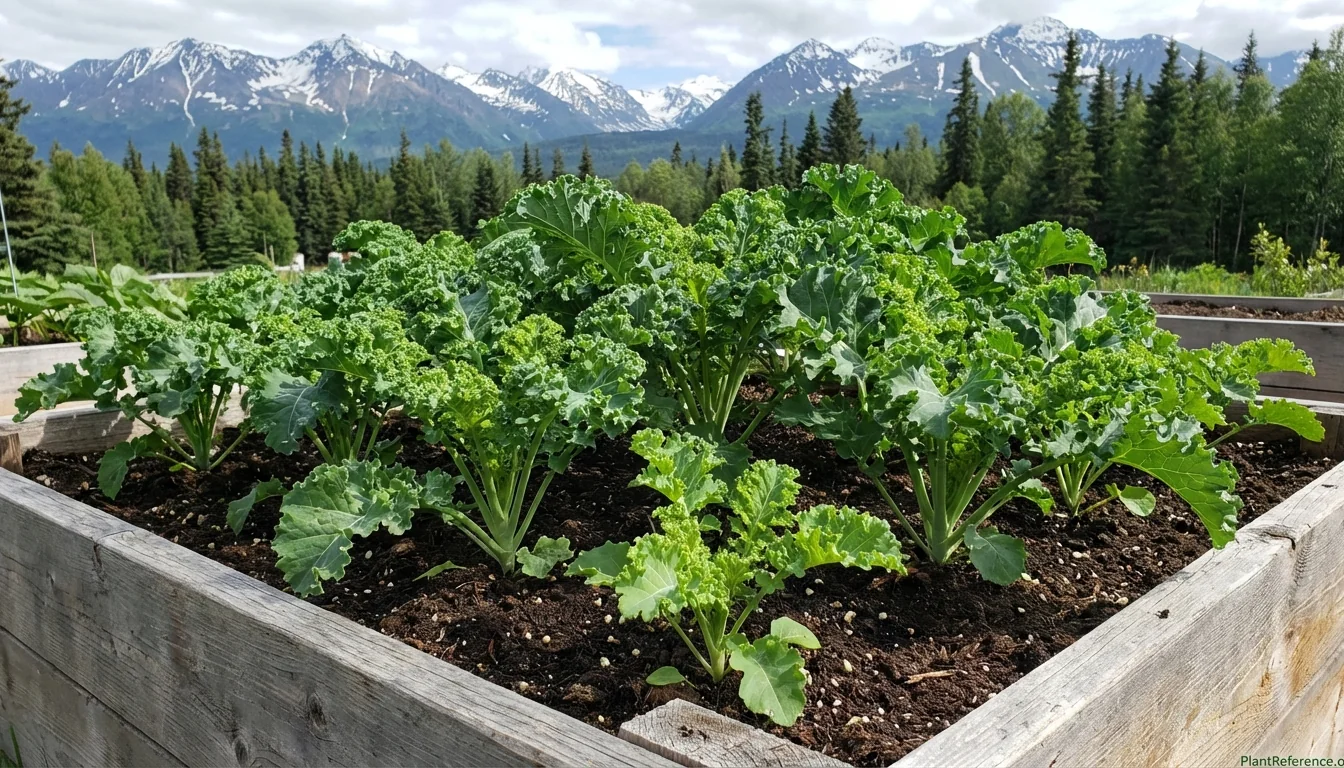
— Image © Plant Reference 2026
If you're wondering when to plant kale in Anchorage, you're in for good news—Alaska's largest city offers surprisingly excellent conditions for this cold-hardy superfood. Plant kale May 1-15 for summer harvest or July 15-25 for fall crop. Anchorage's Zone 4b climate, with frost dates from May 19 to September 14, creates a unique 118-day growing window where cool temperatures produce exceptionally sweet, tender kale that southern gardeners can only dream about.
Best Kale Varieties for Anchorage's Zone 4b Climate
Anchorage gardeners have a distinct advantage—the city's naturally cool climate eliminates the heat stress and bolting problems that plague kale growers in warmer regions. With summer temperatures rarely exceeding 70°F (21°C), you can grow kale through Alaska's extended daylight season and harvest leaves that stay tender and sweet all season long.
The key to success in Anchorage is selecting varieties that make the most of the short but intense growing season. Alaska's 20-hour summer days fuel explosive vegetative growth, often producing larger, more flavorful plants than those grown in southern climates.
Fast-Maturing Champions for Alaska's Short Season
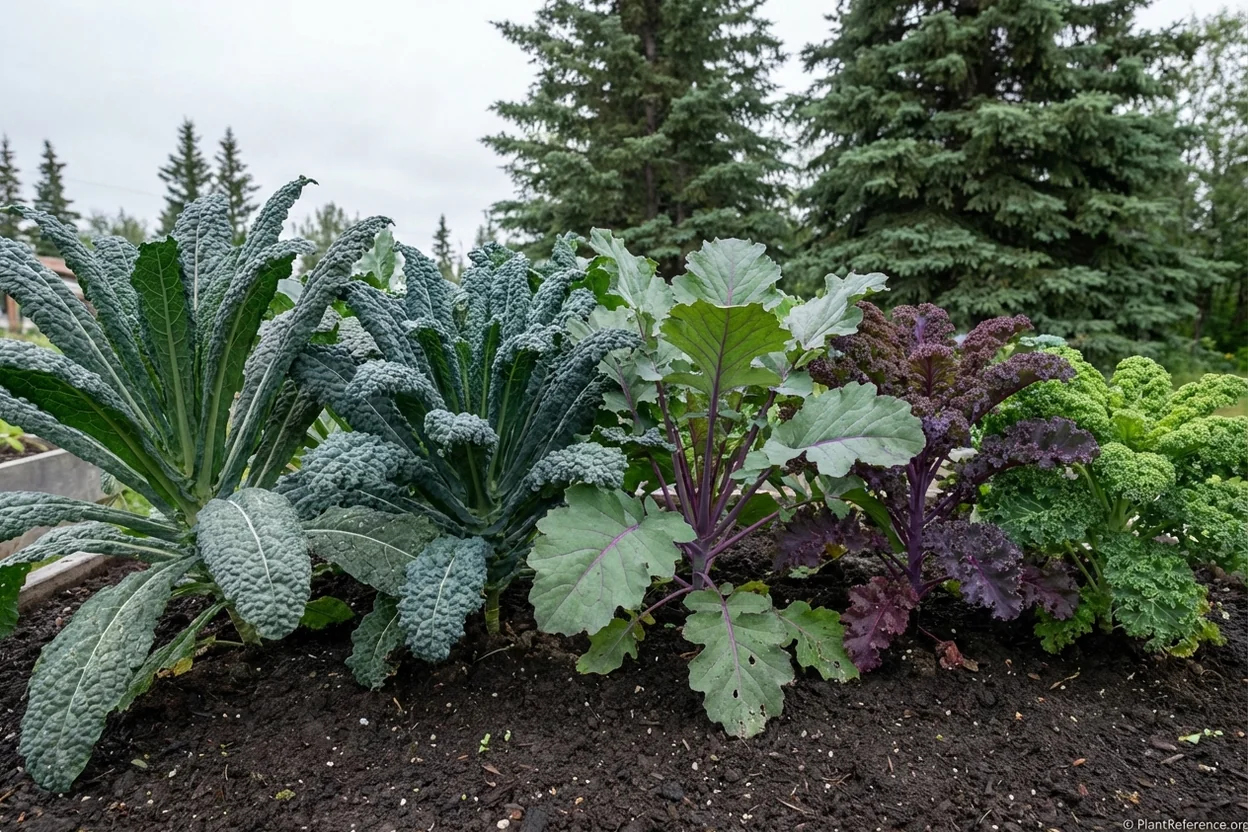
🌿Brassica oleracea 'Red Russian' stands out as the speed champion, reaching harvest size in just 50-60 days. This variety's flat, oak-leaf shaped foliage with distinctive purple veins handles Anchorage's cool nights beautifully. The tender leaves are perfect for fresh salads and smoothies, making it ideal for gardeners who want quick results from Alaska's compressed growing season.
🌿Brassica oleracea 'Vates' offers the perfect combination of speed and cold hardiness for Anchorage conditions. This compact variety grows only 12-16 inches tall, making it virtually immune to the wind that can buffet Alaska gardens. At 55-65 days to maturity, it provides reliable harvests even when planted late in the season.
Cold Hardy Powerhouses for Extended Harvest
🌿Brassica oleracea 'Winterbor' is the ultimate choice for Anchorage gardeners who want to push the season. This F1 hybrid can survive temperatures down to 0°F (-18°C) when properly established, potentially extending your harvest well into October. The deeply ruffled leaves develop exceptional sweetness as temperatures drop in early fall.
🌿Brassica oleracea 'Lacinato' brings gourmet flavor to Alaska gardens. Also known as Dinosaur kale, this Italian heirloom produces distinctive dark blue-green leaves with a blistered texture. While slightly less cold-hardy than Winterbor, it offers superior flavor and tender texture that's perfect for Alaska's naturally cool growing conditions.
🌿Brassica oleracea 'Redbor' adds stunning color to Anchorage gardens while delivering exceptional cold tolerance. This ornamental variety produces deeply curled leaves that transition from green to deep purple as cool weather arrives. It's an excellent choice for Alaska gardeners who want both beauty and function.
Variety | Days to Maturity | Best For | Notes for Anchorage |
|---|---|---|---|
50-60 days | Quick harvest | Perfect for Alaska's short season | |
55-65 days | Wind resistance | Compact size ideal for exposed sites | |
60-75 days | Season extension | Survives early fall freezes | |
60-75 days | Gourmet quality | Exceptional flavor in cool climate | |
60-75 days | Ornamental value | Color intensifies with cold |
Specific Planting Dates for Anchorage
Success with kale in Anchorage depends entirely on timing your plantings to work with Alaska's unique seasonal rhythms. With the last frost occurring around May 19 and first frost returning September 14, you have a precious 118-day window to grow this nutritious green. However, don't let the short season fool you—those long summer days provide more growing power than many southern gardens see all year.
Spring Planting Window: May 1-15
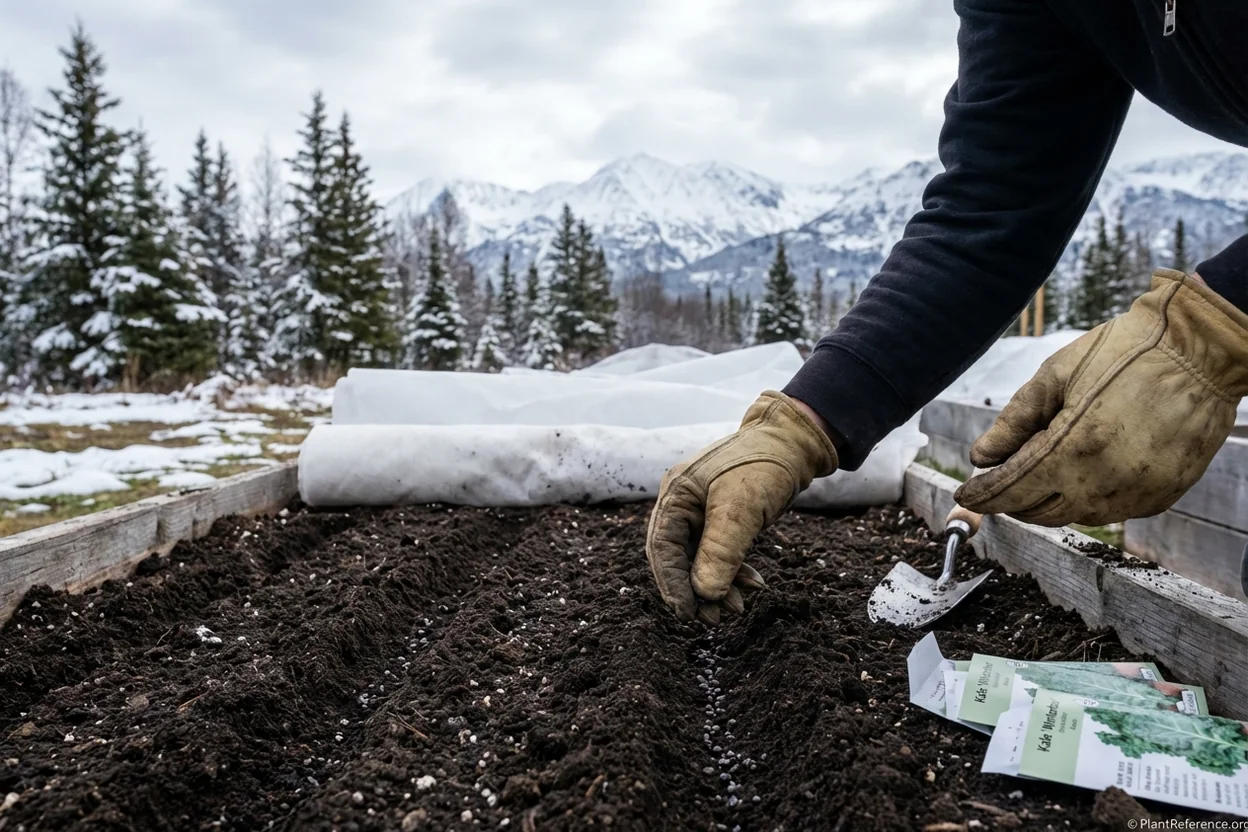
Start your first kale planting May 1-15, about 2-3 weeks before Anchorage's average last frost of May 19. Kale is remarkably frost-tolerant, easily handling the light frosts common in early May. In fact, these cool conditions are exactly what kale craves—you'll get better germination and stronger seedlings than gardeners dealing with fluctuating spring temperatures in warmer climates.
For spring planting, direct sow seeds ½ inch deep in prepared garden beds. The cool soil temperatures (45-55°F/7-13°C) are perfect for kale germination. Seeds typically sprout in 7-10 days under Anchorage conditions, with the constant daylight accelerating early growth.
Plant transplants during this same window if you've started seeds indoors. Begin indoor seeding March 15-30, about 6-8 weeks before transplanting. This gives you larger plants that can immediately take advantage of Alaska's explosive summer growing conditions.
Summer Succession Planting: June 1-15
Take advantage of Alaska's extended growing season by planting a second crop June 1-15. These plantings will mature in late July through August, providing fresh kale during the peak of Alaska's brief but glorious summer. The 20-hour daylight during this period creates phenomenal growth rates—plants often reach full size 2-3 weeks faster than the same varieties grown at lower latitudes.
Fall Crop for Maximum Sweetness: July 15-25
Here's where Anchorage gardeners can create something truly special. Plant your final kale crop July 15-25 for harvest that begins in September and continues until hard freezes arrive. This timing is crucial—you want plants to reach near-maturity before daylight hours begin shortening significantly in late August.
Fall-planted kale in Anchorage develops exceptional sweetness as September temperatures drop. When morning frosts begin touching the leaves, the plants convert stored starches to sugars as a natural antifreeze. The result is kale so sweet and tender it rivals the finest lettuce.
Calculate your fall planting date by counting backward from September 14 (average first frost). For varieties requiring 60-75 days to maturity, July 15-25 provides the perfect window to achieve full-sized plants before growth slows with shorter days.
Complete Growing Guide for Anchorage
Growing kale in Anchorage requires understanding how Alaska's unique climate affects every aspect of plant development. The combination of cool temperatures, extended daylight, and compressed growing season creates opportunities unavailable to gardeners in warmer regions—if you know how to work with these conditions.
Soil Preparation for Alaska Success
Anchorage's naturally acidic soils (often pH 5.0-6.0) need amendment for optimal kale production. Test your soil and add lime to achieve pH 6.0-7.0, which prevents clubroot disease and improves nutrient availability. In Alaska's short season, you can't afford the stunted growth that acidic soil causes.
Work 2-3 inches of well-aged compost into planting beds each spring. Alaska's cool temperatures slow decomposition, so organic matter persists longer than in warmer climates. This creates excellent soil structure and provides steady nutrient release throughout the growing season.
Consider raised beds if your site has drainage issues. Alaska's heavy rainfall and slow soil warming benefit from the improved drainage and faster spring warm-up that raised beds provide. Beds should be 8-12 inches high and filled with a mixture of native soil, compost, and coarse sand or perlite.
Maximizing Alaska's Unique Light Conditions
Anchorage's summer solstice brings nearly 20 hours of daylight—a massive advantage for vegetative crops like kale. This extended photoperiod drives photosynthesis far beyond what's possible at lower latitudes, often producing plants 25-30% larger than the same varieties grown elsewhere.
However, the flip side arrives quickly. By late August, daylight hours begin dropping rapidly, slowing growth just when you want fall crops reaching maturity. Time your plantings to have crops well-established before this critical transition period.
Use the extended daylight strategically by spacing plants slightly closer than southern recommendations. With abundant light energy available, plants can support higher density without competition stress. Space plants 8-10 inches apart instead of the standard 12 inches.
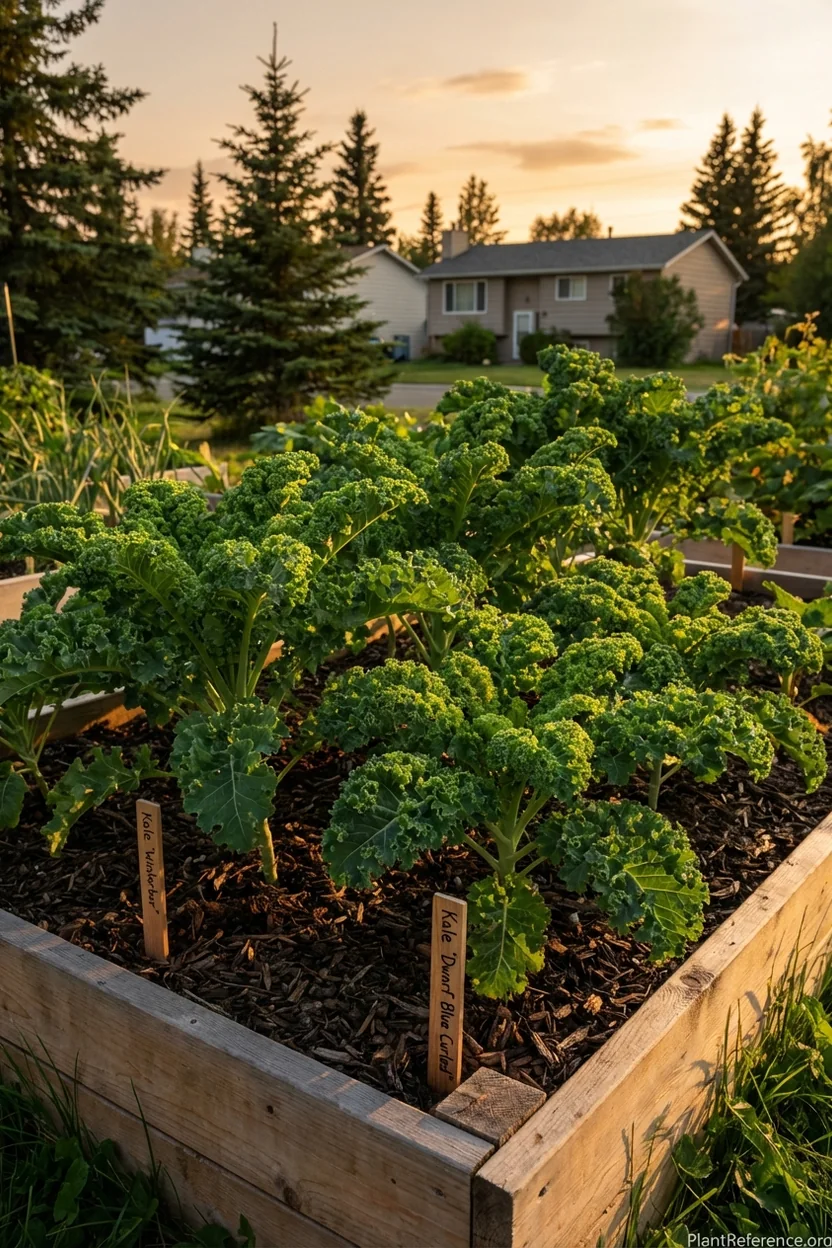
Watering Strategy for Cool, Wet Anchorage
Anchorage receives 16 inches of annual precipitation, mostly during summer growing months. This natural irrigation reduces watering needs but requires careful management to prevent disease and root rot issues common in cool, wet conditions.
Water deeply but infrequently, allowing soil to dry slightly between waterings. The cool temperatures mean plants need less water than the same crops grown in warmer climates. Overwatering in Alaska's cool conditions leads to weak, disease-prone plants that won't survive early frosts.
Use mulch to regulate soil moisture and temperature. A 2-3 inch layer of straw or grass clippings helps maintain consistent soil moisture while keeping roots slightly warmer. In Alaska's cool climate, this small temperature boost can extend your growing season by 1-2 weeks.
Fertilization for Short-Season Success
Alaska's compressed growing season demands efficient fertilization. Use a balanced organic fertilizer (5-5-5 or 10-10-10) at planting, then side-dress with nitrogen-rich amendments every 3-4 weeks throughout the growing season.
Fish emulsion works exceptionally well in Alaska—it's readily available, provides quick nitrogen uptake in cool soils, and Alaska's cool temperatures prevent the strong odors that make it less popular in warmer climates. Apply every 2-3 weeks at half-strength for steady growth.
Bone meal or rock phosphate applied at planting improves root development and cold tolerance. Strong root systems are crucial for Alaska kale that may face early freezes or need to overwinter under protection.
Season Extension Techniques
While Anchorage's natural growing season ends with September frost, simple protection can extend harvests well into October or even November. Row covers, cold frames, or simple plastic tunnels can protect plants through light frosts down to 25°F (-4°C).
🌿Brassica oleracea 'Winterbor' and 🌿Brassica oleracea 'Vates' are your best candidates for season extension in Anchorage. These varieties can survive temperatures down to 10-15°F (-12 to -9°C) with protection, potentially providing fresh greens until November in favorable years.
Troubleshooting Anchorage-Specific Problems
While Anchorage's cool climate eliminates many problems that plague kale growers elsewhere—no summer bolting, minimal heat stress, reduced pest pressure—Alaska gardeners face their own unique challenges that require specific solutions.
Dealing with Slow Spring Soil Warming
Anchorage soils often remain cold and saturated well into May, preventing timely spring planting. Cold, wet soil leads to poor germination, damping-off disease, and stunted root development that affects the entire growing season.
Create warm planting areas by using raised beds filled with well-draining soil mix. Raised beds warm 1-2 weeks earlier than ground-level plantings in Alaska's spring conditions. Cover beds with clear plastic 2-3 weeks before planting to accelerate soil warming.
For the earliest plantings, consider using black plastic mulch to capture and retain soil heat. Install it 2-3 weeks before planting, then cut holes for direct seeding. This technique can advance planting dates by 7-10 days in cool springs.
Managing Excessive Rainfall and Poor Drainage
Anchorage's wet summers can waterlog soils and promote fungal diseases, particularly clubroot and black rot that affect brassicas. Standing water around plants during Alaska's cool summer weather creates perfect conditions for soil-borne diseases.
Improve drainage by incorporating coarse organic matter like aged bark chips or perlite into heavy clay soils common around Anchorage. Even a 20% addition can dramatically improve water movement through Alaska's dense soils.
Install French drains or create gentle slopes in garden beds to move excess water away from plant roots. In Anchorage's wet climate, proper drainage is often more important than irrigation.
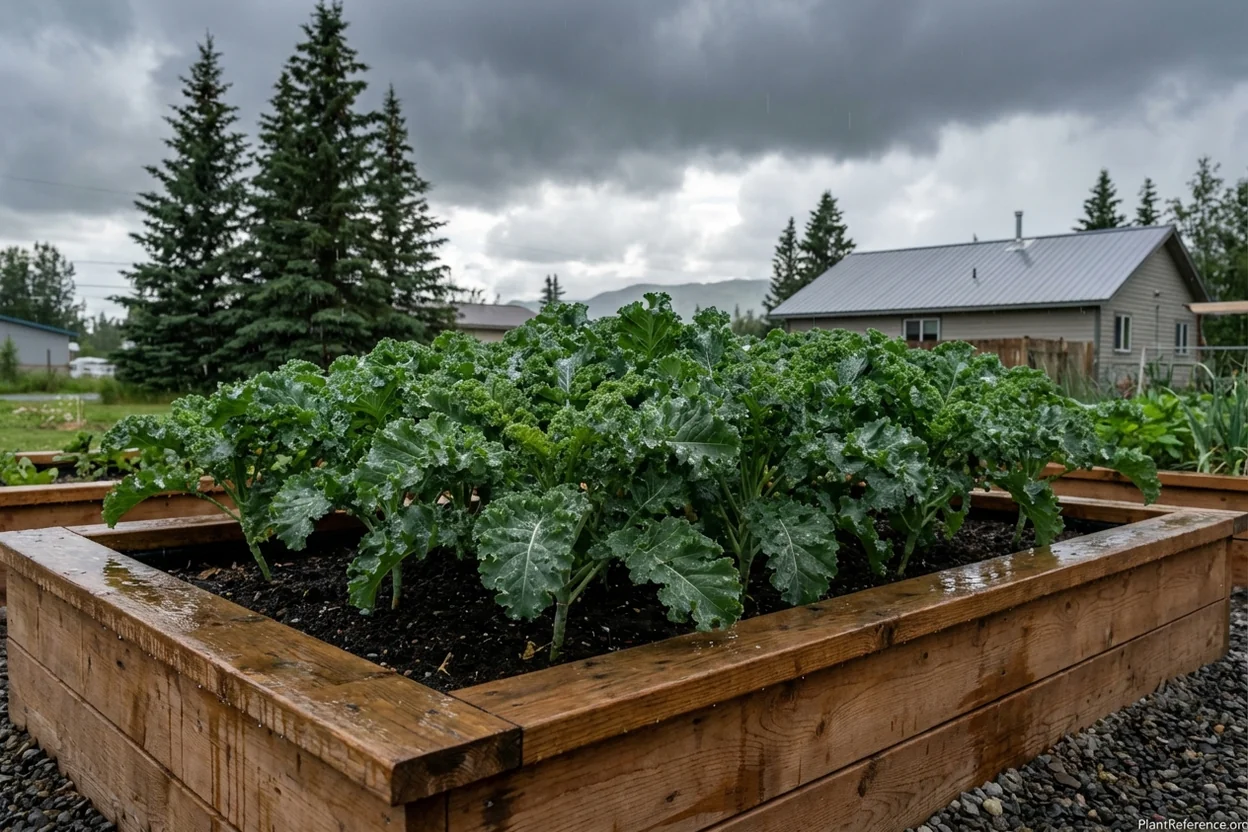
Protecting Against Unexpected Early Frosts
While September 14 is Anchorage's average first frost, early cold snaps can arrive in late August, threatening fall crops that aren't quite ready for harvest. Alaska's variable weather patterns make season-ending frosts difficult to predict.
Monitor long-range weather forecasts beginning in mid-August and have protection ready to deploy quickly. Row covers, old sheets, or even large cardboard boxes can protect plants through surprise light frosts that might otherwise end the season prematurely.
Choose fast-maturing varieties like 🌿Brassica oleracea 'Red Russian' for plantings after July 1. These 50-60 day varieties provide insurance against early frost by reaching harvest size more quickly than longer-season types.
Managing Limited Variety Availability
Alaska gardeners often face limited selection of kale varieties compared to gardeners in more populated regions. Many seed companies don't stock varieties specifically selected for short-season, cool-climate conditions.
Order seeds early from northern-climate specialists or save seeds from your best-performing plants. Alaska Botanical Garden and University of Alaska Extension often provide variety recommendations specifically tested in Alaska conditions.
Consider starting with mixed variety packets that include several types. This gives you the chance to evaluate which varieties perform best in your specific Anchorage microclimate while ensuring you have productive plants regardless of individual variety performance.
Harvest & Storage
Harvesting kale in Anchorage offers unique advantages that gardeners in warmer climates rarely experience. The cool temperatures that define Alaska's growing season create ideal storage conditions right in your garden, while the natural "sweetening" effect of cool weather produces kale with exceptional flavor and tenderness.
Optimal Harvest Timing for Alaska Conditions
Begin harvesting kale leaves when they reach 6-8 inches long, typically 6-8 weeks after planting in Anchorage conditions. The cool temperatures mean leaves stay tender much longer than in warmer climates—you can harvest mature leaves up to 12-14 inches without the toughness problems common elsewhere.
Alaska's extended daylight hours during summer mean plants recover quickly from harvesting. Remove outer leaves every 3-4 days during peak growing season (June-July) to encourage continuous production. A single plant can yield 2-3 pounds of leaves over a full season when harvested properly.
For fall crops, wait until after the first light frost to begin major harvests. The frost converts starches to sugars, creating remarkably sweet, tender leaves. This natural sweetening process only occurs in climates cool enough to trigger the plant's cold-protection mechanisms—a unique advantage for Alaska gardeners.
Maximizing Flavor with Frost Exposure
September mornings in Anchorage often bring the first light frosts that transform kale from good to extraordinary. These frosts, typically 28-32°F (-2 to 0°C), don't damage the plants but trigger biochemical changes that dramatically improve flavor.
Allow fall-planted kale to experience 2-3 light frosts before major harvesting. The difference in sweetness and tenderness is remarkable—leaves that might have been slightly bitter in August become candy-sweet by October. This transformation is particularly pronounced in 🌿Brassica oleracea 'Winterbor' and 🌿Brassica oleracea 'Redbor'.
Harvest on frost-free mornings when possible, as frozen leaves are more fragile and prone to damage during picking. If you must harvest frost-covered leaves, allow them to thaw naturally before handling to prevent cell damage.
Storage Strategies for Alaska's Climate
Anchorage's naturally cool conditions create excellent storage opportunities unavailable to gardeners in warmer regions. Fresh kale keeps 2-3 weeks in refrigerator conditions, but Alaska's cool garages, unheated porches, or cold frames can extend storage even further.
Store harvested kale in perforated plastic bags in your refrigerator's vegetable drawer. The high humidity and near-freezing temperatures keep leaves crisp and fresh for up to 3 weeks—much longer than possible in warmer climates where leaves quickly yellow and decay.
For longer storage, blanch and freeze kale for use in soups, smoothies, and cooked dishes. Alaska's short growing season makes food preservation a valuable skill, and kale freezes exceptionally well. Blanch leaves for 2-3 minutes, cool in ice water, drain thoroughly, and package in freezer bags for use throughout the winter.
Consider dehydrating kale leaves for chips and seasoning powder. Alaska's dry indoor winter air makes dehydrating particularly effective, and homemade kale chips provide healthy snacks during the long winter months when fresh vegetables are expensive and limited.
Frequently Asked Questions
Reading about plants and recognising them are different skills. These three build the second.
- Daily PlantIdentify the day’s mystery plant from a close-up photograph.
- Keyed OutWork a dichotomous key, lead by lead, to name a hidden specimen.
- Name That PlantName a specimen from botanical clues dealt hardest first.
Free to play, no account needed
Tom is a lifelong Alaskan who gardens in Anchorage, where the growing season is short but intense. He works for the state cooperative extension service and has spent years figuring out what works in a climate where the ground freezes deep, the growing season starts in late May, and you get 19 hours of daylight in June. Tom grows cold-hardy vegetables, maintains a collection of boreal-adapted perennials, and experiments with season extension using cold frames and row covers. He writes about the realities of northern gardening—the unique advantages (those long summer days produce remarkable growth) and the genuine limitations. Tom's tone is calm and practical, with the quiet humor of someone who's gardened through Alaskan winters for decades.