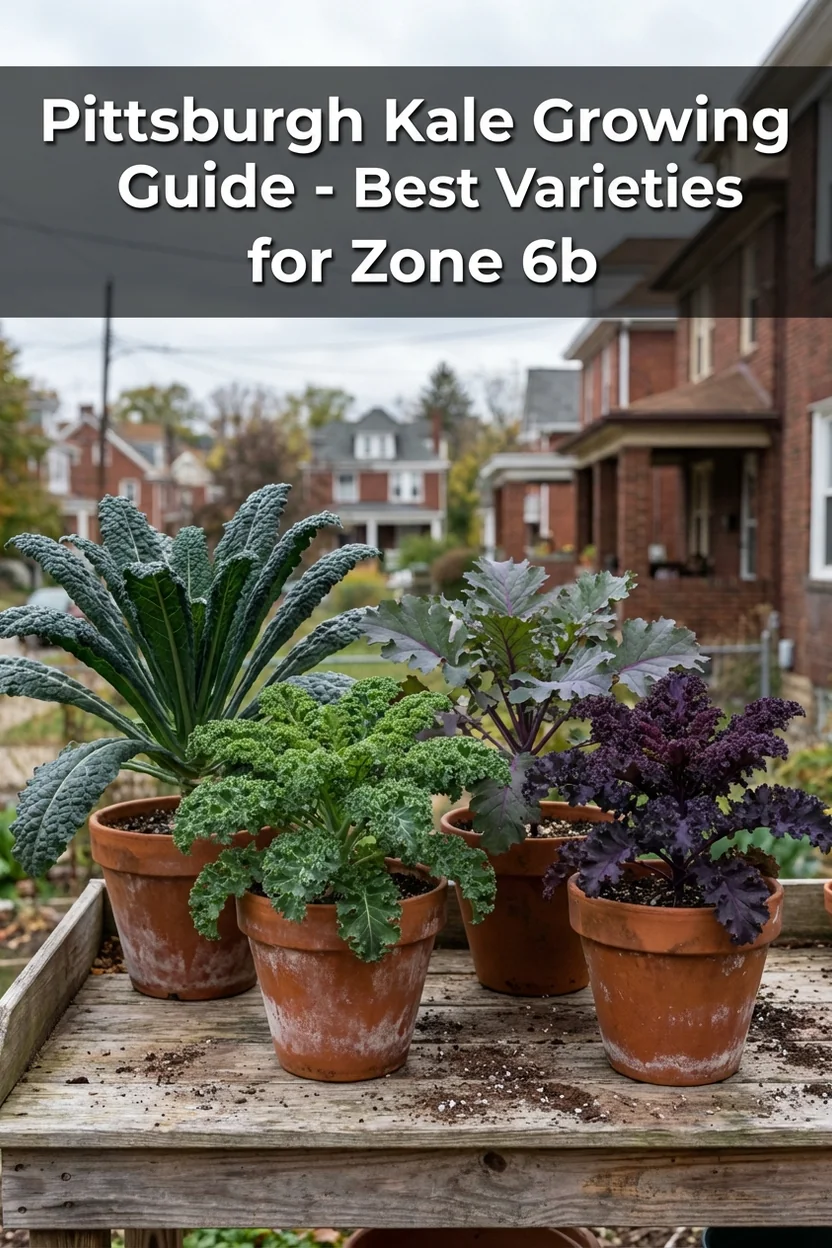
When to Plant Kale in Pittsburgh: Complete Guide + Best Varieties for Zone 6b
Pets & Toxicity
Recorded toxicity for plants linked in this guide. An unknown status is not a safety assessment.
No linked plant is recorded as toxicDetailsHide
Brassica oleracea 'Red Russian' — Toxicity
Non-toxicView Brassica oleracea 'Red Russian' plant profileBrassica oleracea var. sabellica 'Vates' — Toxicity
Non-toxicView Brassica oleracea var. sabellica 'Vates' plant profile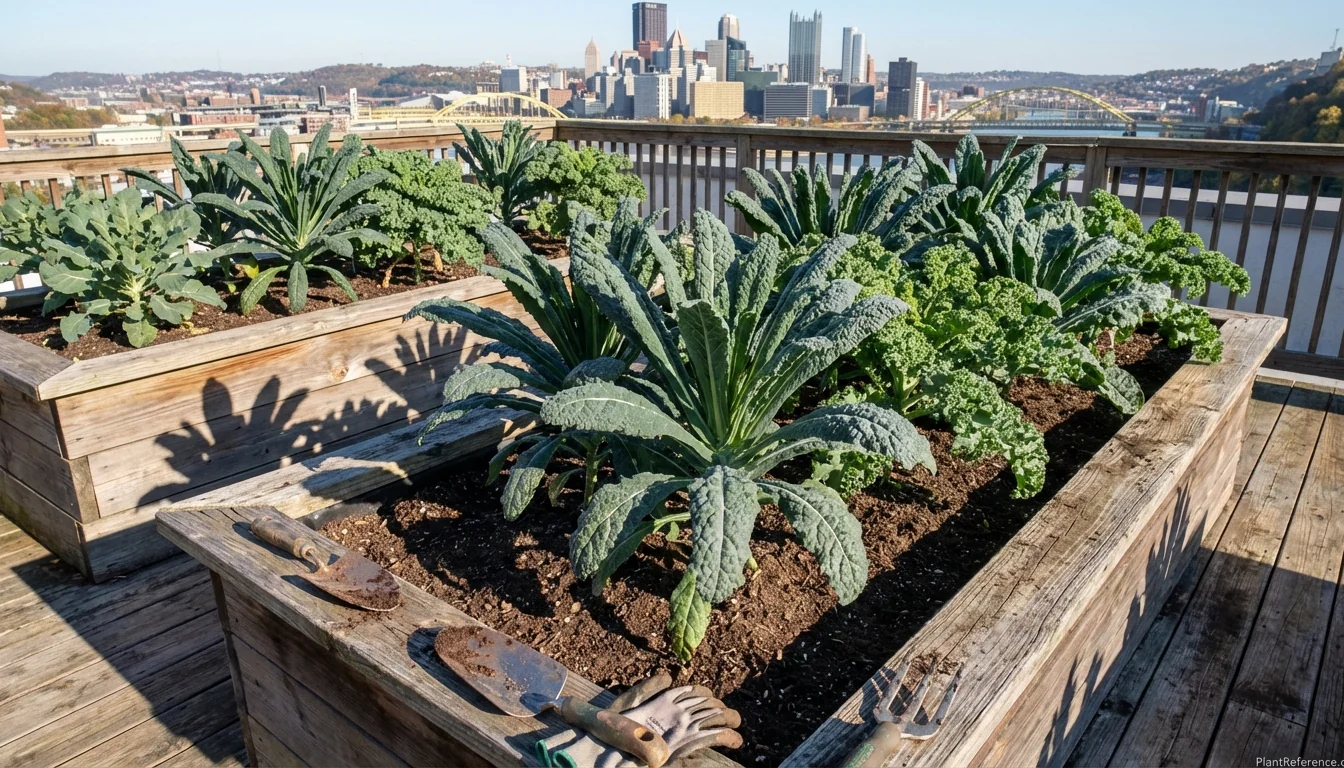
— Image © Plant Reference 2026
I've been growing kale in Pittsburgh for over thirty years, and I'll tell you what works: this city has one of the finest kale-growing climates in the country. Our Zone 6b conditions give you two distinct growing seasons, and the fall crop will be the sweetest kale you've ever tasted.
Best Kale Varieties for Pittsburgh's Zone 6b Climate
Pittsburgh's moderate climate with reliable frost means every kale variety thrives here, but some perform better than others in our specific conditions.
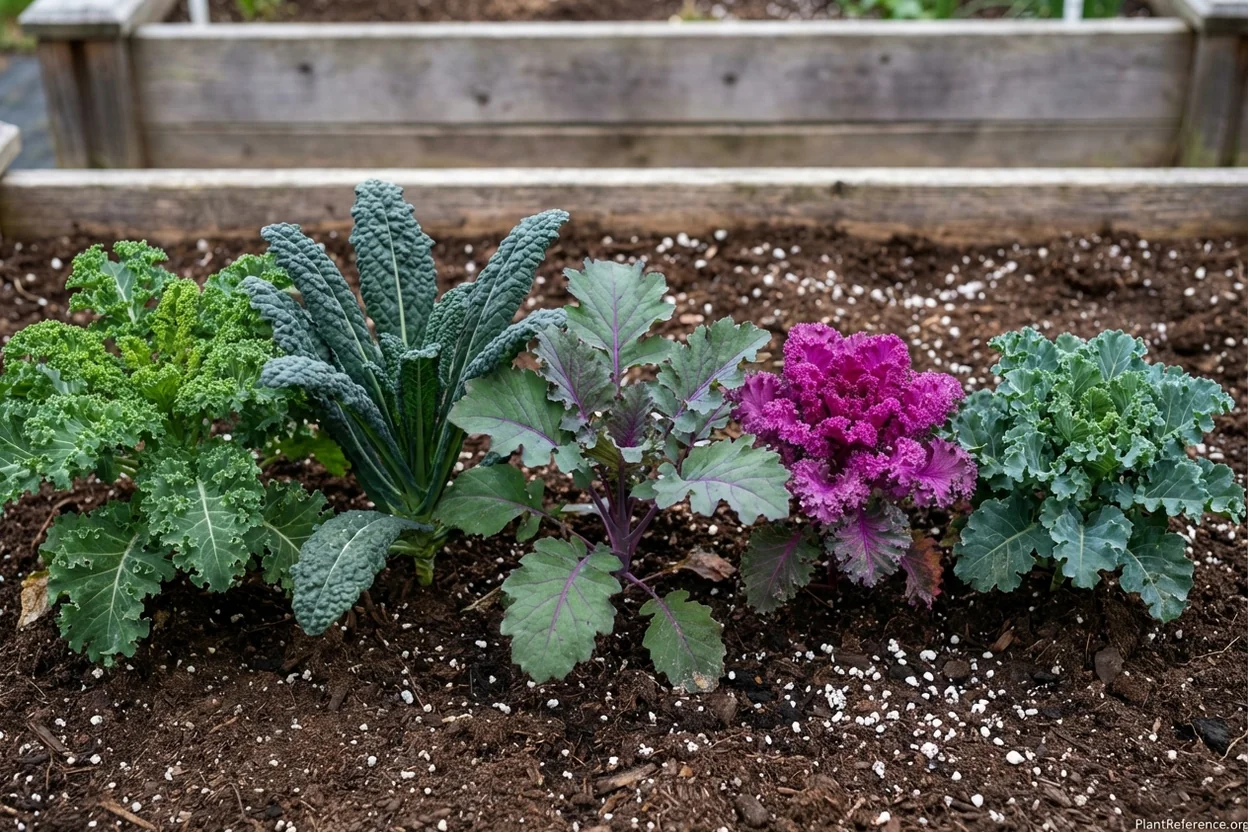
The key to success in Pittsburgh is understanding that our cold tolerance lets you grow varieties that struggle in warmer climates, while our moderate summers mean heat-sensitive types perform well.
Variety | Days to Maturity | Best For Pittsburgh | Notes for Zone 6b |
|---|---|---|---|
60-75 days | Winter survival | Survives to 0°F, sweetest after frost | |
60-75 days | Premium flavor | Italian heirloom, excellent fresh eating | |
50-60 days | Quick spring crop | Fast-maturing, tender leaves | |
60-75 days | Ornamental value | Purple color intensifies in cold | |
55-65 days | Small spaces | Compact, slow to bolt |
Top Varieties for Pittsburgh Conditions
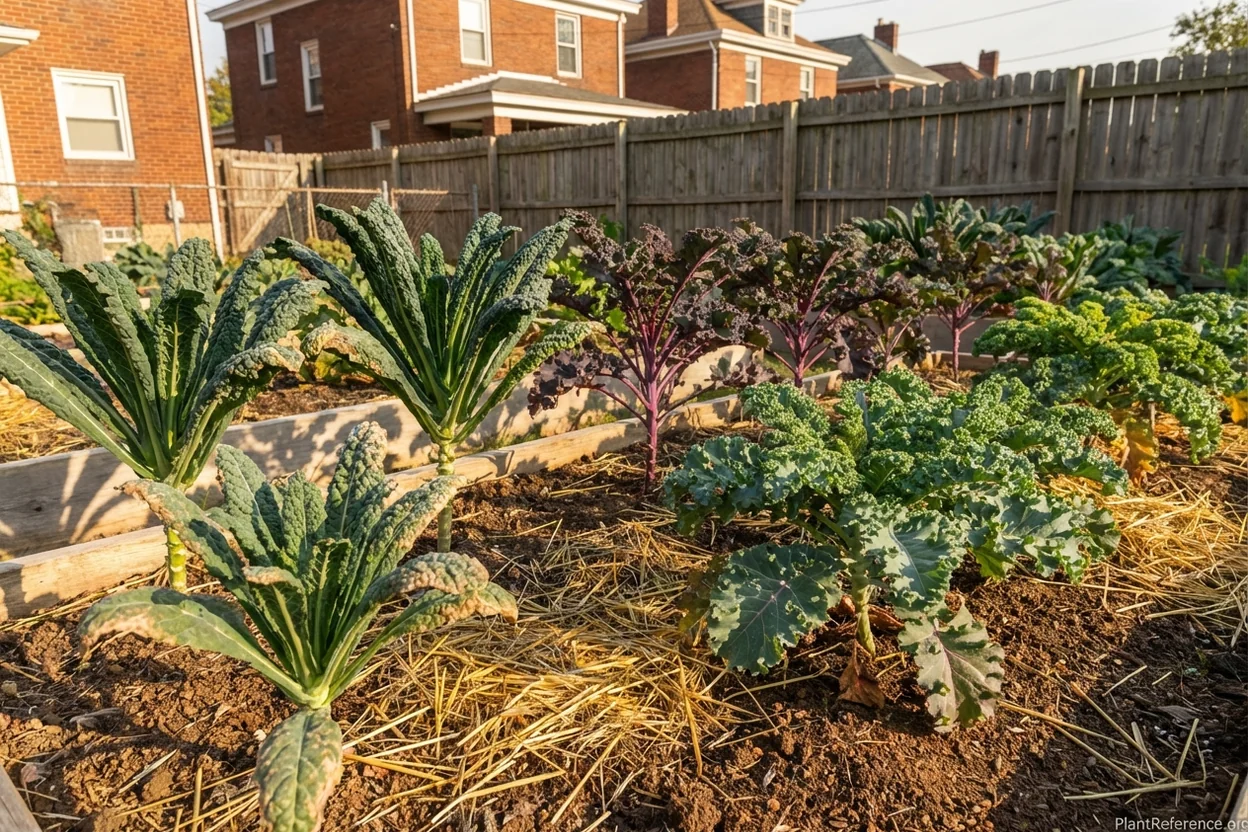
🌿Brassica oleracea 'Winterbor' stands as the champion for our climate. This F1 hybrid was bred for cold tolerance and thrives through Pittsburgh winters when protected. The deeply curled leaves handle snow load without damage, and the flavor transforms completely after our October frost.
🌿Brassica oleracea 'Lacinato', also called dinosaur kale, provides the finest eating quality. The dark, blistered leaves offer a nutty sweetness that's unmatched, and it handles our variable spring weather better than most varieties.
For quick results, 🌿Brassica oleracea 'Red Russian' matures fastest at 50-60 days. The tender, oak-shaped leaves with purple veins make excellent salad additions, and it's your best choice for early spring planting.
🌿Brassica oleracea 'Redbor' serves dual purpose as both food and ornamental. The purple color deepens dramatically after frost, creating stunning winter garden displays while providing excellent eating quality.
Compact 🌿Brassica oleracea 'Vates' works perfectly for container growing or small spaces. This open-pollinated variety stays low and bushy, rarely exceeding 16 inches tall, making it ideal for Pittsburgh's urban gardens.
Specific Planting Dates for Pittsburgh Gardeners
Pittsburgh's Zone 6b classification means our average last frost falls on April 24th and first frost arrives October 19th, giving us 178 growing days. But kale doesn't need frost-free conditions – it actually prefers cool weather.
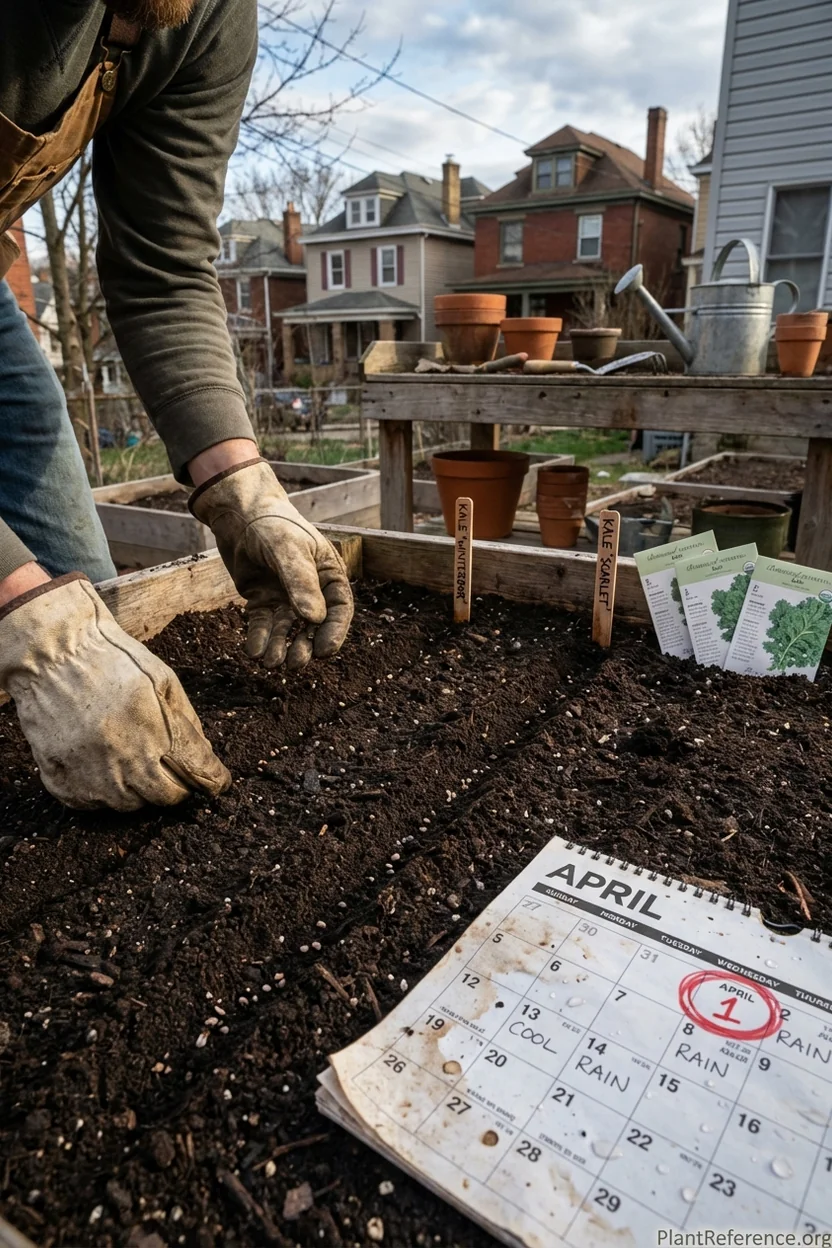
Spring Planting Schedule
Direct Seeding: March 20 - April 1 Start seeds directly in the garden 3-4 weeks before the last frost date. Kale seedlings tolerate light frosts down to 28°F without damage.
Transplant Planting: March 25 - April 8 If starting indoors, sow seeds February 15 - March 1, then transplant 6-8 week-old seedlings outdoors. Use row covers if temperatures drop below 25°F.
Spring Harvest Window: May 15 - June 30 Begin harvesting outer leaves when plants reach 8-10 inches tall. Quality declines as summer heat arrives in July.
Fall Planting Schedule (Superior Choice)
Direct Seeding: August 1 - August 15 Plant 10-12 weeks before first frost for mature plants that can handle winter weather. This timing is critical for Pittsburgh.
Late Planting: August 16 - September 1 Still viable but plants may not reach full size before cold weather. Consider fast-maturing 🌿Brassica oleracea 'Red Russian' for late plantings.
Fall Harvest Window: October 1 - March 15 (with protection) The magic happens after October 19th frost when starches convert to sugars, creating incredibly sweet kale.
Complete Growing Guide for Pittsburgh's Climate
Growing exceptional kale in Pittsburgh requires working with our climate patterns rather than fighting them. Our moderate temperatures and reliable moisture create ideal conditions, but timing and variety selection make the difference between good and great harvests.
Soil Preparation for Pittsburgh Gardens
Pittsburgh's clay-heavy soils need amendment for optimal kale production. I've seen too many gardeners struggle with compacted ground that holds water in spring and cracks during summer dry spells.
Work 2-3 inches of compost into the top 8 inches of soil before planting. Our acidic Pittsburgh soils (typically pH 5.5-6.0) benefit from lime application to reach kale's preferred pH of 6.0-7.0. Test your soil – most Pittsburgh gardens need lime every 2-3 years.
Add 2 pounds ground limestone per 100 square feet for acidic soils
Work in 2 inches of finished compost before planting
Ensure drainage – raised beds work well for heavy clay
Side-dress with balanced organic fertilizer 4 weeks after planting
The heavy clay common in Pittsburgh neighborhoods retains nutrients well but requires organic matter to improve drainage and root penetration.
Planting Techniques for Zone 6b Success
Direct Seeding Method: Plant seeds 1/2 inch deep in rows 18 inches apart. Space seeds 4-6 inches apart and thin to 12 inches once seedlings establish. Direct seeding works excellently in Pittsburgh's moderate climate.
Transplant Method: Start seeds indoors under lights 6-8 weeks before transplanting. Harden off seedlings gradually over 7-10 days before planting outside. Transplants establish quickly in Pittsburgh's cool, moist springs.
Succession Planting: For continuous harvest, plant new rows every 2-3 weeks from March through August. This provides steady production from May through the following March.
Watering and Fertilizing in Pittsburgh
Our average 38 inches of annual rainfall means irrigation isn't always necessary, but consistent moisture produces the best quality leaves. Inconsistent watering causes bitter, tough kale.
Water deeply once weekly if rainfall is less than 1 inch. Mulch around plants with 2-3 inches of straw to retain moisture and suppress weeds.
Apply 1 inch of water weekly including rainfall
Mulch with straw to conserve moisture
Side-dress with fish emulsion monthly during active growth
Stop fertilizing 6 weeks before expected hard freeze
Pittsburgh's humid summers can promote foliar diseases, so water at soil level rather than on leaves when possible.
Troubleshooting Pittsburgh-Specific Kale Problems
Thirty years of Pittsburgh gardening has taught me the common problems you'll face and exactly how to solve them. Our climate creates specific challenges that differ from other regions.
Spring Weather Volatility
Pittsburgh's notorious spring weather swings can stress young kale plants. One day it's 70°F, the next brings snow. This temperature fluctuation causes bolting in spring-planted crops.
Solution: Use row covers during unstable weather periods. Remove covers when temperatures stabilize above 50°F consistently. Choose bolt-resistant varieties like 🌿Brassica oleracea 'Vates' for spring planting.
Summer Heat Stress
While Pittsburgh summers aren't as brutal as southern cities, sustained temperatures above 80°F cause kale to bolt and become bitter.
Solution: Provide afternoon shade during heat waves. Plant spring kale in partial shade locations that receive morning sun only. Harvest heavily during hot spells rather than trying to maintain plants.
Cabbage Worm Pressure
Pittsburgh's humid summers create perfect conditions for imported cabbage worms. These green caterpillars can destroy a kale crop in days.
Use floating row covers immediately after planting
Apply Bt (Bacillus thuringiensis) spray weekly during active periods
Hand-pick larger caterpillars in early morning
Plant trap crops like nasturtiums to lure pests away
Timing: Cabbage worms peak during May-June and again in August-September. Fall crops typically experience less pressure.
Aphid Infestations
Cool, moist Pittsburgh springs encourage aphid populations on tender kale shoots. These tiny insects cluster on leaf undersides and cause curling.
Solution: Blast aphids off with strong water spray every few days. Apply insecticidal soap for severe infestations. Encourage beneficial insects by planting diverse flowers nearby.
Winter Survival Issues
Pittsburgh's Zone 6b climate allows kale overwintering, but ice storms and temperature fluctuations can damage plants.
Protection Methods:
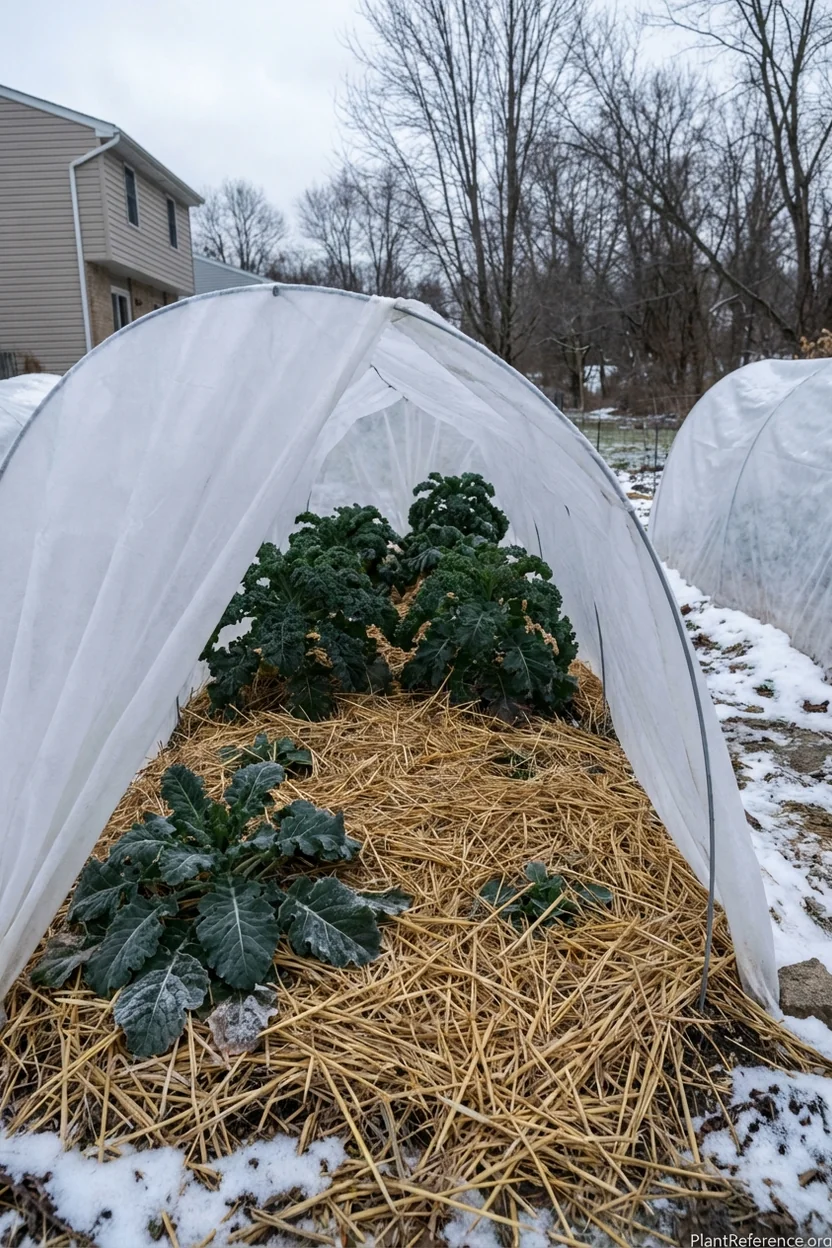
Mulch heavily around plant bases with 4-6 inches of straw
Use low tunnel hoops with row cover during severe cold spells
Choose cold-hardy varieties like
🌿Brassica oleracea 'Winterbor' - Position beds in protected locations away from northwest winds
Soil Compaction from Heavy Clay
Pittsburgh's clay soils compact easily, limiting root growth and water infiltration.
Long-term Solution: Build raised beds 8-12 inches high filled with quality compost and topsoil mix. Never work clay soil when wet. Add organic matter annually to improve soil structure.
Harvest and Storage Tips for Pittsburgh
The harvest period determines kale quality more than any other factor. Pittsburgh's climate provides two distinct harvest windows with dramatically different characteristics.
Spring Harvest (May 15 - June 30)
Spring kale offers tender leaves perfect for fresh eating but lacks the sweetness of fall crops. Begin harvesting when plants reach 8-10 inches tall, typically 8-10 weeks after planting.
Harvesting Method: Cut outer leaves at the base, leaving the center growing point intact. Never harvest more than one-third of the plant at once. Young leaves under 6 inches provide the best salad quality.
Quality Indicators: Prime spring kale has bright green color and crisp texture. As temperatures rise above 75°F consistently, leaves become tougher and develop bitter compounds.
Fall/Winter Harvest (October 1 - March 15)
This is when Pittsburgh kale reaches its peak. After October 19th frost, starches convert to sugars, creating remarkably sweet leaves. Many gardeners don't realize how much flavor improves after cold exposure.
Post-Frost Changes: Leaves become noticeably sweeter and less bitter after several nights below 32°F. The cell structure also becomes more tender, making raw consumption more pleasant.
Winter Harvesting: Continue harvesting throughout winter during temperature breaks above 20°F. Plants survive temperatures to 10°F with protection, providing fresh greens when nothing else grows.
Storage Methods for Extended Use
Refrigerator Storage: Fresh-cut kale keeps 7-10 days in perforated plastic bags in the refrigerator crisper. Don't wash leaves until ready to use.
Freezing: Blanch leaves in boiling water for 2 minutes, shock in ice water, drain thoroughly, and freeze in freezer bags. Frozen kale works excellently in soups and smoothies.
Dehydration: Pittsburgh's humid climate makes air-drying difficult. Use a food dehydrator to make kale chips or dried seasoning powder.
The key to storage success is harvesting at the right stage and processing immediately. Don't let harvested kale sit at room temperature – the quality degrades rapidly.
Frequently Asked Questions
Reading about plants and recognising them are different skills. These three build the second.
- Daily PlantIdentify the day’s mystery plant from a close-up photograph.
- Keyed OutWork a dichotomous key, lead by lead, to name a hidden specimen.
- Name That PlantName a specimen from botanical clues dealt hardest first.
Free to play, no account needed
Linda's been growing tomatoes in containers on her suburban Pittsburgh balcony—ever since her kids grew up and she finally had time for hobbies again. She's a medical billing specialist by day and a tomato enthusiast by night and weekend. Linda started documenting her container growing experiments on a simple blog and discovered other renters and condo dwellers were desperate for practical advice. She tests different varieties every season, tracking yields, disease resistance, and flavor in a detailed spreadsheet. Linda's approach is practical and budget-conscious—she saves seeds, reuses containers, and makes her own fertilizer from kitchen scraps. Her specialty is maximizing production in small spaces, and she's perfected the art of growing full-size tomatoes in 5-gallon buckets. She's a Pennsylvania Master Gardener and teaches container growing workshops at her local library.